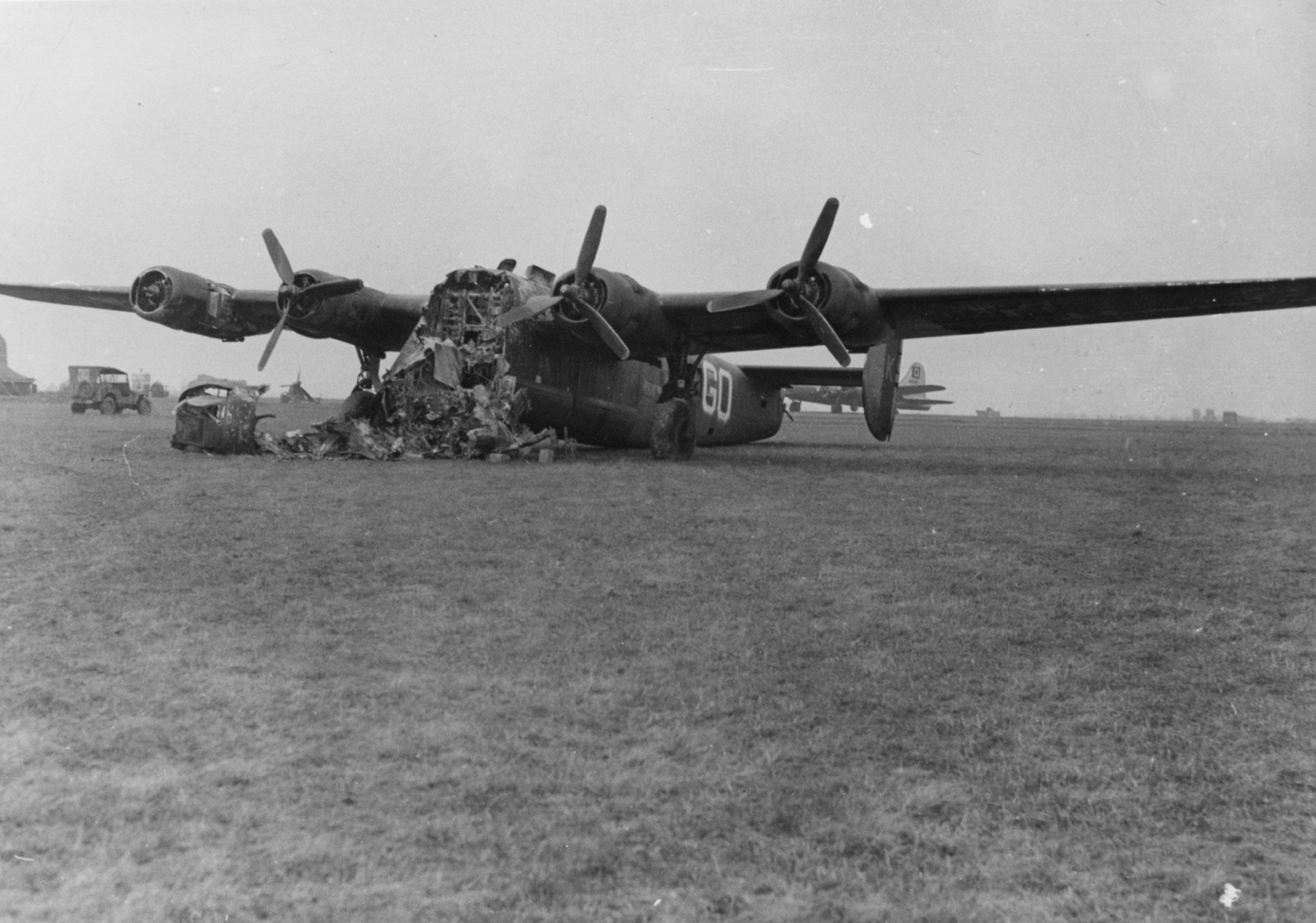
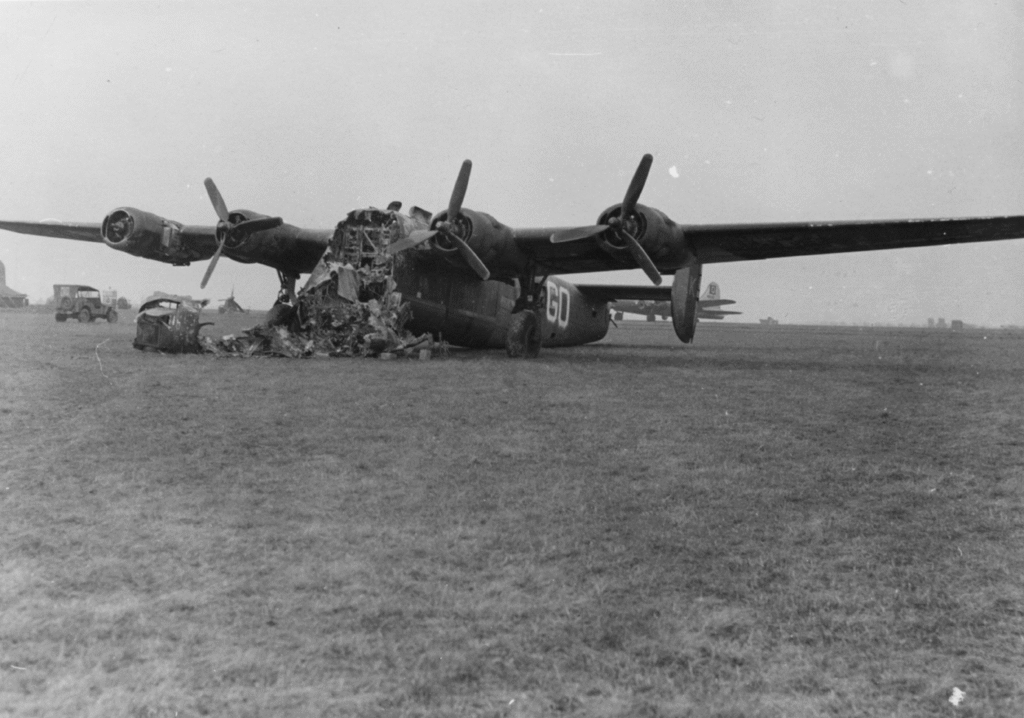
The 100th Bomb Group—long remembered as “the Bloody Hundredth”—gained a place in World War II history that few squadrons could equal. Their legend was not founded on figures only but on the determination, sacrifice, and unshaking courage of the airmen who flew from Thorpe Abbotts, England. They became the embodiment of resilience, not because they achieved the most victories, but because they survived some of the war’s most lethal skies with an unbroken spirit.
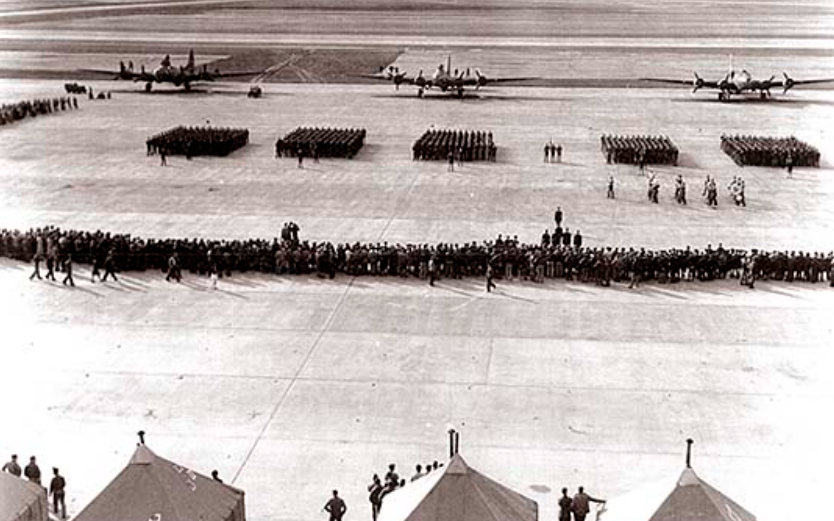
Their training started in 1942 at Walla Walla Army Air Base, Washington. It was far from smooth. Misunderstanding, inexperience, and sometimes even overconfidence frequently brought disorder in their trail. During an infamous navigation exercise, B-17s were spread all over the western United States. Some landed miles off course in Las Vegas, and another crew went as far as Tennessee simply to visit a pilot’s wife. Their initial commander, Colonel Darr H. Alkire, informed the men in no uncertain terms that their experience would be hard and far from glamorous. Later, when discipline was still tenuous, Colonel Howard M. Turner took command, imposing order and preparing the unit for the brutal realities that lay ahead overseas.
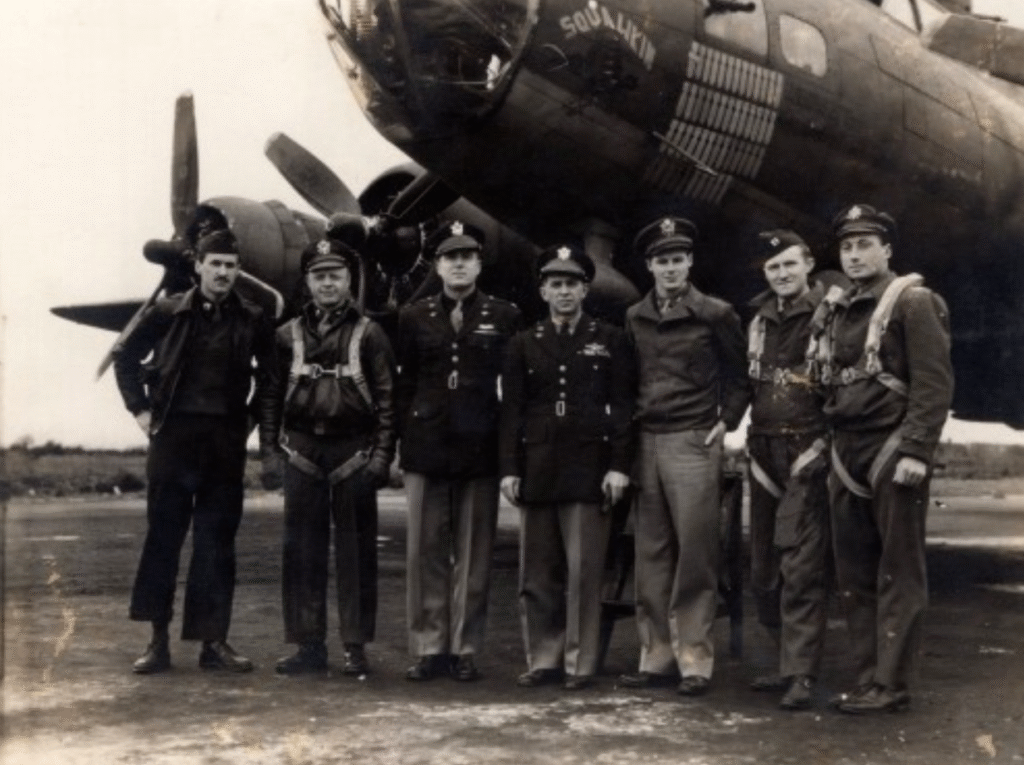
By mid-1943, the 100th was in England, integrated into the Eighth Air Force’s grand daylight bombing program. The job was simple in concept—destroy German industry with precision bombing—but in reality, ty lethal. Lacking early long-range fighter escorts, B-17 crews were easy prey for enemy fighters and AA fire. The casualties were quick and heavy, and each mission was a game of rolling dice against impossible numbers.
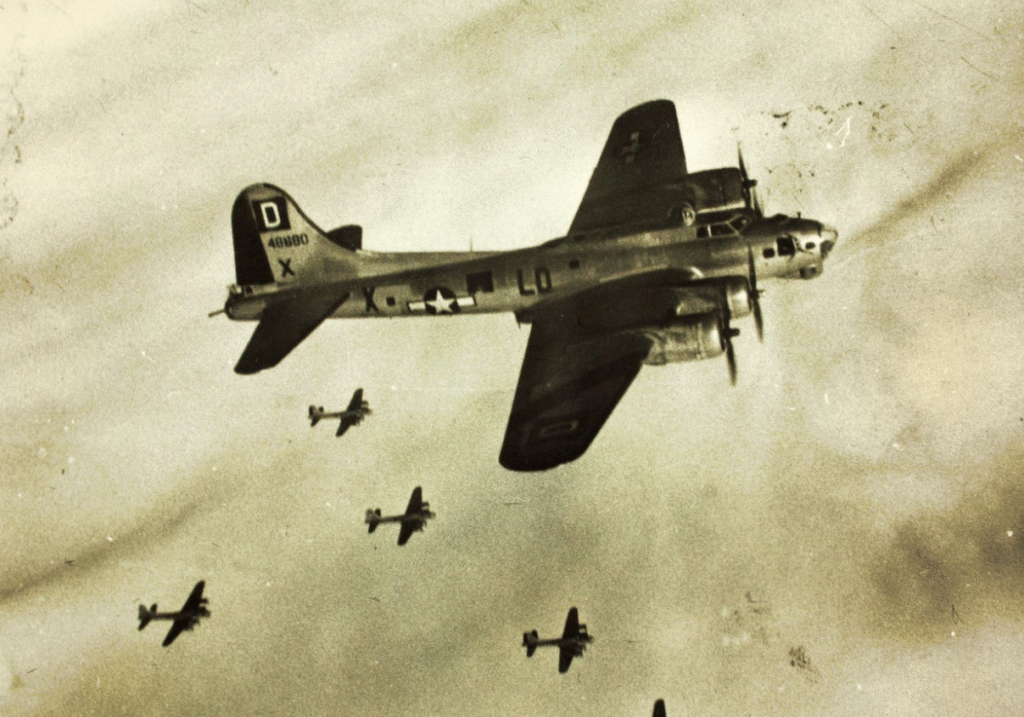
Their initial test was over Bremen, where three bombers and thirty men were lost. Although such defeats, Operations Officer John “Bucky” Egan and Captain Gale “Buck” Cleven and others kept hope alive, urging their men to go on. Nevertheless, the group would soon bear a reputation as being unlucky, one characterized by unusually high losses.
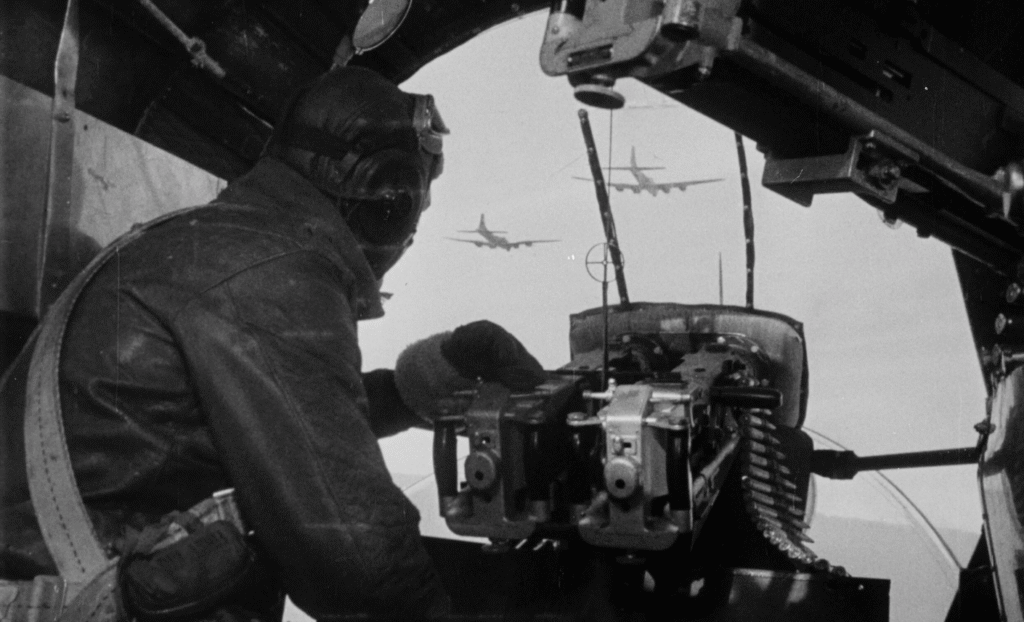
That reputation only intensified on August 17, 1943, during the Regensburg Raid. The 100th operated in the most vulnerable position of the formation, ominously christened “Purple Heart Corner.” Three of the twenty-two bombers came back. Nineteen aircraft and crews were lost on one day, the highest loss incurred by any unit on that mission. Survivors recalled the eerie spectacle of friends plummeting out of the sky, relying on gallows humor and a resolve to persevere.
Next was October 1943, which would be remembered as “Black Week.” It came very close to shattering the backbone of the U.S. bombing campaign. On October 10, thirteen of the group’s bombers departed for Münster. Only one returned—Robert “Rosie” Rosenthal’s Royal Flush. A New York lawyer turned pilot, and the group’s sole Jewish flier, Rosenthal became legendary in his own right. He made it through innumerable close calls, completed fifty-two missions, and represented the grit that kept the 100th flying.
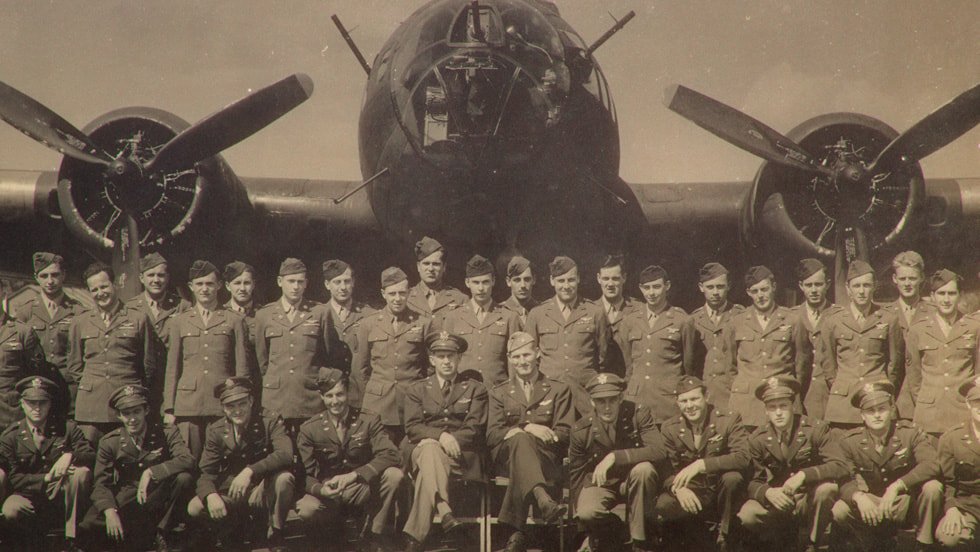
The pressure on the men was tremendous. Command saw the strain and instituted “flak houses,” rest centers where weary crews could relax between missions. Commanders such as Colonel Neil “Chick” Harding realized that morale and mental toughness were just as important as discipline or expertise. Camaraderie, humor, and small escapes from reality usually made the difference between hanging in and cracking up.
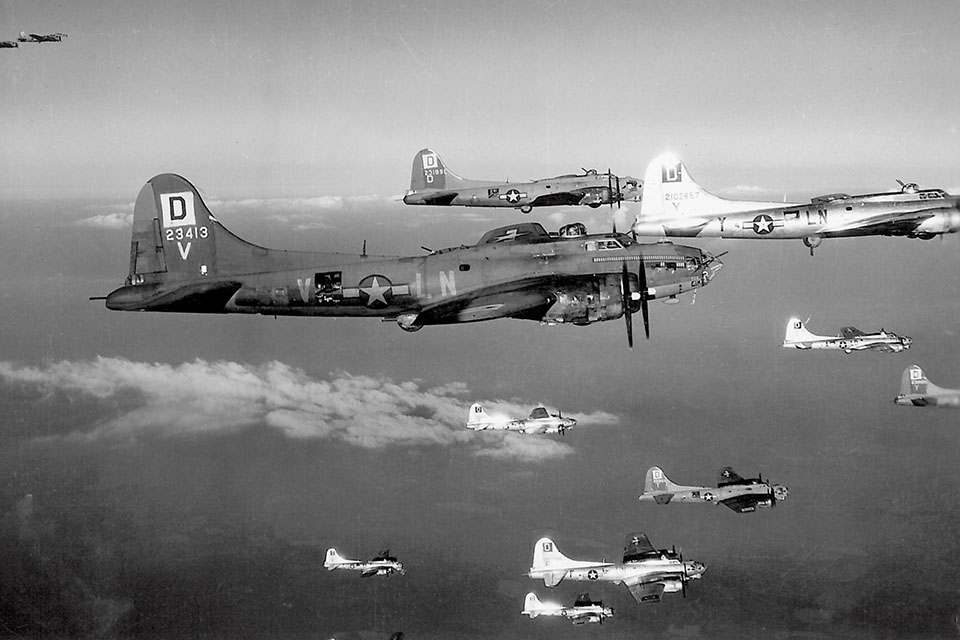
Even as the 100th came to be infamous for disastrous losses over Regensburg, Münster, and Schweinfurt, their tale was not one of failure. They remembered them as courageous, their personalities vivid, and the odd, almost legendary mystique surrounding them.
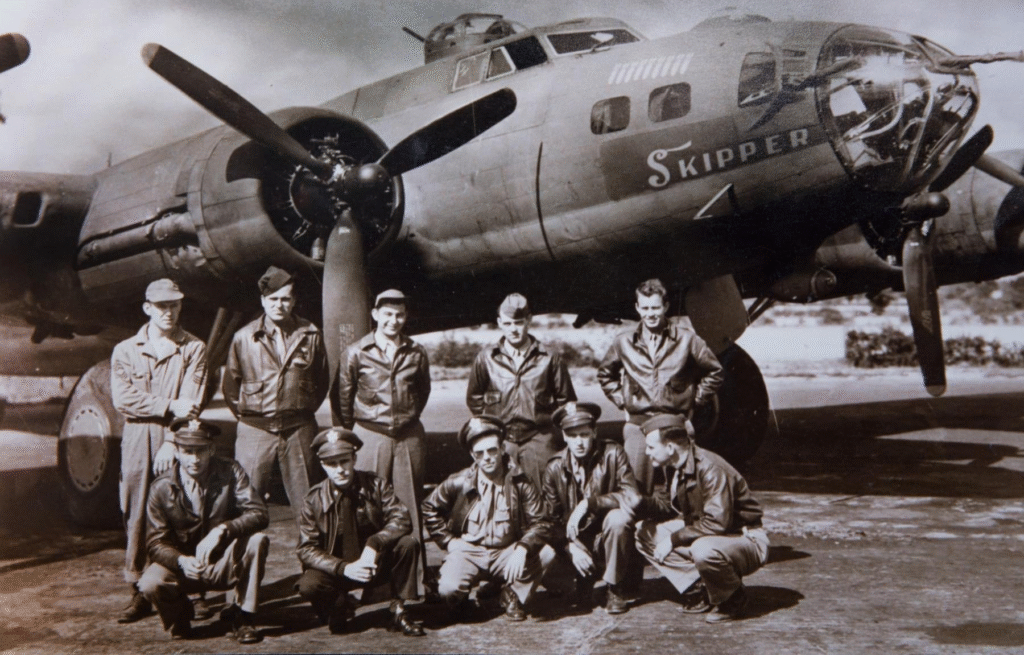
Pilot Harry Crosby notoriously declined to bomb Beethoven’s birthplace out of admiration for the composer, while swaggering leaders such as the “Bucks” personified the blend of toughness and disrespect that characterized the group. They performed important missions over the years, from the bombing of Berlin to assisting the Normandy invasion and the Battle of the Bulge.
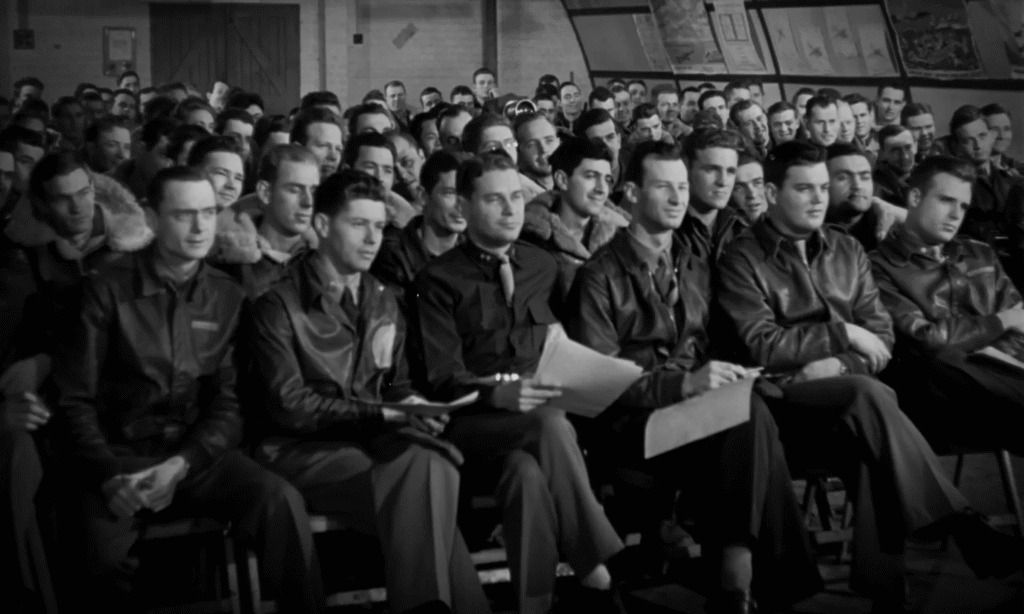
When the war finally ended, the 100th Bomb Group had logged 306 missions and lost 757 men. Their legend was never numerically tallied—it was that they would keep going when the odds were impossible. Guys like Capt. John “Lucky” Luckadoo and Lt. Jim Rasmussen ensured their legacy endured, reminding everyone of the cost and bravery behind their name.
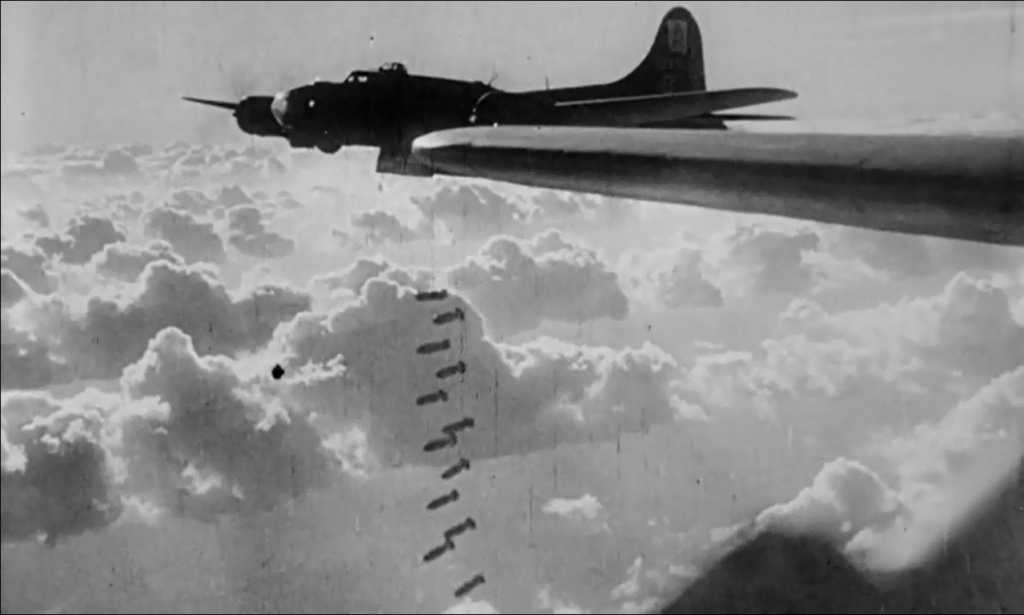
The Bloody Hundredth’s legacy lives on as a reminder of strength. These airmen climbed aboard their bombers aware of the risks, but they did so anyway—indicating that heroism is not a lack of fear, but the ability to push forward despite it.