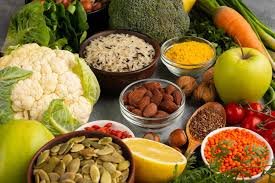
Managing hypertension comes with a restricted diet ansd routine due to criticalness of high blood pressure issue. In fact, research as per the recent in 2026 and American Heart Association (AHA) guidelines confirms that a balanced diet approach is the effective way to control the blood pressure spikes in a natural way.
And the diet for high blood pressure is in enough supply of minerals to our body including Potassium, Magnesium, and Calcium. These nutrients helps your blood vessels to relax and encourage your body to remove excess salt.
Following are the 18 Best Foods for High Blood Pressure to be added in your routien diet plan.
- Leafy Greens (Spinach, Kale, Swiss Chard)
Leafy greens are the best heart-healthy diet foods. They are rich in nitrates, which help to better flow of blood vessels, and potassium, which reduces the harmful effects of salt on our body.
Eating at least two cups of raw and cooked greens daily helps in reducing the blood pressure issues. - Berries (Blueberries, Strawberries, Raspberries)
Berries contain antioxidant compounds which is called as flavonoids. As per the study published in The American Journal of Clinical Nutrition found that eating anthocyanins rich food such as berries, can help to prevent hypertension and lowers the blood pressure by 8%. - Red Beet root:
Beets are high in nitric oxide, which helps to open up your blood vessels. Recent the 2025 clinical trials showed that drinking a glass of beet juice regularly can help to lower systolic blood pressure within just a few hours. - Skim Milk and Greek Yogurt
Dairy items are the main source of calcium in the DASH diet. Low-fat Greek yogurt, in particular, provides a double benefits, as calcium for blood vessel contraction and probiotics for gut health, which is also linked to betterment of our heart health. - Oatmeal
Oats contain a fiber called as beta-glucan. This soluble fiber doesn’t just lower your cholesterol and reduces both the systolic and diastolic blood pressure. - Bananas
The rich in Potassium. One medium banana packs about 422 milligrams of potassium, helping your kidneys to remove excess salt through urination. - Fatty Fish (Salmon, Mackerel)
Fish such as salmon and mackerel are rich in Omega-3 fatty acids. These healthy fats reduces inflammation and lower the levels of oxylipins and prevent narrowing of our blood vessels. - Seeds (Pumpkin, Flax, Chia)
Seeds are small in size but are rich in magnesium and fibers. Pumpkin seeds are rich in arginine, an amino acid which promotes the nitric oxide crestion in out body and helps to widen the muscles and blood vains. - Garlic
Allicin, an active compound found in garlic, helps our body to produce the nitric oxide. It’s one of the natural a vasodilator by diluting the thick blood and helps in reducing the clottings. Eating small piece of Garlic and Ginger with meal regularly helps in reducing the critical hearth health issues. - Pistachios
Among all the nuts, pistachios have shown the strongest help in lowering blood pressure. They reduce peripheral vascular resistance ie. reduces the tightness of your blood vessels and regularise the heart rate. - Pomegranates
Whether it is eaten whole or as a juice, pomegranates has natural qualities of inhibitors of ACE and angiotensin-converting enzymes, the same enzyme is used in many blood pressure medications. - Olive Oil
Olive oil is one of the best staple from Mediterranean diet, extra virgin olive oil contains polyphenols that improve the endothelial function and improve health of our blood vessel. - Beans and Lentils
Pulses are rich in fiber, potassium, and magnesium. Substituting beans for red meat is one of the fastest ways to see a drop in blood pressure. - Kiwis
In one medical study, participants who ate three kiwis a day for eight weeks experience a major reduction in blood pressure than those who ate one apple a day. - Watermelon
Watermelon contains an amino acid which is called citrulline. Your body converts citrulline to arginine, which helps the body to produce nitric oxide which helps to relax your body arteries. - Dark Chocolate
Yes, really, Dark chocolate with at least 70% cocoa, contains flavanols that improves vascular function. Just stick with one small square a day to avoid excess sugar. - Avocados
Avocados are nutritional rich foods best for hypertension, they offers a healthy monounsaturated fats and a massive dose of potassium even more than bananas. - Quinoa
This popular grain is a great ingredient from DASH diet and a more healthy substitute to white rice. It’s high in magnesium and fiber, which will help you to stay full while protecting your heart.
3 Quick Tips for Success
- Watch on the Salty Food Intake: Even if you eat these 18 foods, be aware about the food with hidden salt such as bread, cold drinks, pizza, poultry products, soup, and sandwiches etc. which can cause for excess salt supply to our body
- Use Spices instead of salt: Replace the salt shaker with herbs powder shaker including cumin, lemon juice, or smoked paprika to improve food taste.
- Consistency is very important: The benefits of the DASH diet usually appear within two weeks of its consistent adherence.
Lets explore the 7-day plan by integrating the above all 18 best foods.
It is a part of DASH focused Diet (Dietary Approaches to Stop Hypertension), which targets approximately 2000 calories and under 2300mg of salt on daily basis.
Day 1: The Kickstart
Breakfast: Oatmeal topped with fresh Blueberries and a sprinkle of Chia Seeds.
Lunch: Red Beetroots and Spinach salad with Pistachios, goat cheese, and Olive Oil dressing. Dinner: Baked Salmon served with Quinoa and steamed Broccoli.
Night Time Snack: 1 Banana.
Day 2: The Green Energy Day
Breakfast: Greek Yogurt parfaits with Strawberries and Flaxseeds.
Lunch: Quinoa bowl with Black Beans, Avocado, and bell peppers.
Dinner: Grilled Chicken Breast with a side of Sweet Potato and sautéed Kale. Night Time Snack: Watermelon slices.
Day 3: Mediterranean Diet Day
Breakfast: Whole-grain toast topped with mashed Avocado and a poached egg.
Lunch: Lentil soup (low sodium) with a side of Kiwi fruit.
Dinner: Whole-wheat pasta with Garlic, Olive Oil, fresh tomatoes, and Spinach. Night Time Snack: 1 square of Dark Chocolate (70%+).
Day 4: Potassium Power
Breakfast: Smoothie made with Skim Milk, Banana, Spinach, and Pumpkin Seeds.
Lunch: Tuna salad made with using low-fat Greek yogurt instead of mayo with whole-grain crackers and an Apple.
Dinner: Roasted Turkey Breast with mashed Beetroots and grilled Asparagus. Night Time Snack: A handful of unsalted Pistachios.
Day 5: Heart-Healthy Staples
Breakfast: Oatmeal cooked in Skim Milk with Raspberries and Walnuts.
Lunch: Large Kale and Quinoa salad with chickpeas and Pomegranate seeds.
Dinner: Baked Mackerel or Cod with Brown Rice and sautéed Swiss Chard.
Night Snack: Greek Yogurt with a drizzle of honey.
Day 6: The Antioxidant Boost
Breakfast: Whole-grain pancakes topped with a Berry medley (Blueberries/Strawberries).
Lunch: Black Bean tacos on corn tortillas with shredded Cabbage, Avocado, and a squeeze of lime.
Dinner: Chicken stir-fry with heavy Garlic, ginger, Broccoli, and carrots over Quinoa.
Night Time Snack: 2 Kiwis.
Day 7: The Sunday Reset
Breakfast: Veggie omelet with Spinach and onions, served with a side of Pomegranate juice.
Lunch: Hummus and roasted vegetable wrap (whole-wheat) with a side Banana.
Dinner: Low fat roasted beef or Tofu with a large Red Beetroot salad and a small baked potato.
Night time Snack: Pumpkin Seeds and a square of Dark Chocolate.
Tips during the weekly DASH Diet:
The Garlic: Eat an inch of fresh garlic with every dinner to maximize digestion and for its blood vessel widening and blood thinning properties.
Hydration: Drink at least 8 glasses of water daily. And always avoid soda or sugary and salted sports drinks to reduce sugar spikes during DASH Diet.
Seasoning: Use lemon juice or balsamic vinegar instead of salt to improve the taste of your beets and green salads.
Managing diabetes effectively not just about perfection but it is more about the early detection and taking suitable actions. A stable routine helps our body in better synchronize the body insulin levels with glucose spikes, which helps to reduce the spiking effect that may causes fatigue and long-term complications.
Here is a high-impact, science-backed daily routine for a diabetic patient.
The Morning: The Foundation
The goal here is to manage the Dawn Phenomenon of our body whihc is a natural rise in blood sugar early in the morning.
- 7:00 AM – Hydrate & Check: Start your day with a large glass of water. If using a CGM, then check your sugar spiking. If using a glucometer, test your glucose.
- 7:30 AM – High-Protein Breakfast: Avoid eating only carbs such as cereal or toast alone. Go with a Protein rich breakfast including Greek yogurt with flaxseeds or eggs with spinach. This reduces the post-meal glucose spike.
- 8:15 AM – The Glucose Vacuum Walk: A 10 to 15 minute of brisk walk after breakfast helps our muscles to pull glucose out of the blood vains taking any extra insulin doses.
- Medication: Take morning doses (Metformin, GLP-1s, or basal insulin) as prescribed by doctors.
The Mid-Day: The Balance
Focus on maintaining stable body energy levels to avoid the afternoon dizziness.
- 12:30 PM – The DASH Lunch: Go with 1/2 plate of non-starchy vegetables including greens, peppers etc., 1/4 lean protein including chicken, tofu, beans etc. and 1/4 complex carbs such as quinoa, sweet potato etc.
- 2:00 PM – Desk Movement: If you work a seating jobs, then set a timer for small activities, such as 3 minutes of standing or stretching for every 30 minutes. This improves insulin sensitivity of our body.
- 4:00 PM – Smart Snacking: If hungry, then eat a snack that combines fiber and fat, like a handful of Pistachios or an apple with peanut butter.
The Evening: The Stabilization
The goal is to prevent overnight hypoglycemia (lows) or heavy mornings.
- 6:30 PM – Early Dinner: Try to finish eating at least 2 to 3 hours before going to the bed. Focus on high-fiber foods such as Lentils or Salmon to keep glucose levels stable throughout the night.
- 8:00 PM – Foot Check: This is a mandatory safety step. Use a mirror to check the bottoms of your feet for redness, cuts, or blisters.
- 9:00 PM – Digital Detox: Stress hormones (cortisol) raise blood sugar. Switch off screens including news/social media an hour before your sleep time.
- 10:30 PM – Consistency Check: If on insulin, ensure your long-acting dose is taken at the exact same time every night.
The Important Routine Rules for 2026
- Rule 1 : The 15-Minute Rule, Why it Matters: Walk for 15 minutes after your largest meal. It’s as effective as some medications for lowering A1C.
- Rule 2 : The Water First Rule, Why it Matters: Thirst is often mistaken for hunger in diabetics patients. Drink water before reaching for a snack.
- Rule 3 : The Same-Time Routine Rule, Why it Matters: Eat, sleep, and take medicines at the same time ±30 minutes daily to keep your internal body clock in sync.
When to Break the Routine
Always have a Low BP Kit ready, if you are having Low or High Blood Pressure issues, the kit may includes 15g of fast-acting carbs including glucose tablets or 4oz of juice bottle, Leamon candies etc. If your CGM alerts you with a reading below 70 mg/dL, stop the routine and follow the 15-15 Rule with eating 15g of carbs, then wait 15 minutes, and then re-test your routine as usual to avoid the energy shock and criticalness of the issue.