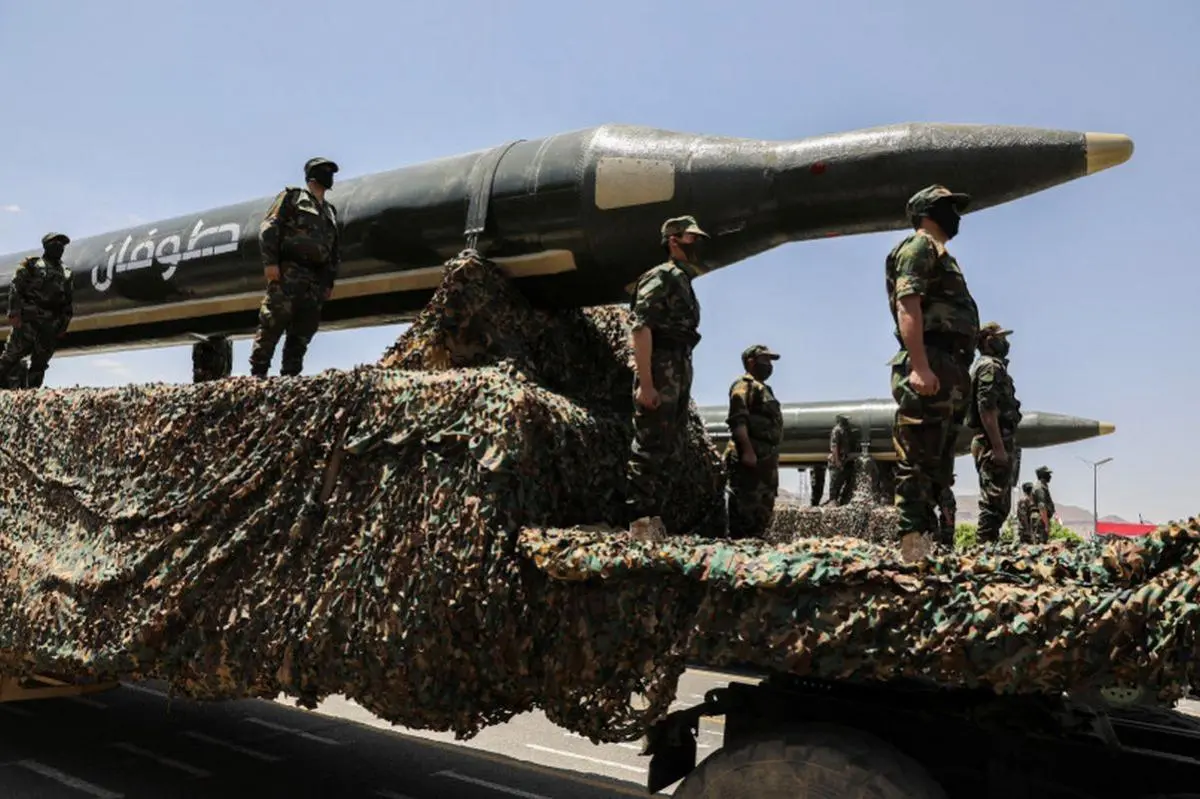
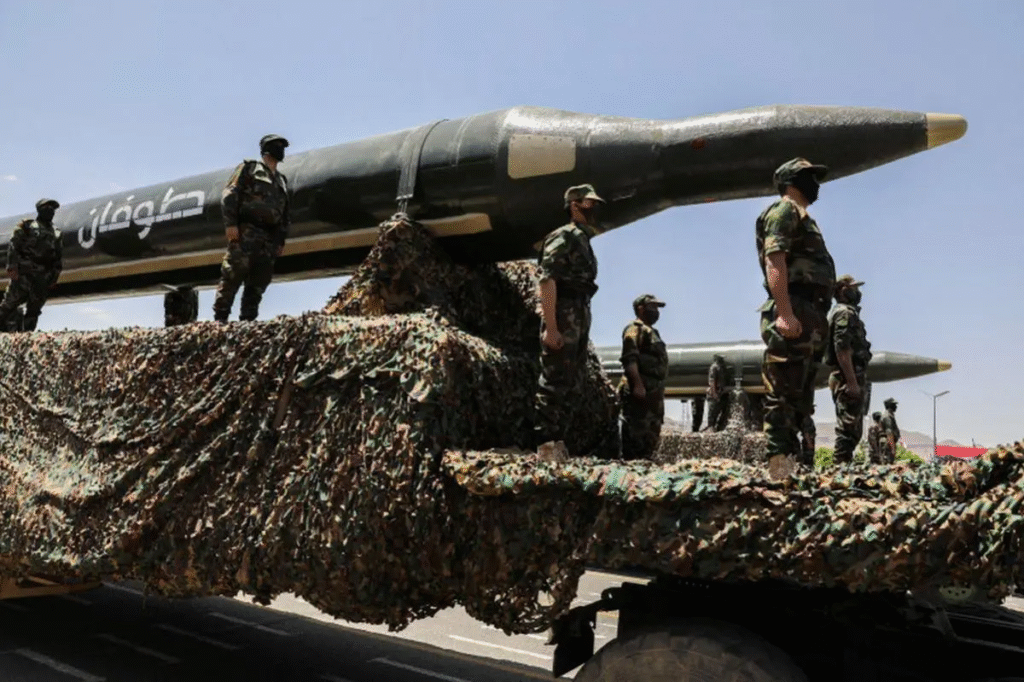
Did you see how the news headlines for Yemen and the Red Sea went from background chatter to front-page material? The reason is straightforward: the Houthis, an erstwhile local rebel force, are now a dominant force in the Middle East due to their unremitting innovation in drone and missile warfare. Let’s count down the six most significant ways their methods are upending the region—beginning with the battlefield and finishing with the global chessboard.
6. Houthi Drones in Defense of Ground Attacks
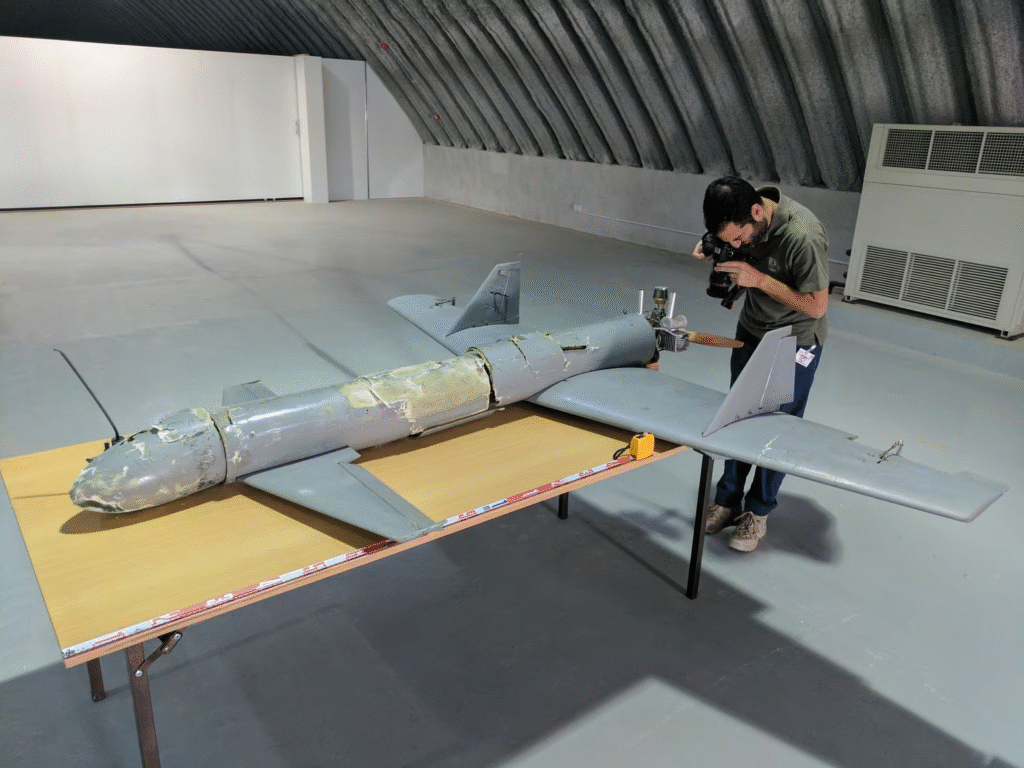
The Houthis didn’t stumble into drone warfare by accident—they developed their capabilities incrementally. Starting from 2018, they employed drones in support of major ground campaigns, such as the fight for Yemen’s west coast and Marib city. Through the use of drones to hit enemy command posts and air defense installations, they attempted to gain an edge. Though these offensives did not necessarily produce decisive victories, the Houthis demonstrated they could apply technology to punch above their weight, compelling their opponents to reexamine conventional battlefield strategies. As ACLED reports, the Houthis reserved drones for campaigns where the stakes were precarious or strategically important.
5. Economic Warfare: Targeting Oil and Revenue
When talks on oil income collapsed, the Houthis changed tactics and launched attacks against Yemen’s own oil facilities using drones. Those attacks, while small in number and physical effect, had disproportionate economic effect—shutting down hydrocarbon exports and depriving the internationally recognized government of more than a billion dollars in lost income. This step was a tipping point: the Houthis were prepared to take the risk of international criticism and reputational loss to disable their competitors’ finances. As ACLED observes, this economic warfare marked a shift in Houthi strategy, where leverage took precedence over legitimacy.
4. Convergent Drone-Missile Strikes for High-Value Targets
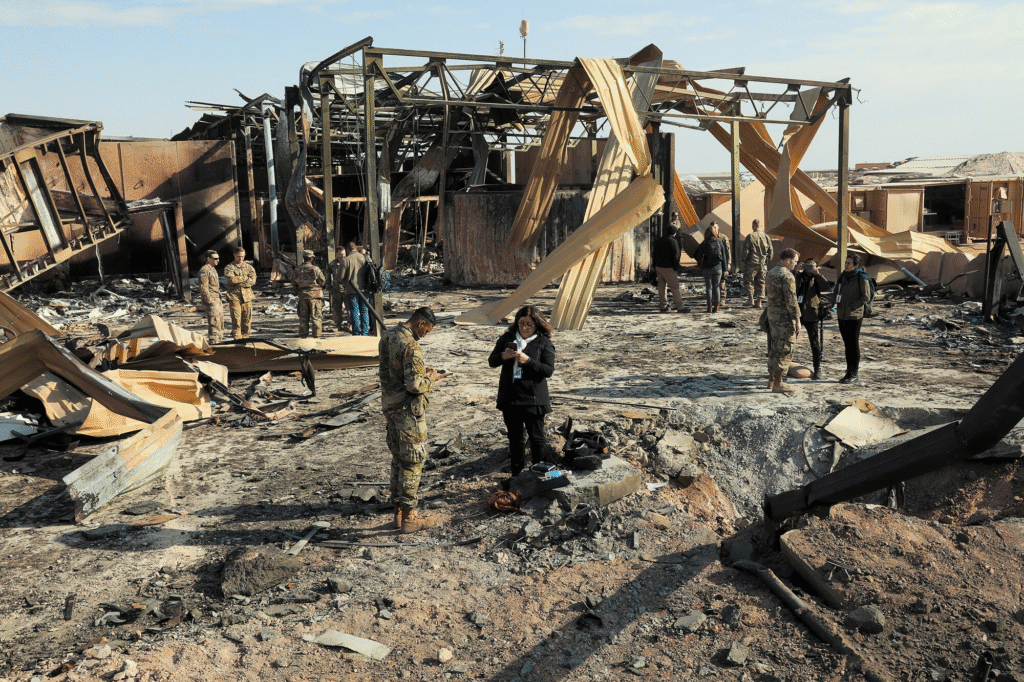
The Houthis have become adept at surprise by converging drones and missiles to attack deep behind enemy lines. One of the most dramatic instances was the al-Anad airbase 2019 attack, in which a drone detonated above a military parade, killing senior intelligence officers. These cross-domain attacks have been three times more lethal than they would have been had they been merely drone strikes, surprising opponents and destabilizing command structures. The psychological effect of these attacks—particularly when they strike high-profile targets—cannot be exaggerated.
3. Cross-Border Strikes on Regional Infrastructure
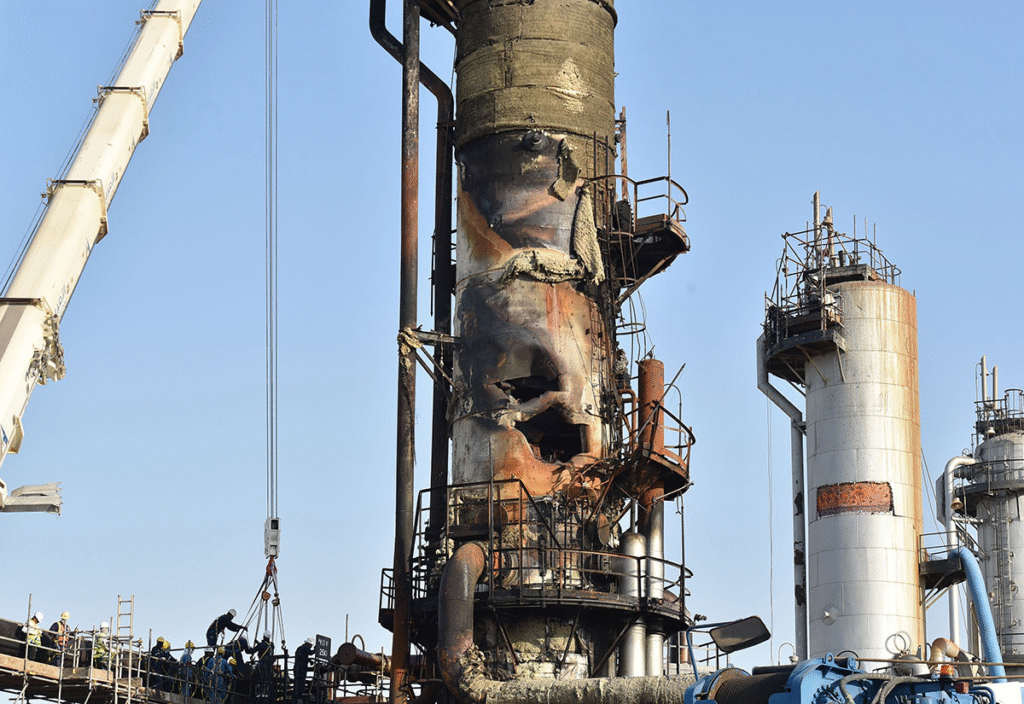
The Houthis have consistently proved capable of hitting deep inside Saudi Arabia and the UAE, at airports and oil sites. Their 2019 attack on Saudi Aramco’s Abqaiq and Khurais facilities shut down half of Saudi oil production for a while and almost 5% of the world’s supply. These asymmetric assaults take advantage of the weaknesses of high-value, hard-target infrastructure, compelling regional leaders to spend a lot on air defenses and re-examine their risk appetite. According to ACLED, the Houthis’ use of low-cost drones against expensive defense systems has created a financial and strategic headache for their adversaries.
2. Maritime Drone Attacks and the Red Sea Blockade
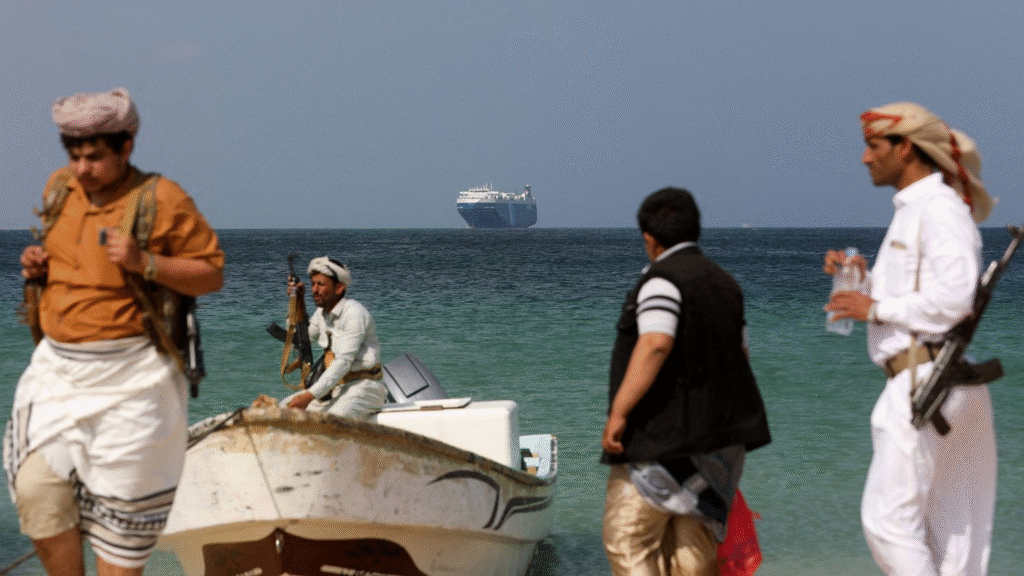
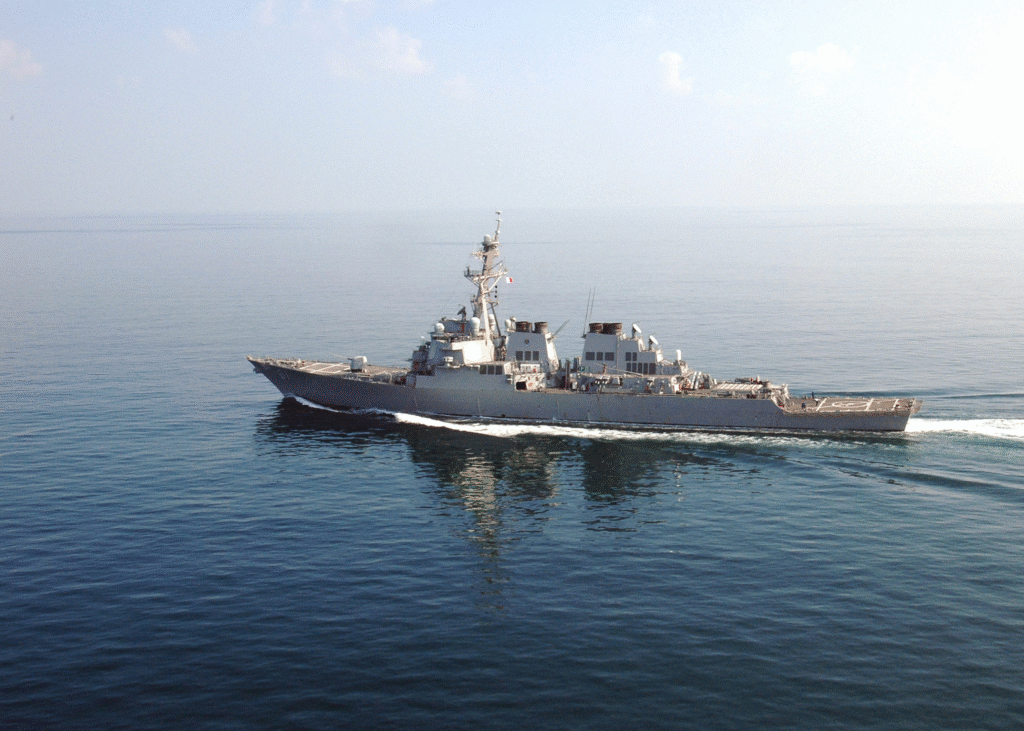
Since November 2023, the Houthis have taken their campaign to the seas, using drones and missiles to disrupt shipping in the Red Sea. Their avowed aim is to pressure Israel regarding Gaza, but the aftershocks have been worldwide—shipping companies have diverted ships, Suez Canal traffic has collapsed, and insurance premiums have skyrocketed. Although most drone strikes on ships have been intercepted, sheer numbers and persistence have compelled the US and its allies to deploy expensive naval resources and rethink maritime safety. As Alex Plitsas has noted, the endurance of the Houthis through successive airstrikes testifies to their resilience and Iranian backing.
1. Regional Escalation: Shifting the Balance of Power and Drawing in Global Actors
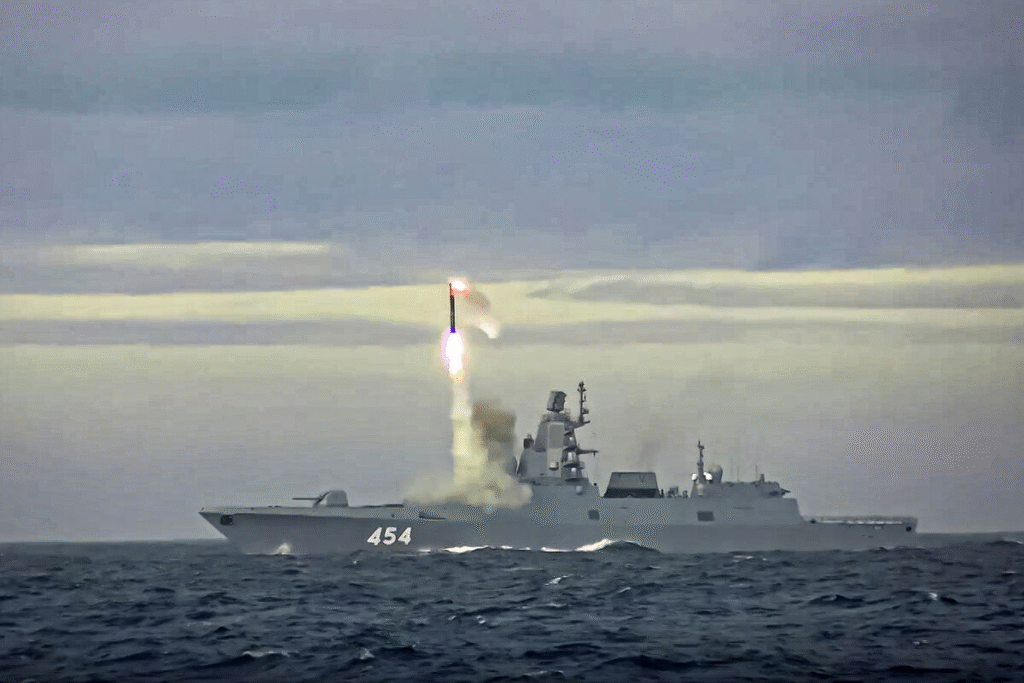
The strongest effect of Houthi drone and missile warfare is the way it has reshaped the regional landscape. Their own attacks have provoked immense US and Israeli military action, threatened to suck Saudi Arabia and the UAE back into war, and even raised concern about Russian intervention. The Houthis’ expanding arsenal—now said to include submarine weapons and possibly sophisticated Russian anti-ship missiles—has turned Yemen into a hotspot of great power competition. As Amb. Gerald Feierstein and Fatima Abo Alasrar, Houthis’ moves are intended to spur global reactions and use Iranian and Russian alliances as a means of confronting US and Israeli interests. What’s the consequence? A war that began as a regional civil strife now risks escalating into a regional—and even international—confrontation.
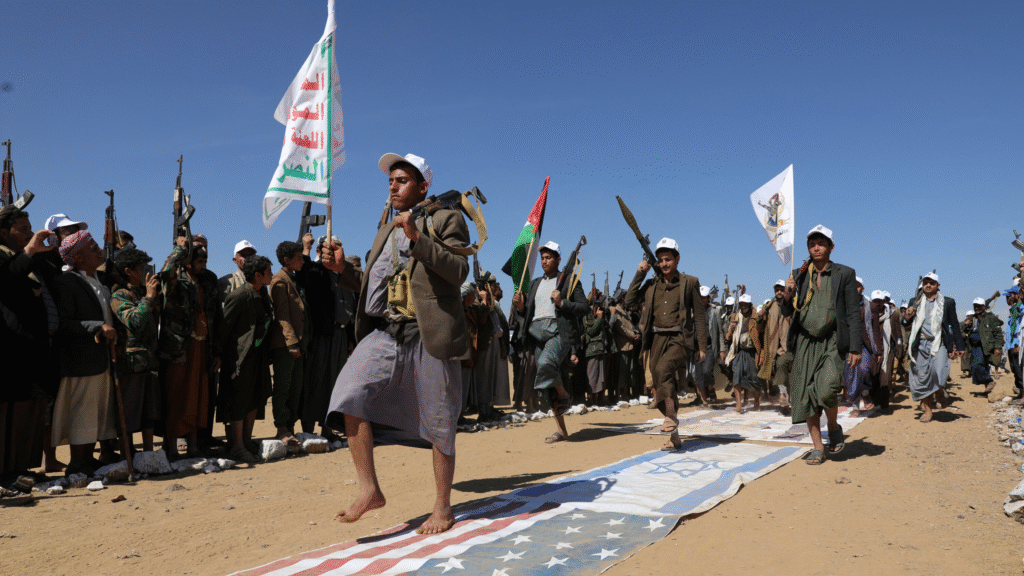
The Houthis’ relentless innovation, willingness to cross new red lines, and ability to exploit the vulnerabilities of much larger adversaries have made them a force to be reckoned with. As their tactics evolve and their alliances deepen, the entire Middle East—and the world—will be watching what they do next.