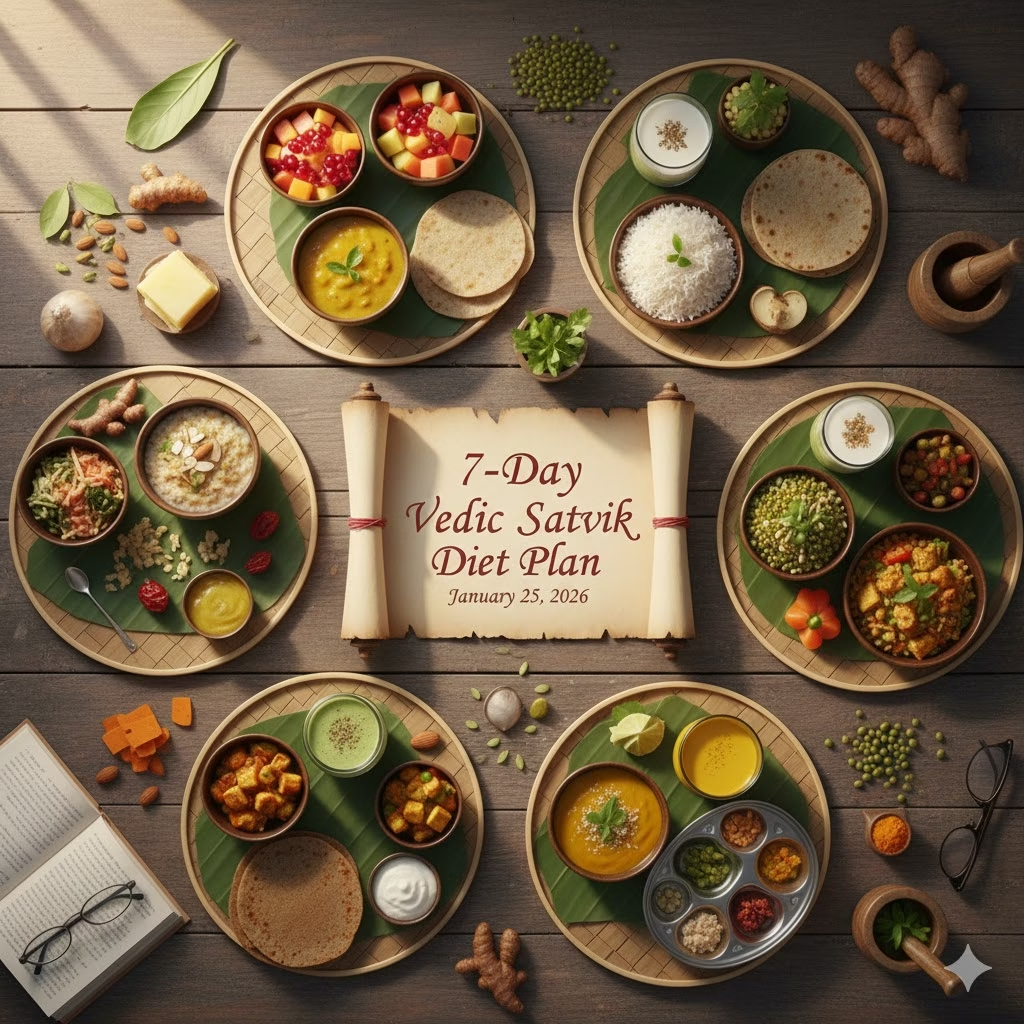
New Delhi: 25-01-2026] In the todays changed world of 2026, many health enthusiasts are returning to ancient knowledge to find balance. A Satvik (Sattvic) diet plan is more than just a routine meal plan. As, it is a proven philosophy rooted in the Vedas and Yoga Shastras. This term comes from the Sanskrit word Sattva (meaning purity, harmony, immunity and longer life span), this diet is designed to promote a calm mind, a light body, and a sharp spirit.
According to the Bhagavad Gita (Shlok 17.8), Satvik foods are those, that helps to increase human lifespan with purity, strength, health, happiness, and satisfaction. They are also savory, nourishing, and naturally pleasing to the body and heart.
Based on the core principles outlined in the Vedic and Yogic traditions, following is an information on Sattvic diet and how it promotes a state of Sattva aka purity and spiritual harmony.
What is a Sattvic Diet and what are the 3 diet as per Vedas?
The term Sattvic comes from the Sanskrit word Sattva, one of the three Gunas (qualities or tendencies) in Indian philosophy.
Sattva: Pure, essential, natural, vital, and conscious.
Rajas: Agitated, passionate, moving, and emotional.
Tamas: Dark in colour, destructive, stale, and unhealthy.
A Satvic diet plan prioritizes foods that share the qualities of Sattva guna (positive qualities). It is designed to improve a clear mind, a healthy body, and a balanced spirit. Above the ingredients, it emphasizes Ahimsa (non-violence) and Mitahara (moderation).
The Essential Sattvic Food Groups which can be a part of Satvik Diet Plan
To achieve a state of mental focus and physical lightness, the diet focuses on fresh, plant-based, and minimally processed foods:
- Whole Grains and Legumes
Grains provide essential nourishment and energy. Organic rice, whole wheat, spelt, oatmeal, and barley are staples. To make them lighter and easier to digest, grains are often lightly roasted before cooking. Small legumes like mung beans and yellow split peas are preferred because they are gentle and easy to digest for the human digestive system. - Fresh Fruits and Vegetables
Most mild, ripe, and organic vegetables are considered as Sattvic. However, there is a few exclusion of other vegetables such as garlic, onions, leeks, and shallots, which are considered as Tamasic (dulling) or Rajasic (stimulating). Fresh fruits are highly important, while frozen or heavily preserved food are avoided to maintain the food’s Prana (life energy force). - Nuts, Seeds, and Oils
Raw, organic nuts, such as almonds, cashews, pistachios and seeds like sunflower and pumpkin provide healthy fats and proteins. Ghee (clarified butter) is highly revered in this tradition, unlike other dairy products that must be fresh, ghee can be aged and is considered excellent for digestion and cooking. - Conscious Dairy
Dairy is acceptable in a Sattvic diet provided the animals are treated with care and the milk is obtained ethically. Freshness is very important in dairy prodcts including milk, yogurt, and fresh cheese (paneer) should be consumed on the same day when they are produced. - Sattvic Spices and Herbs
While many spices are considered as too much stimulating (Rajasic), but few sweet or warming spices are encouraged to help better digestion and support meditation.
These include:
- Cardamom, Cinnamon, and Ginger
- Cumin, Fennel, and Turmeric
- Fresh herbs like Basil, Coriander, and Tulsi (Holy Basil)
Foods to Avoid: The Tamasic and Rajasic Categories
To maintain a Satvic diet plan on a longer run, one must minimize and or eliminate the below listed foods that can disturb our mind, dull our senses including making us lazy:
Tamasic (The Dull): Meat, fish, eggs, alcohol, mushrooms, and stale or fermented foods. Anything cooked more than three hours prior is often considered to have lost its important energy.
Rajasic (The Agitated): Heavily caffeinated drinks, high spicy peppers, and highly salted heavy or fried junk foods.
The Principle of Incompatible Foods which to avoid (Viruddha Anna):
The Satvic diet plan also warns against Viruddha or incompatible food, combinations that are believed to produce toxins (Ama) in the body. Common examples include:
- Mixing milk with salt or sour fruits.
- Combining milk with meat or fish.
- Mixing leafy vegetables with milk products.
The Philosophy of Mitahara (Moderation)
The Satvic diet is not complete without the concept of Mitahara. Ancient texts like the Hatha Yoga Pradipika suggest that a yogi should never fill their stomach above its capacity. Instead, one should fill half the stomach with food, one-quarter with water, and leave the final quarter empty for air and the movement of energy.
A Satvic diet plan is more than a nutritional diet, it is a tool for complete self-transformation including physical and mental. By choosing foods that are pure, fresh, and ethically sourced, you not just feed your body, but to the inner spiritual consciousness. Whether you are a dedicated yogi or simply person looking to feel more balanced with diet change, the principles of Sattva and satvik diet offers a timeless road-map to wellbeing.
The Core Principles of a Vedic Satvik Diet
To truly follow a Satvik diet plan, one must adhere to below three foundational rules:
- Fresh Eating (Prana): Food should be eaten within 3 to 4 hours of it being cooked. Frozen, canned, or leftover foods are considered Tamasic Food (dull) which should be avoided.
- Ahimsa (Non-violence): The diet is strictly vegetarian, excluding the Tamasik (Vengeful) animal based food including meat, fish, and eggs.
- Avoidance of Stimulants: Onion and garlic are excluded as they are considered as Rajasic (agitated), causing restlessness in the mind.
Your 7-Day Vedic Satvik Journey
This plan is focuses on seasonal produce including whole grains, and healthy fats such as Ghee (clarified butter).
Day 1: The Day Foundation Start with Purity
Breakfast: Warm oats with almond milk, topped with soaked almonds and a dash of cardamom.
Lunch: Yellow Mung Dal (lentils) with a side of steamed spinach and brown rice.
Dinner: Vegetable Khichdi (rice and lentil porridge) with a teaspoon of pure A2 Ghee.
Day 2: Energy and Vitality
Breakfast: Fresh seasonal fruit bowl (papaya, pomegranate, and apple).
Lunch: Whole wheat Chapati with a gourd-based curry (Lauki or Zucchini) cooked with cumin and turmeric.
Dinner: A light bowl of vegetable clear soup with toasted pumpkin seeds.
Day 3: Cooling the Mind
Breakfast: Sweet Poha (flattened rice flakes added with curd or milk) with grated coconut and raisins.
Lunch: Buttermilk (Chaas) with roasted cumin, served alongside sautéed green beans and quinoa.
Dinner: Moong dal soup (lightly spiced) with a side of steamed carrots.
Day 4: Strength and Nourishment
Breakfast: Sprouted mung bean salad with lemon juice and fresh coriander.
Lunch: Sabudana (Tapioca pearls) khichdi with crushed peanuts and mild spices.
Dinner: Steamed broccoli and sweet potato seasoned with rock salt (Saindhava Lavana).
Day 5: Mental Clarity
Breakfast: Banana and date smoothie (using coconut or nut milk).
Lunch: Paneer (fresh cottage cheese) cubes sautéed with bell peppers and a side of millet rotis.
Dinner: Barley soup with a mix of leafy greens.
Day 6: Inner Balance
Breakfast: Semolina Pudding (Upma) cooked with peas, carrots, and ginger.
Lunch: Buckwheat (Kuttu) crepes served with a cooling yogurt dip.
Dinner: Pumpkin soup with adding a pinch of nutmeg.
Day 7: Spiritual Integration
Breakfast: Freshly squeezed orange juice and a handful of walnuts.
Lunch: A traditional Vedic Thali contains a Small portions of dal, rice, seasonal vegetable, and a small cup of curd.
Dinner: A glass of warm turmeric milk (Golden Milk) with added a spoon of honey or a small chunk of jaggery.
Vedic Eating Etiquette (Bhojana Vidhi)
The Vedas suggest that how you eat is just as important as what you eat:
- Eat in Silence: Avoid screens or speaking, intense conversations during having meal. Focus on the taste and texture of food for better nourishment.
- Gratitude: Offer a small prayer or moment of thanks before starting your every meal which gives mental satisfaction and better digestion.
- The 50% Rule: Fill your stomach with 50% food, 25% water, and leave 25% empty for air and digestion.
Satvik Diet : a Path to Higher Consciousness with wellness:
Following a Satvik diet plan for seven days isn’t just about weight loss or detox diet, but it’s about aligning your physical body with your spiritual goals. By the end of the week, you can find improved digestion, improved brain focus, and a improved sense of inner peace.

Amit Mehta is a Editor, Nutrition & Lifestyle Habits @Gymbag4u.com
B.Sc. in Dietetics, SNDT Women’s University | Registered Dietitian (RD India)
Amit Mehta joined Gymbag4u.com in 2019, bringing with him a strong foundation in clinical nutrition and public dietary education. As a registered dietitian.