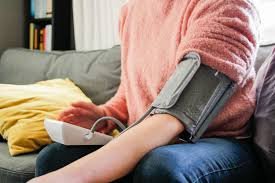
High blood pressure, which is medically known as hypertension, is often referred as a silent killer health condition. As, hypertension does not presents any visible symptoms until it makes the major damage to the heart, kidneys, and even to our brain. This article will help you to know about the ways to lower high blood pressure
According to global health statistics, nearly half of all adults have high blood pressure, yet many are unaware of their status. The good news? Hypertension is one of the most manageable chronic conditions. Through a combination of dietary shifts, physical activity, and stress management, you can significantly reduce your numbers, sometimes as effectively as medication.
In this comprehensive guide, we explore the best ways to lower high blood pressure naturally and sustain those results for a lifetime.
Understanding the Numbers, exactly What is High blood pressure?
Before making any conclusion, it an important to understand what your blood pressure readings does actually means. Blood pressure is measured using two numbers:
- Systolic (Top Number): The pressure in your arteries when your heart beats.
- Diastolic (Bottom Number): The pressure in your arteries when your heart rests between beats.
Category: Normal, Systolic (mmHg): Less than 120, Diastolic (mmHg): and Less than 80
Category: Increased, Systolic (mmHg): 120–129, Diastolic (mmHg): and Less than 80
Category: Hypertension Stage, Systolic (mmHg): 130–139, Diastolic (mmHg): or 80–89
Category: Hypertension Stage 2, Systolic (mmHg): 140 or higher, Diastolic (mmHg): or 90 or higher
Category: Hypertensive Crisis, Systolic (mmHg): Higher than 180, Diastolic (mmHg): and/or Higher than 120
- The Power of the DASH Diet to lower high blood pressure
The DASH (Dietary Approaches to Stop Hypertension) diet isn’t just a trends, but is todays need which has proven its nutrition designed specifically to lower blood pressure without taking any medicines.
- How DASH Works
The diet focuses on reducing intake of salt while increasing the intake of three important power minerals which are Potassium, Calcium, and Magnesium. These minerals help your blood vessels in relaxing and improve the heart’s pumping efficiency.
- Potassium: It lowers the impact of salt. The more potassium you eat, the more sodium you can lose through urine from your body. The Potassium rich food items includes Bananas, sweet potatoes, spinach, beans can be added in your diet to get more benefit.
- Magnesium: Helps regulate hundreds of enzyme systems in our body, including blood pressure. Add Almonds, cashews, dark chocolate in your diet to supply it to your body.
Calcium: Essential for blood vessel contraction and dilation. You can add Low-fat dairy, fortified plant milks, kale in your routine diet to get it.
- What to Eat vs. What to Avoid
To follow a DASH-style plan, to fill your daily food plate with whole grains, poultry, fish, and nuts. Limit fats, red meats, and especially sugary treats which contributes to inflammation and arterial stiffness.
- Master the Salt-to-Sodium Ratio
Sodium is perhaps the healthy diet enemy of healthy blood pressure. When you consume too much salt, your body holds onto extra water to detox the salt out of your system. This extra water make your blood more thin, and reduces pressure from your heart which has to work harder to move that blood and nutrients flow from your overall body.
Practical Tips for Removing the excess salt from your body:
- The Rule of 5%: When reading nutrition labels on food products, look that it will be lower of matching with the Percent of Daily Value (% of DV) required to our body. If the sodium content is 5% or less, it’s considered low. If it’s 20% or more, put it back on the shelf.
- Beware of the Salty Six: The American Heart Association identifies the bread, rolls, pizza, sandwiches, cold cuts, canned soups, and burritos and tacos can be the leading sources of hidden salt.
- Flavor with Herbs: Replace table salt with lemon juice, garlic, onion powder, or balsamic vinegar. Your taste buds will adapt in about 2 to 4 weeks.
- The Science of Movement: Exercise as Medicine
Physical activity is one of the most potential non-medical tools available. When you exercise, your body releases nitric oxide, a molecule that helps your blood vessels dilate (widen), allowing blood to flow more easily.
The Ideal Workout Routine for lower high blood pressure
For maximum blood pressure benefits, you need a mix of two types of exercise in your daily routine:
- Aerobic Exercise (Cardio): Brisk walking, swimming, cycling, or jogging. Go for 150 minutes of moderate intensity cardio workout per week which will be more helpful.
- Dynamic Resistance Training: Lifting weights or using resistance bands. Strengthening your muscles will help your metabolic health, which supports your cardiovascular system.
The Walk Factor: Studies show that even a simple 30-minute walk every morning can help to lower blood pressure for the rest of the day.
- Weight Management and the 1 mmHg Rule
Weight and blood pressure are linked with excess body mass and weight. As your weight increases, your blood pressure often follows the spike. Being overweight can also cause lower breathing while you sleep which is also called as sleep apnea, which further raises blood pressure issues.
The Math of Weight Loss:
A Latest Medical research suggests a very close related with your weight and blood pressure:
For every kilogram (roughly 2.2 pounds) of weight you lose, your systolic blood pressure can drop by approximately by 1 mmHg.
If you lose 5 to 10 kilograms of your body weight, you could potentially move from a Hypertension Stage 1 to back down to a Normal BP, and it also helps in significant reduction in your BP medication.
- Stress Management and the Nervous System:
When you are stressed, your body produces an increase of hormones such as cortisol and adrenaline. these hormones may cause your heart to beat faster and your blood vessels to narrow. While this is helpful if you are facing a chronic stress from work or mental and social trouble in life which may keeps your blood pressure high for hours.
Effective De-stressing Techniques
Box Breathing: Inhale for 4 seconds, hold for 4, exhale for 4, and hold for 4. This activates the vagus nerve and it will help your heart to slow down.
Meditation: Just 10 minutes of mindfulness daily has been shown to reduce systolic and diastolic pressure.
Digital Detox: Reducing screen time, especially before bed, lowers the stressful state of the brain and eyes and it allows with a more relaxed cardiovascular process of your body.
- Habits to Quit: Alcohol and Nicotine
Lifestyle changes by removing unhealthy habits, can be harmful to your body for a longer terms should be removed entirely from your daily routine.
- Alcohol: While some believe that red wine is heart-healthy, but the bitter truth is that more than one drink a day for women or two for men can raise blood higher pressure levels and reduce the effectiveness of blood pressure medications.
- Smoking/Vaping: Nicotine is a stimulant. Every time you smoke, you experience a temporary but sharp increase in adrenal blood pressure. Over time, the chemicals in tobacco damage the lining of your artery walls, making them narrower and more stiffer and crate obstacles for regular blood flow.
- The Importance of Enough Sleep
Sleep is the time when your body undergoes to a self-repair state. During the healthy sleep, your blood pressure naturally drops this phenomenon is also known as diurnal dipping. If you don’t sleep well, or if you don’t sleep long enough, then your blood pressure stays higher for a longer period of time.
Improving Sleep Hygiene
* Keep your bedroom cool (around 18°C).
* Avoid caffeine after 2:00 PM.
* Stick to a consistent sleep-wake schedule, even on weekends.
* If you snore loudly or feel tired after a full night’s sleep, ask your doctor about a sleep apnea test.
- Monitor Your Progress at Home
One of the best ways to lower your blood pressure is to actually know what it is its state on the BP meter. Hypertension is a real phenomenon where patients have high readings at the doctor’s office due to anxiety, but normal readings at home is also important to measure for a safety prospective.
How to Measure Correctly
Be Still: Don’t smoke, drink caffeine, or exercise within 30 minutes of measuring.
Sit Correctly: Sit with your back straight, feet flat on the floor and ensure that legs are uncrossed, and your arm supported on a flat surface at heart level.
Take Two Readings: Take BP measurements twice, one minute apart, and record the average readings in your health diary.
Summary Checklist for More Healthful Impacts:
To summarize the Healthy BP Routine way forward, follow this daily checklist:
- Eat: 5+ servings of veggies and 2+ servings of fruit helps to make your diet more balanced.
- Move: 30 minutes of brisk activity helps in pumping your heart better.
- Breathe: 5 minutes of intentional deep breathing helps in better body oxygen circulation and better heart pumping.
- Check: Read the nutrition labels on every packaged food you eat to make yourself habitual to a healthy food choices.
- Sleep: Aim for a minimum of 7 hours of peaceful sleep.
Finally, Lowering high blood pressure is a hustle in your daily life but not a hurry. While these natural methods are also incredibly powerful, they require consistency. By making these small, sustainable changes in your daily routine, you not only improve a healthy BP Meter reading, but gift a more healthy life to your future.
Caution: High blood pressure can be a serious medical condition. This article provides only general information and should not replace the advice of your cardiologist or doctor. If you are currently on any such BP Related medication, do not stop taking medicines or any drastic change in your lifestyle without consulting your doctor.
Editor
Professional Naturopathy, Holistic Wellness & Preventive Health Specialist
Doctor of Naturopathic Medicine, Bastyr University | Certified in Lifestyle Medicine (ACLM)
Dr. Blake takes a whole-body approach to health, blending medical knowledge with daily wellness practices. She’s worked in integrative clinics and now advises digital health platforms on sustainable self-care routines. on Gymbag4u.com, since 2019, she provides guidance on sleep, energy management, immune health, and how to balance wellness with real-world demands.