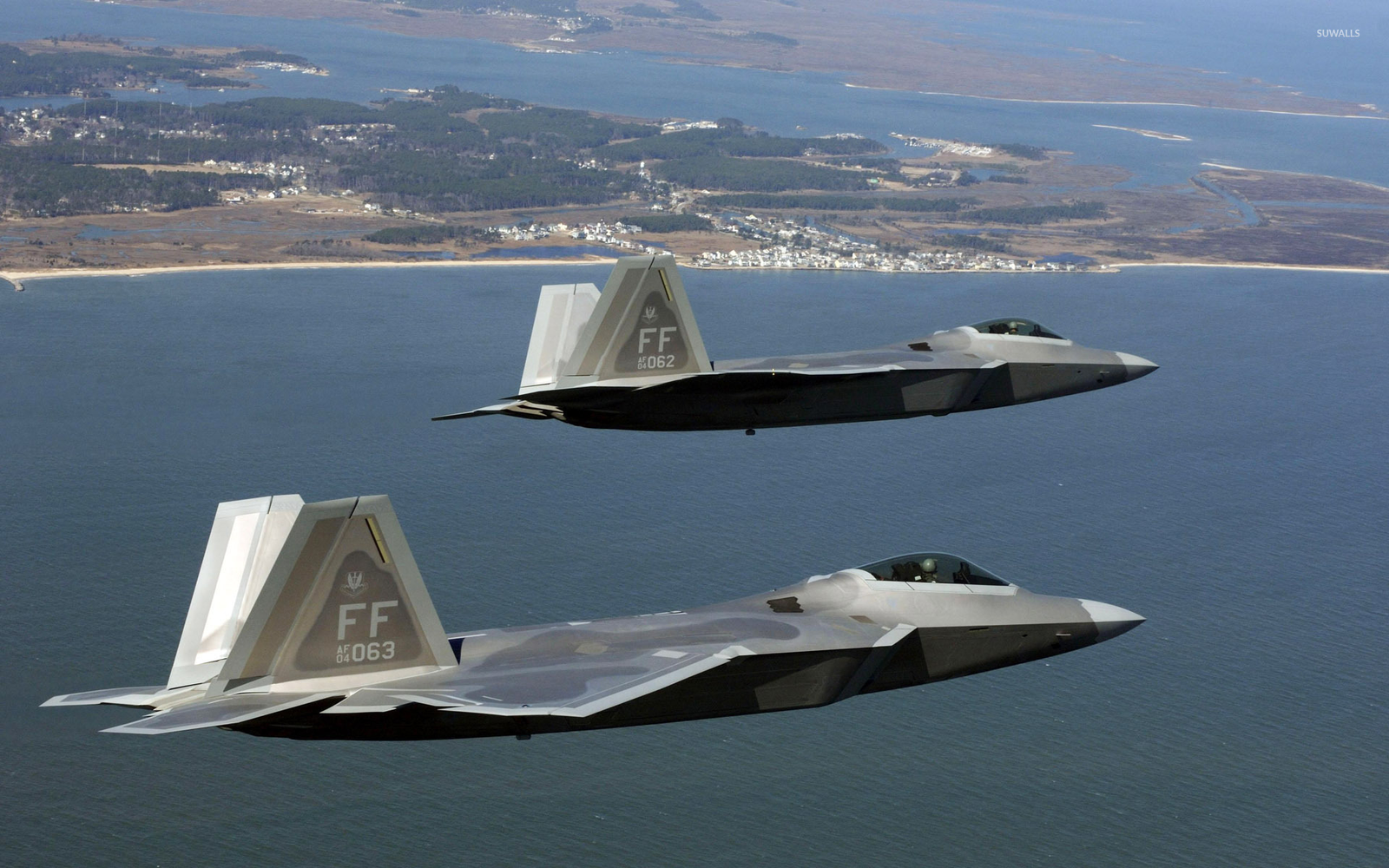
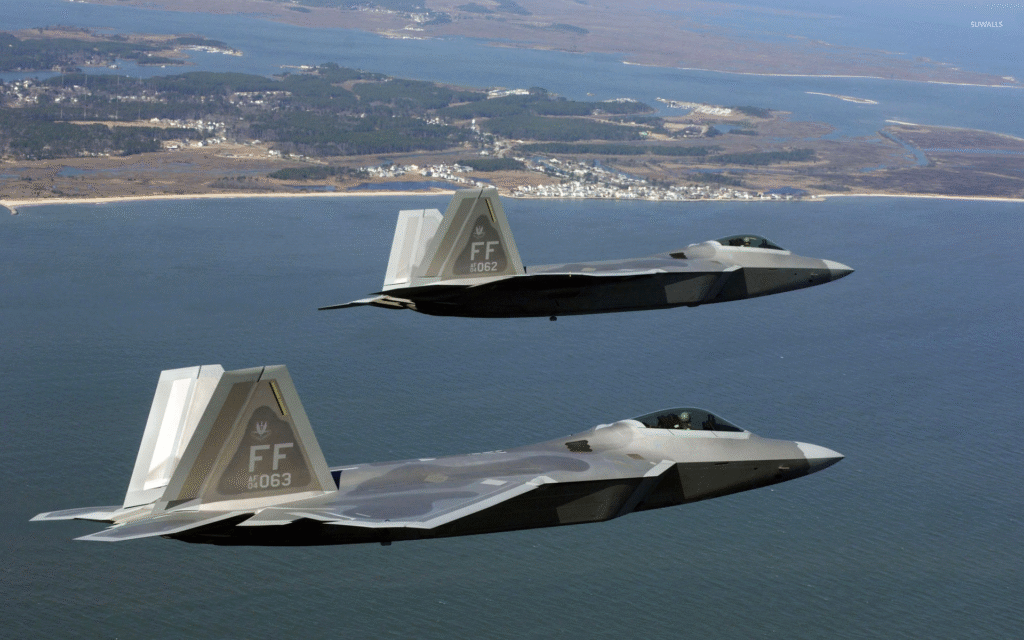
Air superiority is not only a military cliché—it’s the key to contemporary warfare. Control of the air decides whether bombs find their mark, whether ground forces advance unopposed, and whether an operation continues to build momentum. As numerous airpower theorists have contended, not gaining that control upfront is one of the most certain means of losing.
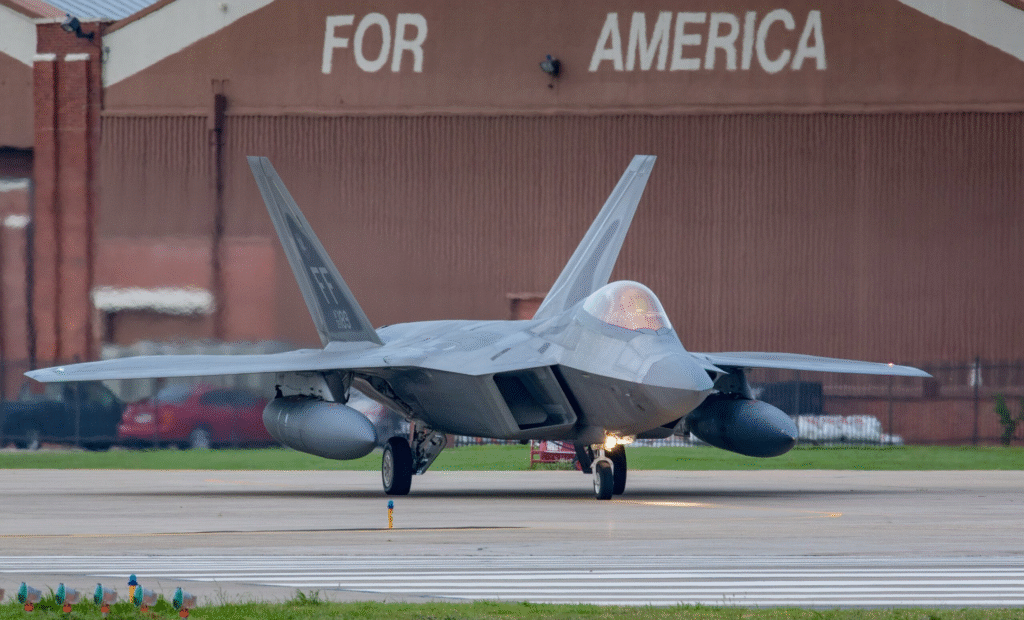
The F-22 Raptor is arguably the ultimate demonstration of air dominance when technology and ambition come together. When it first took to the skies in the late 1990s, it amazed the world with its combination of stealth, speed, and maneuverability. It could supercruise at supersonic speeds, roll around in ways few combat aircraft could, and be almost invisible to radar.
However, for all its brilliance, the Raptor has turned out to be a symbol of strategic indecision. Planned production was cut, foreign sales were inhibited, and production ceased after fewer than 200 airframes. Today, with its production line extinct and spare parts becoming increasingly difficult to come by, the jet’s time is running out.
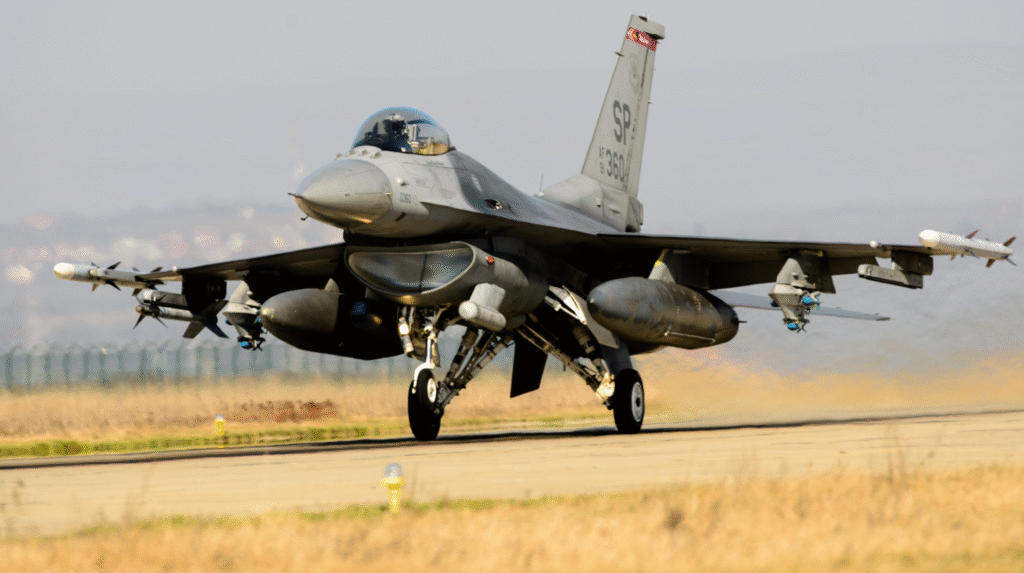
The wars that followed 9/11 also shaped the Raptor’s fate. Counterinsurgency campaigns in Afghanistan and Iraq didn’t demand high-end air superiority, leaving the F-22 sidelined from the kind of fight it was built for. While attention shifted elsewhere, other nations pressed ahead with their advanced designs, producing stealth fighters in larger numbers. The result is that America’s once overwhelming edge is no longer as assured as it seemed two decades ago.
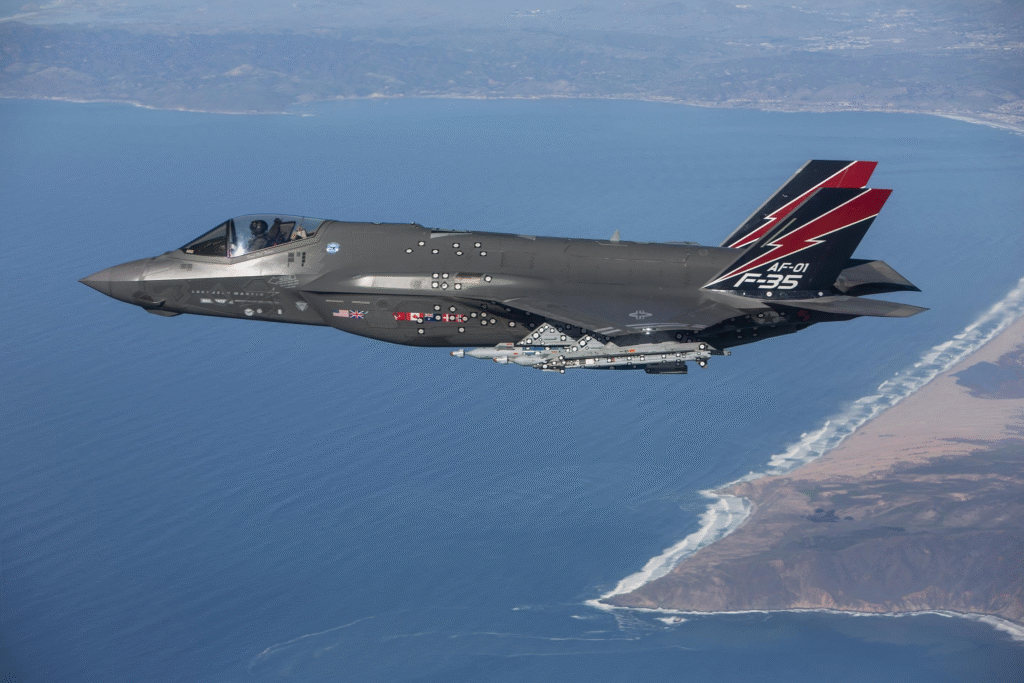
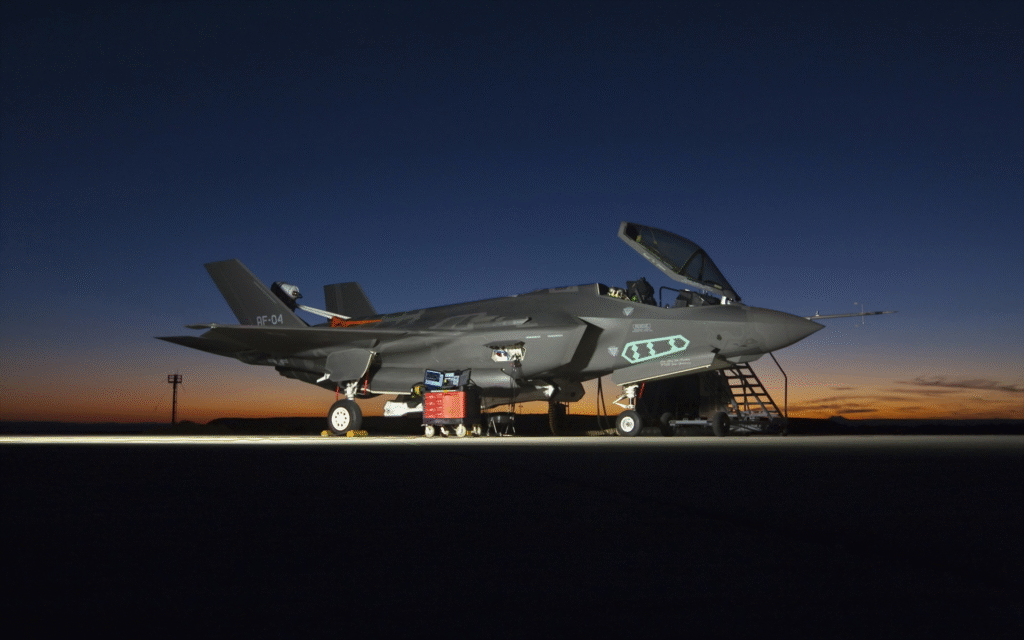
The second pillar of American airpower, the F-35 Lightning II, is a different story. The multi-role workhorse was intended to meld stealth with sensors and data-sharing networks. The idea was a fighter that could do it all—attack, reconnaissance, electronic warfare, and air combat. But with ambition comes cost. Prices skyrocketed to new heights, and it became the most costly weapons program in history. Sustainment costs have only increased, compelling the Air Force and Navy to curtail flight hours to maintain the fleet.
That raises a question at the core of airpower planning: Does quality dominate quantity? For decades, the United States has depended on having superior aircraft to counter being outnumbered. But the cold arithmetic of production and losses counts.
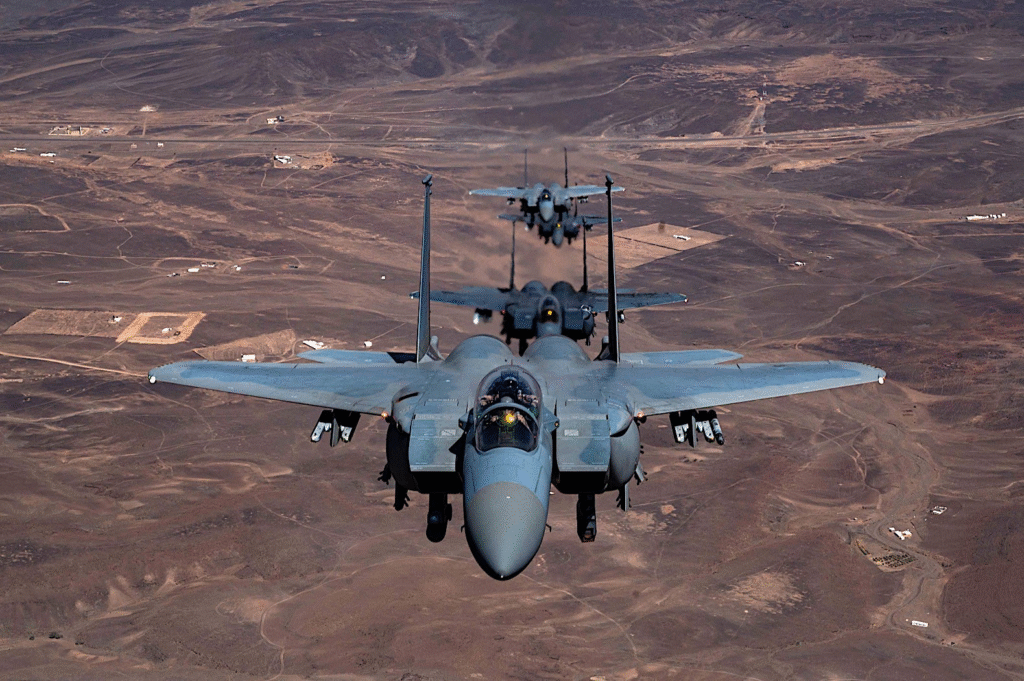
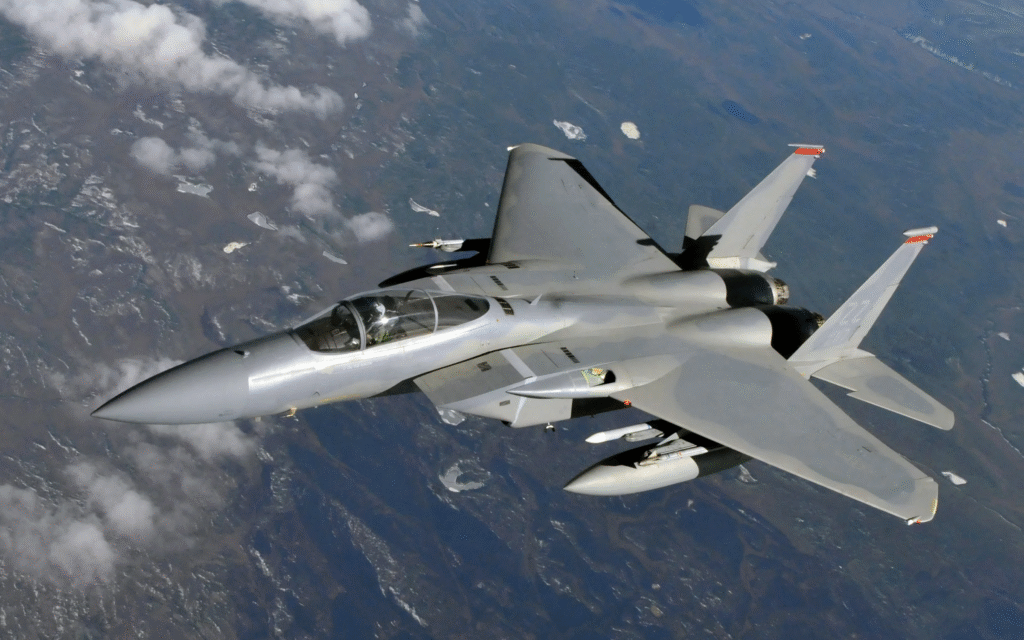
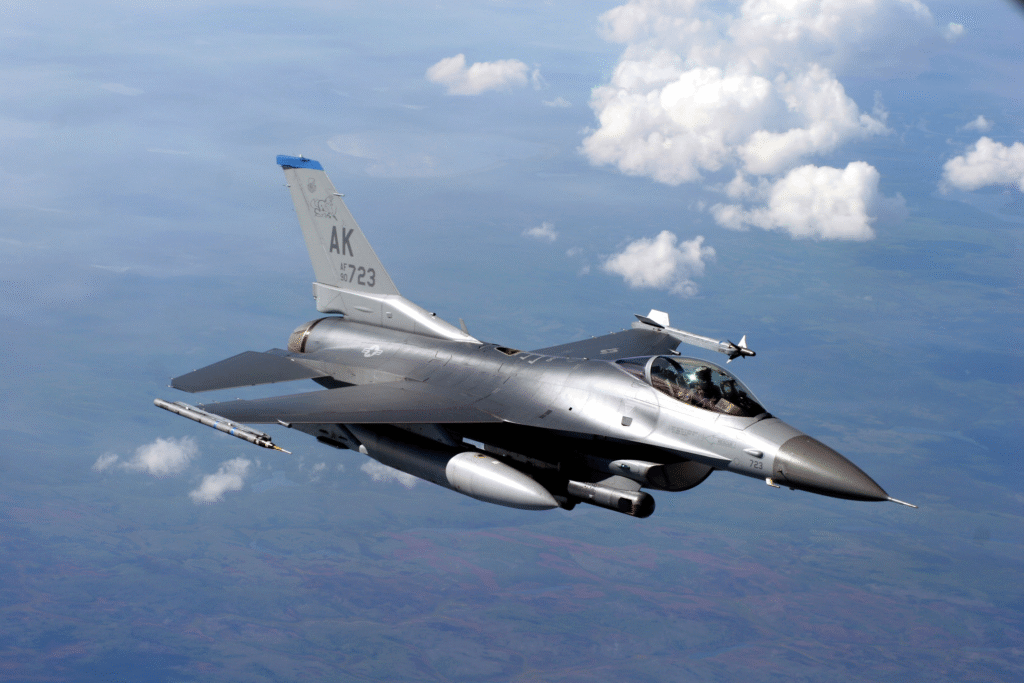
When only a few of the best jets can be deployed, the danger is that concentrated enemy fire—or plain fatigue—can make the difference. That’s why older models such as the F-15 and F-16 continue rolling off assembly lines: they are not stealthy, perhaps, but they’re tried and true, cheap, and manufactured in quantities the high-end jets can’t begin to approach.
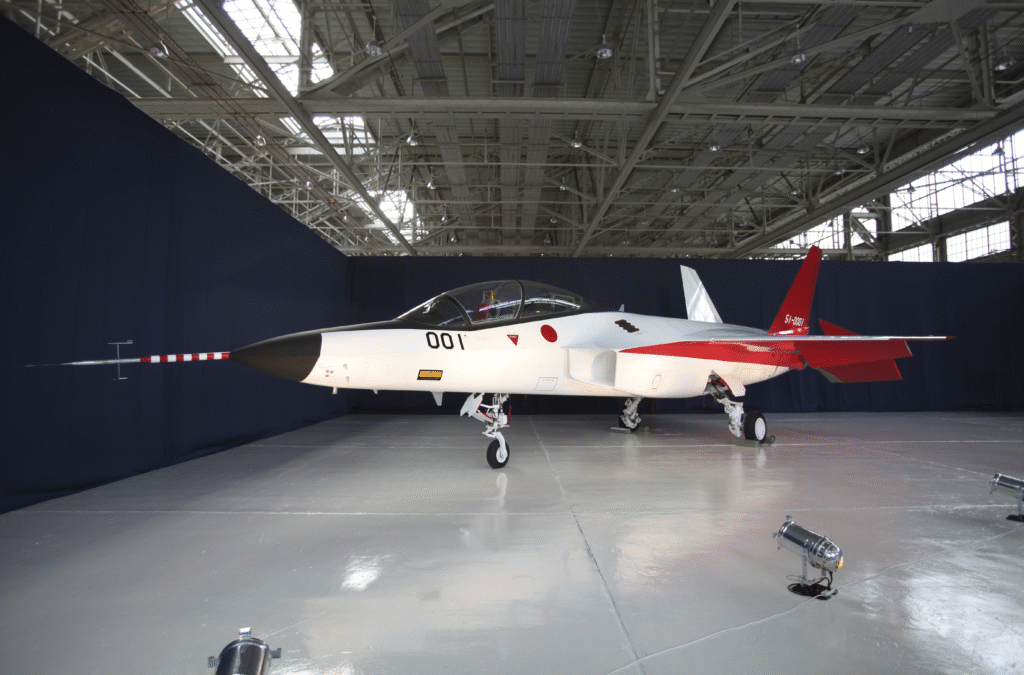
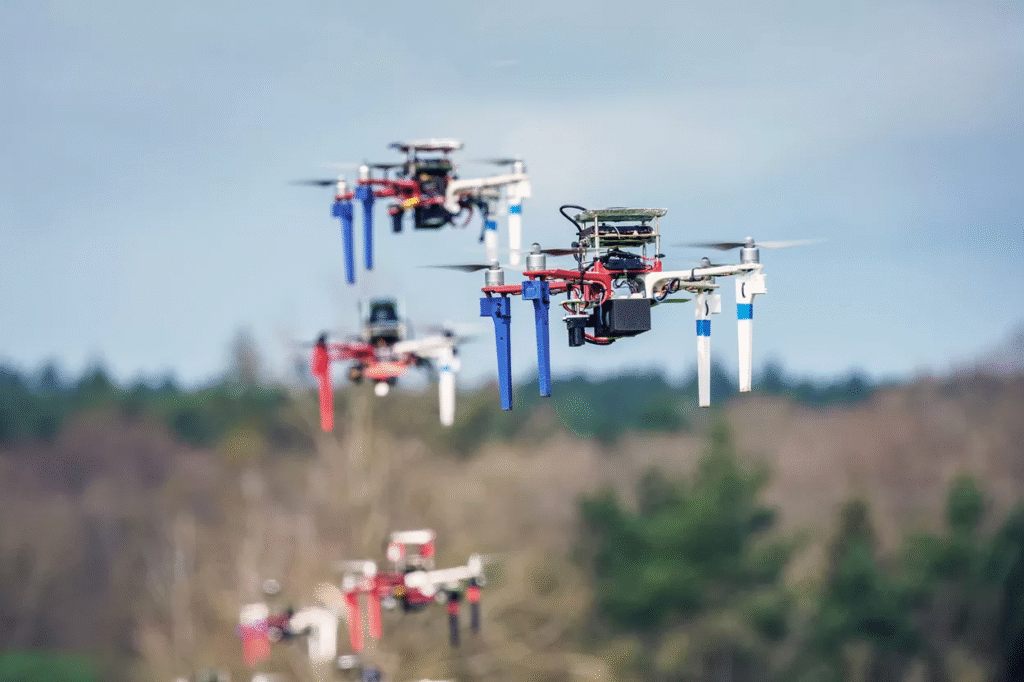
Allies and partners are now essential in maintaining balance. Japan is pursuing its next-generation stealth fighter, while many NATO nations continue to expand their F-35 fleets. New concepts like collaborative combat aircraft—autonomous drones designed to fly alongside manned fighters—promise a different kind of advantage: “affordable mass.” By pairing a handful of crewed jets with swarms of cheaper, expendable drones, air forces can stretch capability and outlast a war of attrition.
Recent hostilities have highlighted that even the most sophisticated fighters are only as good as the systems behind them. In Ukraine, for instance, a less powerful air force was able to demoralize a far larger adversary by using mobile surface-to-air missiles and multi-layered defenses. The message is simple: without suppression of enemy air defenses, even the most advanced jets can be denied freedom of action. Airpower does not function in isolation—it requires strategy, integration, and infrastructure to be successful.
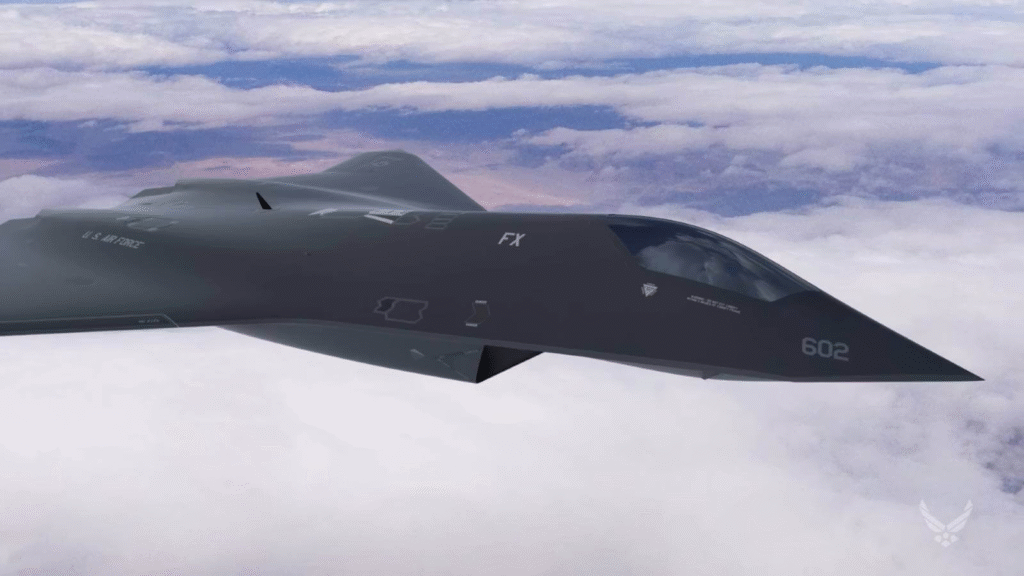
Ahead, the competition is already underway for sixth-generation airplanes. The U.S. Next Generation Air Dominance program will deliver a family of systems based on a stealthy new fighter with increased range, advanced sensors, and networked connectedness. Other countries are on similar trajectories, frequently in collaborative development programs. Tomorrow will not be the age of one airplane—it will be the age of ecosystemic crews of manned and unmanned vehicles, all connected by robust data networks.
Air superiority is still the jewel in the crown of military power, but its definition is evolving. Simply possessing the latest jet on paper is no longer sufficient. Victory will depend on possessing the optimal combination of technology, quantity, strategy, and allies. Who best achieves that balance may determine the course of future wars.