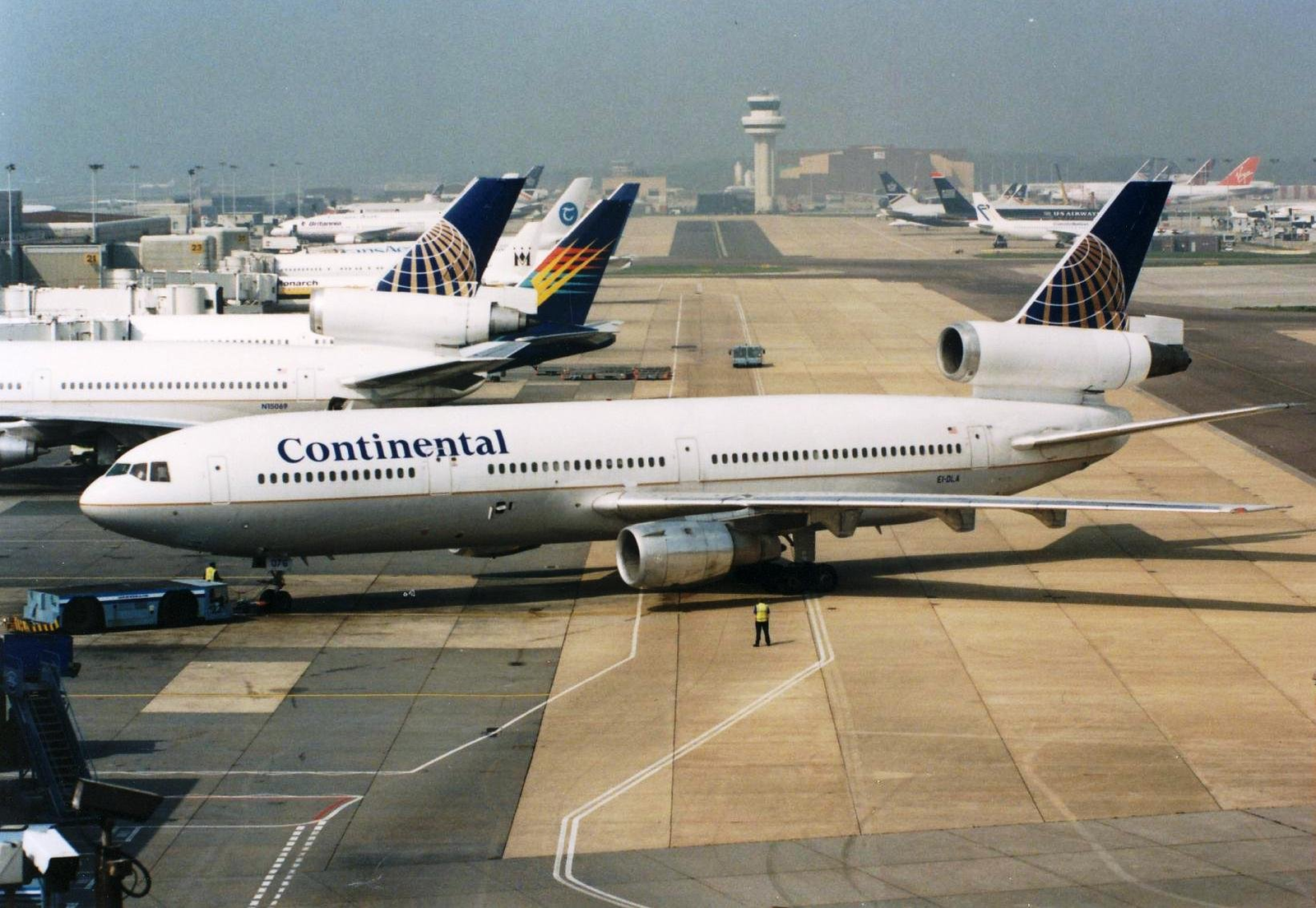

By 1970, the launch of the McDonnell Douglas DC-10 Airliner was more than just a passenger jet, it was the symbol of hope for airlines which are eager for fresh technology. Back then, it was a perfect match for airlines looking for a more passenger with wide body and capable of long hours of journeys, yet still able to operate at smaller airports. Douglas Aircraft, just out of its merger with McDonnell, assured exactly that.

It was initially to be a double-decker airliner, however, in reality was capable to be more down-to-earth. The three-engine, huge body jet that could have up to nearly 400 passengers was the final product. Because of its size, the DC-10 Airliner was positioned perfectly between the huge Boeing 747 and smaller long-distance jets and thus was considered the ideal aircraft in the world.

For example, airlines such as American and United Airlines followed the lead and were persuaded that the spacious cabin, sophisticated technology, and quieter engines were a good idea. Moreover, its tri-jet configuration made the long-distance flight rules of that time fully met, so the aircraft could be a carrier’s prefered choice for many routes.

However, the good news of the DC-10 Airliner was shortly to be eclipsed by unfortunate accidents. The aircraft was, in fact, involved in several mishaps, among others, the cargo door was the cause of trouble. In 1972, a decompression occurred in the air of American Airlines Flight 96 after the door failed, but a safe landing was made by the flight crew as a result of their emergency training.

Two years after this accident, Turkish Airlines Flight 981 met the same problem, but it was a disaster with much deadlier impacts. The plane tore apart over the forest, killing all the occupants on board. Design flaws of the airliner contributed significantly to the incident, and air crash investigations led to safety modifications as well as raising the design’s industry standards.

The most catastrophic event in DC-10 Airliner history occurred on May 25, 1979. While taking off from Chicago O’Hare, American Airlines Flight 191 lost its left engine, which not only cut hydraulic lines but also made the aircraft uncontrollable.

The 273 people on board lost their lives, thus it became the deadliest crash in the U.S. aviation history. The FAA banned flights of every DC-10 Airliner in the country for over a month. Later, although the aircraft was allowed to return to service, its reputation was never quite the same.

The DC-10 Airliner, however, continued to operate with the U.S. Air Force and was given a second chance. The KC-10 Extender, redesigned, was made into an aerial refueling tanker that was versatile and could transport both soldiers and equipment. The KC-10 became an integral part of American air power since its addition in 1981, as it was capable of mid-flight refueling of all types of planes from fighters to heavy bombers reaching over the oceans.

Over time, KC-10s were actively involved in both wars and humanitarian missions, i.e., from the Gulf War to NATO operations over Kosovo and post 9/11 relief missions. The aircraft, for forty years, had been quietly carrying out its given tasks all over the world.

While the KC-10s are making their final flights now, a goodbye tour has already been conducted by Travis Air Force Base and other locations where families, veterans, and crews have met them and said their farewells to them during these last days. As General John Lamontagne noted, the KC-10 was always the story about the people rather than about the aircraft itself that which had to survive and be maintained during difficult periods.

DC-10’s journey is a legacy of strength from a failed debut in the commercial sector to several years of reliable military service. It’s learning from early errors that has changed the face of safety in aviation, and its stint in the military has shown that even a plane with a troubled history can become a legendary workhorse. The pleasure of traveling by plane came to a virtual halt, however, the DC-10, the memory of those who flew it, and the history of aviation continue to be intertwined.