


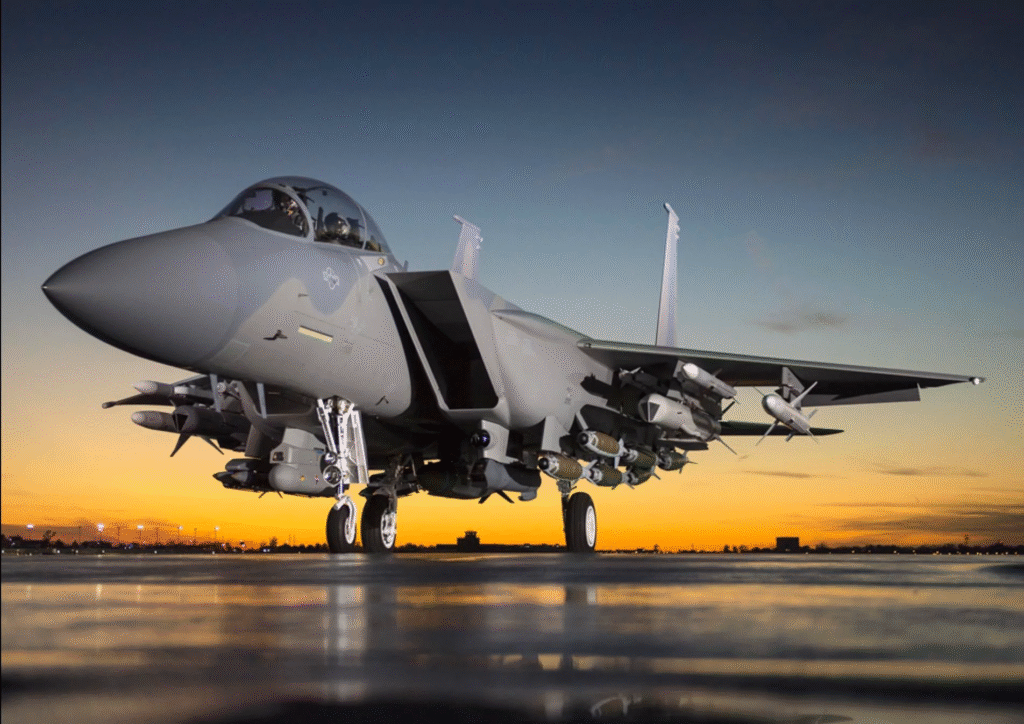
The F-15EX Eagle II is not only a refurbished version of a tired old airplane, but it also embodies the U.S. Air Force’s strategy to remain lethal and adaptable in the face of rising threats and tightening defense budgets. Basically, with the integration of the latest technology into the original F-15 design, the Eagle II is offering bleeding-edge capabilities without the high cost and lengthy process of coming up with an all-new design.

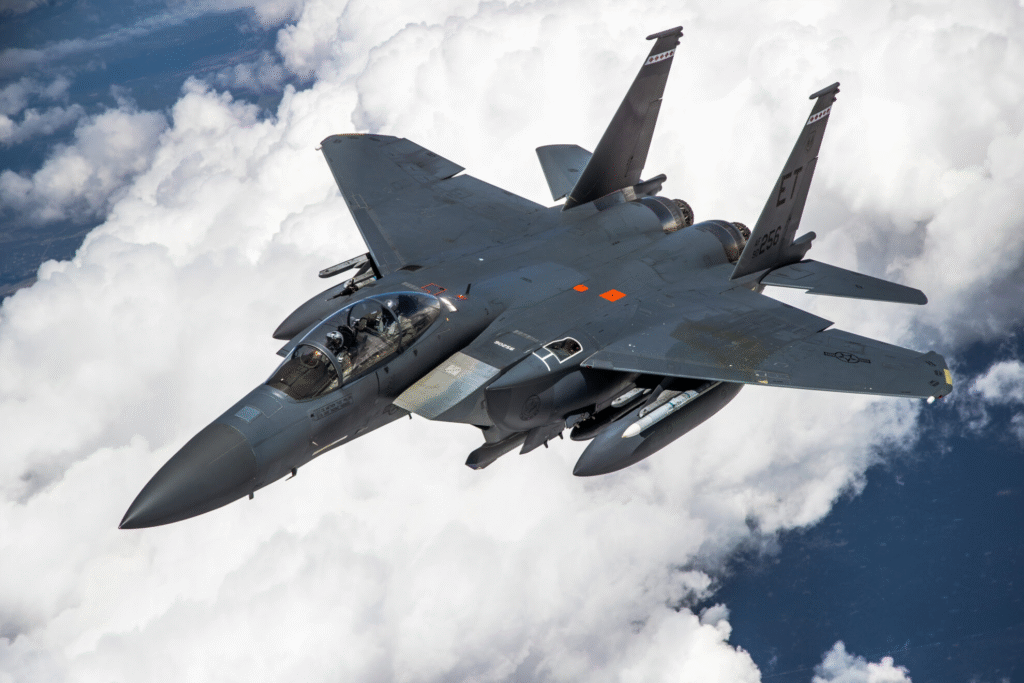
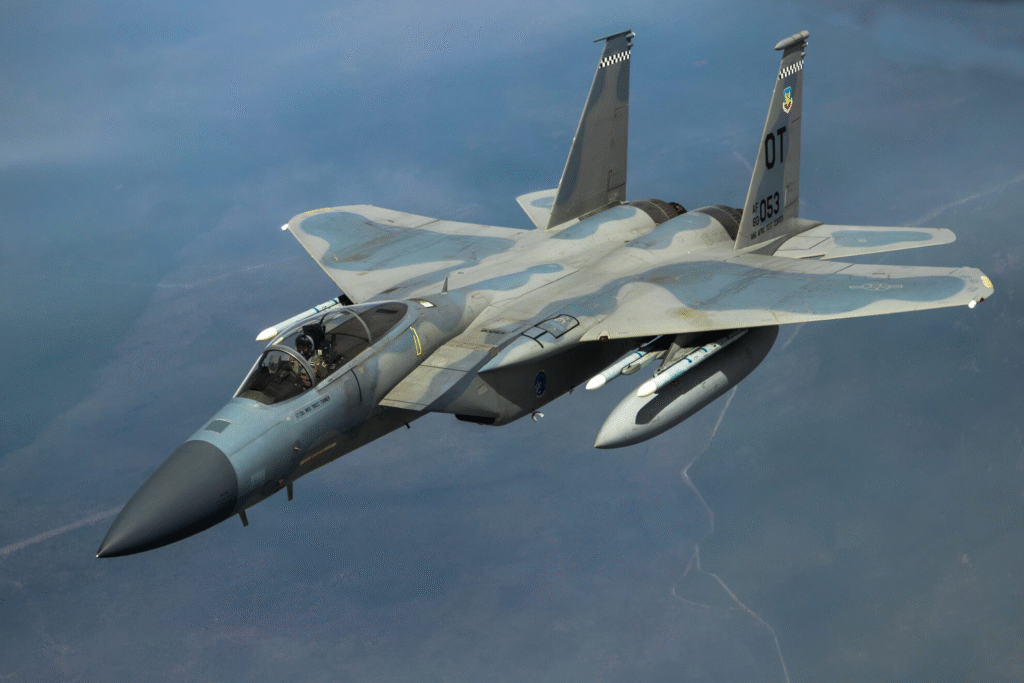
The initial F-15 was a product of the Cold War era and was well on its way to becoming a sky god, with unmatched speed, power, and agility. Over time, the design had proven its ability to adapt, gaining the characteristics of a true multi-role fighter, with the Strike Eagle version being the first one to go beyond air superiority and add the precision strike domain. As a result of its adaptability, it had become one of the most successful jet programs with the most diverse and respected users around the globe. The Eagle II is directly inheriting from that past. Even though it is very similar to the F-15 people have been talking about for decades, it is a completely different aircraft when it comes to the fights of today and tomorrow.
One of the key factors that makes it a standout new model is the technology they have put inside it. It is loaded with top-of-the-line avionics, an upgraded radar system, and the Eagle Passive/Active Warning and Survivability System, or EPAWSS, for short. This modified electronic warfare suite enables the aircraft to detect threats in real-time, interfere with the opponents’ radar, and protect itself against the arrival of weapons. As it is digital in structure, all of its systems can receive software upgrades as rivals change, thus it has the ability to keep pace in the long run.

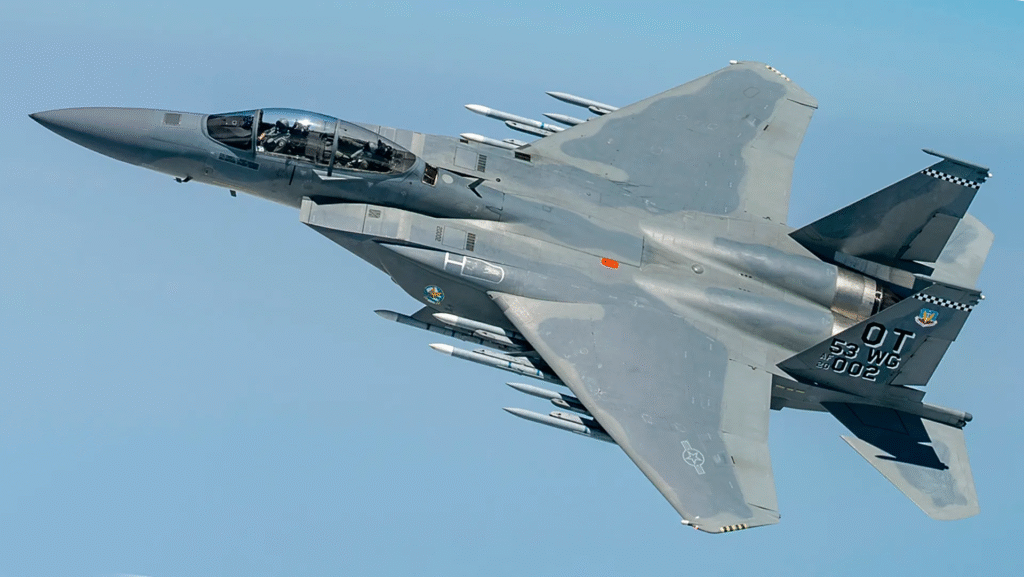
Another tremendous advantage that F-15EX has is the vast payload that it can carry. The weight of the weapons it carries can be up to 30,000 pounds, and the number of air-to-air missiles it can be equipped with can be up to 16, which is the most among all the fighters that are in service. It is for this feature that it is known as the “missile truck”, a fighter that can stay at a safe distance and fire voluminous long-range missiles.

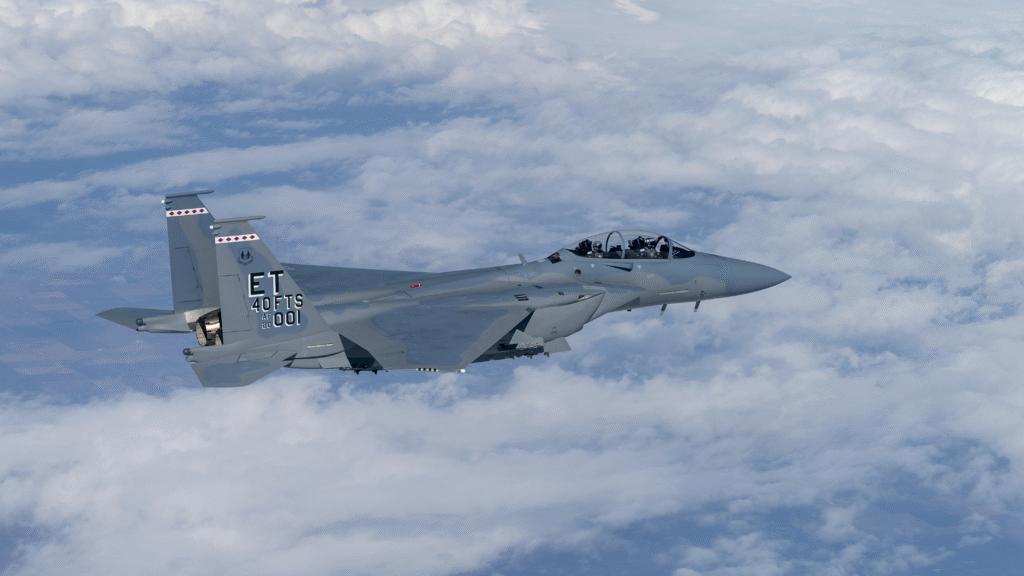
From air-to-air missiles such as AIM-120D and AIM-260 to be developed, to the heavy strike weapons represented by JASSM-ER, the Eagle II is almost impossible to find a weapon in the U.S. arsenal that it cannot carry. In addition, with extra fuel tanks, it can extend its already very long range and therefore be suitable for flights over large areas.
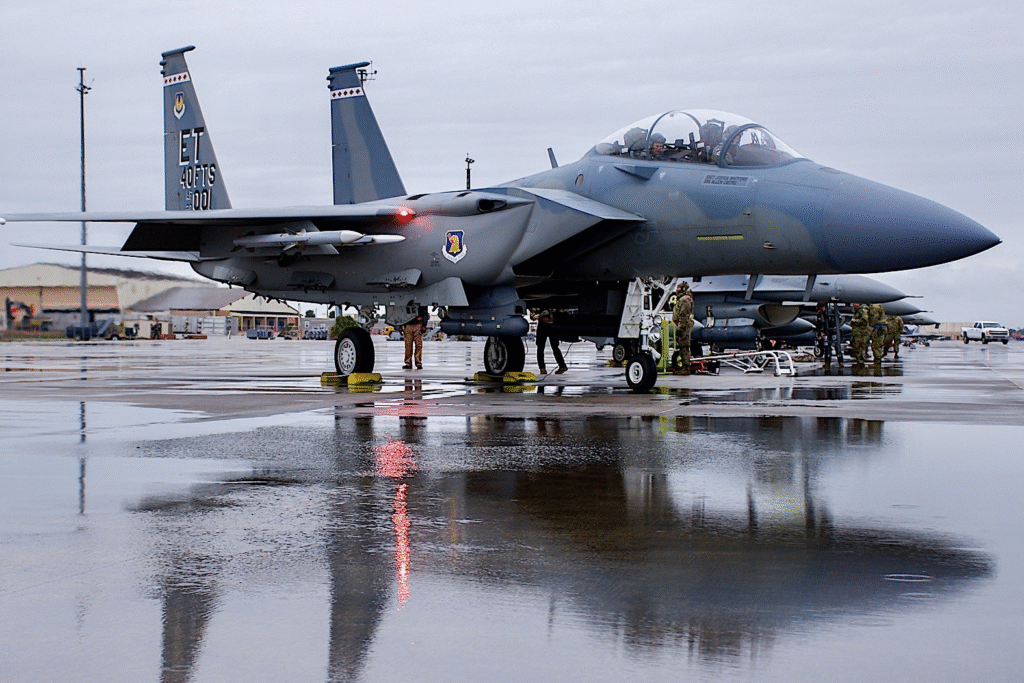
Stealth fighters are not totally replaced by the F-15EX, which is rather designed to be their partner. Planes like the F-22 and F-35 that assist in penetrating defended airspace and in collecting targeting data are being supported by the Eagle II, which, rather than engaging directly, can launch missile attacks that are powerful yet from a position of safety.

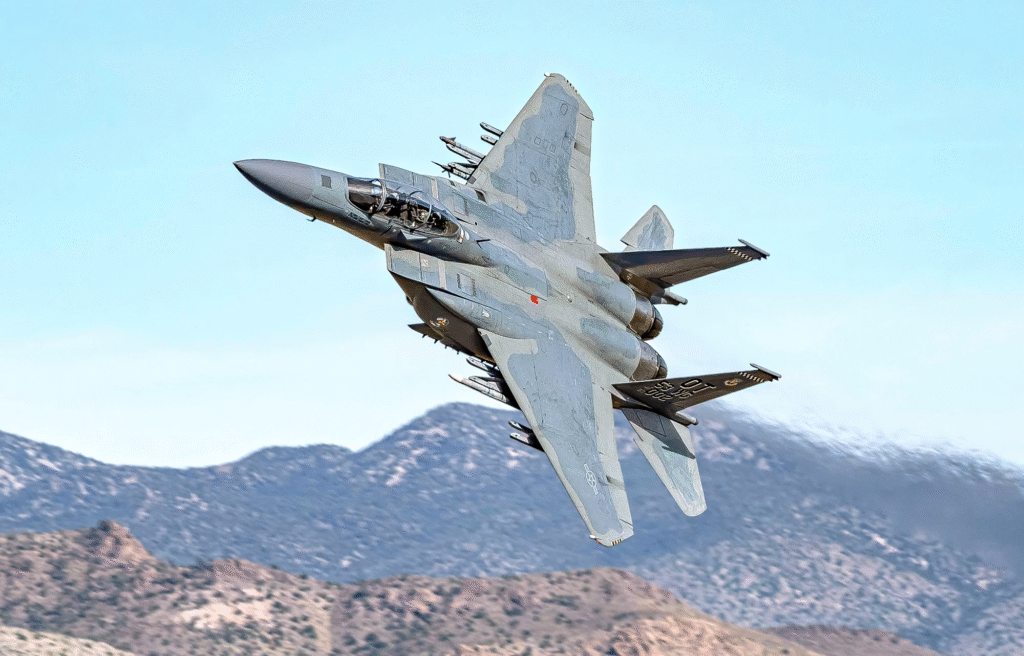
Hence, it is particularly helpful when the area is large and range and endurance are of great importance. Its coming to Kadena Air Base is proof of the way the Air Force plans to use the capacity and it is already on its way to become the new face of the old F-15C models that are gradually being phased out from Air National Guard squadrons at home where, because of the cloudless harmony between reliability and infrastructure that is already in place, it is the natural fit.

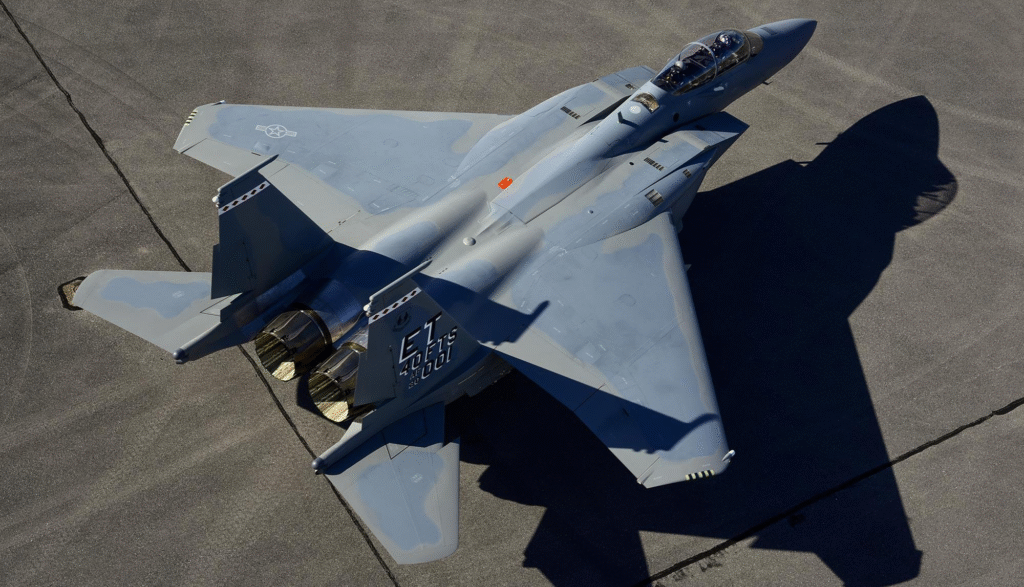
Surely, such capability does not come cheaply. The price of each aircraft has gone up from almost $80 million to close to $97 million, placing it only slightly more expensive than an F-35A. However, these numbers are not the whole truth. Apart from that, the F-15EX can still function with most of the existing infrastructures and utilize parts that are already in service, and as a result, it saves a lot of money in the long run and ensures an easier transition.

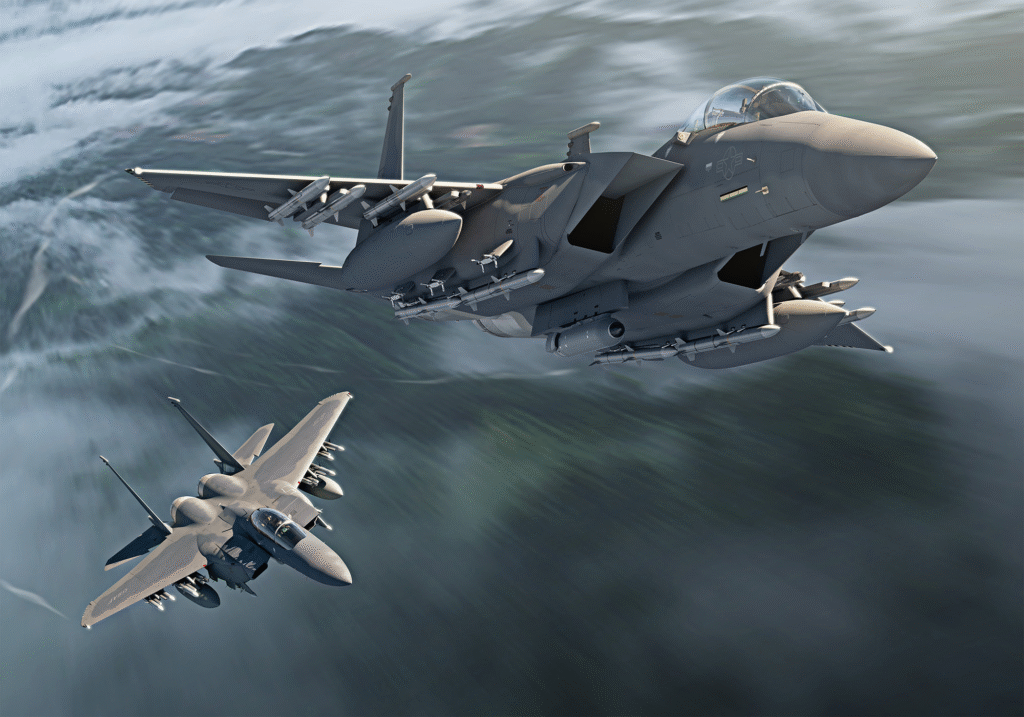
In addition, it is worth noting that the continuation of the F-15 line supply gives the Air Force procurement flexibility, which is tantamount to not putting all one’s eggs in one basket, i.e., not relying completely on one fighter program.

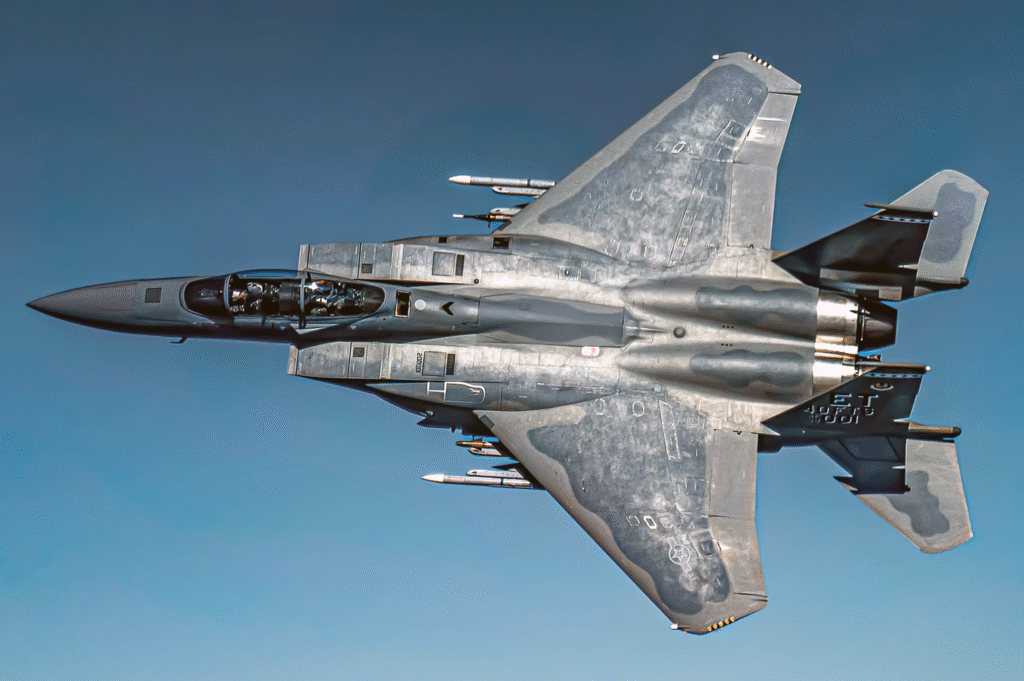
Eventually, F-15EX is meant to be in active service up to the 2050s. It was not designed to be a stealth aircraft, nor is it trying to take the place of one. As a matter of fact, it only complements the fifth-generation fighter in the aspects where it is superior, that is, in firepower, range, and upgrade potential. The Eagle II is showing that a revival of even a decades-old design is feasible, and the outcome is very important in modern warfare by, for example, defending U.S. airspace, operating with allies in foreign countries, or helping stealth fighters in strike packages.

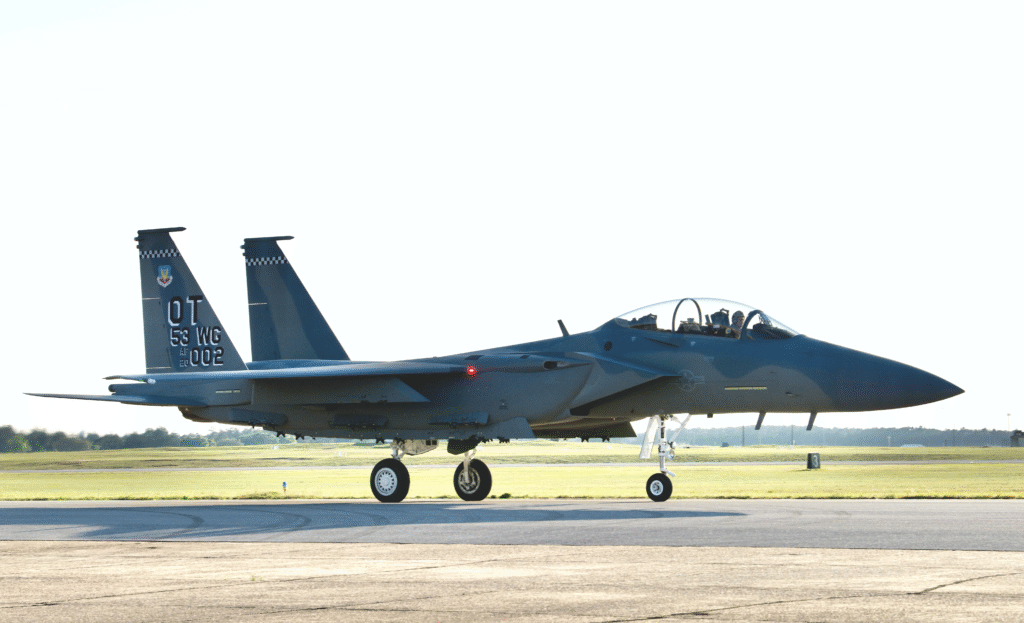
In the end, the F-15EX is an answer that is both real and straightforward to a big question: how to be ready for the most difficult conflicts, but not to be fully dependent on one very expensive solution. It is characterized by its speed, versatility, and its being the bridge between the last generation of proven airborne platforms and the coming generation of air combat.