
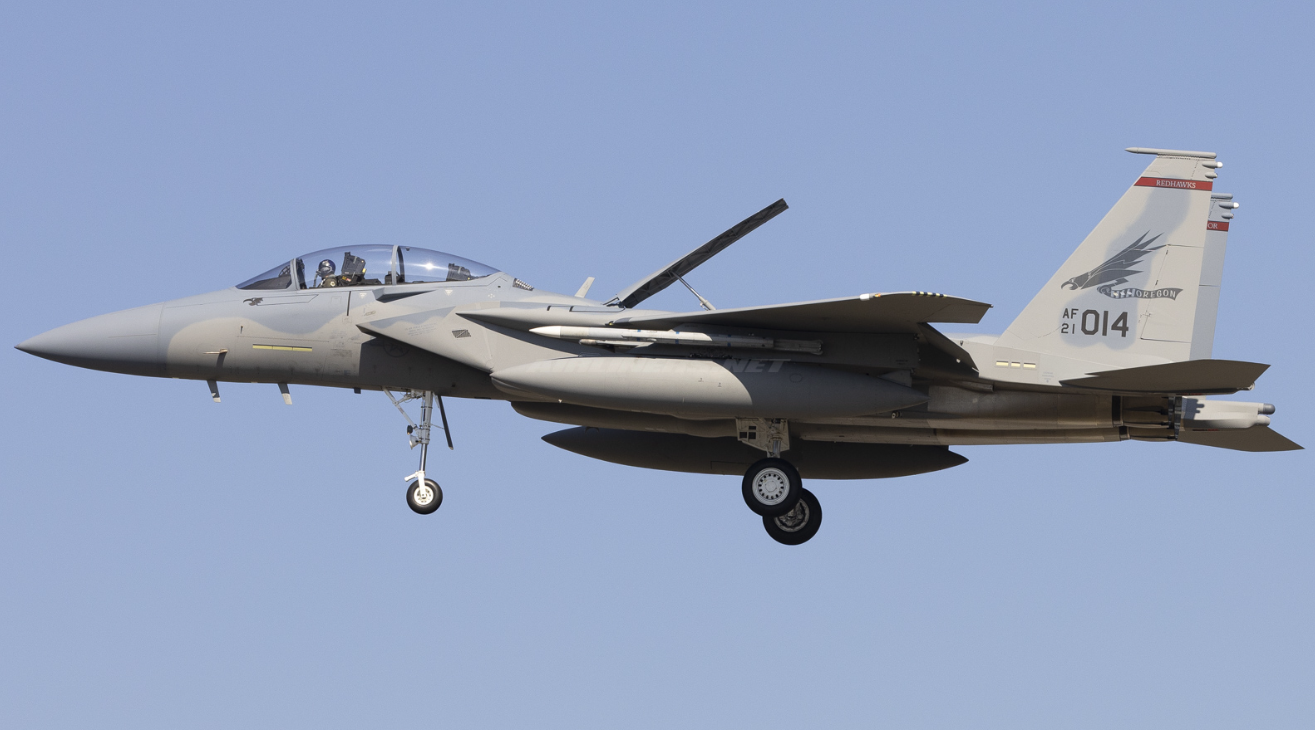

It is hard to ignore just how much history the F-15C/D Eagles’ going away at Kadena Air Base embodies. Once, these amazing machines were almost interchangeable metaphors of the Air Force’s Cold War aerial supremacy, but now the legendary Eagles are handing over the power to the F-15EX Eagle II. This change is much more than a simple substitution of outdated planes with more recent ones. It is the first step of a well-thought-out decision to get the Air Force ready for the realities of modern aerial warfare, which is dynamic and has very high threat levels.

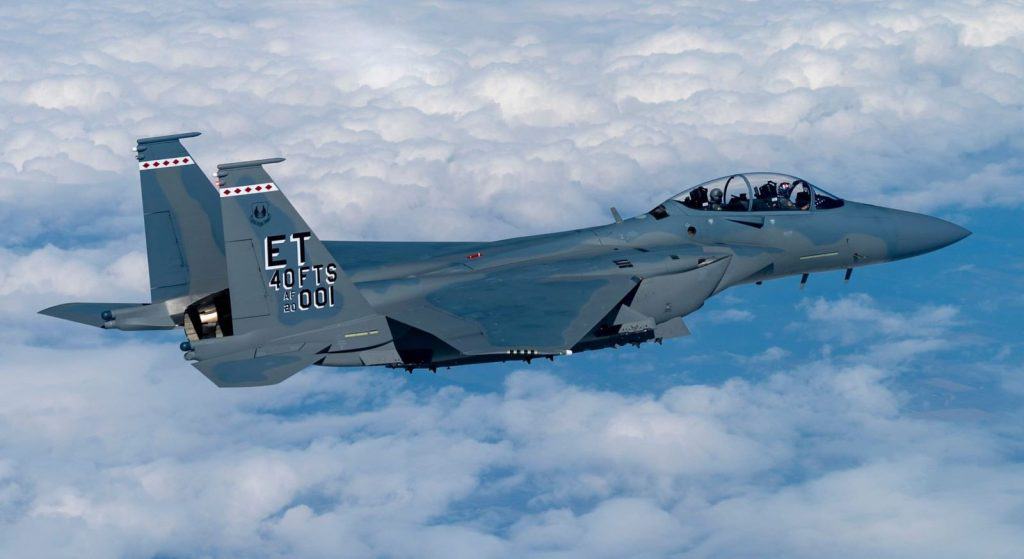
Though the F-15EX still employs the same aircraft structure and design as the previous models, it is equipped with numerous updates for modern times. The digital fly-by-wire control, glass cockpit, helmet-mounted cueing, and the sophisticated Eagle Passive/Active Warning and Survivability System (EPAWSS) not only raise the level of survivability and situational awareness considerably but also make them comparable to those for stealth fighters.

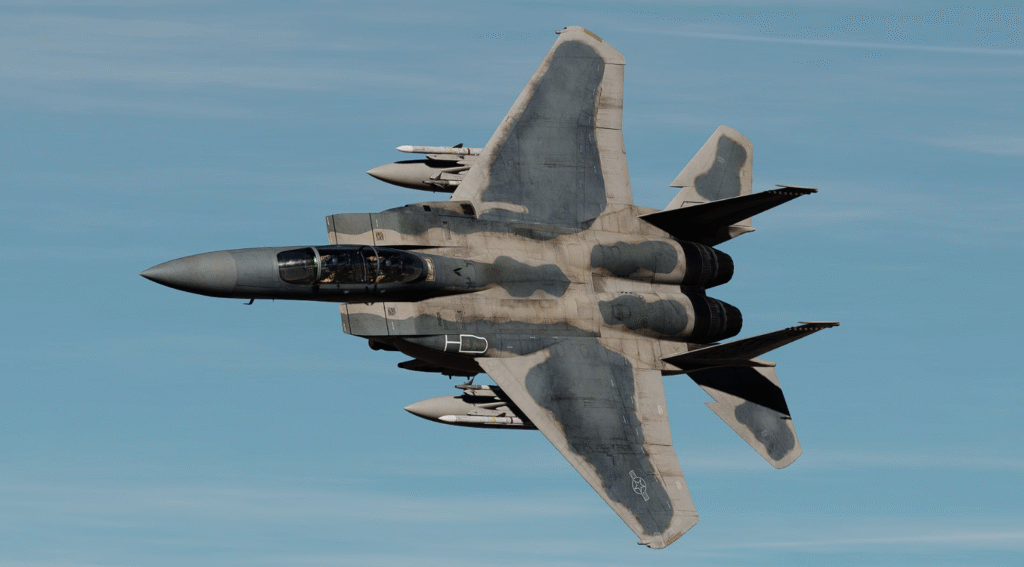
Its open mission systems with high-powered AESA radar, in fact, give this aircraft the kind of flexibility that previous Eagles never even dreamed of having. New weapons, sensors, or mission software can be incorporated with this design much faster without the usual long delays and high costs for redesign.

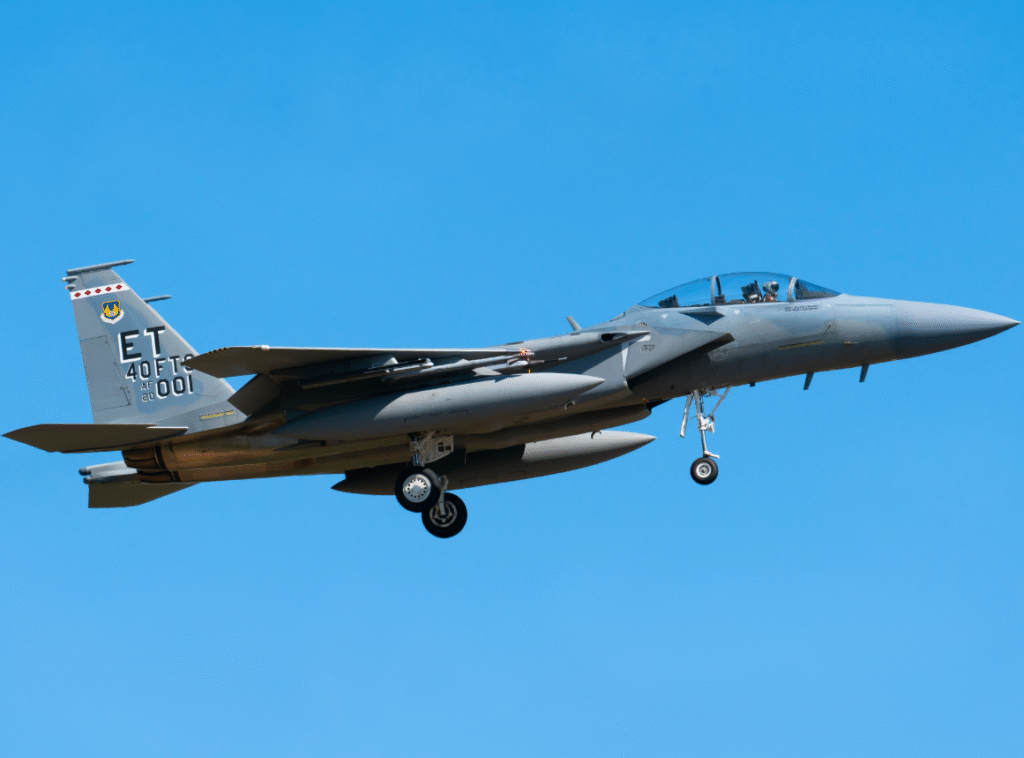
The new Eagle II’s unique selling proposition is its versatility. It inherits homeland defense missions from the F-15C/D, but at the same time, it is not less suitable for offensive missions. The machine is able to be loaded with up to 13.6 tons of weapons, including hypersonic missiles having a length of 22 feet; thus, the aircraft can become an ‘attack carrier’ against enemy airspace, making it very difficult for the enemy to control the skies.

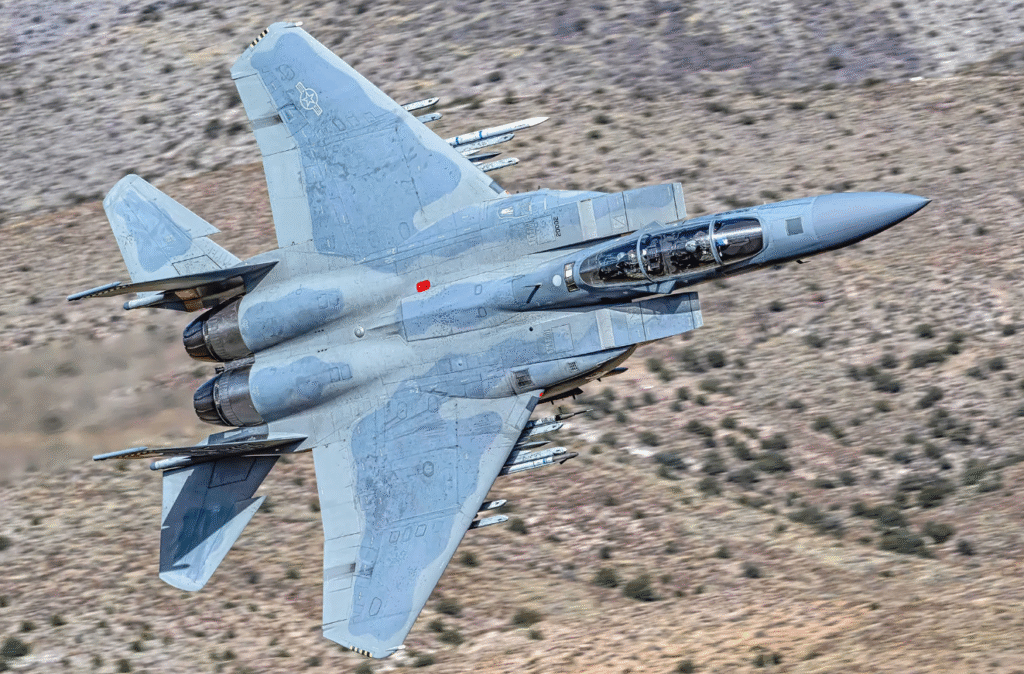
If it is not in a dogfight with stealth fighters such as the F-22 or F-35, the F-15EX can still support the operation by being a heavy bomber, hitting the target deep inside the enemy’s territory, and then quickly escaping. This combination of being able to use a lot of firepower far away from where you entered the vastness of the operational theater is, indeed, very effective and, therefore, valuable.

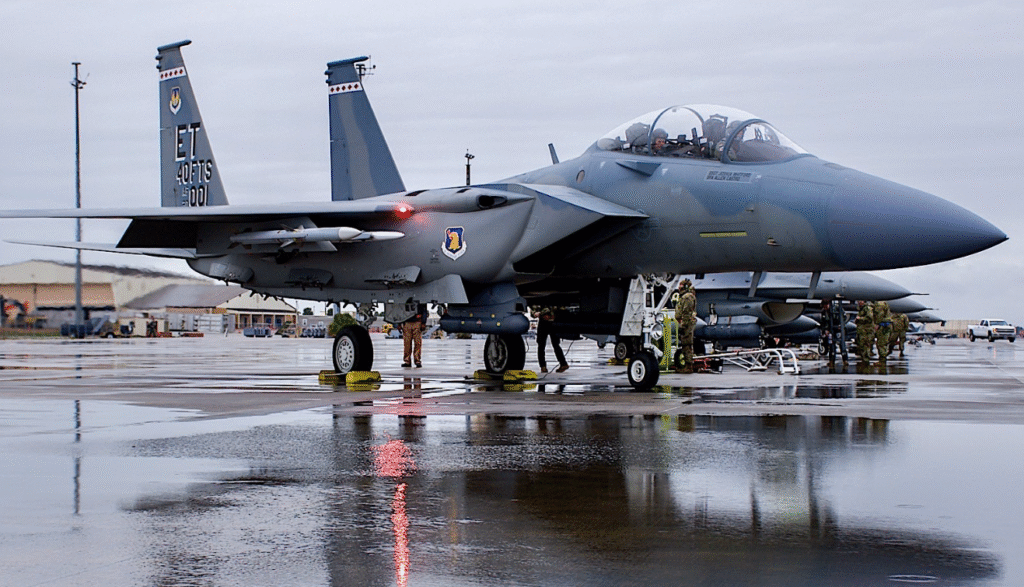
The two-seat cockpit is, in fact, the next step in the expansion of its strengths. Apart from the usual Weapons Systems Officer, the second crew member can help manage drone formations, coordinate larger air operations, or even be an airborne mission commander. This is the way the Eagle II could be the leader for the future Collaborative Combat Aircraft (CCA) concept.

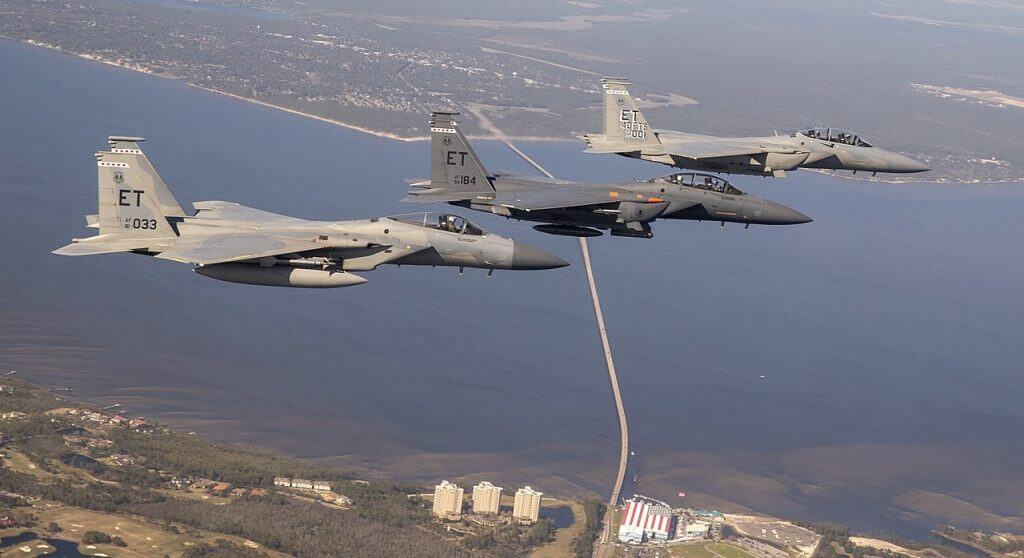
Furthermore, technology is on the side of electronic warfare. As the F/A-18 Growler line is no longer being manufactured, it is conceivable that the F-15EX might be outfitted with Next Generation Jammer Pods, thus not only being able to carry almost any weapons but also being able to multiply the efficiency of stealth and conventional aircraft with the use of electronic attack.

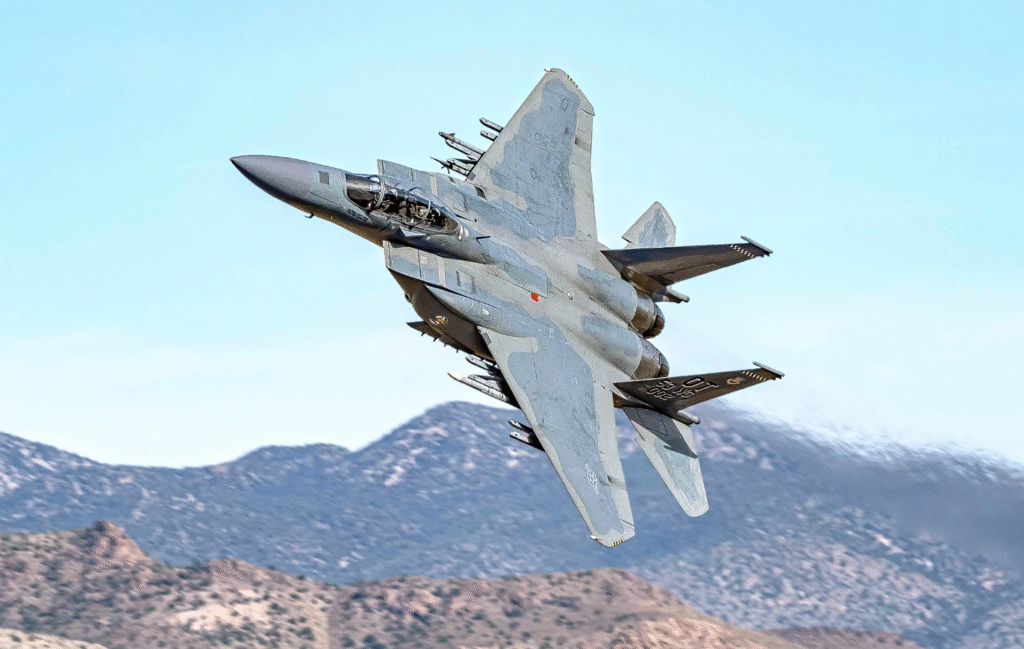
The Air Force is even working on the installation of buddy refueling pods on the Eagle II, which would be used by stealth fighters for replenishing their fuel without exposing vulnerable and larger tankers to enemy attack. While the U.S. is very much interested in the aircraft, it’s not the only party. Indonesia has already gotten the green light for its acquisition of the plane, and Boeing has already presented it to other countries that are seeking reliable and modern airpower.

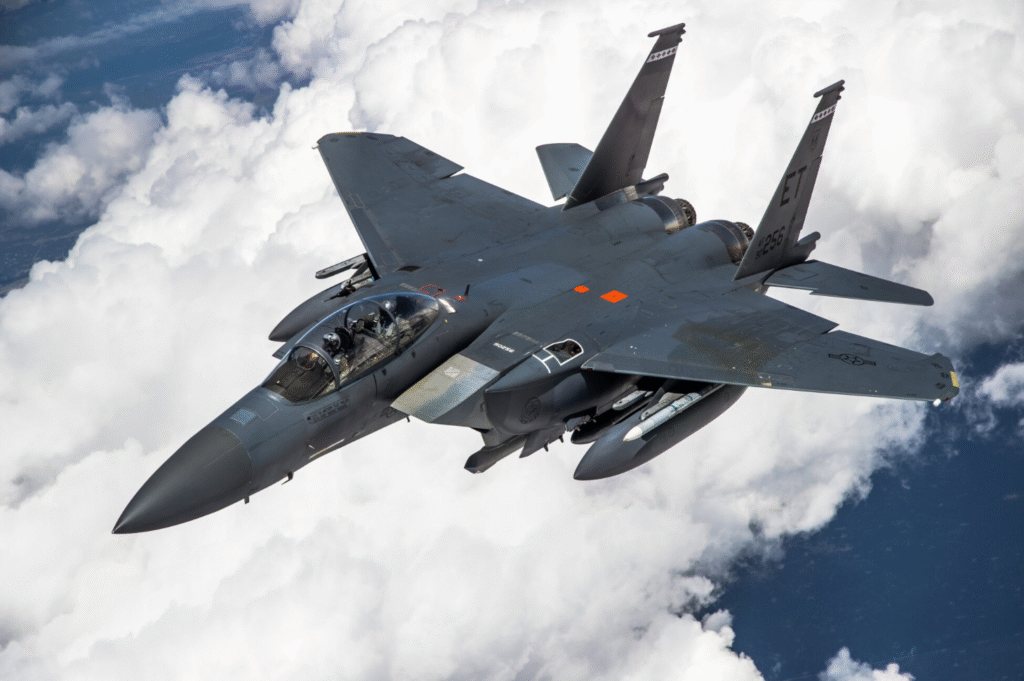
The unit cost of the F-15EX is $97 million; as such, the aircraft can provide advanced capabilities at a lower price than the F-22 and with more payload and range flexibility than the F-35. Taking into consideration that defense spending has been reduced, the aircraft’s power, reach, and value combination is what makes it very attractive.

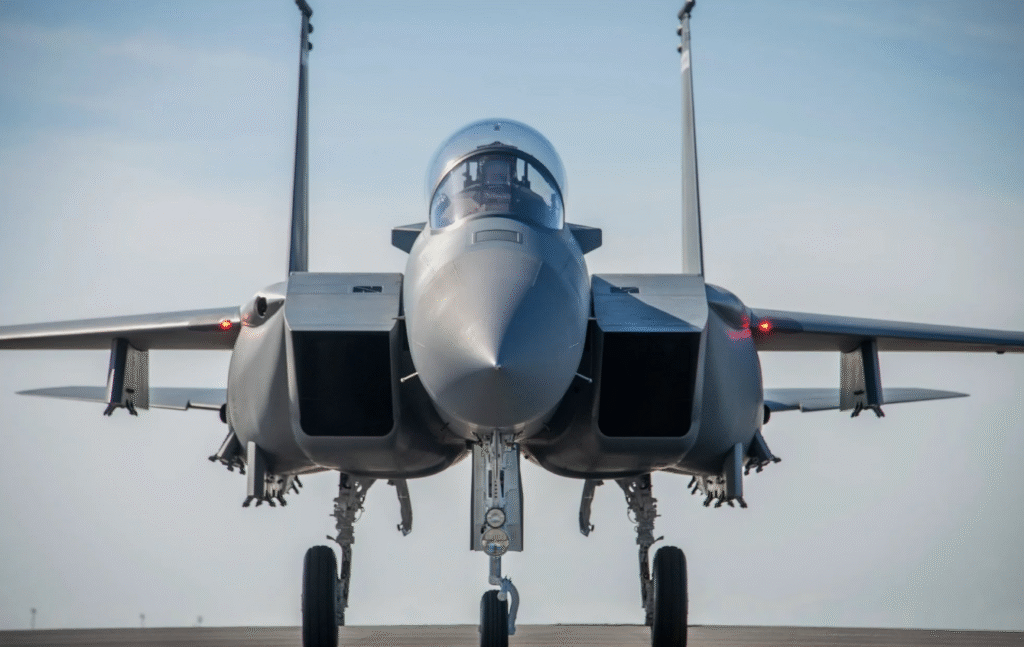
The F-15EX will be part of the Air Force’s “four plus one” fighter program, a conjunction of stealth and non-stealth platforms that work together to establish supremacy in both defensive and offensive missions. The F-15C retirement is definitely not the end of the Eagle’s story but the start of another one.

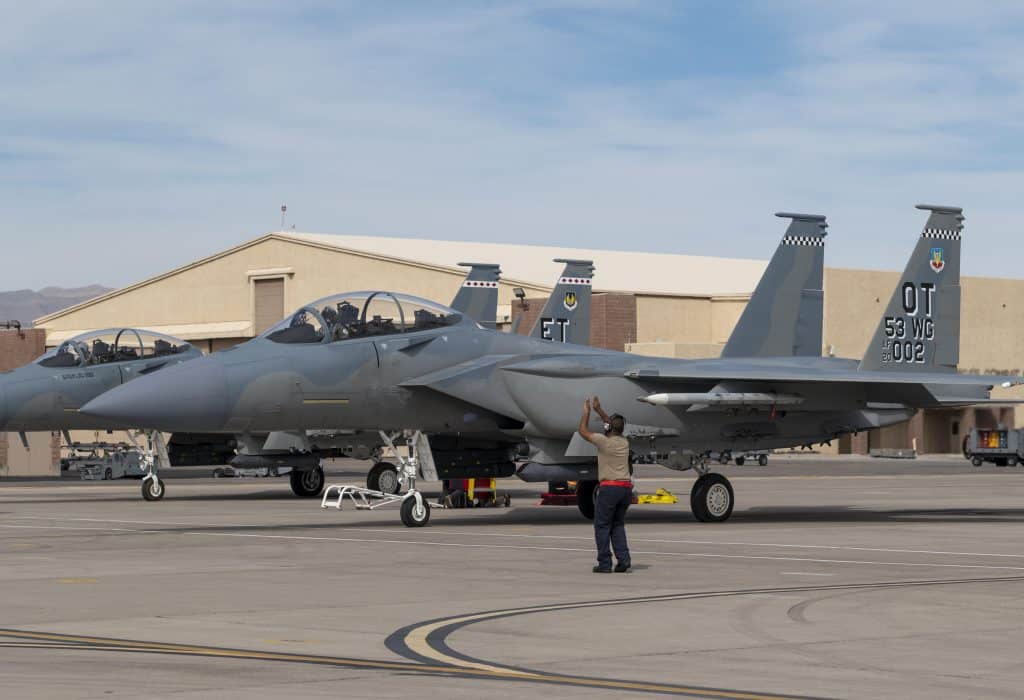
The Eagle II will be a fighter, only in name, in the years to come. It will be a principal character of air combat, for it will be a warplane, a command hub, and a force multiplier all in one, setting the pace for the future of aerial warfare.