
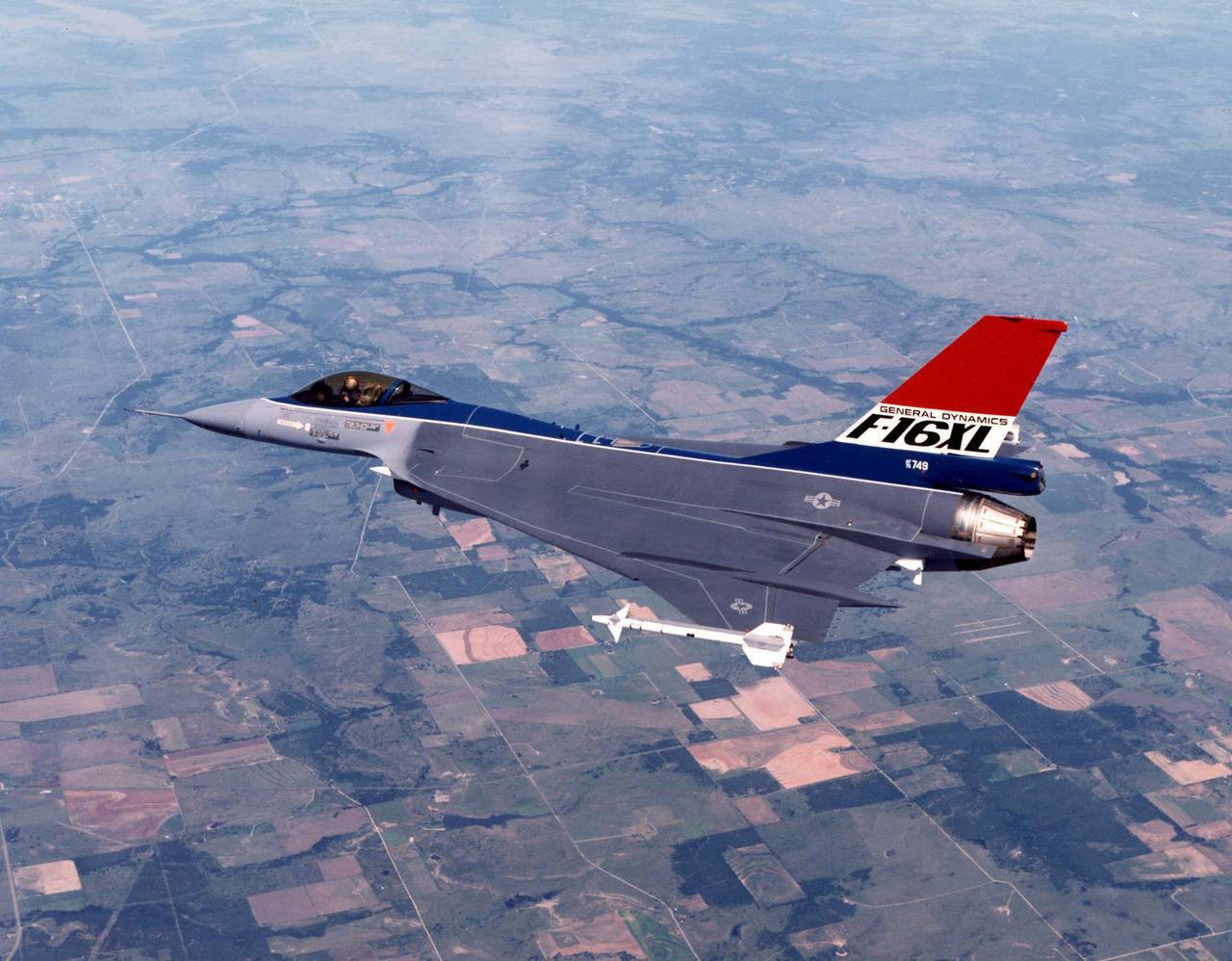

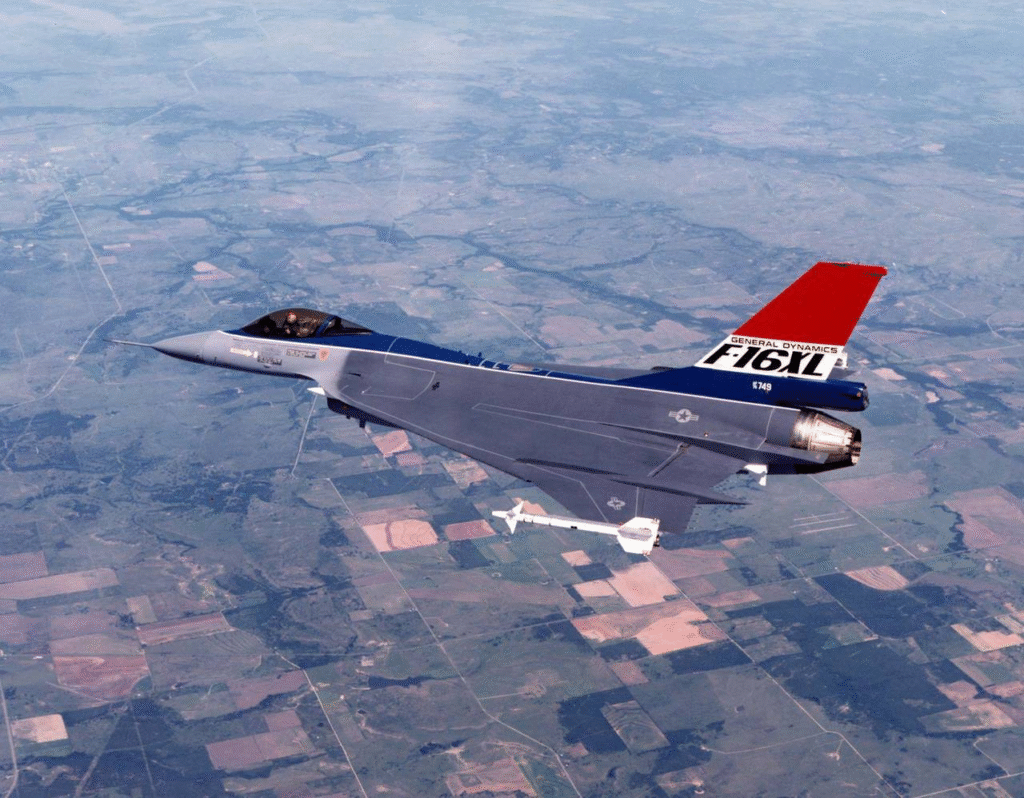
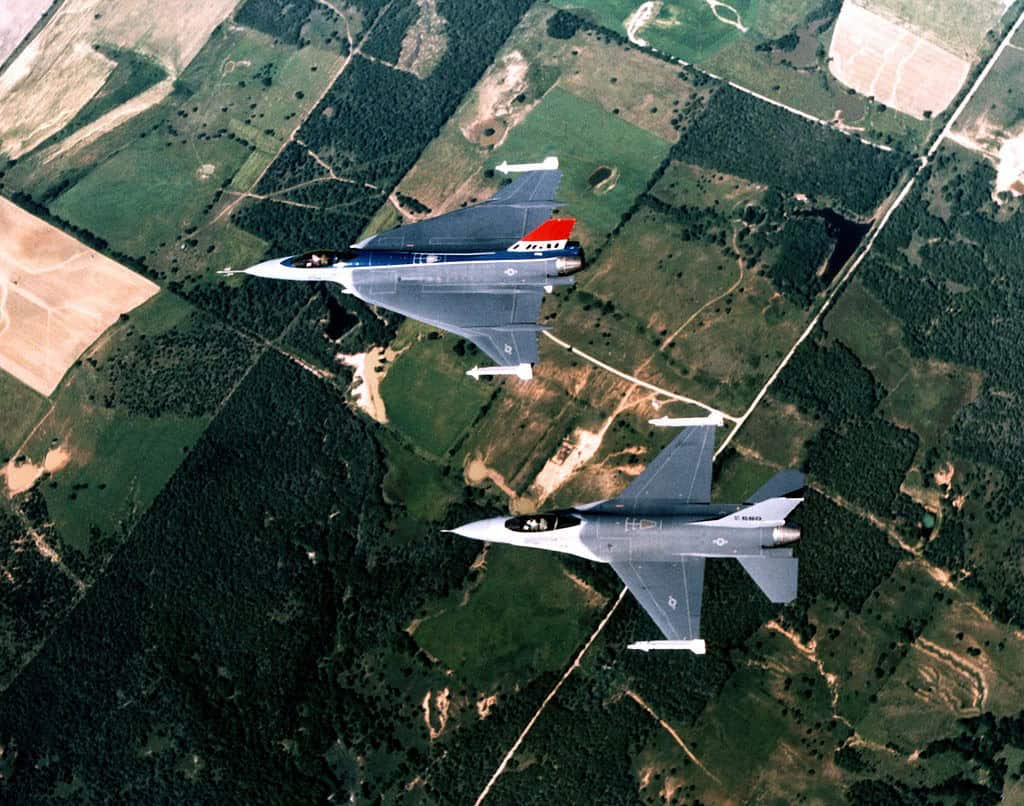
Everybody who tracks military aviation is familiar with the F-16 Fighting Falcon, a compact and nimble jet that emerged as a workhorse of the U.S. Air Force. What many are not aware of is that its prototype sibling, the F-16XL, once held out the prospect of revolutionizing fighter design.

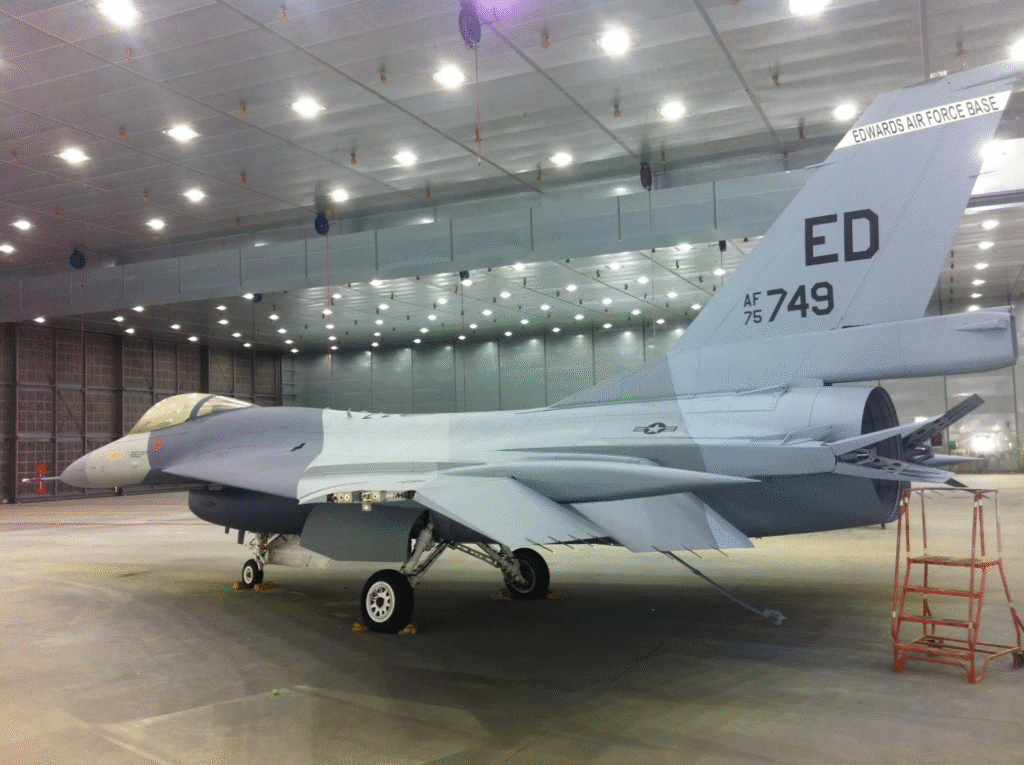
The XL was fearless, radical, and progressive. It had lofty expectations, risky design decisions, and a history that combines innovation with lost potential. Though it never came into mass production, the jet made a point that resonates through aviation to this day.

The idea arose among a group of Air Force strategists sometimes referred to as the “Fighter Mafia.” These thinkers assumed that an authentic fighter would depend upon quickness and smart energy management more than brute force or massive firepower.

At the heart of their imagination was John Boyd’s theory of energy-maneuverability, which held that the capability to quickly change speed and direction could determine who lived through a dogfight.

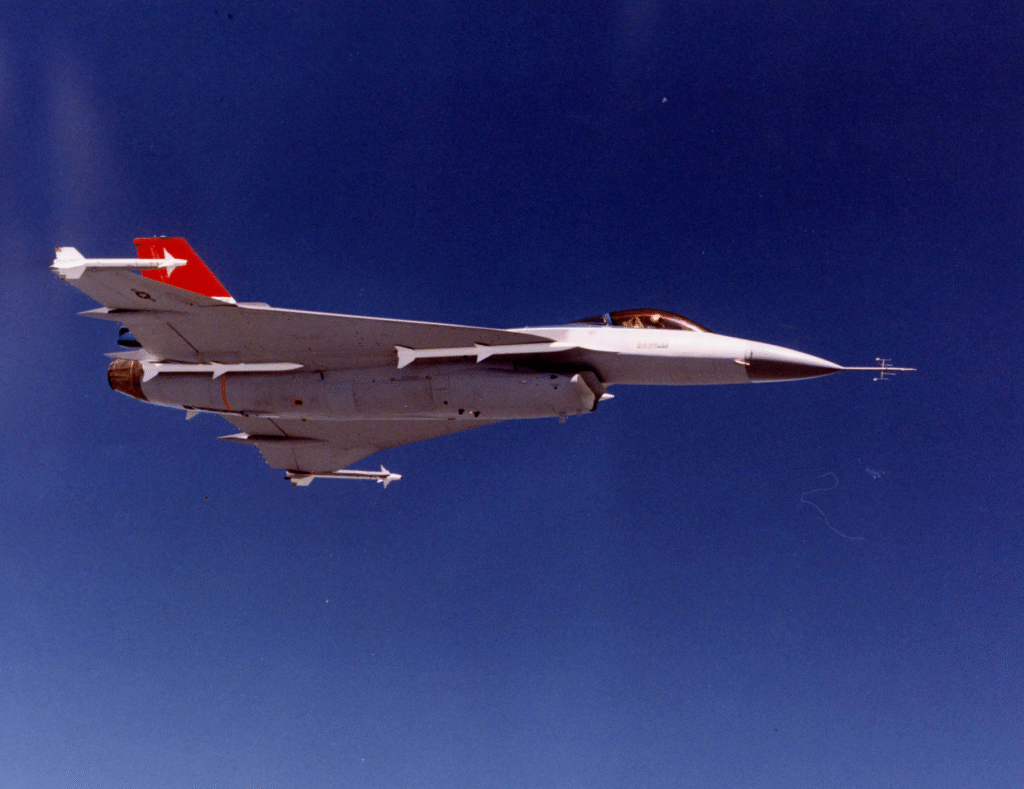
General Dynamics took that philosophy to the next level with the F-16 SCAMP—short for Supersonic Cruise And Maneuver Prototype. The objective was nothing less than audacious: develop a fighter that would “supercruise,” or maintain supersonic speeds without fuel-gobbling afterburners, boosting range and combat endurance.

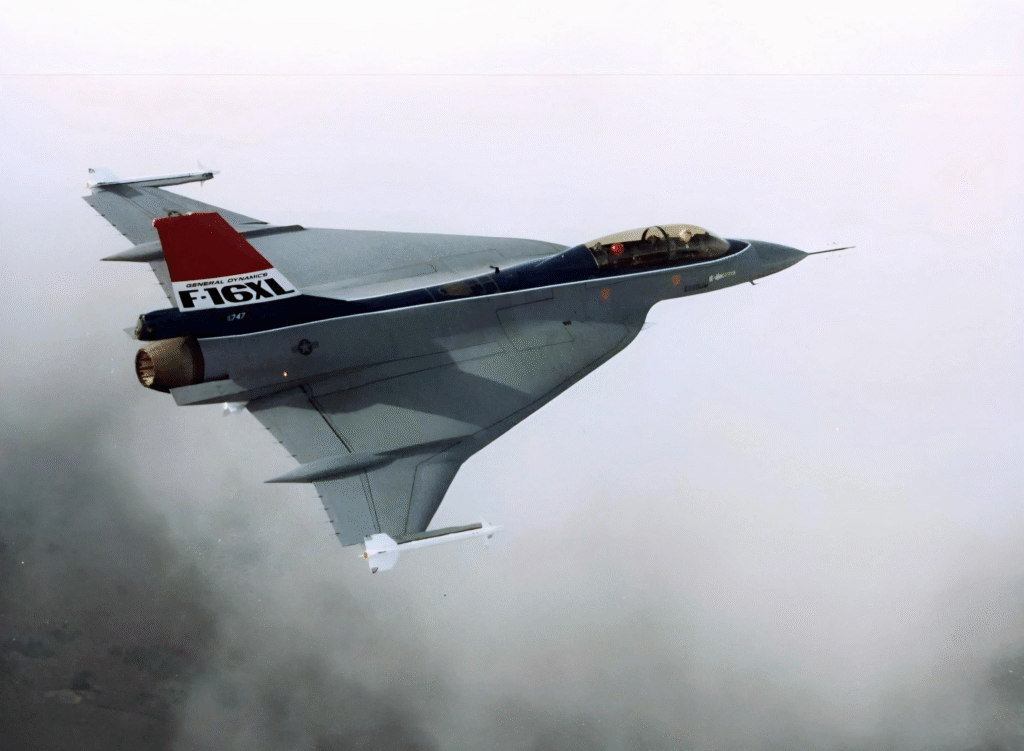
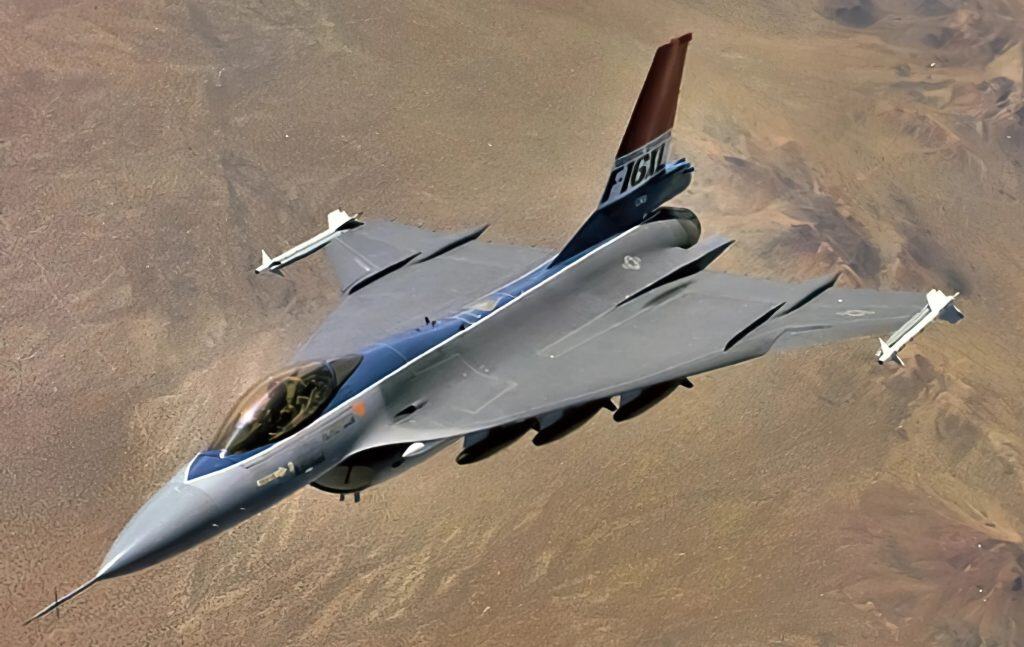
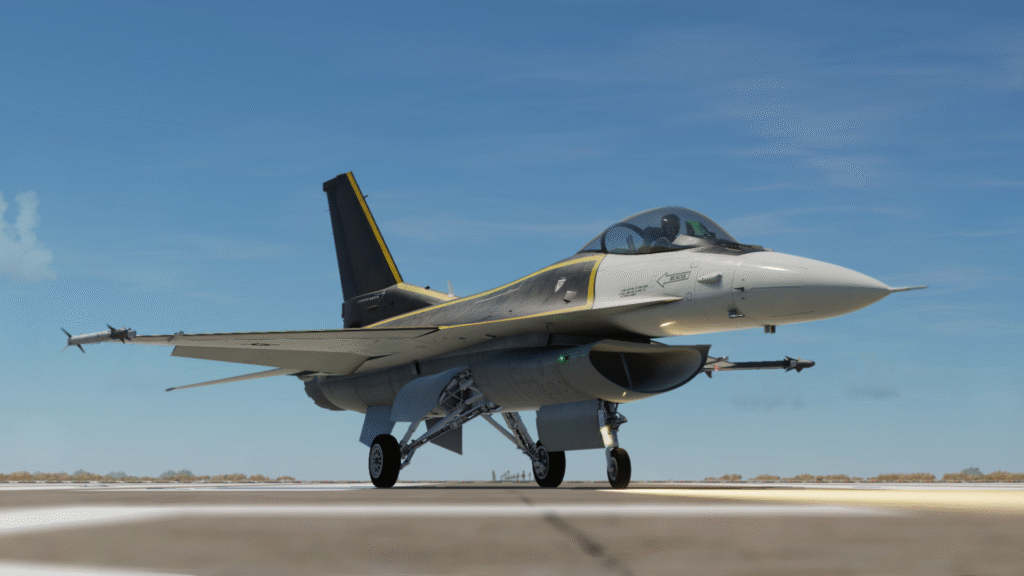
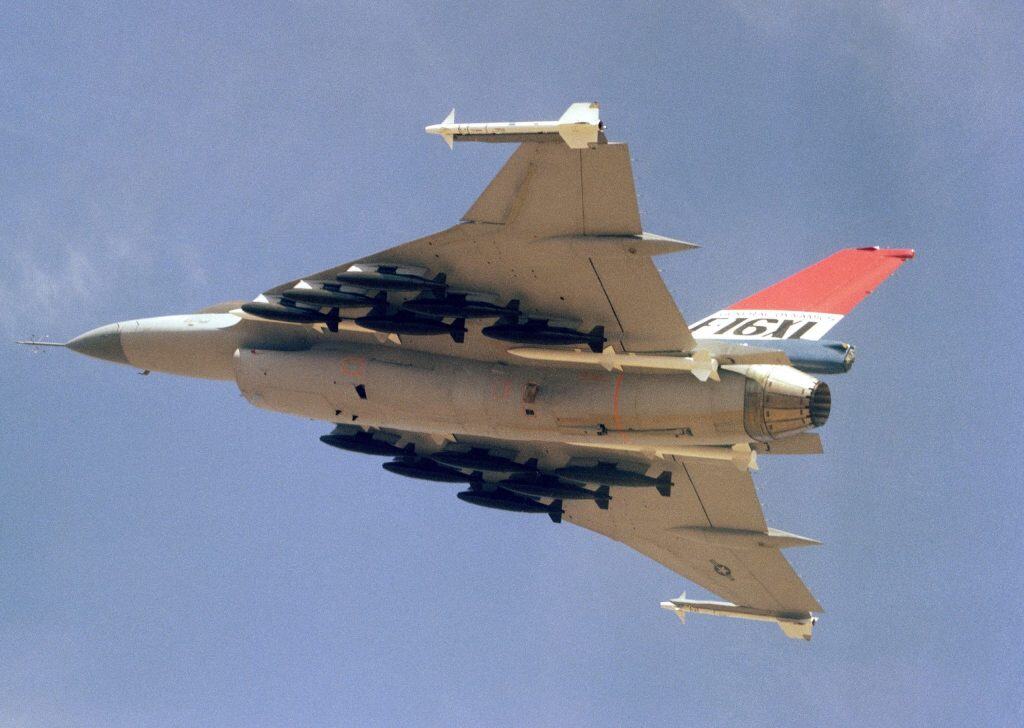
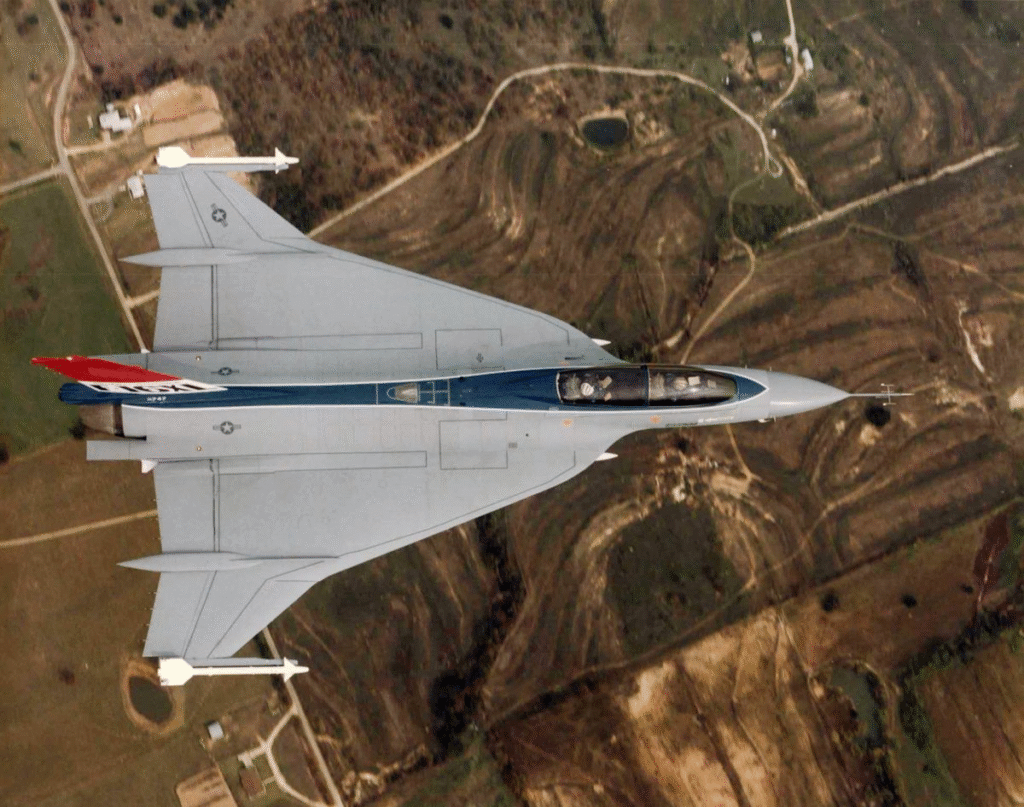
At the center of the F-16XL lay its most dramatic feature—a hulking cranked-delta wing. Aesthetic upgrade, more than that, it was an engineering breakthrough. The wing provided 25 percent greater lift, over two times the surface of the standard F-16, and enabled the plane to fly smoothly at both subsonic and supersonic speeds. Its dual angles—50 degrees close to the fuselage for supersonic efficiency and 70 degrees tips for subsonic agility—provided the XL with a unique flexibility.

The benefits of the design were stunning. With additional room in the wings came space for fuel and ordnance, so the jet could fly as far as 44 percent farther and remain supersonic even loaded to the maximum with bombs. It could double the bomb-carrying capacity of a standard F-16, with 27 hardpoints compared to the F-15E’s 15, providing firepower and endurance that was typically the domain of much larger planes—without having to carry outside tanks.

But when the Air Force initiated the Enhanced Tactical Fighter contest, the XL had a serious competitor: the F-15E Strike Eagle. The F-15E already possessed two engines for enhanced survivability on extended missions, and it was developed using an established airframe with fewer variables.

On both cost and logistics, it appeared to be the better wager. Even with the XL’s considerable performance advantage, the contract was awarded to the Strike Eagle.

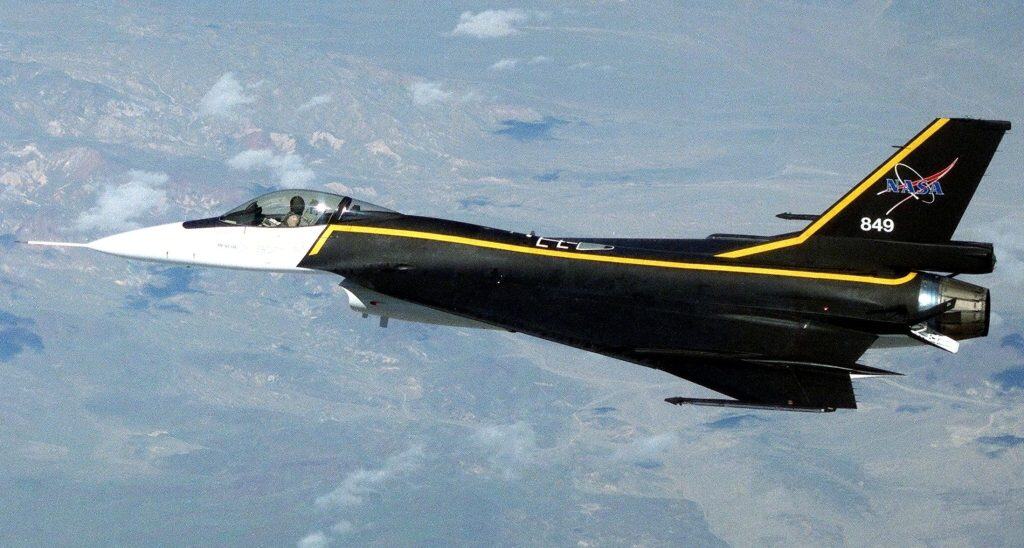
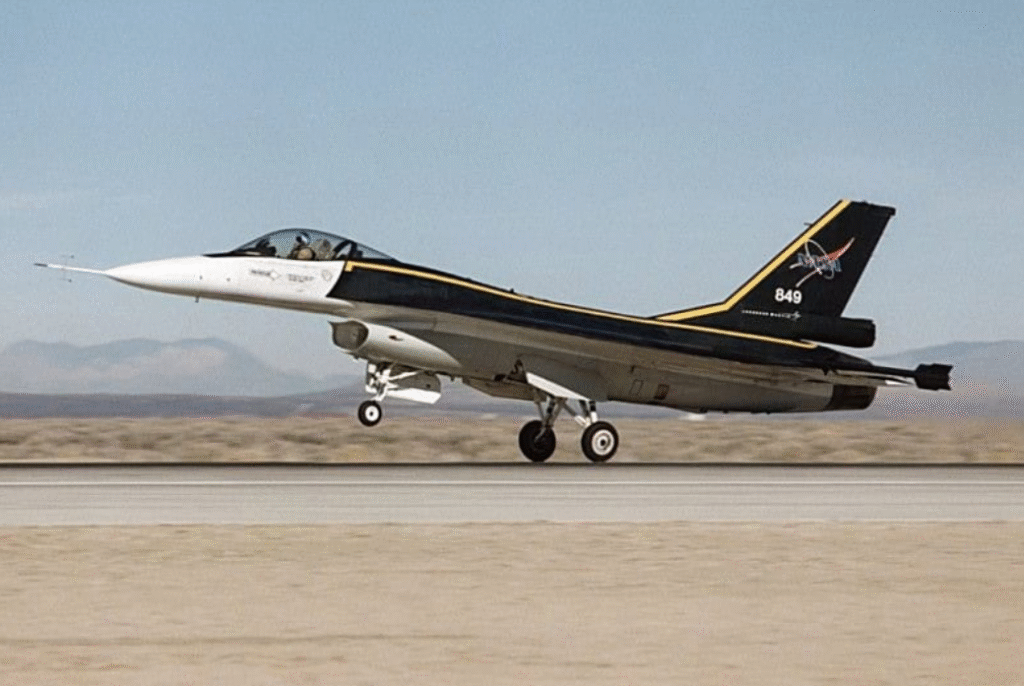
That would have been the end of the tale, but the F-16XL was given a second life at NASA. Both airplanes were employed in innovative aerodynamics testing, yielding valuable data on airflow and high-speed flight. The knowledge gained didn’t come to anything—they informed European fighter programs and even helped develop the F-22 Raptor’s supercruise capability.

Ultimately, the F-16XL was one of aviation’s great “what-ifs.” It never saw combat, but its innovations were too significant to be ignored. It was more than a lost prototype, becoming a silent pioneer whose technology survived on planes that came after. Some planes change history by winning wars. Others, such as the F-16XL, change it by driving what follows.