
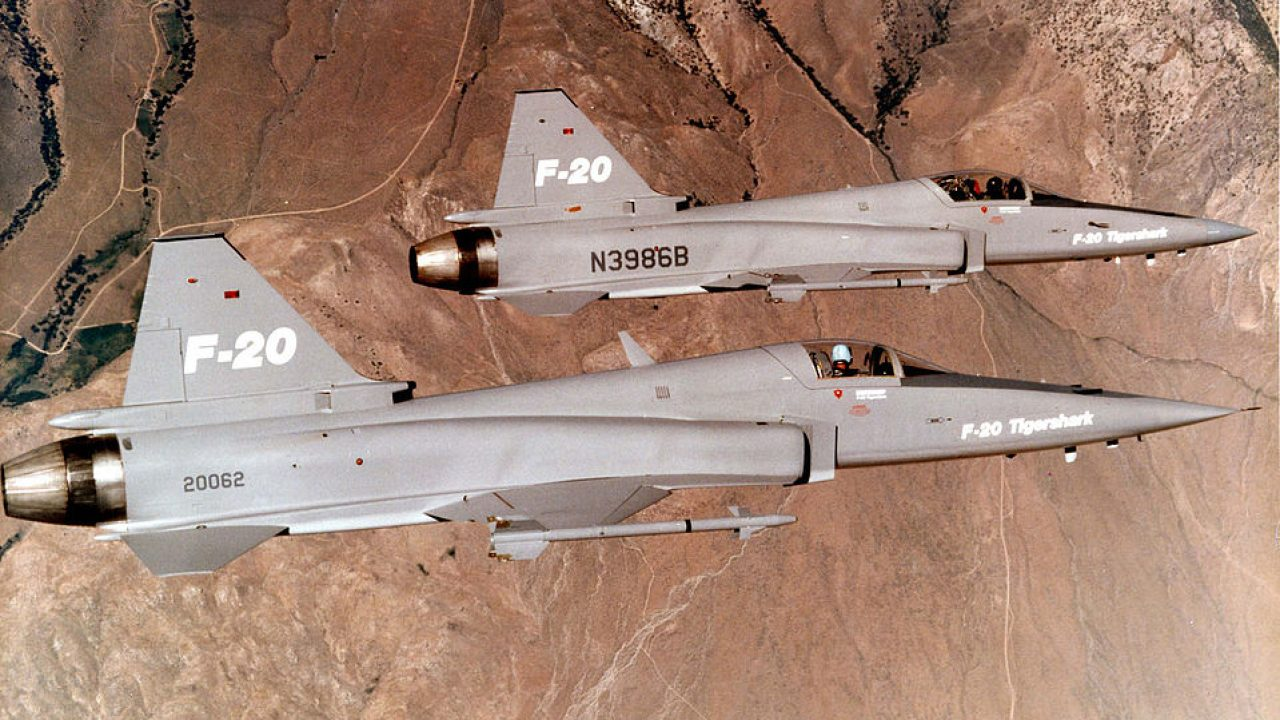

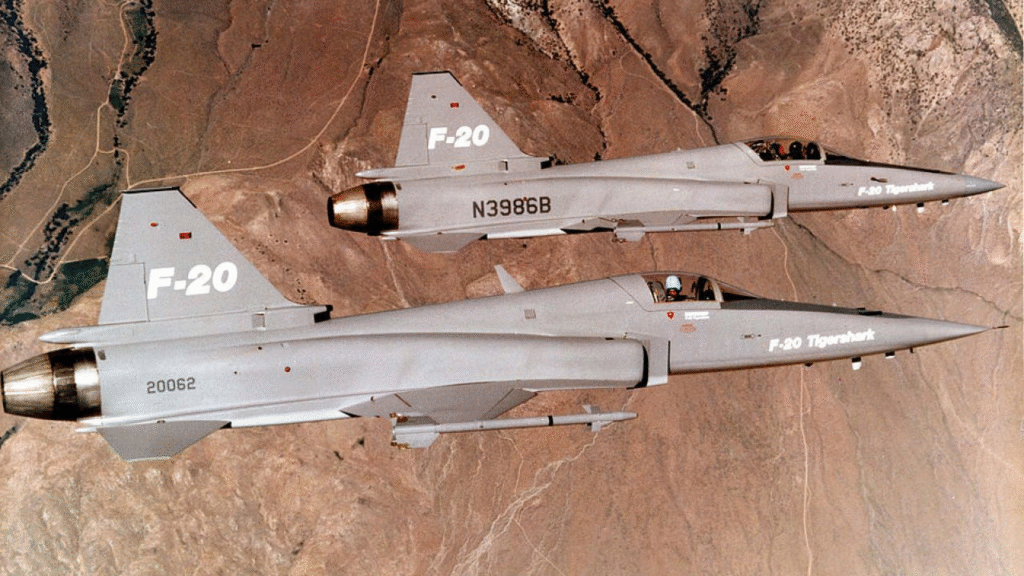
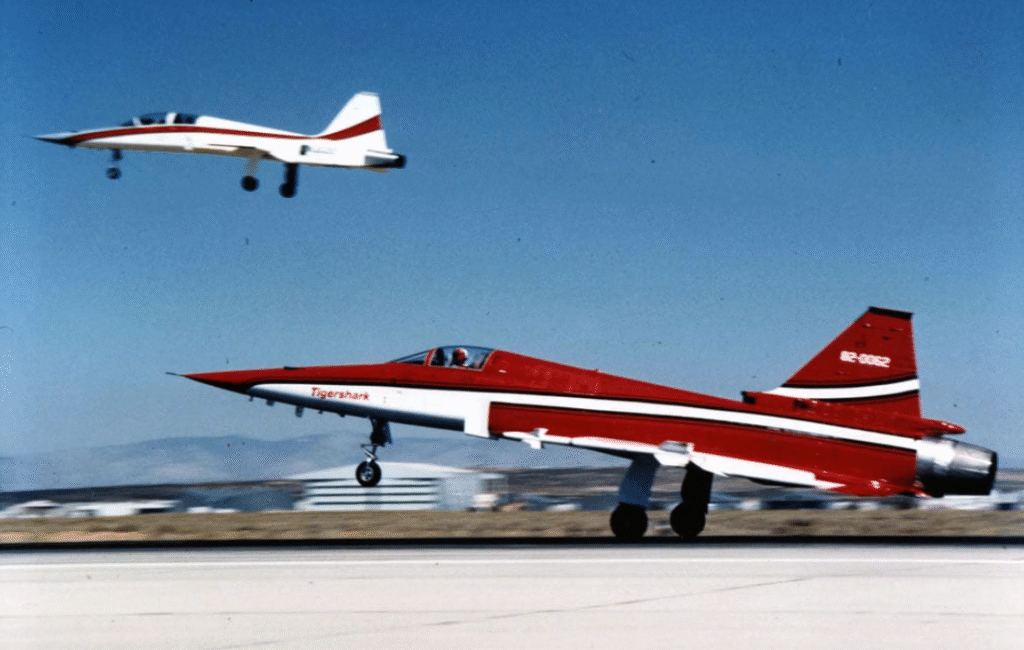
The Northrop F-20 Tigershark is that captivating “what might have been” tale of aviation history. In theory, it was ideal: it was fast, powerful, and affordable, a fighter designed for Cold War-era American allies. With a blockbuster ad campaign that even featured Chuck Yeager, it looked like it might be able to make its presence felt—but ultimately, the Tigershark never managed to go beyond a small number of prototypes, leaving pilots and plane enthusiasts everywhere to marvel at the jet’s missed potential.

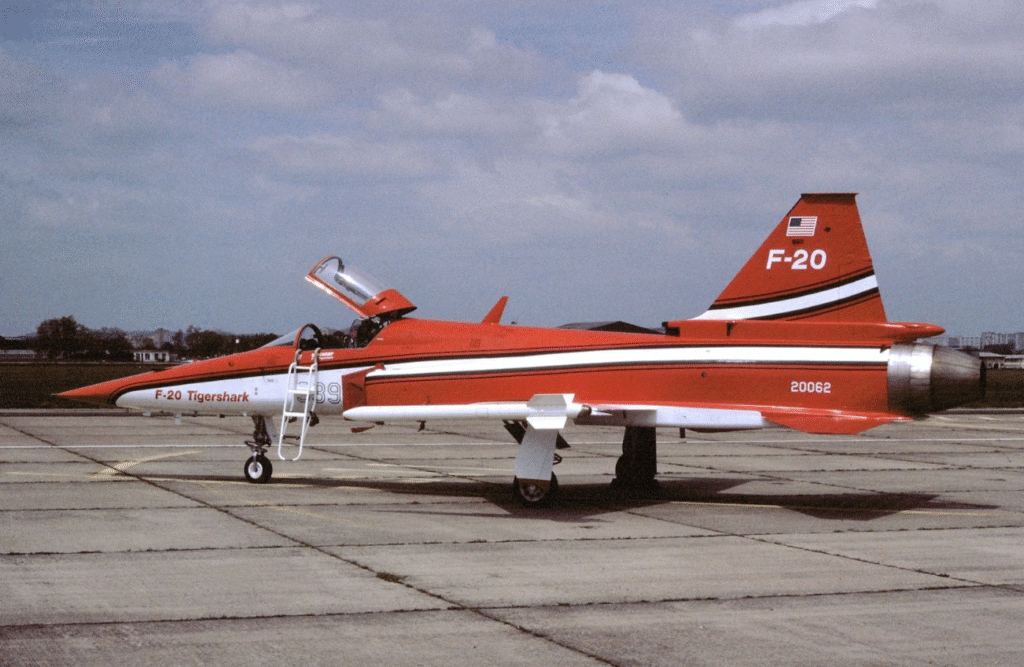
The F-20 emerged as a transition between the ancient F-5E Tiger and the emerging F-16 Fighting Falcon. Northrop downplayed propaganda, using tried technology to maintain costs and allow the plane to be exported without running into serious obstacles.

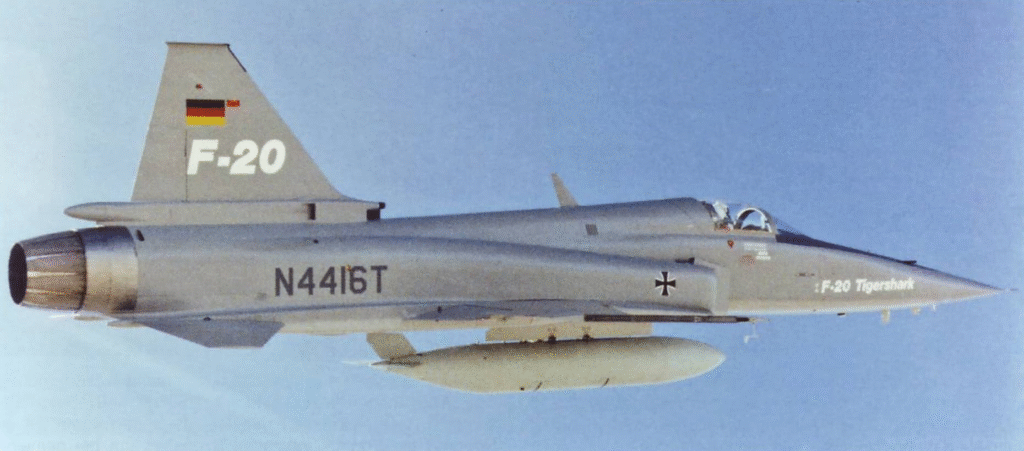
The product was a thin, one-engine General Electric F404-powered fighter with speeds above Mach 2 and 55,000-foot ceilings. Its cockpit, as well, at the time, was state-of-the-art, with a digital interface, heads-up display, and hands-on throttle-and-stick flying controls married to radar that provided pilots with great situational awareness.

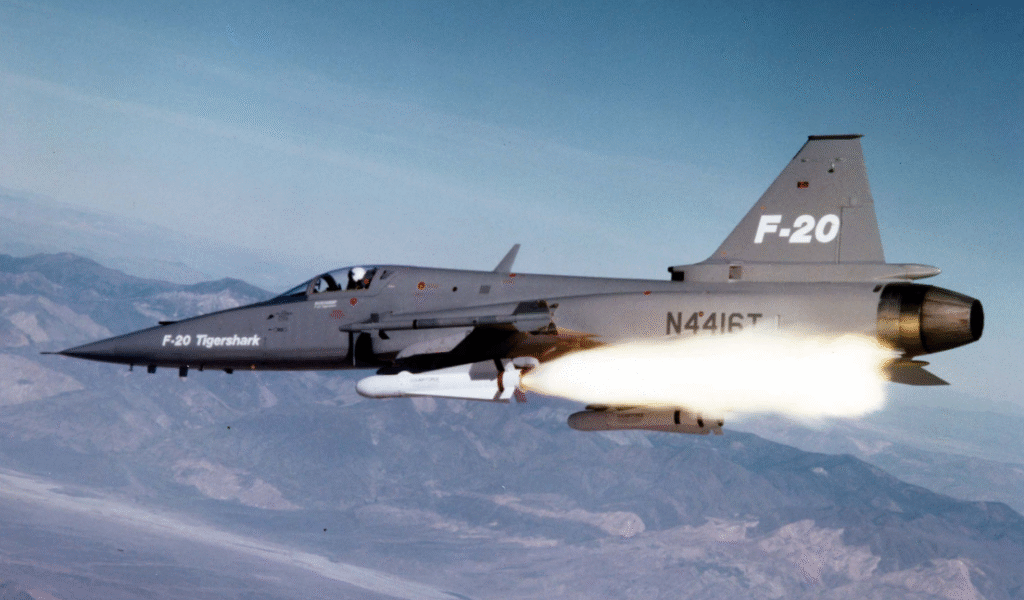
Capable of carrying a payload of up to 8,000 pounds of ordnance—Sidewinder and Sparrow missiles for air-to-air combat and Maverick missiles for ground attack—it was planned as a multi-role, multi-mission aircraft.

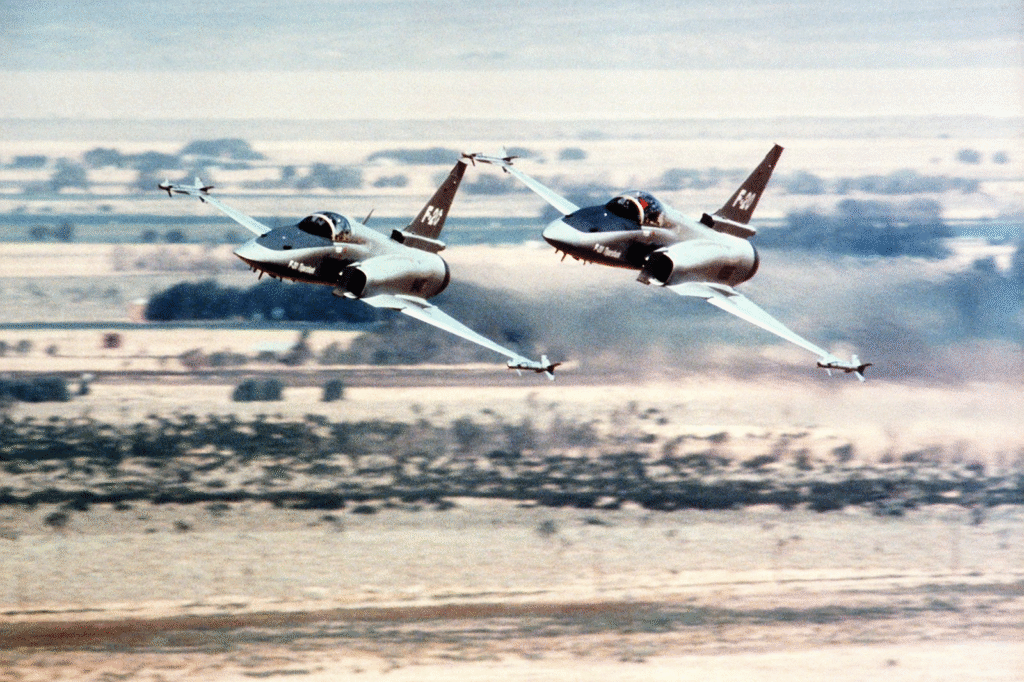
Northrop aimed at allied countries instead of the U.S. Air Force, seeking to offer a low-cost and credible fighter to counter Cold War threats. Initially appearing before the public eye at the 1983 Paris Air Show, the Tigershark was cause for excitement, with Chuck Yeager center stage to highlight the jet’s speed, maneuverability, and low maintenance costs.

Timing never worked in favor of the Tigershark. Arms export restrictions under the Carter administration initially created sales issues, and although Reagan subsequently relaxed those restrictions, prospects waited and instead chose tried-and-tested designs such as the F-15 and F-16.

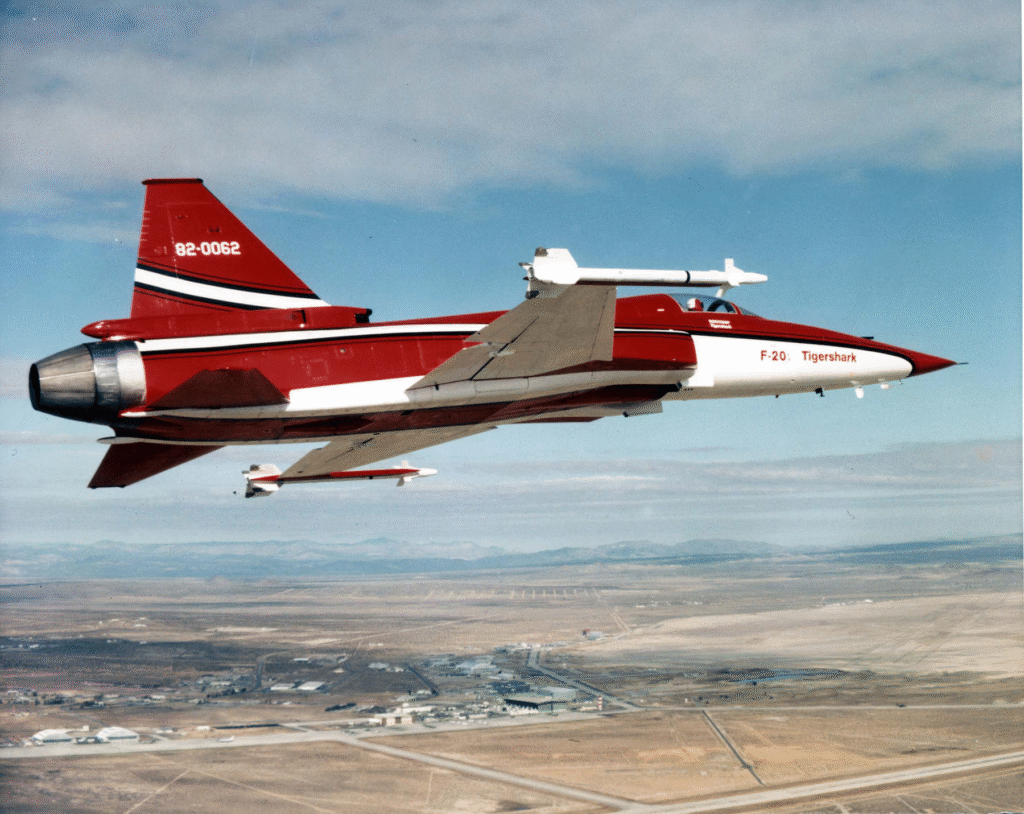
Overnight, the F-20’s advantage was lost, and Northrop struggled to engender fresh enthusiasm even after improving the radar and cockpit that emphasized the responsiveness and agility of the airplane. Ultimately, the U.S. Air Force did not desire the F-20, and international customers opted for the security of consistent planes.

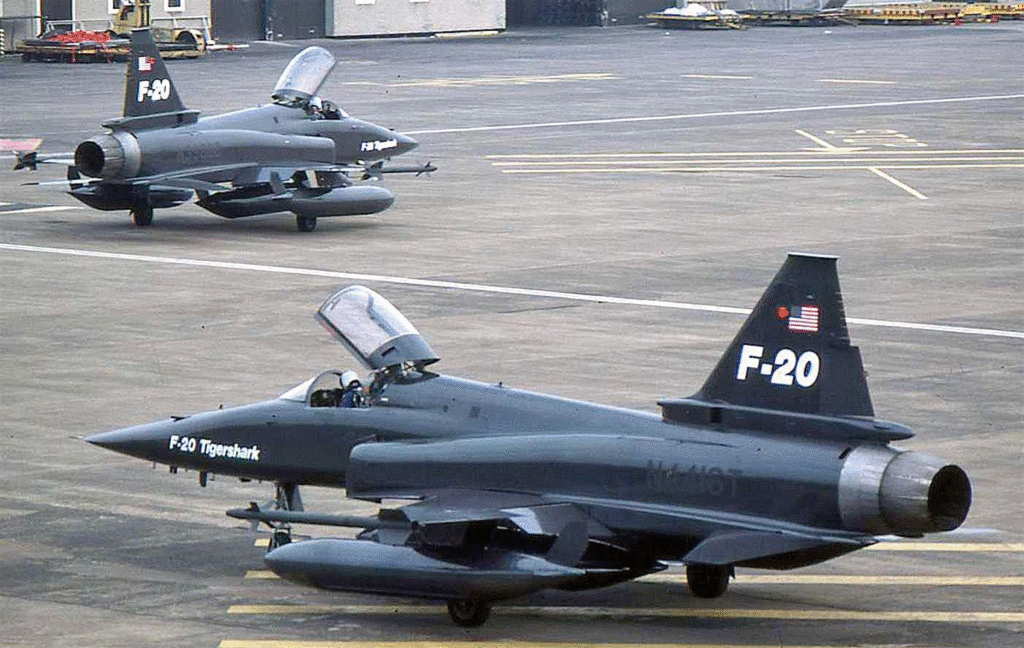
The Tigershark’s brief flight career was also tainted by tragedy. Two of the three prototypes crashed during high-G flights, with test pilots Darrell Cornell and David Barnes being knocked out, highlighting the risks to undertaking flying a high-performance aircraft to extremes. These crashes, along with poor market demand, ended the program in a sudden manner.

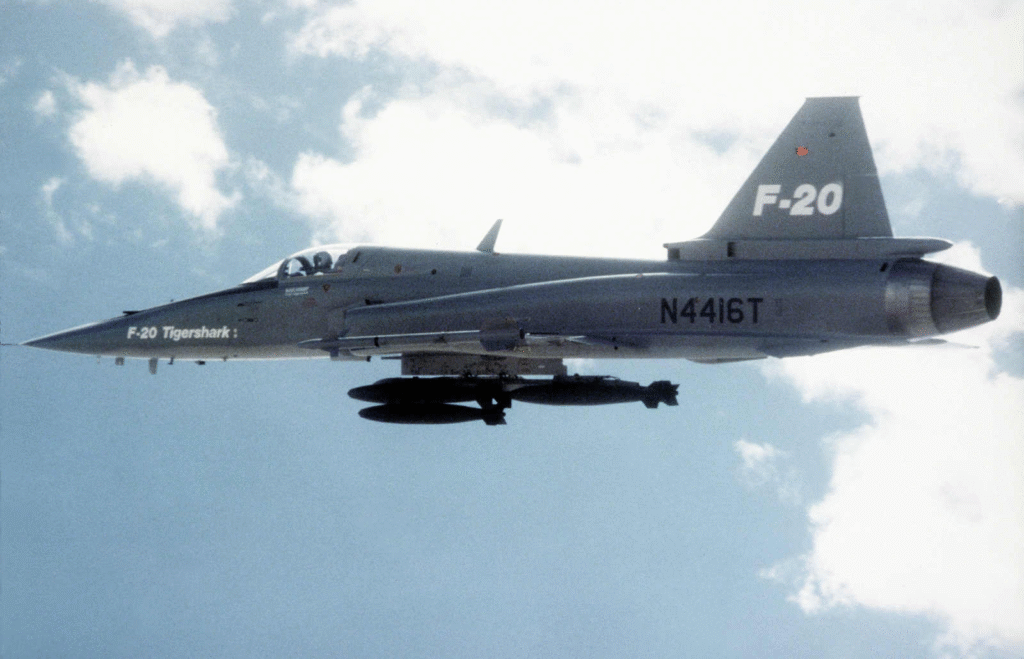
There’s just one F-20 remaining now, quietly on exhibit at the California Science Center—a quiet reminder of a fighter that almost re-wrote the book on cheap, high-performing jets.

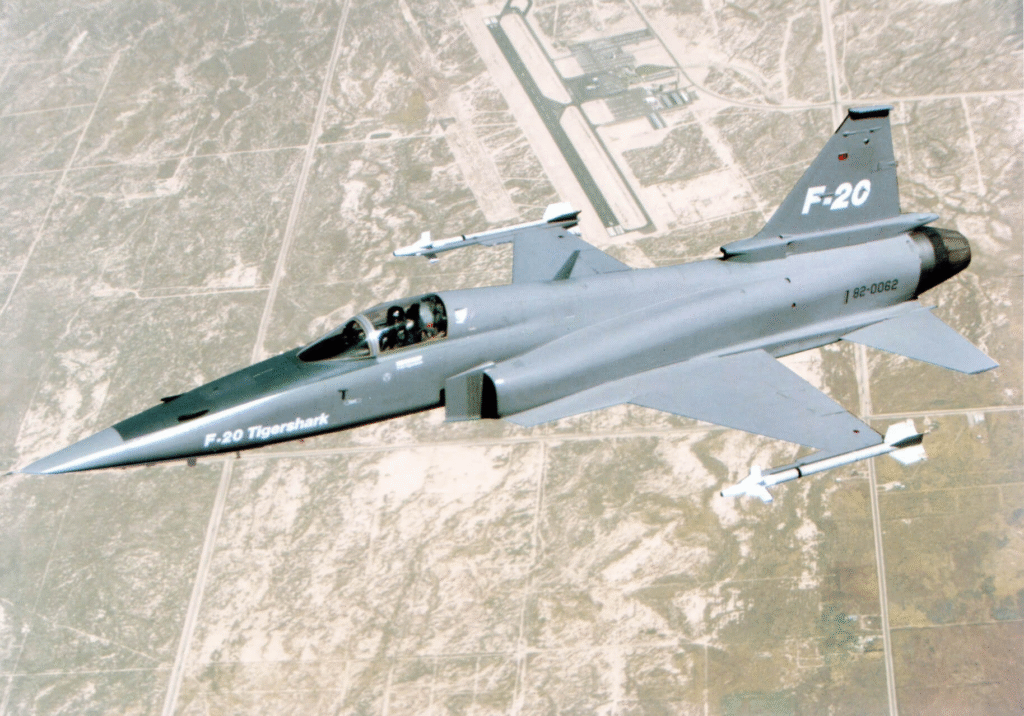
In retrospect, the history of the F-20 Tigershark proves even genius-level engineering will not always suffice. It was a stunningly well-designed, state-of-the-art fighter with much promise, but changing policies, marketplace needs, and timing eventually kept it on the ground.

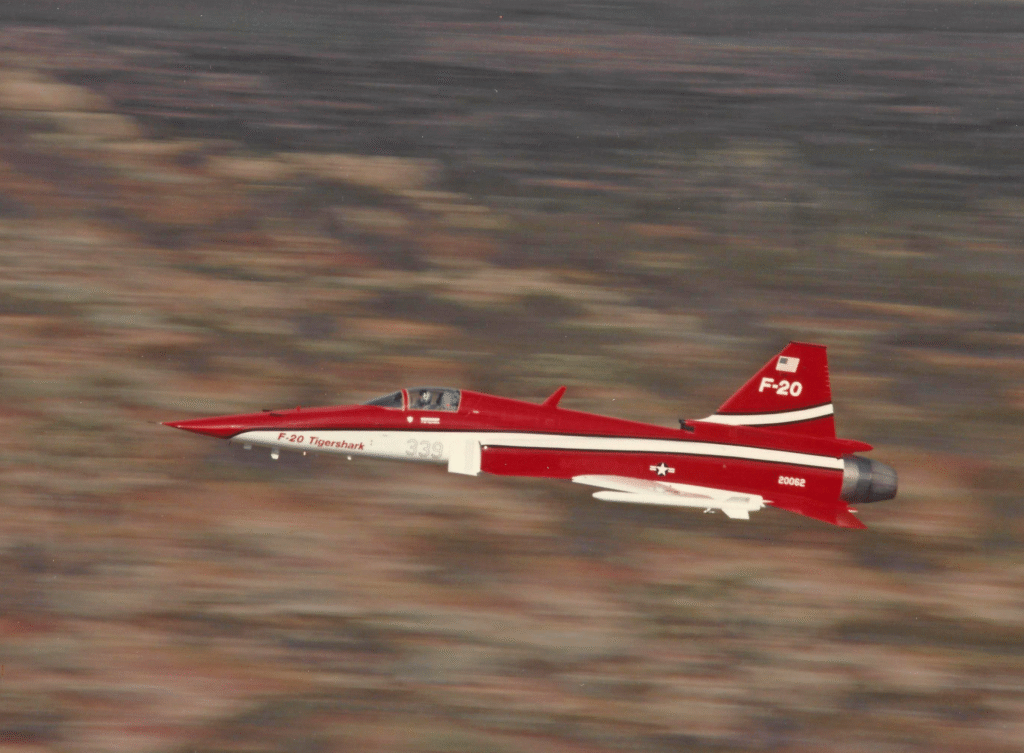
Its history reminds us: in military aviation, innovation will never lead to success, and sometimes even the greatest designs never get to fly.