
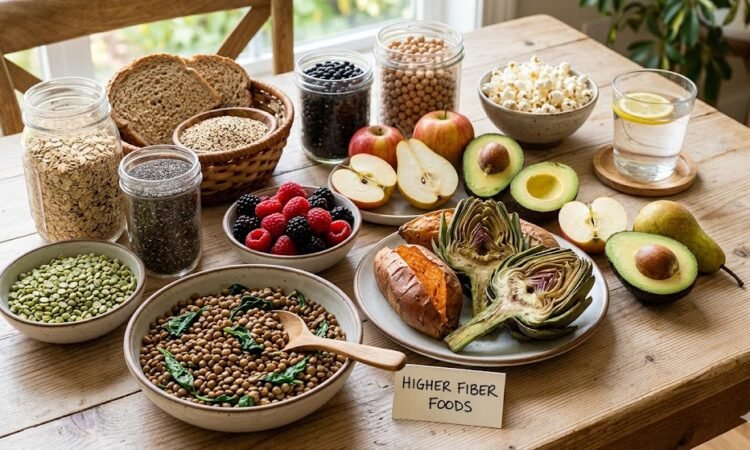
When we talk about the nutrition, fiber is generally consideres as prime important object need to our health. While protein and healthy fats grab are often popular nutrients, but, fiber quietly does the work for your digestive health, better weight management, and long-term wellness. Despite the importance of high fiber foods are very high, but still many people fall short with its daily intake of about 25 grams for women and 38 grams for men.
This article will explores the science behind fiber, its important health benefits, and the best high-fiber foods to add to your diet today.
The Science of Fiber: Soluble vs. Insoluble
Fiber is a type of carbohydrate that your body cannot digest. Instead of being broken down into energy, it passes through your digestive system in two primary parts:
- Soluble Fiber: It easily dissolves in water to create a gel-like substance. It is known for slowing sugar absorption and helping lower bad LDL cholesterol.
- Insoluble Fiber: It does not dissolve in water. It adds bulk to your stool and helps in regular bowel movement, and helping food to pass quickly through the stomach and intestines after extracting nutrients.
Key Health Benefits of High Fiber Foods:
Adding fiber into your routine diet does more than just to keep you energize. Research shows that high-fiber diets are associated with a longer lifespan and lower body weight.
- Digestive Health: Fiber prevents constipation and reduces the risk of hemorrhoids, diverticulitis, and even colorectal cancer.
- Weight Management & Satiety: High-fiber foods trigger nourishment hormones and slower the digestion. This keeps you feeling full for longer period, and helps to control your appetite and prevent overeating.
- Heart & Metabolic Health: By lowering cholesterol and managing blood pressure, fiber reduces the risk of cardiovascular disease and type 2 diabetes.
- Gut Microbiome Support: Fiber acts as a prebiotic, feeding the good bacteria in your gut and maintain a healthy microbiome count and reduces the internal inflammation.
Top High Fiber Foods to Add to Your Diet
To maximize these benefits, go with the various plant-based food sources. Here are some of the most nutrient-rich food options:
- Legumes (The Fiber Powerhouses)
Legumes are best for promoting steady blood sugar and curbing the hunger.
- Split Peas: A big 16g per cooked cup (roughly 8.2g per half cup).
- Lentils: Approximately 15.5g per cooked cup; excellent for protein and fiber.
- Black & Kidney Beans: Provide between 12g and 15g per cooked cup, supporting smooth digestion.
- Chickpeas (Garbanzo Beans): About 12.5g per cooked cup, effective at curbing hunger.
- Vegetables
Non-starchy and starchy vegetables contributes significantly to your gut health.
- Artichokes: One of the highest vegetable sources, providing about 9.6g per cooked cup.
- Brussels Sprouts: About 6.4g per cup, these cruciferous vegetables are rich in antioxidants.
- Sweet Potatoes: Offer about 6.4g per cooked cup, providing complex carbs for more stable body energy.
- Broccoli: Provides roughly 5g per cooked cup, high in form of insoluble fiber.
- Fruits
Berries and fruits contains soluble fiber, which are excellent for heart health.
- Raspberries and Blackberries: Approximately 8g per cup.
- Apples: High in soluble fiber (especially when eaten with the skin), helping to regulate blood sugar.
- Pears: One medium pear provides about 5.5g.
- Avocados: A unique source of healthy fats and fiber, offering about 10g per cup.
- Grains and Seeds
Natural unprocessed staples increase fulness with its beta-glucan and other fibers.
- Chia Seeds: A powerhouse with 10g of fiber per ounce.
- Oats: Rich in soluble fiber, specifically beta-glucan, which is famous for lowering LDL cholesterol.
- Quinoa: About 5g per cooked cup.
- Popcorn: A healthy unprocessed grain snack provides around 1.1g per cup (air-popped grains).
Simple Ways to Increase Your High Fiber Foods Intake
If you aren’t used to a high-fiber diet, increase your intake gradually to avoid bloating or gas like digestive issues.
- Eat with the fruit Skin: Whenever possible, leave the peels on fruits and vegetables like apples and potatoes.
- Swap Your Bread: Choose 100% whole-wheat or sprouted grain bread over white varieties.
- Add Beans to Everything: Toss a handful of kidney beans or chickpeas into salads, soups, and stews.
- Stay Hydrated: Fiber works best when it can absorb water, so be sure to drink plenty of fluids as you increase your intake.
- Snack on Seeds: Keep almonds or pumpkin seeds nearby for a fiber-rich afternoon boost.
By making fiber rich food in your diet with a priority, you will not only nourish your gut microbiome but also supports your heart, and maintain a healthy weight for the long term.