
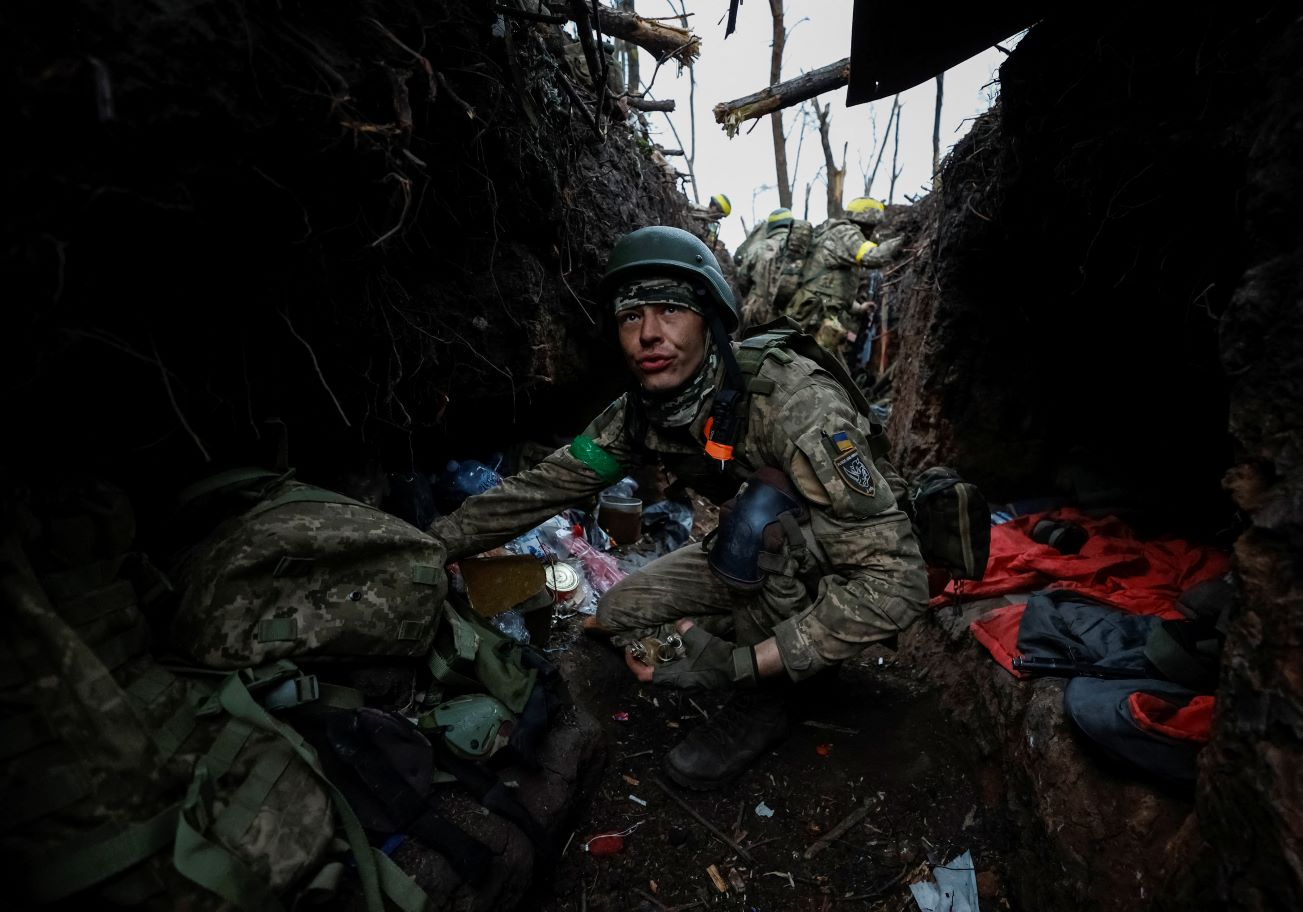

The war between Ukraine and Russia has entered a new, fragile phase, with diplomatic efforts gaining momentum as an individual endeavor by former U.S. President Donald Trump to bring Ukrainian President Volodymyr Zelenskyy and Russian President Vladimir Putin to the table. Three years of total war, hundreds of thousands killed, and Europe hanging in the balance, the world waits on the edge of its seats to determine whether this bold attempt can succeed.

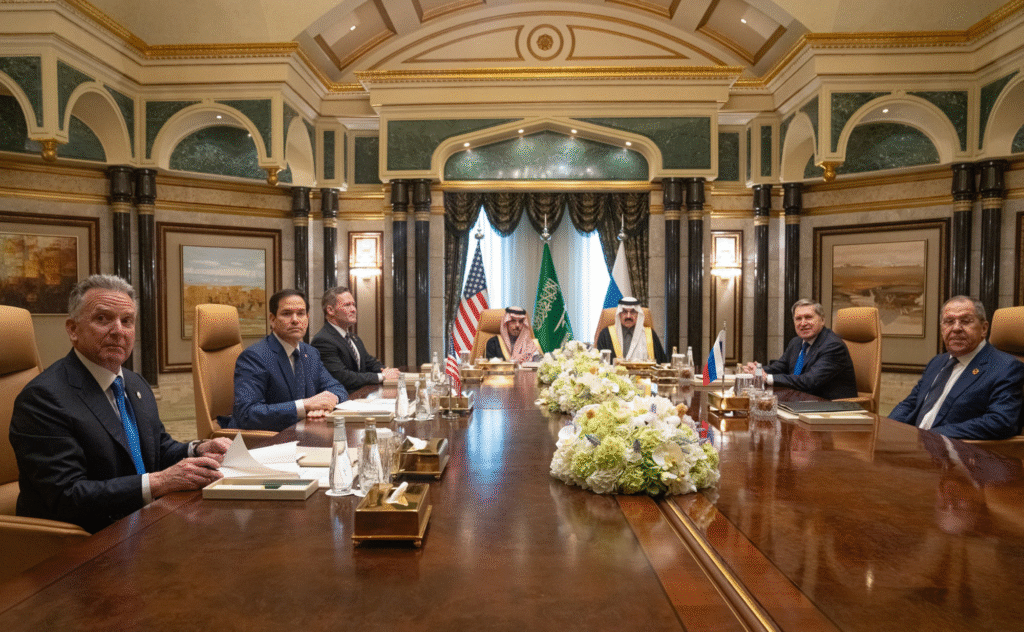
Trump has been forceful and overt in his approach. Recently, he described his push for a face-to-face meeting between Putin and Zelenskyy as pressing, highlighting compromise from both leaders. “I thought I’d first let them meet. They haven’t been exactly best friends… It only matters if we get things done,” he told reporters, highlighting that Zelenskyy has to be flexible too. The underlying problem remains the same: The two leaders have a vast gap between them, and there has been a past challenge in finding common ground.

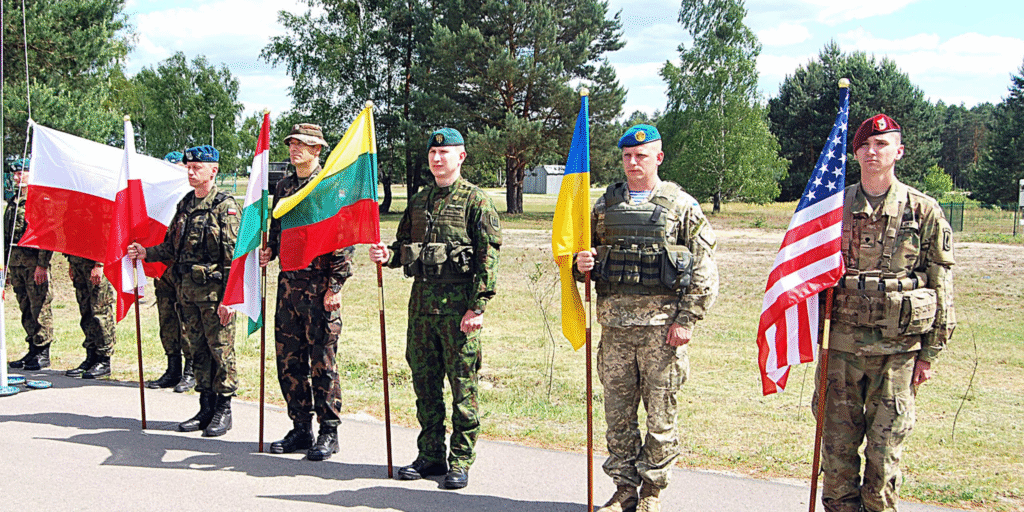
The concept of a summit between Putin and Zelenskyy is not new. Their last-ever encounter, in 2019 in Paris, could not end the war. The Normandy Format talks, involving Germany and France, collapsed because of disagreements on sequencing the crucial steps—Zelenskyy had security guarantees and the border under control first, followed by elections in the contested Donbas region, but Putin insisted on elections foremost. Looking back, each side was talking past the other and could not bridge the gap. The talks collapsed, and the war continued.

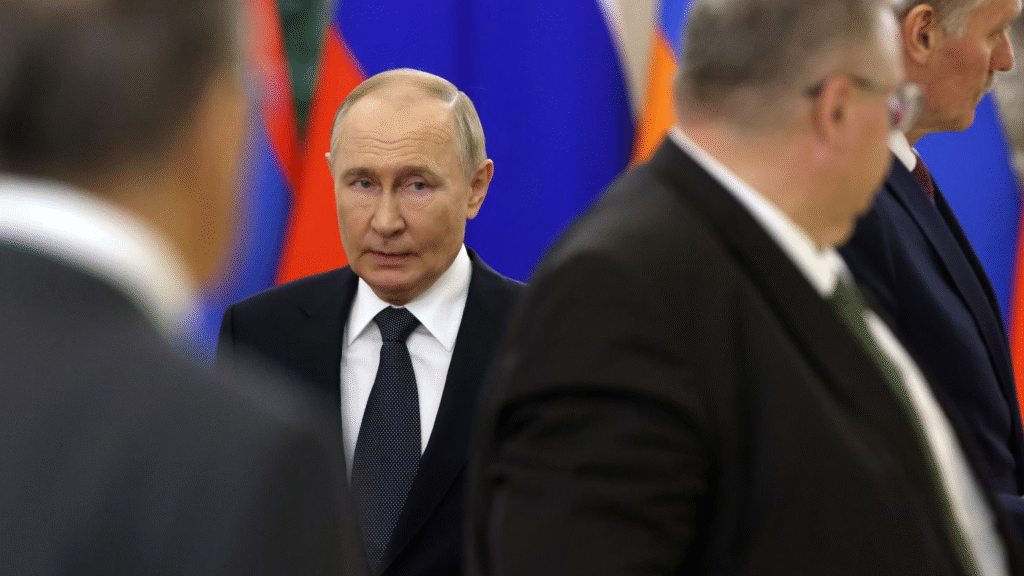
Today, the mediation landscape has been altered. It is dominated by America, a role previously occupied by the European nations, something that appears to appeal to Putin, who has long complained of being dealt with by prejudiced European mediators. Nevertheless, despite Trump’s outright intervention, not much has come out of it.
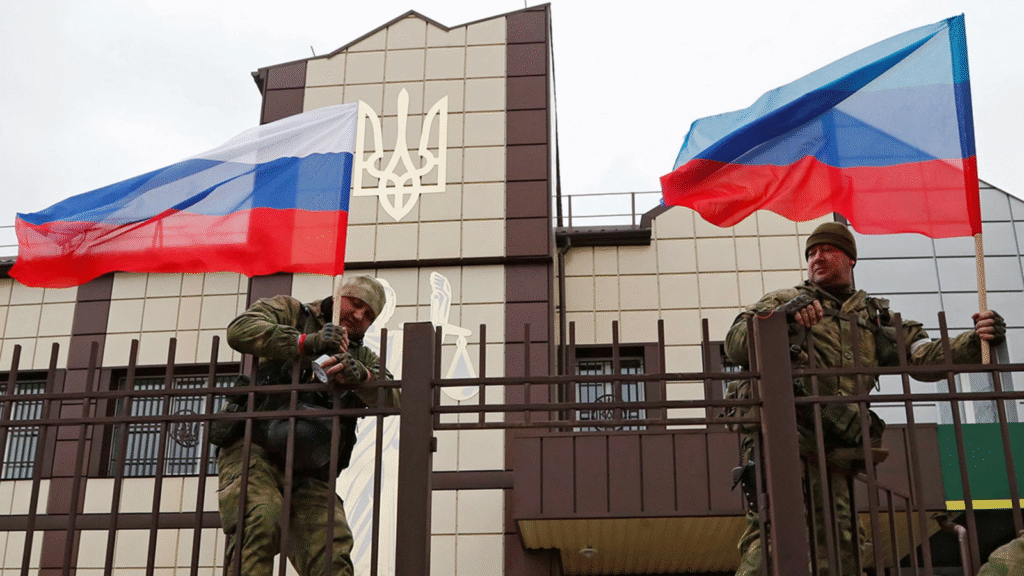
Recent negotiations in Istanbul ended in a deadlock without a ceasefire agreement and instead yielded a prisoner exchange. Genuine differences—security assurances, territorial control, and recognition of the government of Ukraine—are still outstanding.

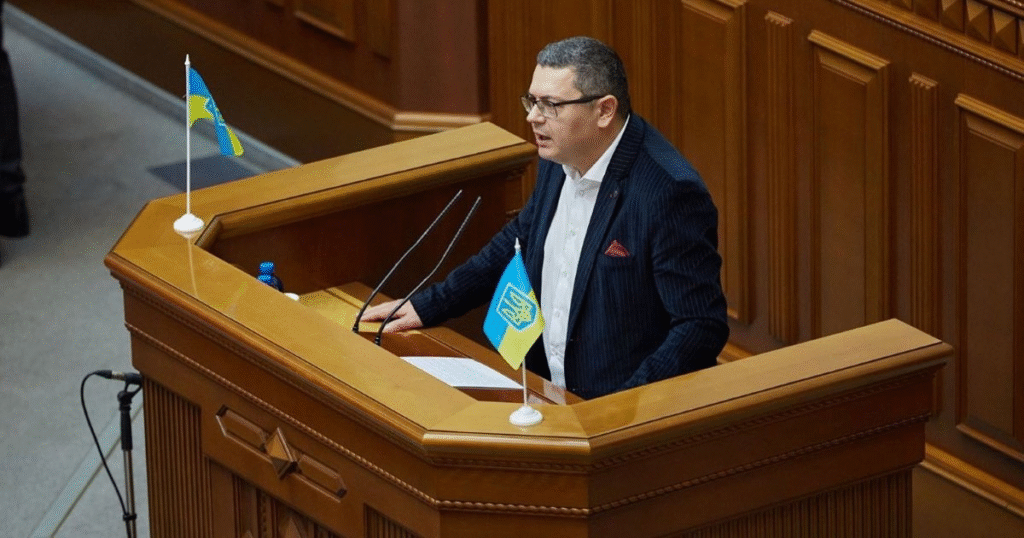
Even the idea of a summit is in doubt. Russian Foreign Minister Sergey Lavrov has insisted that any summit must be adequately prepared, beginning with negotiations at an expert level and proceeding gradually through a number of phases. Ukrainian leaders are still highly suspicious, invoking Putin’s history of stalling and refusal to recognize Zelenskyy’s legitimacy. Oleksandr Merezhko, chairman of Ukraine’s foreign affairs committee, directly suggested that Putin is too scared to meet with Zelenskyy for fear that it would reveal a contrast between an autocratic president and a young democratic war president.
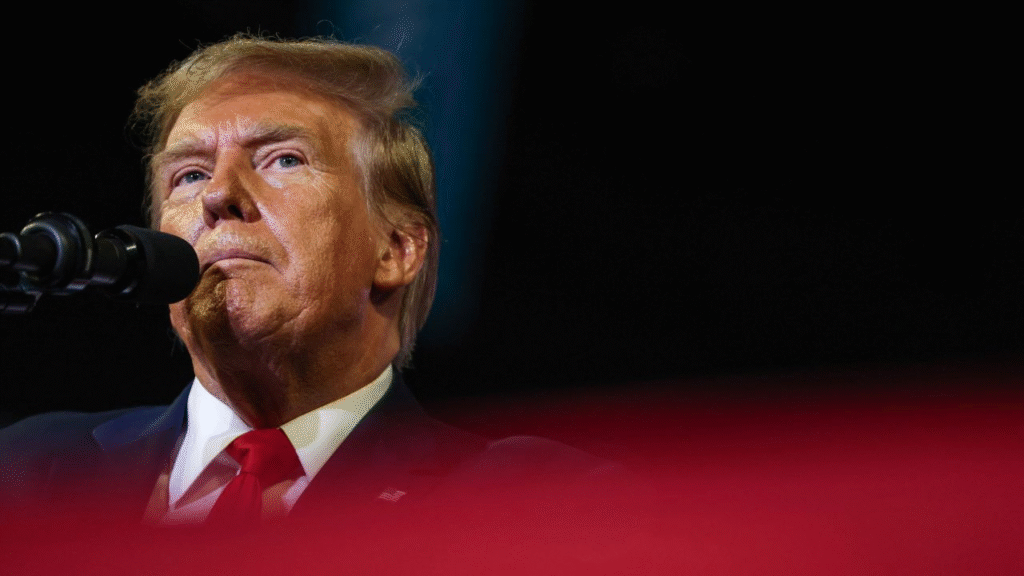
Meanwhile, the Russian-Ukrainian divide between offers is still as wide as ever. Trump has raised excluding Ukraine from NATO membership and hinted that Kyiv will have to give up claims on Crimea—positions that advance Russian interests but unsettle Ukraine and its European allies. Russian-Ukrainian peace offers in draft form are still fundamentally incompatible: Russia wants territorial concessions, while Ukraine wants sovereignty and firm security guarantees.

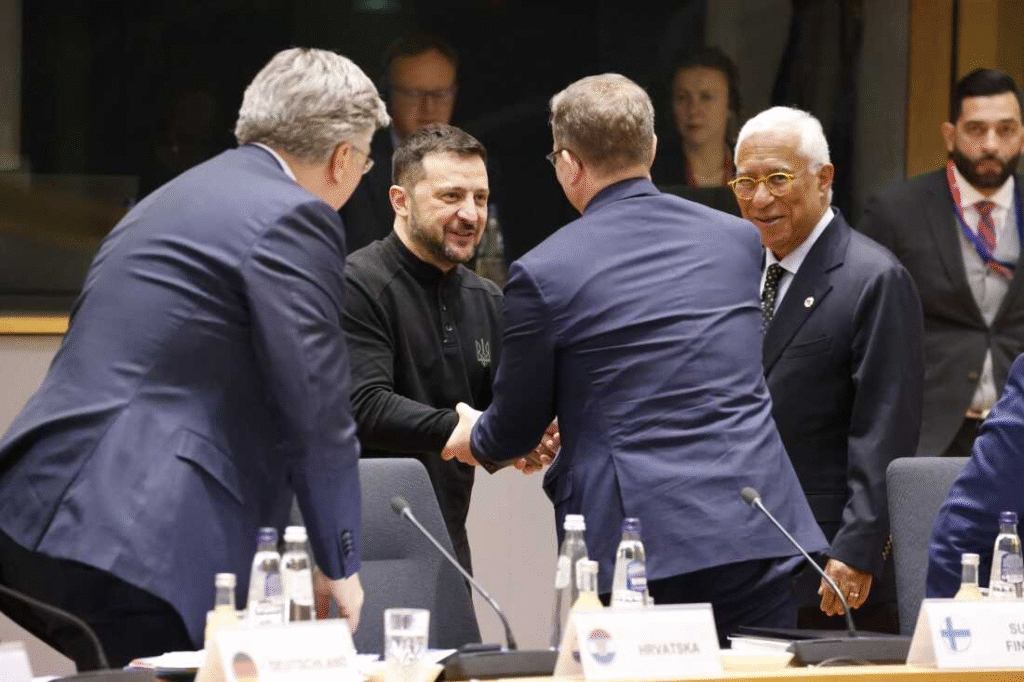
European leaders have come out to defend Ukraine, with a call for unity against uncertainty. British Prime Minister Kier Starmer pledged the United Kingdom’s total support to Zelenskyy, while French President Emmanuel Macron clearly stated that Russia is the attacker and Ukraine the victim. European Union leaders also reaffirmed their support, pointing out that any cracks in Western unity would serve Moscow alone.

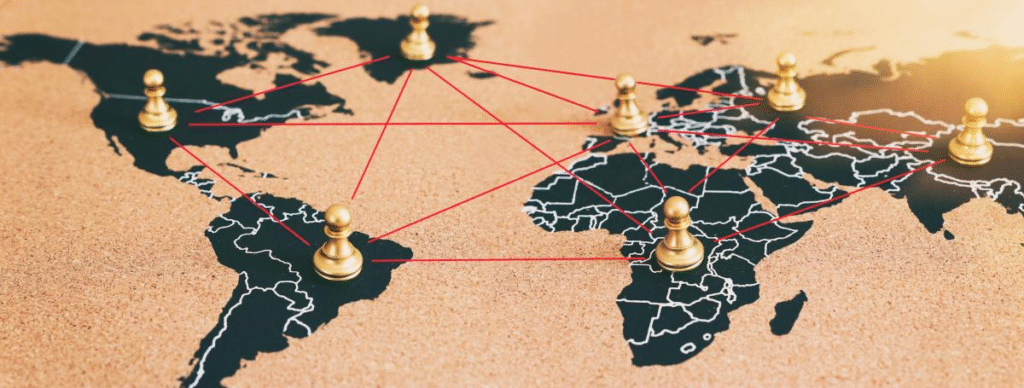
On the Russian side, the narrative is unyielding. Putin continues to frame Ukraine as something of the West, refusing to treat Zelenskyy as an equal. Trump’s belligerent approach has been praised by Russian leaders, and Zelenskyy has been criticized, as he is framed as reckless and a threat to greater stability.

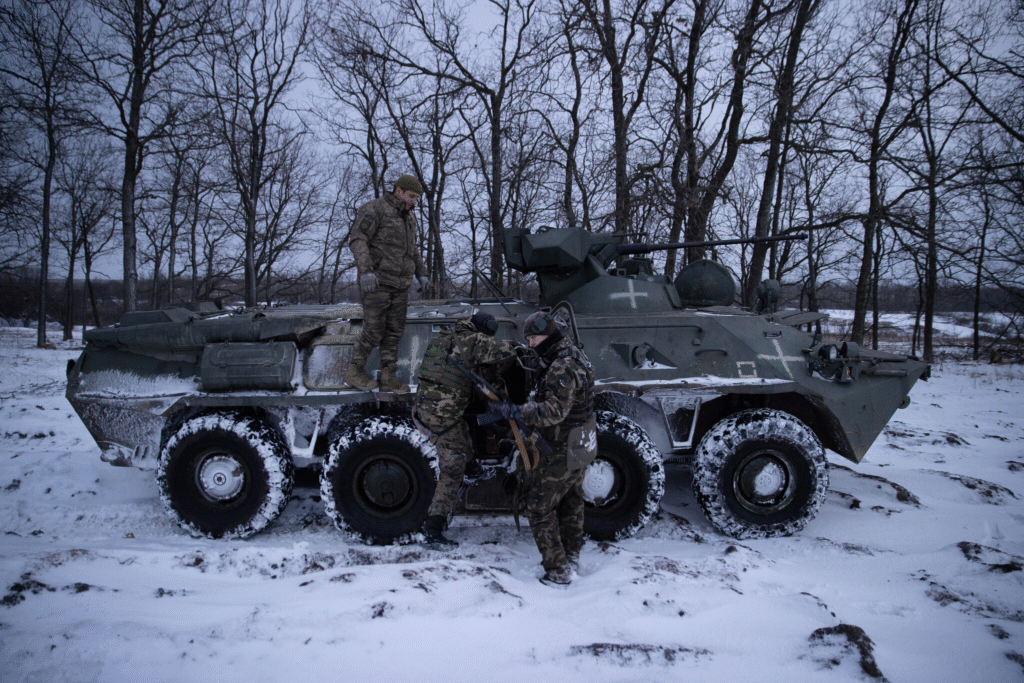
For Ukraine, the stakes are as high as they ever could be. Zelenskyy has repeatedly called for the need for reliable security guarantees and Western solidarity, warning that fragmentation would leave room for Russia to maneuver.
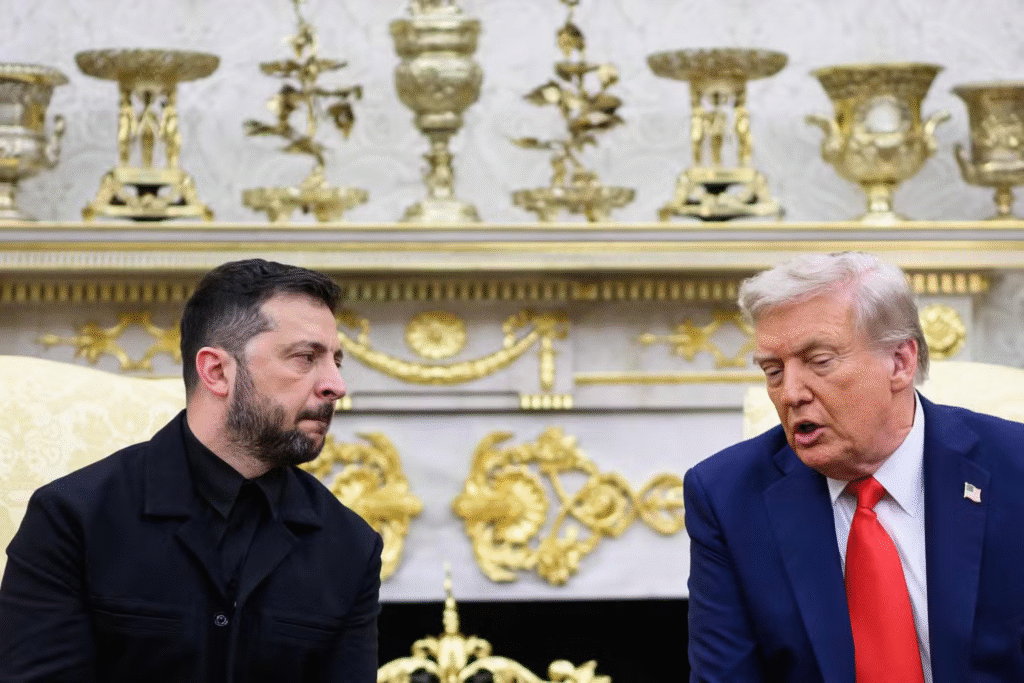
The road to the future is perilous. In spite of Trump’s splashy diplomacy, there are still obstacles—old hatreds, ideological cleavages, and practical divergences. Whether a Putin-Zelenskyy summit will be possible hangs in the balance, with enormous implications for the fate of Ukraine and for the broader security landscape of Europe.