

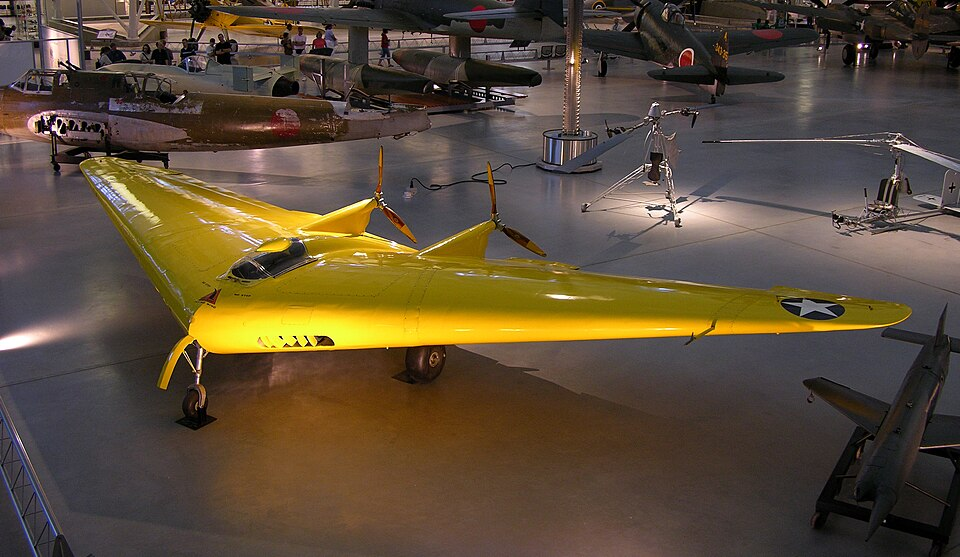
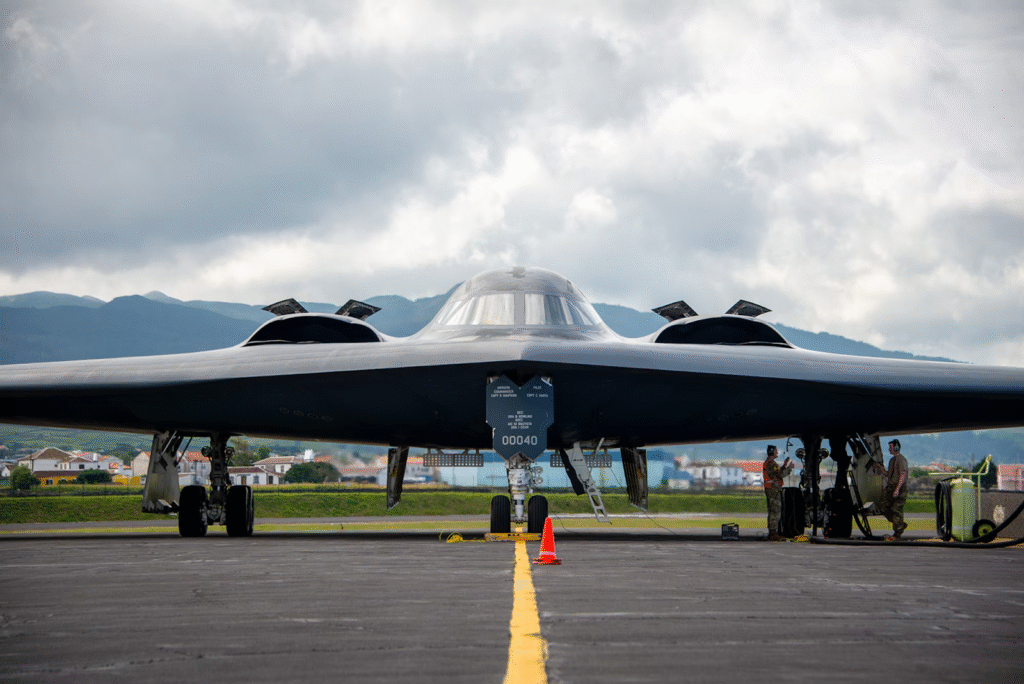
War is always changing, and so are the machines designed to do battle. In air warfare, perhaps no change has been more apparent in recent years than the development of tailless aircraft. These sleek planes abandon the traditional vertical and horizontal stabilizers in favor of smooth, integrated shape that emphasizes stealth, speed, and flexibility. The result is more than a bold new look, though it is that. It is a switch in strategy. Military flight is moving toward sixth-generation fighter technology, and tailless configurations are viewed more and more as the future of air combat. Tailless flight is not a new concept.

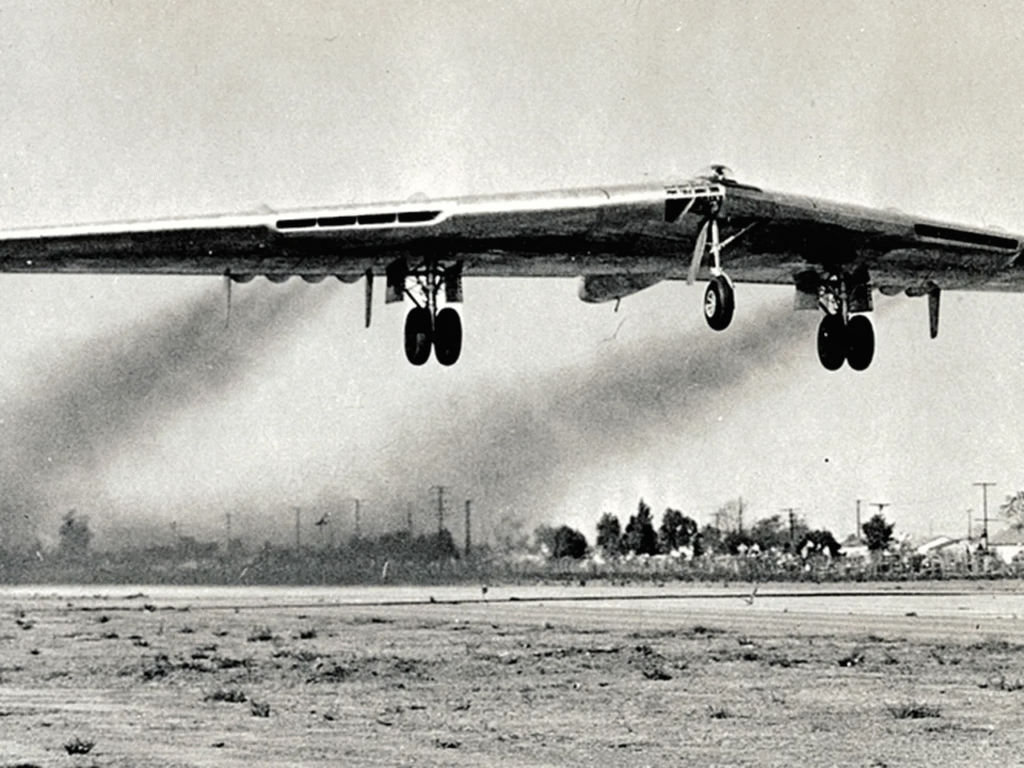
Inventors and engineers have been working with the idea for over a century, seeking a means to cut out drag and smooth the flight. Early flight tests experimented with unconventional airframe shapes, and by mid-20th century, flying wings and deltas were in the process of being flight-tested, often before material and control systems adequate to fully support them. It took innovations in light materials, flight control computers, and sophisticated design software before tailless airplanes graduated from test-bench curiosities to viable, mission-capable aircraft prepared for operational use. The advantages of tail removal are aerodynamic as well as functional.

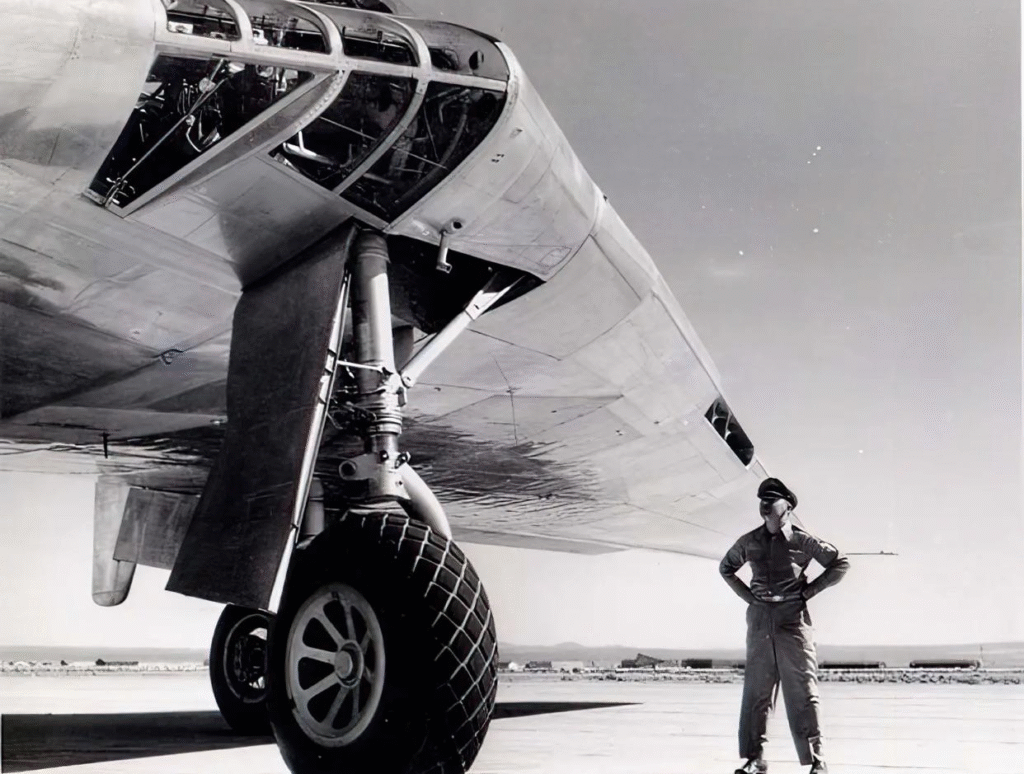
Without the bulging stabilizers in the way, the plane meets less drag and more uniformly balanced lift, producing higher range, higher speeds, and improved fuel economy. These are particularly valuable assets for missions requiring extended endurance or rapid penetration over great distance. Stealth is a second significant consideration. Fewer surfaces sticking out into the air translate to less radar signature, which is more difficult to detect for enemy systems.

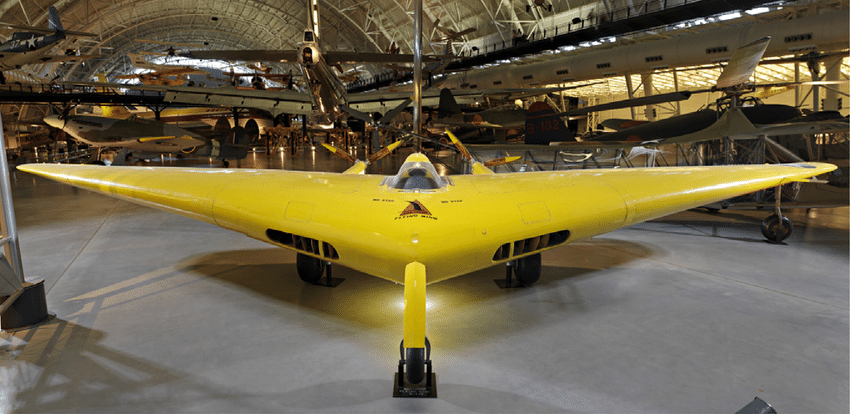
In an age with advanced air defenses and beyond-visual-range missile systems, the ability to go unnoticed is as important as raw firepower. Unconventional in appearance though they may be, tailless aircraft can be extremely agile.

By combining thrust vectoring with newer digital flight control and control surfaces like elevons, such planes can achieve precise, high-angle maneuvers. Demonstrator programs have shown that, in some cases, tailless configurations can match or even exceed the maneuverability of traditional fighters in close-in fighting. Eliminating the tail, though, creates challenges. Conventional tails provide stability, especially at low speeds or when in turbulent air, and without them aircraft are dynamically unstable.

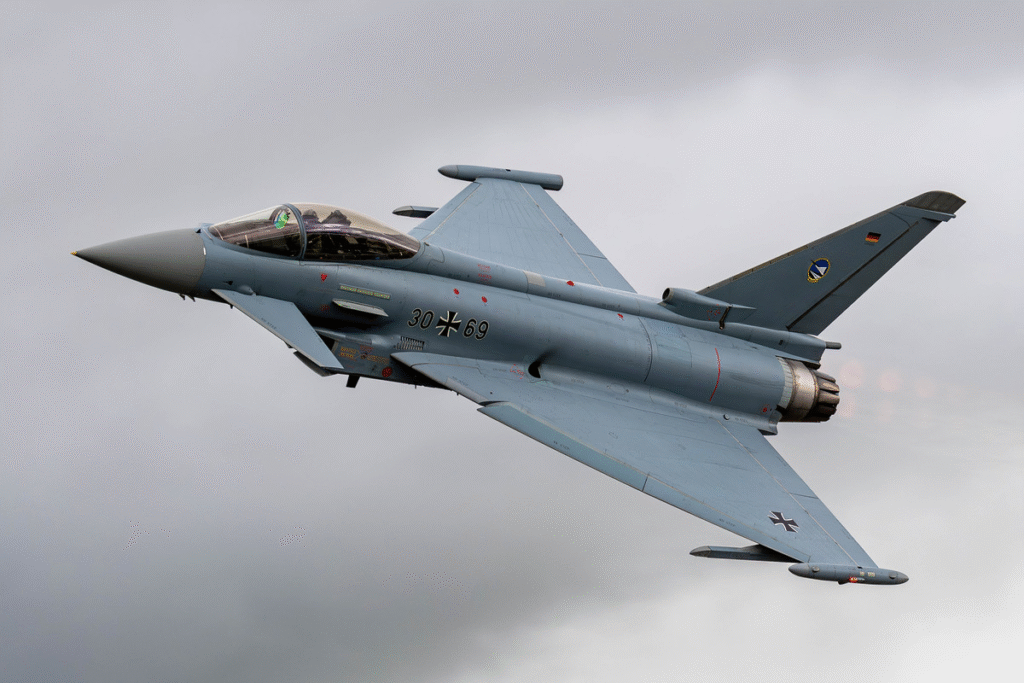
New tailless planes reverse this by employing fly-by-wire systems which continually trim control surfaces thousands of times per second, keeping the aircraft balanced and responsive even in the most adverse conditions. Happily, this inherent instability can be an asset, as in aircraft like the F-35 or Eurofighter Typhoon, where carefully crafted instability is used to roll quicker and react quicker, possible only with highly sophisticated onboard computers. The United States has been at the forefront of tailless experimentation for decades.

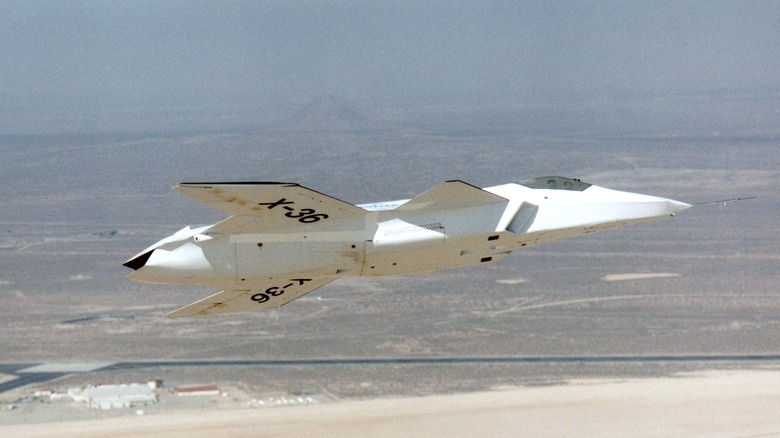
Projects in the 1990s like the X-36 and Bird of Prey demonstrated the potential of tailless design. The X-36, featuring its wide body and canard foreplanes, proved that a small tailless fighter would be highly maneuverable and flyable with digital flight controls. The Bird of Prey experimented with stealthy, radar-absorbing shapes, the foundation of much of the design concepts today that are influencing next-generation aircraft.
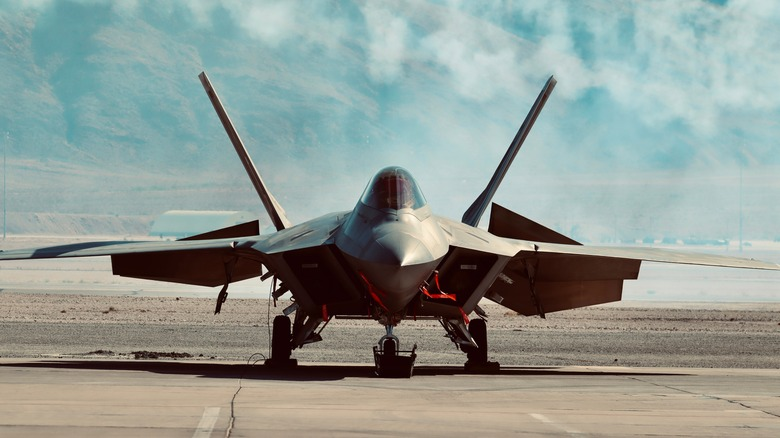
Next Generation Air Dominance today builds on this legacy with concept illustrations showing a sixth-generation fighter as a union of flying-wing-influenced lines and cutting-edge performance and stealth. Boeing’s F-47, recently revealed, also illustrates the future direction of tailless fighters as a streamlined fuselage, broad nose, and bubble canopy come together to optimize aerodynamics and low observability for next-gen combat scenarios. The fashion for tailless planes is more than appearance; it is a sign of another air combat philosophy.

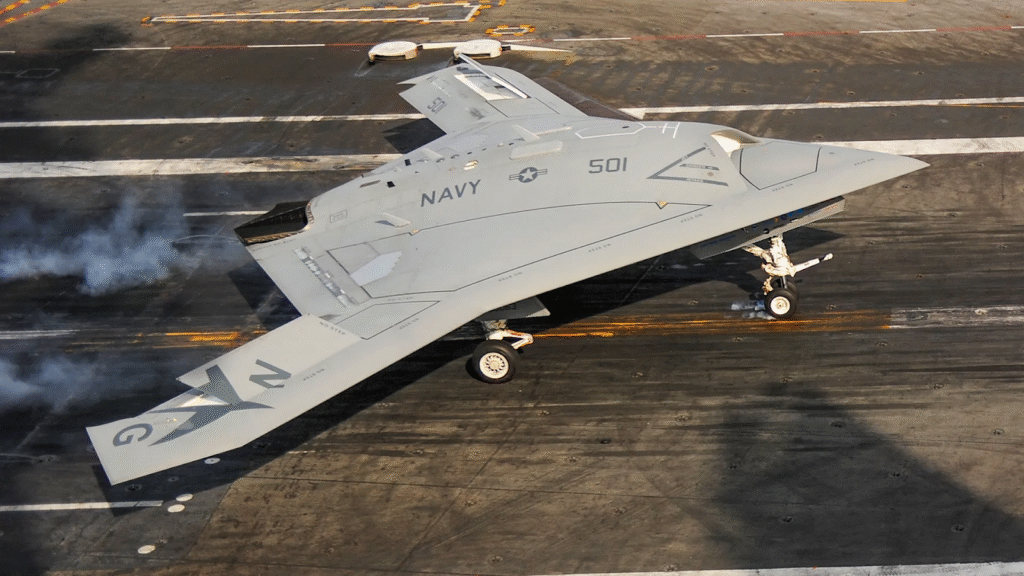
Today’s warfare demands velocity, precision, and not to be seen while being capable of dovetailing into drones, satellites, and upcoming sensors. Tailless fighter aircraft are shaped with these restrictions in mind, as a networked force to work together. Aside from technical potential, these designs also signify a cultural transformation in military aviation: digital-first design, modularity, and quick prototyping.

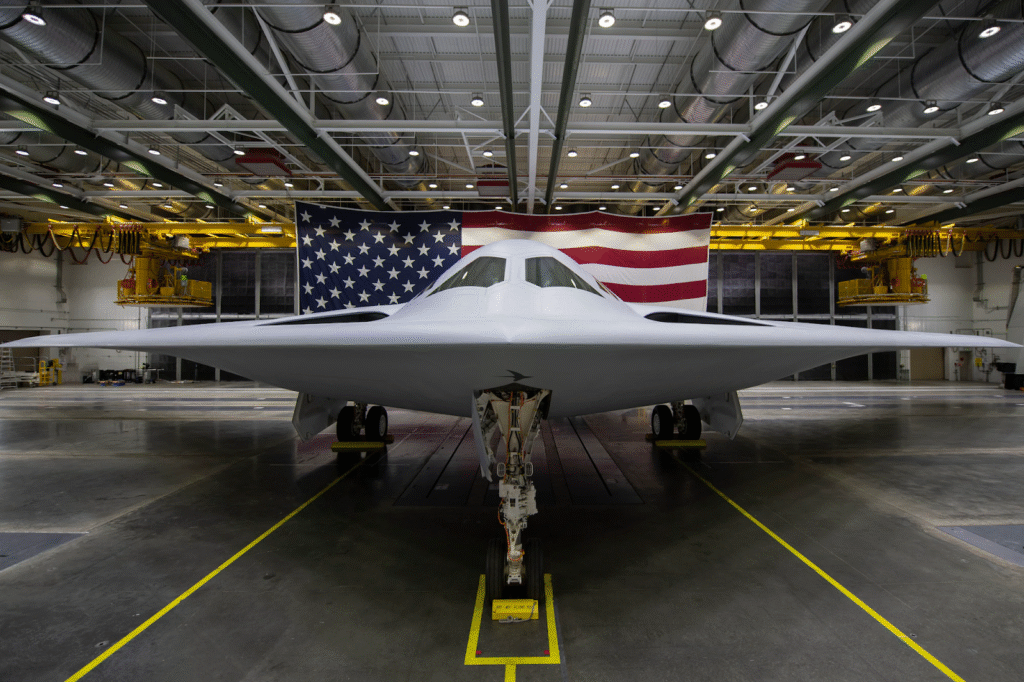
Initiatives such as B-21 Raider demonstrate how quickly new ideas can be conceived, modeled, and refined with advanced materials and additive manufacturing. Tailless aircraft in the future are only the beginning.
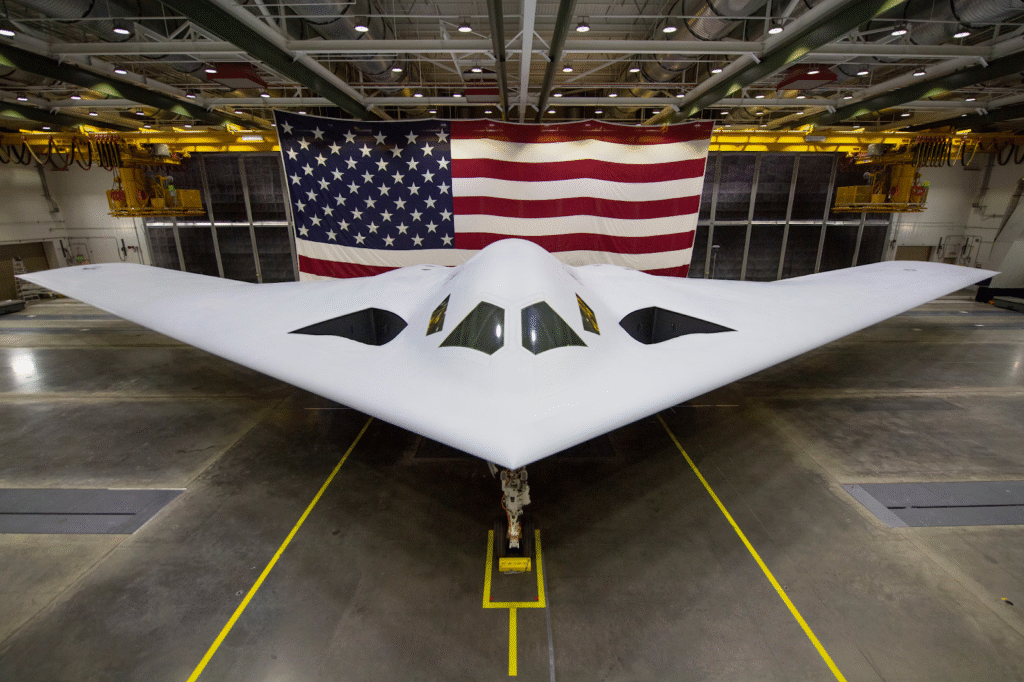
Artificial intelligence, autonomous flight, and hypersonic propulsion will transform what fighters can do. Next-generation tailless aircraft could fly autonomously, change course on the fly, and coexist peacefully with flocks of drones. The architecture being created today enables such designs to house high-end electronics and new power systems, which opens the door to a new generation of air-to-air warfare. By the following decade, these thin, tailless planes will make the leap from experimental craft to useful purposes, architecturally altering what it means to dominate the skies.