
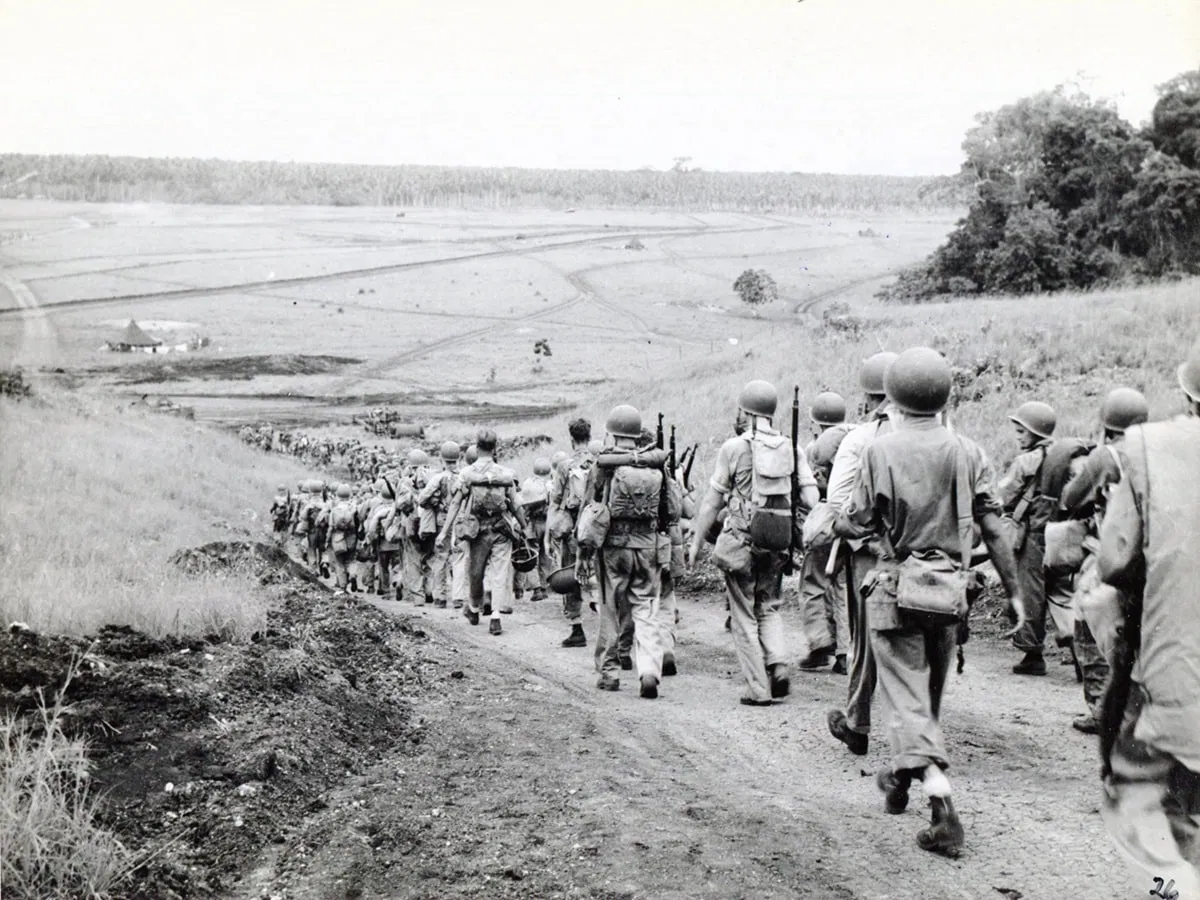

It’s difficult to believe that a far-off patch of jungle in the South Pacific used to be the focal point of a battle that changed the course of World War II. But Guadalcanal, an island few had ever heard of then, became the battlefield where the Allies and Japan engaged in one of the most crucial campaigns of the entire Pacific war.

Both opponents knew the island’s strategic value by summer 1942. The power that controlled Guadalcanal controlled shipping lanes that connected the United States with Australia and New Zealand. When the Japanese started to construct an airfield on it, it was bound to sever Allied lifelines and leave Australia isolated. The stakes couldn’t have been higher, and neither was about to yield.

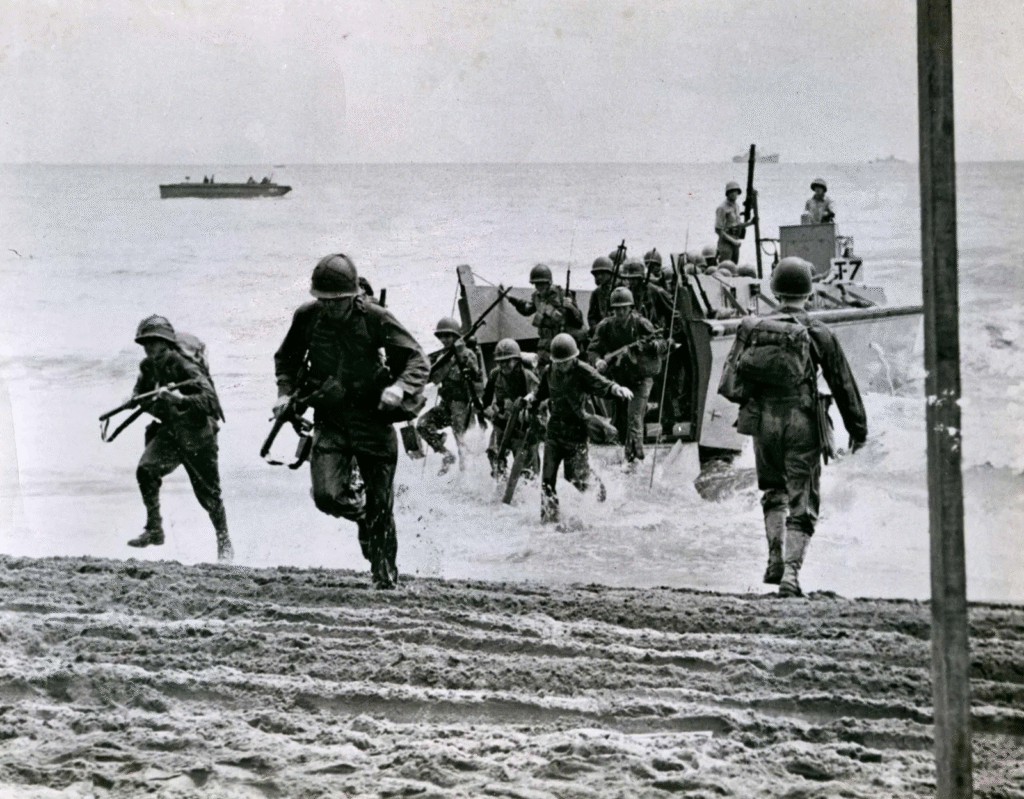
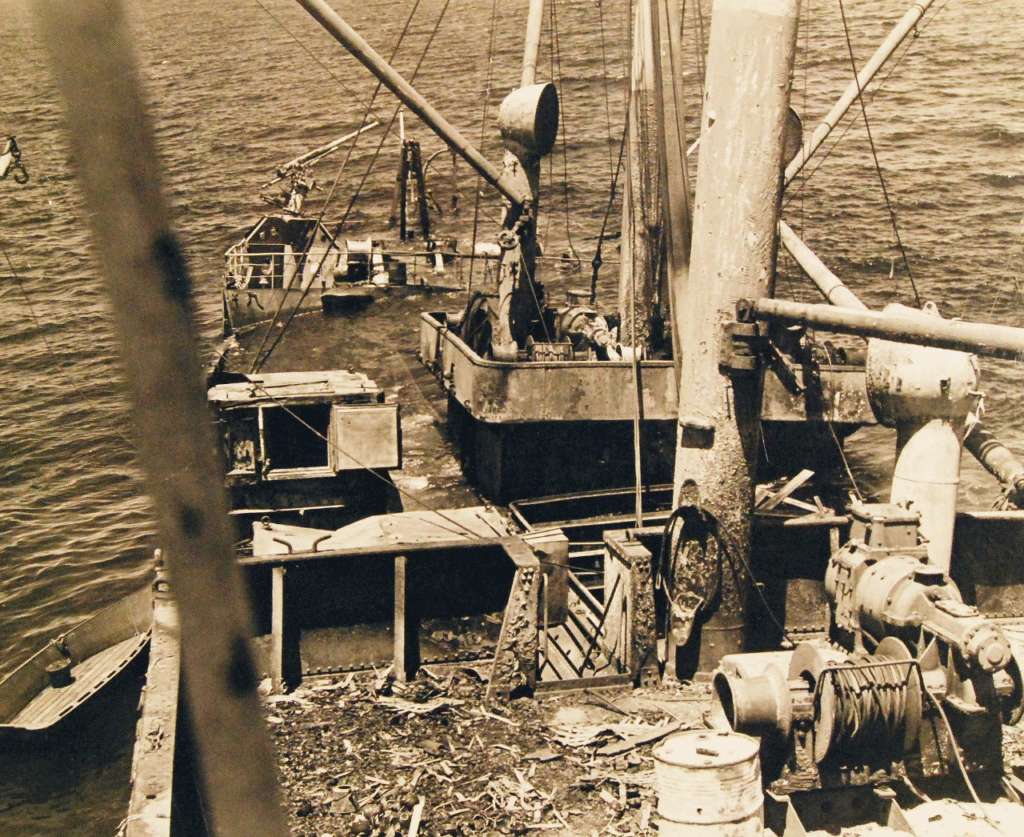
In August 1942, the United States made its first big amphibious assault of the war. The 1st Marine Division landed nearly unopposed and captured the half-built airstrip that would be renamed Henderson Field. The win was nearly too easy, but the Japanese were soon to counterattack. For the next few months, there was fierce combat on land, in the air, and particularly at sea. The waters off the island became so choked with wrecks that sailors dubbed the region Iron Bottom Sound.

The early war at sea was a bitter wake-up call for the Allies. During the Battle of Savo Island, Japanese cruisers snuck in under the cover of darkness and, employing their lethal Long Lance torpedoes, sank four Allied heavy cruisers within a matter of minutes.
It was one of the greatest defeats ever inflicted on the U.S. Navy. That debacle pushed the Americans to improvise—hitting back with radar, tightening their nighttime air fighting, and learning how to keep pace with the Japanese in tight, wild engagements.

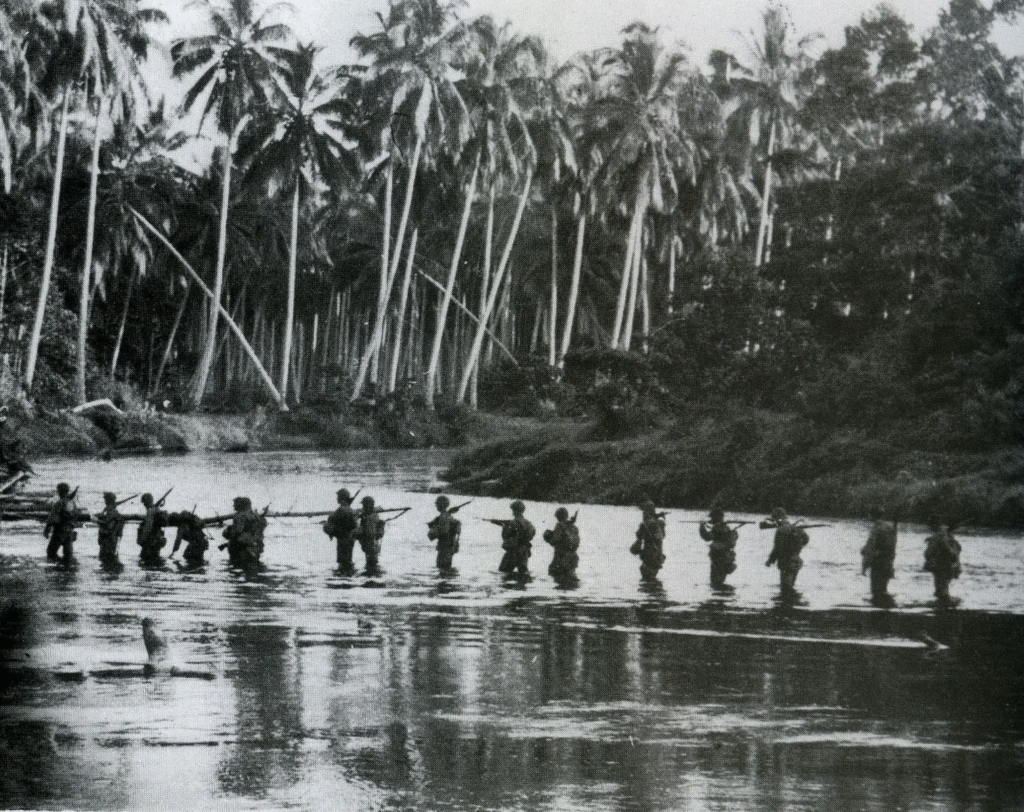
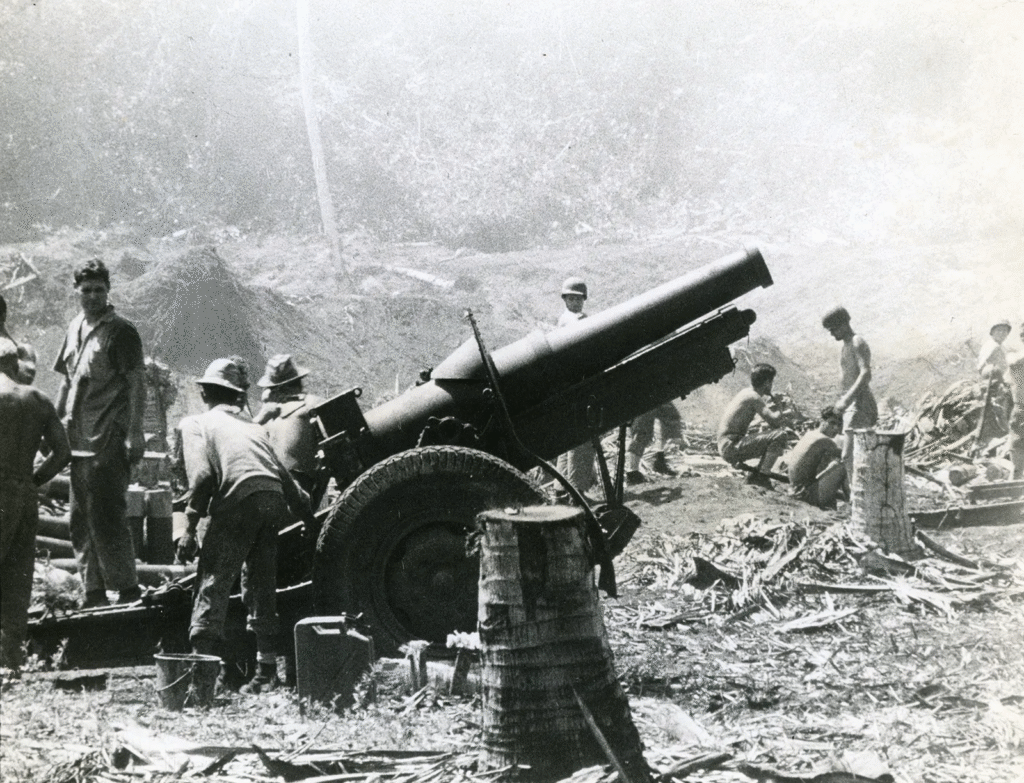
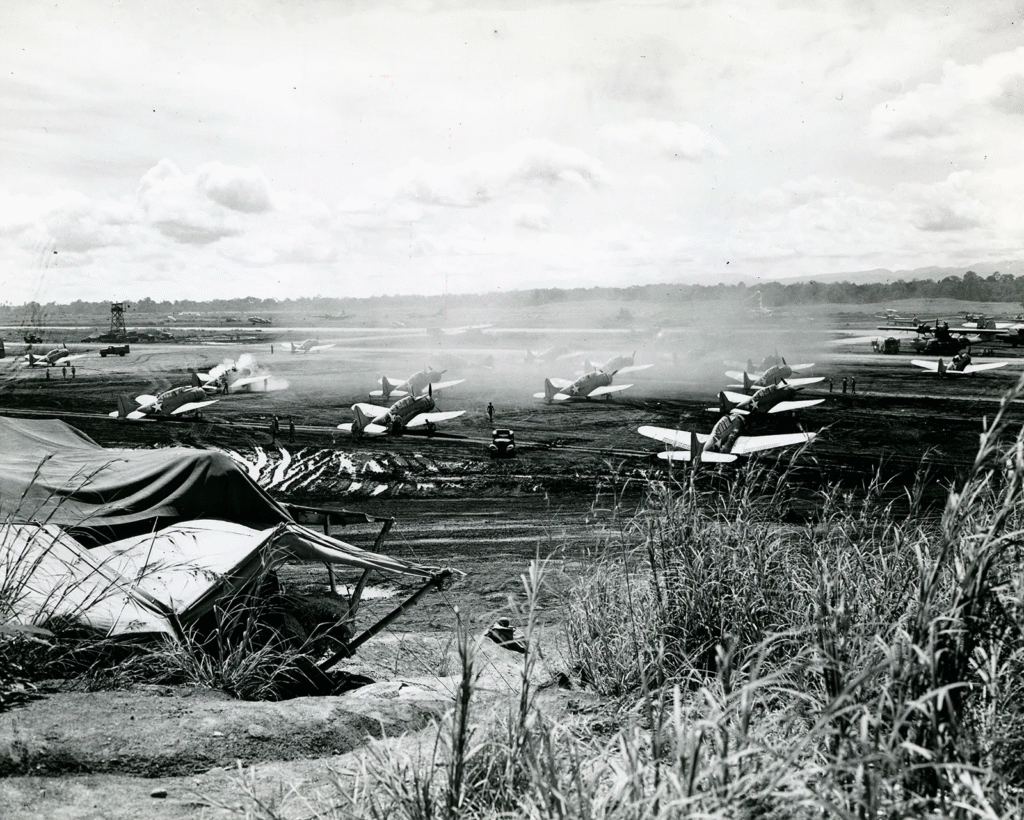
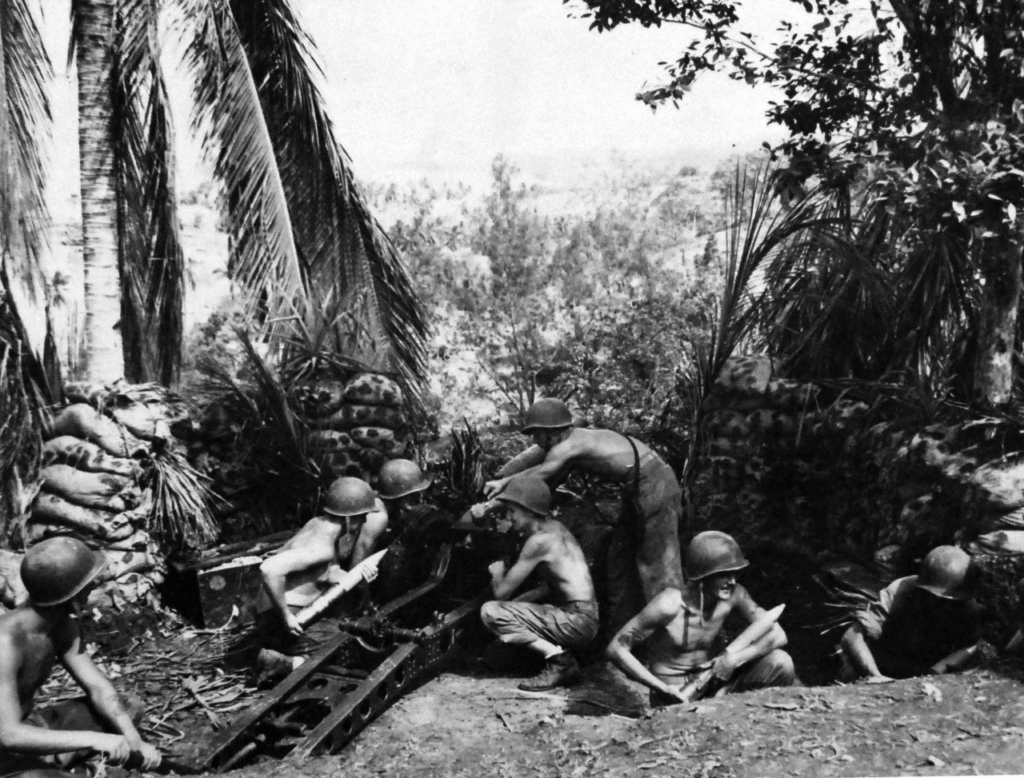
Meanwhile, on the island itself, the Marines and subsequent Army forces faced relentless attack, food and supply shortages, and the agony of tropical disease. Henderson Field was the linchpin to survival, defended by a makeshift force of pilots called the “Cactus Air Force.” Against great odds, they clung. Leaders such as Chesty Puller and John Basilone became the icons of raw grit and resolve.

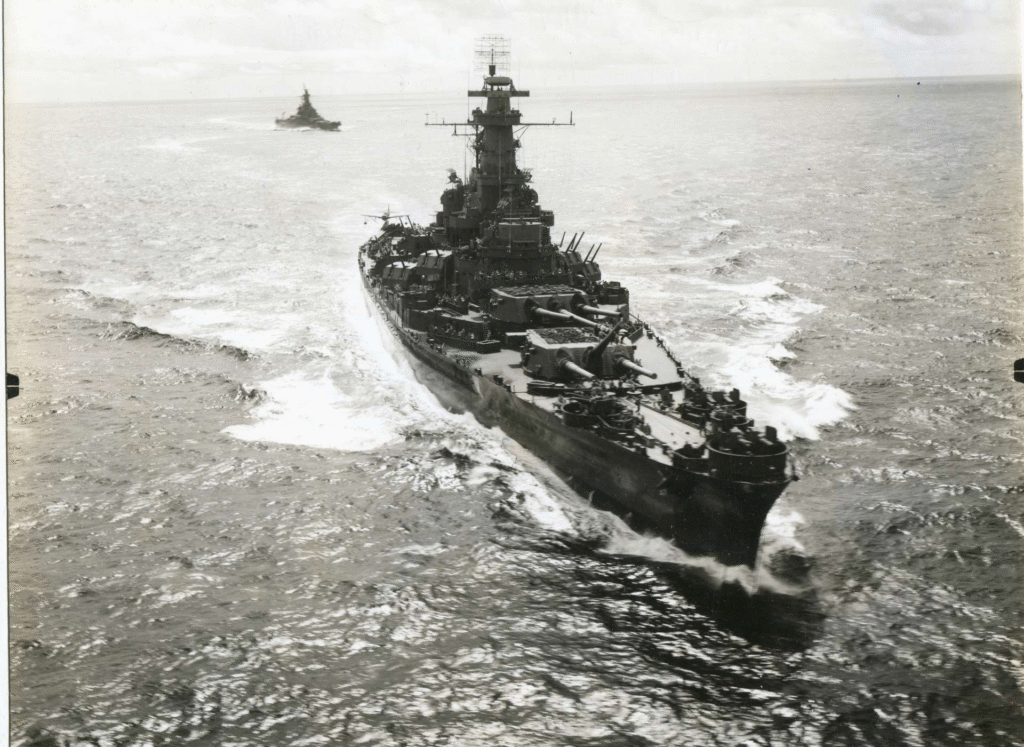
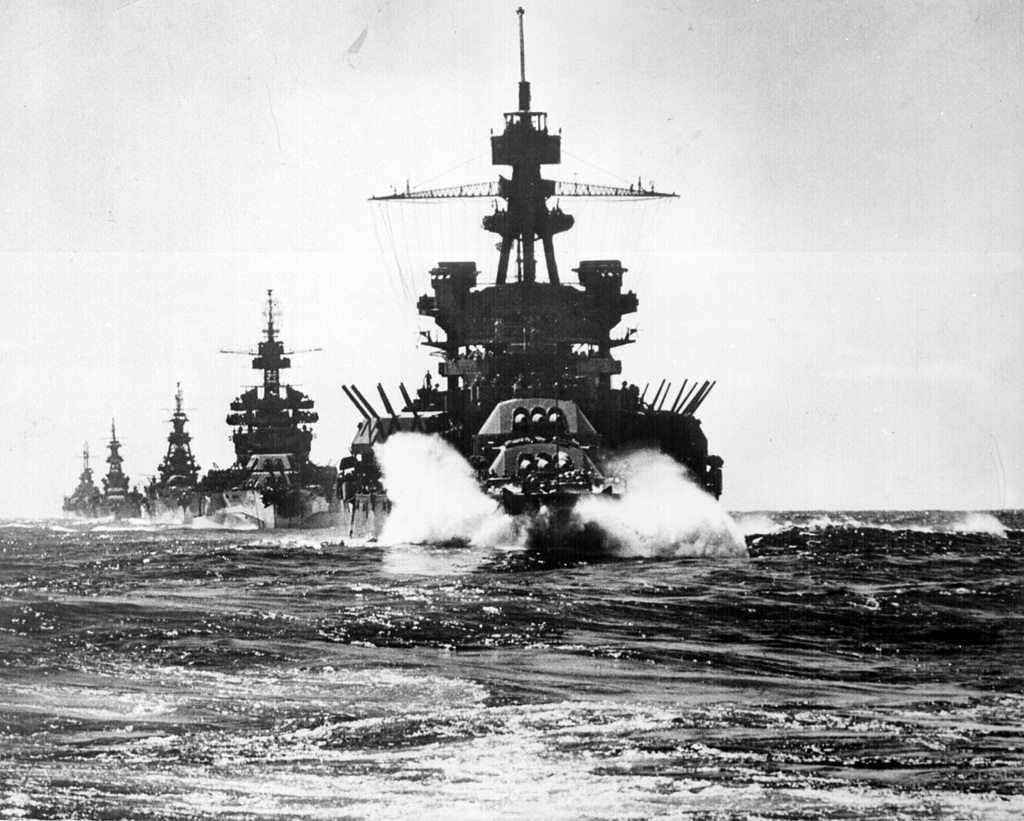
The combat peaked in November 1942 in the Naval Battle of Guadalcanal. American and Japanese battleships and cruisers blasted one another at point-blank range in savage night battles. At the end of it, Japan had lost two of its battleships, Hiei and Kirishima, and could no longer resupply Guadalcanal. The Japanese Navy had finally been decisively checked for the first time.

It came at a tremendous cost. Over 20,000 of its men were lost, as were over a hundred ships and well over a thousand aircraft. The loss of the USS Juneau, which claimed the lives of the Sullivan brothers, revealed the tragic human cost of the campaign.

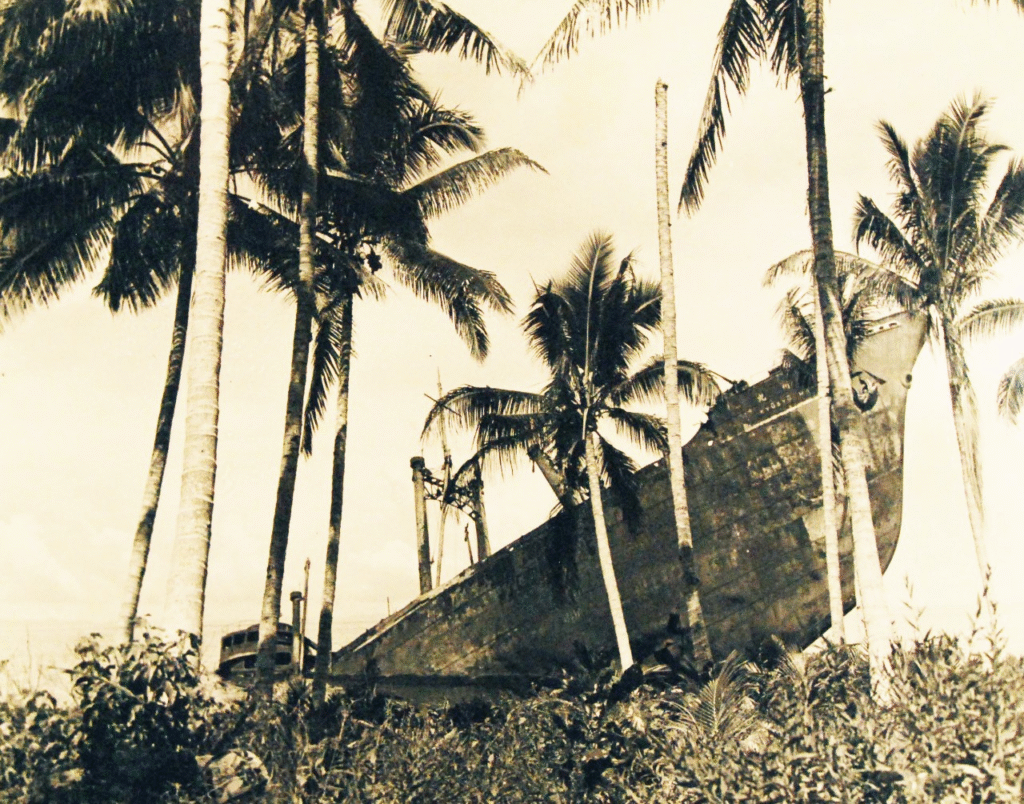
More often, there were accounts of American sailors’ ingenuity and sheer determination, such as the battered USS New Orleans limping to safety with a coconut log-built bow that had been cobbled together.

By February 1943, the Japanese had pulled their remaining troops out of Guadalcanal, and the island passed into Allied possession. That retreat was more than one victory—it was the moment at which momentum in the Pacific began to shift. Japan could never replace the ships and men it lost, but the U.S. Navy emerged stronger, wiser, and more resolute.

Today, the ships still lying under Iron Bottom Sound serve to remind us of the savage price of the fight. Guadalcanal was not merely another battle— it was a turning point when the tide of the Pacific War started to turn in the Allies’ favor.