
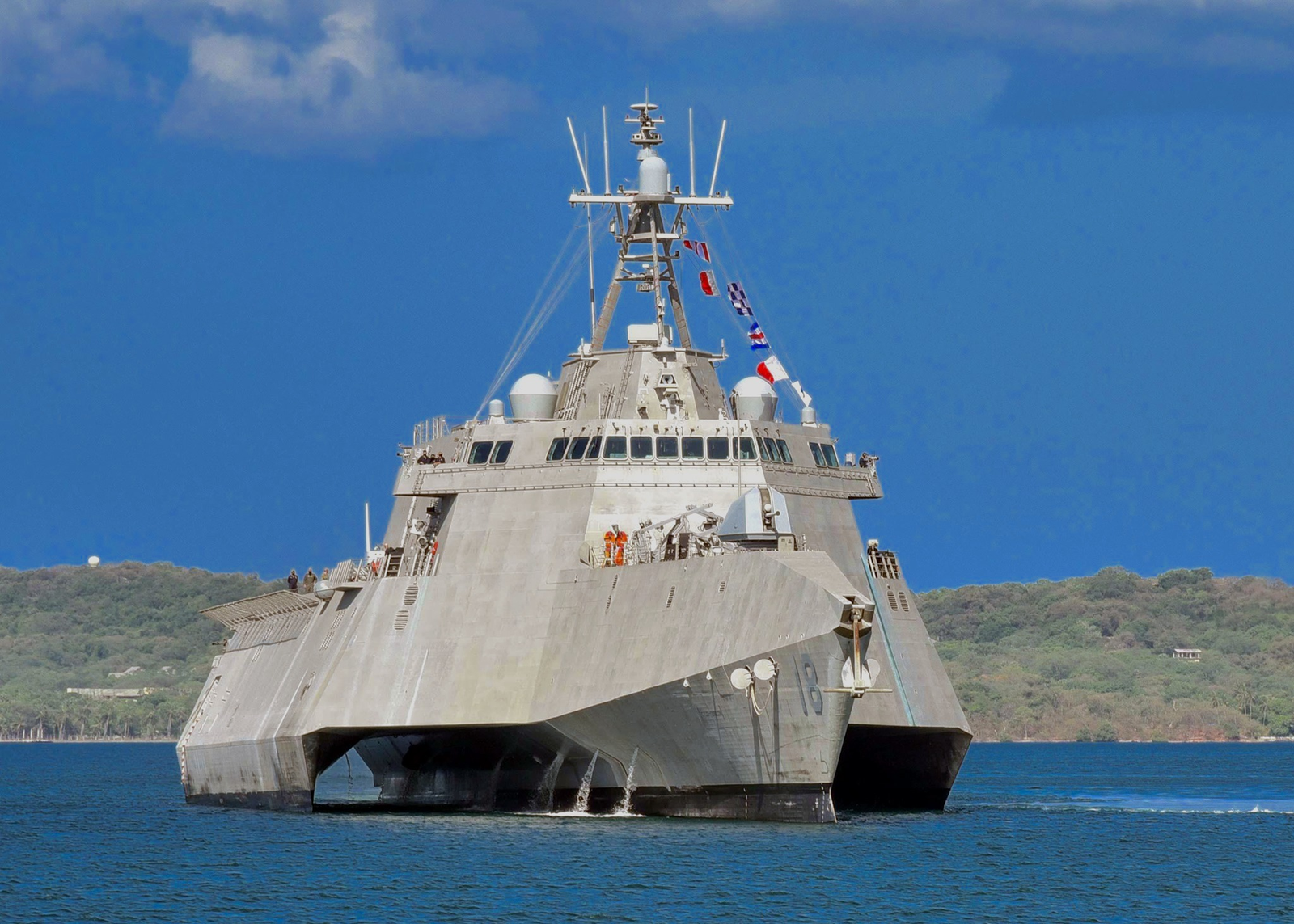

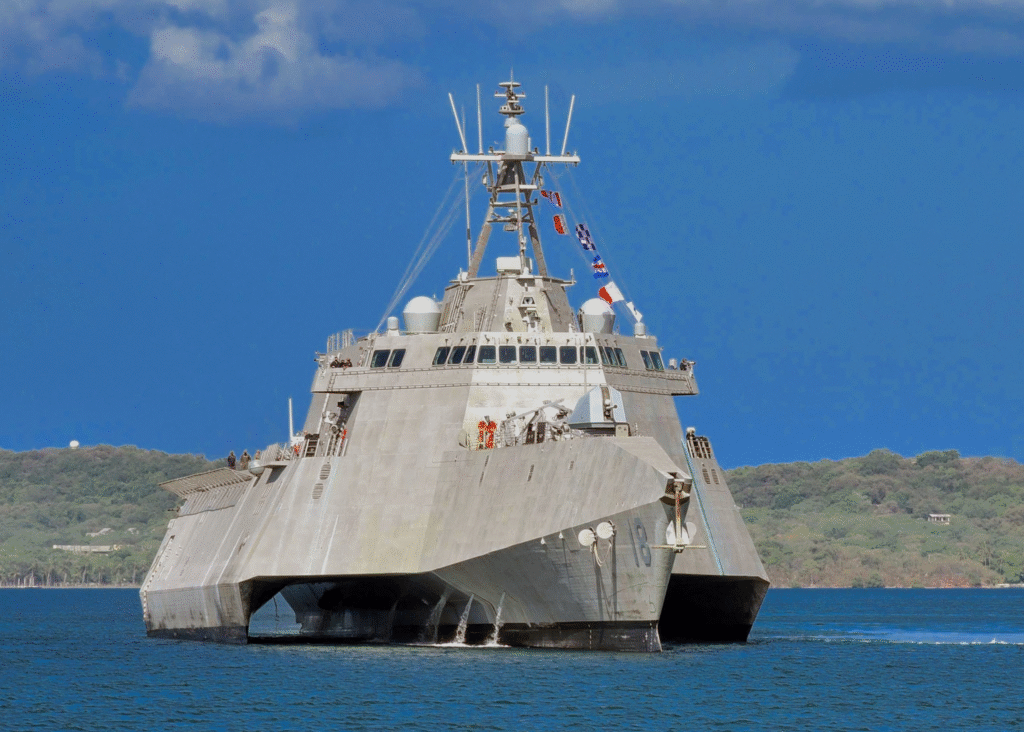
The Littoral Combat Ship (LCS) was seen as a game-changer for the U.S. Navy—a speedy, adaptable ship that could operate near the shore, sweep mines, monitor submarines, and react to a host of coastal threats. Instead, the program turned into one of the Navy’s most contentious endeavors, associated with high expenses, numerous delays, and inconclusive results.

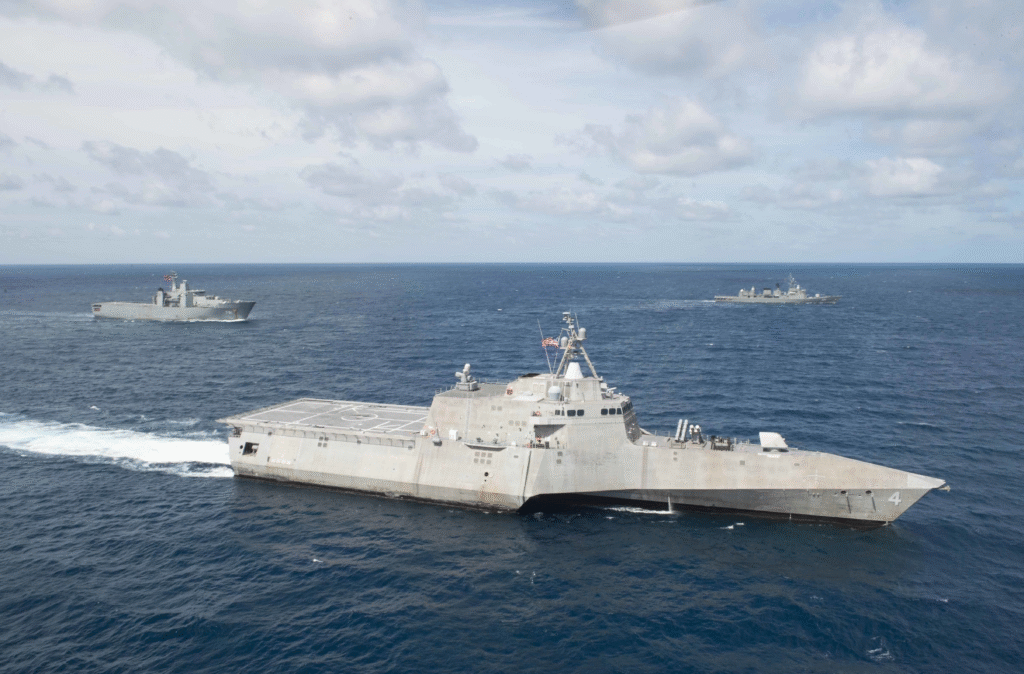
Following the Cold War, the Navy experienced a strategic change. The battleships and enormous carriers were no longer suitable for service in coastal waters, or “littorals.” The service required smaller, agile ships that could convert between missions and be deployed with a leaner crew. The LCS was intended to address the need—a small, multi-mission platform with the ability to convert between mission modules based on operational needs.

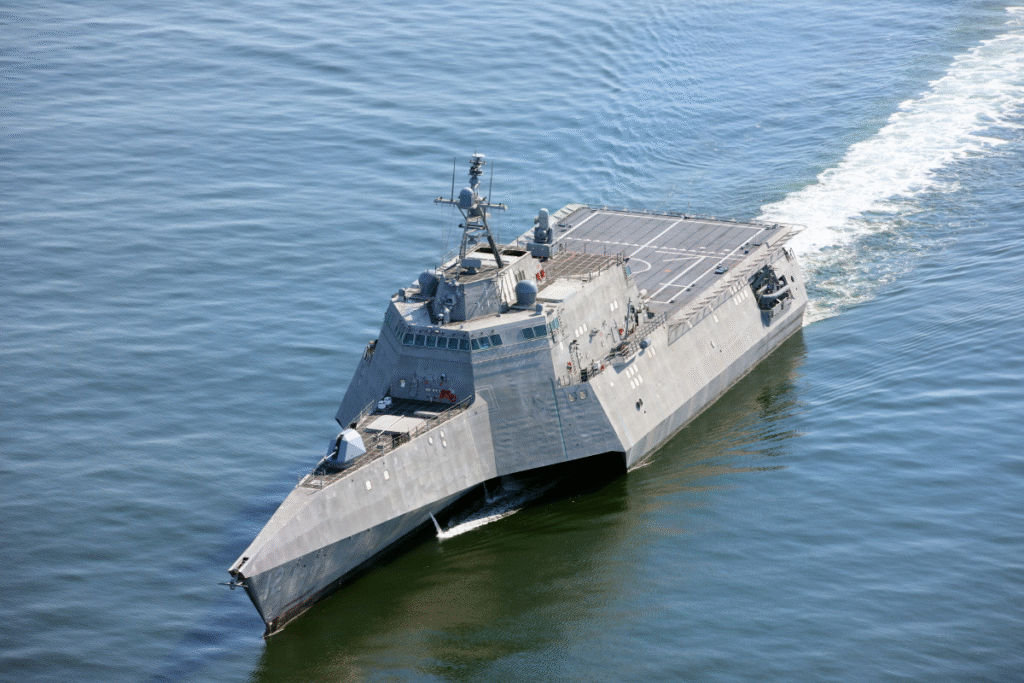
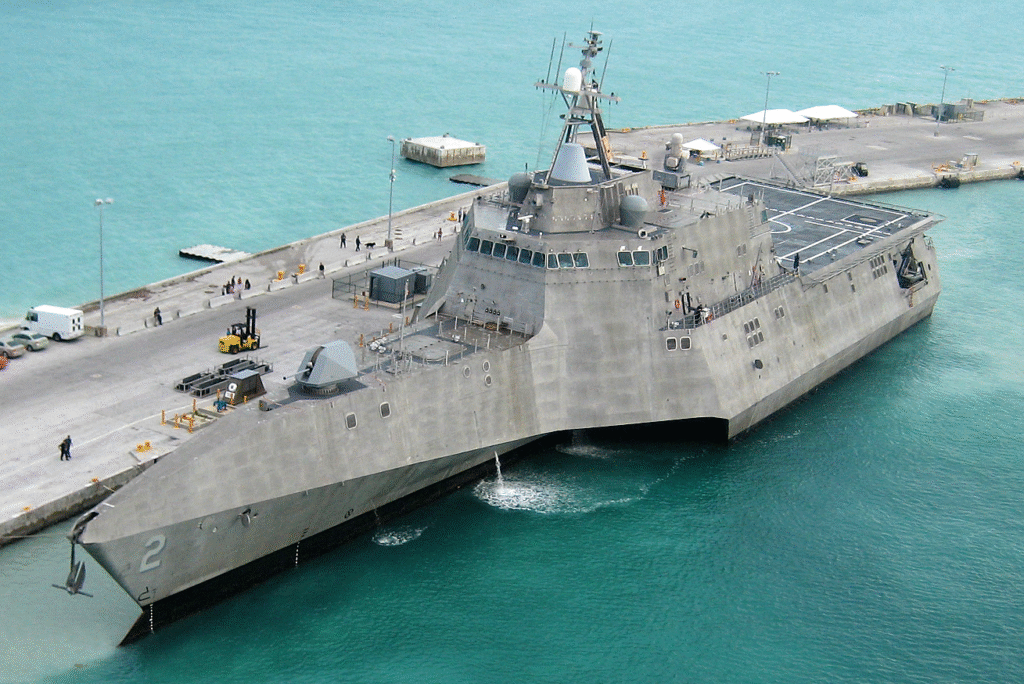
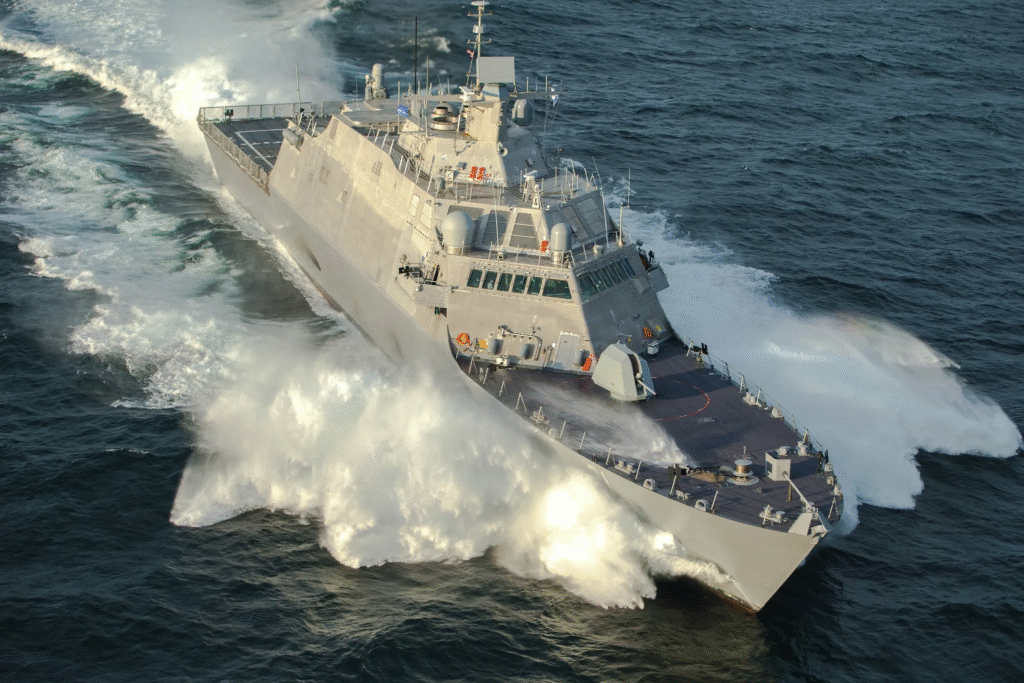
On paper, it was promising. But the reality turned out much more complicated. Instead of choosing one design, the Navy chose two rival versions: Lockheed Martin’s Freedom-class with a conventional steel hull, and General Dynamics/Austal’s aluminum Independence-class trimaran.

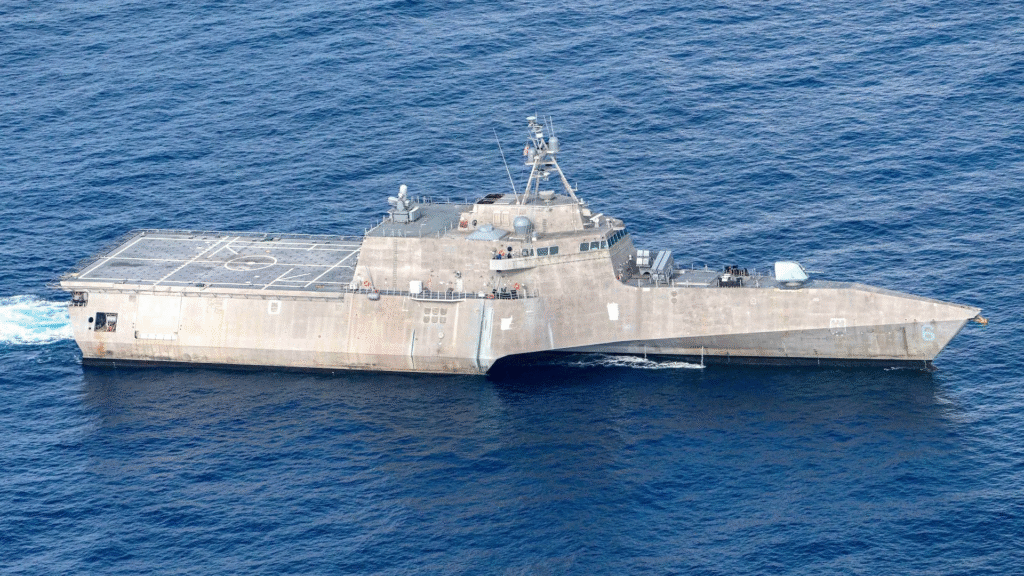
The double-barreled approach was intended to drive innovation and keep several shipyards open, but it introduced complexity, confusion, and increasing costs.

The modular mission packages—designed to be the ship’s selling point—proved to be the challenge. They were costly, troublesome to use, and unreliable. The ships themselves experienced mechanical problems, from engine failure to leaks, sometimes necessitating early return to port. Small crews couldn’t always manage to perform maintenance on time, prompting contractor assistance, adding even more expense and delay.


Critics have been candid in their judgments. The LCS has been labeled a failure by observers and watchdogs alike, with some ships spending more time in dry dock than deployed at sea. Its light weaponry also renders it vulnerable to any serious adversary.
Politics also came into play. Legislators wanted jobs in their own constituencies preserved, and defense industry lobbyists urged the maintenance of production. Despite the Navy’s own skepticism about the value of the program, these forces continued to bring the ships online, eventually building 33 at almost $100 billion.
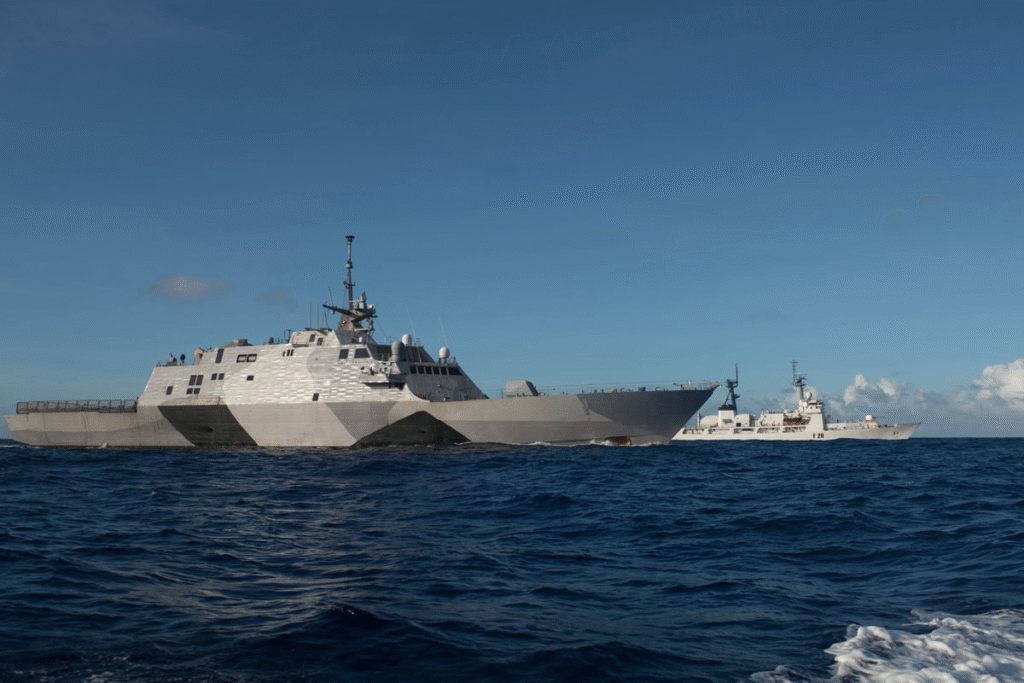
Efforts to enhance the LCS involved its weapon systems being upgraded with systems such as the Naval Strike Missile and incorporating unmanned drones for scouting. Its speed and scouting abilities continue to be complimented by some Navy officials, but these efforts have failed to wipe clean its blemished record.
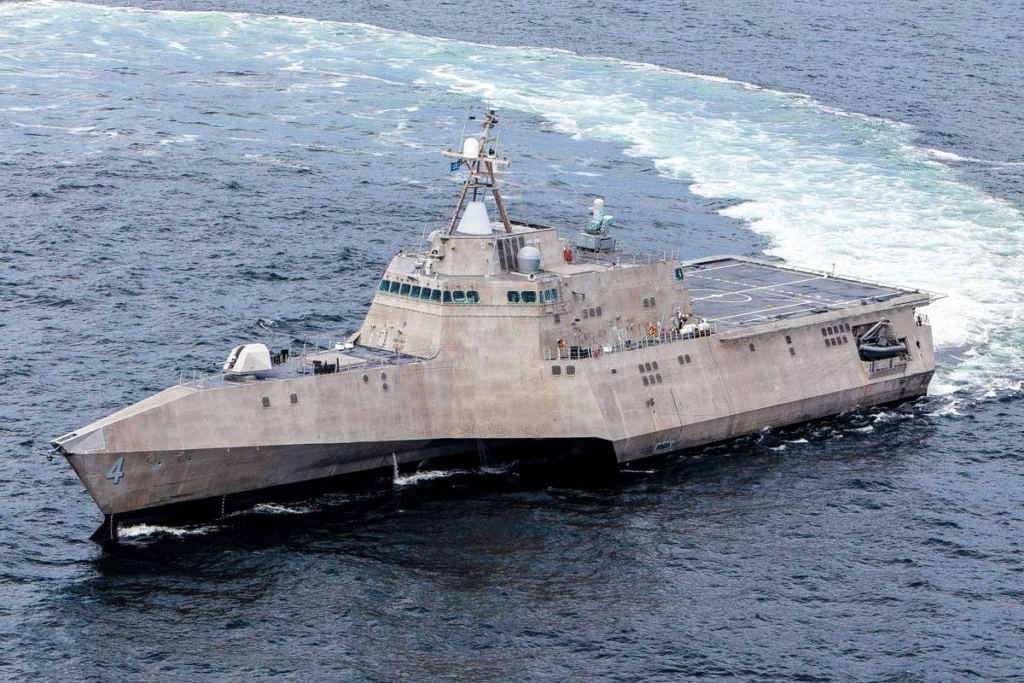
With the commissioning of the last Independence-class ship, the USS Pierre, the Navy is ending this era. While the LCS didn’t meet its early promise, it forced naval design and operational considerations into new ground.
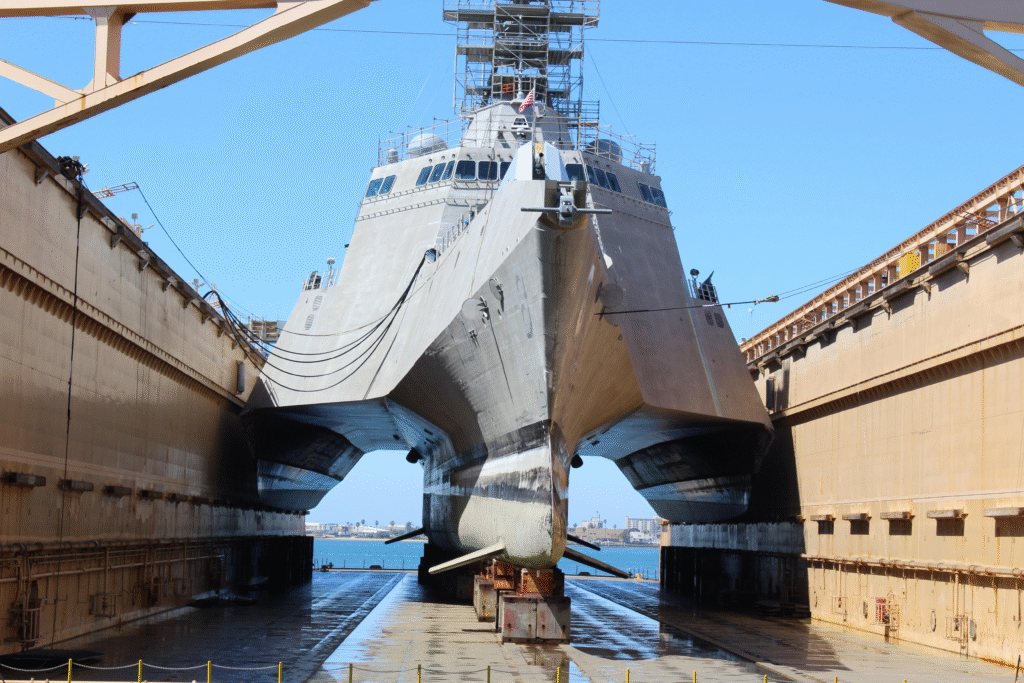
LCS is a tale of warning about what occurs when innovative concepts meet technical hurdles and political reality. It illustrates how defense projects are formed not only by military necessity, but by competing demands, contracts, and the efforts of various stakeholders. Subsequent programs will take cues from LCS in finding a steadier course.

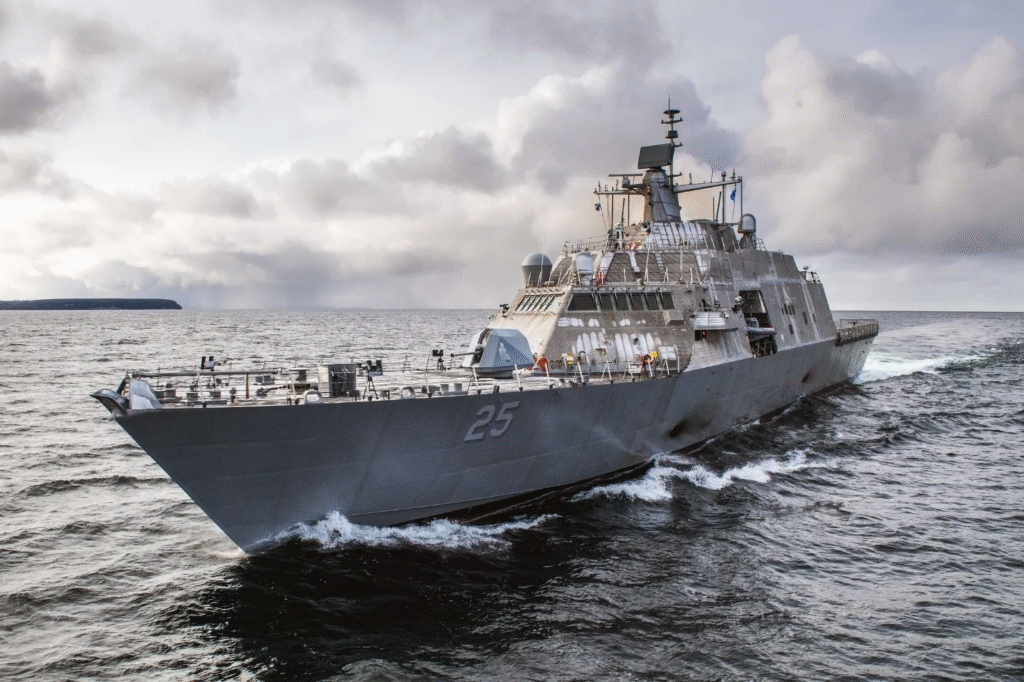
Ultimately, the Littoral Combat Ship might not be remembered as a loud success. Rather, it will be a reminder of the complicated, often messy nature of modern military innovation.