
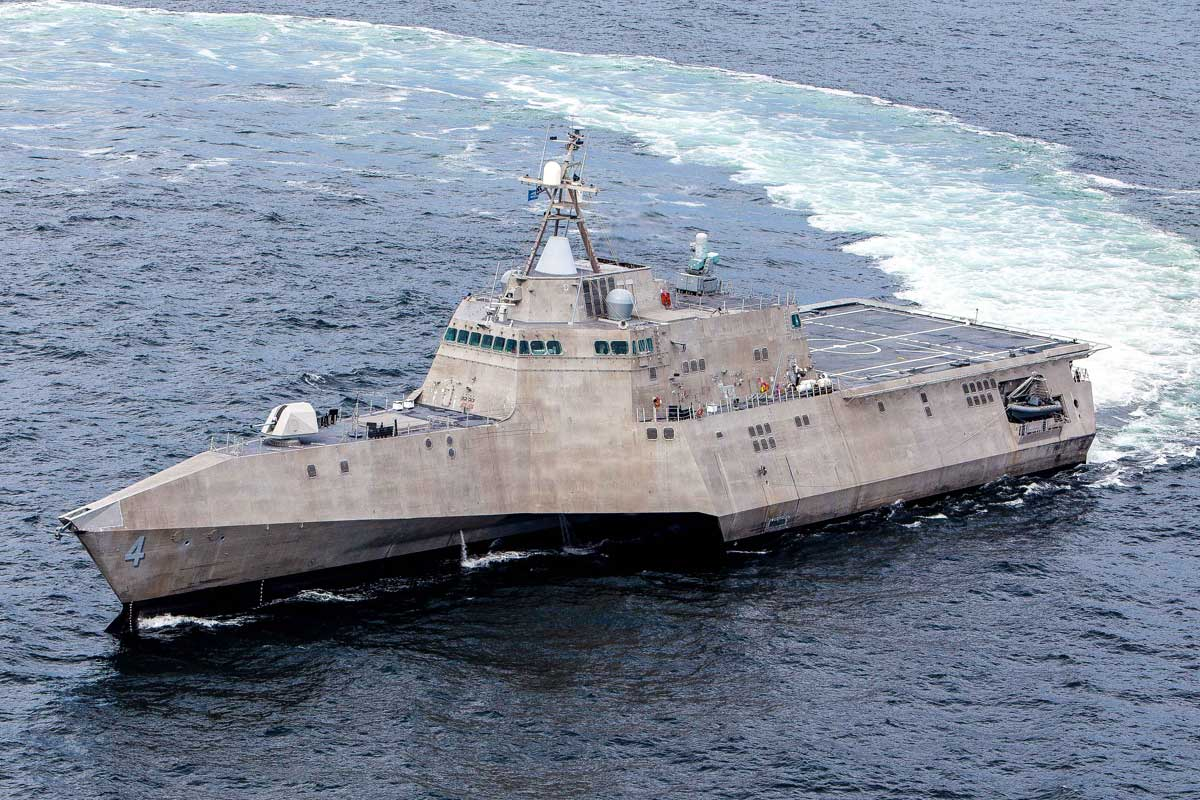

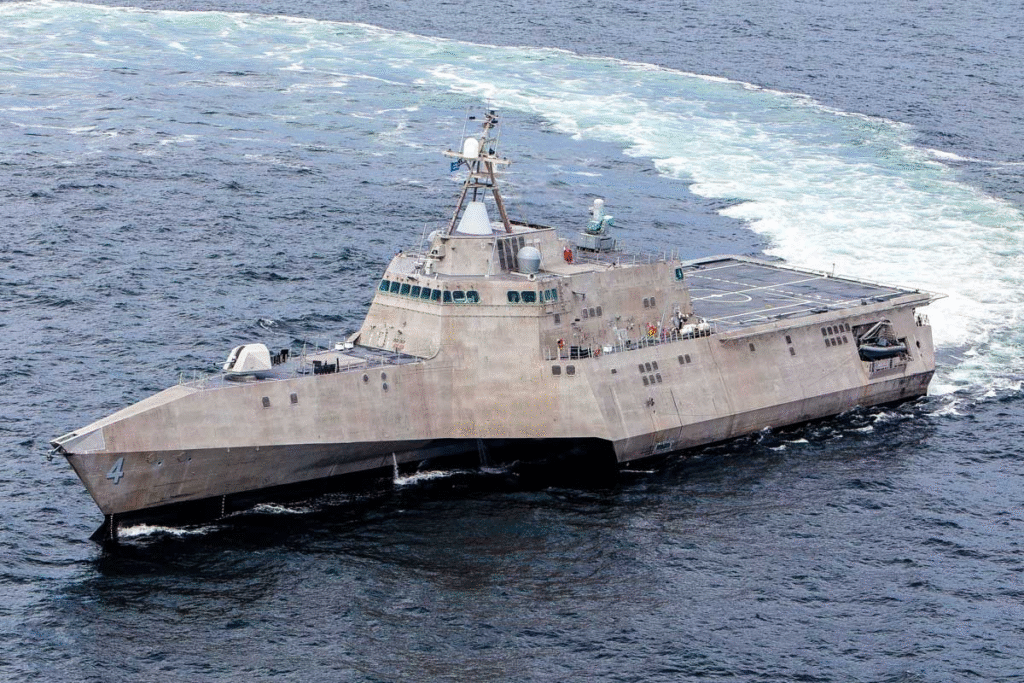
The Littoral Combat Ship (LCS) was originally hailed as the Navy’s fleet of the future—a lightweight, multi-mission ship that would cruise coastal waters, take over from old frigates, and carry out any of a variety of tasks. Eventually, the program became a cautionary tale, producing costly ships that often failed to deliver on their promise.

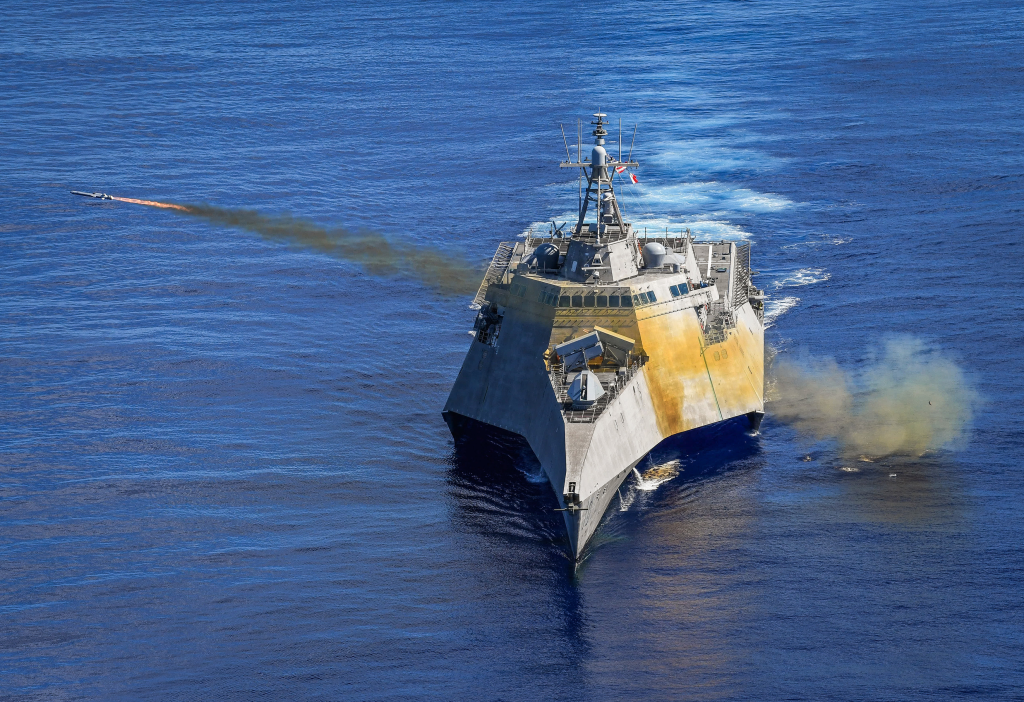
The program began in the early 2000s, when the Navy had to re-establish its mission post-Cold War. The vision was “network-centric warfare”: small, networked ships that would be able to perform multiple tasks with small crews. The LCS was intended to be manned by as few as 40 sailors, plus a few additional sailors for special mission modules—a far cry from the approximately 200 sailors needed to run traditional frigates.

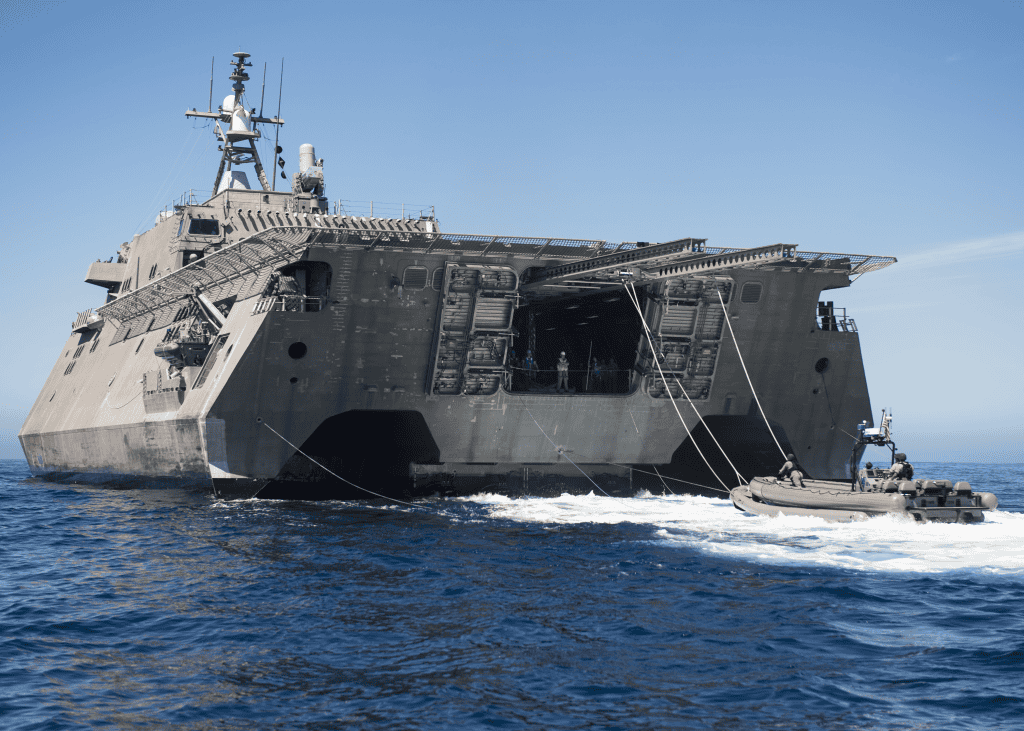
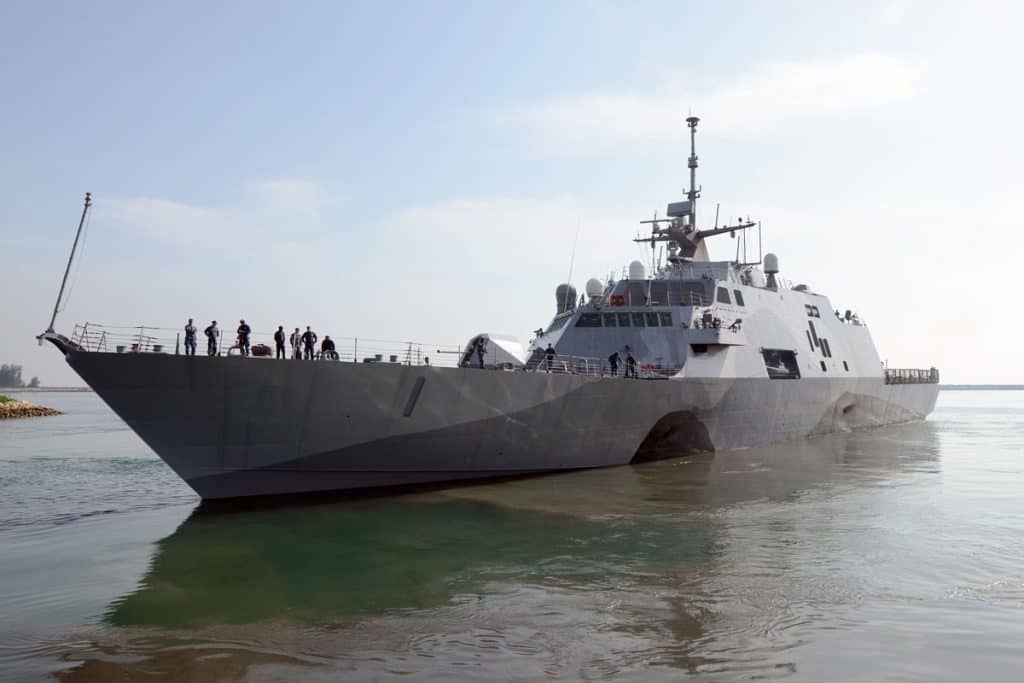
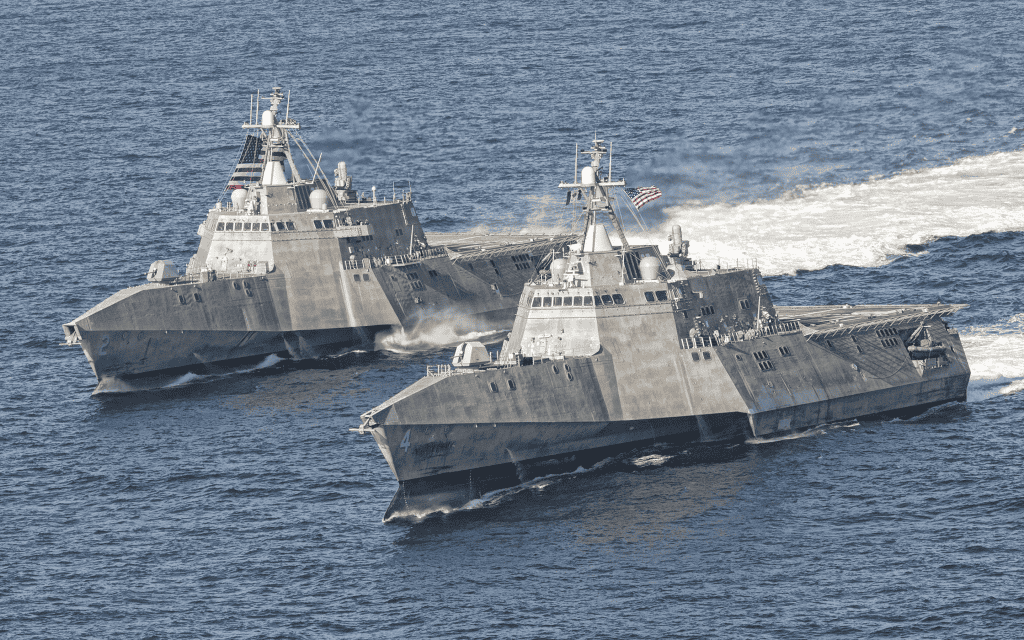
Two designs were manufactured: the Freedom-class with a Lockheed Martin steel hull and the Independence-class with a General Dynamics/Austal USA aluminum trimaran.

The Navy at first planned a fleet of 74 ships at approximately $212 million per ship. But technology problems and delays forced the order to 35, with costs escalating to $28 billion.
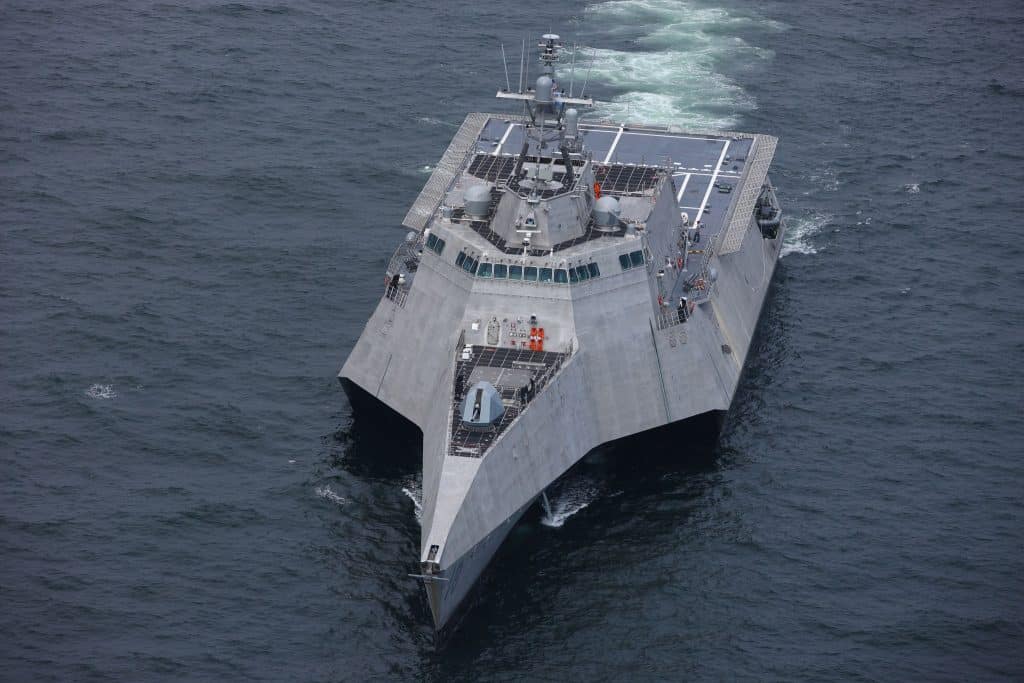
LCS ships suffered from endemic mechanical issues, propulsion failures, and questions regarding their ability to survive hostile combat. Testers questioned endurance and cybersecurity, and the classes spent much of their time in port undergoing maintenance rather than cruising the seas.

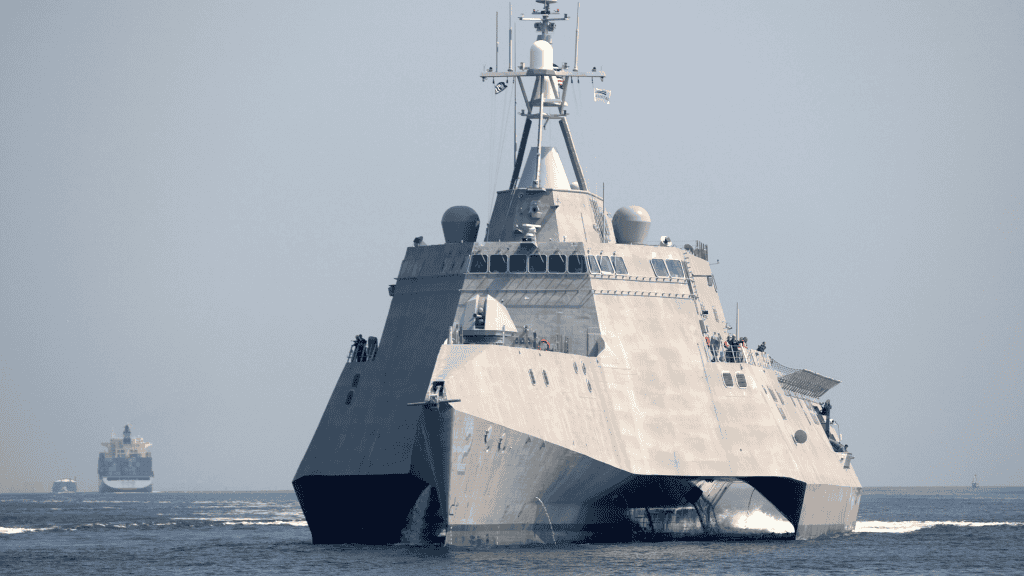
The Freedom-class experienced constant powertrain issues and poor fuel mileage, resulting in premature retirement for many ships after only a few years. The Independence-class experienced maintenance problems, corrosion, and constant replacement of sacrificial anodes. Mission modules, designed to give the ships versatility, were late to arrive and underperformed when they did deploy.
Political and industry pressures held the program together despite these travails. Contractors warned that canceling the LCS would destroy shipyards and cost thousands of jobs, putting lawmakers in the awkward place of attempting to balance economic interests against defense priorities.

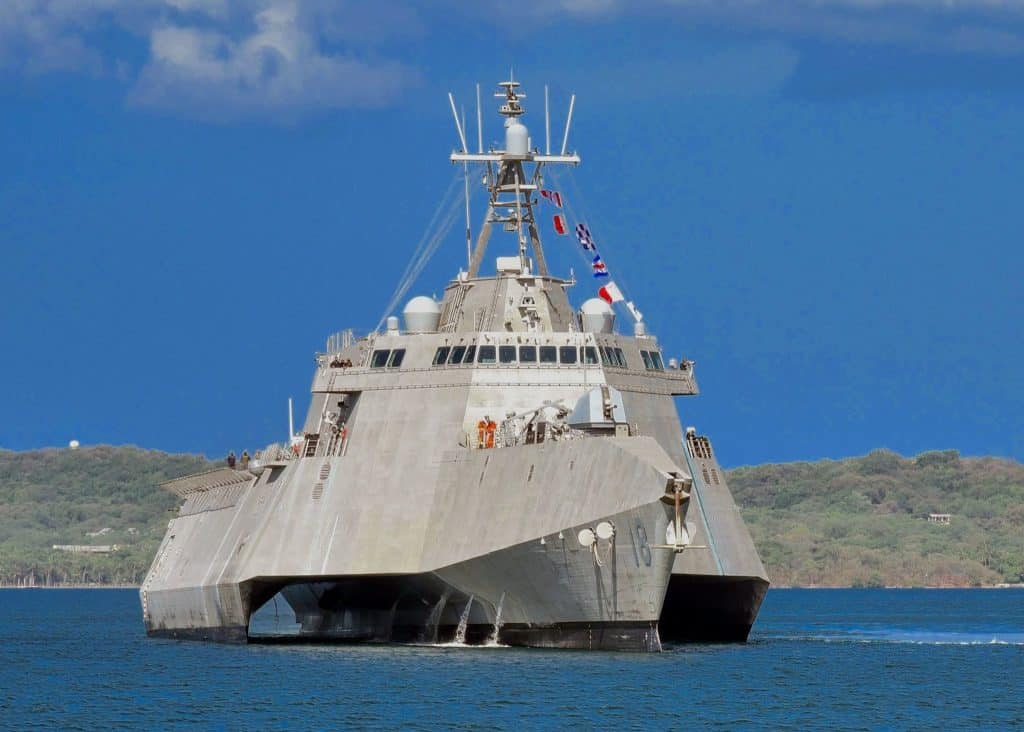
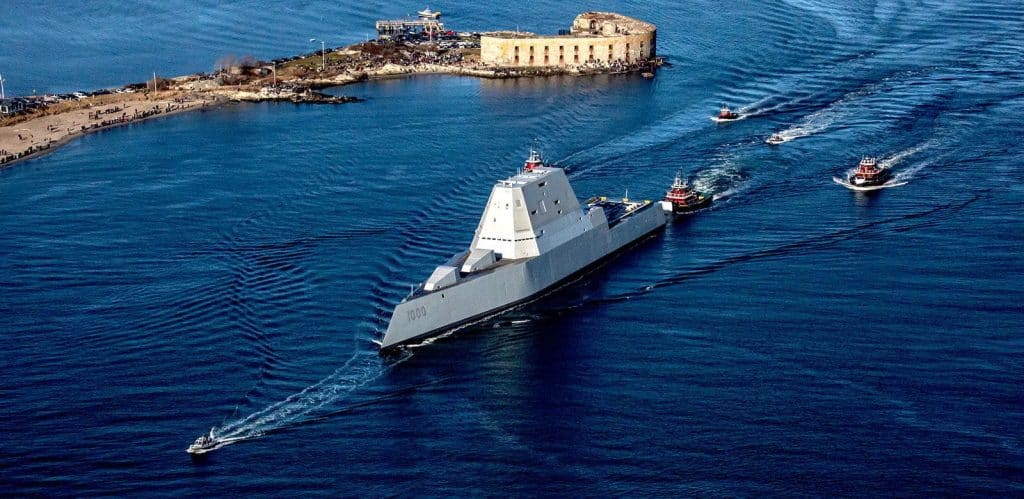
The taxpayers’ cost has been enormous. The Government Accountability Office estimates the lifetime cost of the LCS fleet to be over $60 billion—double the initial construction cost. Beyond the numbers, the program has eroded trust in defense acquisition. The LCS is not the only program fighting this fight. Other high-profile programs, such as the Zumwalt-class destroyer and F-35 fighter, have also featured sky-high costs, delays, and technical problems.

These issues have real-world consequences: the Navy’s deployed fleet has fallen from 318 ships in 2000 to just 238 today, and the Air Force has roughly half as many warplanes as it once did. Simply stated, more money hasn’t always meant more capability, leading to total readiness to depreciate.

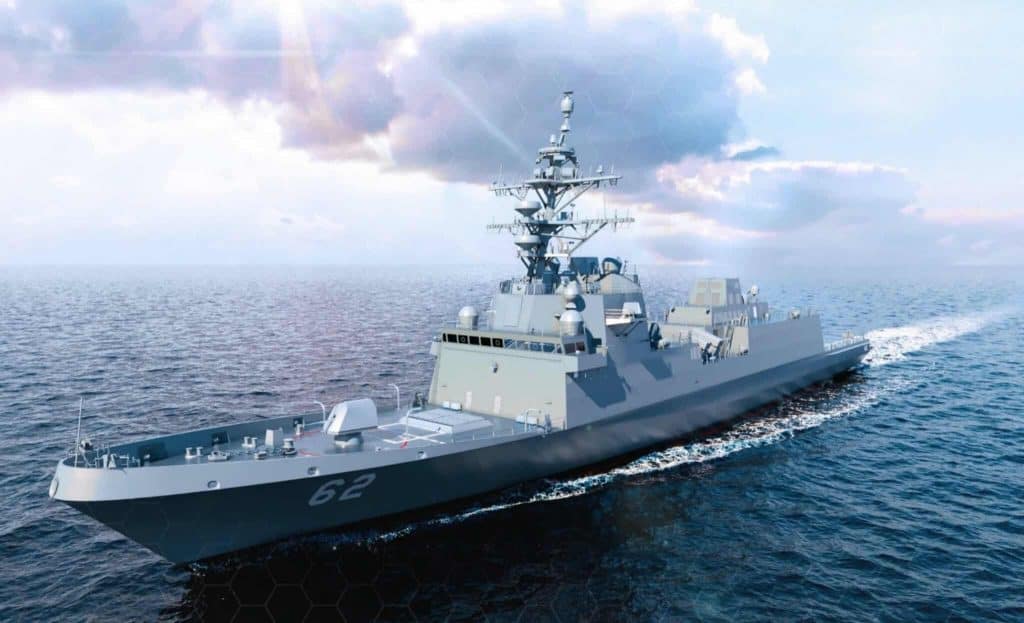
The Navy hopes the Constellation-class frigate, a variant of an already proven European design, will fill some of the gaps left by the LCS. Even before the lead ship’s completion, though, delays and cost overruns are already emerging as a consequence of U.S.-specific modifications, rendering the otherwise proven design inefficient.

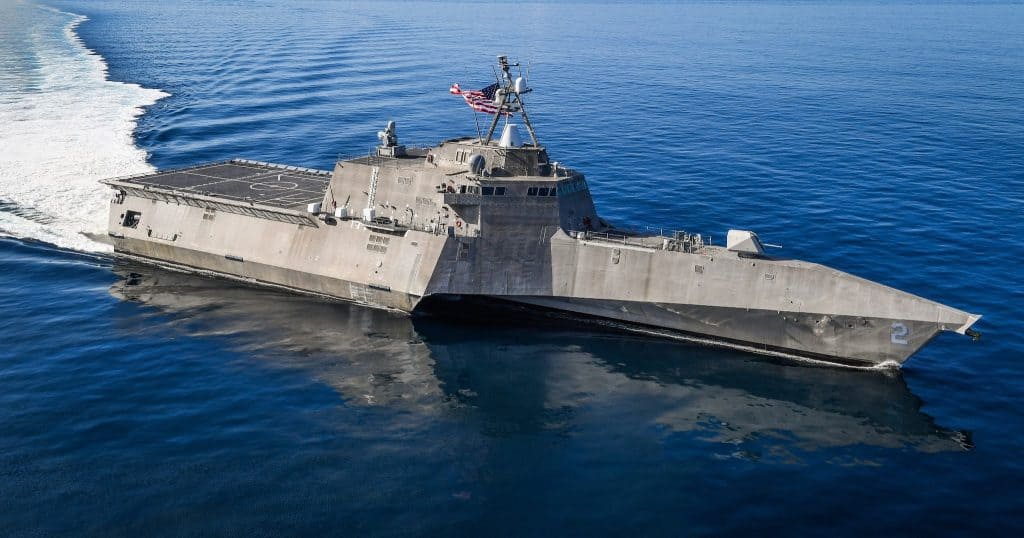
The LCS saga offers a useful lesson: political pressure, corporate incentives, and over-ambition can lead to expensive, disappointing programs. With defense budgets approaching $1.5 trillion annually, prudence, accountability, and sober supervision are more essential than ever.