
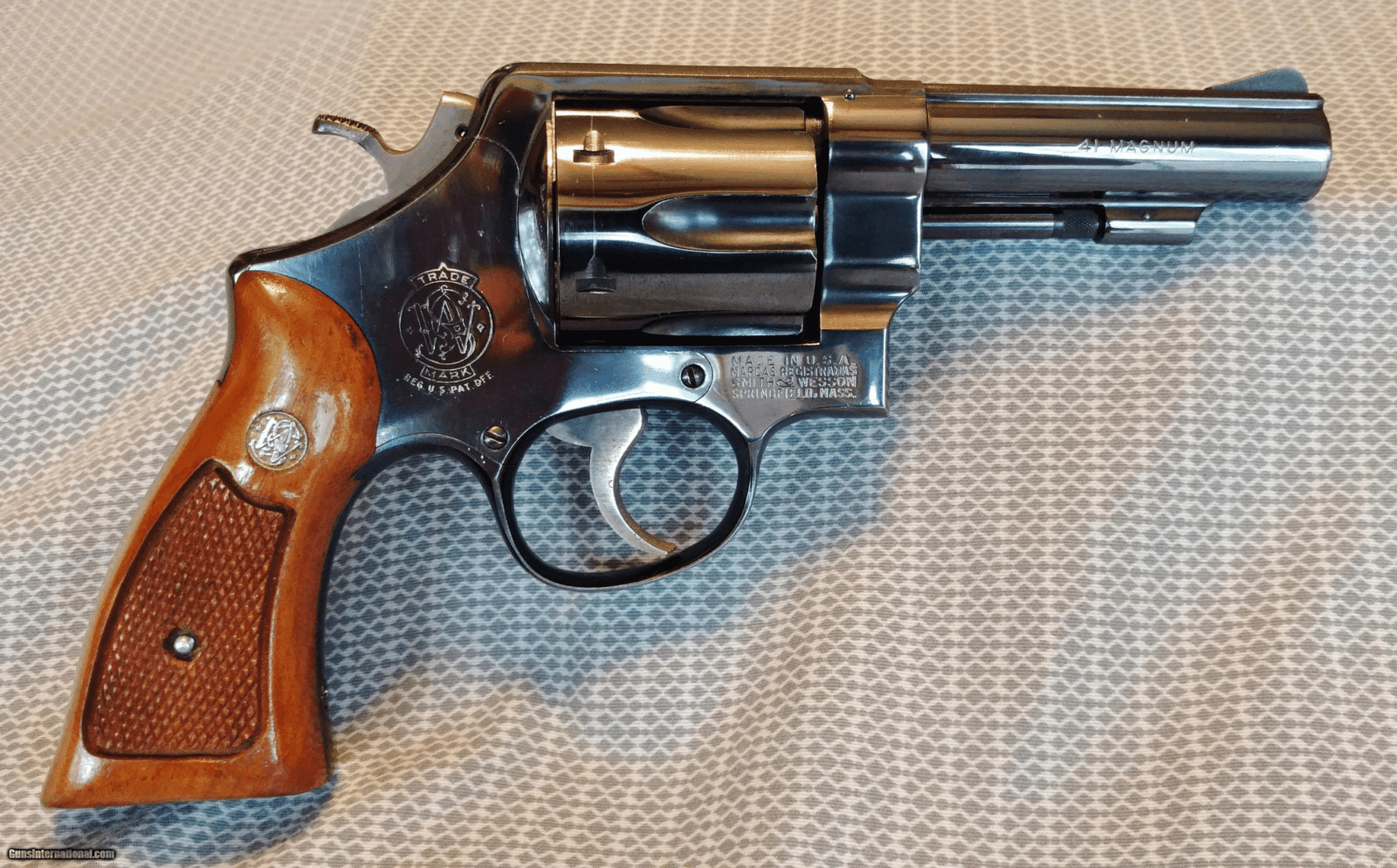

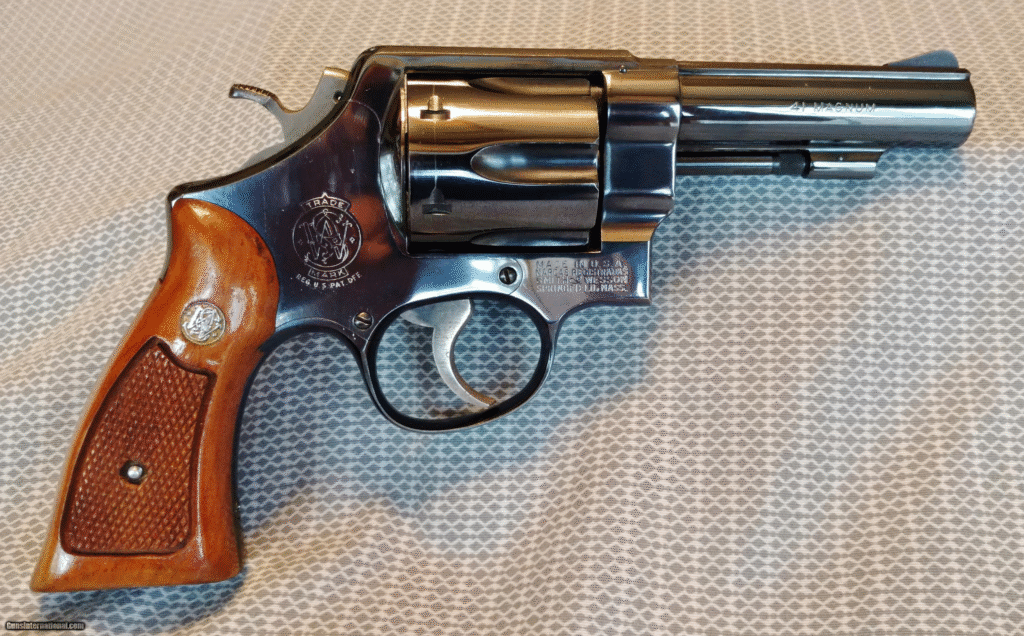
The .41 Remington Magnum holds a fascinating position within the realm of handgun cartridges. It was conceived by some of the greatest shooters and lawmen ever to have walked the earth, who envisioned a cartridge that would comfortably fill the gap between the .357 and .44 Magnums. Though it never gained widespread popularity, almost six decades since its introduction, the .41 Magnum continues to earn respect and devotion from those who value its crisp balance between power and control.

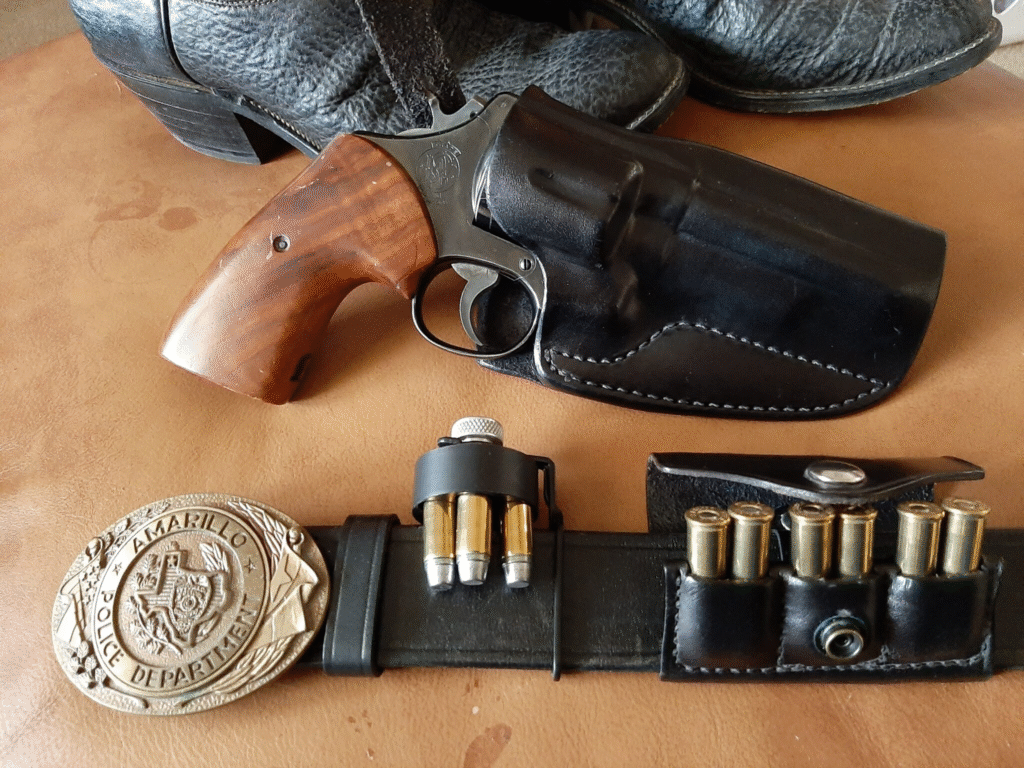
The tale begins in the early 1960s, when gun writer Elmer Keith joined forces with lawman Bill Jordan to create what they envisioned as the ultimate police revolver cartridge. Jordan envisioned a .40 caliber cartridge shooting a 200-grain bullet at around 1,200 feet per second—something with greater stopping power than the .357 Magnum but less recoil than the .44 Magnum, which Keith liked for its ability to stop targets but recognized was too much for most officers’ daily use.
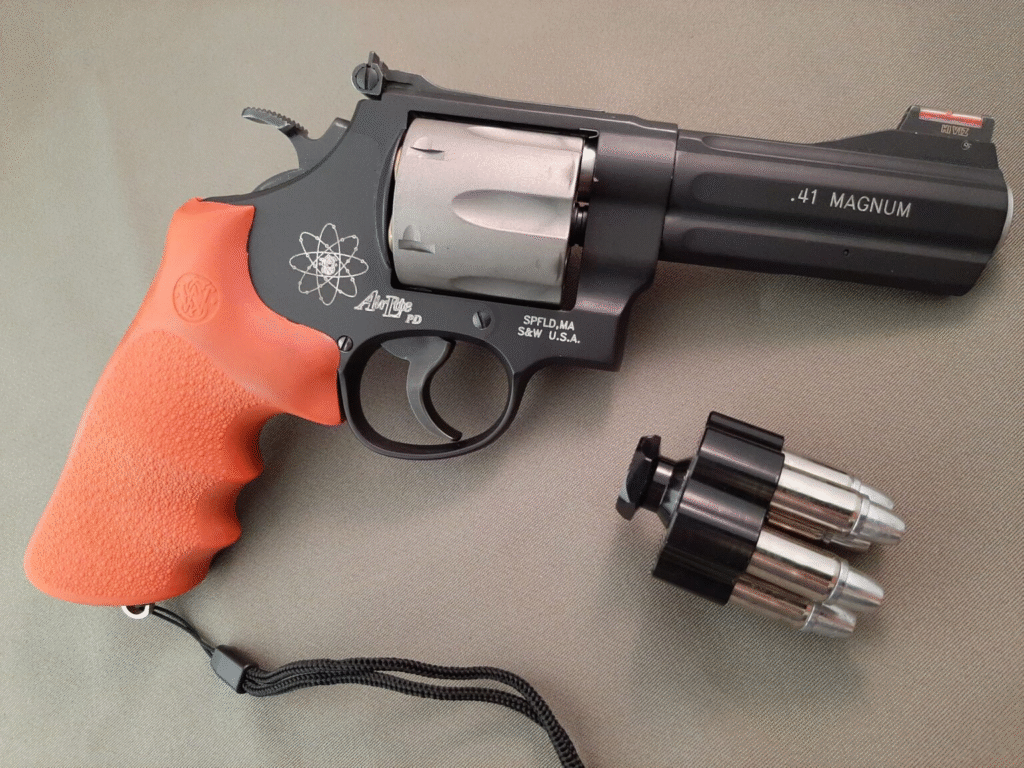
The two presented their vision to some of the major gun manufacturers, and ultimately, Remington, Smith & Wesson, Colt, and Ruger all signed on. The outcome was the .41 Remington Magnum, released in 1964, with Remington marketing a high-velocity hunting load as well as a reduced “police” load.

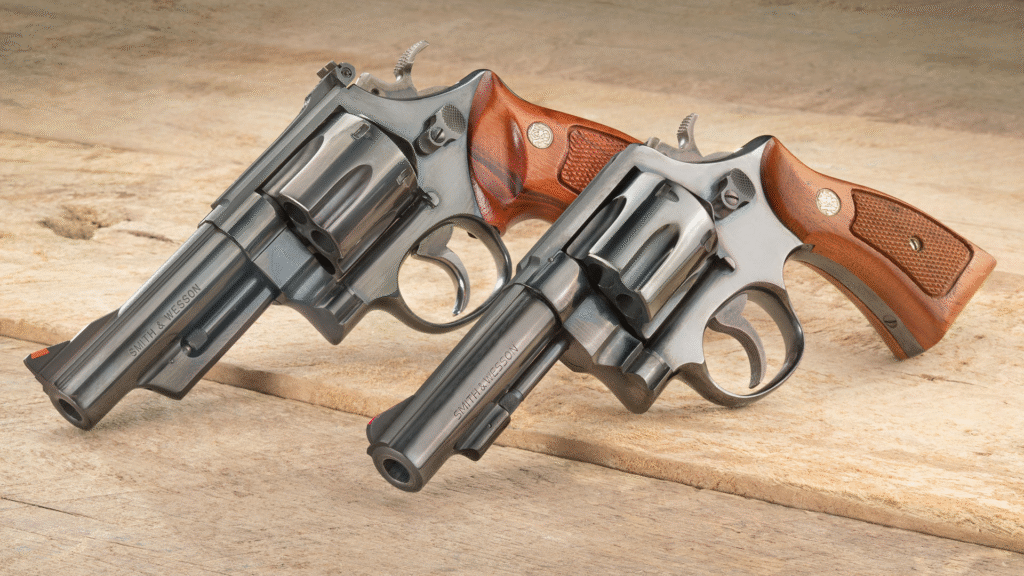
Technically, the .41 Magnum was impressive. Standard factory loads propelled a 210-grain bullet at velocities ranging from 1,200 to 1,500 feet per second, depending on barrel length. This gave it a flatter trajectory and had more energy than the .357 Magnum, but with recoil that was noticeably softer than the .44. In practical application, it was strong enough to bring down deer, hog, and even black bears, yet still handled for most shooters. Its accuracy earned it popularity among metallic silhouette competitors who enjoyed its capability of knocking down steel targets from as far away as 200 meters.
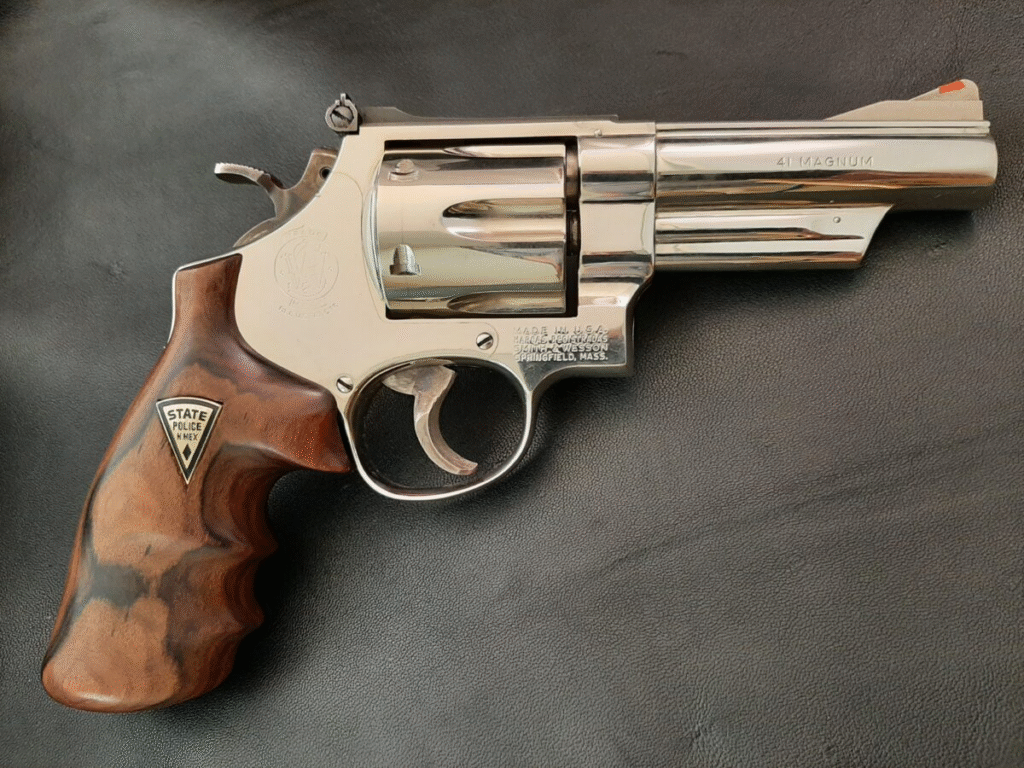
But the .41’s service with law enforcement was short-lived. The Smith & Wesson Model 57 and the simplicity of the Model 58 were robust revolvers, but were larger and heavier than the .38 Specials police officers were accustomed to. Even the diminished police load kicked harder than most could handle with ease, and the full-power hunting load was hard to manage on duty.
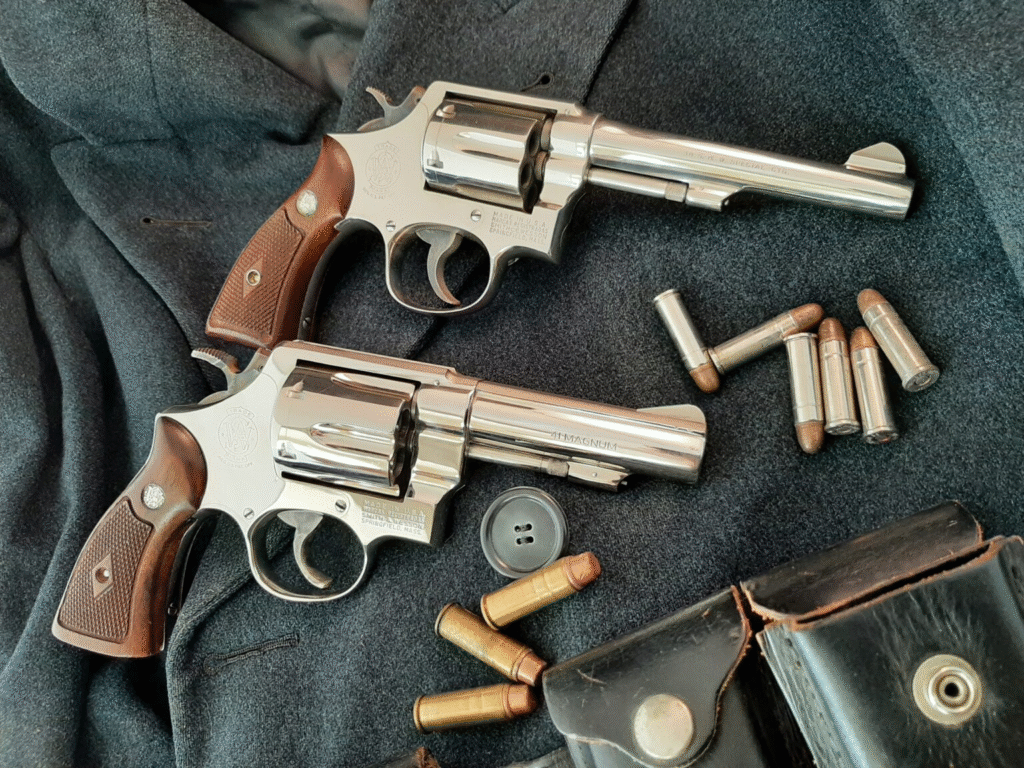
A few Texas, Nevada, and San Francisco departments experimented with the Model 58, but weight, recoil, and increasing use of semi-automatic pistols led most agencies back to more traditional calibers eventually. Yet devoted enthusiasts still existed. One of the Detroit police officers publicly acclaimed the police load for its “one-shot stop” capabilities.
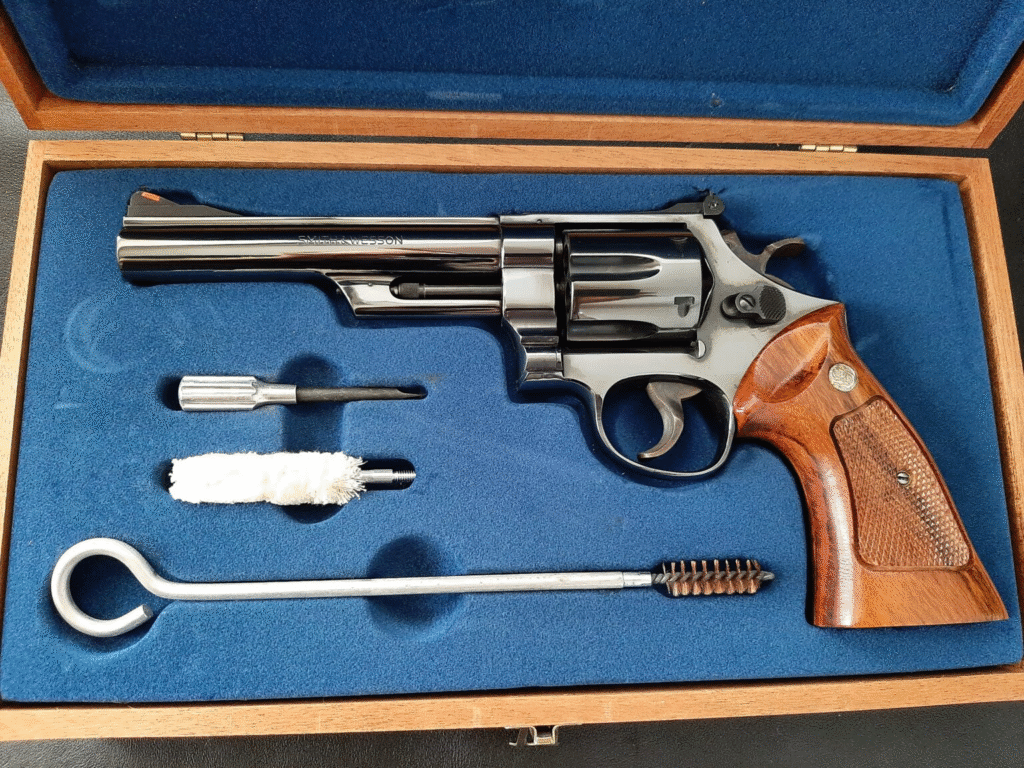
Out in the field was where the .41 Magnum excelled. Hunters appreciated its potential to deliver heavy hitting with a little less recoil than the .44 Magnum. The cartridge became known for its accuracy, partly due to exacting manufacturing tolerances. Seasoned hunters who employed the .41 on hogs and deer usually discovered very little performance difference from the .44, except that the shooting felt less brutal. For those looking for a magnum revolver that was “just right,” the .41 was a leading selection.
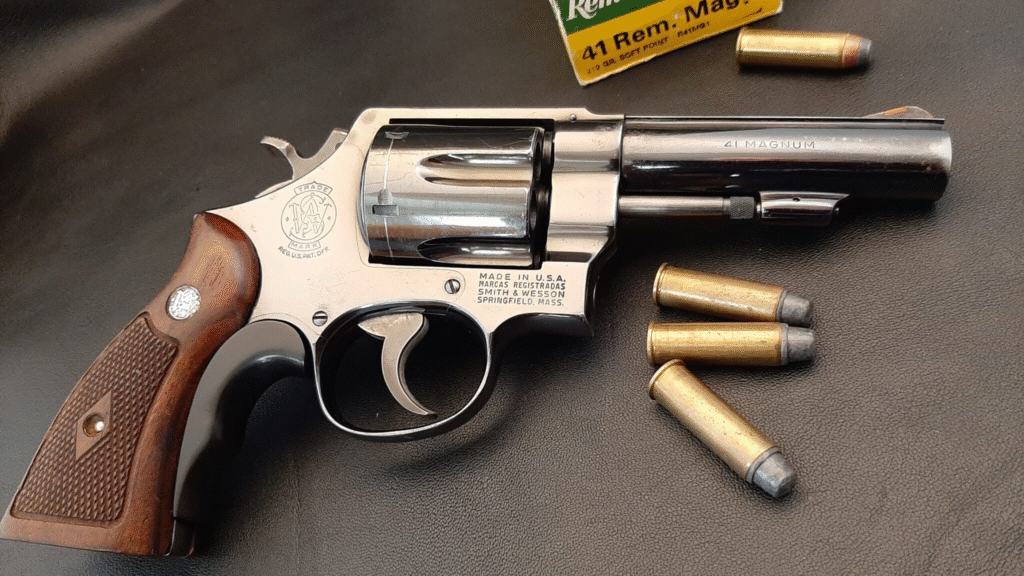
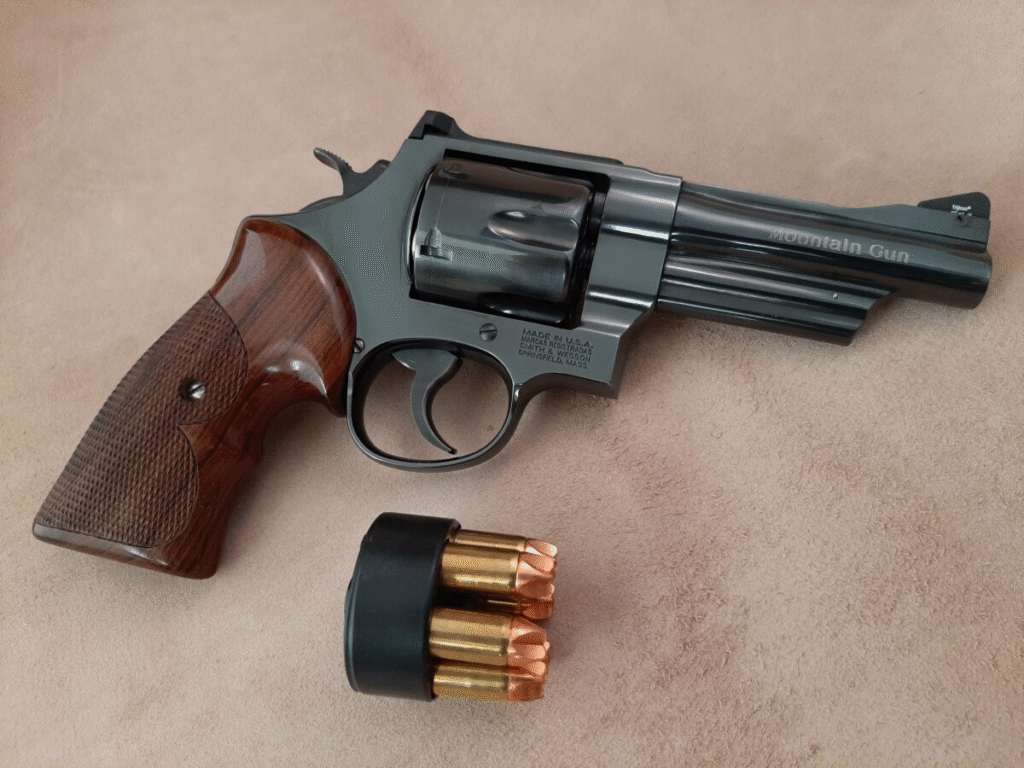
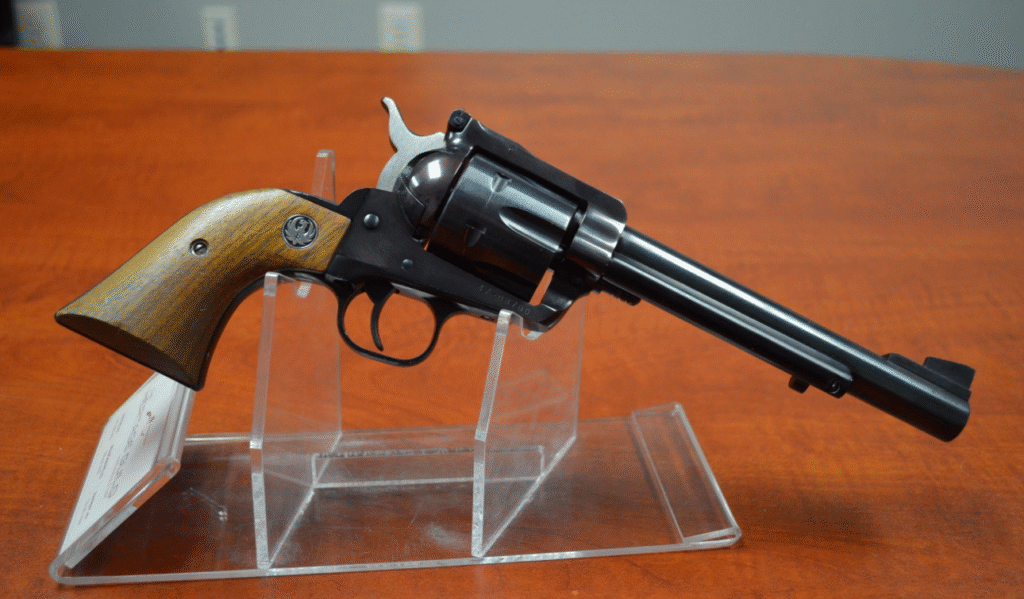
The firearms chambered for .41 Mag show their enduring popularity. Though the Smith & Wesson Model 57 is the classic, Ruger’s Blackhawk and Super Blackhawk revolvers, Taurus’s Model 415, and even Marlin and Henry lever-action rifles have all seen the round. Types of ammunition have expanded, with manufacturers making everything from light hollow points to heavy hard-cast lead bullets.
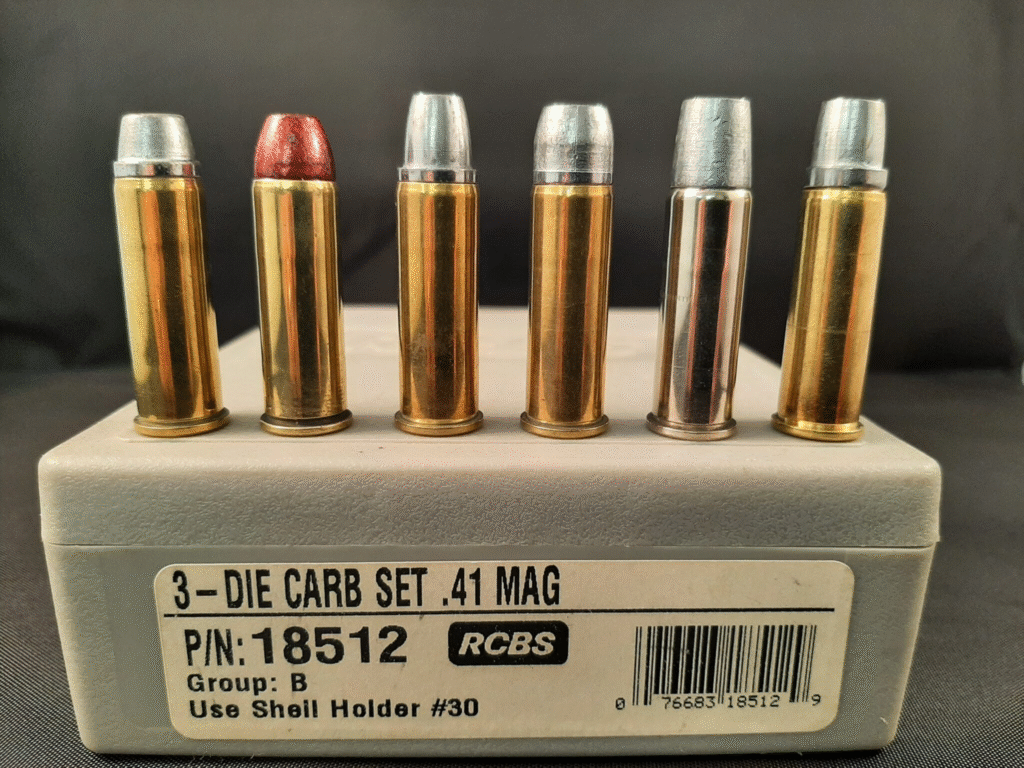
Handloading has played a significant role in the .41’s history, allowing shooters to tailor loads for target shooting, hunting, or defense. Since factory ammunition diversity has never been great, handloading never really went away.
The .41 Magnum might not have become the mass-market police cartridge its inventors envisioned, nor supplanted the .44 Magnum in popularity, but it never went away. With contemporary ammunition, improved revolvers, and a loyal constituency, the .41 Magnum still retains its niche for hunting, self-defense, and recreational target shooting.

Its combination of power, precision, and controllable recoil remains appealing to shooters seeking something a little out of the ordinary—something that works when it’s most important. Though not the best-known magnum, the .41 Remington Magnum has secured a lasting spot in American handgun heritage.