
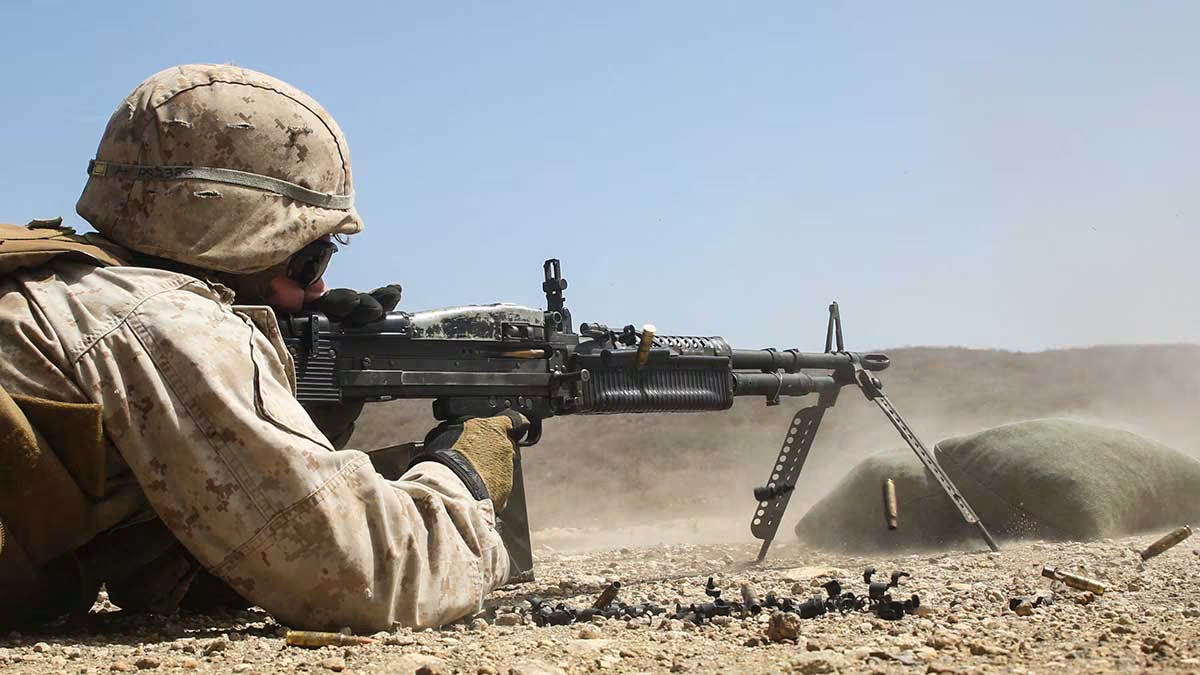

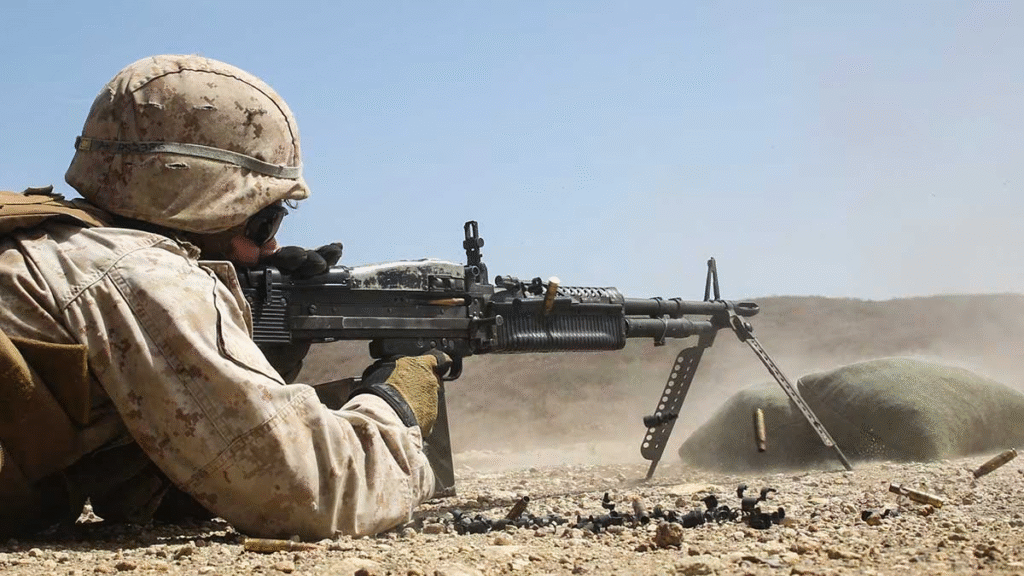
Few weapons have left as lasting an impact on contemporary infantry warfare as the M60 machine gun. Troops fondly and in frustration dubbed it both “the Pig.” In Vietnam, it represented American power and gritty determination. Noisy, cumbersome, and perpetually ravenous for ammunition, it might be a lifesaver one minute and a logistical nuisance the next—but to the crews who bore it, it became almost an old friend.

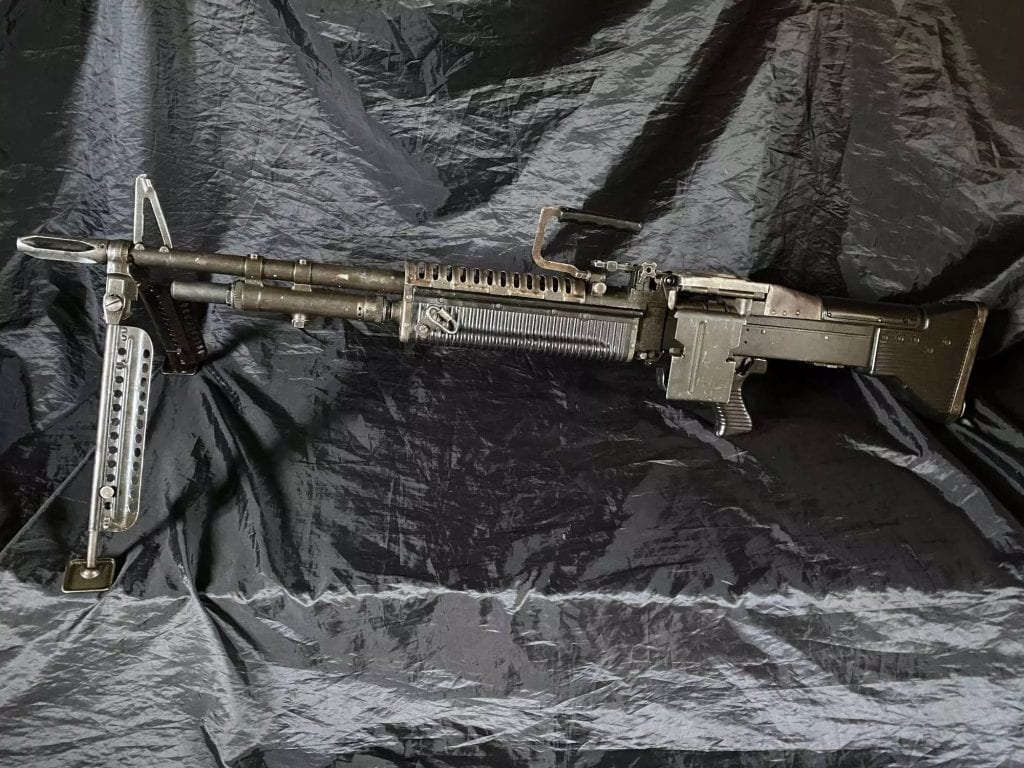
The M60’s history started during the post-World War II period when the Army sought a lighter and more versatile substitute for the Browning M1919. Designers drew lessons from modern weapons—most significantly, aspects of the German MG42 and the FG42—and integrated them into a general-purpose machine gun that could fill multiple purposes on the battlefield.

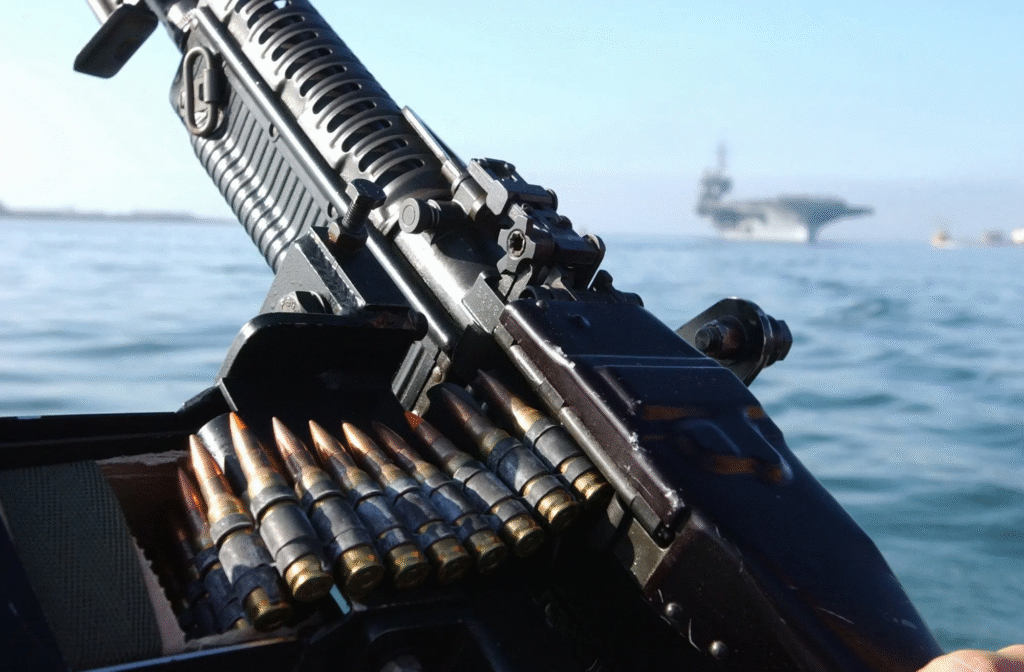
Construced from a stamped-steel receiver to reduce weight and facilitate manufacturing, the M60 utilized a gas-piston mechanism, was belt-fed from the left through disintegrating links, and fired from an open bolt to enhance cooling and minimize the likelihood of cook-offs during prolonged bursts.

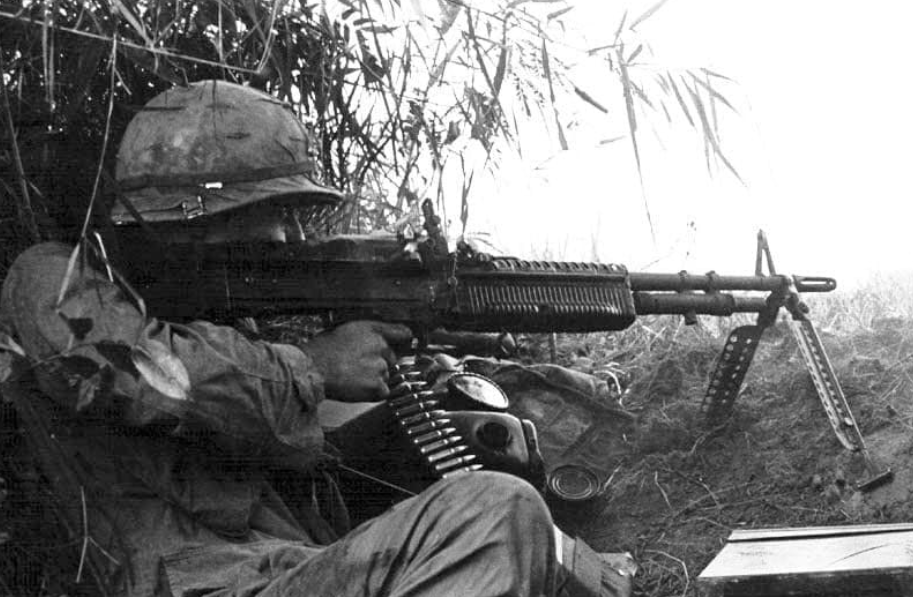
Even with attempts to make it lean, the M60 remained significant. Empty, it tipped the scales at around 23 pounds; factor in a loaded belt of 7.62×51mm NATO, and the weight rose to around 26 pounds. That was an imposing burden for any grunts to bear, but that weight purchased continuous fire—some 550–650 rounds per minute—enough to pin down hostile positions and provide friendly soldiers the space they required.

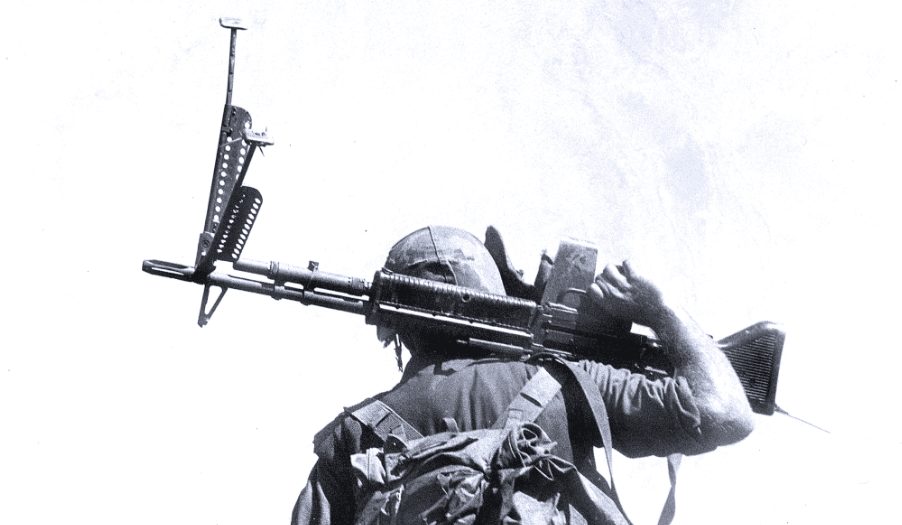
The weapon had character and idiosyncrasies. The muzzle-mounted bipod stabilized long bursts but contributed to the weight. The quick-disconnect barrel was invaluable during protracted engagements. The crews sometimes field-jerry-rigged the gas system in the field—safety-wiring components to maintain the mechanism under heavy use. When it worked correctly, however, the M60 was merciless and effective: its .30-caliber rounds tore up vegetation, blew through cover, and caused foes to keep their heads down.

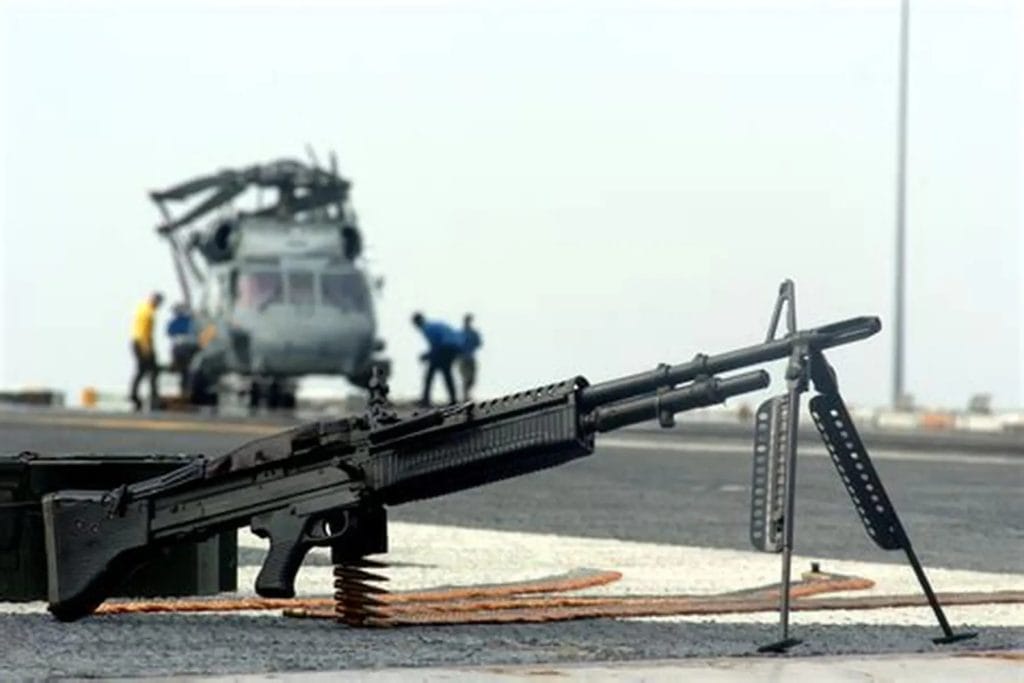
To the men who had it in ‘Nam, the M60 was sometimes more than equipment—it was survival. Victor Renza, an infantryman with the 4th Infantry Division, remembered training blindfolded on it and handling the weapon as a lifeline. “No. 1 Gun became my very best friend,” he stated. Since M60 crews were so precious in combat, gunners were prime targets; during the frenzy of a firefight, their visibility and value placed them at special risk.
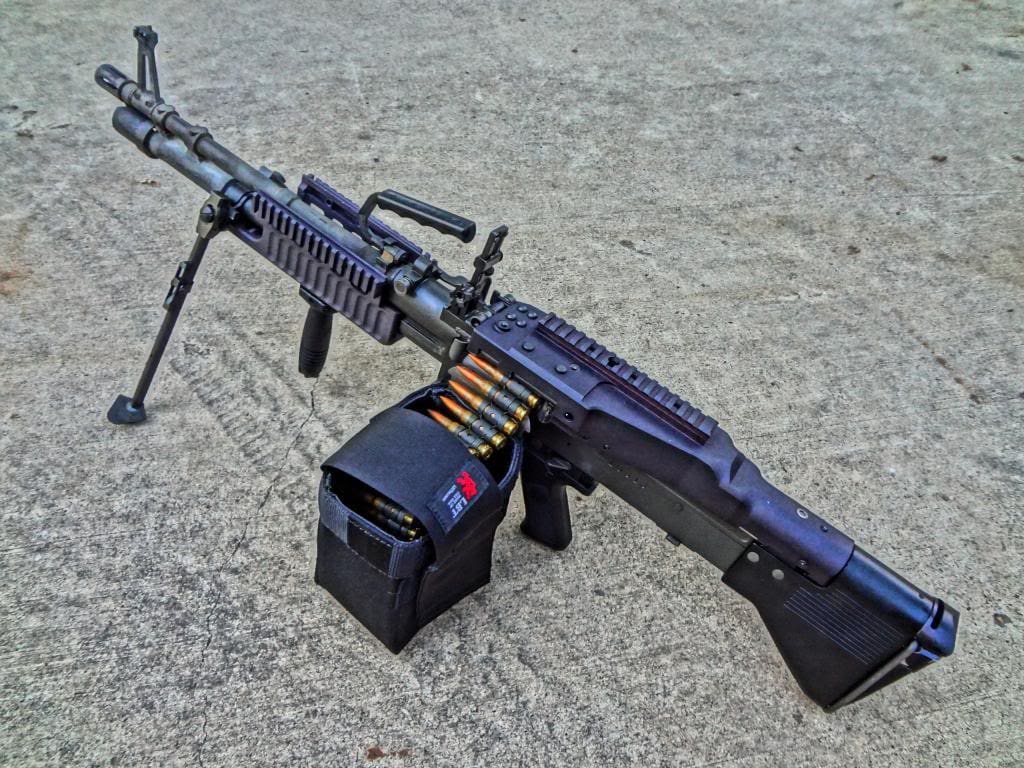
Tactically, the M60 had one function: to provide suppressive fire, pin down the foe, and cover advancing riflemen. An average infantry company would have eight M60s, with platoon gunners holding key defensive bunkers or delivering the volume of gunfire to thwart attacks.

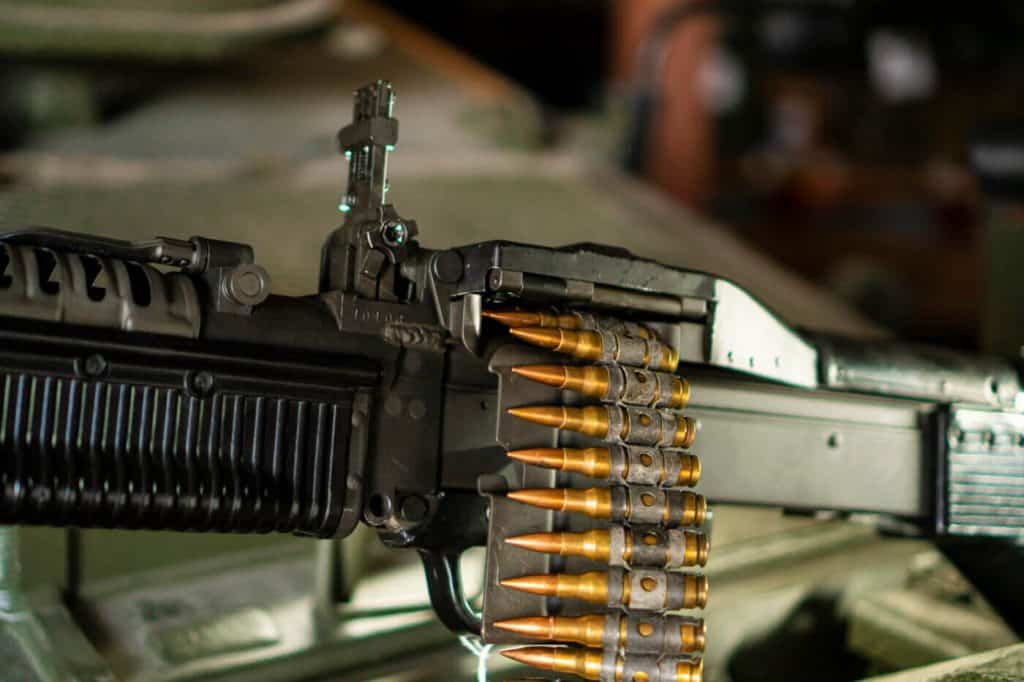
Its psychological impact was equal to its physical deadliness. The characteristic staccato of an M60 could intimidate an enemy force; Renza recalled firing 200 rounds up a riverbank one evening to keep enemy units at a distance even when they were unable to see their enemies in front of them.

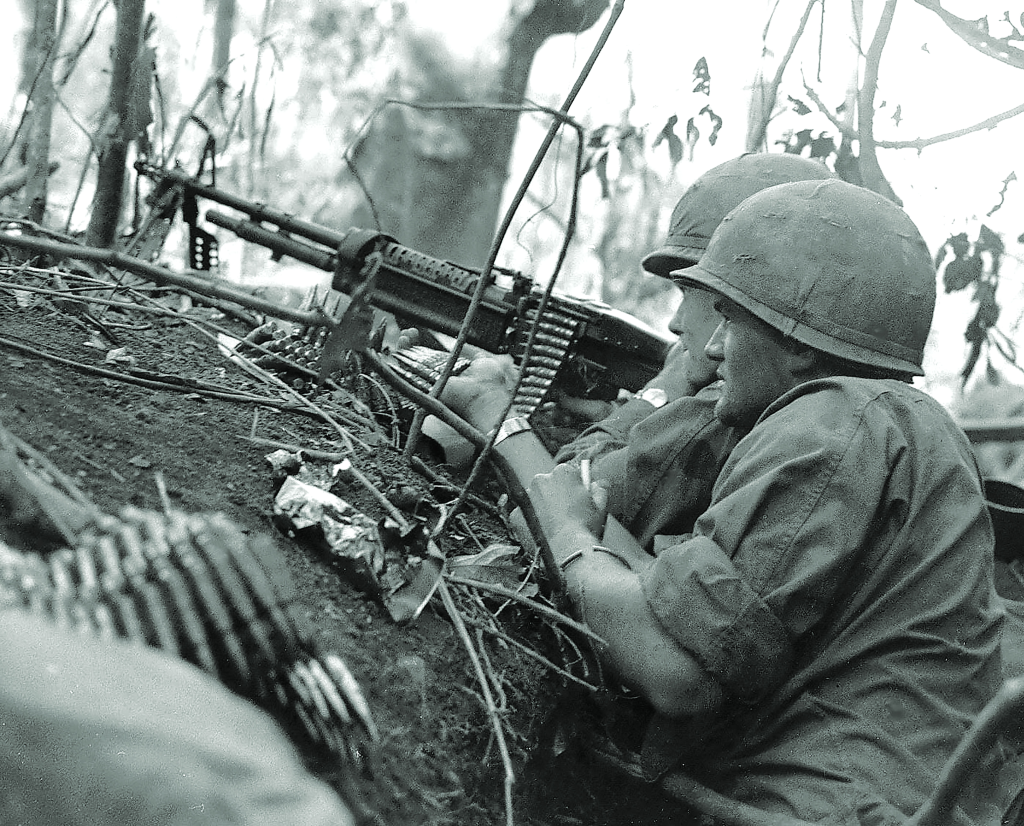
The load on the gunners was staggering. They carried the weapon, additional barrels, and several hundred rounds over punishing ground and under intense heat. Renza’s description of sneaking through a stream under fire along the Cambodian border—reloading belts, shooting to cover wounded comrades, and recovering dead—conveys the harsh reality of what M60 teams experienced.

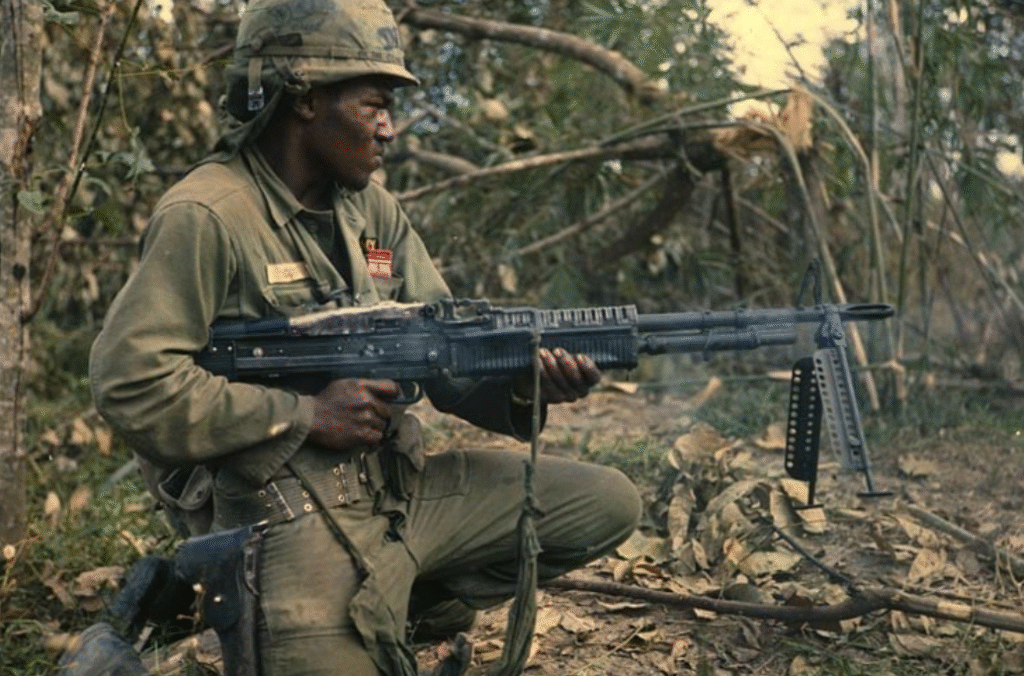
Outside the combat zone, the M60’s silhouette became part of the visual culture of the times. It’s remembered as part of movie shots and photo spreads, but to veterans, it was never a setting piece. It was an instrument of survival, a marker of cohesion among unit men, and sometimes a reminder of sacrifice. Topping it off to the next guy was relief and a small, private goodbye to a familiar friend.

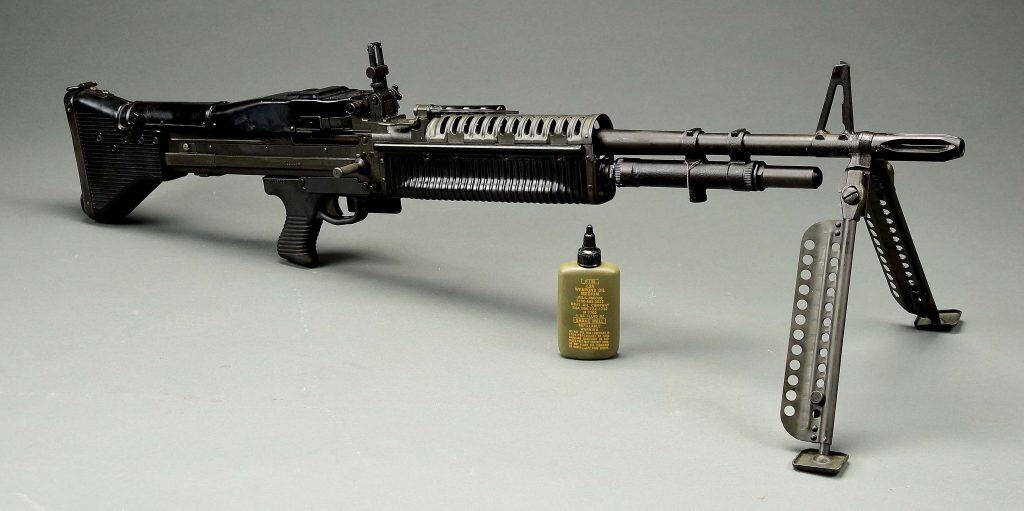
Nowadays, the M60 has largely been superseded by newer designs like the M240, but updated models and veterans’ tales ensure its memory does not fade. Its impact on infantry tactics and small-arms design persists: the demand for portable, trustworthy automatic firepower is perpetual. Maligned, heavy, and requiring fuss, the M60—under the expert handling of a crew—was the mainstay of American automatic firepower in Vietnam.