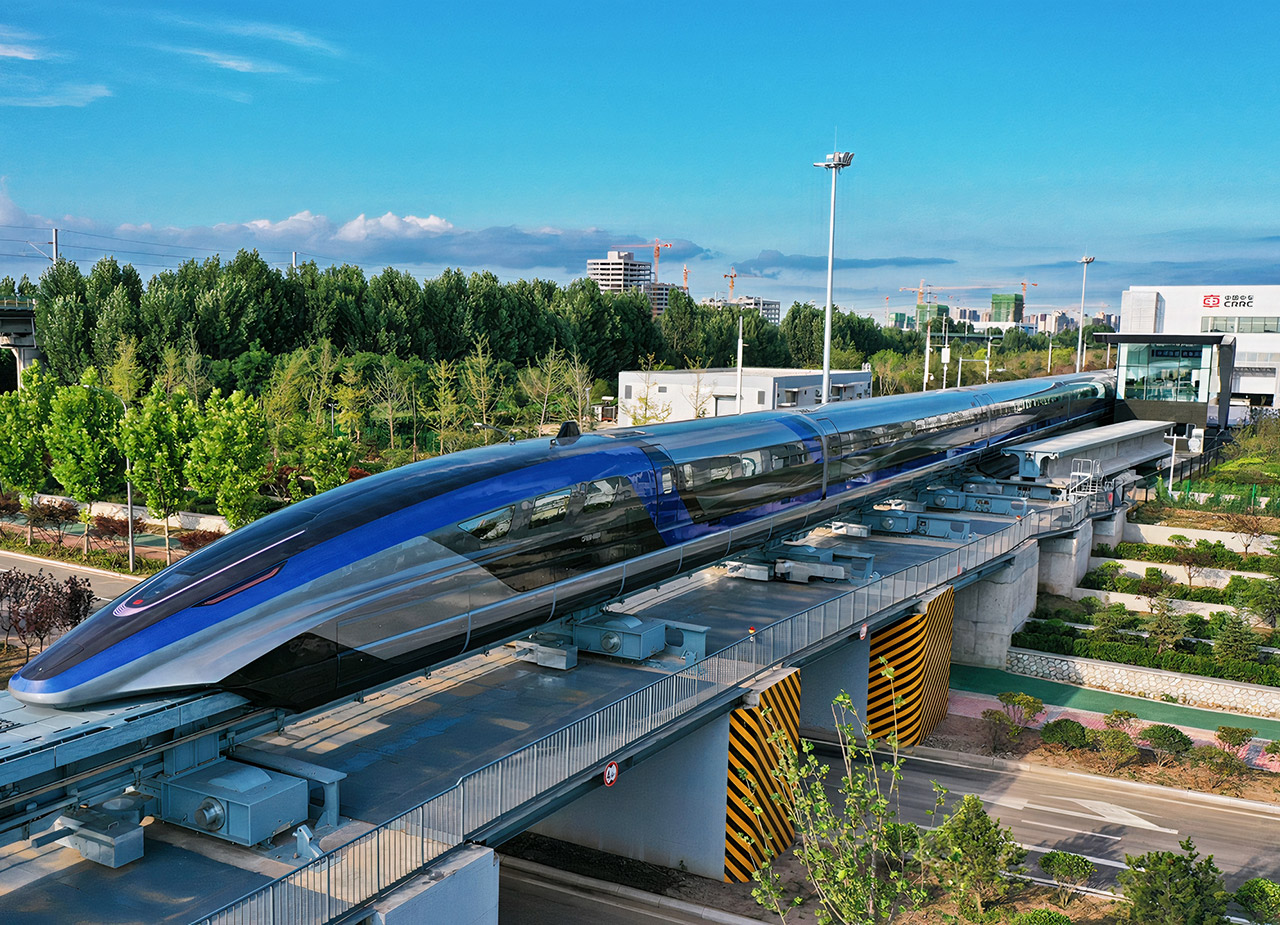
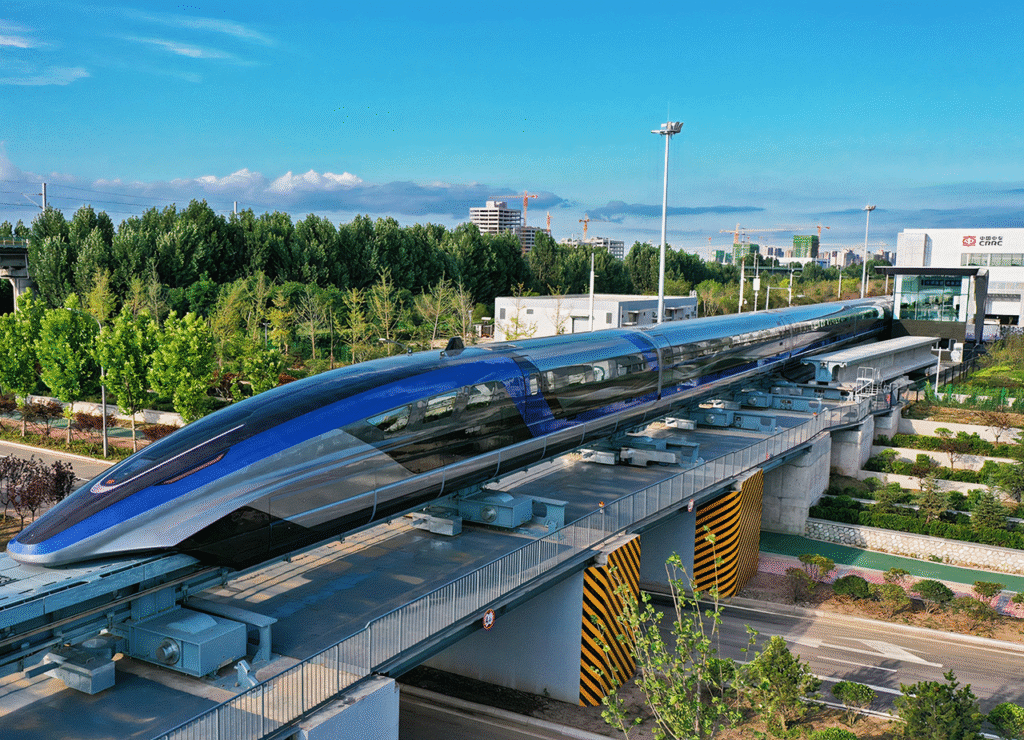
Magnetic levitation rail technology was once the dearly held but did not until now start to show real potential for transforming the way militaries move people and equipment. By allowing trains to move at high speeds with low friction and minimal maintenance, maglev systems have the potential to transform the way defense forces move logistics and deploy in emergencies. It is required of those seeking to study in military mobility to keep abreast with the new advances in the field.
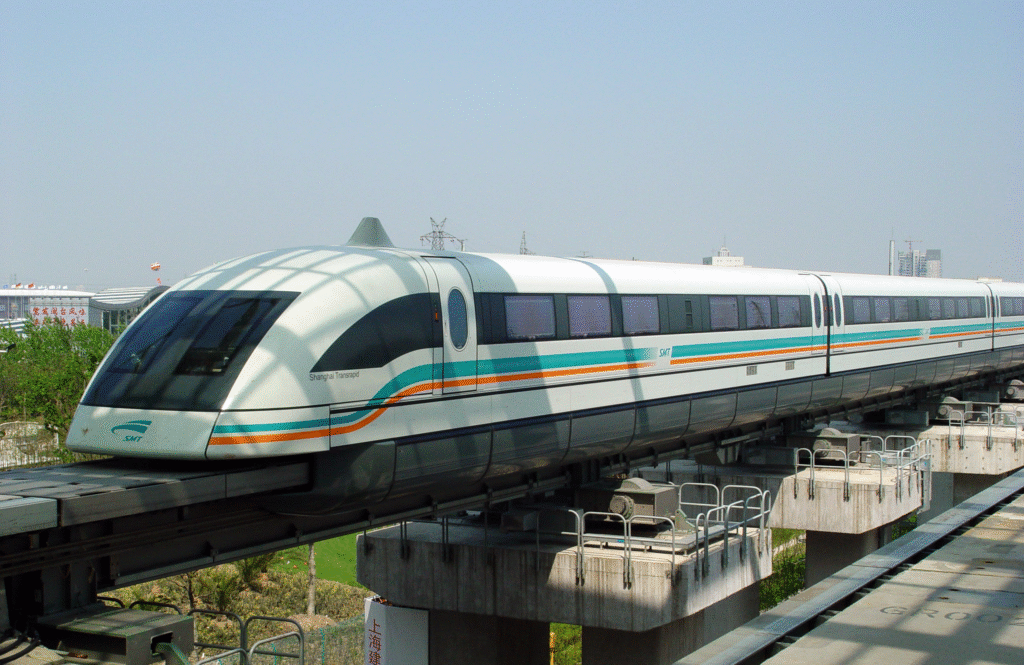
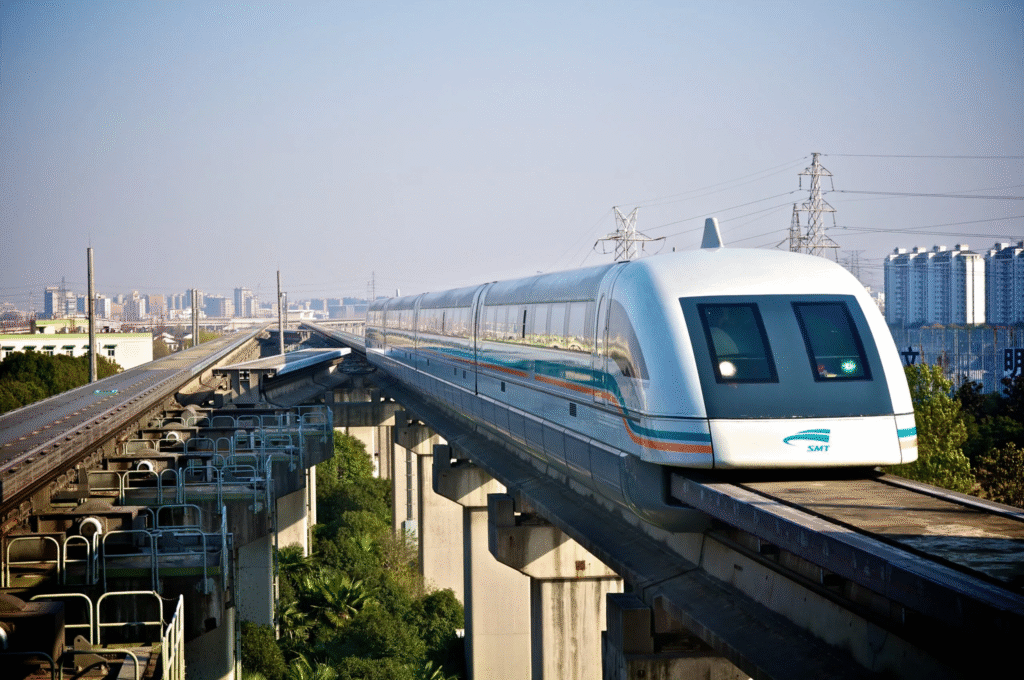
Maglev trains operate based on three main principles: electromagnetic suspension (EMS), electrodynamic suspension (EDS), and passive ferromagnetic levitation. EMS systems, which are used on passenger lines at high speeds in some parts of Europe and Asia, utilize powerful electromagnets to levitate and push the train a few millimeters above the track, dispensing with wheels and allowing speeds of over 400 km/h.
EDS systems utilize superconducting magnets and long-stator motors, featuring large air gaps and self-stabilized motion up to more than 600 km/h, but they necessitate specially constructed tracks and huge infrastructure — the largest hurdle to military use.
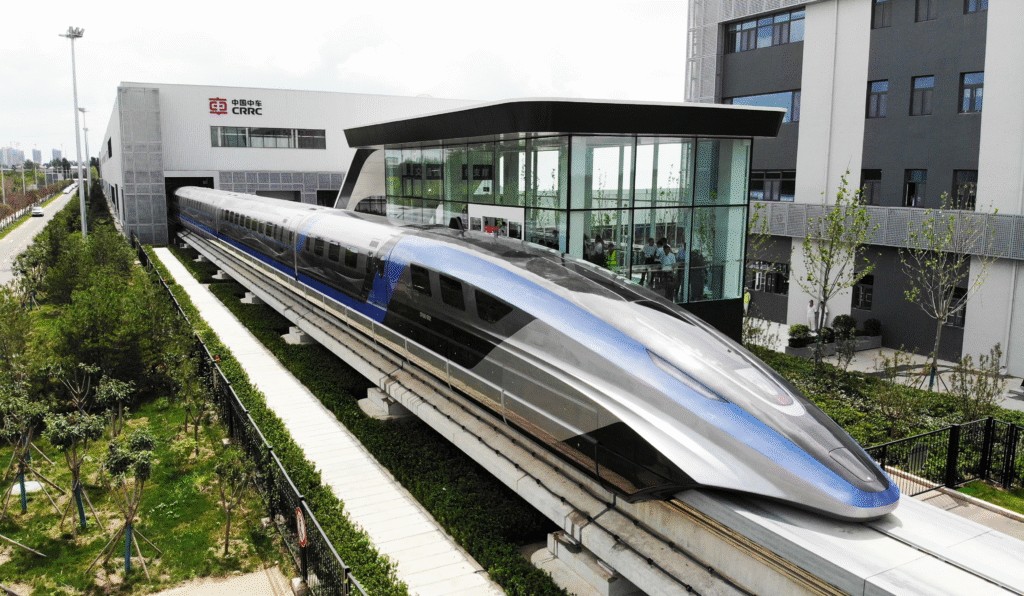
The true game-changer for defense logistics, however, is the creation of passive maglev systems, where vehicles are suspended above ordinary rails via permanent magnets. This decreases their energy needs by leaps and bounds and, most importantly, allows them to travel along current rail paths.
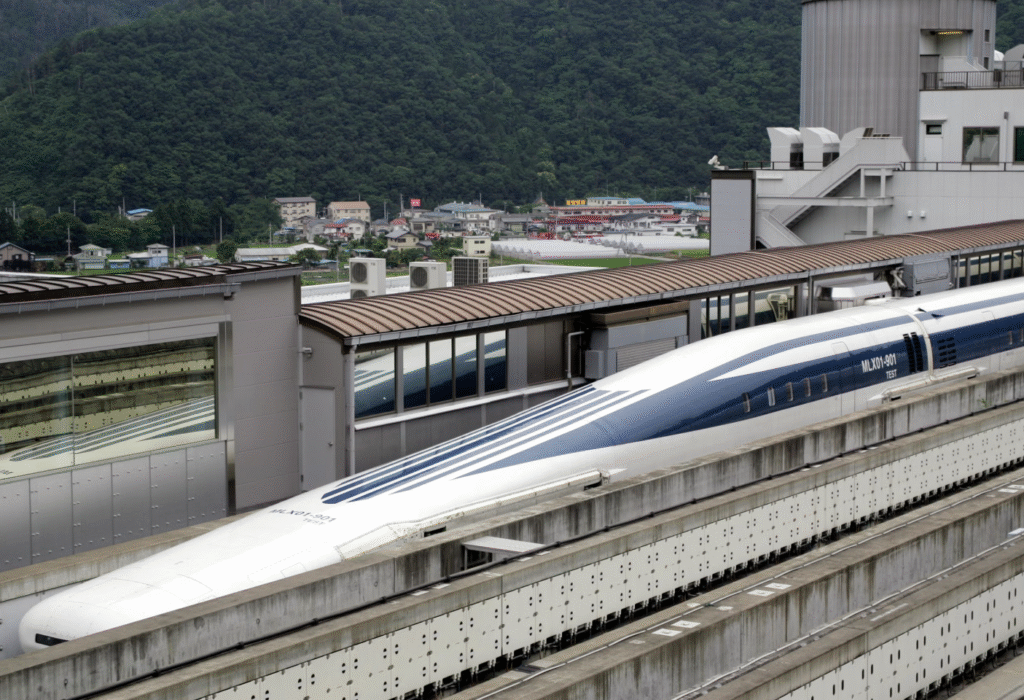
IronLev just conducted a one-ton test on a standard track in Italy, gliding for two kilometers at 70 km/h without modifying the rails. The tech uses magnetic skids that directly connect to the rails, giving a smooth, frictionless ride.
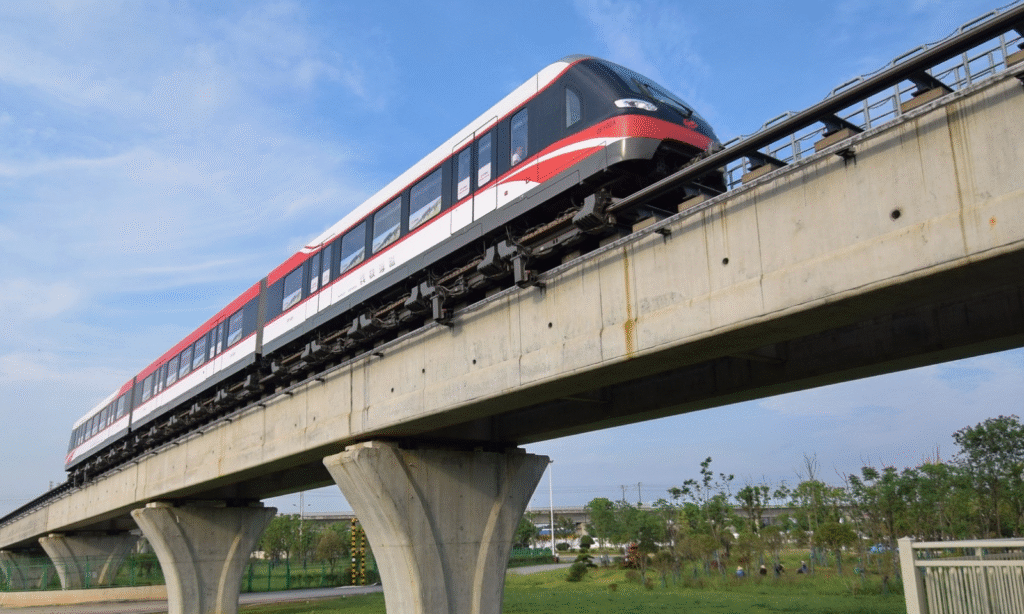
In Poland, Nevomo is developing MagRail technology, which will upgrade the current rail infrastructure with linear motors and magnetic drive. In this setup, both conventional and maglev trains can be used on the same track, with hybrid services possible in the next few years and complete high-speed corridors planned for the early 2030s. For defense planners, the capacity to rapidly retrofit current infrastructure—without decades of new construction—is a key tactical advantage.
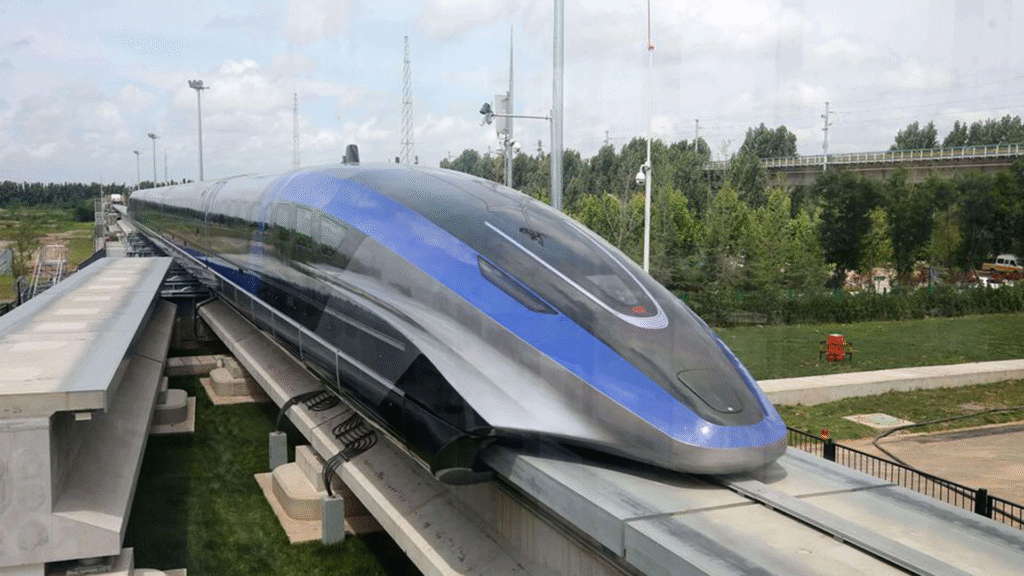
For military applications, the benefits are self-evident: silent, high-speed, low-maintenance troop and equipment transport with reduced equipment wear and tear and reduced long-term operating cost. IronLev’s co-founder has stated that their system can carry a 10-ton wagon on the same amount of energy needed to carry a small backpack, which means huge energy savings versus traditional rail. That means faster mobilization with a lighter logistical load.

In spite of this, there are some problems. Permanent magnets generally involve rare earth materials for which there are few suppliers around the world, which could pose supply threats. Integration of the maglev with conventional signaling systems, offering safety in high-speed operations, and optimization of control systems to deal with environmental and mechanical disturbances are also persistent technical challenges.
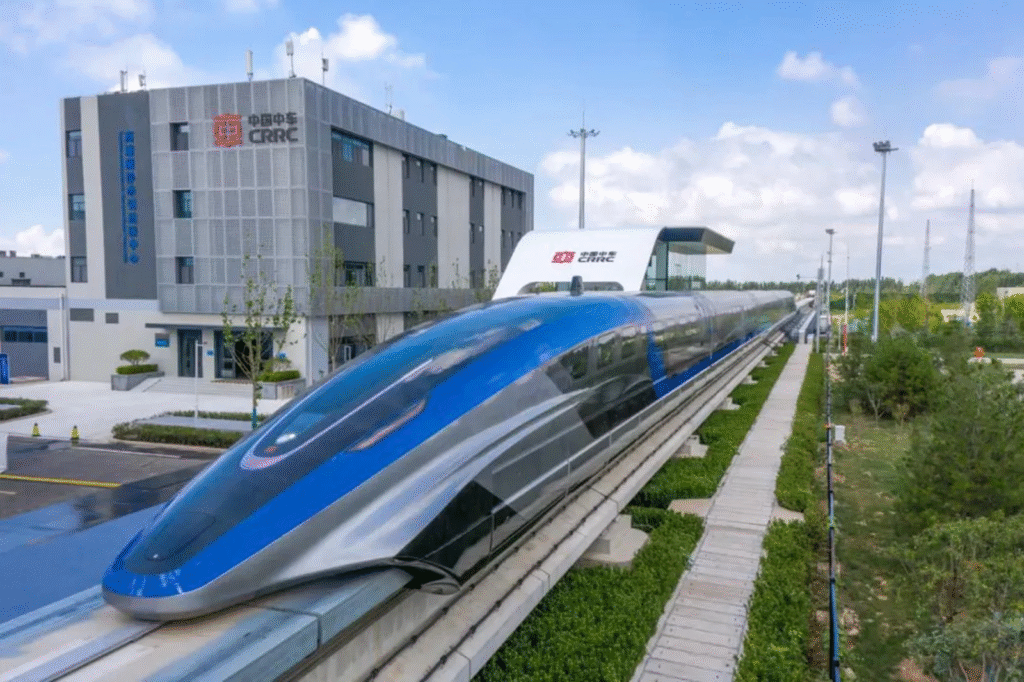
Engineers also need to address issues like vibration, noise, and magnetic shielding in order to ensure smooth operation in diverse environments.
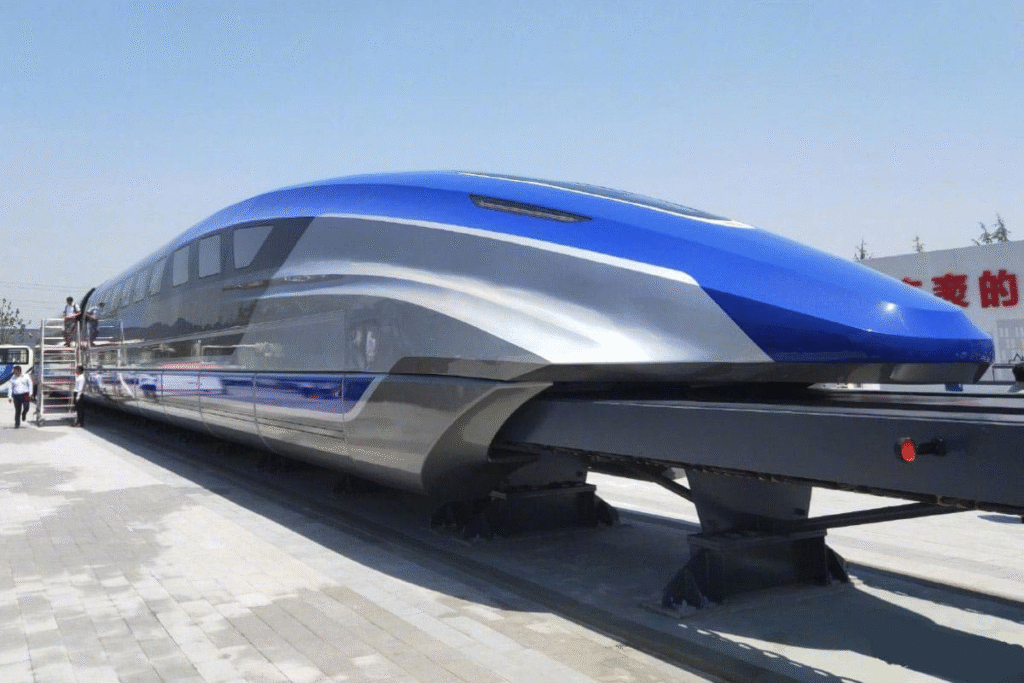
Progress in Asian areas of high-speed maglev has already shown that long-distance travel times are cut by a fraction of the conventional rail schedule. In Europe, focus is given to realistic, near-term methods like hybrid solutions and track retrofits. Corporate activities of IronLev and Nevomo exhibit how in-place rail networks might be upgraded into high-speed, low-noise, and energy-efficient transport corridors.

For defense planners, that means moving humans and equipment from one side of a continent to the other in hours, not days—a capability that has the potential to redefine defense logistics for decades.