
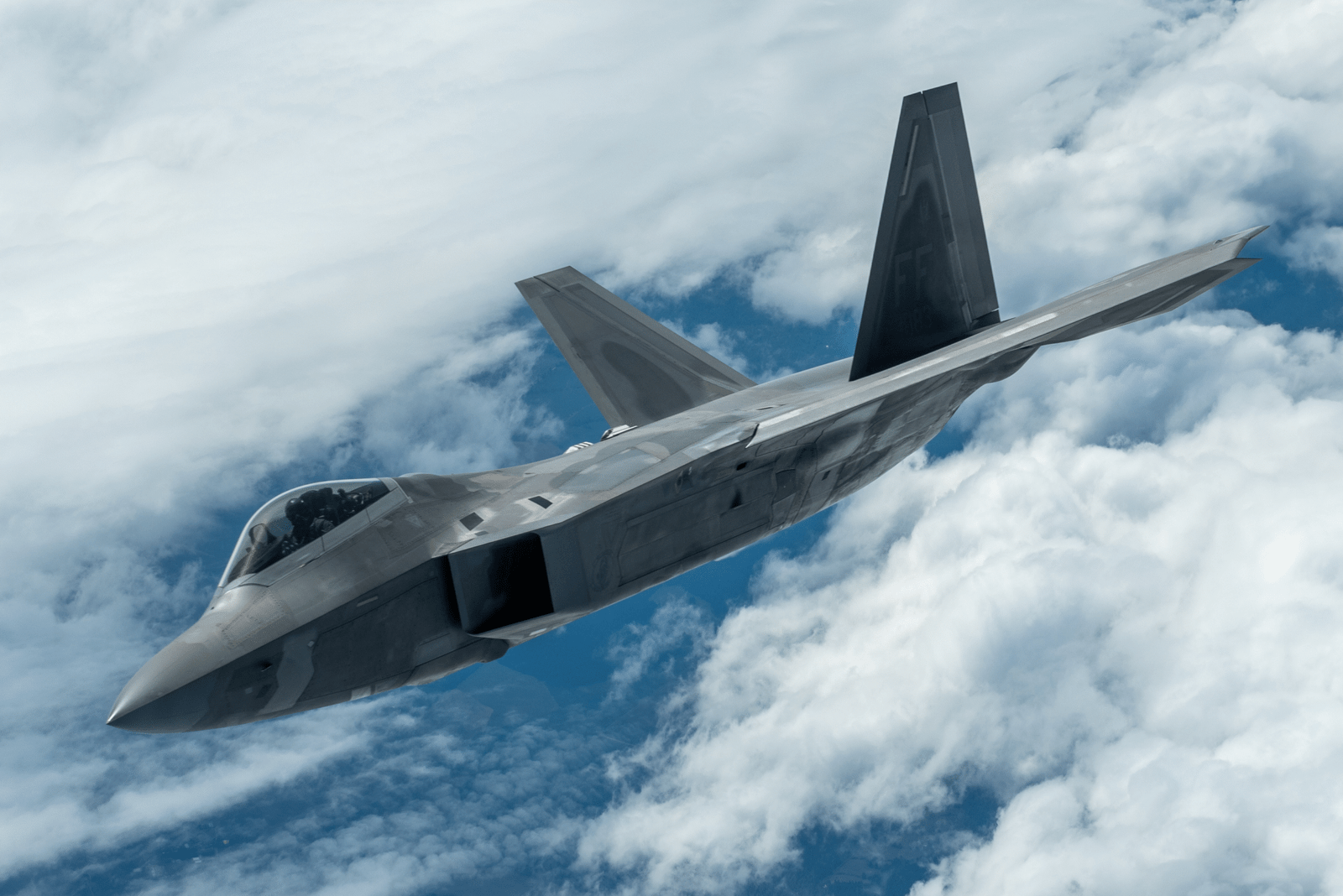

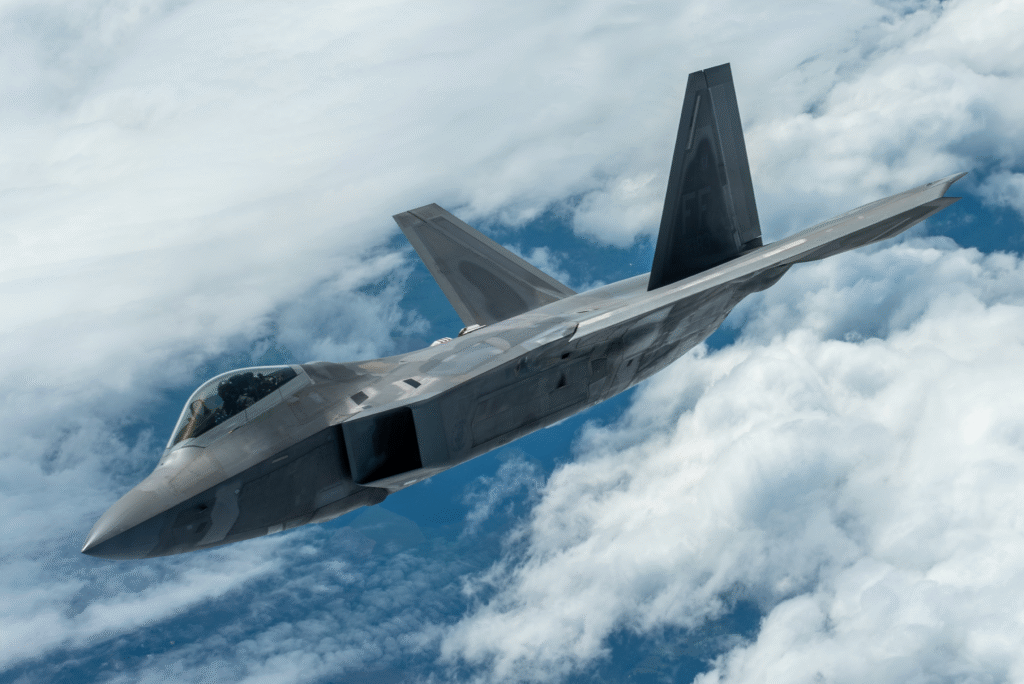
There is hardly any topic in the field of today’s aviation that can raise so much hot discussion as the comparison between the F-22 Raptor and the F-35 Lightning II. Both of these stealth fighters are the acme of US air combat design, but they were constructed with very different ideas. Nevertheless, both of them have their advantages and drawbacks. As air forces all over the world are getting ready for the new threats, it is more important than ever to know how these two differ.

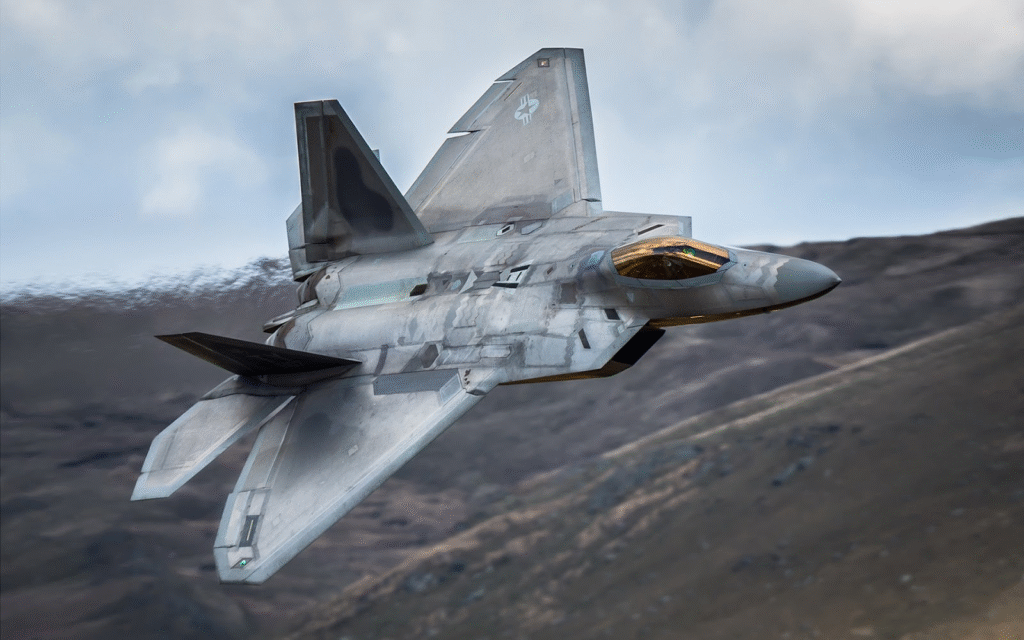
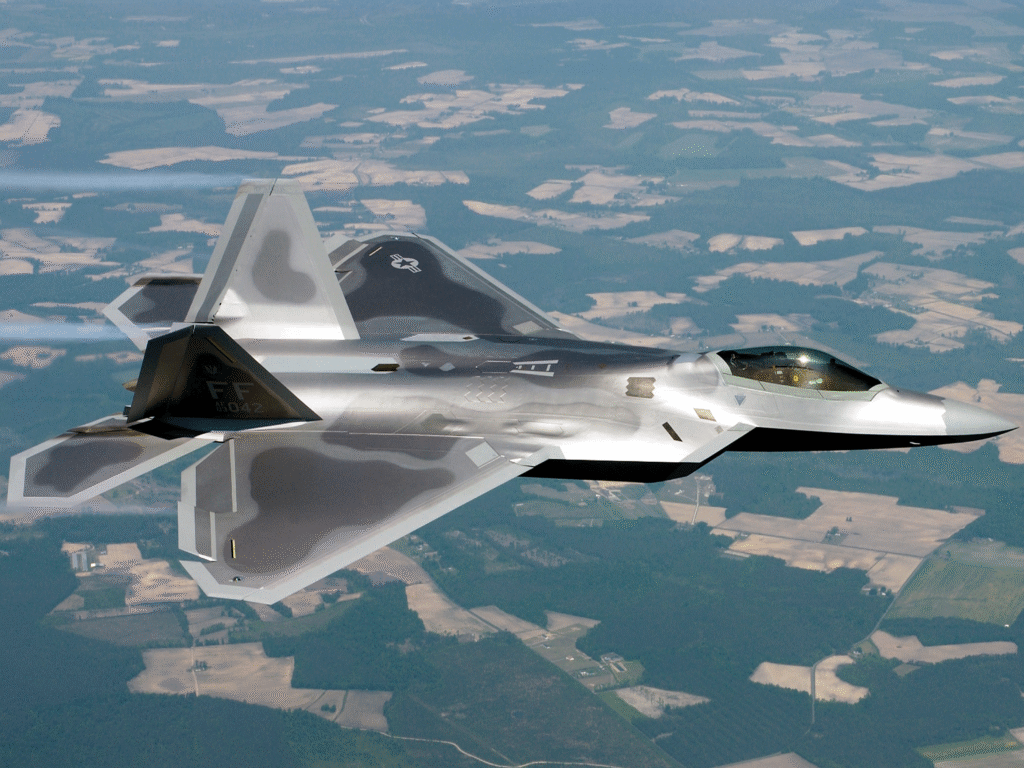
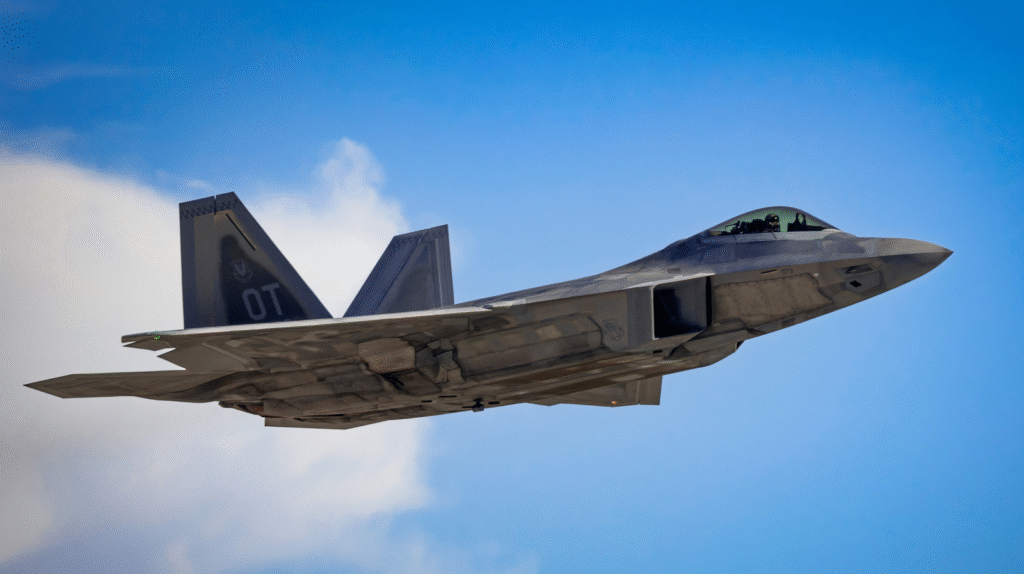
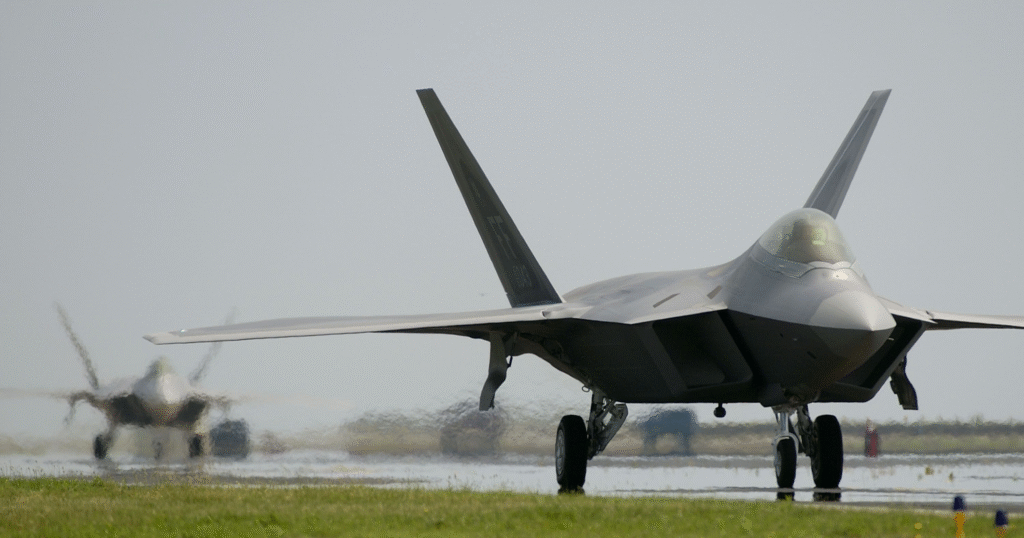
F-22 Raptor concept started with the U.S. Air Force Advanced Tactical Fighter program, a project supposed to produce the supreme jet of air superiority. The creation of it was a joint effort between Lockheed Martin and Boeing, and the first flight of the aircraft was in 1997. Aiming to be quick, stealthy, and top agility, it hardly took any time to establish the standard of excellence in air battles. A number of about 180 Raptors were constructed, and thus, the export was prohibited in order to protect the highly classified technologies used inside. Though the production was stopped in 2011, the Raptor keeps getting updates to maintain its competitiveness in the modern battlefield.

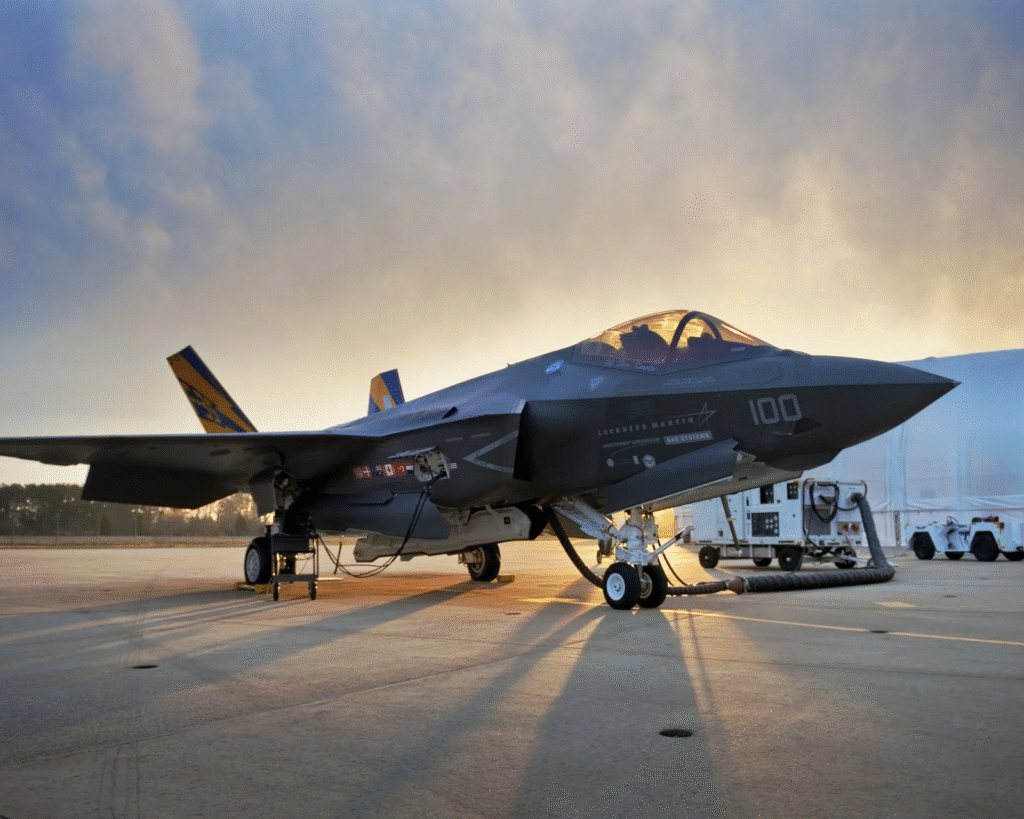
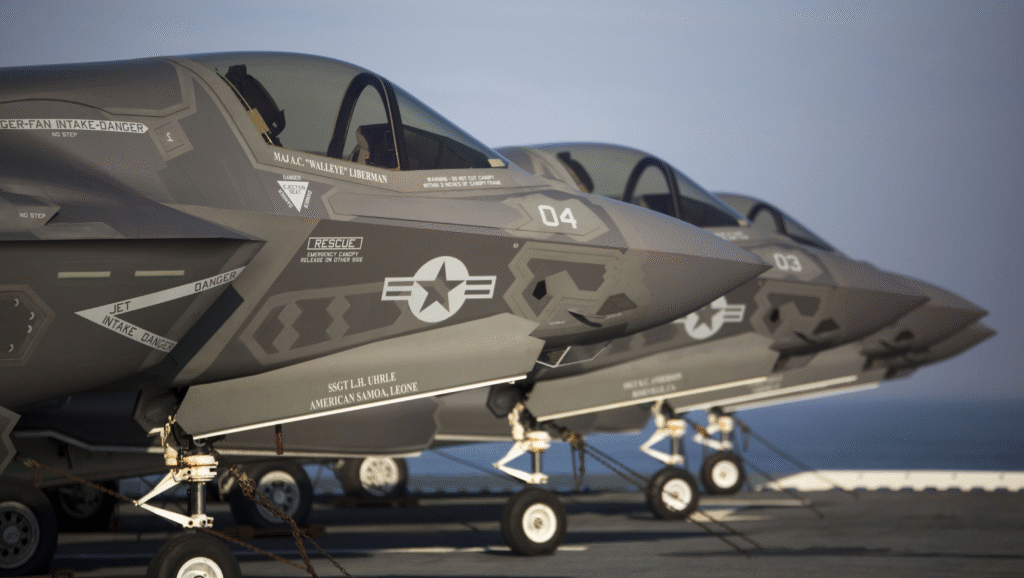
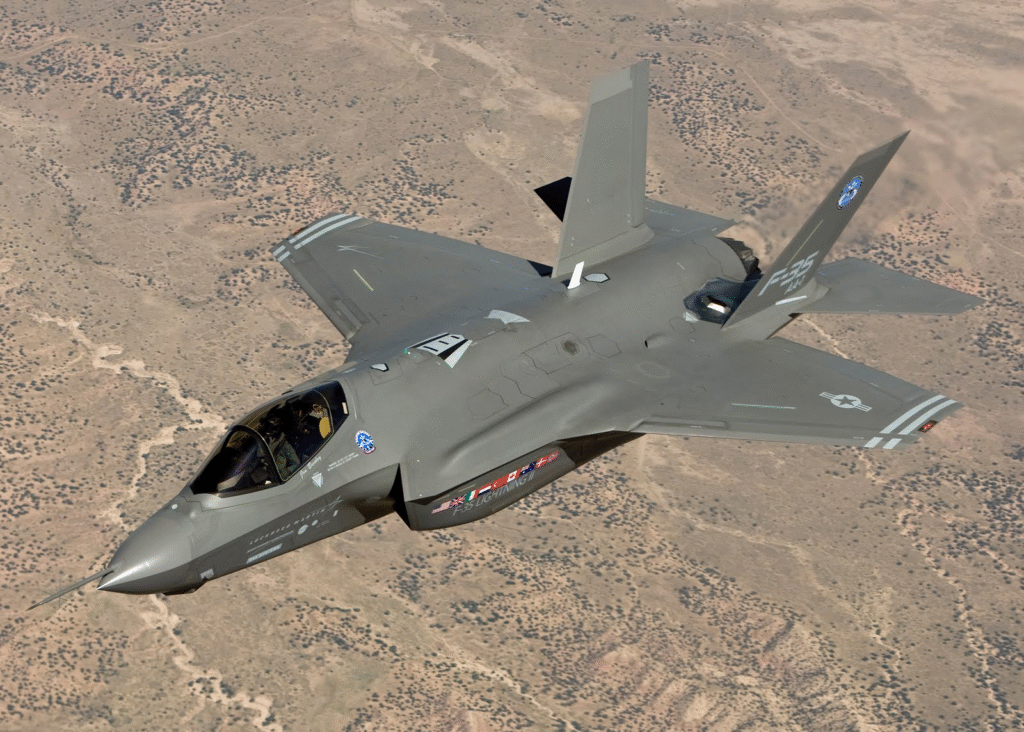
The F-35 Lightning II story was quite the opposite. The Joint Strike Fighter program was its origin, so it was initially designed as a multirole aircraft that could be adapted for Air Force, Navy, and Marine Corps use. The first flight was in 2006, and it officially entered service in 2015. Since then, the F-35 has been the most popular fifth-generation fighter, being the best-deployed fighter globally with more than a thousand units in service and thousands of hours done in real operations.

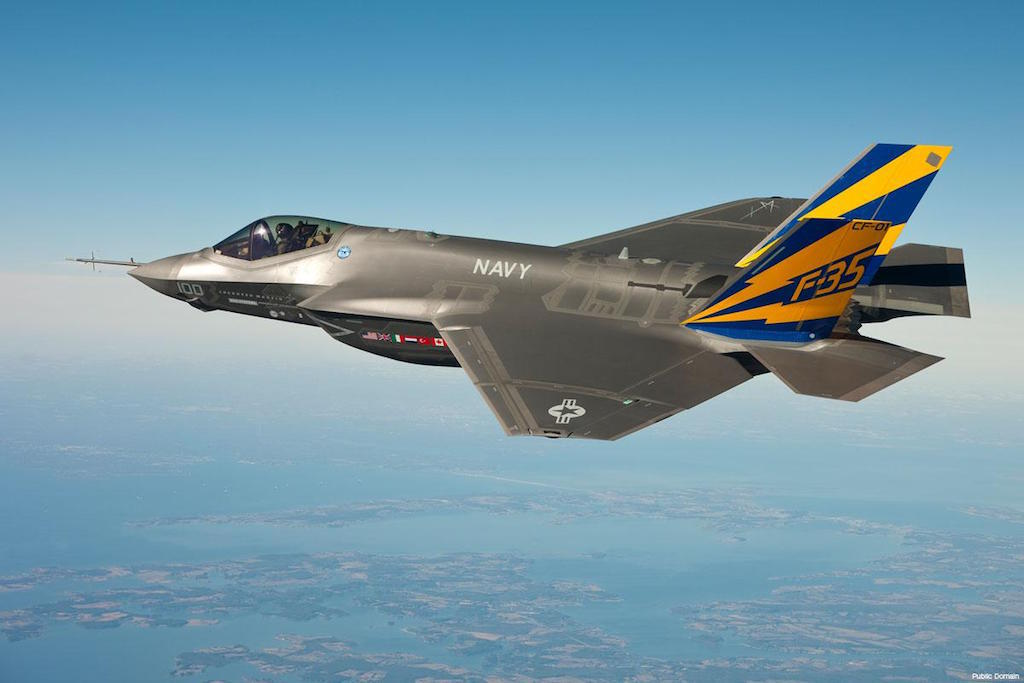
Comparing their raw potential, the F-22 still outclasses them all. With a maximum speed of Mach 2.25 and thrust-vectoring engines that offer unrivaled maneuverability, it continues to be one of the best dogfighters ever made. Its capability to soar at more than 60,000 feet per minute makes it superior in pure aerial combat against the F-35, which has a lower climb rate. This makes the Raptor a specialist in interception and close-in air combat.

On the other hand, it is worth noting that the F-35 was never conceived to be the Raptor’s rival in terms of speed or agility. Its real strength is in the sophisticated electronics and the unmatched flexibility that it has. The cutting-edge radar, electro-optical systems, and advanced data fusion that the Lightning II is equipped with give pilots a view of the battlefield like never before. It was brought in to excel in complicated, high-threat arenas, and that is by being such a perfect link to the rest of the forces, and thus turning information into a winning edge.

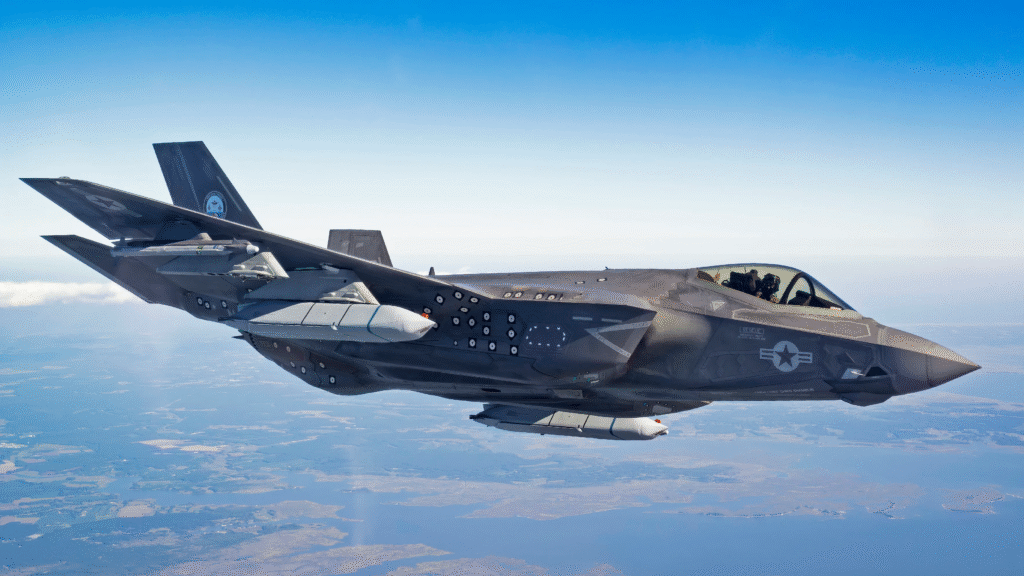
The feature that changes the F-35 is this adaptability. It is capable of effortlessly transitioning between air-to-air and air-to-ground engagements, as well as carrying out reconnaissance, attacking sea targets, and even carrying nuclear. F-35 is often compared to the “quarterback of the skies,” as it can manage the different parts in operation across air, land, sea, space, and cyber. It is thus no longer just a fighter jet but a force multiplier in joint operations.

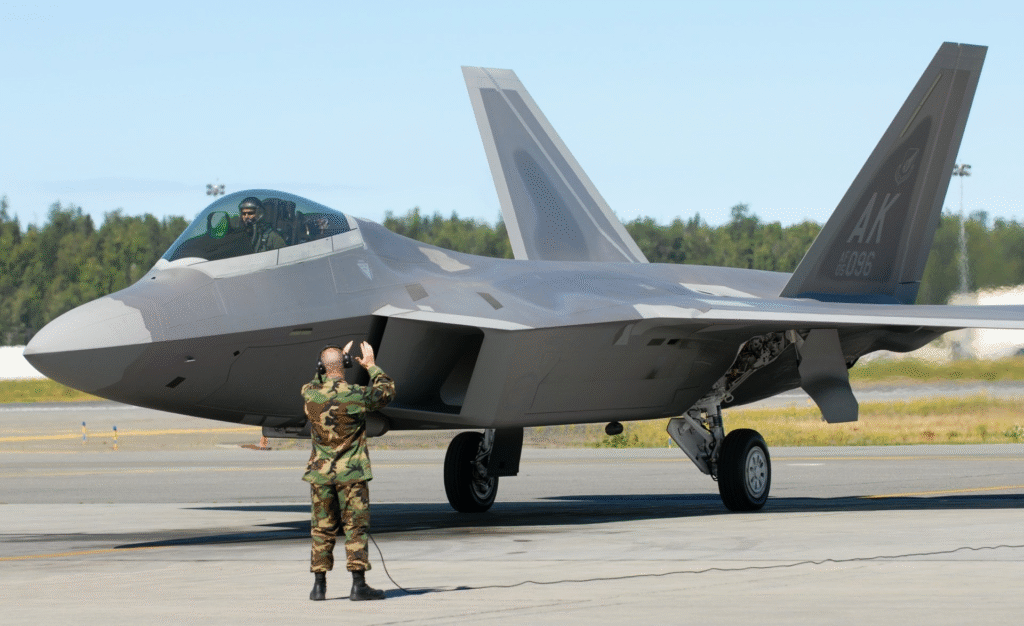
Despite the fact that stealth is one of the fundamental features of both aircraft, their respective methods are quite different. F-22, which is bigger and made for raw performance, has a radar cross-section that can differ depending on its weapons load. The F-35, conversely, was specifically made to be less visible to common fire-control radars. When combined with its electronics, this means the F-35 pilot can spot the threat without being spotted, thus gaining a critical edge in contested areas.

Nevertheless, all of these do not come easily. F-35 is the most costly defense program of all time, with estimated lifecycle costs of more than two trillion dollars. The issues of delays, maintenance difficulties, and technical barriers have led to concerns about the long-term affordability and readiness of the program. Work is always going on to improve the engine and cooling systems, but a lot of work is still left. In order to help reduce the cost, both the Air Force and Navy have reduced the number of flying hours by which they had originally planned to do so.

Moreover, training for pilots of these aircraft is quite different as well. Heavily visual combat of earlier fighters is not used much in the case of fifth-generation aircraft that operate at range, using advanced sensors to fight before they are detected. In addition to mastering the flight controls, pilots must also be proficient with the complex sensor systems and the rapid interpretation of data. The main focus of the present-day training is on the development of the qualities of situational awareness, adaptability against the changing threat, and coordination in the different domains.

In advance, the American is presently on its journey to the next stage, which is the program Next Generation Air Dominance. At the moment, the F-47, the main focus of the program, is scheduled to outclass the Raptor on range, stealth, and adaptability with a design that emphasizes sustainability and modular upgrades to meet future threats.

The fight between the F-22 and F-35 is not so much about finding the single “winner”, but rather acknowledging changes in airpower technology. While the Raptor still retains its dominance in raw close combat, the Lightning II extends the boundary of what it means to be a networked, multi-domain battle space fighter. They do this together by showing how modern combat priorities have changed, and these lessons will continue to change the sky for years to come.