

Whenever individuals discuss the greatest turning points in warfare history, Operation Desert Storm somehow enters that discussion. Three decades plus afterward, its legacy continues to reverberate throughout the U.S. military, influencing how wars are set up, how technologies are deployed, and how world alliances are formed. The 1991 Gulf War wasn’t merely about driving the Iraqis out of Kuwait—it was also a proving ground for concepts and technologies that would characterize warfare in the twenty-first century.

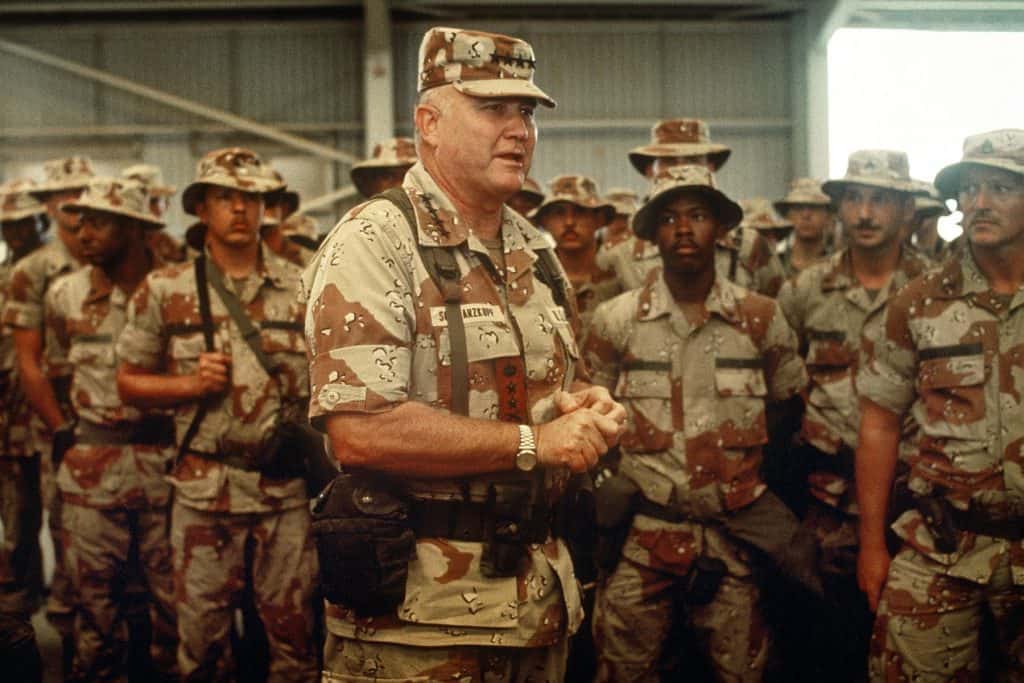
Even before the initial bomb fell, the campaign had set a precedent. The United States had assembled a gigantic coalition, 39 nations altogether, with almost 700,000 American servicemen fighting alongside allies of NATO and the Arab world.

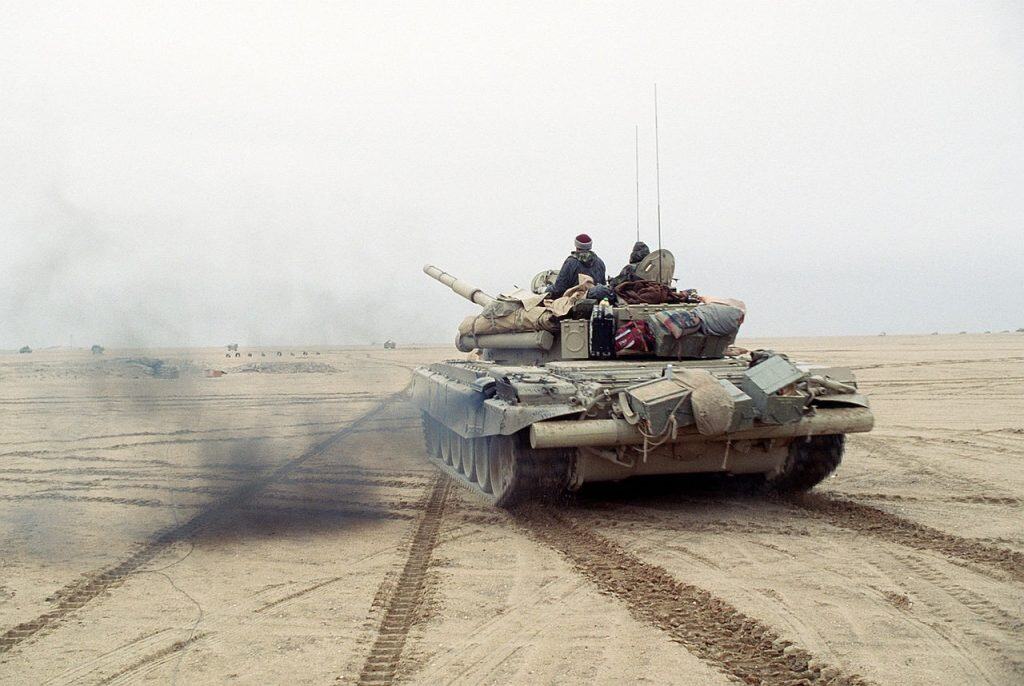
In only six weeks of warfare, the coalition flew more than 116,000 sorties and delivered close to 90,000 tons of bombs. The raw coordination was unmatched, and when the ground war opened, it was all over within 100 hours.

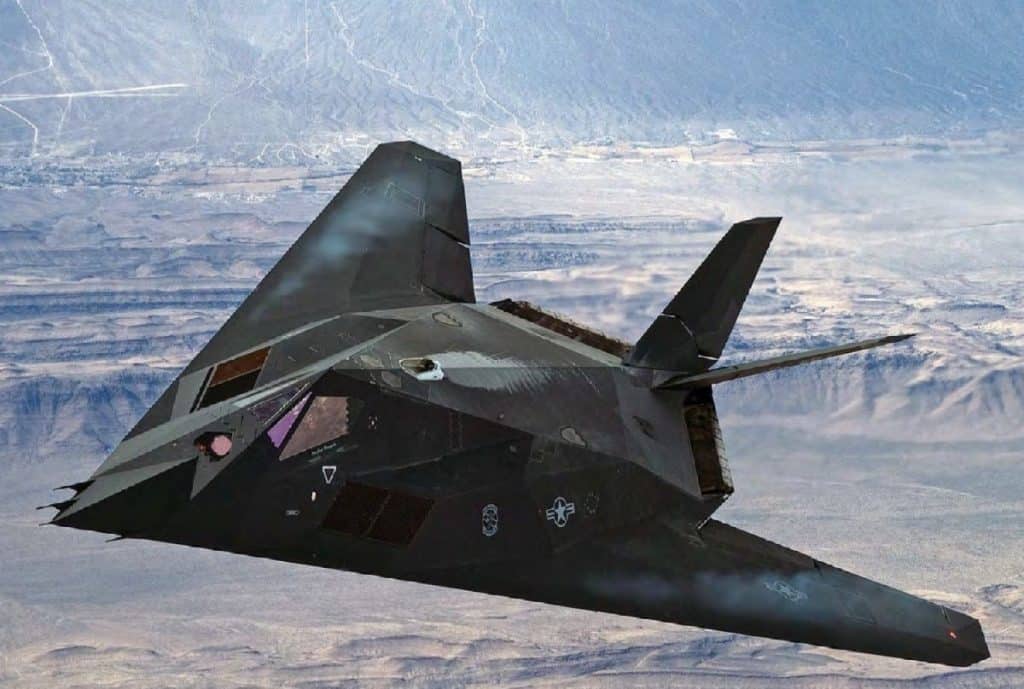
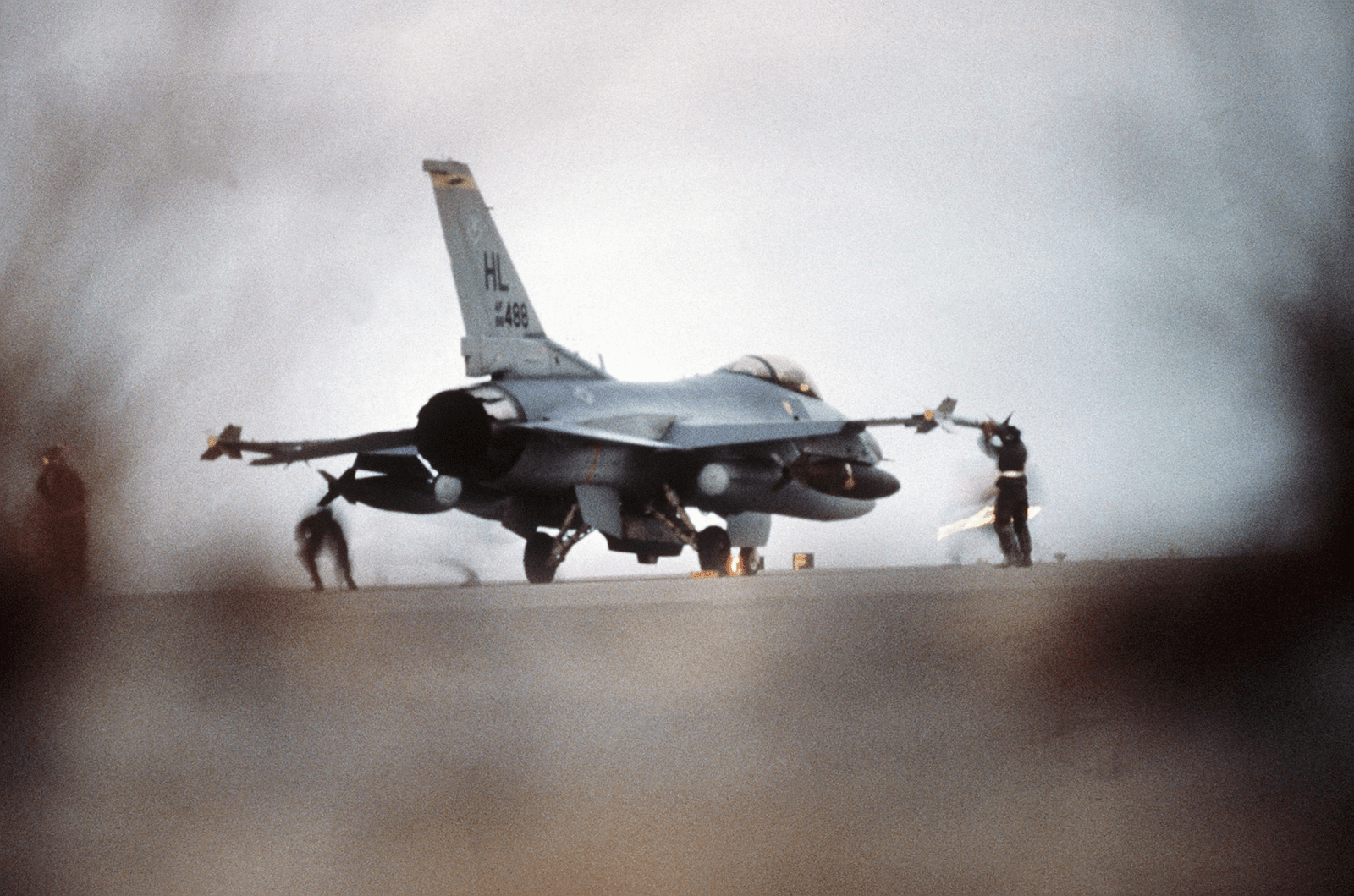
Much of the war’s importance resided in its acceptance of new technology. For the first time, aircraft like the F-117 Nighthawk emerged from cover and knocked out heavily defended Iraqi targets with impunity. Precision-guided munitions were the signature of the conflict, bringing accuracy the world had never seen. The Patriot missile system also made its combat introduction, destroying Iraqi Scud missiles and demonstrating that missile defense was not a theory but a viable reality.
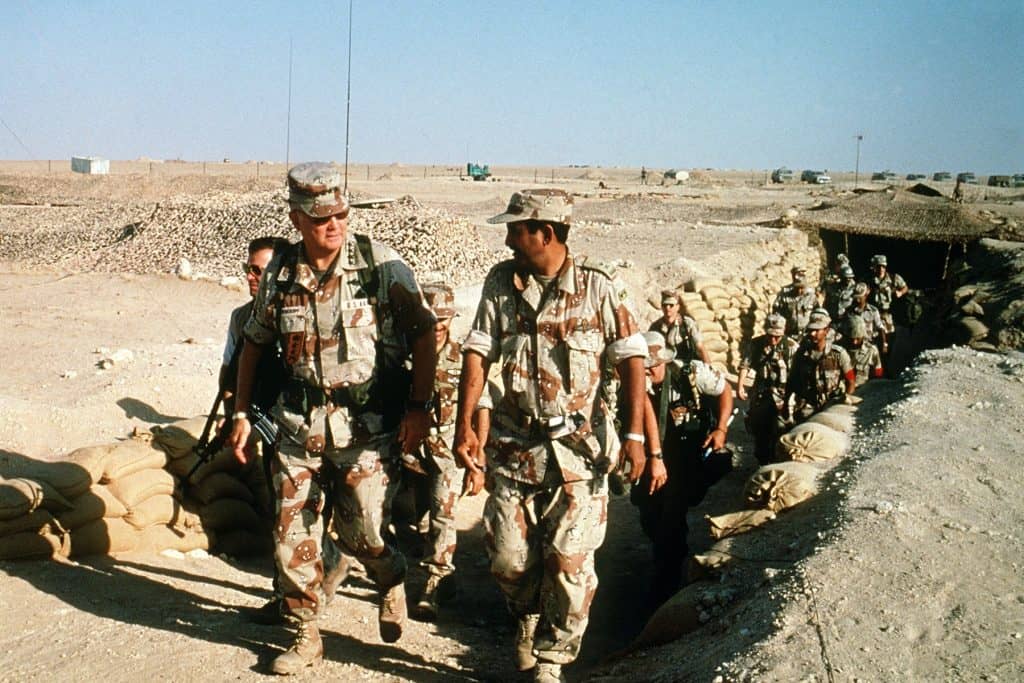
The most groundbreaking feature of Desert Storm was likely its application of space-based technology. Called the first “space war,” it used GPS to navigate, satellite communication to transmit vital information, and live monitoring from space.

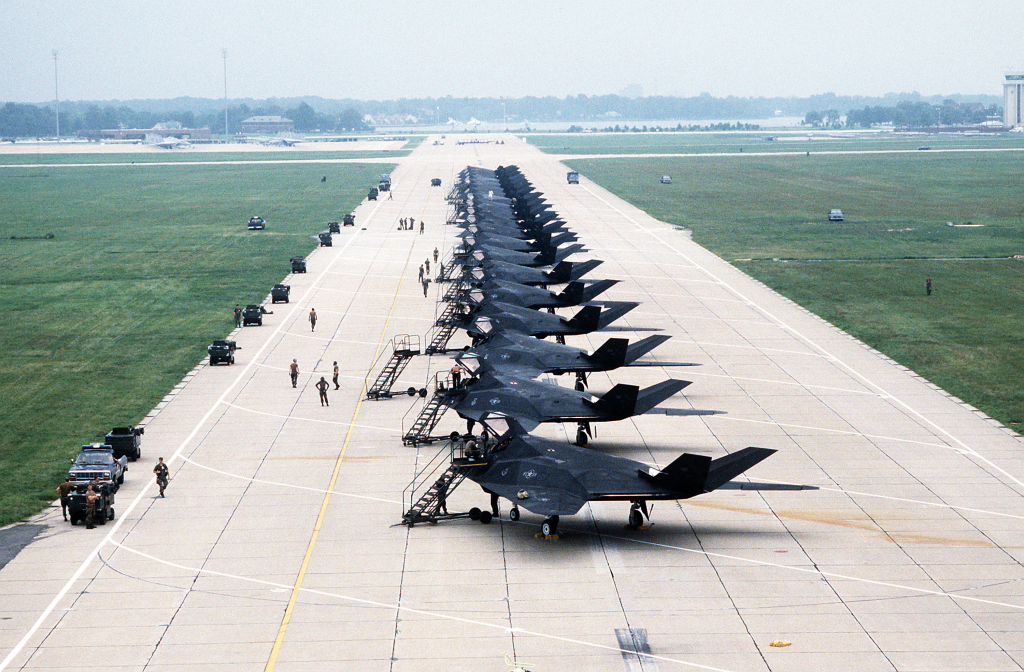
These technologies did not simply make things more accurate—they changed the nature of planning and carrying out operations. Once commanders had discovered how cleanly and effectively satellites could present information and coordinate action, they could no longer imagine a war without them.
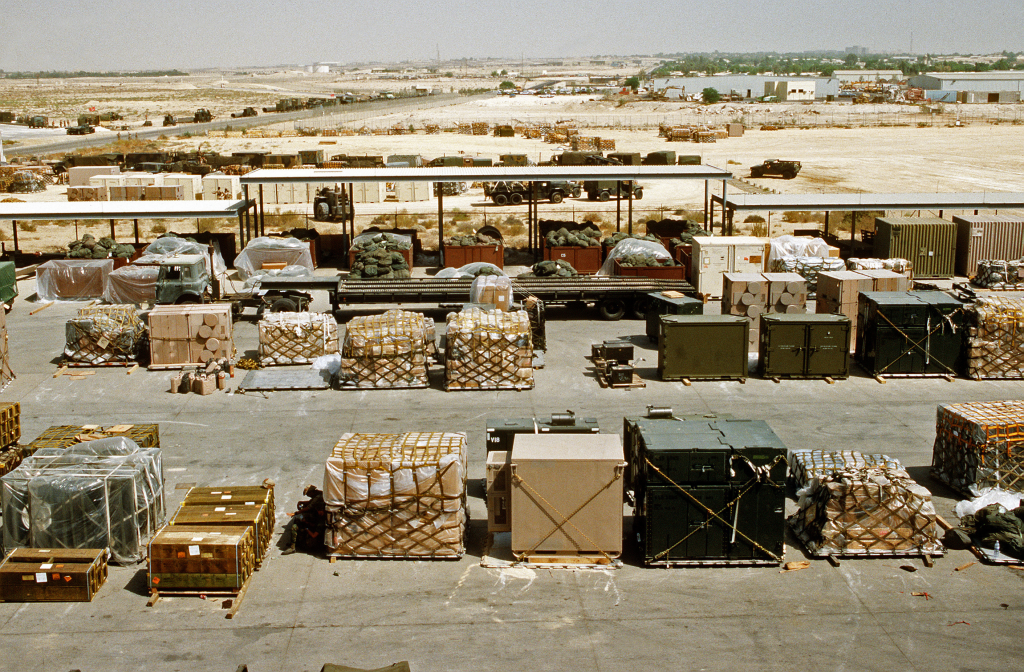
Another distinguishing feature of the conflict was its manner of combining forces. The “Total Force” policy consolidated active-duty units, the National Guard, and Reserve units in a novel way. That melding of manpower and experience established a prototype for joint operations that would shape American strategy years after the war was over.
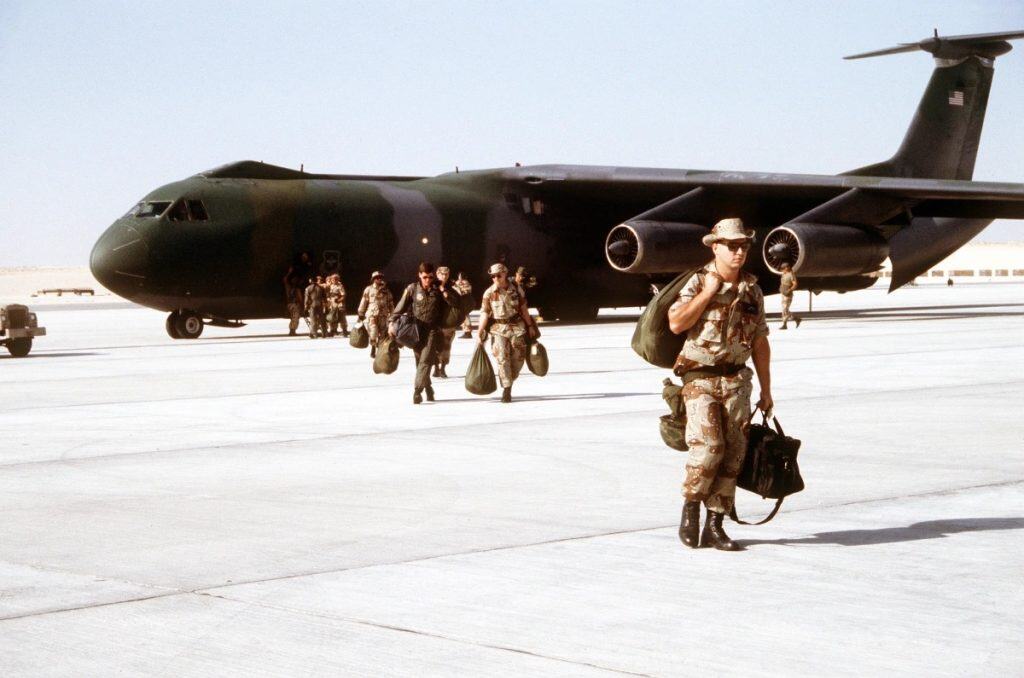
The Army and Air Force captured most of the attention, but the U.S. Coast Guard also had a behind-the-scenes but critical role. Its Marine Safety Offices inspected dozens of Ready Reserve Fleet ships, accelerated merchant marine licensing, and regulated the safe loading of hazardous cargo. Coast Guard Law Enforcement Detachments boarded Iraqi vessels at sea, while Port Security Units deployed abroad for the first time, a milestone in which women manned combat stations alongside men.
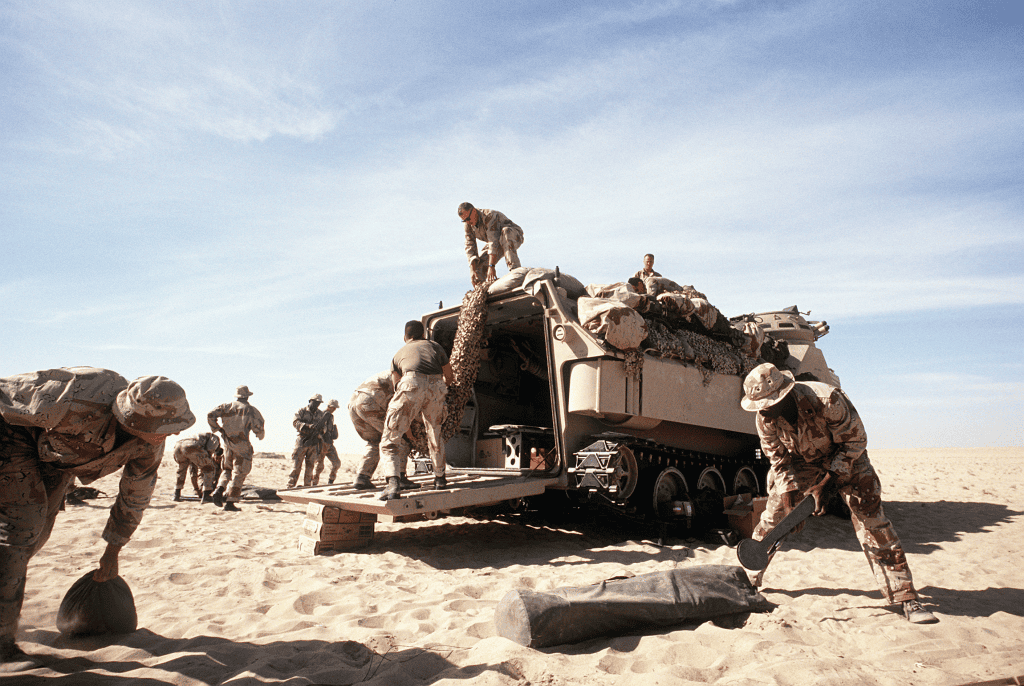
The Coast Guard also faced the war’s ecological challenge. As Saddam Hussein threatened ecological vandalism, aviation crews tracked enormous oil spills around the Gulf, over 40,000 square miles with eerie uniformity. And as a symbol, once hostilities ceased, it was a Coast Guard port security boat that led the first coalition vessels into Kuwait harbor.

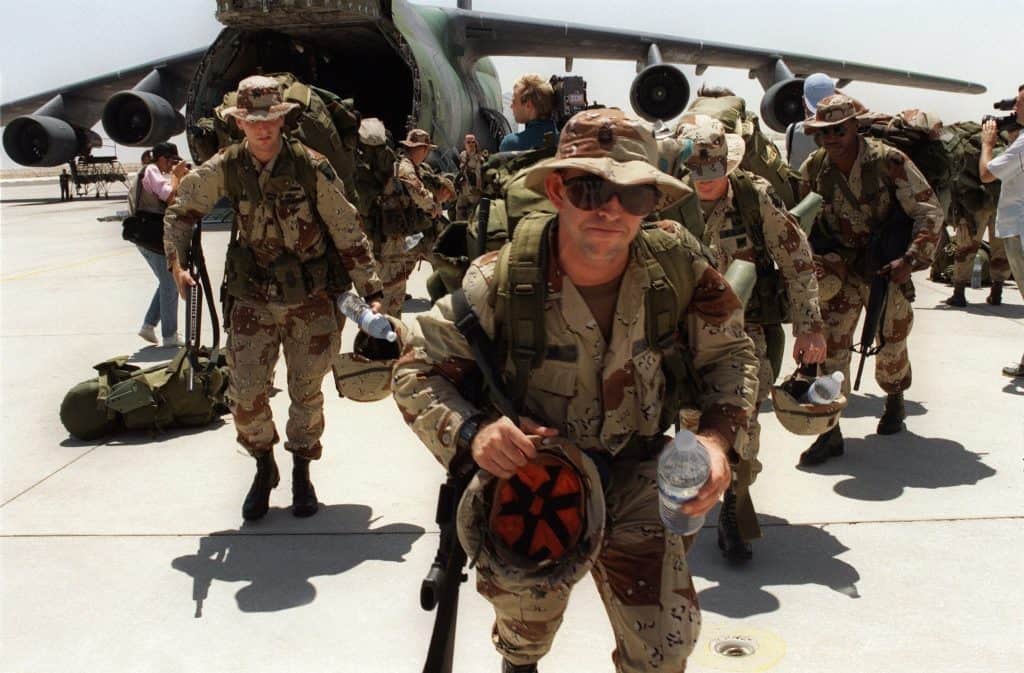
The legacy of Desert Storm has reverberated ever since. It emphasized the need to be able to change rapidly in response to technology, solidified the worth of multi-domain operations, and emphasized the increasing relevance of both space and cyberspace. Much of the thinking that ultimately resulted in the establishment of the U.S. Space Force was initiated during those decisive six weeks of combat.

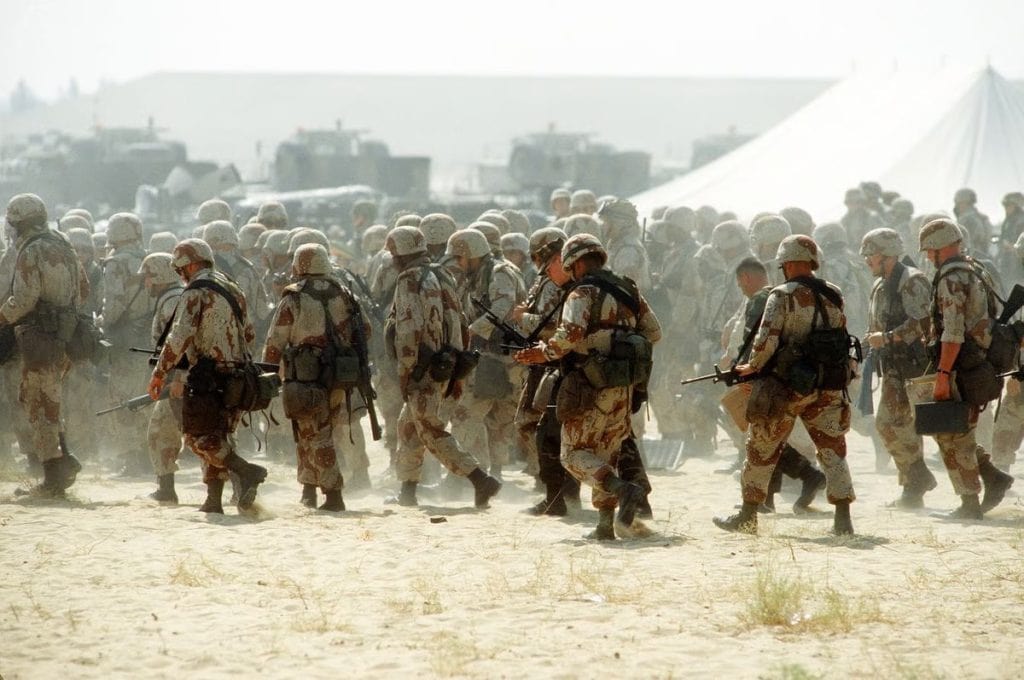
Even though the Gulf War is decades in the past, its impact is still intact. The lessons of Desert Storm still influence how the United States prepares for and conducts war. From stealth technology and precision bombing to the long-term power of coalition forces, it was not just a triumph. It was the start of something new in the annals of modern warfare.