
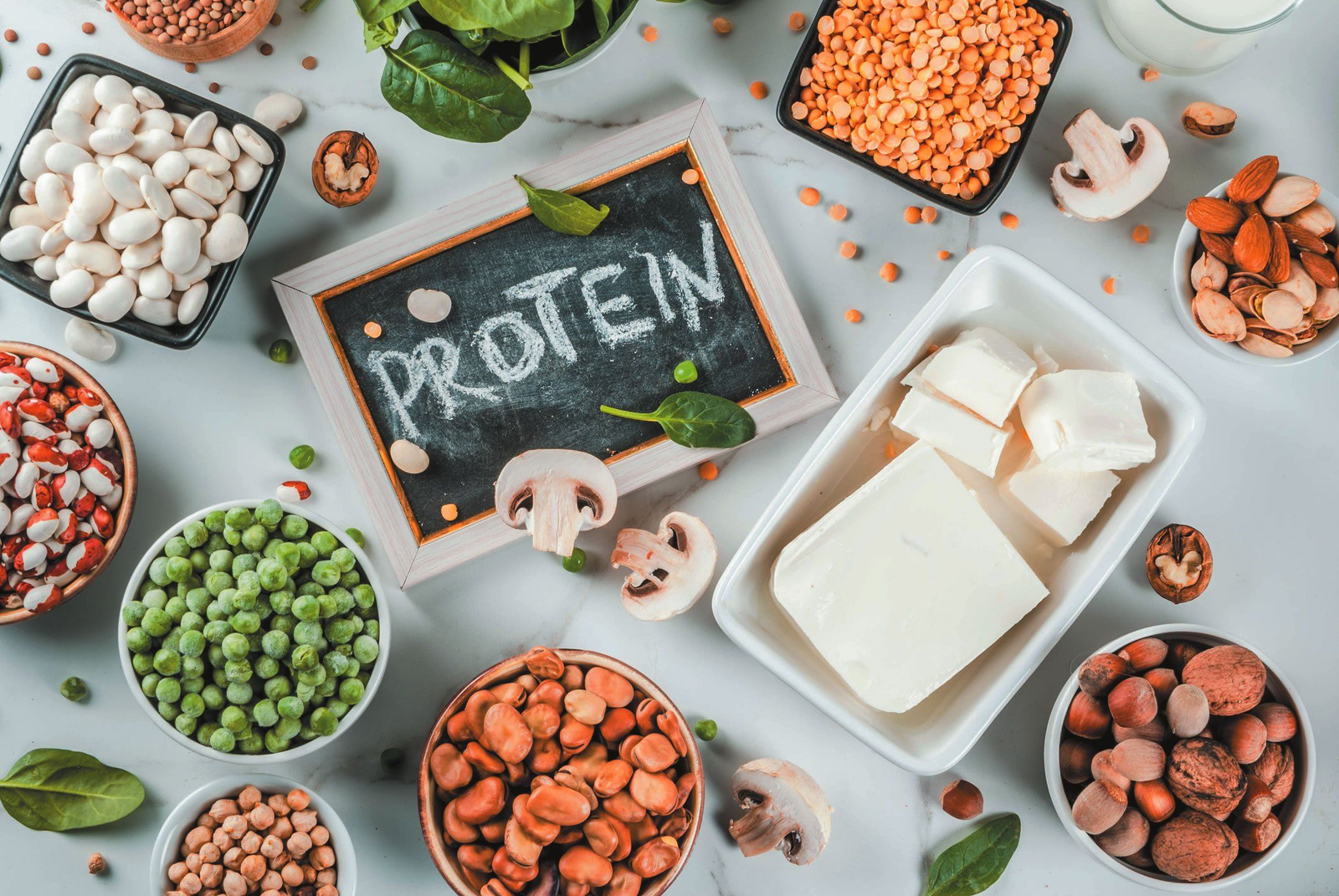
Protein is an essential nutrition we receive daily from our food plates, necessary for better body energy and nutrition. Today many people are going towards plant based protein by dodging animal protein by adding lentils, milk products and other plant based food rich in protein. We can get plant based protein by adding more beans, nuts, tofu and milk based products. This change is due to a supported clinical supporting the ancient knowledge of plant based meals which shows plant based proteins are very good for our health and even to preserving the nature of our earth.

Let’s get back to base of protein. Protein consists of amino acids, the nutrient which our bodies require for repairing muscles and getting a healthy immune system. While our bodies can synthesize some amino acids, as there are nine important one, which we need to obtain from what we eat. Animal proteins, such as eggs, milk, chicken, and beef are complete with all nine essential amino acids. but there are few plant based foods including soy, buckwheat, and quinoa which contains these essential amino acids. Not all plant based proteins are may lacking one or more of the essential amino acids. But with combine eating these plant based food we can easily get those nine essential amino acids without less efforts and without harming any animal.
How could it be that the plant based protein is the most important thing? As per the research by scientists of the Harvard T.H. Chan School of Public Health, found that people who consumed more protein from plants than animals are more healthy. Such individuals have shown a significantly lower risk of heart disease and strokes.
What drives these impressive results? removing the red and processed meat in exchange of plant based healthy proteins, particularly food such as nuts and legumes. Plant based proteins are beneficial for reducing key risk factors such as blood lipids, blood pressure, and inflammation. Plant based proteins are also full of fibre, antioxidants, vitamins, minerals, and healthy fats, all of which helps in betterment of heart health. On the other hand, animal proteins, particularly red and processed meats, often contain saturated fat and can promote inflammation, which is linked to chronic conditions such as overweight, diabetes, heart disease, and even cancers.
The study was a combination and scientific analysis of 30 year of examination of data involving nearly 2,03,000 adults. Those with the highest eating portion of plant-to-animal protein routinely had a 19% lower risk of cardiovascular disease and a 27% lower risk of coronary heart disease, as compared to those with the non plant based protein eaters. Moreover, people who eats more protein, as per a study findings, the risk levels going down to 28% and 36% for cardiovascular disease and coronary heart disease, respectively, at a protein intake of 21% of daily calories.
If you’re worried about getting enough protein or all the right amino acids from plants, there’s no need to stress. Experts such as Dana Hunnes, PhD, MPH, RD, from UCLA Health, states that if you’re eating a variety of plant based foods including beans, lentils, whole grains, nuts, seeds, and soy, then you’ll be getting all the amino acids which your body requires for being healthy. Most individuals get all the protein they need by consuming enough calories, whether those are plant-based or animal-based. And the more plant protein can be the substitute for animal protein, which makes your body more healthier.
Apart from personal health, there’s also another reason to adopt plant-based proteins, as the world. Animal farming contributes a tremendous amount of green house gases to the environment. With current animal farms numbers which are causing about 15% of greenhouse gas emissions worldwide. It is much more efficient to produce plant-based proteins without harming environment. For example a pea-based patties have 77% less climate change carbon footprint than beef patties, and few plant-based meat alternatives are having 120 times more carbon-efficient than animal based foods. One small shift can make all the difference, one scientific study estimated that reducing only 5% of meat consumption in Germany with pea protein would reduce greenhouse gas emissions by 8 million tons annually. Adopting the vegetable-based diets would lower global land use for agriculture from 4 billion to 1 billion hectares, while simultaneously conserving water and minimizing pollution.
Switching doesn’t have to be an all or nothing method. Even substituting some of your animal protein with plant protein can provide better health and environmental benefits. Throw more beans on your salads, use some lentils to substitute for ground beef in chilli, or munch on nuts rather than processed meat based snacks. Diversity is the name of the healthy diet game, alternating various plant based protein instead of meat will provide you with a complete set of nutrients while keeping your food dishes more creative and exciting.
As more and more research reveals the advantages of plant-based proteins, it’s obvious that this is not just a trending diet. It’s an intelligent, ancient and latest science supported way to nourish your heart, ageing process, and the environment while still savouring your tasting bud with variety of plant based food items.