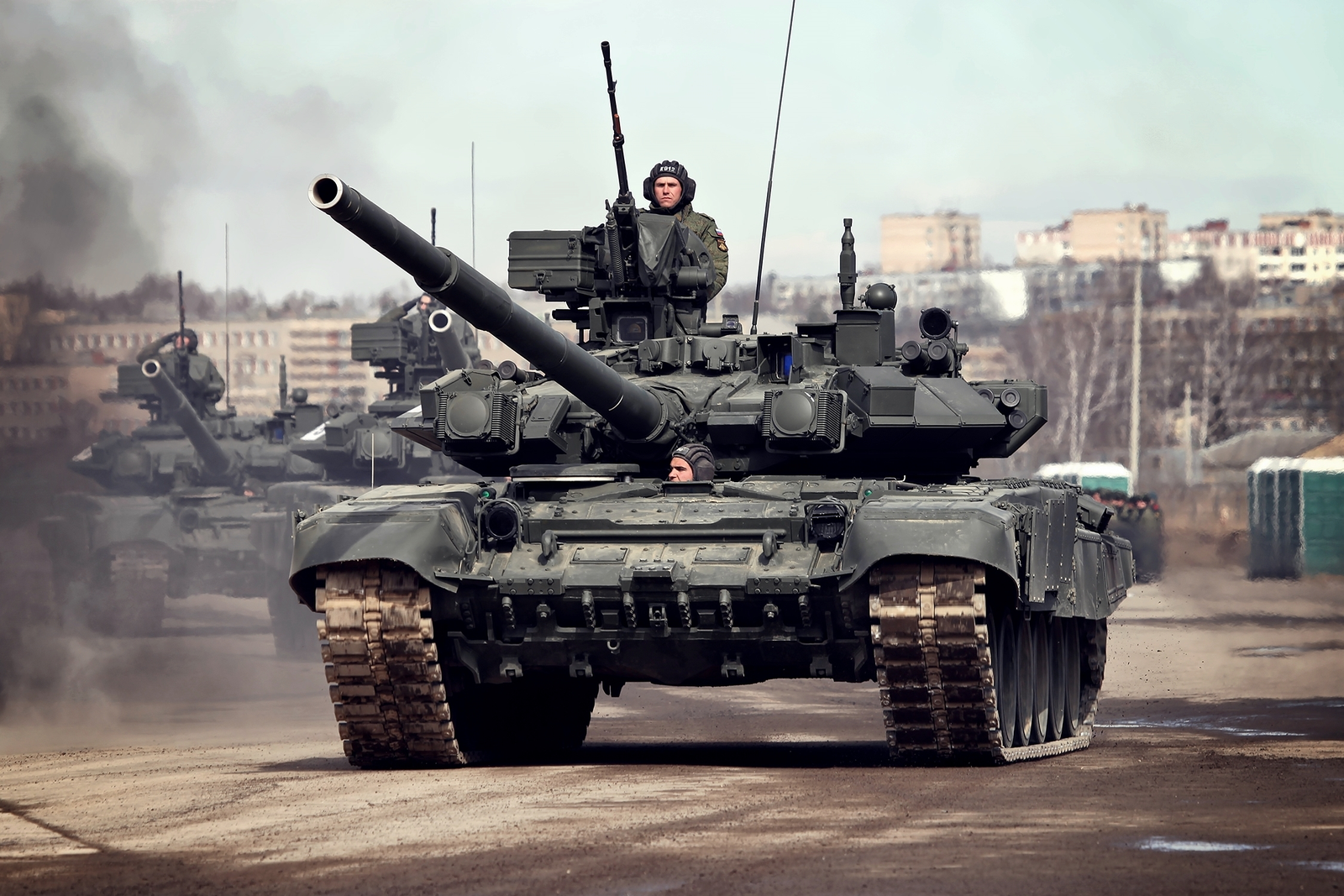
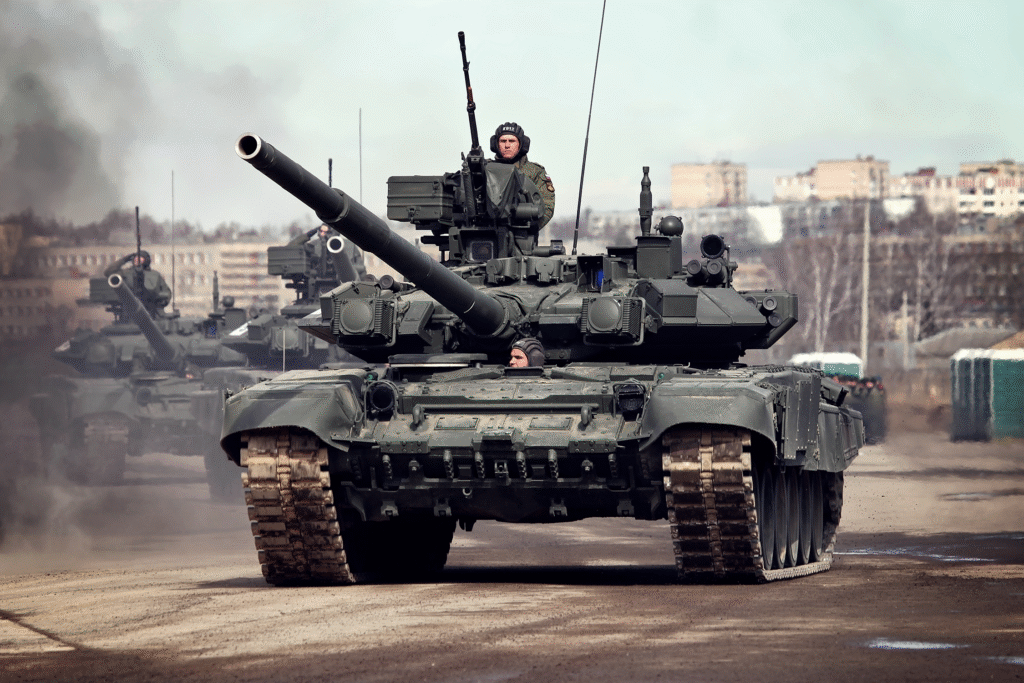
In the world of modern armoured warfare, a popular comparisons draw more attention as Russia’s T-90 versus America’s M1 Abrams. These machines are more than just metal and firepower, as they reflect entirely different philosophies about how to fight on the battlefield and in every difficult war situations. While reviews are impressive, and real-world war experiences reveals the true strengths and weaknesses of each tank design.
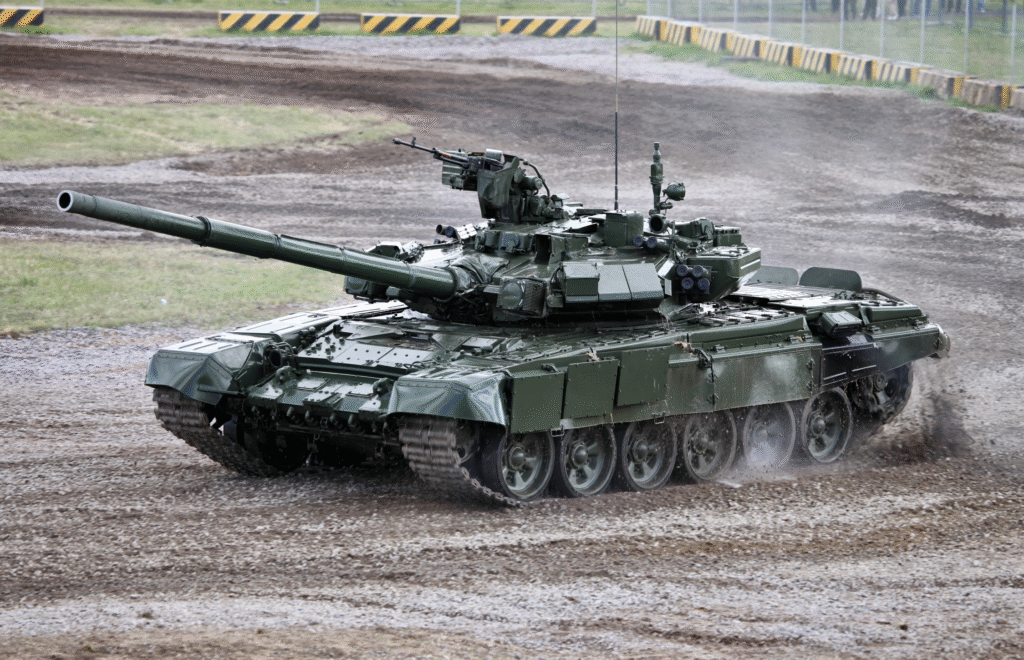
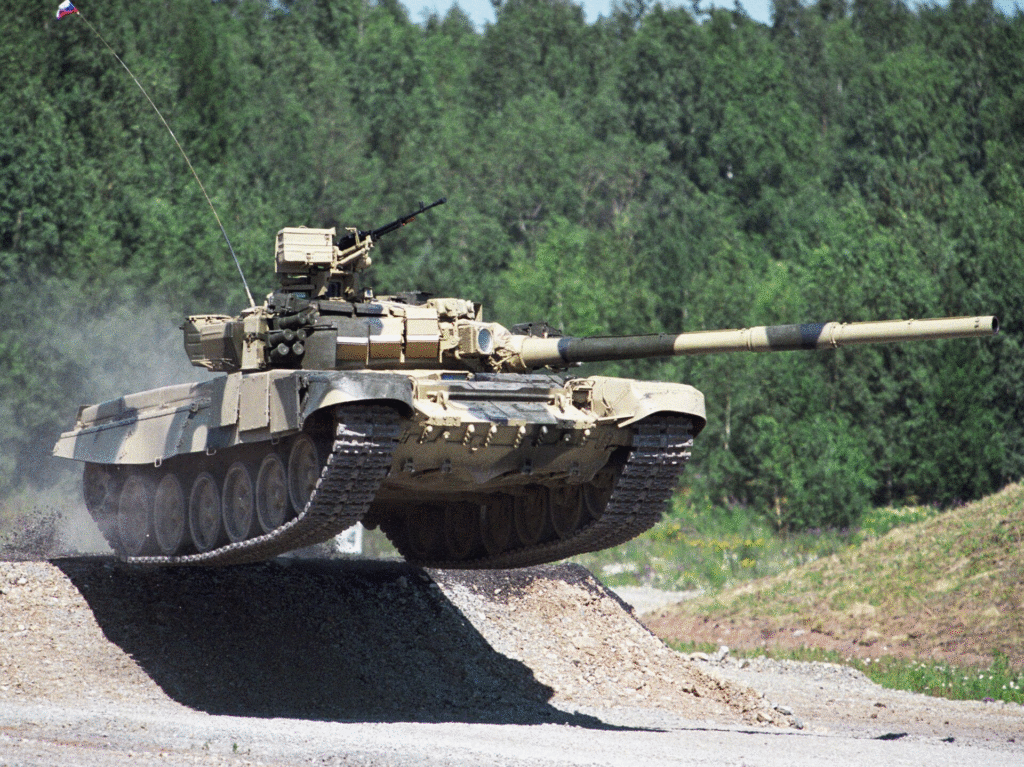
The Russian T-90 is designed for faster mobility, efficiency, and quick deployment in large quantities. An evolution from the previous T-72, it has a 125 mm smooth bore cannon, auto-loading that permits a crew of three, and defensive features like the Shtora-1 system, intended to dodge the upcoming missile attacks. Its explosive reactive armour, Kontakt-5, can bounce older anti-tank ammunition, although new high-penetration rounds can be a threat to the machine. With its lower profile and lighter hull, the T-90 can move through terrain that would lowers it against the other heavier tanks, but this comes at a price, of more protection and strength.
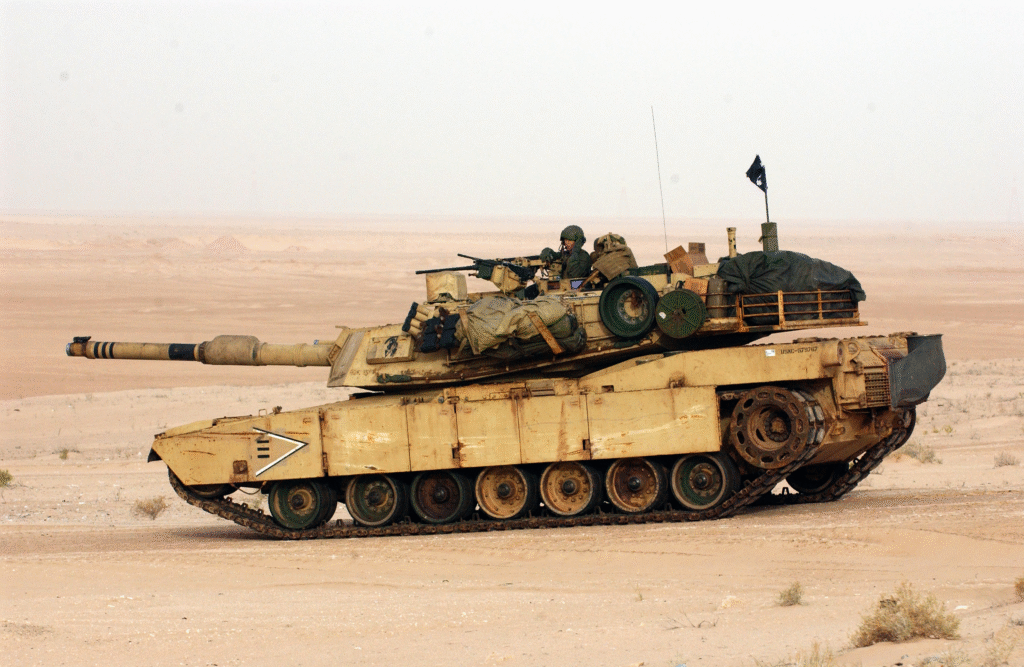
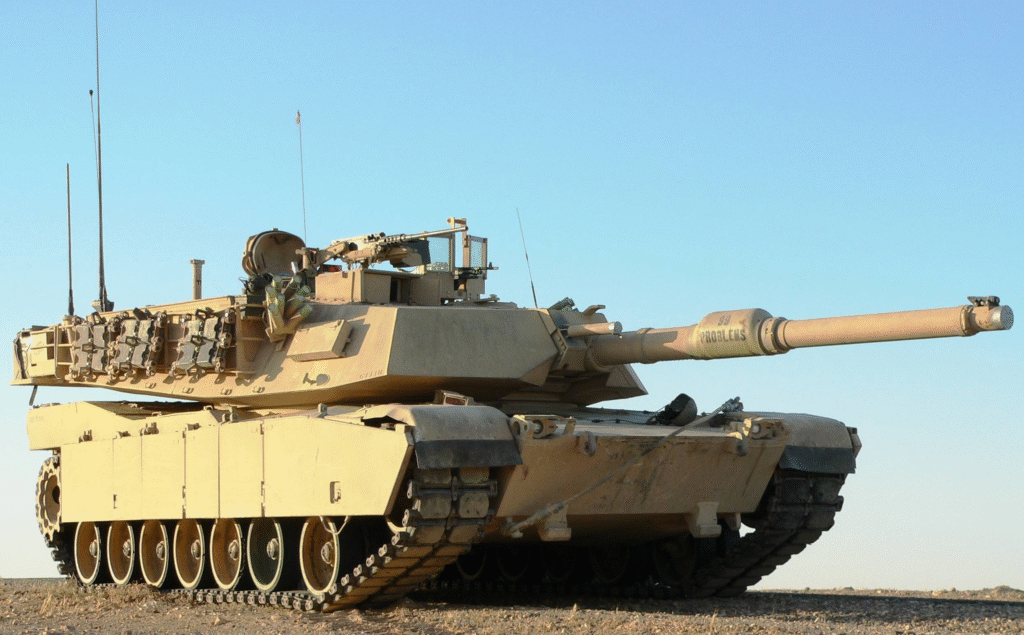
Western designs have a different approach. The M1 Abrams and Europe’s Leopard 2 prioritize heavy armour, crew protection, and raw firepower. The Abrams’ composite armour has depleted uranium layers, and its 120mm smoothbore gun is complemented by sophisticated fire control systems to provide accurate targeting, even under adverse conditions. A gas turbine engine provides better speed and mobility, though the fuel consumption is heavy. Its four-man crew allows reliability and ensures better maintenance, loading, and situational awareness can be easily taken care of, in a comparison to the T-90’s auto-loader system.
Crew protection highlights a significant point of variation. Western tanks are engineered to keep crews safe even if the tank is hit, with blowout panels and armoured ammo compartments keep explosions away from the crew and make it more safe to its operators. The T-90 continues to use the Soviet-pattern carousel for ammo storage within the turret, which, when penetrated, can create devastating explosions, offering the very little opportunity for the survival of its crew.
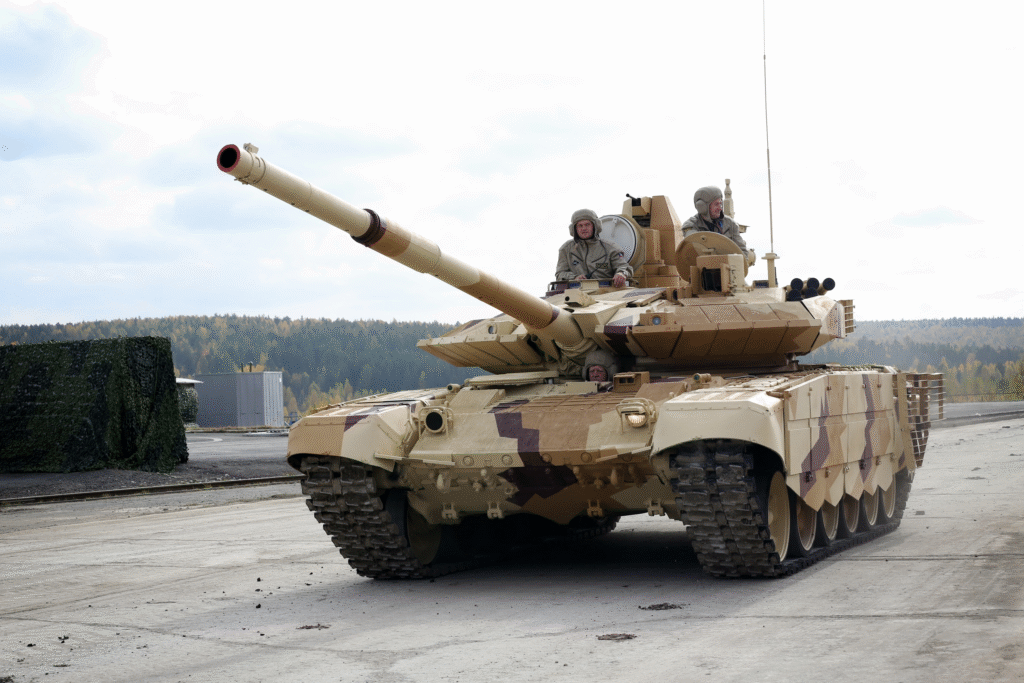
Each of these tanks has better strengths in combat. The T-90 is capable of firing guided missiles at ranges of five kilometres, which is a valuable asset in quick war scenario. Yet the Abrams’ pairing of high-powered armament, advanced ammunition, thermal imaging, and precise targeting has consistently provided it with an advantage in high-intensity combat.
This has proven true time and again. In Syria, the T-90 had early success against legacy missile systems, but the conflict in Ukraine laid its bare weaknesses. Ukrainian troops took advantage of its thin turret roof and exposed ammunition storage through roof attack missiles and drones and this idea knocked out many T-90 Tanks. Its low reverse speed also restricted effective handling in close ambush situation.
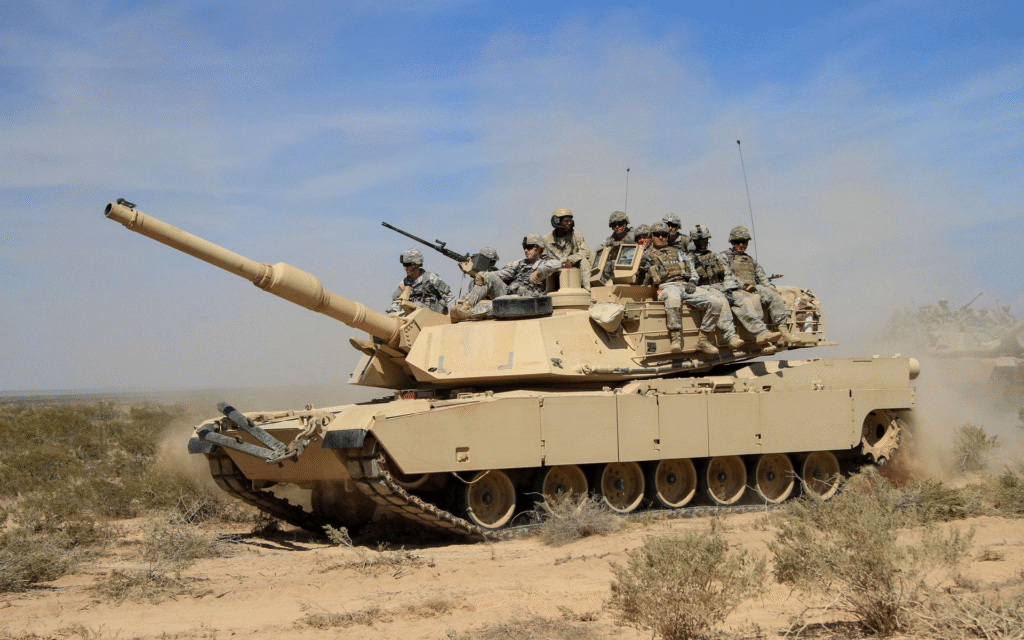
The Abrams, on the other hand, has decades of combat-tested performance in battles such as the Gulf War, Iraq, and Afghanistan. M1 tanks destroyed Iraqi T-72s during the 1991 Gulf War, demonstrating the synergy of its armour and precise firepower. Losses have been mainly due to mines or improvised explosives and not direct tank-to-tank combat. Ongoing upgrades, such as increased armour, active protection, and enhanced sensors, have kept it in use of current battlefields.
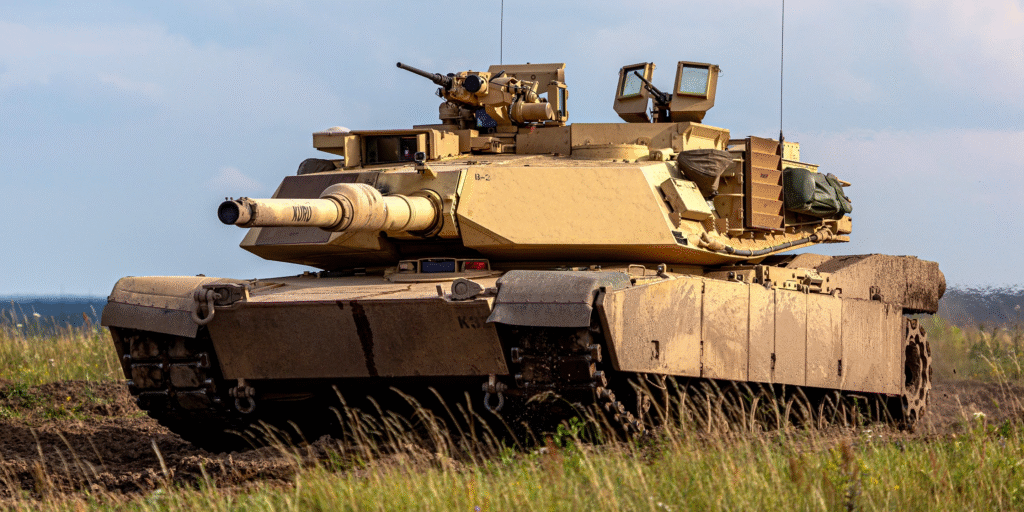
Russia’s tank troops also confront wider issues beyond the T-90. The age-old T-72 continues in common use but is comes with the same weaknesses, including lower-shielded ammunition, old optics, and reduced armour plating. Due to its such vulnerabilities, it has turned into one of the most destroyed war tanks in history.
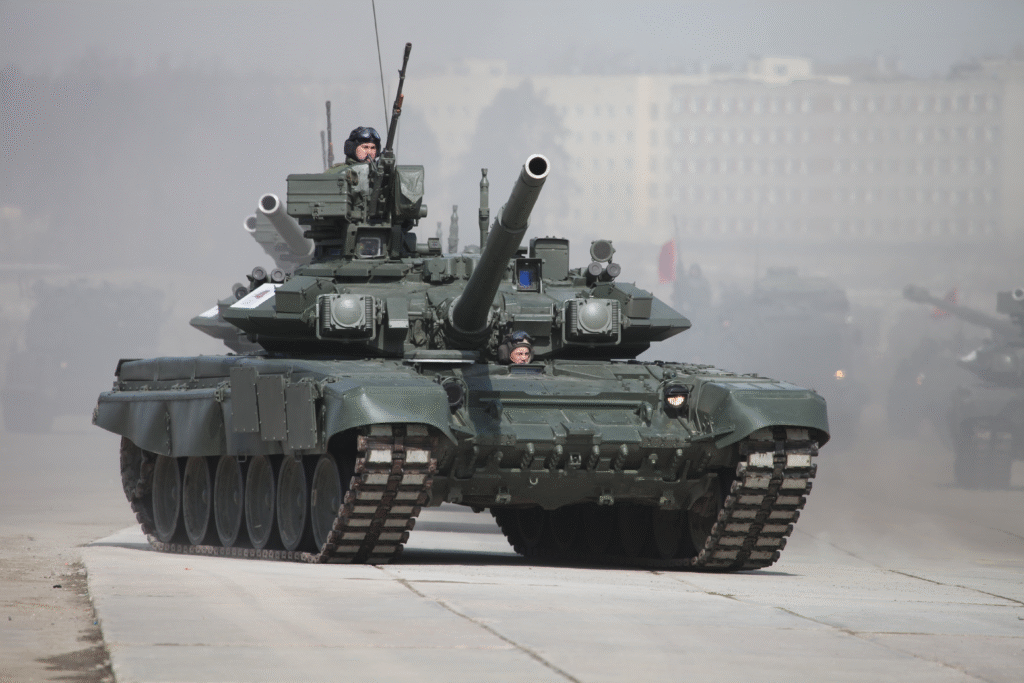
Tank design is ongoing. Western armies are increasingly using modular armour and advanced active defence systems, whereas Russian designs based on strength of more reliable armour, which is effective in some cases but vulnerable against modern warheads and top tank attack weapons. The T-14 Armata is a future-generation design with an unmanned turret and improved crew protection, but production is low, and it has not yet been tested in live combat situations.
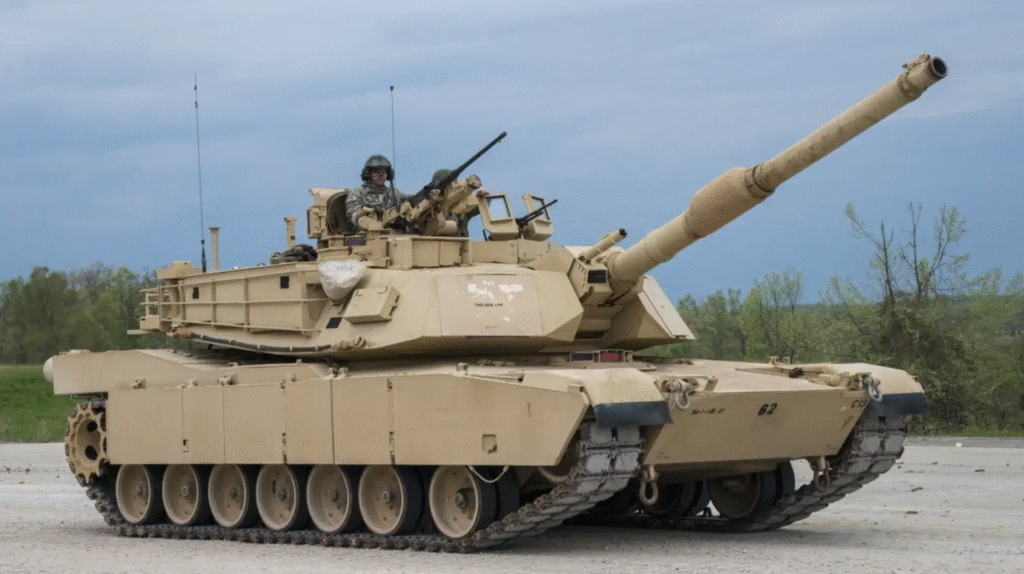
Ahead on the other hand is a latest upgraded designs. The U.S. Army’s future M1A3 Abrams will be lighter, more fuel-efficient, and potentially feature an auto-loader or unmanned turret. Europe’s MGCS program and Britain’s Challenger 3 effort are pushing forward armour, sensors, and networked battlefield technology.
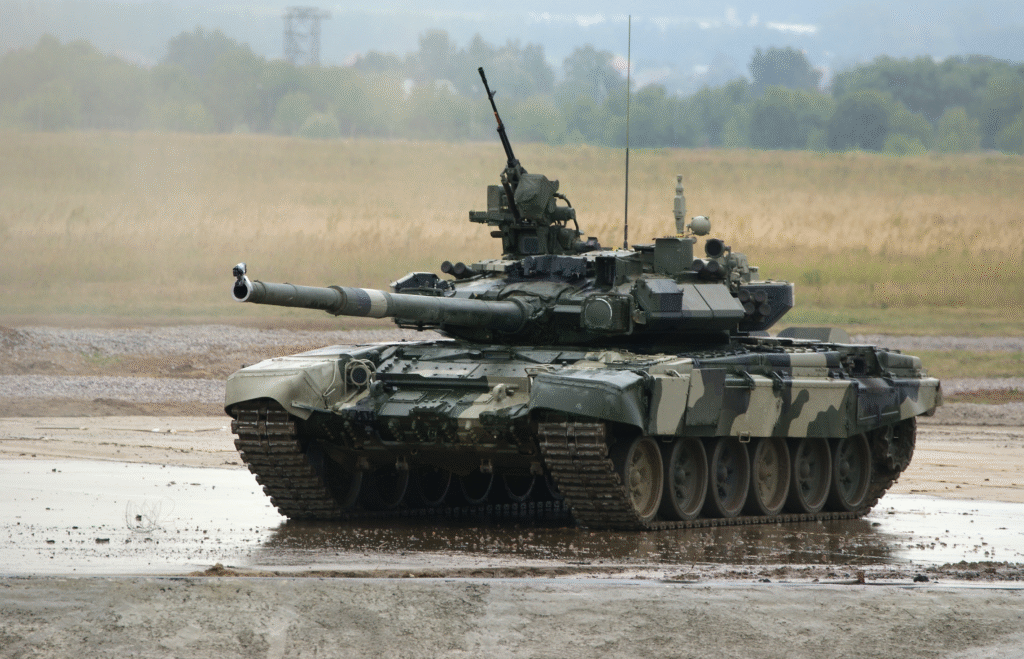
In the end, no tank is unstoppable in modern warfare technique and updated war machinery. Contemporary battlefields are filled with precision-guided missiles, loitering drones, and low-cost but lethal anti-tank systems. Choices of better ammunition storage, crew safety, and advanced armour designs are now a days essential for a successful tank. The T-90’s struggles in Ukraine war are a hard reminder that technology, protection, and crew safety in tank combat are important and are the key to success and survival over the modern battlefield.