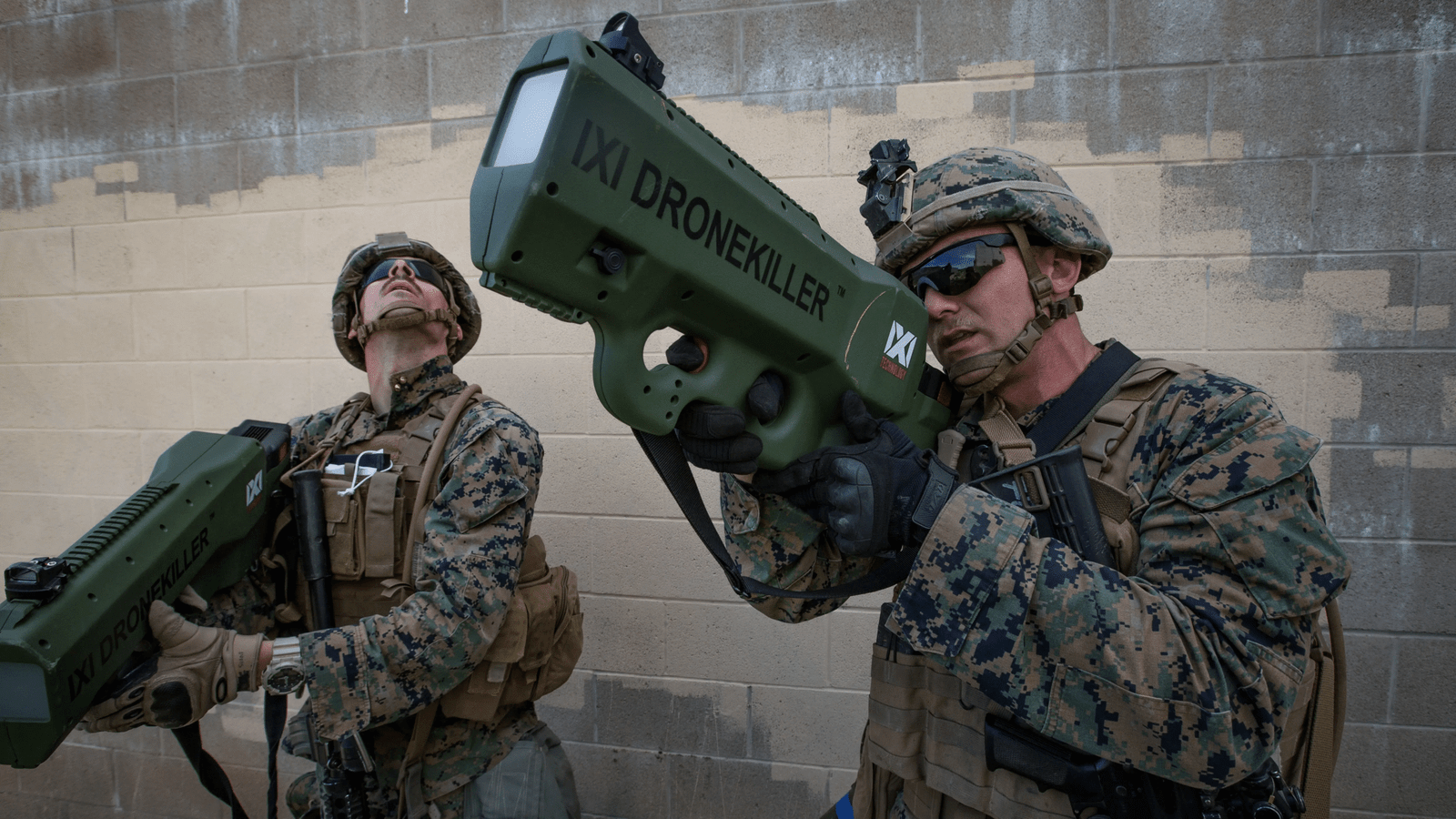
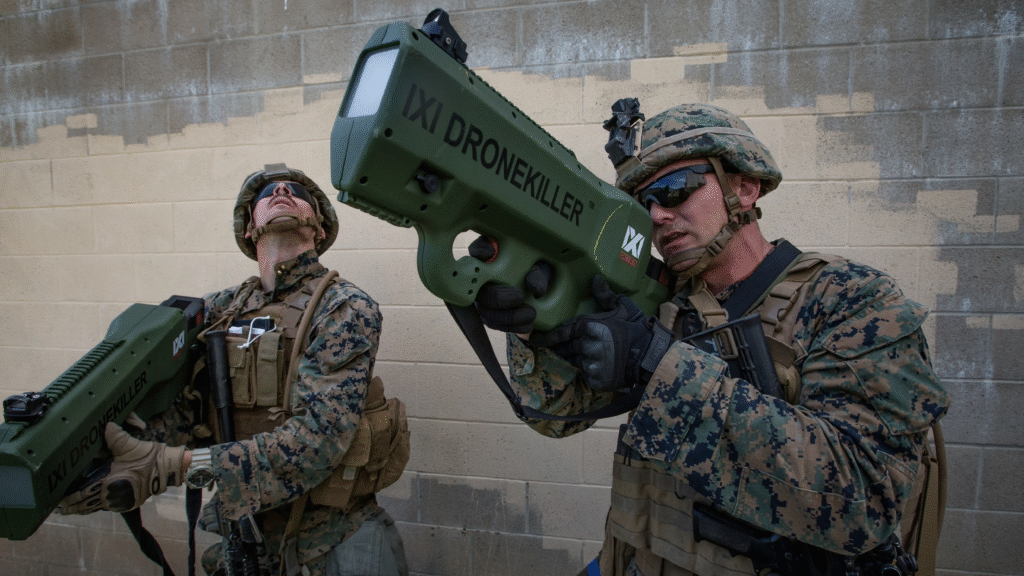
Over the past decade, attitudes toward cutting-edge military technology have been totally reshaped—no longer just among defense specialists but even policymakers and the general public. Years ago, technologies such as missile defense and stealth fighters were widely questioned. They were questioned by critics over their utility, and op-eds regularly labeled them overpromoted or outlandish. But real wars have forced a reconsideration: these technologies are not just useful—they’re revolutionizing the battlefield in ways that many thought impossible.
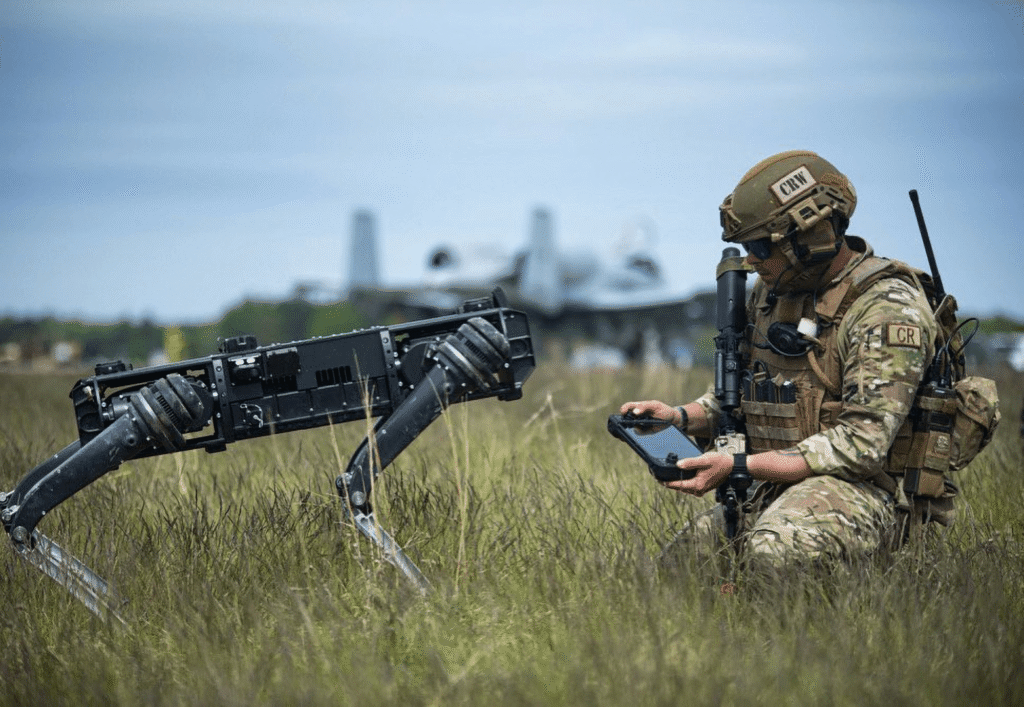
Missile defense, for instance, has already been tested under some of the most challenging conditions on offer. When Iran launched a massive salvo of drones, ballistic missiles, and cruise missiles against Israel, coalition armies like the U.S., Israel, and some of their regional partners quite efficiently blocked the threats to a large degree.
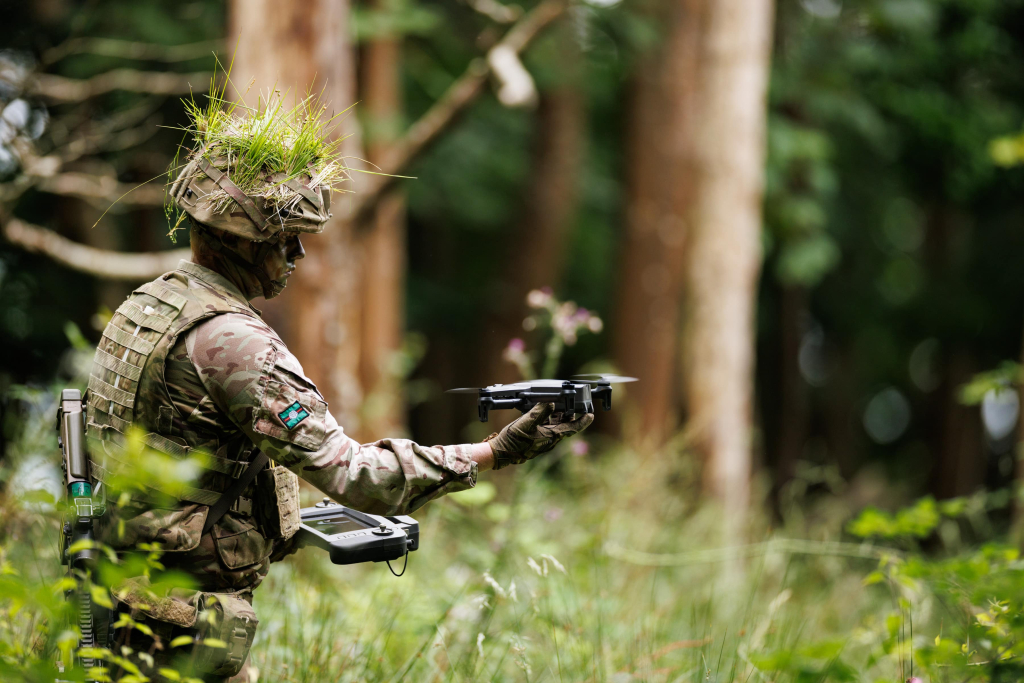
Israel’s jointly developed Arrow missile defense system with the United States destroyed several ballistic missiles, including some even beyond the atmosphere. Ten years ago, this would have been unimaginable to the vast majority of defense experts. As was noted, “virtually everything launched was intercepted,” which illustrates just how far missile defense has come.
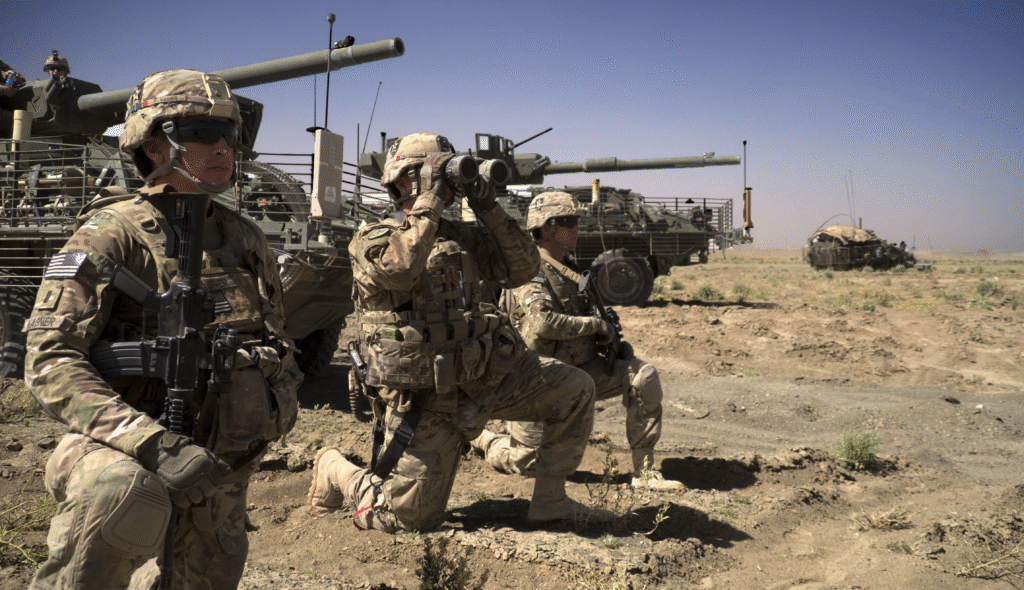
The performance improvement isn’t merely because interceptors are traveling faster or rockets are better—it’s the progress in detection and targeting software. It used to be that the toughest part of missile defense in the past wasn’t how to create something fast enough to catch something, but trying to make an educated guess where a missile would be.
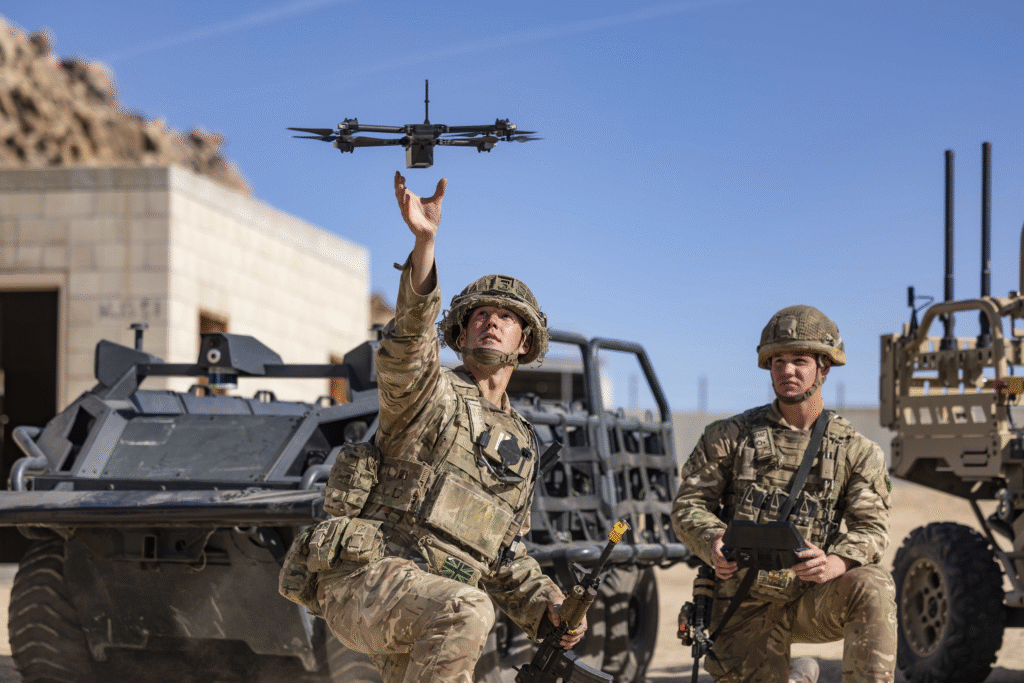
Advanced sensors, computers, and target algorithms enable forces to find and kill even high-speed ballistic missiles with accuracy. Critics who long ridiculed missile defense had no idea how rapidly detection and processing technology would advance. Much of the early skepticism, hyped in news reporting, was based on outdated assumptions about the actual capabilities of the systems.
Stealth fighters, and particularly the F-35, have had their own rollercoaster of skepticism and justification. Claims that enemies would easily be able to see such planes have become rampant, fueling debate over whether stealth technology is still viable. In practice, however, stealth is not quite invisibility—it’s making detection and targeting difficult for them.
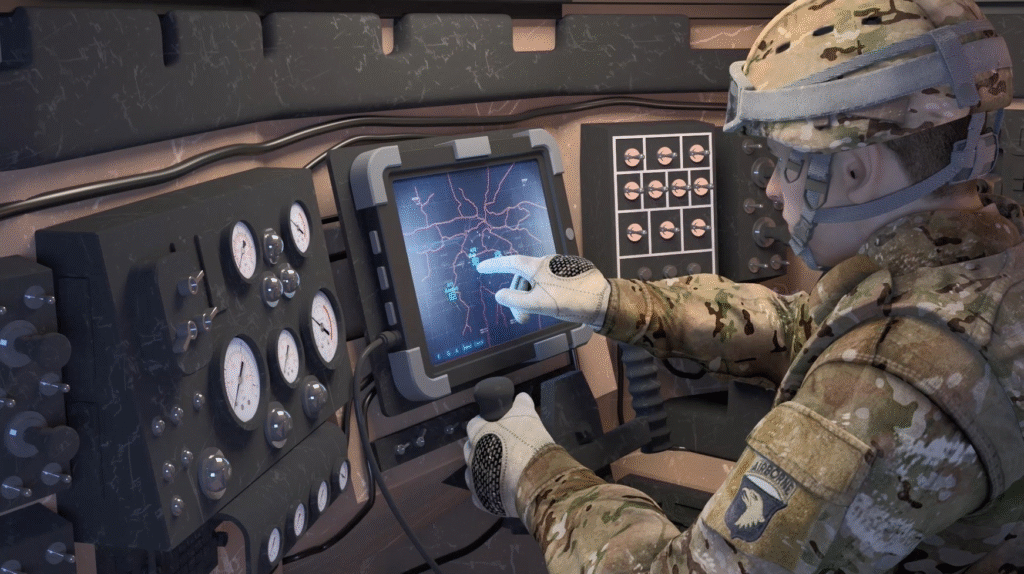
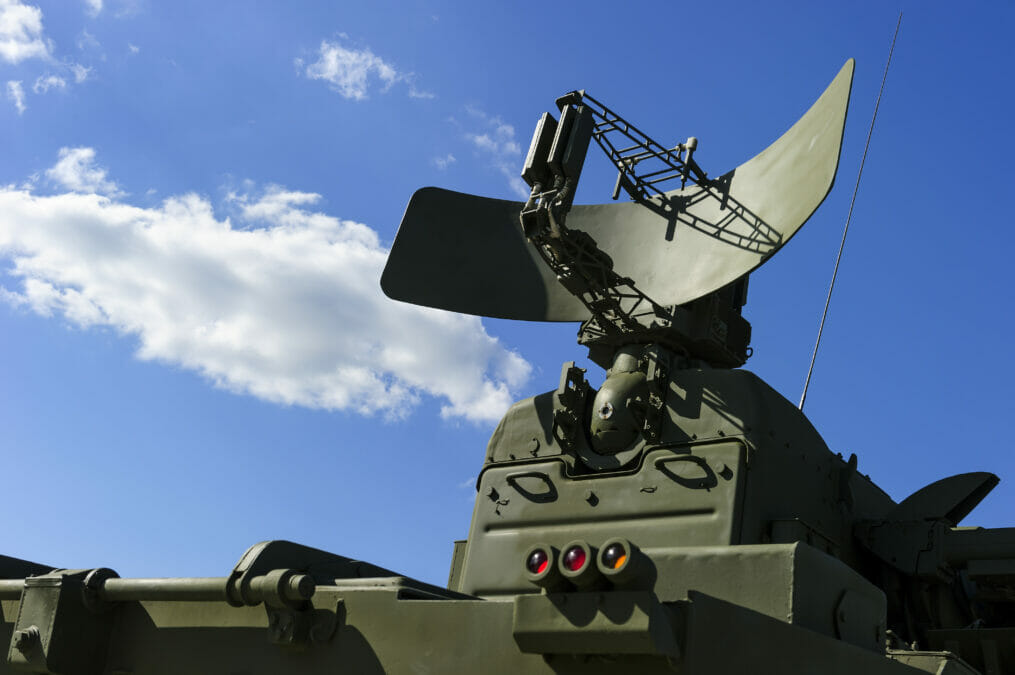
Low-frequency radars may have some hope of detecting stealth aircraft, but they cannot usually lock onto them with missiles. High-frequency radars, which would offer a good lock-on, are the real danger. Stealth aircraft are designed to get past these. Practically, detection by older or lower-resolution radar will not necessarily cancel the stealth characteristics of a stealth airplane.
The propaganda battle around the technologies is as acrimonious as the wars themselves. Politicians with little direct experience typically dominate public opinion. The F-35 critics, for example, were frequently cited in the media despite being at the periphery of previous airplane programs. Simultaneously, combat performance was kept secret from the public view for reasons of security, so that negative assumptions would automatically overpower facts of successful operations.
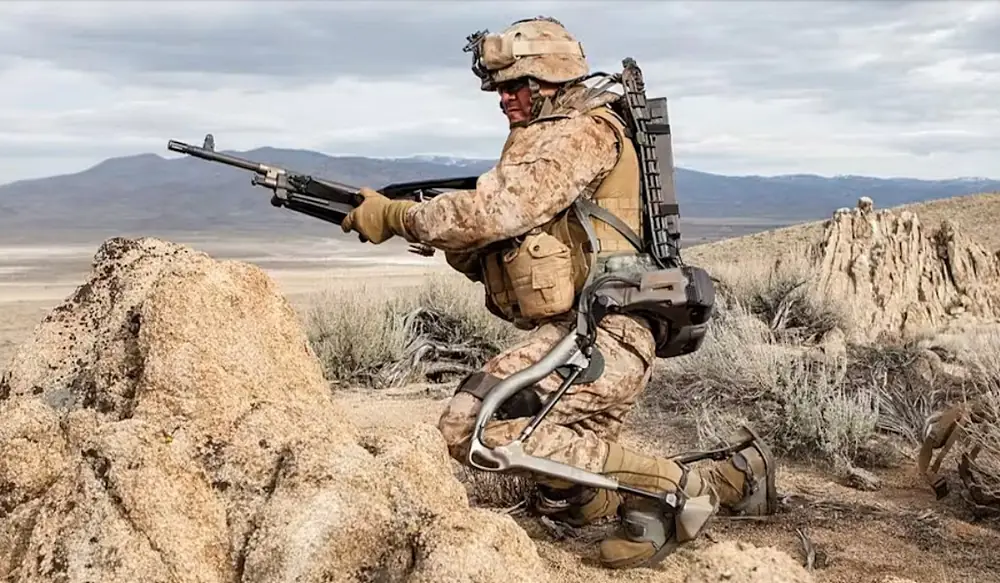
Real-world wars are now the ultimate test bed for today’s systems. Wars in different parts of the world have put to the test bench in practice how well-performing fighters, missile defense, and hybrid technologies withstand stress. These wars impact global arms markets, strategic planning, and defense budgets. Governments now base their decisions on what to buy or build next on demonstrated battlefield performance rather than laboratory models.
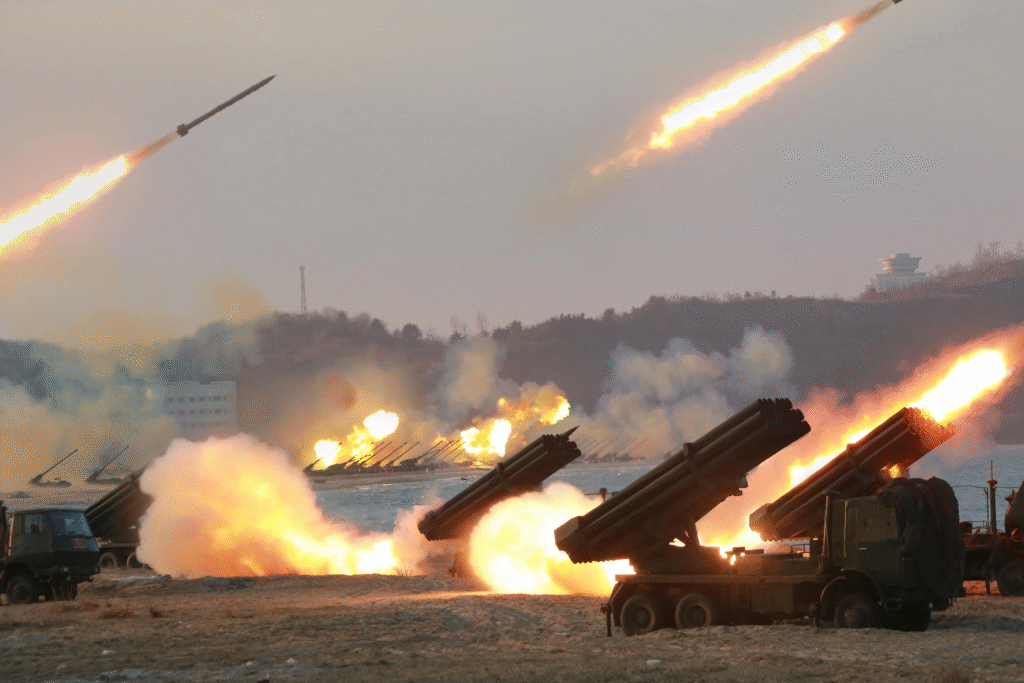
The strategic ramifications are clear. The rate of technological progress is so rapid that yesterday’s advantage can quickly turn tomorrow into a weakness. The next war increasingly favors those combatants who can integrate new technology, shift tactics in the blink of an eye, and innovate at a pace faster than their opponents. The ability to integrate advanced sensors, weapons, and platforms into controlled, productive operations is turning out to be the true measure of military capability.
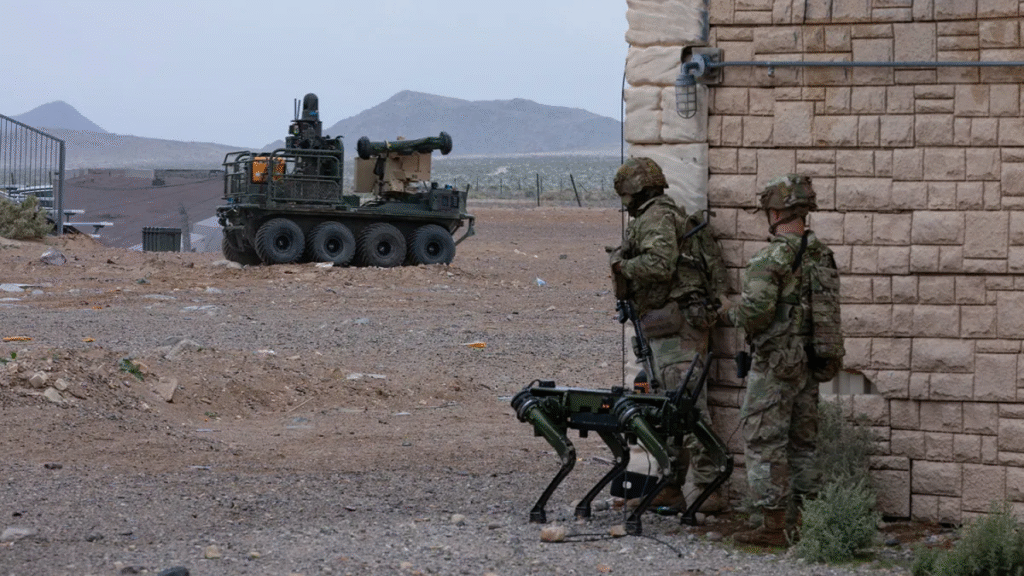
What all those advances make obvious is irrefutable: the days of discrediting leading-edge military technology as rumor or science fiction are behind us. The battlefield itself has become the ultimate test tube, and experiments underway there are hard at work rewriting the boundaries of new warfare. Success is less about what weapons a military has access to than how skillful it can become at making them available in an ever more dynamic arena of action.