
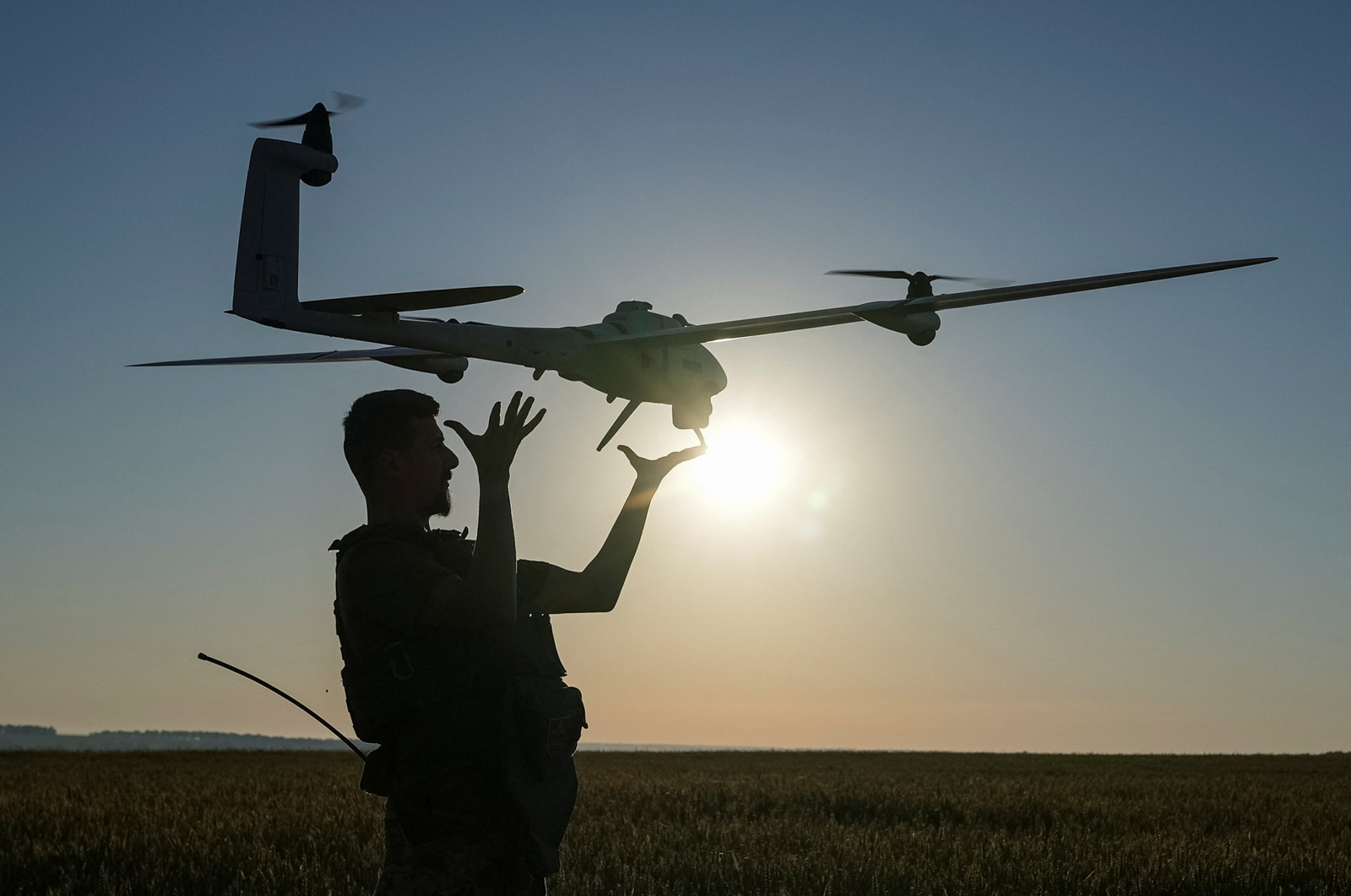

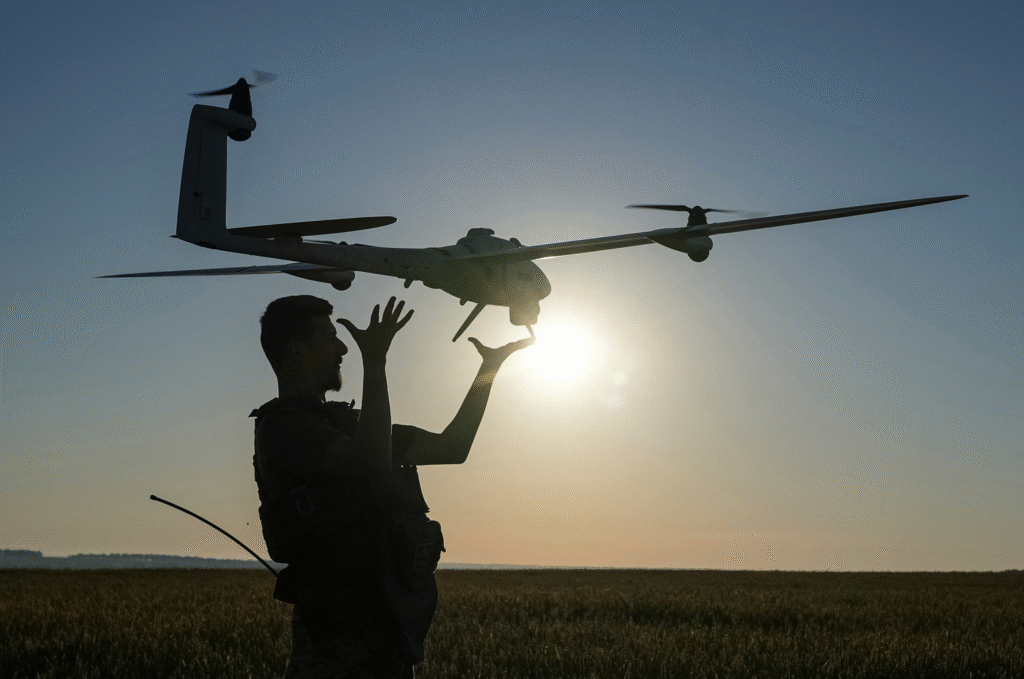
In June 2025, Ukraine executed a bold drone attack on Russian strategic bomber bases that grabbed international headlines. The raid effectively destroyed or crippled much of Russia’s nuclear-capable bomber force—a feat that would have been all but unimaginable even a few years before. This was more than a victory on the battlefield; it meant that conventional concepts of military might and safe areas are not as dependable as previously believed.

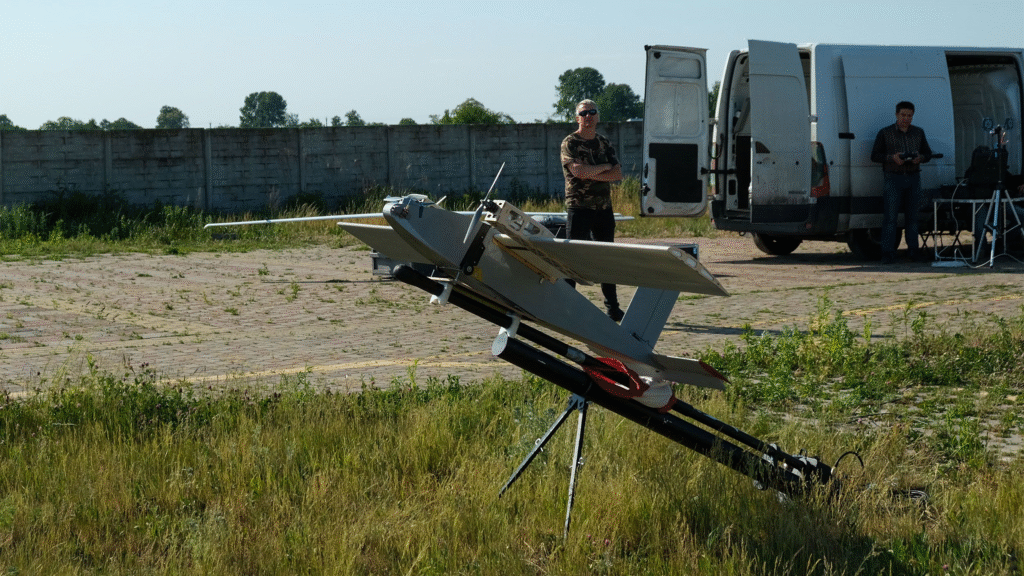
The operation, code-named “Spider’s Web,” was unprecedented. Ukraine sent 117 tiny first-person view (FPV) drones, rolled off commercial trucks, and flew almost 1,000 miles into Russian airspace. The Ukrainian Security Service (SBU) took credit, striking four large airbases and reportedly destroying or disabling at least 13 aircraft, including Tu-95 Bears, Tu-22M3 Backfires, and even some unique A-50U early warning aircraft. These drones weren’t only cheap—they were plentiful, highly organized, and outfitted with artificial intelligence that enabled them to locate and attack targets on their own, so that they appeared to be science-fictional in capability.

The effect of the strike was felt instantly. Videos and pictures were shared extensively, depicting the destruction, even as Russian officials attempted to minimize it. Some characterized it as a “modern Pearl Harbor,” while others downplayed the losses. Whatever the precise numbers, Moscow was forced to reconsider where and how it deployed its bombers, diminishing their potential to pose a threat to Ukrainian cities and infrastructure.

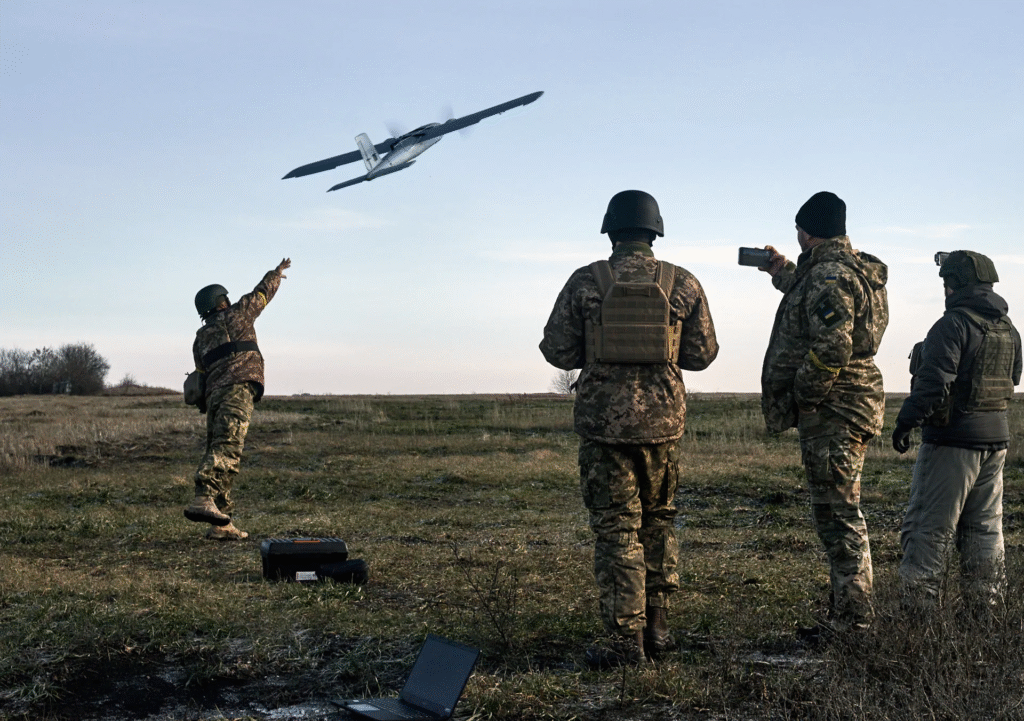
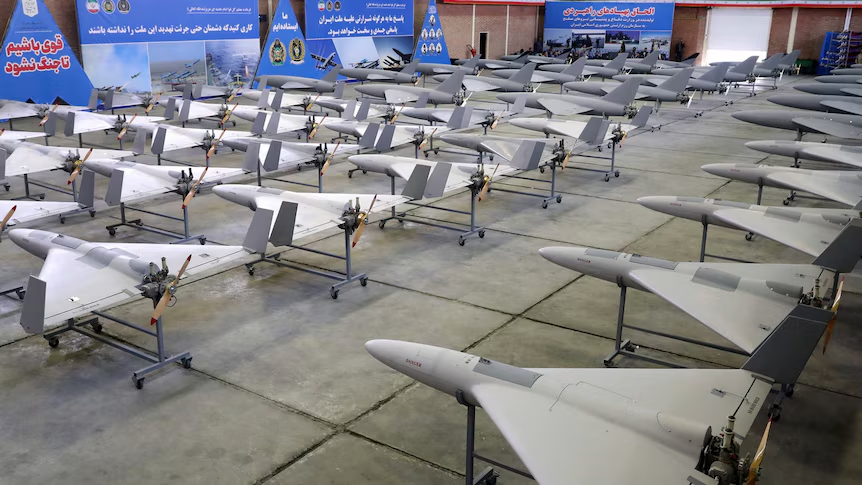
This strike did not arise suddenly. It was partially a reaction to continuous Russian missile and drone strikes against Ukrainian civilian targets. Russia has also sent tens of thousands of drones and missiles, including low-cost Iranian Shahed-136 drones that cost about $35,000 each. Although Ukraine shoots down most of them, sheer quantity wears out defenses and instills terror. Experts calculate that Russia costs a mere $350,000 per successful attack—lower than the price of cruise missiles but frequently lower than what Ukraine spends to repel them.

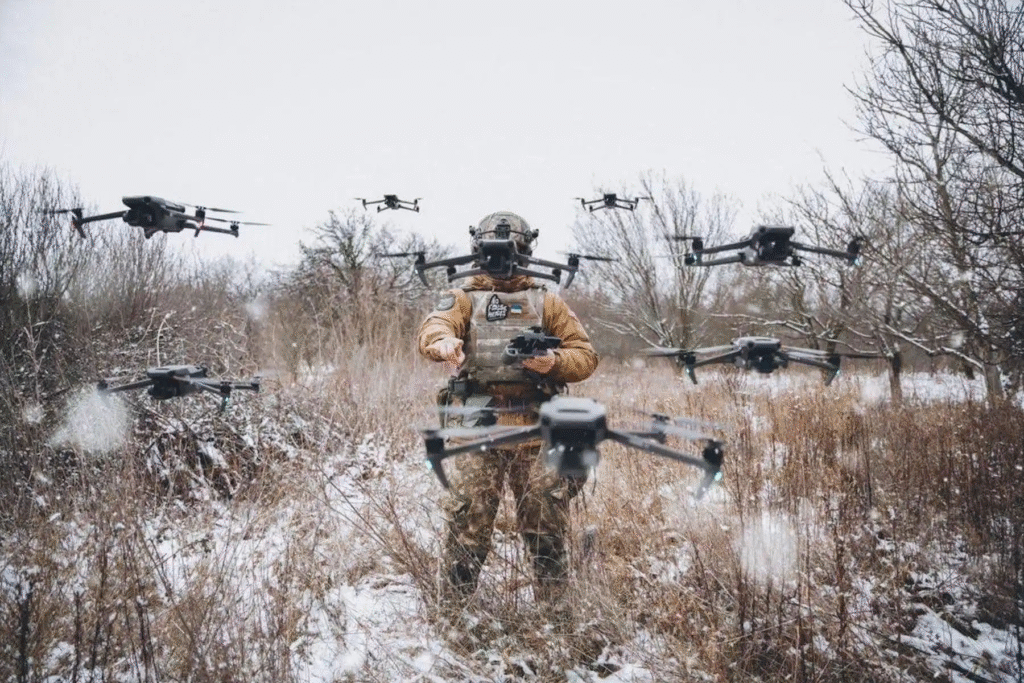
Drone warfare is rewriting the rules of modern combat. For years, analysts assumed that victory required expensive, high-tech weaponry. Today, swarms of affordable drones are inflicting billions of dollars in damage on critical assets. One U.S. official noted that Ukraine’s June raid deployed around $100,000 worth of drones to destroy more than $7 billion in aircraft—a level of cost-effectiveness that is forcing military planners to rethink strategies quickly.
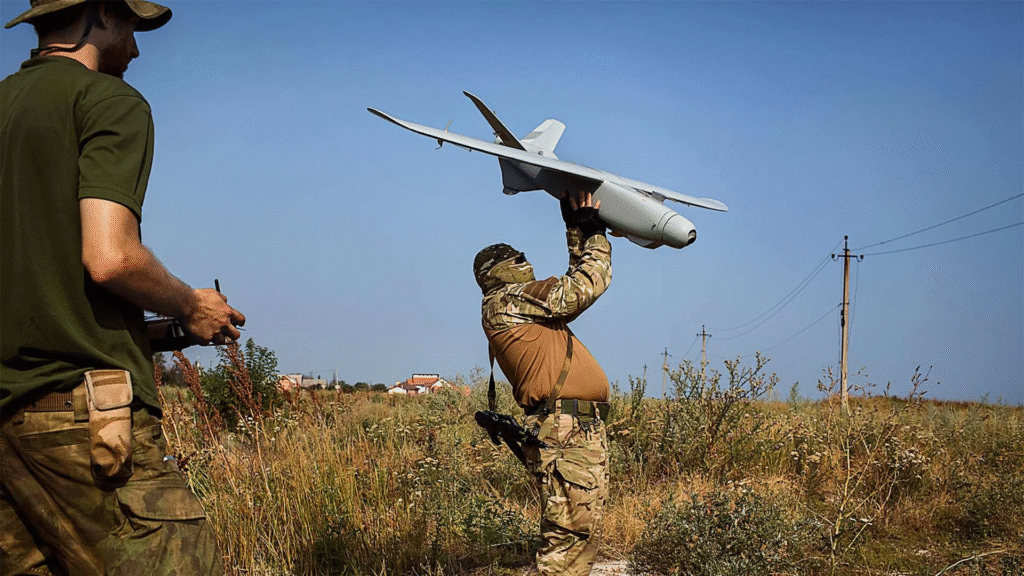
The development of drones has also unleashed a record arms race. Both Russia and Ukraine are manufacturing drones in huge quantities. Ukraine’s defense ministry reported orders totaling more than 1.6 million of different types of drones in a single year, with monthly shipments now totaling 200,000 units. They vary from small reconnaissance quadcopters to high-end strike drones able to hit targets more than 1,500 kilometers away. The very closeness of drones to the battlefield compels tanks and infantry to fight from a distance, rendering age-old tactics like massing forces obsolete.

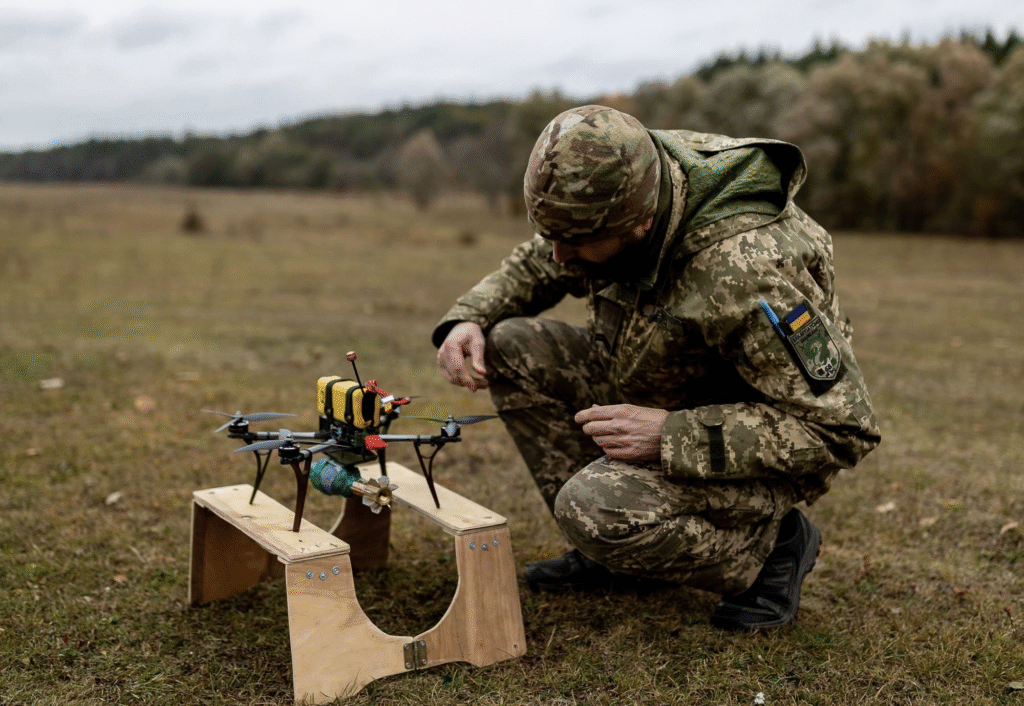
Meanwhile, countermeasures are adapting. The most potent defense is electronic warfare—jamming signals and intercepting drone control. Both parties constantly switch frequencies and employ signal repeaters to disorient adversaries. But the next step is completely autonomous drones that don’t use a signal to spot and attack targets, so conventional jamming is irrelevant. As one Ukrainian pilot said, “You can’t jam a drone that doesn’t need a signal.”
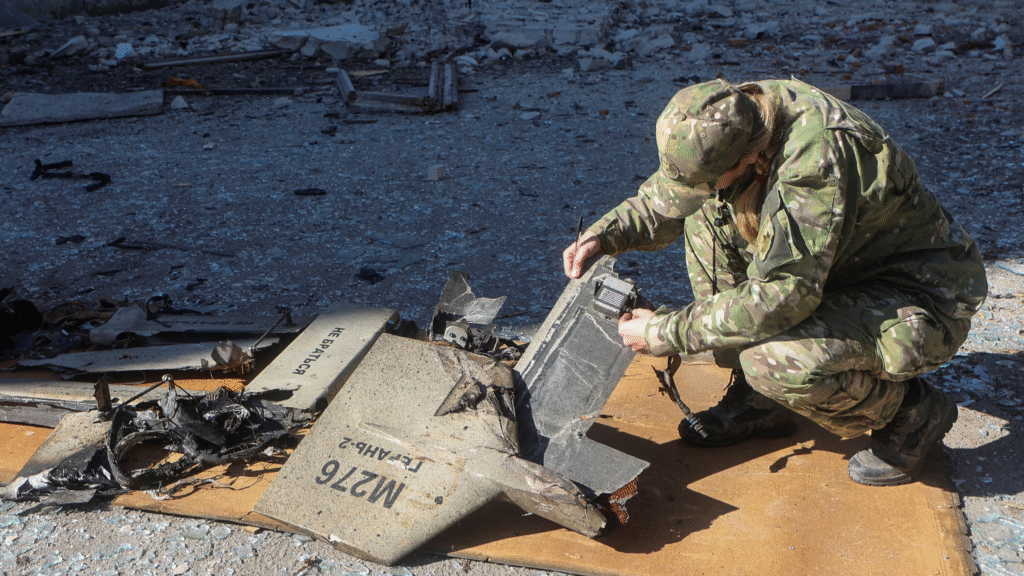
Nevertheless, reality is more complex. FPV drones, impressive as they are, are finicky. Technical glitches, pilot mistakes, and electromagnetic interference result in only a handful of missions being successful. Most drone strikes are secondary strikes against targets hit by other weapons, and regular artillery or mortars are usually less vulnerable and cheaper. Moreover, such vast numbers of drones pose new logistical and supply difficulties.
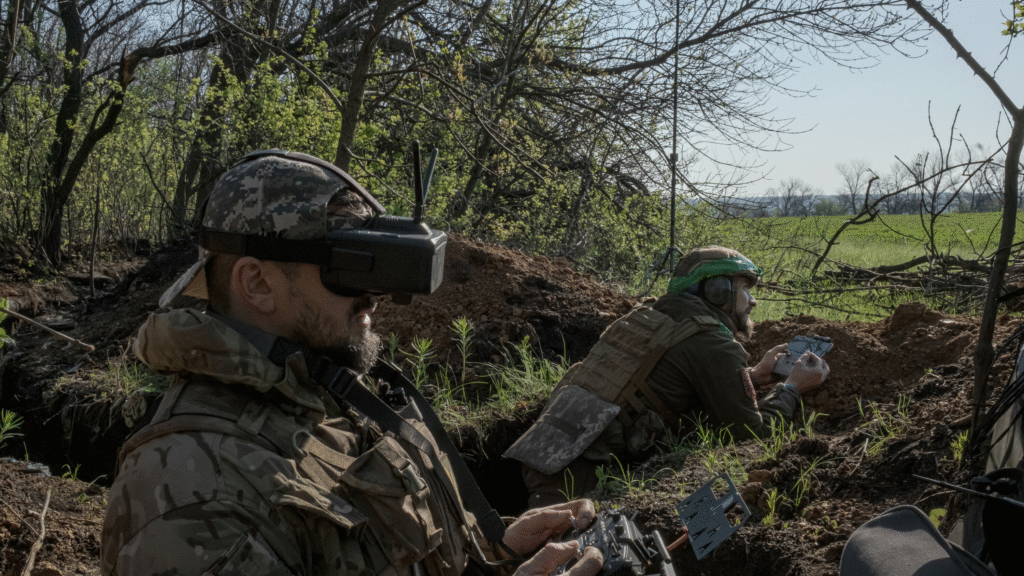
For the world’s militaries, the message is clear—and sobering. Even possessing vast expanses of territory or sophisticated equipment no longer provides protection. The United States, for instance, still struggles to deploy cheap and effective counter-drone technology within its own borders, even as its troops are subjected to hundreds of drone attacks abroad.

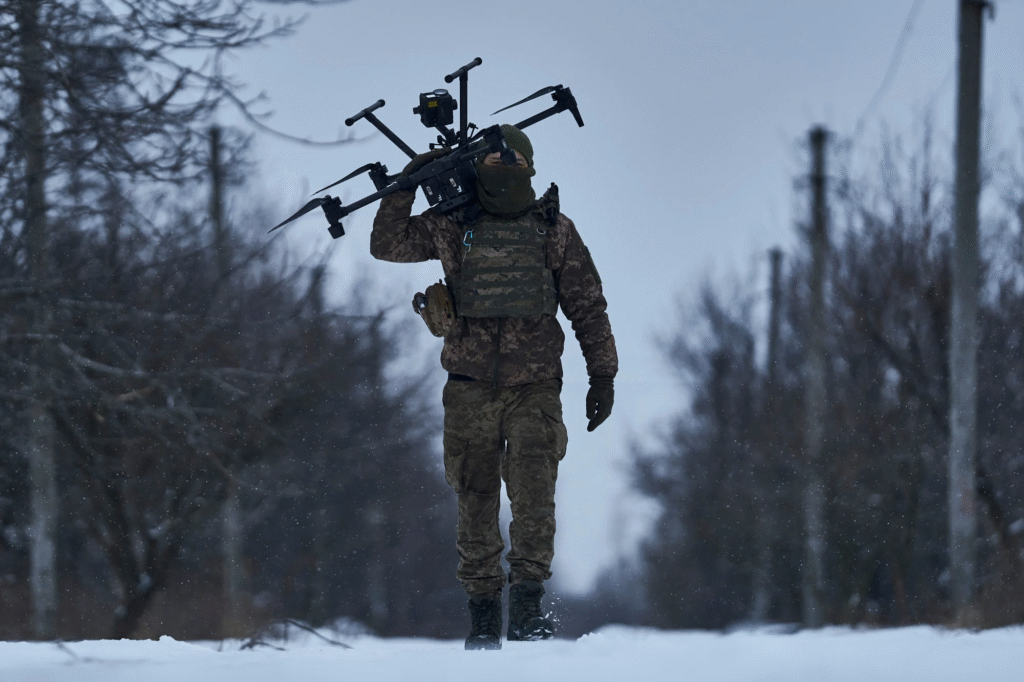
The Pentagon is spending on interceptors, lasers, and other technologies, but coordinating the defenses across agencies and branches is still a challenge. The experts state that adjusting organizational forms, training programs, and legal frameworks is as crucial as embracing new technologies.
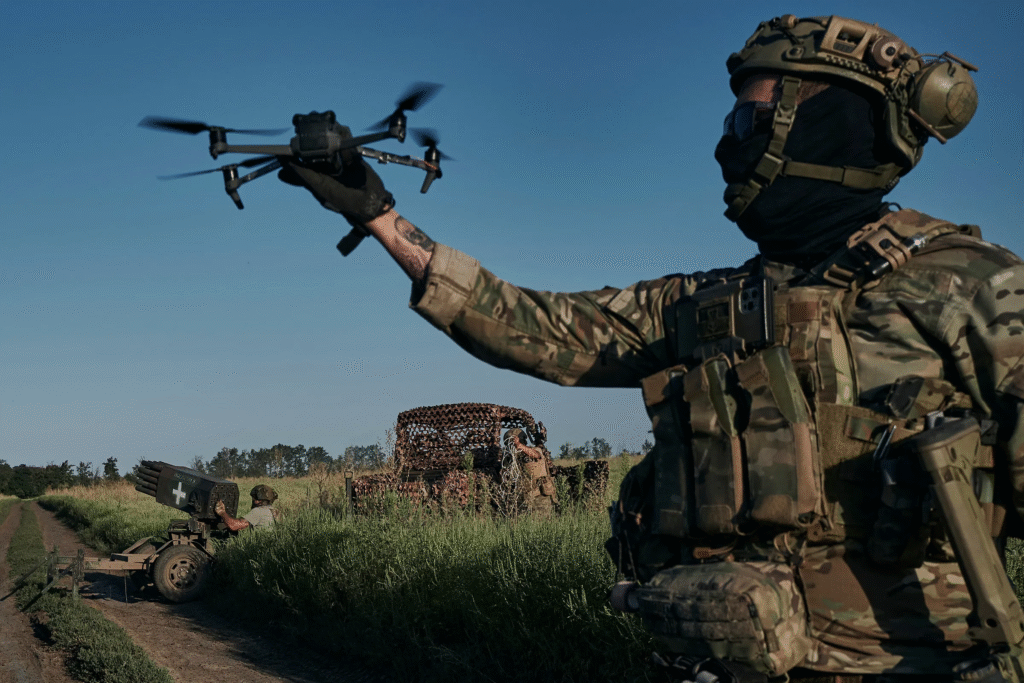
The future of war is coming sooner than most expected. Ukraine’s drone warfare shows that victory is now based on innovation, creativity, and quick adoption of technology. Artificial intelligence, autonomous vehicles, and mass-produced drones are bringing the battlefield to a level, diminishing the strengths once enjoyed by size and affluence. As this war plays out, militaries everywhere will have to reimagine not just the weapons they employ but the very nature of fighting and winning wars.