
New York: 26-01-2026] Chocolate has travelled a long road from the humid rainforests of Central America to the global multi-billion dollar chocolate industry today. While once it was a ceremonial drink, which is now a popular condiment and followed by a controversial health debate.
With the help of open source information, Medical News Today, and Johns Hopkins Medicine Institute research, we have given below detailed information on the history, health benefits, and necessary precautions of the world’s favourite treat.
A Brief History of Chocolate: From Bitter Bean Water to Sweet Bars
The story of chocolate begins nearly 4,000 years ago with the Olmecs and Mayans, who fermented and ground cacao beans to create a bitter, frothy drink.
- The Food of the Gods: The Aztecs believed cacao was a gift from the god Quetzalcoatl. It was so valuable that these beans were used as currency and in many cultural rituals.
- The European Shift: In the 16th century, Spanish explorers brought cacao to Europe. By adding sugar and cinnamon, they transformed it into a luxury beverage for the elite rich people.
- The Industrial Revolution: The 19th century saw the invention of the Dutching process (alkalization) and the cocoa press, which allowed for the creation of the first solid chocolate bars.
Major Health Benefits of chocolate over than Just a Sweat Treat:
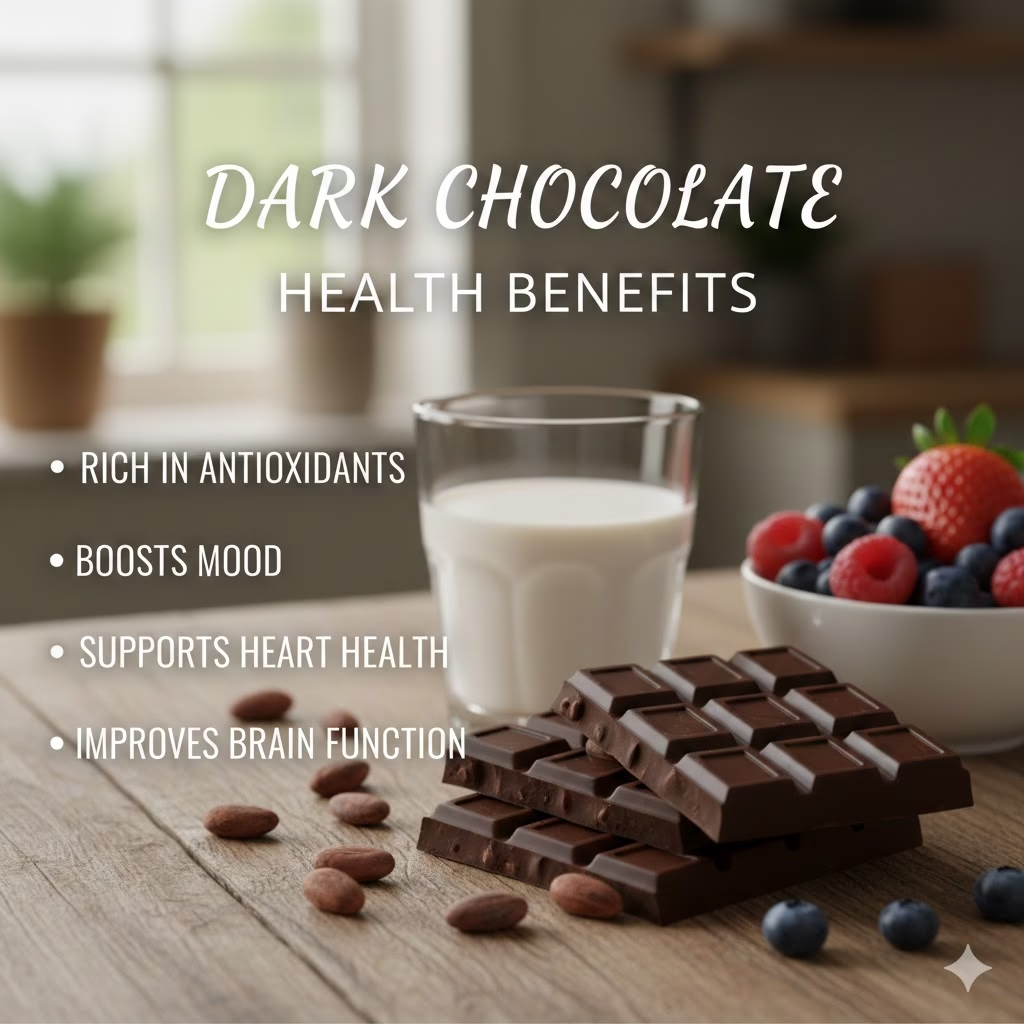
Modern research, particularly from Johns Hopkins, highlights that a healthy relationship with dark chocolate can having a various health benefits.
- Cardiovascular Health
The primary beneficial nutrition in chocolate are flavanoid. These antioxidants helps our body to produce nitric oxide, which relaxes our blood vessels and improves blood circulation. This can lead to a reduction in blood pressure and a lower risk of heart disease.
- Cognitive Protection
Regular consumption of cocoa flavanoid has been linked to improved neuroplasticity. By increasing blood flow to the brain, chocolate may help to improve focus and protect against age-related cognitive (mental ability) decline.
- Cholesterol Balance
The fats in cocoa butter (stearic and oleic acids) don’t raise bad cholesterol. In fact, dark chocolate may increase good HDL cholesterol and prevent the oxidation of LDL, a key factor in betterment of heart health.
- Mood and Stress Relief
Chocolate triggers the release of endorphins and serotonin. It also contains theobromine, a mild stimulant that provides a more sustained energy boost than the early crashing caffeine based energy.
Important Precautions & Safety of Chocolate Consumption
There are benefits of chocolate, as well as there are also negative issues and precautions of eating chocolate which also to taken into consideration before eating chocolates which points out several risks associated with over eating:
- Processing Matters (The Dutching Trap): Dutch-processed cocoa (alkalized) might taste smoother, but this process destroys the healthy flavanols that provide health benefits.
- Sugar and Fat: Many commercial chocolate bars contain high amounts of added sugar and milk fats, which can lead to weight gain, tooth decay, and spiked blood sugar levels in case of overeating.
- Heavy Metals: Some high-cacao chocolates contain small amounts of cadmium and lead, which are absorbed from the soil during cultivation. Therefore eating them in low quantity is essential.
- Caffeine Sensitivity: While lower than coffee, chocolate contains enough caffeine and theobromine to cause jitters or insomnia in sensitive individuals.
Watch the labels of chocolate products, lets know what to look For and choose the healthier chocolate:
- Feature 1: Cacao Percentage, Best Choice (Health Focus): 70% or higher, Avoid (High Processing): 50% or lower
- Feature 2: Processing, Best Choice (Health Focus): Natural cocoa powder, Avoid (High Processing): Alkalized / Dutch-processed
- Feature 3: First Ingredient, Best Choice (Health Focus): Cocoa or Chocolate Liquid, Avoid (High Processing): Sugar
- Feature 4: Fat Source, Best Choice (Health Focus): Cocoa Butter, Avoid (High Processing): Palm Oil or Milk Fat
Finally, Chocolate is a complex plant-based food. To maximize its health benefits, treat it with moderate consumption, enjoy small bites of dark chocolates, high-quality portions (about 1 ounce) of dark chocolate, and keep the sugary milk or white chocolate bars only as an occasional treats.