
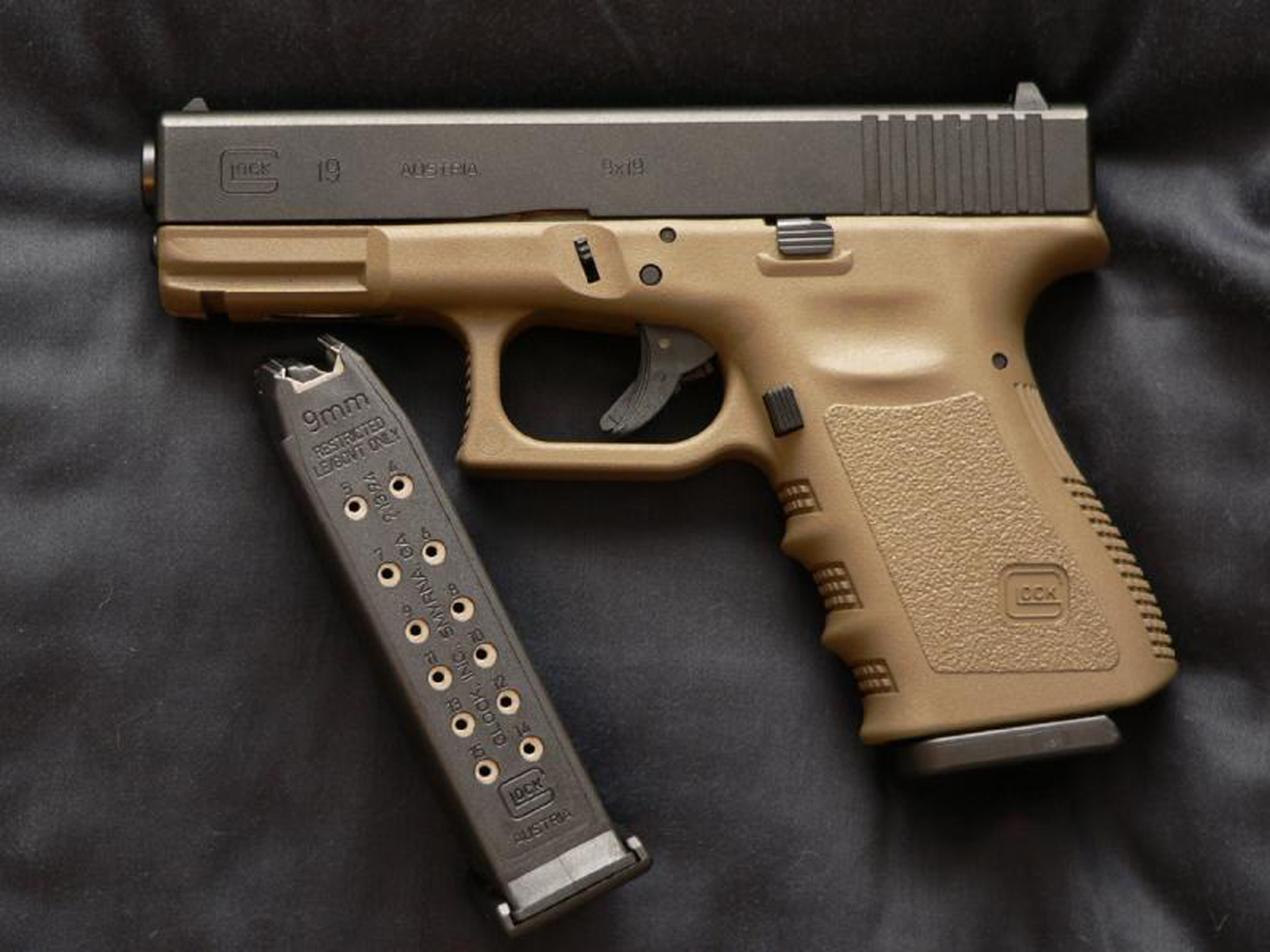


Equipment failure in special operations is not merely a nuisance—it is a death sentence. When a Navy SEAL swims through enemy waters, a Delta team makes a high-risk insertion, or a Green Beret is working deep behind enemy lines, each item of equipment must function in the worst conditions imaginable.

For a sidearm, that implies something beyond its ability to deliver stopping power: a pistol has to be simple, tough, and infinitely versatile. That mixture is precisely why the Glock 19 continues to appear in the equipment bags of elite units everywhere.

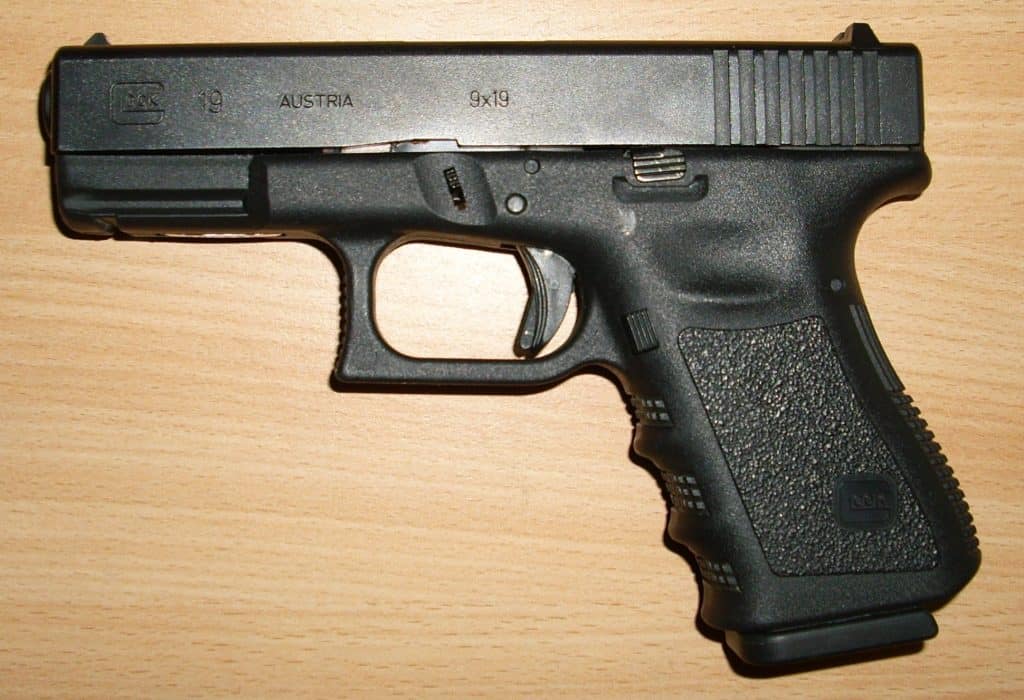
On first glance, the G19 appears nearly plain: polymer frame, simple lines, no frills. Where it falls short in aesthetics, it compensates with reliability. The design evolved from the full-size Glock 17 but in a reduced package—designed based on input from armorers, police officers, competition shooters, and the military. Early on, it earned its stripes by withstanding saltwater, mud, drops, and rough handling and still going. That reputation stuck.
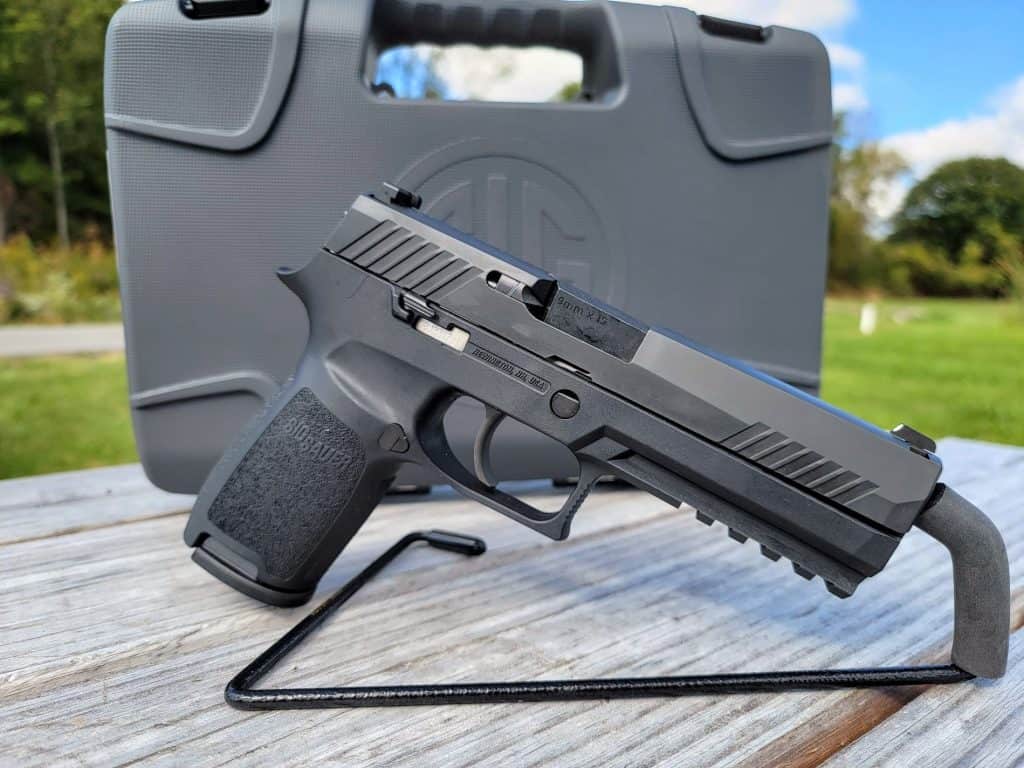
Some of the appeal is pragmatic ease. A Glock can be disassembled with a small punch and general training; the basics can be taught to an armorer in one day. In small-scale units or harsh deployments, the simplicity of maintenance is a huge plus.
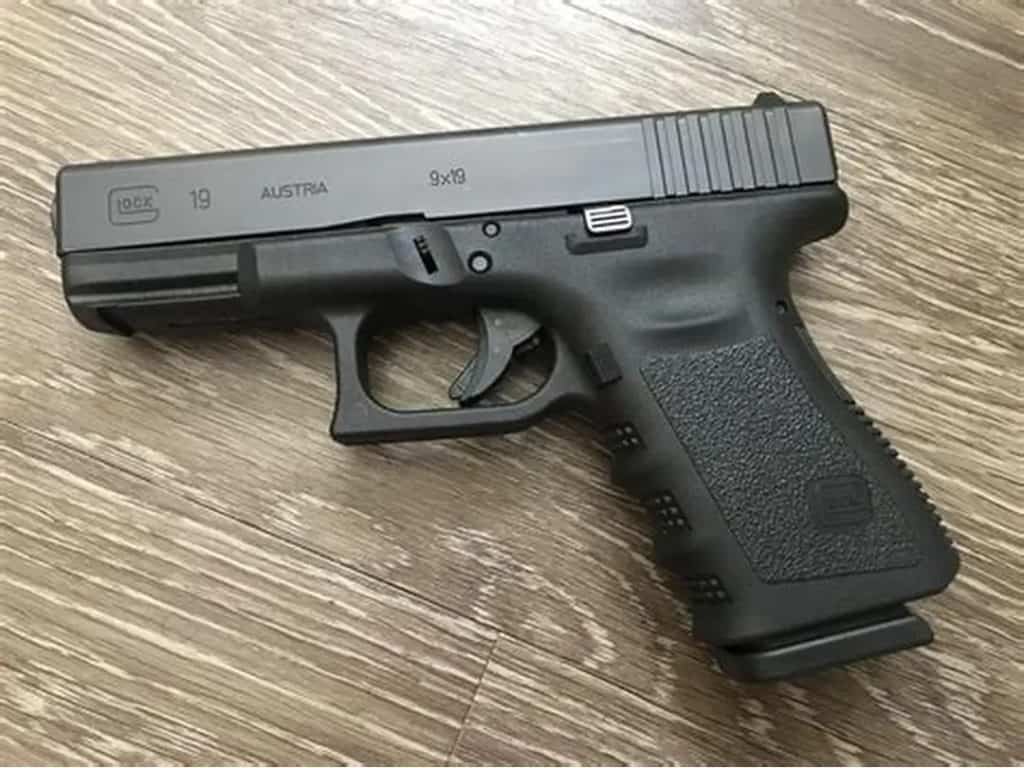
The polymer frame is resistant to corrosion, useful for maritime and tropical operations, and the platform accommodates a broad range of accessories—red-dot optics, threaded barrels, extended magazines, lights, and suppressors—so that one pistol can be set up for clandestine undercover operations one day and hard-contact work the next.

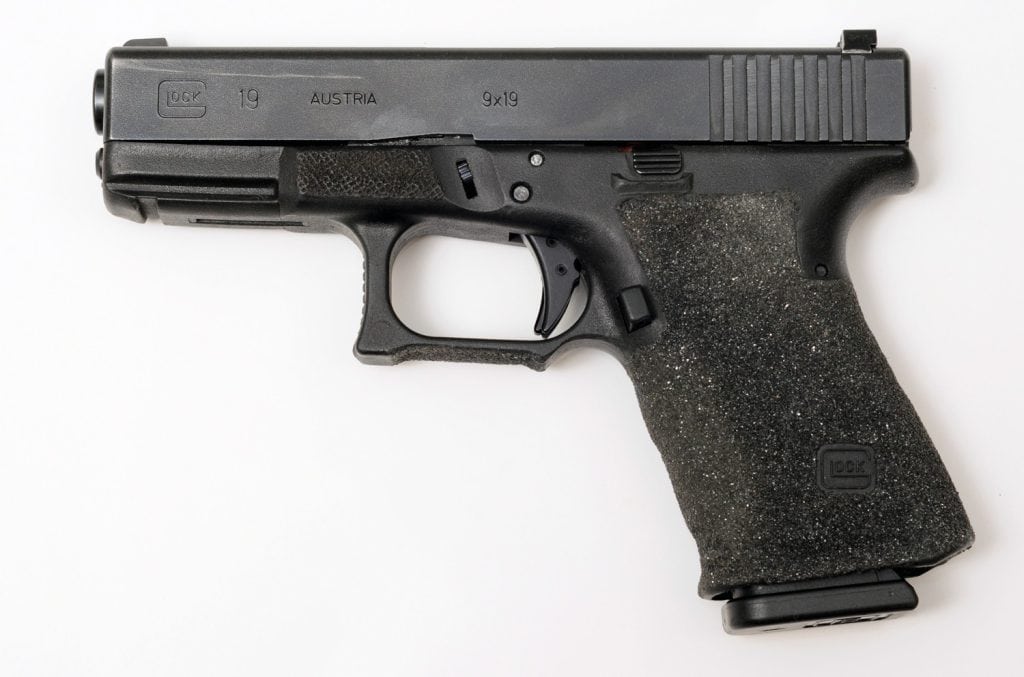
Size does matter, and the Glock 19 finds a handy middle ground. It’s small enough to hide under clothes but big enough to provide a firm grip and acceptable recoil. With an approximately 4-inch barrel and 15-round magazine, it finds concealability and shootability in relative harmony that few other service pistols achieve.

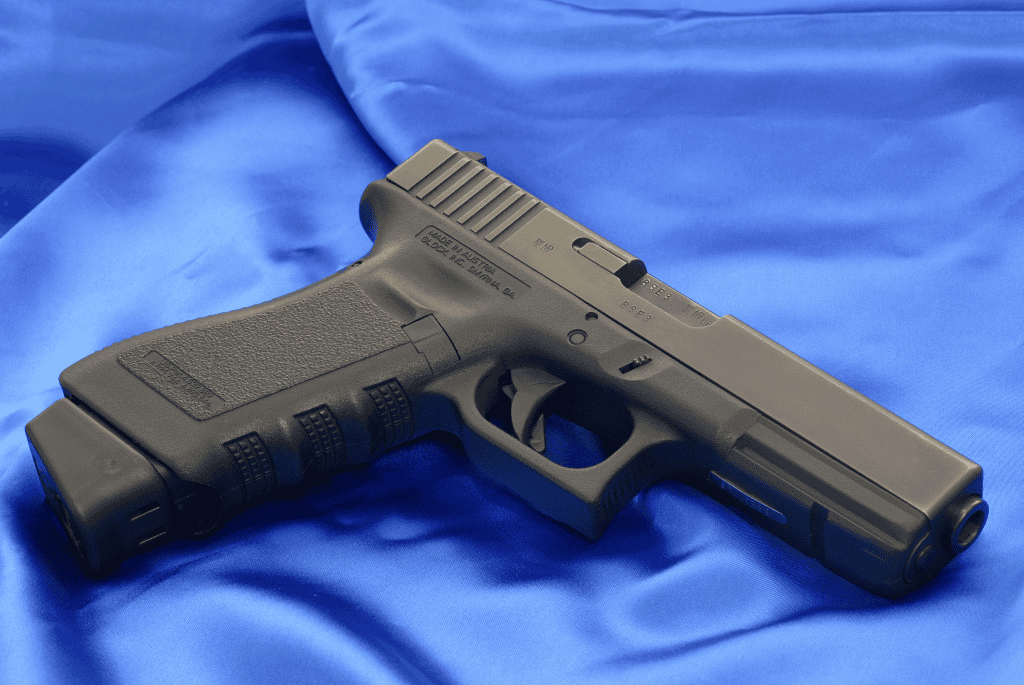
Glock’s Safe Action system—three internal safeties—minimizes the risk of accidental discharge yet enables quick deployment during stress. For quickly trained operators, not being able to manipulate an external manual safety can be a matter of life and death.

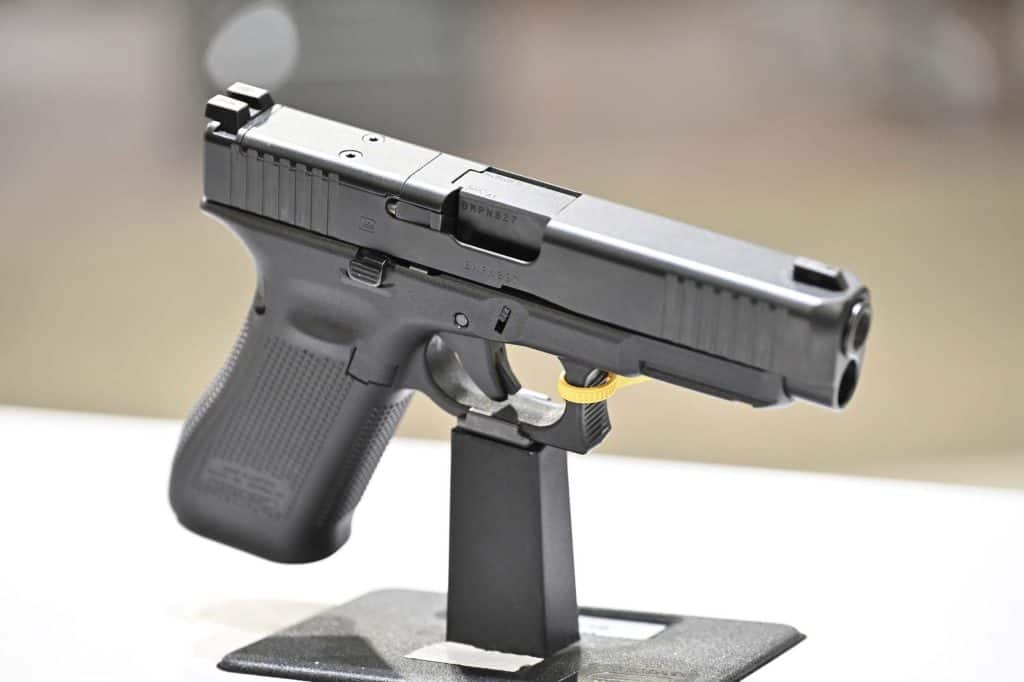
Combat performance is yet another explanation for the popularity of the G19. The trigger pull is smooth, the reset crisp, and in 9mm, the recoil is light enough for rapid, on-target follow-up shots. Its magazines are legendary for durability, continuing to feed themselves even when abused—a vital characteristic when resupply and spare parts are remote.


Glock did not replace other dependable pistols due to them being inferior; it replaced them because they were lighter and simpler where it counted. The Beretta M9 and the SIG Sauer P226 were both trusted service pistols, but they were heavier or more high-maintenance. When special units had more leeway in what they could carry, many of them chose the lighter, lower-maintenance Glock platform.

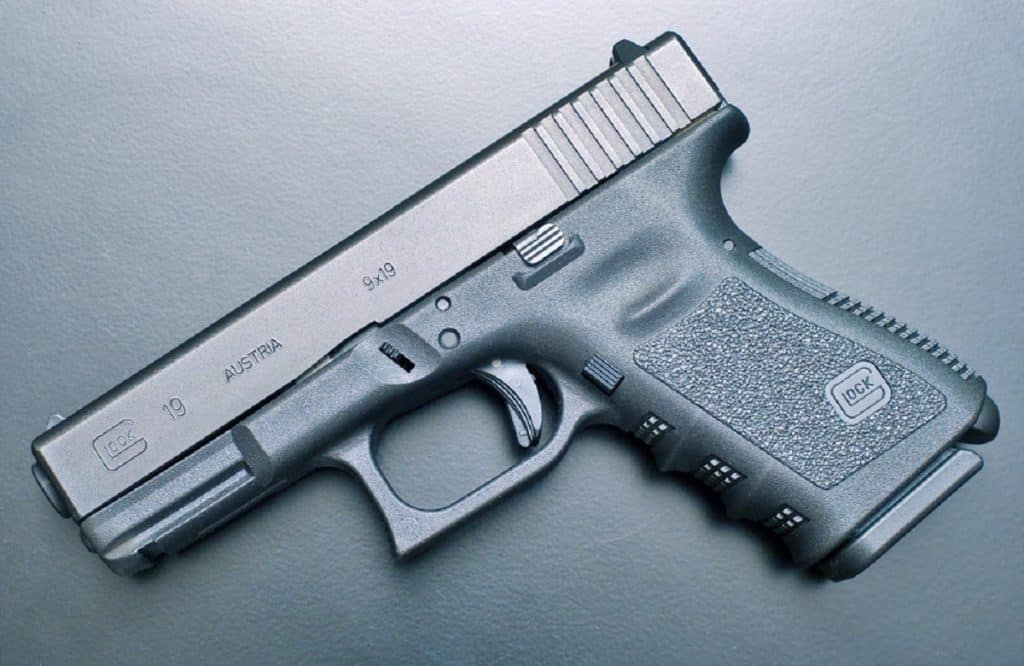
Of course, a sidearm is only half of a special operator’s arsenal. Carbines like the HK416, built with input from operators themselves, are valued for piston-driven dependability and modularity. SMGs like the MP5 and MP7 remain assigned close-quarters duties, while precision rifles like the Barrett MRAD offer long-range versatility. Heavy support—ranging from grenade launchers to light mortars—is selected with the same focus on toughness and mobility.

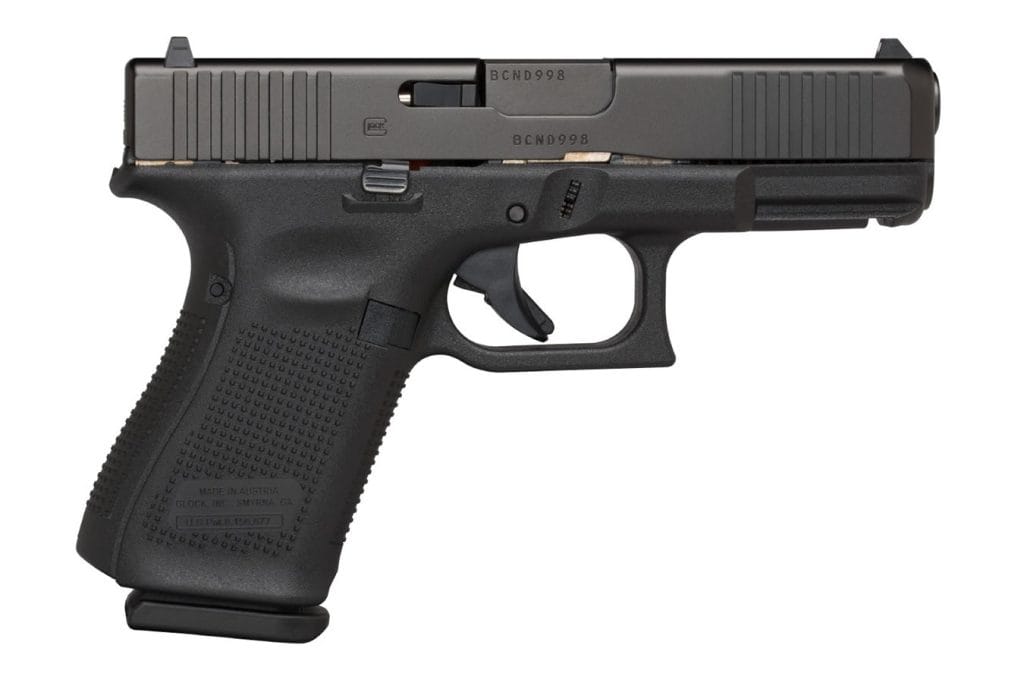
Finally, the Glock 19’s role in special operations has little to do with data-sheet specs. It has to do with a mindset: gear needs to be modest, rugged, and versatile. The G19 is not the most movie-pistol-like pistol out there, perhaps, but its record in the possession of highly trained operators is difficult to dispute. In the worst of times, the best gun is the one that will function—every time.