
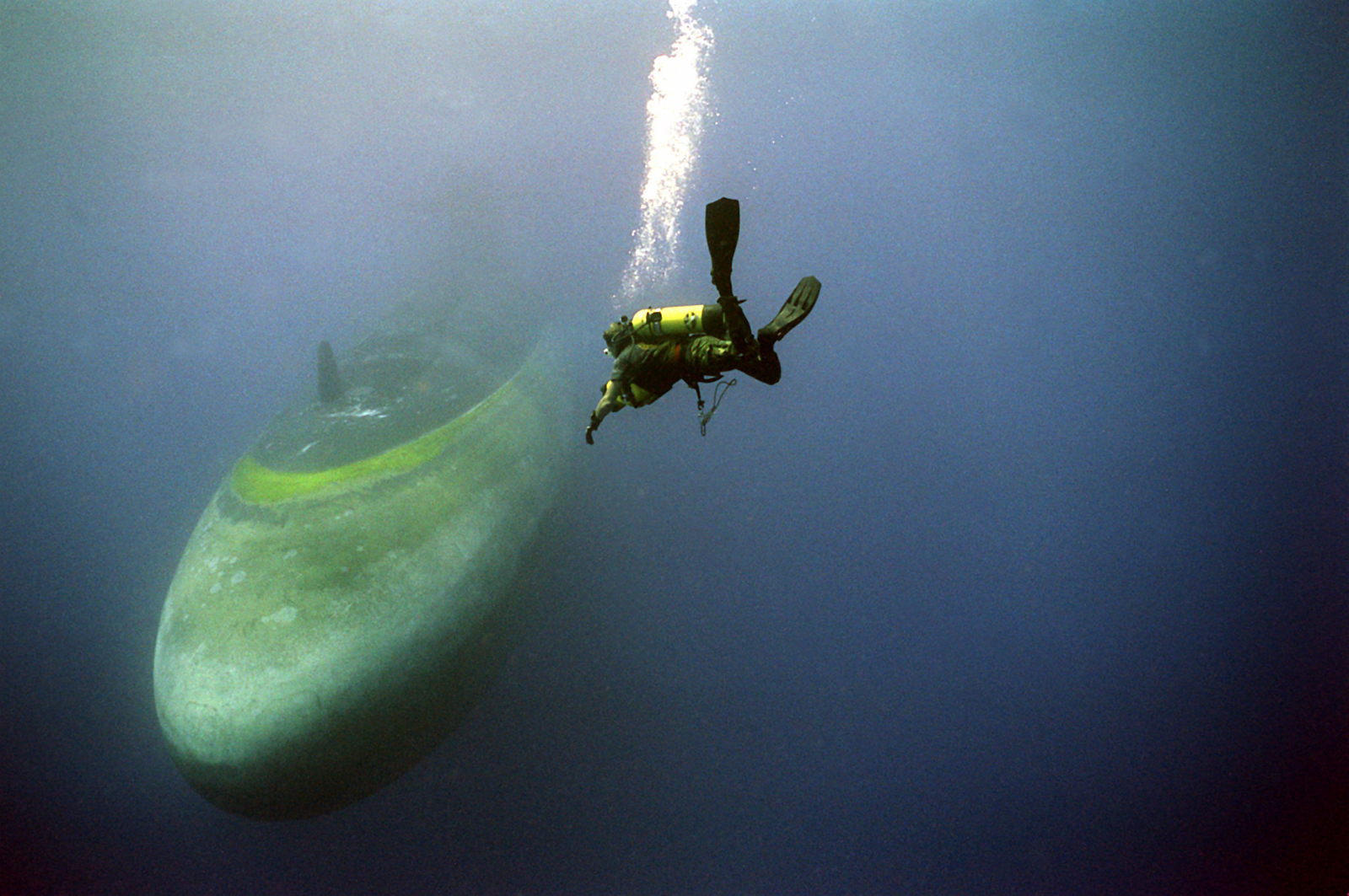

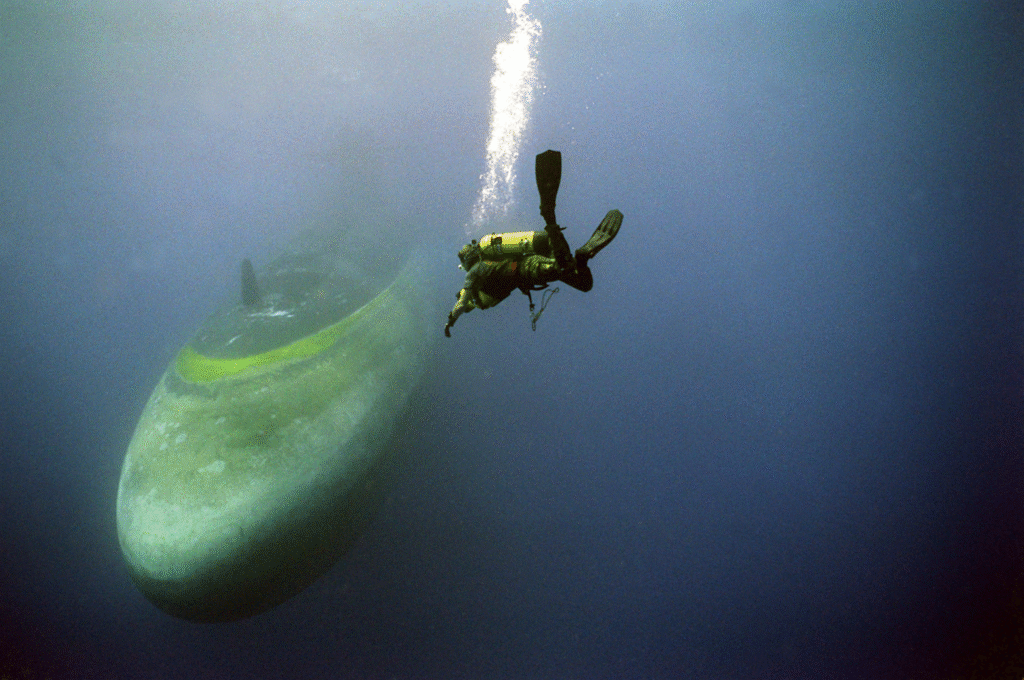
When the Soviet Union dissolved in 1991, everyone thought the days of sinister submarine battles and nuclear one-upmanship were a thing of the past. But under the frozen surface of the Barents Sea, old habits persisted. The United States and Russian navies engaged in their cat-and-mouse games, each wanting to monitor the other’s nuclear arsenal with intense interest. The upshot? One of the most humiliating—and perilous—submarine crashes of the post-Cold War era.

Cold War Strategies Won’t Fade Away
While Russia was struggling through political and economic turmoil, its own navy stood strong. The United States, fearful of turmoil and the fate of Soviet nuclear capabilities, increased its underwater surveillance. These operations, called Operation Holy Stone, included tapping Russian telecommunication cables and monitoring submarine movements off strategic naval bases.

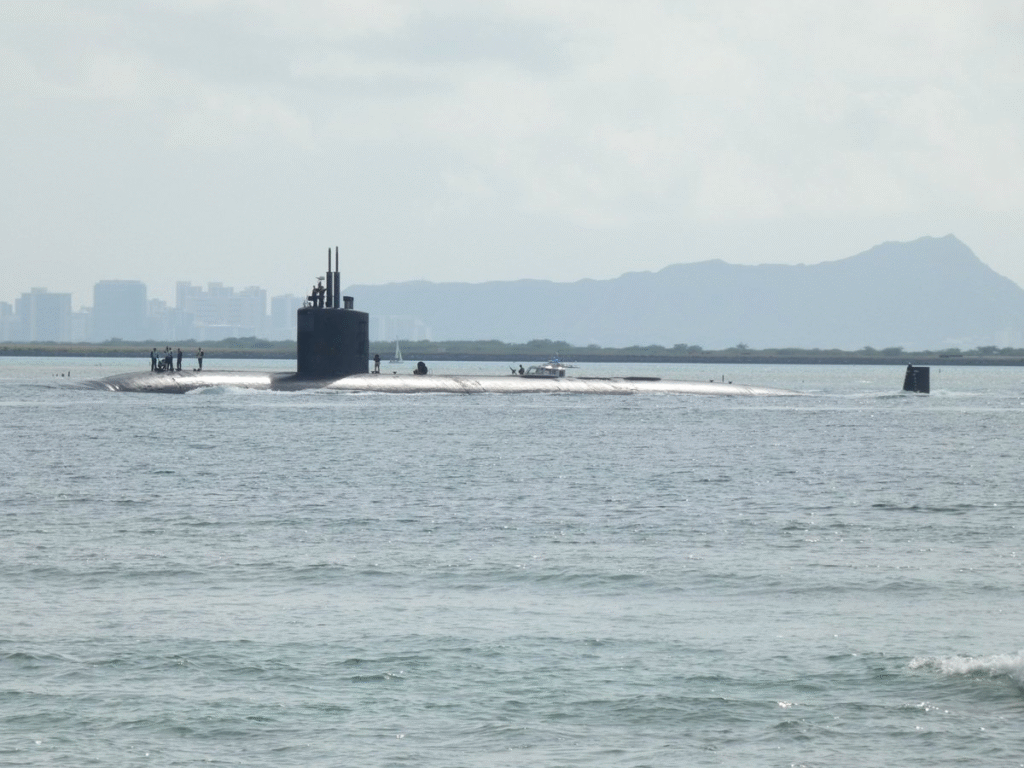
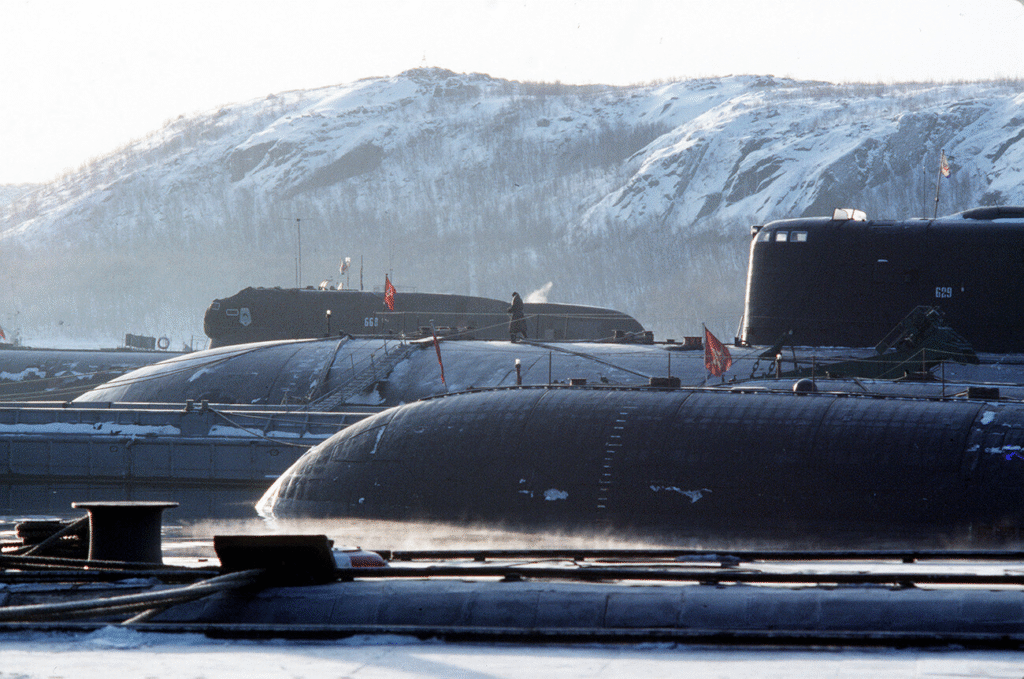
SOFREP reports that USS Baton Rouge, an LA-class nuclear attack submarine, was deployed in February 1992 off Severomorsk. The story went that it was installing or gathering listening devices on the ocean floor, but the Russians suspected that it was doing something more provocative.

The Collision: A Game of Underwater Chicken
Approximately 12 miles from the coast of Russia—in international waters according to American calculations, but claimed by Moscow—the crew of the Baton Rouge felt themselves to be alone. Then their submarine lurched. They had struck the Russian B-276 Kostroma, a 9,000-ton Sierra-class nuclear submarine with a very rare titanium hull.

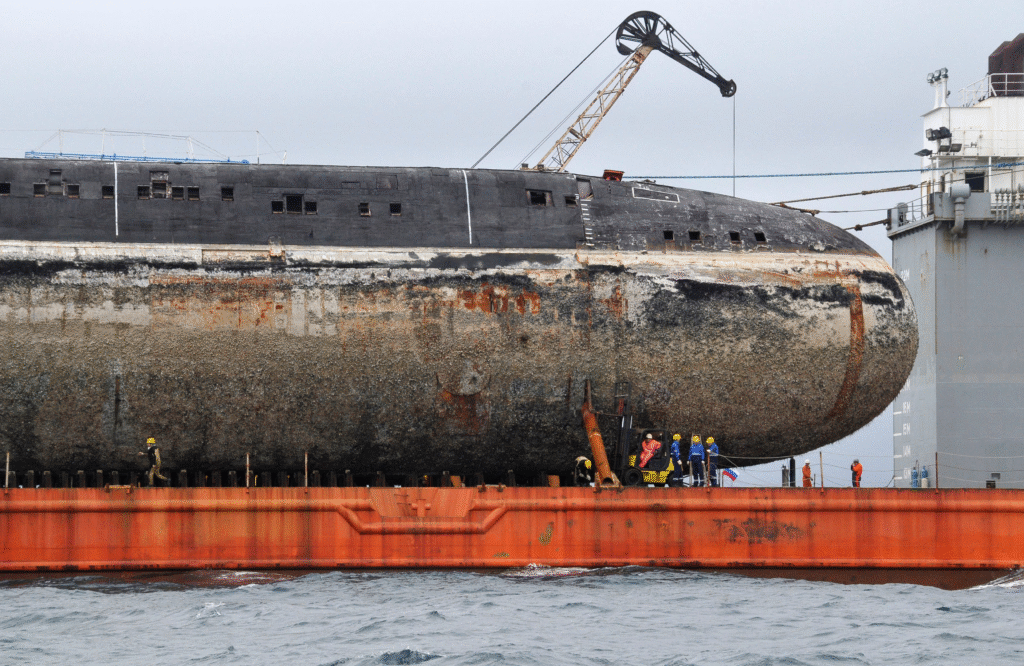
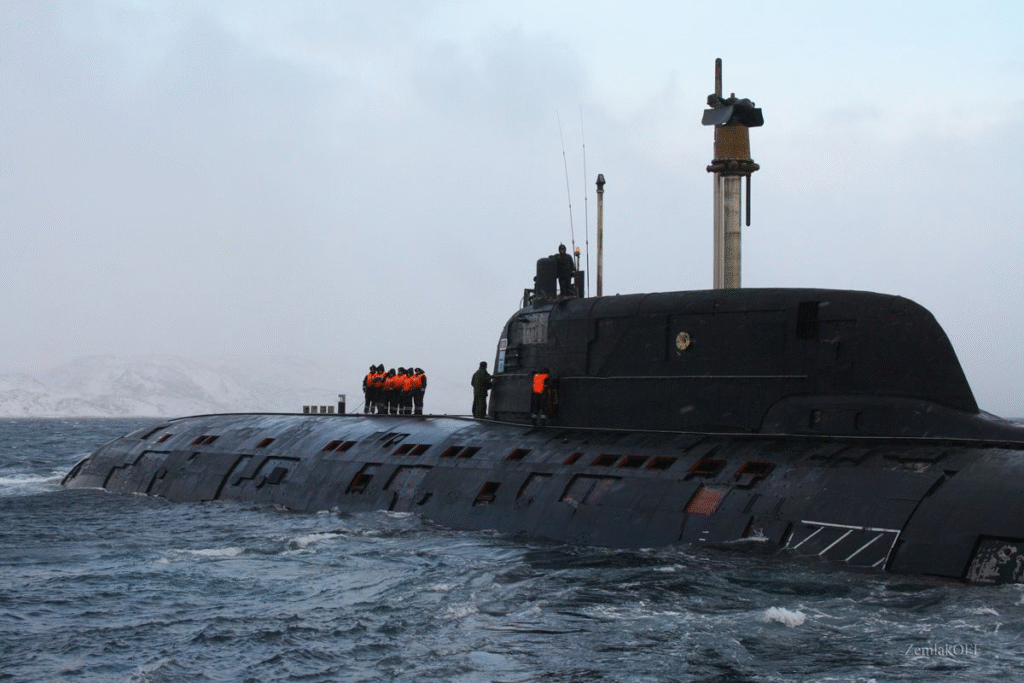
As documented by Dr. Brent M. Eastwood, the Kostroma was coming up at a moderate pace of 8 mph, but the weight of the ship meant that the collision was substantial. Both subs were damaged—Kostroma’s conning tower was pummeled, while Baton Rouge received severe scratches and a ruptured ballast tank. The U.S. sub was fortunate; its single hull might have been compromised, leading to disastrous flooding.
Following the collision, Baton Rouge navigated around the Russian sub to see if help was required, then both ships crawled back to their home ports.


Diplomatic Shockwaves
The encounter was a political embarrassment for Washington. The Russians blamed the U.S. for unauthorized entry into their waters, and the Pentagon maintained the collision took place in international waters. The official American explanation—that Baton Rouge was simply tending listening devices—rang hollow in Moscow.


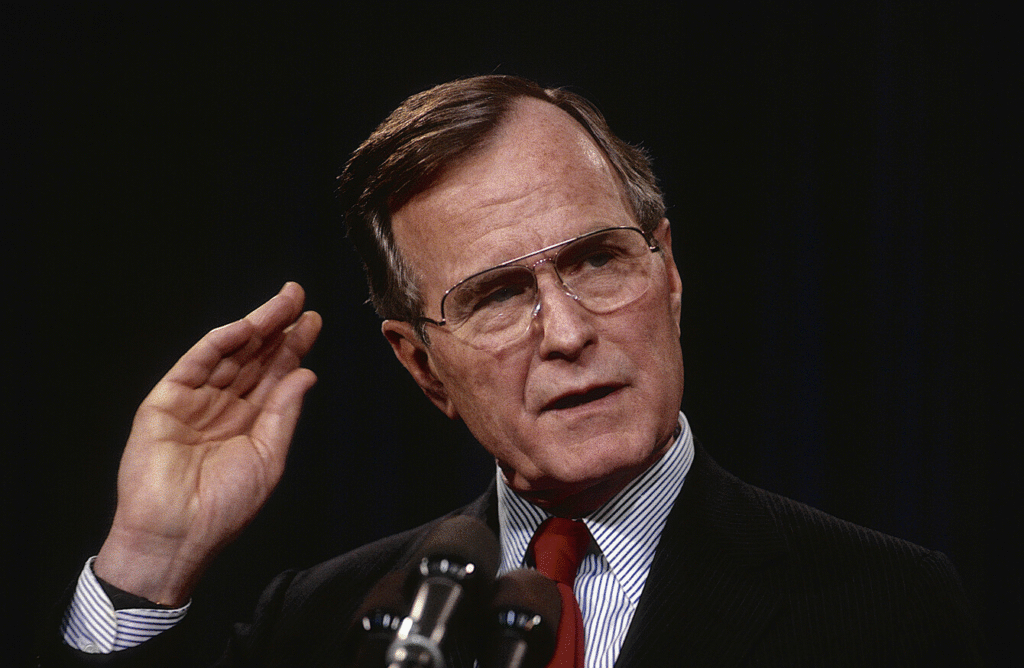
The political fallout was instant. President George H.W. Bush sent Secretary of State James Baker to the Kremlin to contain the damage. Baker had a hard sell in President Boris Yeltsin, who believed the Americans were still into their old spying habits.
According to Dr. Brent M. Eastwood, Baker reassured Yeltsin that the U.S. Navy never intended to spy, despite rumors that Baton Rouge was eavesdropping on Russian military communications. Russian strategists claimed that both subs knew of each other’s presence and played a game of cat-and-mouse underwater at high stakes.

The Aftermath: Scrapping and Symbolism
Having returned to port, the extent of Baton Rouge’s damage was revealed. Repair and the refueling of her nuclear reactor were too costly, and the submarine was broken up in 1993 after an active career in excess of 17 years.

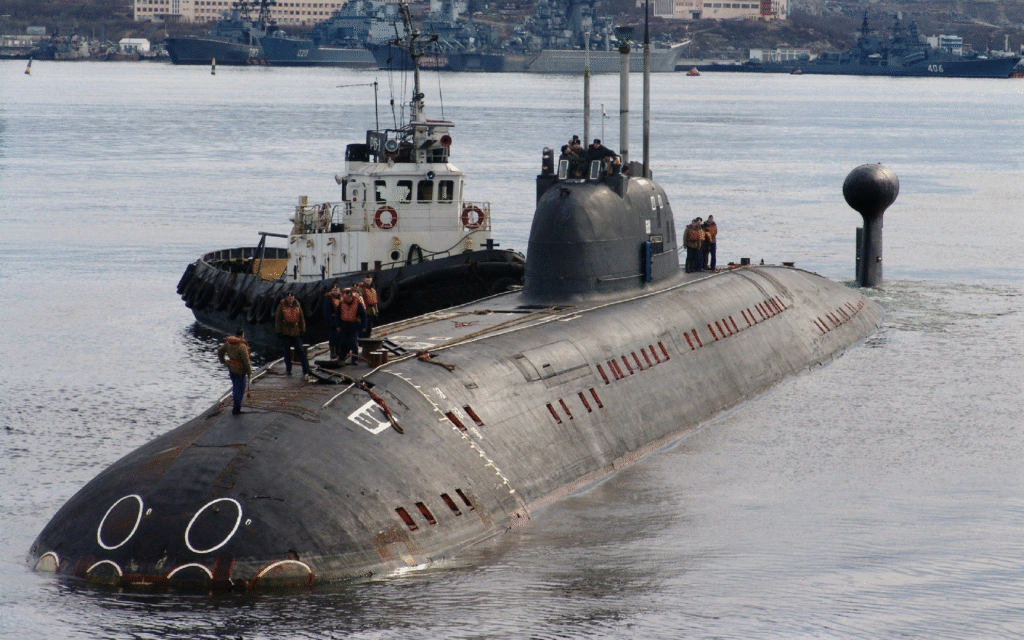
Kostroma, however, was repaired and put back into service. In a gesture that combined humor and bravado, Russian sailors painted a kill mark—a “number 1” symbol—on Kostroma’s conning tower to celebrate the “defeat” of the American sub.
According to War History Online, Kostroma subsequently underwent modernization, with a new sonar complex being among the upgrades, and continues to be in reserve status today.

Lessons from the Deep
The 1992 crash served as a reminder that, even during periods of assumed peace, the dangers of submarine spying are very real and could be catastrophically disastrous. Both were fortunate—there were no fatalities, and the accident did not lead to a military fight. Yet with Washington-Moscow tensions ebbing and flowing over the years, ghosts of underwater crashes remain, evidence of the perilous games beneath the surface.