
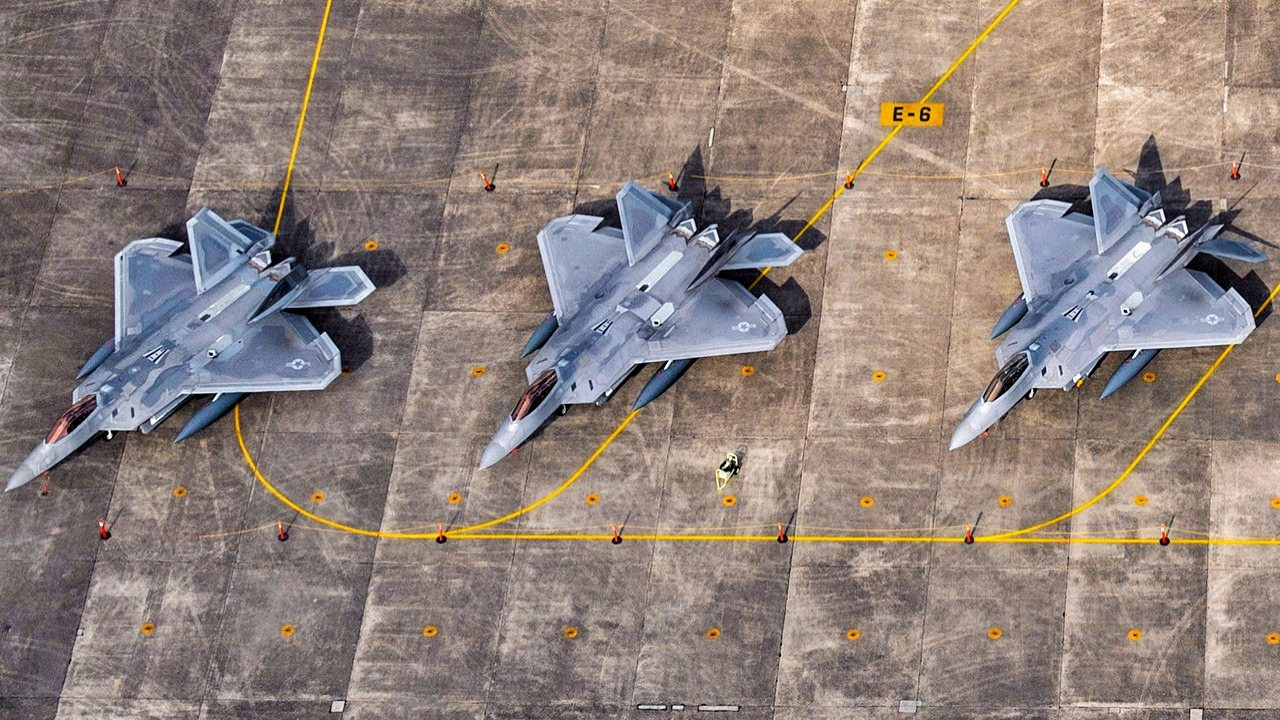

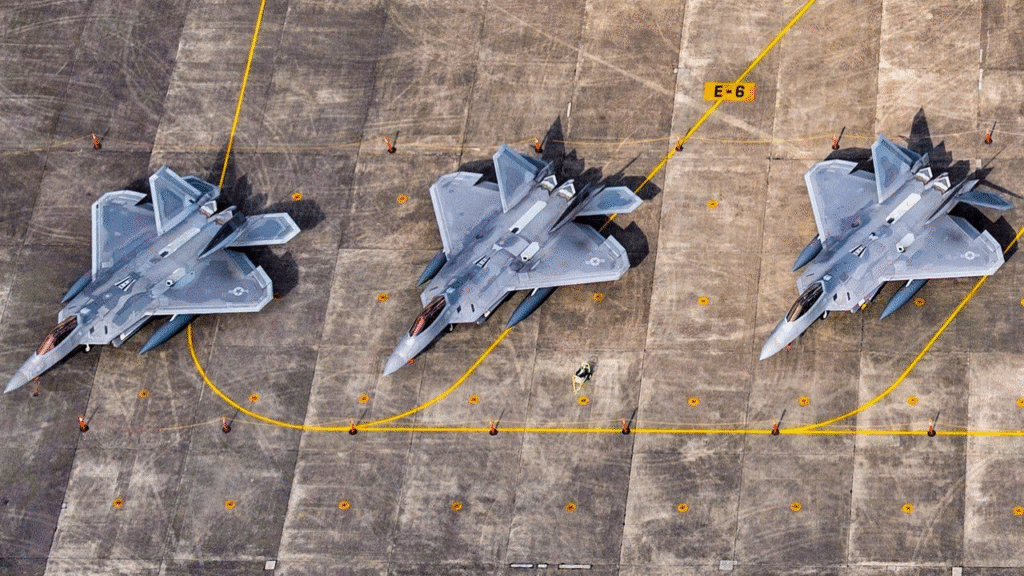
Iranian skies have long been a dangerous battleground—a silent game of chess wherein military capability, vigilant eyes, and strategic maneuvers meet. For many years, Iranian and American forces danced around one another in this tense sky. Surveillance aircraft such as the MQ-1 Predator frequently skimmed against the Iranian borders, silently collecting information. But in 2013, there was a little-noticed air battle played out that would highlight the unparalleled superiority of the F-22 Raptor—and remind the world who really rules the skies.

To grasp its significance, go back to November 2012. That month, two Iranian Su-25 Frogfoots detected an American Predator drone flying roughly 16 miles off Iran’s coast. The Predator was not designed for war—it’s slow, vulnerable, and made exclusively for spying. But it suddenly found itself on its own being fired upon. The Frogfoots conducted a few attack runs with their 30mm cannons, and while the drone managed to escape, the incident came with a blunt message: Iran was ready to shoot.

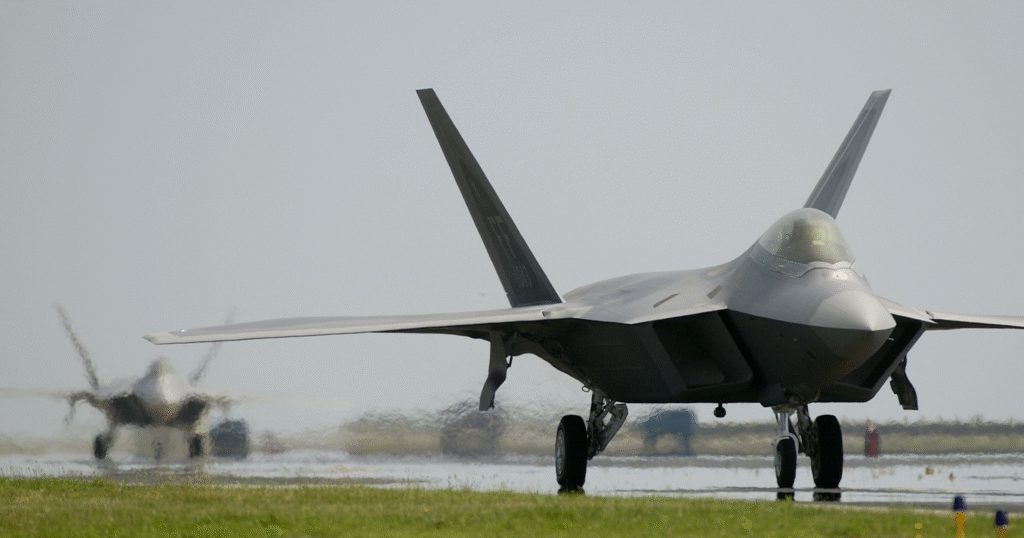
In retaliation, the U.S. started dispatching fighter escorts to cover drones operating close to Iran. Occasionally, Navy F/A-18s did the job. At others, it was something much more elusive—the F-22 Raptor, which arrived stealthily from bases in the region.
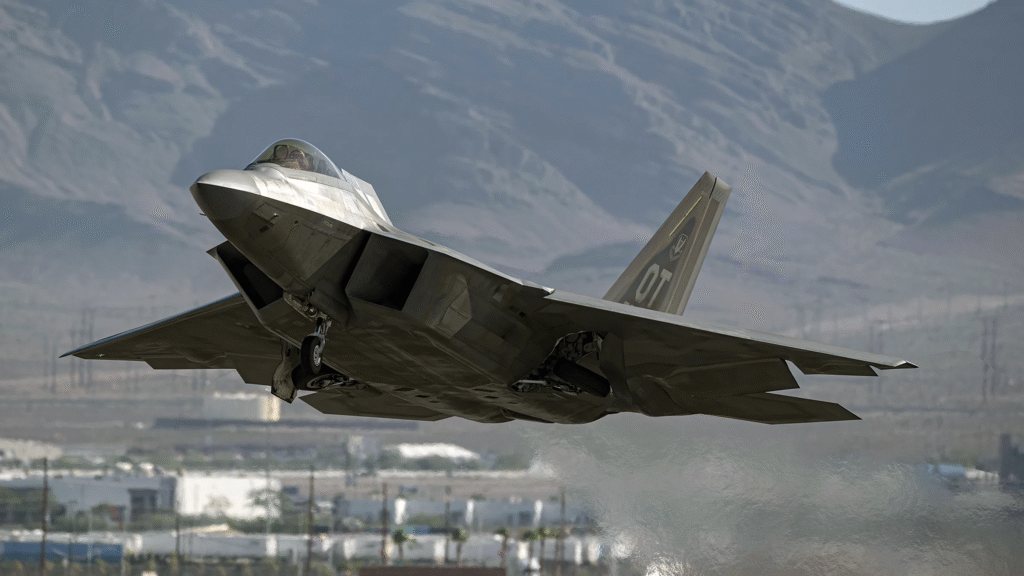
Then, in March 2013, came another Predator on its routine surveillance mission. This time, Iranian pilots scrambled not with Frogfoots, but with two F-4 Phantoms—old but still pretty fast and well-armed. To the Iranians, the unarmed drone appeared to be easy pickings. What they did not know was that they were not alone.

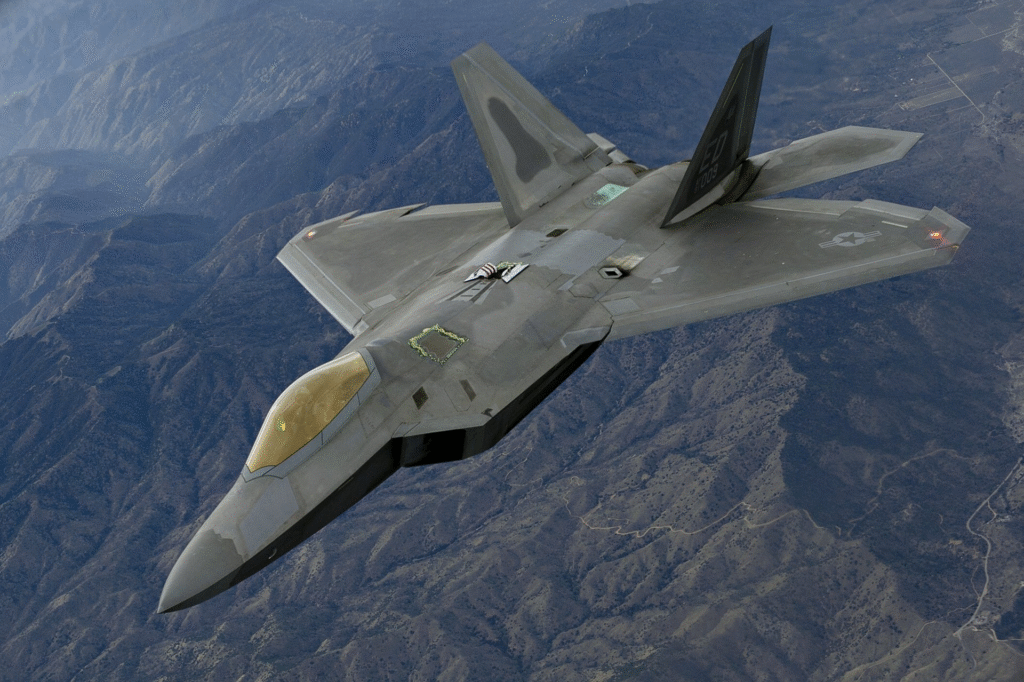
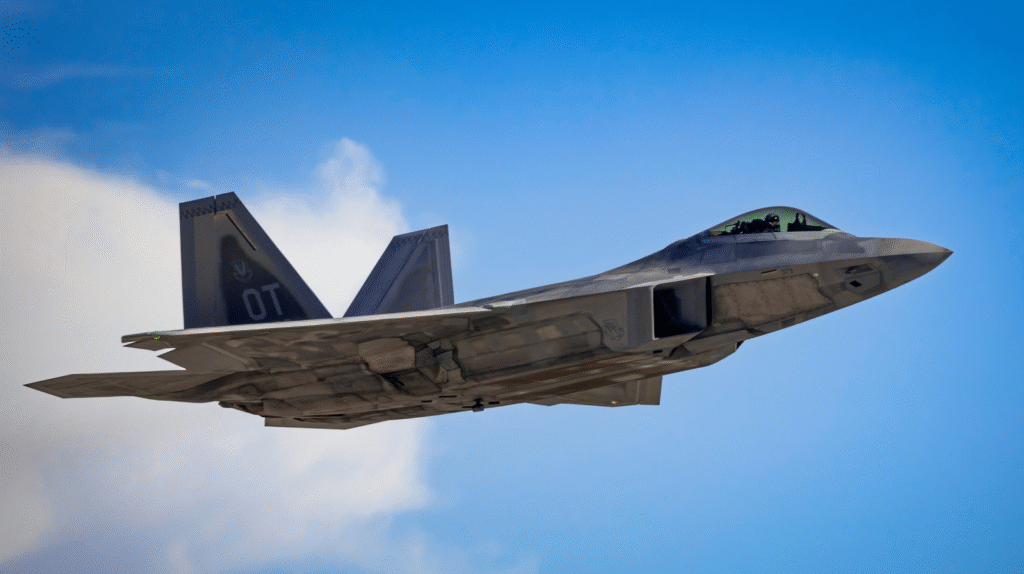
High above them, Lt. Col. Kevin “Showtime” Sutterfield was already on station in an F-22. With its stealth, the Raptor had been tracking the Phantoms without being detected. When one of the F-4s began to line up for an attack, Showtime struck. He flew close enough that he slipped under the Phantom and took a look at the weapons. Then, in a plot line ripped from a Cold War movie, he flew alongside and spoke into the radio with all the calmness: “You really oughta go home.”

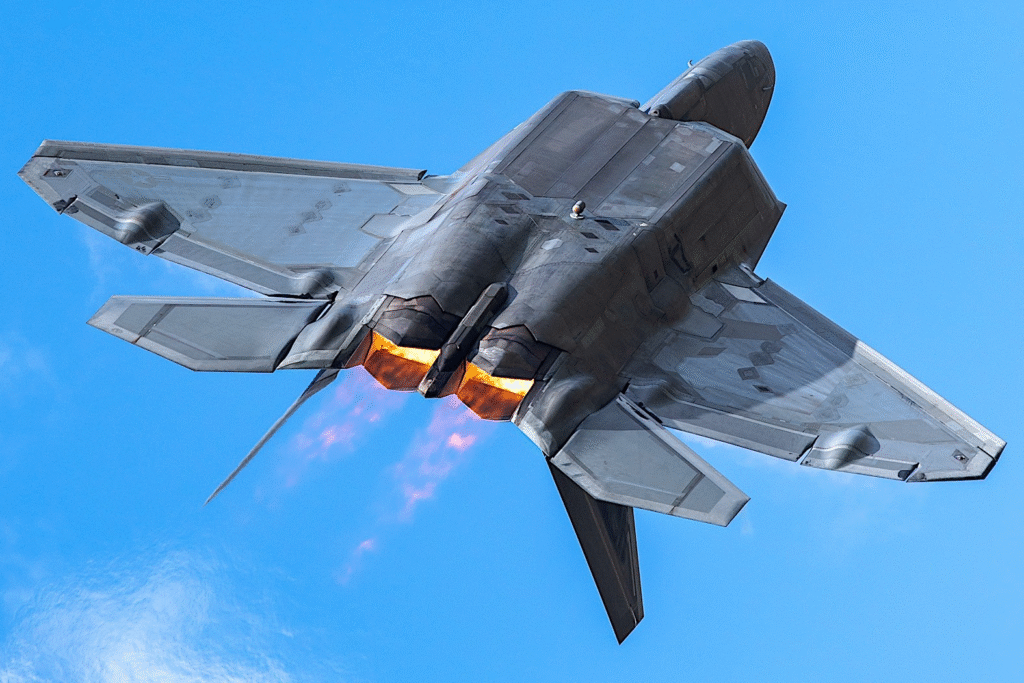
The Iranian pilots were shocked to suddenly see a stealth fighter on their wing and disengaged and turned away. No shots were fired. No dogfight. Just a silent reminder that they had been outclassed way before they even knew it.

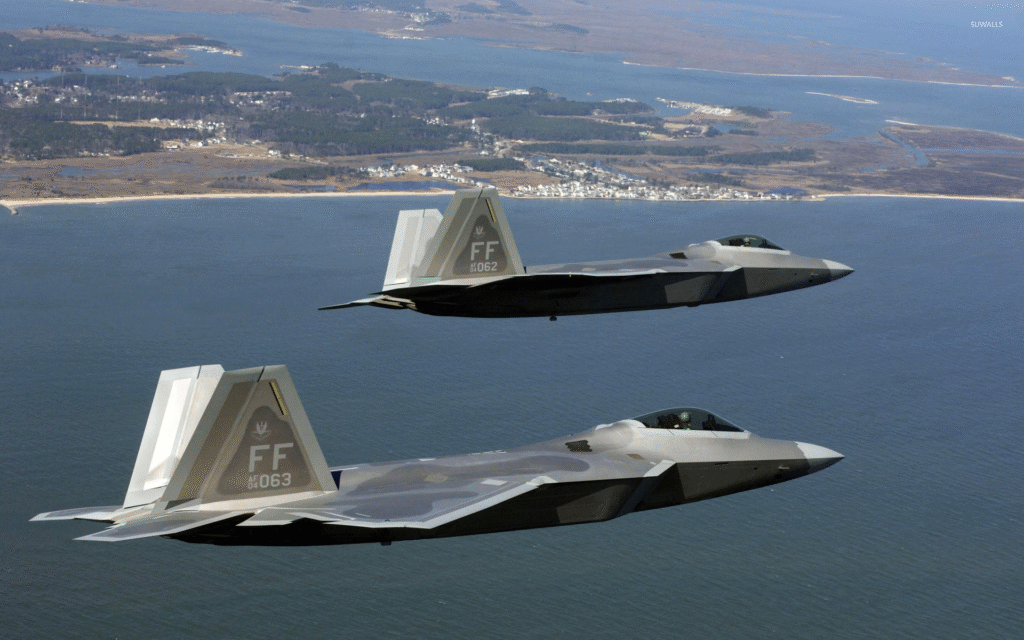
The encounter was a turning point. The Raptor hadn’t had to shoot a missile, pull the trigger—it had already won by just being there, unseen, until it decided otherwise. For the United States, it was a demonstration of air dominance. For Iran, it was an eye-opening glimpse into how exposed older planes are to modern stealth.

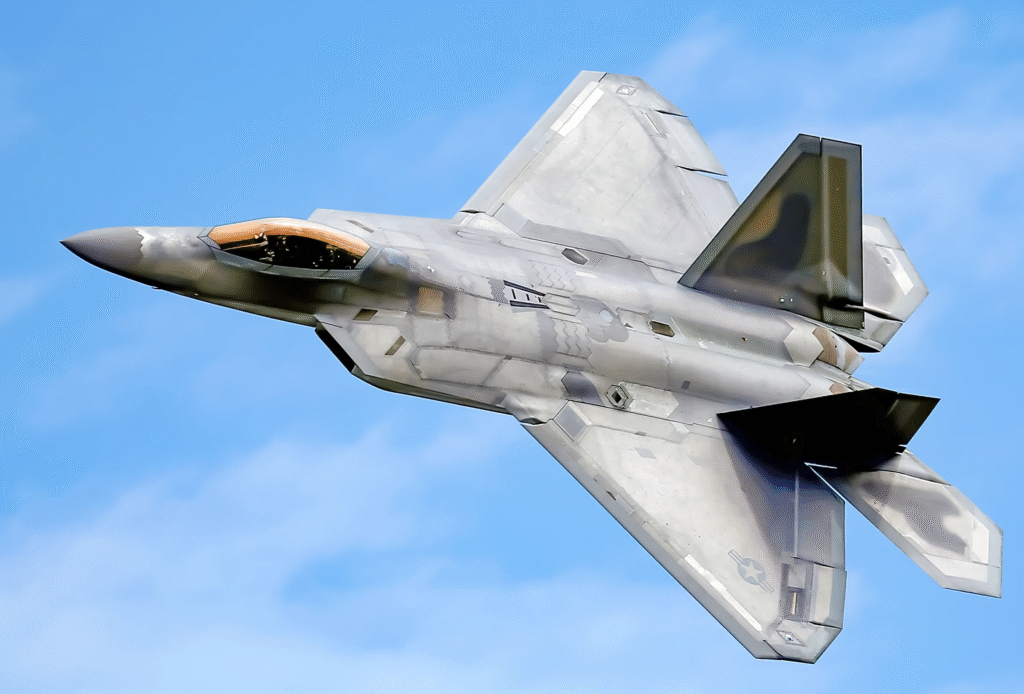
Air Force Chief of Staff Gen. Mark Welsh afterward recounted the incident, pointing to both the professionalism of Showtime and the unparalleled advantage that the F-22 presents. Against two opponents, the Raptor turned the numbers game on its head. It wasn’t merely technology in action—it was the clever application of it.
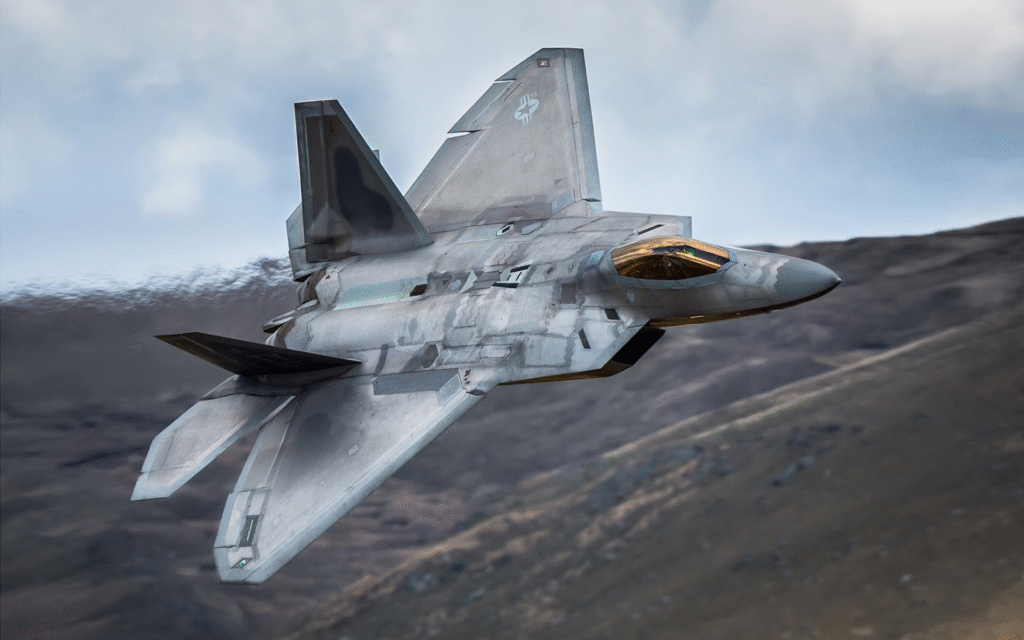
What made the moment so strong wasn’t aggression, but restraint. By deciding to warn instead of fight, the pilot avoided converting the situation into a crisis. That one soothing transmission was sufficient to de-escalate, yet demonstrate the point: the U.S. could defend its assets with overwhelming, unseen power.
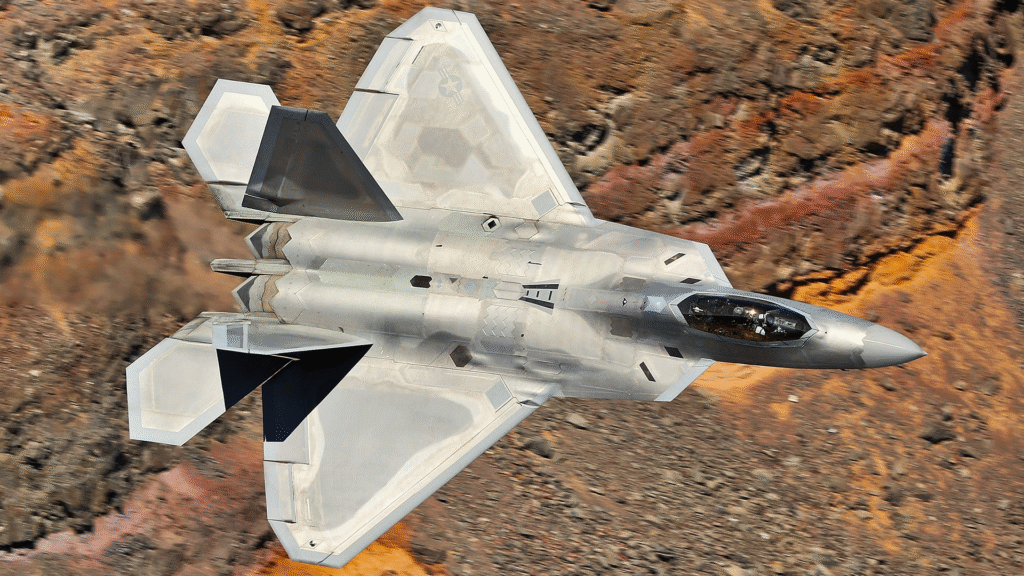
The encounter also revealed a larger truth about contemporary air war. Wars are not necessarily fought and won with the largest missile or the fastest aircraft. They are won through perception, timing, and the capacity for leaving the opposition guessing. Stealth fighters such as the F-22 redefine the definition of battlespace control—neither through sheer firepower, but through presence and the capacity for striking without warning.

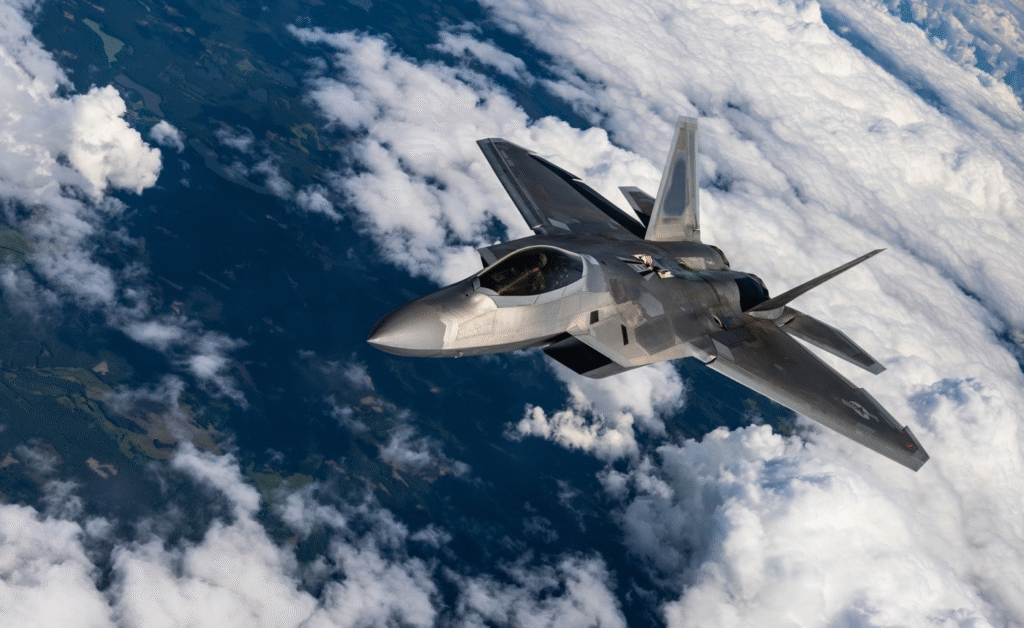
On that day in 2013, a few words meant more than any missile attack. Within minutes, the F-22 had demonstrated that information, stealth, and judgment could redefine the rules of engagement. The skies did not belong to whoever arrived—they belonged to whoever could not be detected until it was too late.