
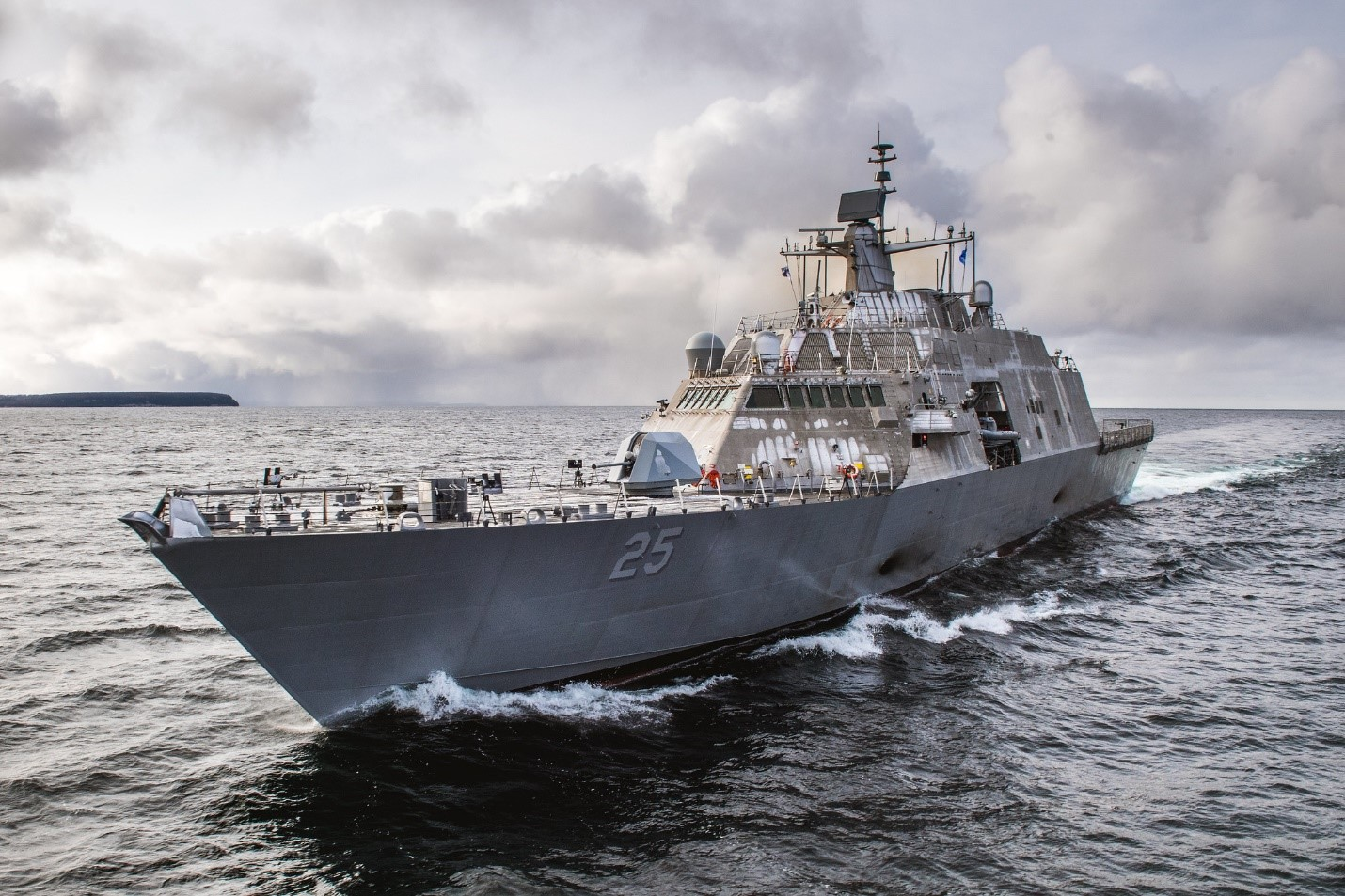

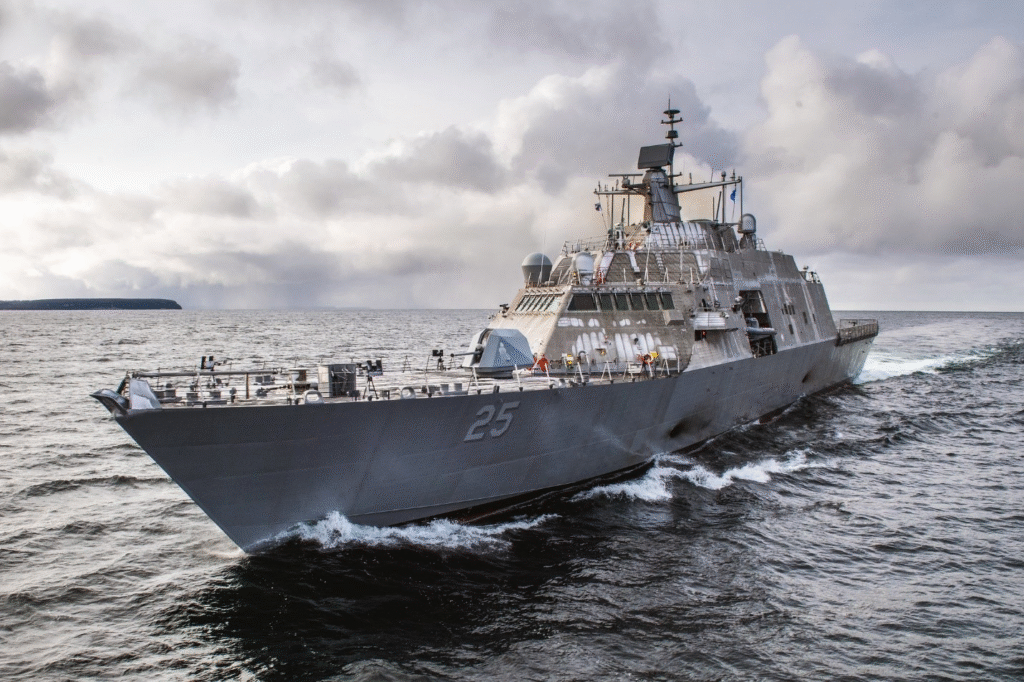
The Navy once promoted the Littoral Combat Ship as its future—being fast, elegant, and sufficiently versatile to operate near shorelines, take the place of aging frigates, and switch easily between various functions. But in its essence, it came to be one of the most expensive warnings from recent naval times: a program with plenty of promises going nowhere due to insufficient performance.

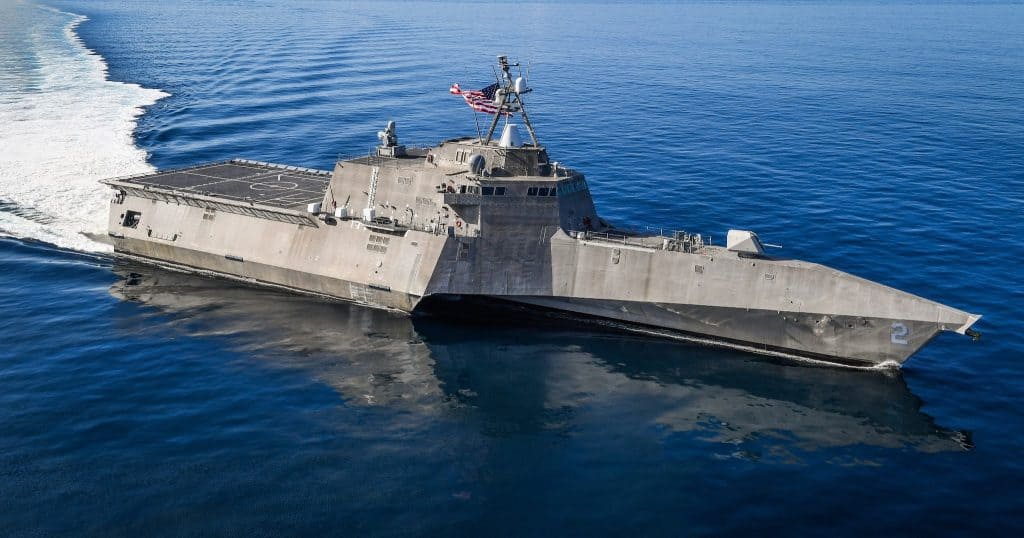
That concept emerged in the early 2000s when military decision-makers were aiming to reinvent America’s fleet after the Cold War. The plan was daring- little, highly connected vessels with minimum crews, capable of managing various assignments by simply changing modules. In contrast, the crew of over 200 required to run a frigate, each LCS should only have about 40 people plus a few more depending on the task.

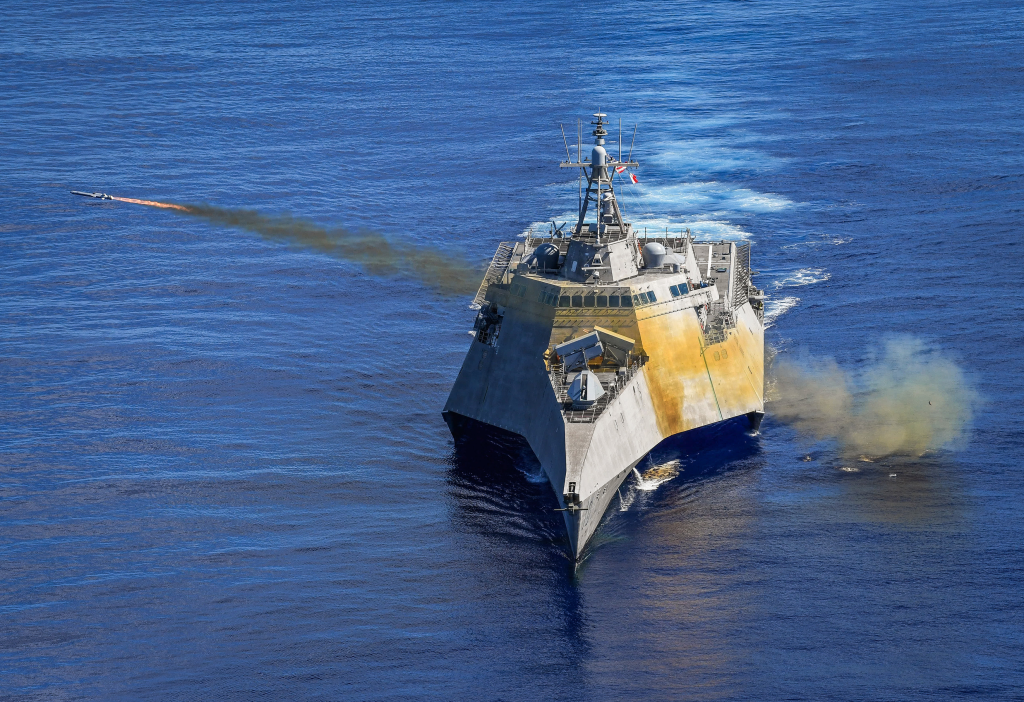
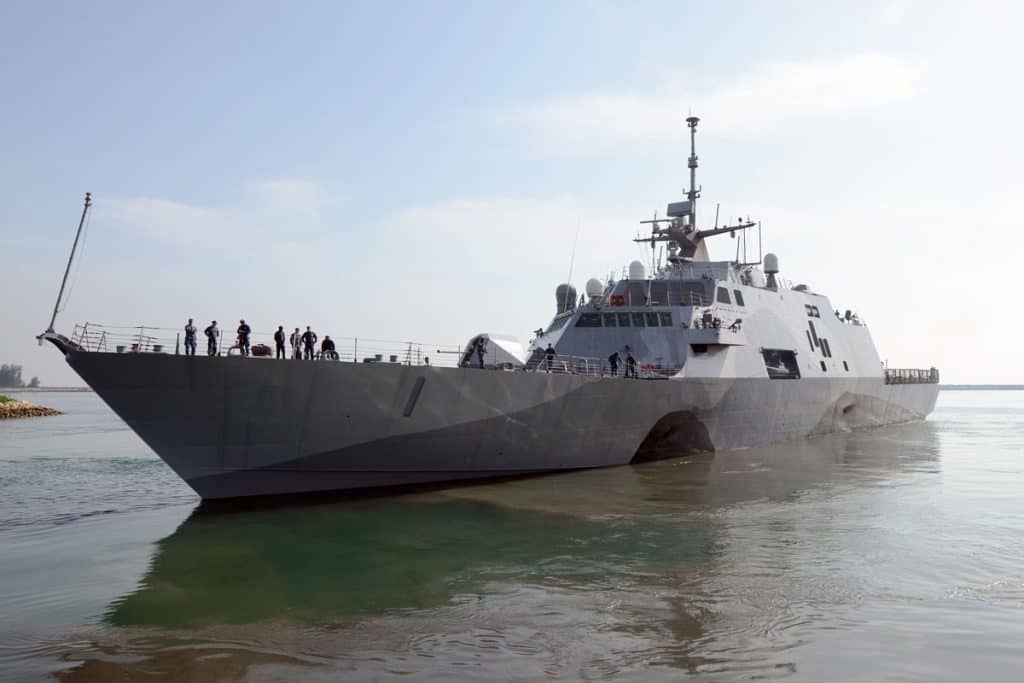
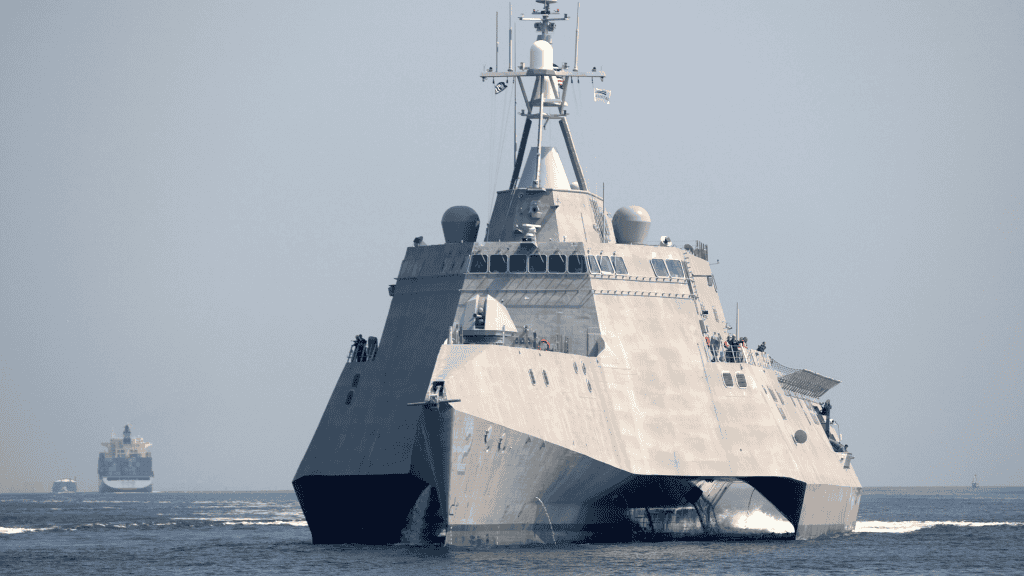
There were two very different approaches to the designs, one was Lockheed Martin which made the steel-hulled Freedom-class and the other was a collaboration between General Dynamics and Austal USA that resulted in an aluminum trimaran Independence-class. At the beginning of the Navy was dreaming of 74 ships each costing $212 million approximately. But as the problems of delays, redesigns, and malfunctions were piling off, they had to cut the project almost in half. The price had increased to $28 billion for 35 ships when the plan was finalized.

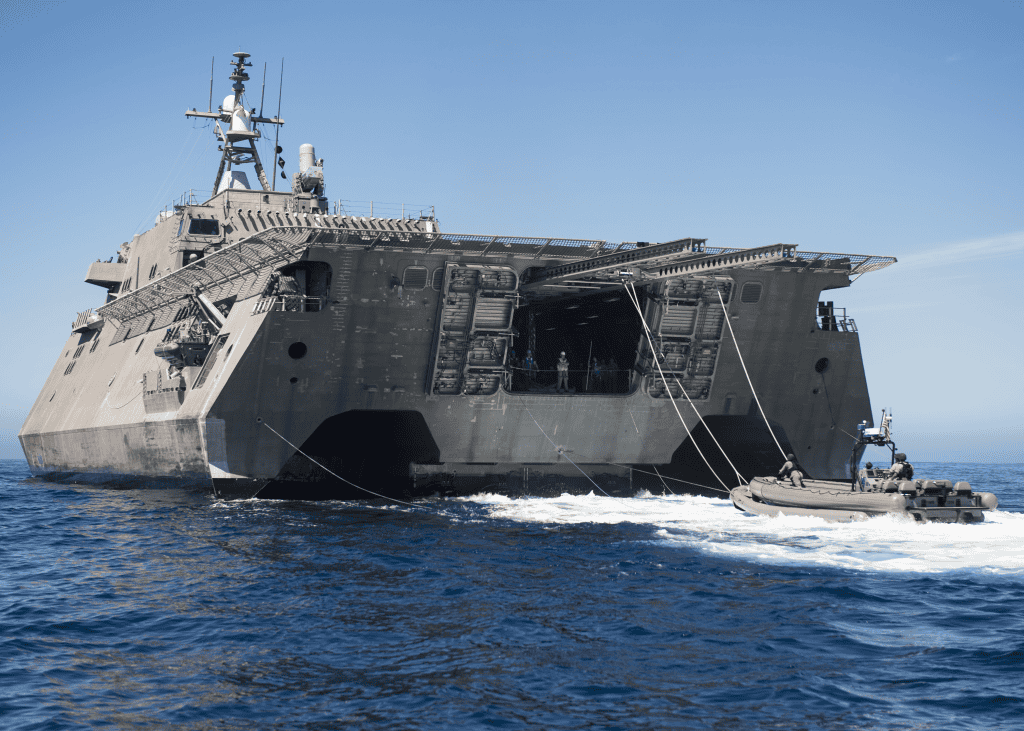
Right from the beginning, the ships were riddled with problems. Engines and propulsion systems were frequently breaking down; mechanical problems occurred often and the doubts about the if the LCS would be able to perform under actual threat were increasing. Both types were suffering from such reliability issues that they were often found at their berth doing maintenance instead of going out to sea.

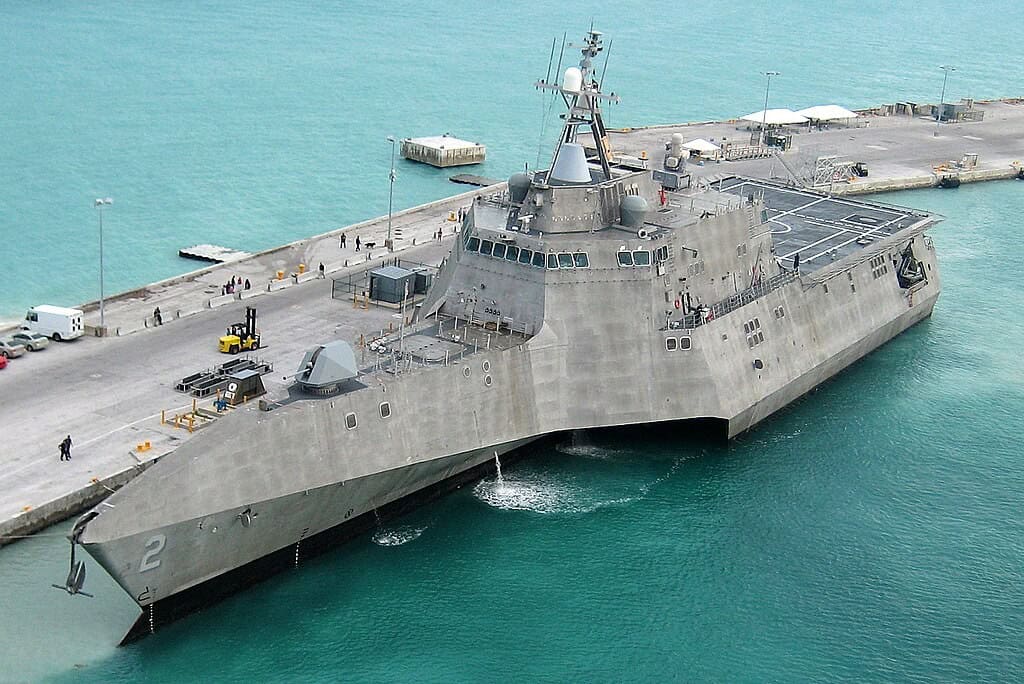
The Freedom-class experienced powertrain failure and poor fuel consumption over and over again—so terrible that some vessels were decommissioned after a very short period. The Independence-class was facing corrosion, high maintenance on aluminum structures, over-reliance on sacrificial anodes for metal protection due to constant replacement, and so on. The much-hyped modular mission packages designed for the LCS to be multi-purpose appeared to be delayed and unimpressive in a performance release.

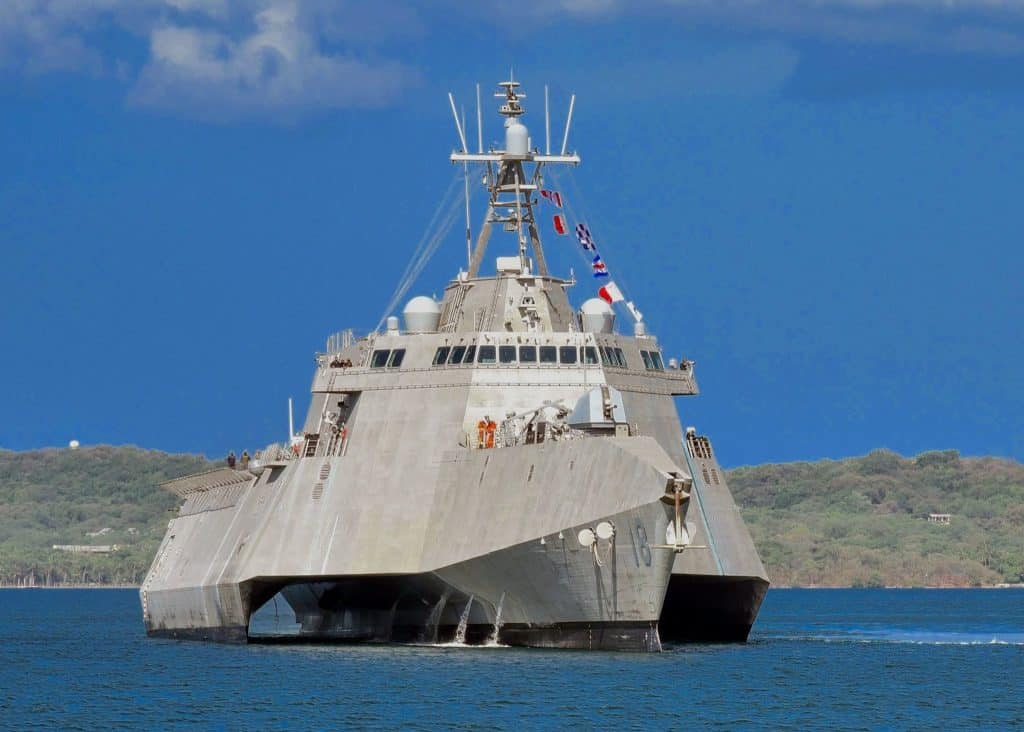
However, the political and industrial push was so strong that it kept the program going for a much longer time than the usual. Defense contractors maintained that closure would have a catastrophic effect on shipyards and the loss of the jobs that accompany them, thus leaving the Congress to balance between political advantage and the flaws of the program.

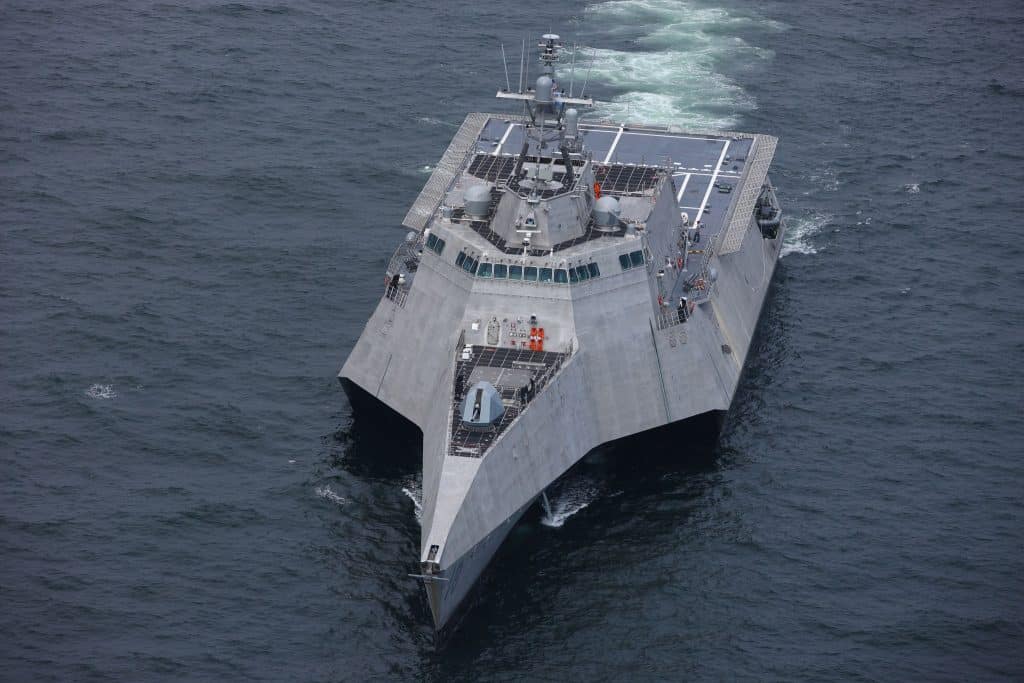
The Navy paid the price of this decision in more ways than one. The Government Accountability Office estimates that the cost of the ships over their lifetimes will be over $60 billion—this is more than twice the amount of what the building alone had to be. The Navy, along the way, has had to compensate for breach of contracts and, maybe more significantly, has lost trust amongst the taxpayers and its own sailors.

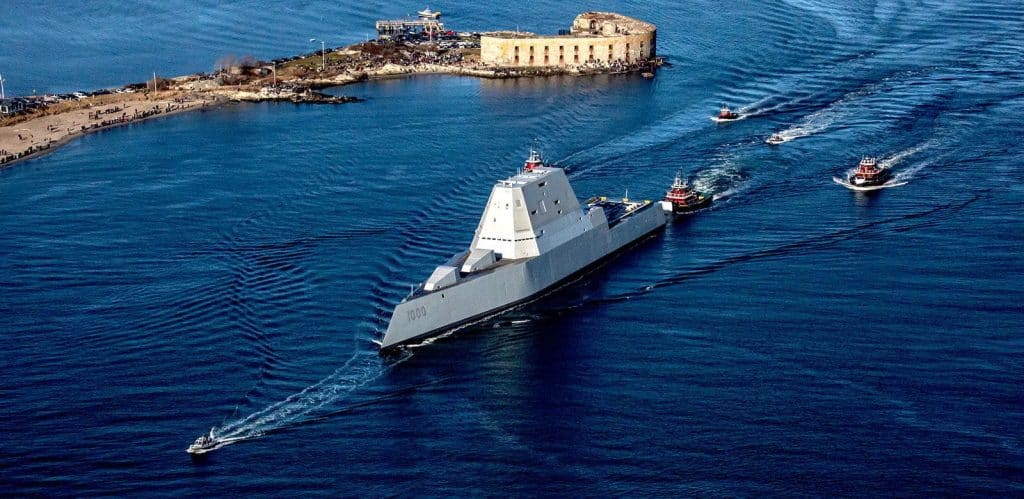
LCS is not the sole story of failure. The Zumwalt-class destroyer and the F-35 fighter are the examples of other high-cost, delayed, and problem-plagued technological defense projects. The greatest concern is the impact these have on the U.S. military power strategy.
At the beginning of the twenty-first century, there were 318 ships in the Navy’s fleet. Today, the number fluctuates around 238. Besides that, the U.S. Air Force has also decreased considerably and now flying is done with almost half the number of aircraft it used to have. The increase in spending is not followed by a corresponding increase in the number of ships, planes or personnel.

As for the future, the U.S. Navy has placed its bets on the Constellation-class frigate which is adapted from a successful European design to regain some of the ground lost due to the LCS but already there are problems with changes that have been made to suit the Americans causing new hold-ups and extra expenses. This is like going back to the same LCS mistakes.

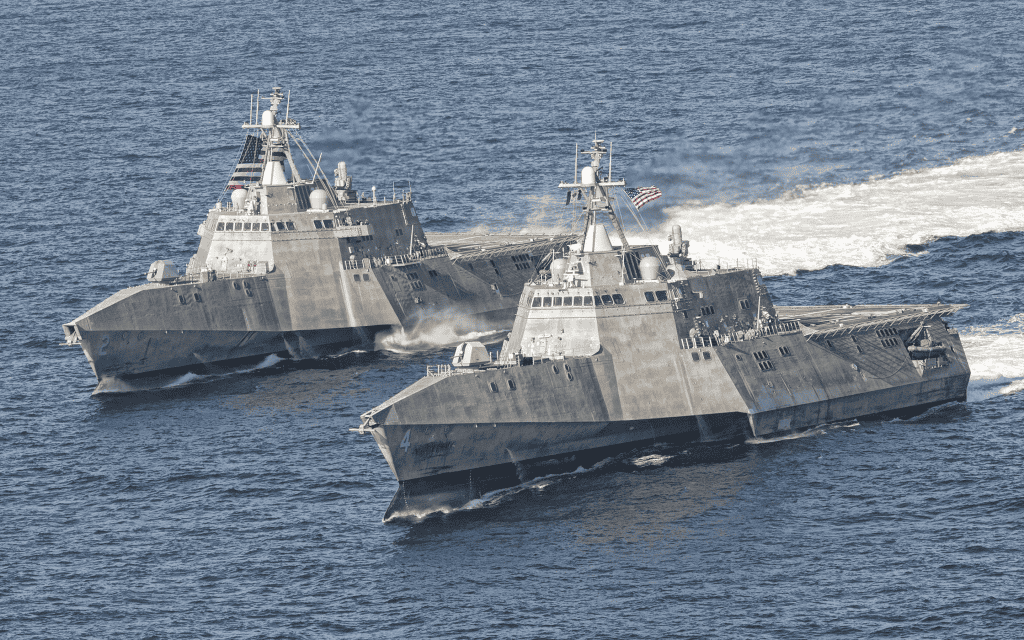
Ultimately, the LCS program gives off the message that if goals, politics and profit are more important than discipline and honesty then you get a ship which is overly expensive, underperforms and shrinks the public trust. Since we’re witnessing defense expenditures at levels never seen before then control, implementation of strategies and meticulous planning are not only good but a must if the navy wishes to avoid the same errors.