
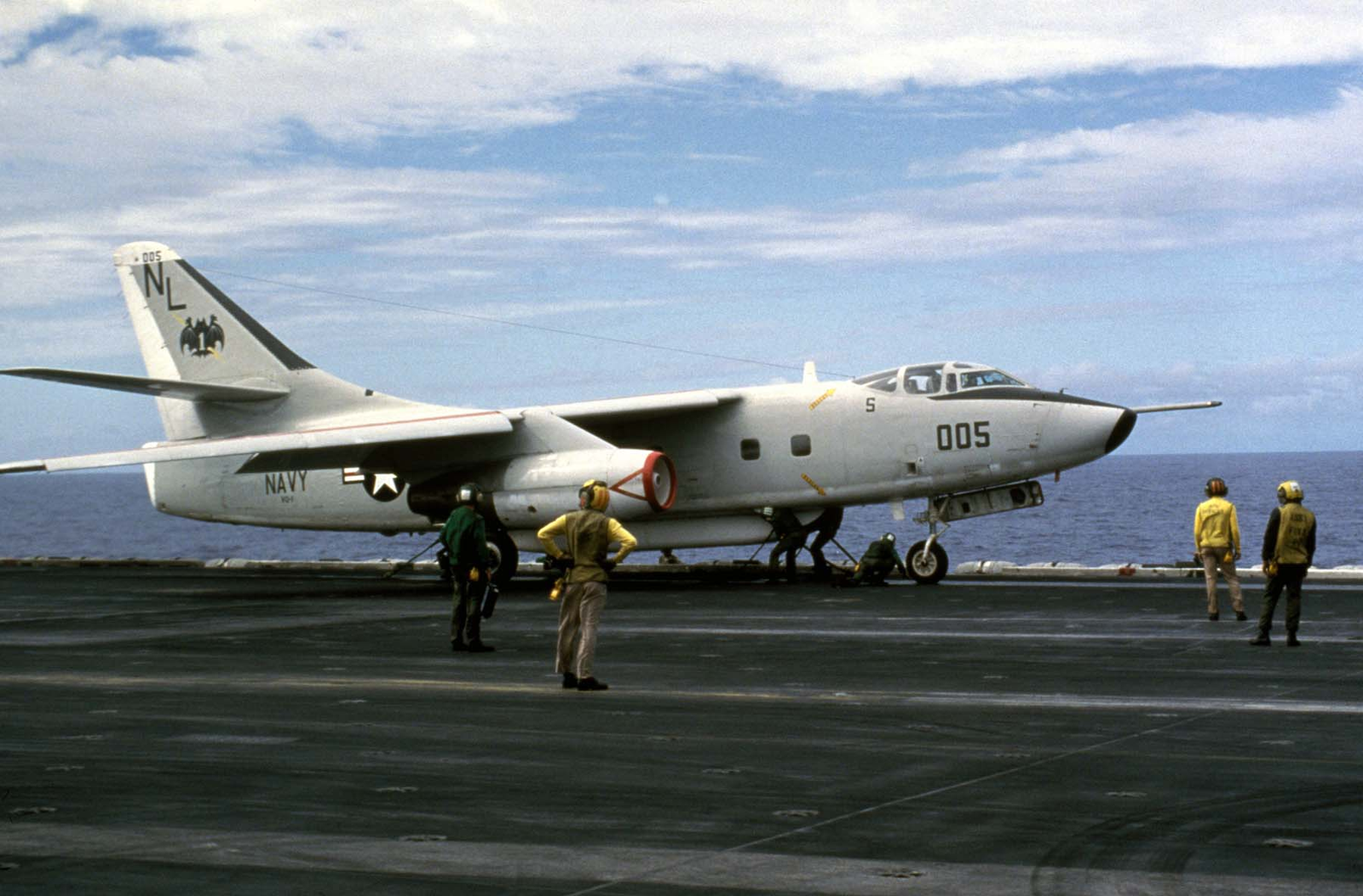

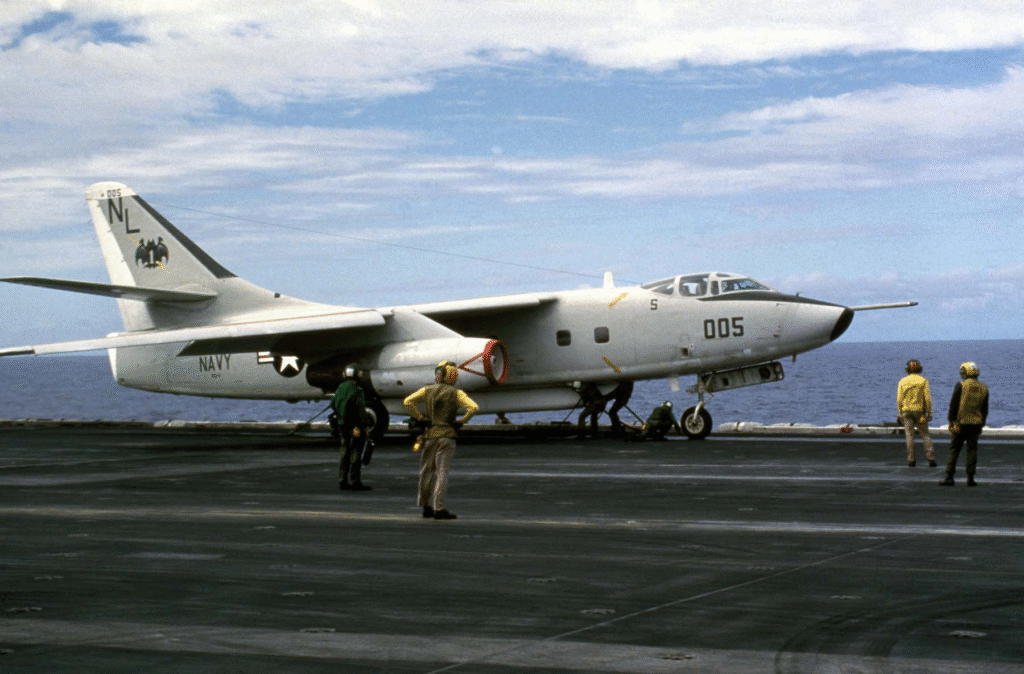
Had any plane ever deserved the title of best in the U.S. Navy, the Douglas A-3 Skywarrior, “The Whale” to those who knew it, would have to be the winner. Standing high above nearly all other aircraft on the carrier deck, this Cold War behemoth took its first flights in 1952 and could perform nearly any mission the Navy could dream up. From delivering nuclear bombs and taking photo reconnaissance missions to attacking with electronic warfare and acting as an airborne tanker, the Skywarrior kept strike fighters aloft and returned hundreds of pilots home safely.

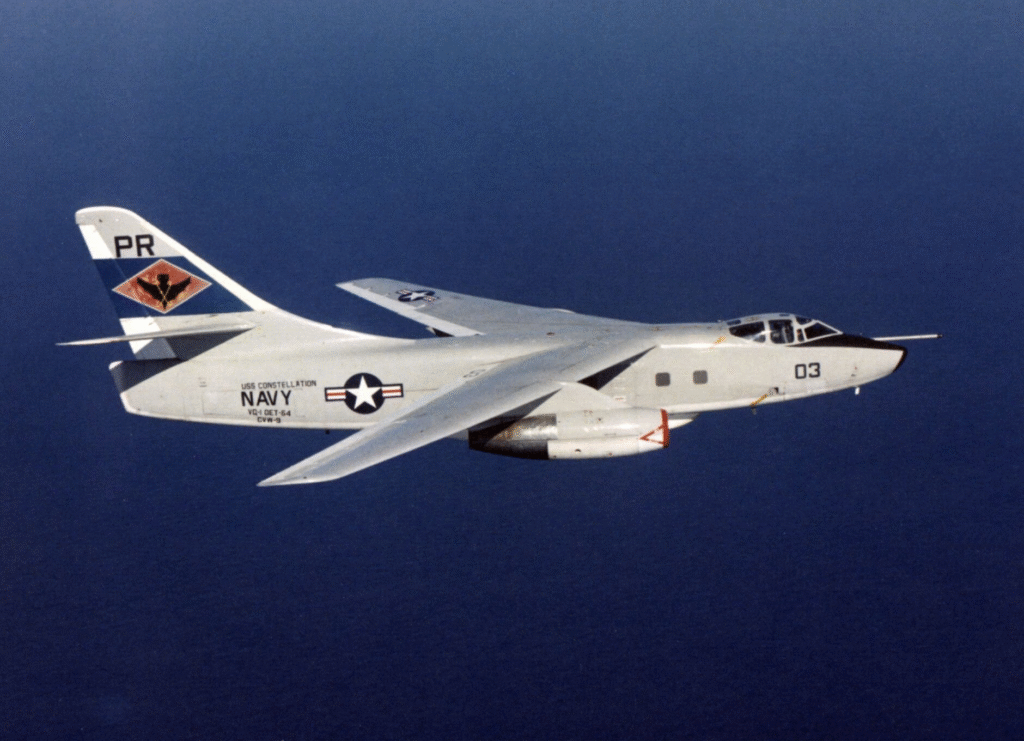
The plane was created during the post-World War II tensions, when the Navy required the means to project nuclear power from the sea. Douglas Aircraft, under the innovative guidance of Ed Heinemann, produced a huge jet that could take off from a carrier and attack deep into a nation. Putting such a huge aircraft onto a moving, ocean-bound runway was no trivial achievement.

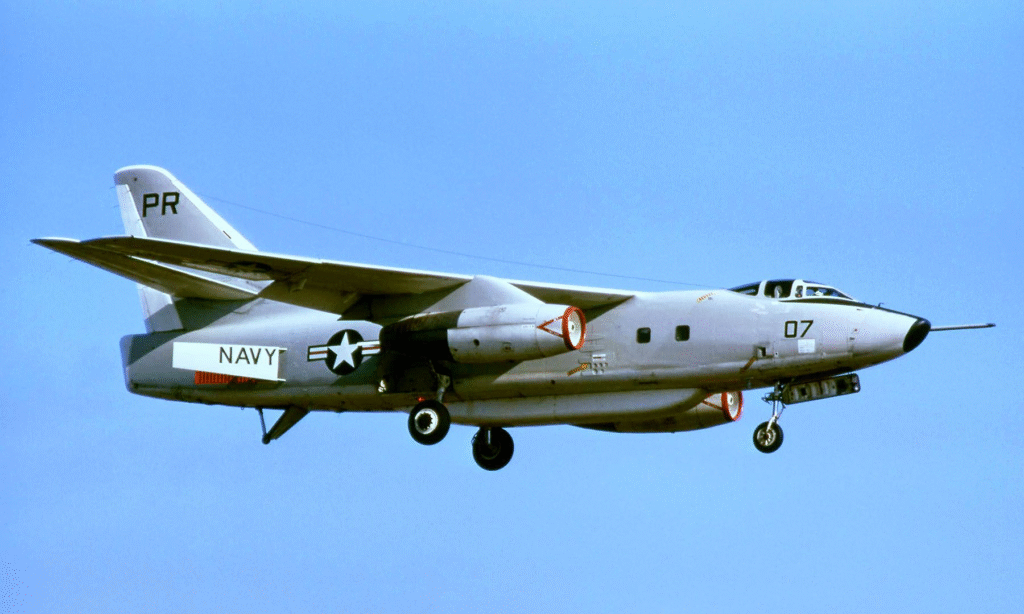
Engineers equipped it with tricycle landing gear to facilitate deck handling, high-mounted folding wings to conserve hangar space, and two hefty Pratt & Whitney J57 turbojets to power the long-range flights it would perform. The cockpit was cramped but serviceable, with the pilot and the bombardier/navigator crammed together and a third crewman facing rearward to man defensive equipment. For weight savings, there were no ejection seats, prompting the cynical crew joke that “A3D” truly stood for “All Three Dead” in a crash.

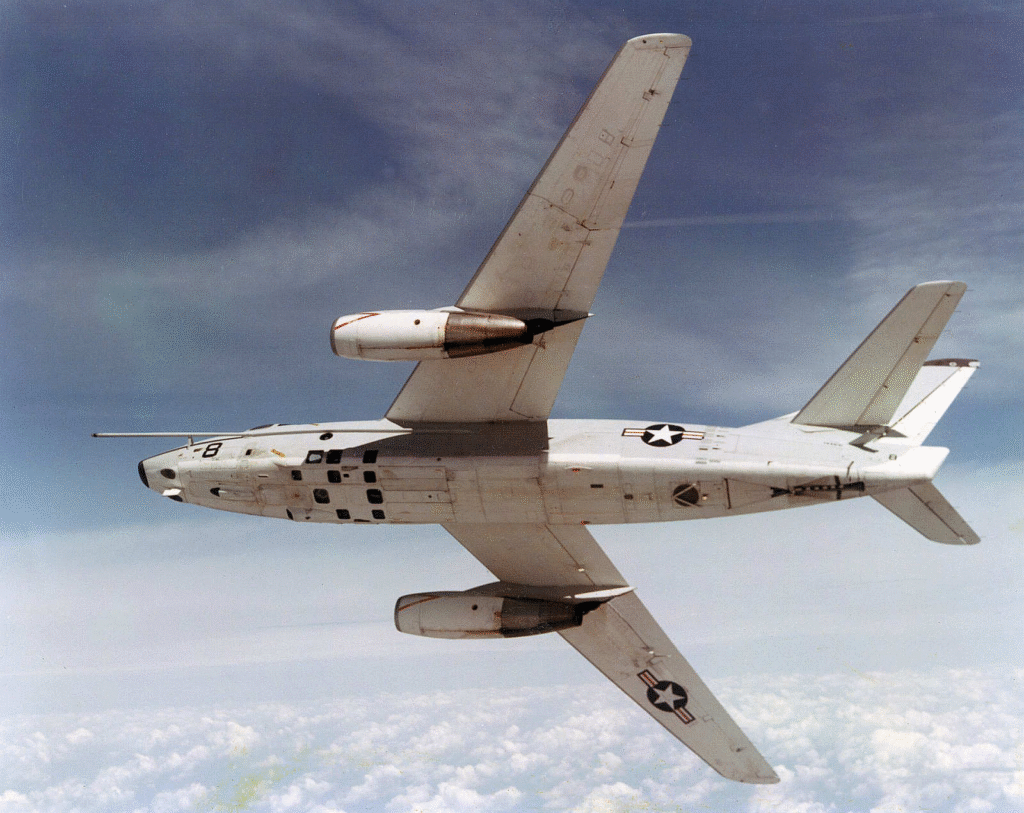
The Skywarrior entered operational service in 1956, originally assuming the nuclear strike mission from the AJ Savage. But the advent of submarine-launched ballistic missiles soon relegated nuclear bombers to the periphery of the Navy’s planning. Instead of phasing out the Whale, the Navy converted it for other missions. Its massive bomb bay, durable airframe, and extended endurance made it perfect for electronic jamming, reconnaissance, and particularly for air refueling.
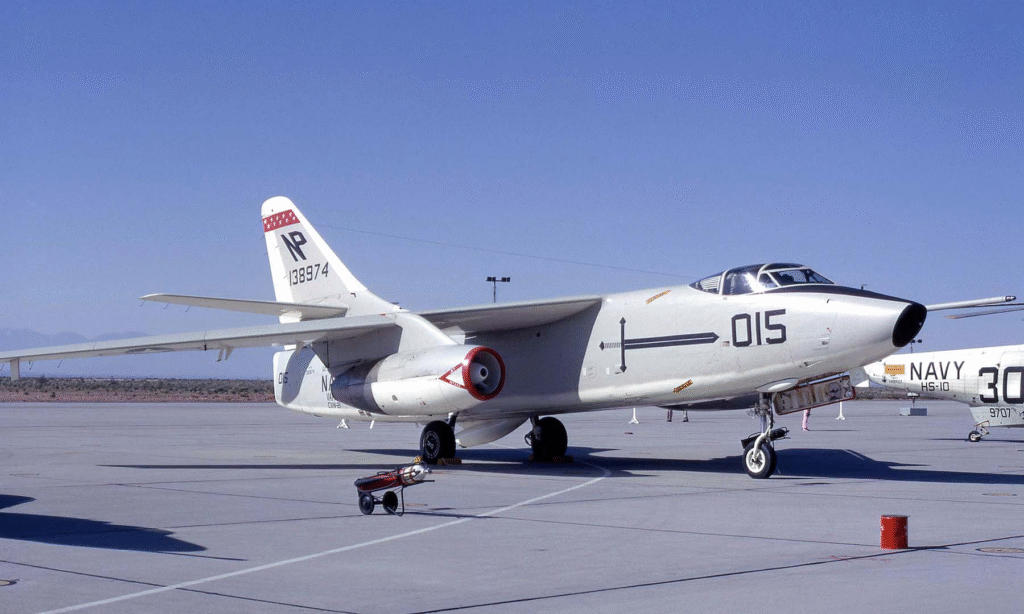
The Vietnam War solidified the A-3’s legend. While a few Skywarriors were used for bombing missions, it was the tanker versions—the KA-3B and EKA-3B—that became indispensable. They tanked strike groups before advancing into hostile airspace, circled near contested areas to cover emergencies, and took damaged aircraft home to the carrier with critically low gas reserves.

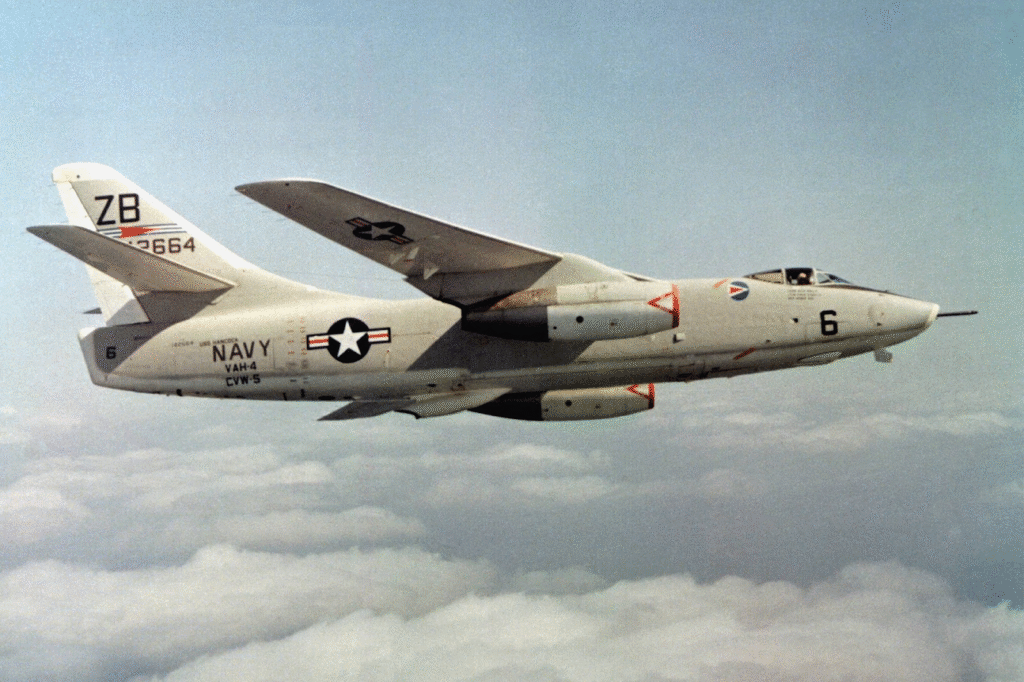
Heroic tales abound. On July 18, 1967, Commander Tom Maxwell flew his tanker into enemy territory, in harm’s way and against regulations, to refuel Lt. Commander Dick Schaffert’s F-8 Crusader, which he escorted safely home. Historians put the number of Navy and Marine planes saved by Skywarrior tankers at as many as 700.

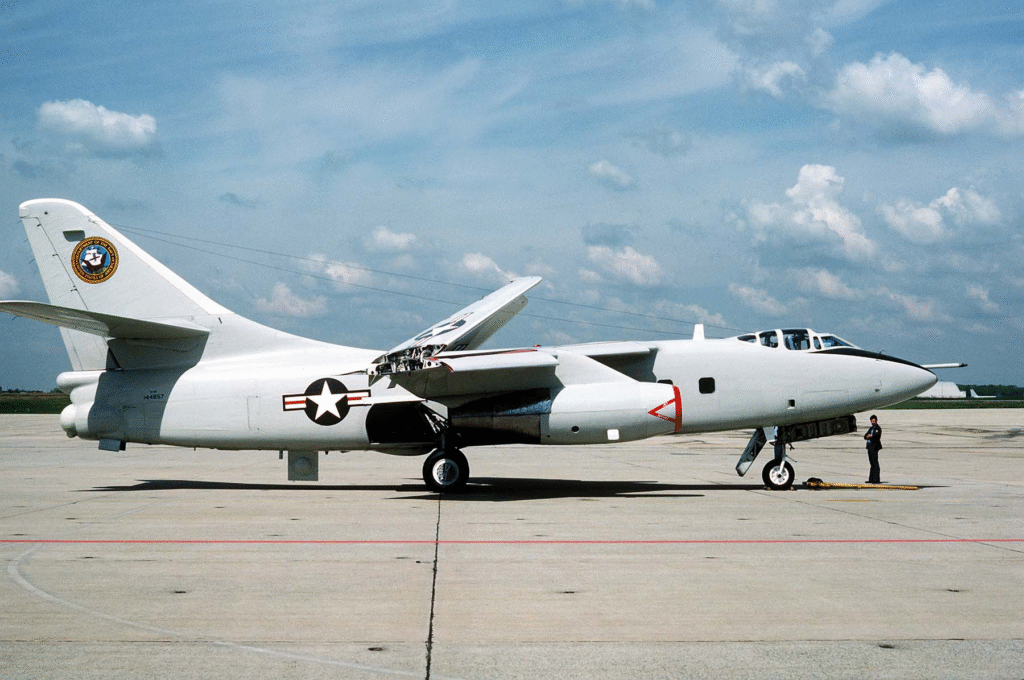
More than 282 Skywarriors were produced in several different variants. The A-3B was the primary production model, with improved engines and avionics. The KA-3B filled the tanker assignment, and the EKA-3B paired refueling with electronic jamming.

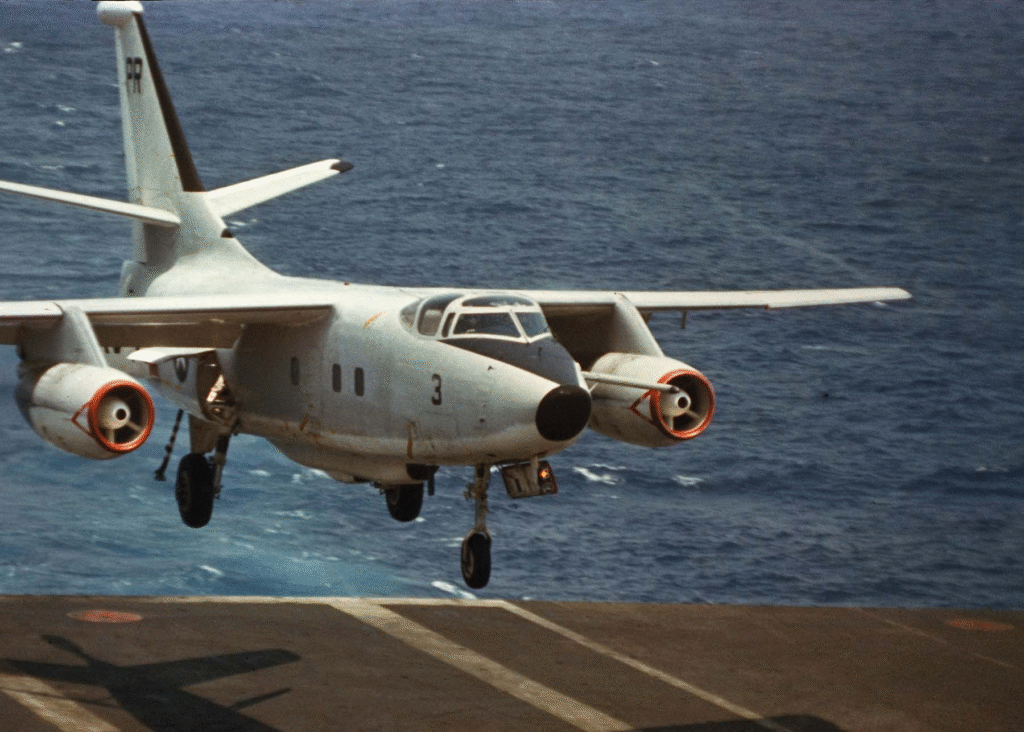
The RA-3B was responsible for reconnaissance, and the EA-3B became a Cold War standard for electronic intelligence, conducting missions around the world and even serving in Operation Desert Storm in 1991. The U.S. Air Force modified the design into the B-66 Destroyer for ground use, testifying to the incredible versatility of Heinemann’s design.
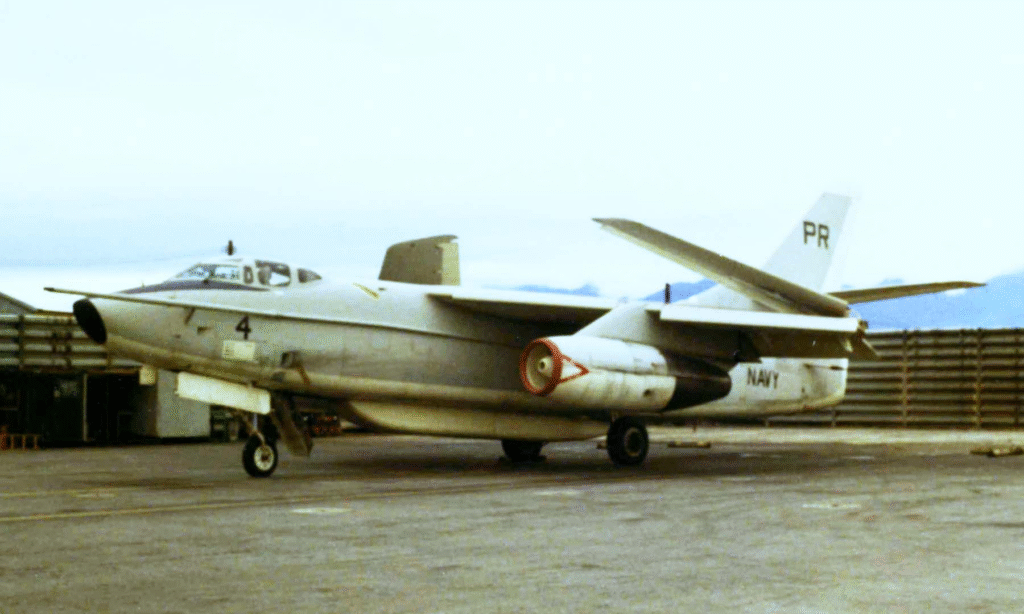
Piloting a plane the size of the Skywarrior off the deck of a carrier entailed actual risks. It broke records for the heaviest catapult takeoffs, but its size was unforgiving when mistakes were made. Nearly 42 percent of all Skywarriors were lost in accidents or combat, and since it lacked ejection seats, the crews were in extreme peril. In spite of the risks, pilots and crews became renowned for their skill, discipline, and will to save lives.

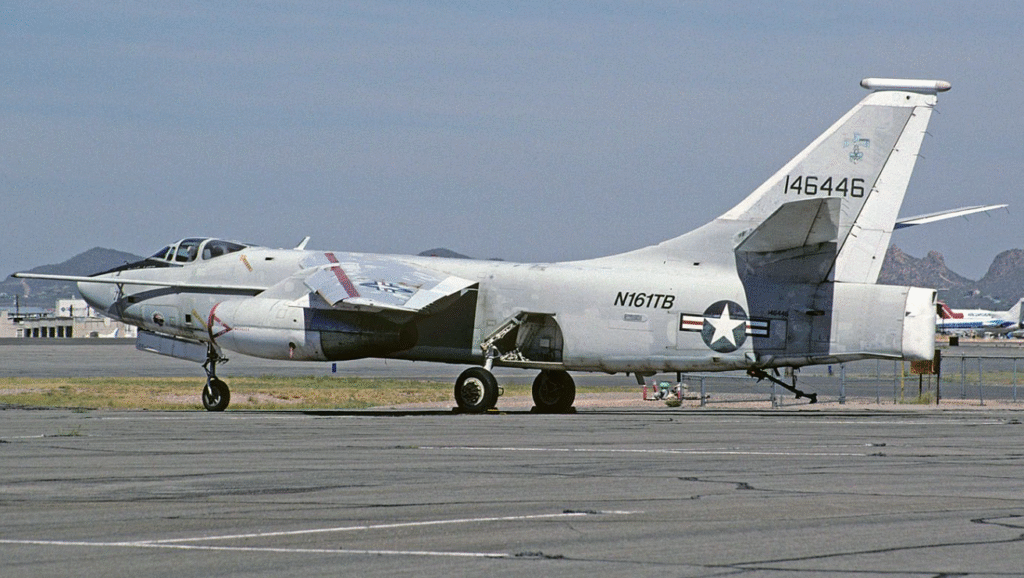
By the early 1990s, more modern, specialized aircraft had assumed the Skywarrior’s duties. The Navy retired the final A-3s in September 1991, but the Whale lives on. Remaining examples in museums throughout the nation remind us of an era when the largest bird on the carrier deck wasn’t a flighty fighter, but the plane that got the fighters home.

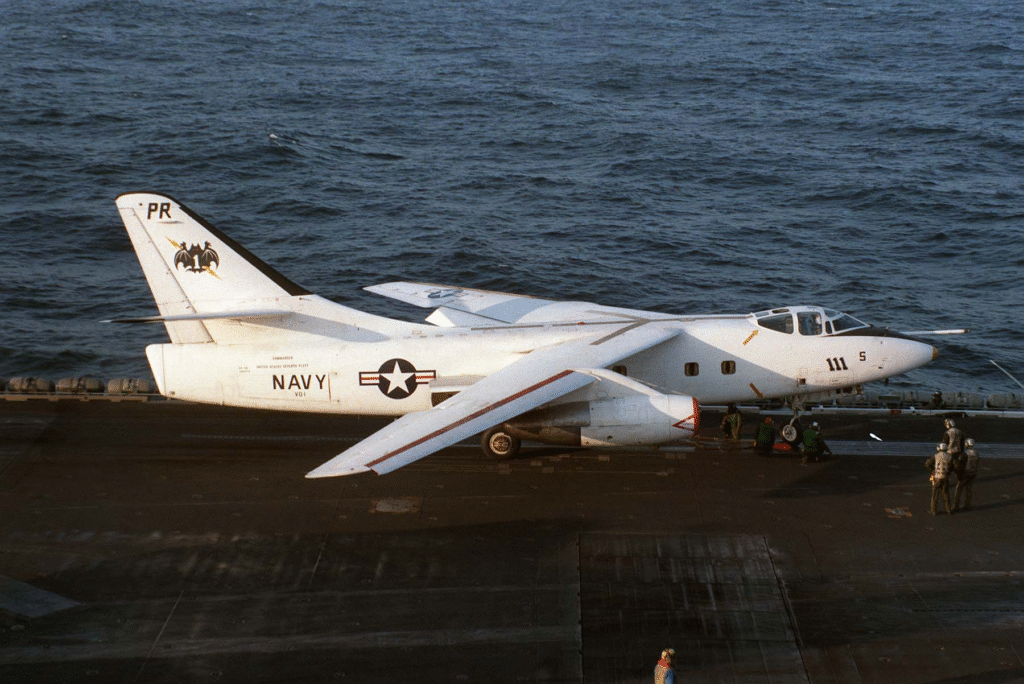
The Douglas A-3 Skywarrior was more than a listing of statistics or missions; it was a tale of accommodation, unassuming bravery, and unparalleled versatility. It earned its nickname, “The Whale,” and took the Navy through some of its most trying years at sea.