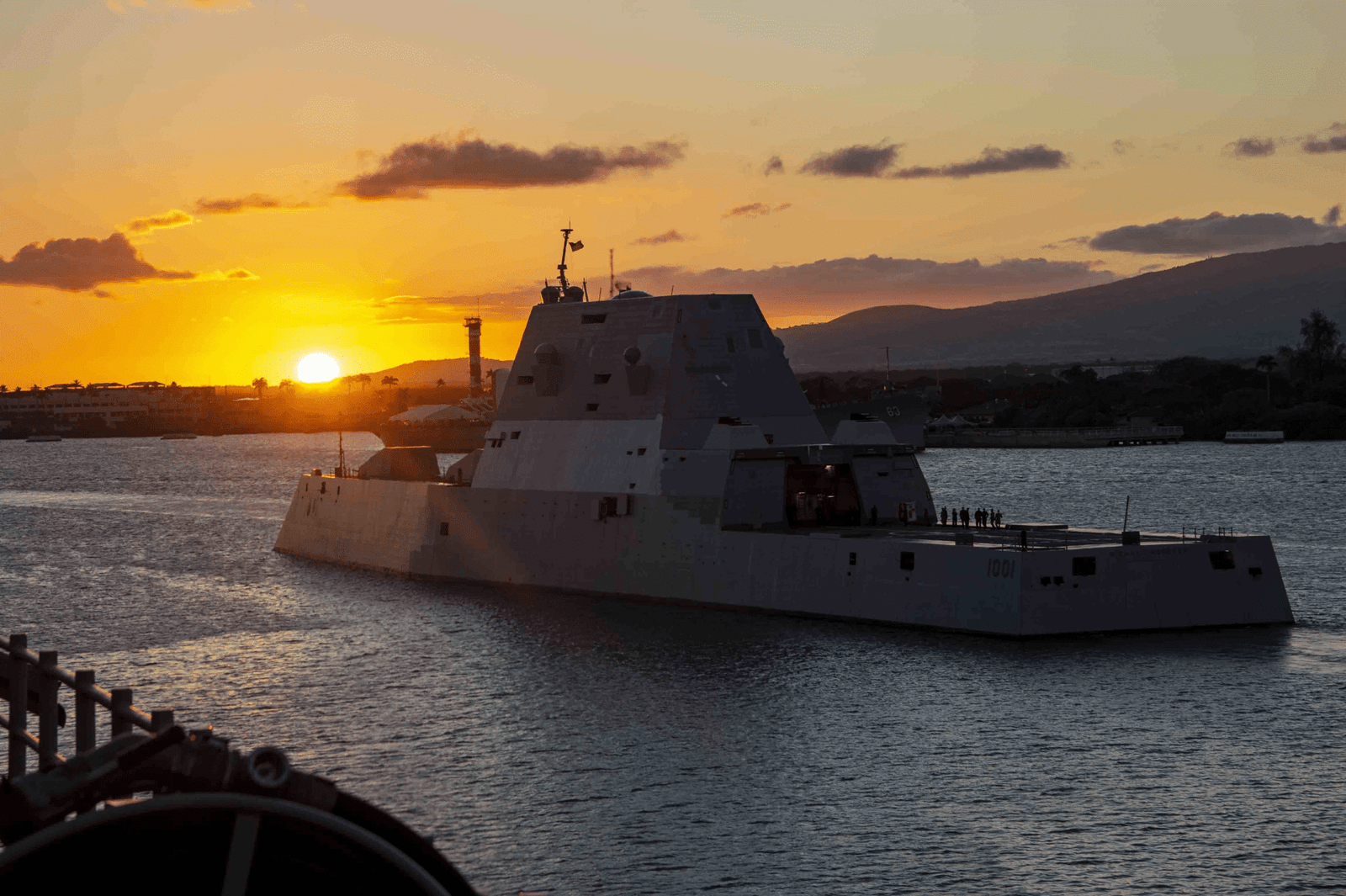
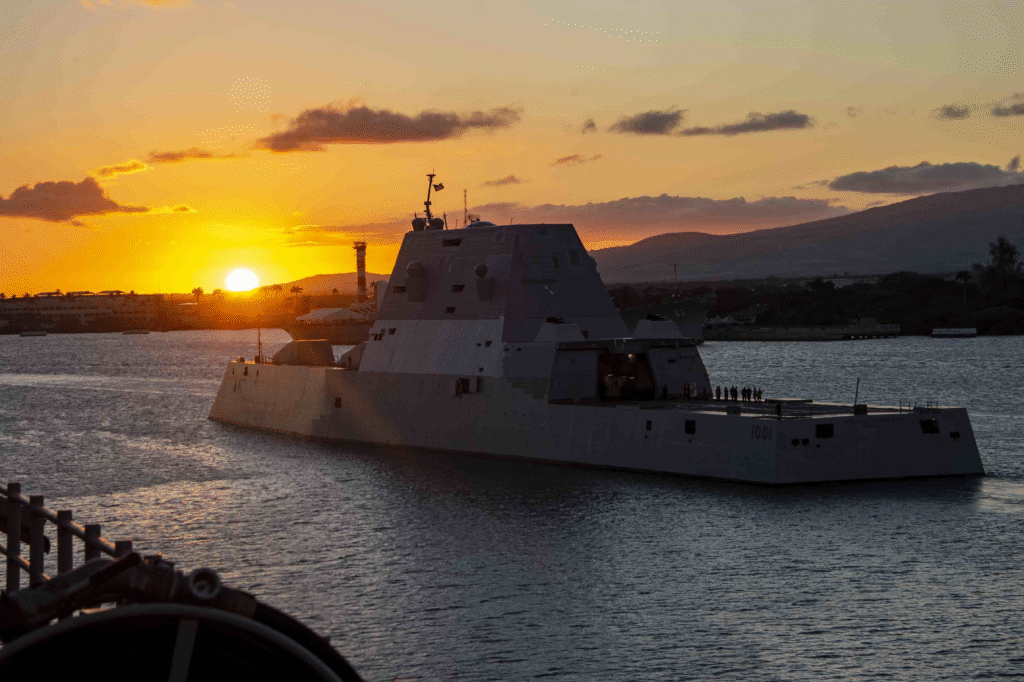
The USS Zumwalt (DDG 1000) has been one of those naval ships that caused a lot of controversy, a mixture of regret and cautious optimism. Its timeline crept by with a lot of ups and downs, but it still stays one of the most fascinating warships of the recent era.
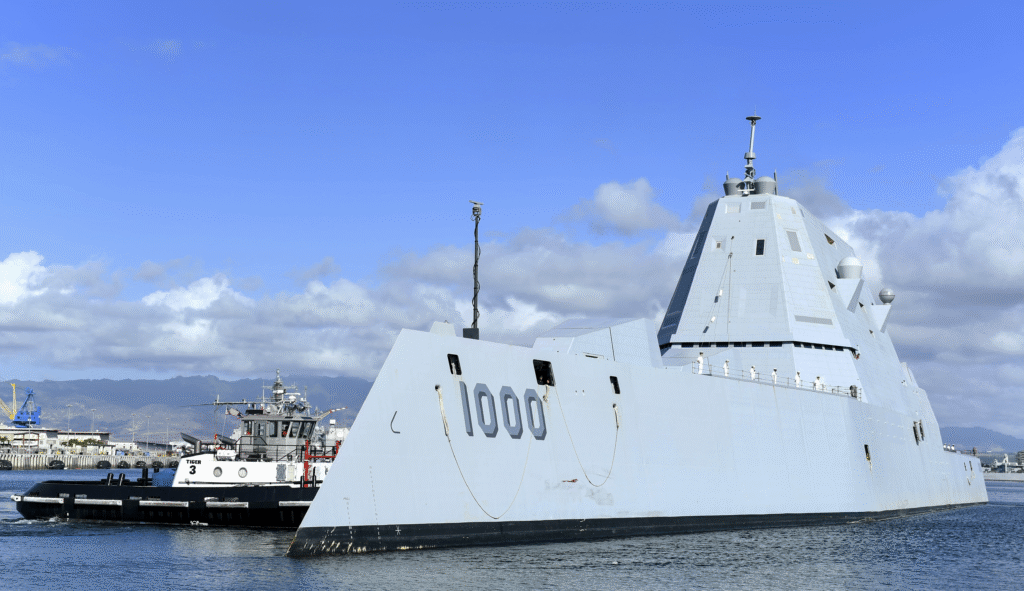
If I remember correctly, Zumwalt was meant to be the first of its kind model that would open the door to next-gen stealthy multi-purpose destroyers. Along the way, the ship was confronted by technical issues, costs going through the roof, and changes in the Navy’s priorities.
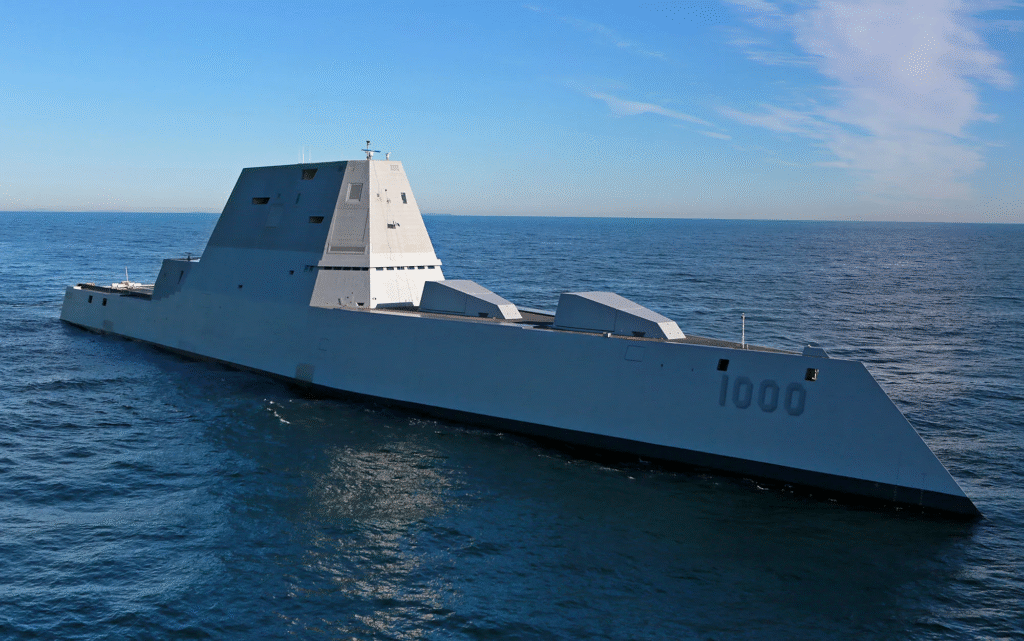
The Zumwalt class was developed to be relevant for the present and capable of foreseeing the needs of future naval combat. Its wave-piercing tumblehome hull, ultra-low radar profile, and integrated power system, which can produce up to 78 megawatts of power, were nothing short of revolutionary in naval engineering.
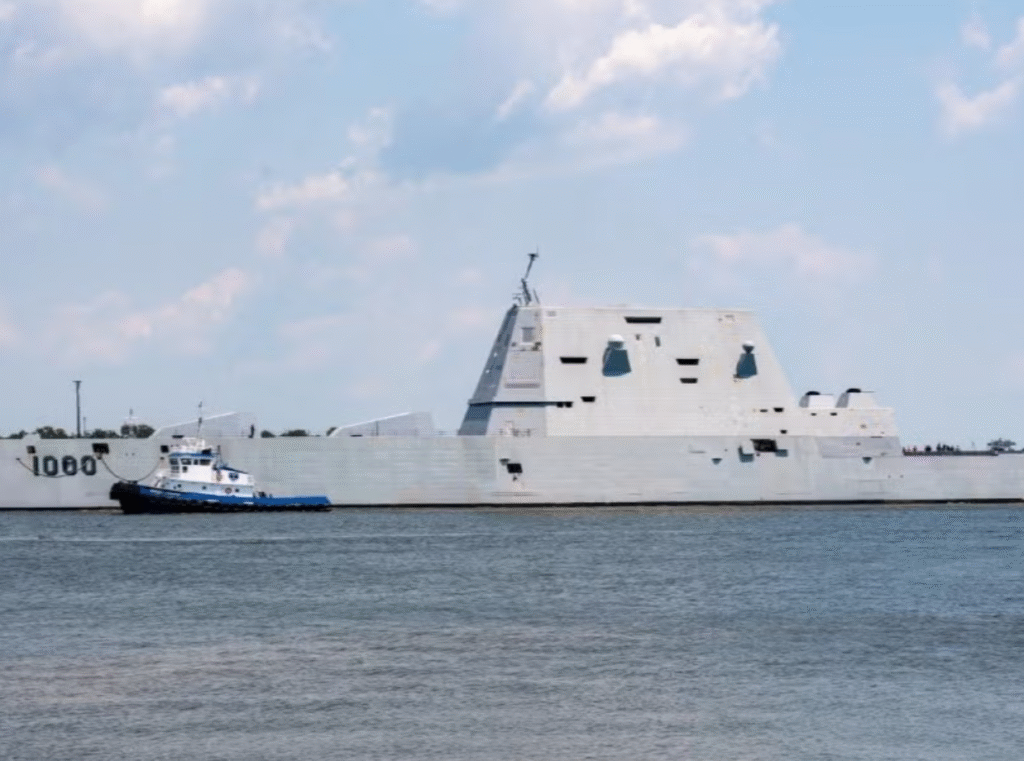
Compared to the Arleigh Burke-class, their radar signature was immensely smaller; combined with a composite superstructure and electronically steered arrays, Zumwalt was almost invisible even to the stealthiest traditional detection systems. However, the outcome of the vessels’ launch had its imperfections.
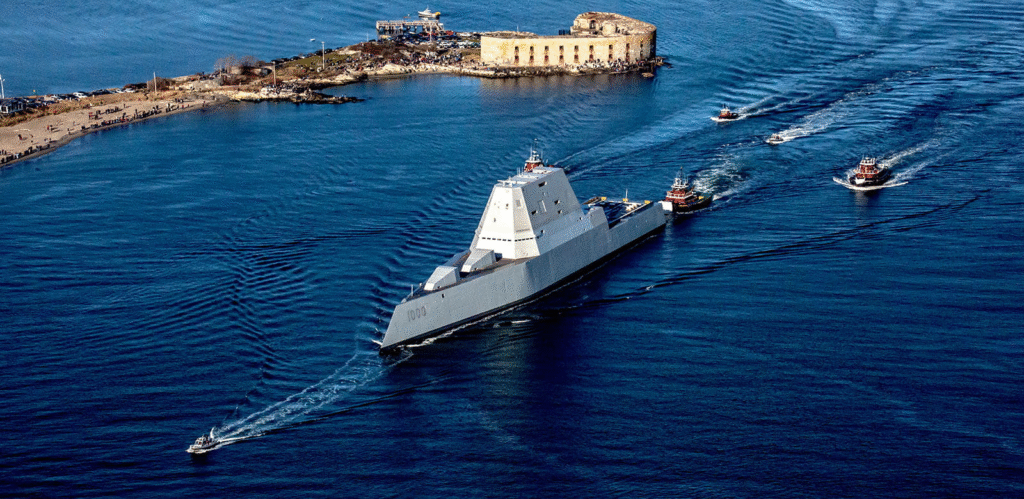
First of all, the Navy initially intended to build 32 vessels in this line, but finally, there were only three of them, and the price of each went more than four billion dollars. The main gun of the ship, the 155mm Advanced Gun System, rapidly turned out to be useless, with each cartridge costing close to $800,000. So the Navy got brand-new guns in the form of big cannons, but without cost-effective ammo. Eventually, by 2023, the major change took place; the Navy announced its decision to equip Zumwalt with the new missile system called Conventional Prompt Strike (CPS).
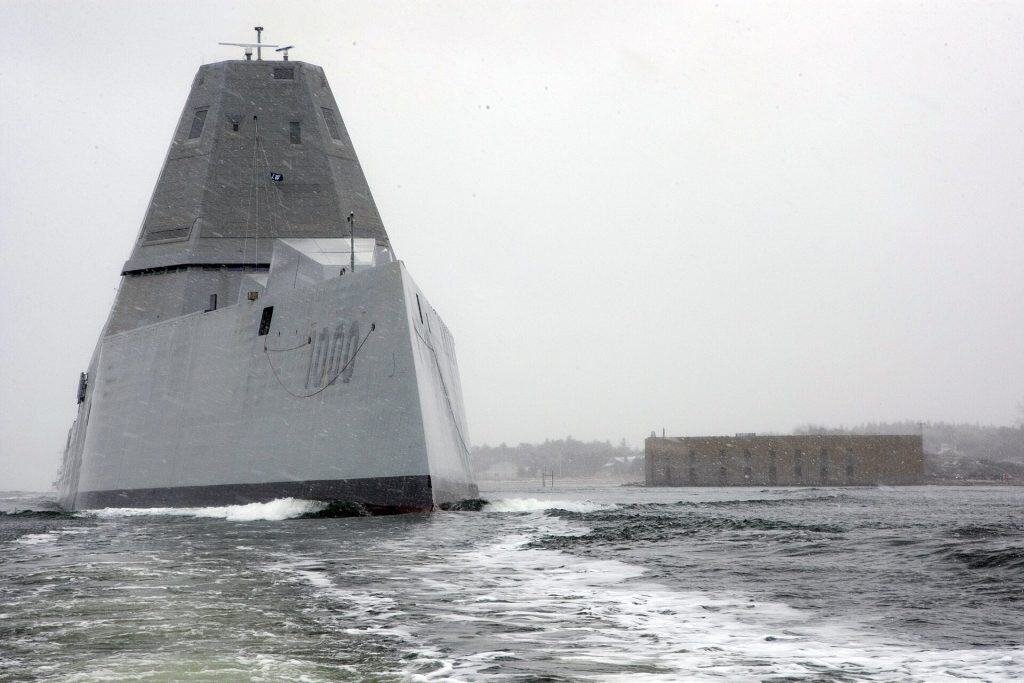
The change of guns for missile tubes supporting the Intermediate-Range Conventional Prompt Strike (IRCPS) system went on at HIIs Ingalls Shipbuilding in Pascagoula, Mississippi. By December 2024, Zumwalt was back in the fleet, prepared for a different assignment.
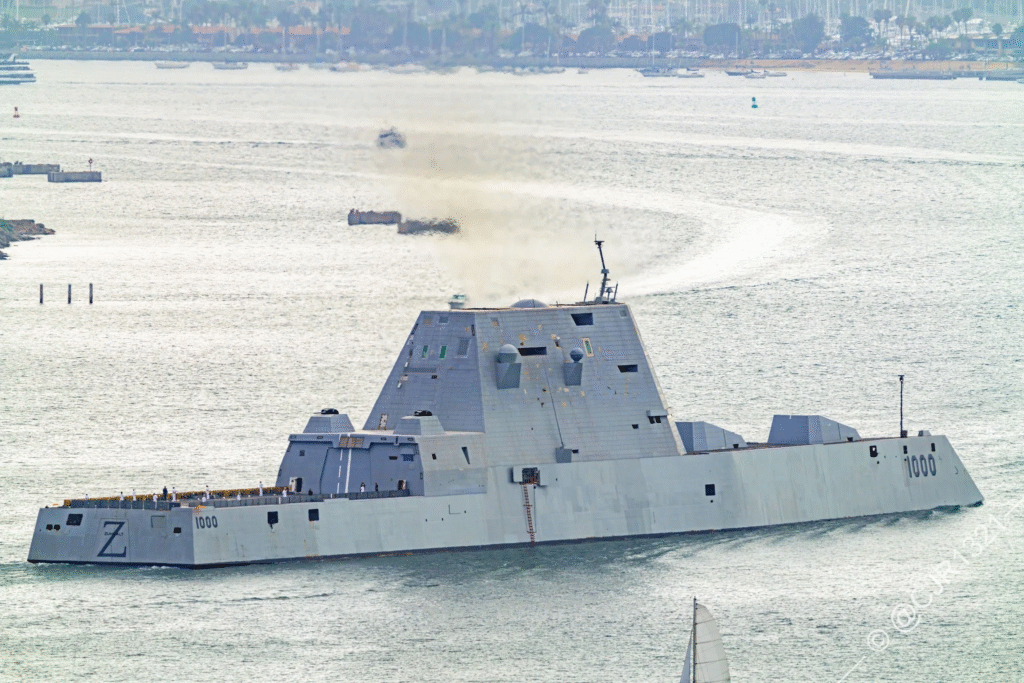
The CPS project, an interdisciplinary venture combining the Army and the Navy, entails the provision of hypersonic cruise missiles to the ship as its armaments. One of the hardest and most powerful ways to attack is the boost-glide trajectory used for the missile, making interception difficult, ult providing Zumwalt with great penetrating power.
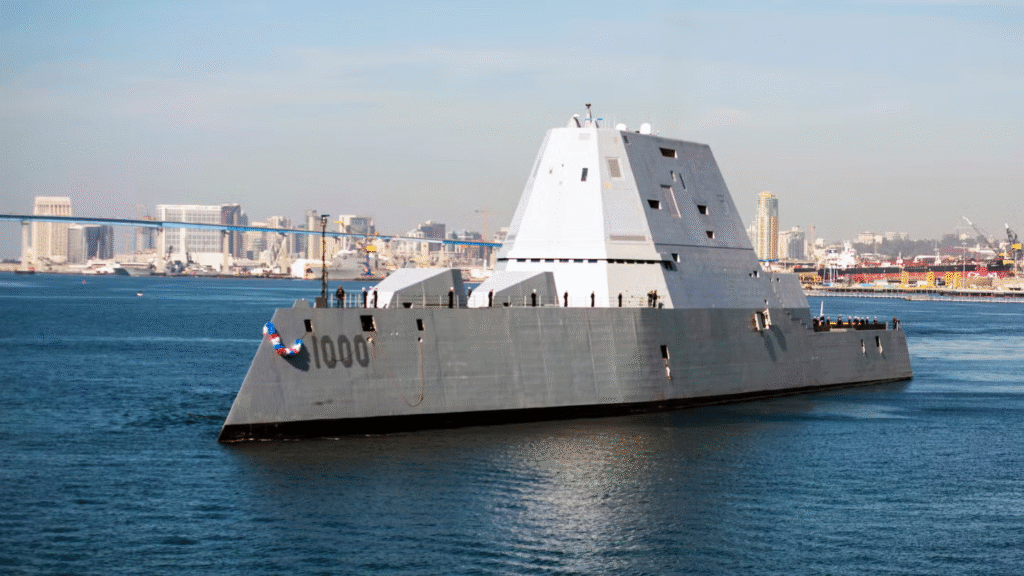
Only one of the new missile tubes can be equipped with a maximum of three hypersonic missiles, so the ship can carry four tubes, with the total number of twelve being the maximum allowed. Besides that, the 80 Mk 57 Vertical Launch System cells will be there simply for Tomahawk, Evolved Sea Sparrow, Standard Missiles, and ASROC, that is to say, the vessel will never lack in versatility. Also, HII is working on the Mk 41 and Mk 57 systems so that a missile can be fired from any cell, thus maximizing combat flexibility. This redevelopment places the Zumwale on par with rapidly evolving technology all over the globe. A stealth and speed ship with hypersonic reach is no doubt able to hit high-value targets deep past enemy lines without being easily spotted, which is a vital ability in modern naval operations.
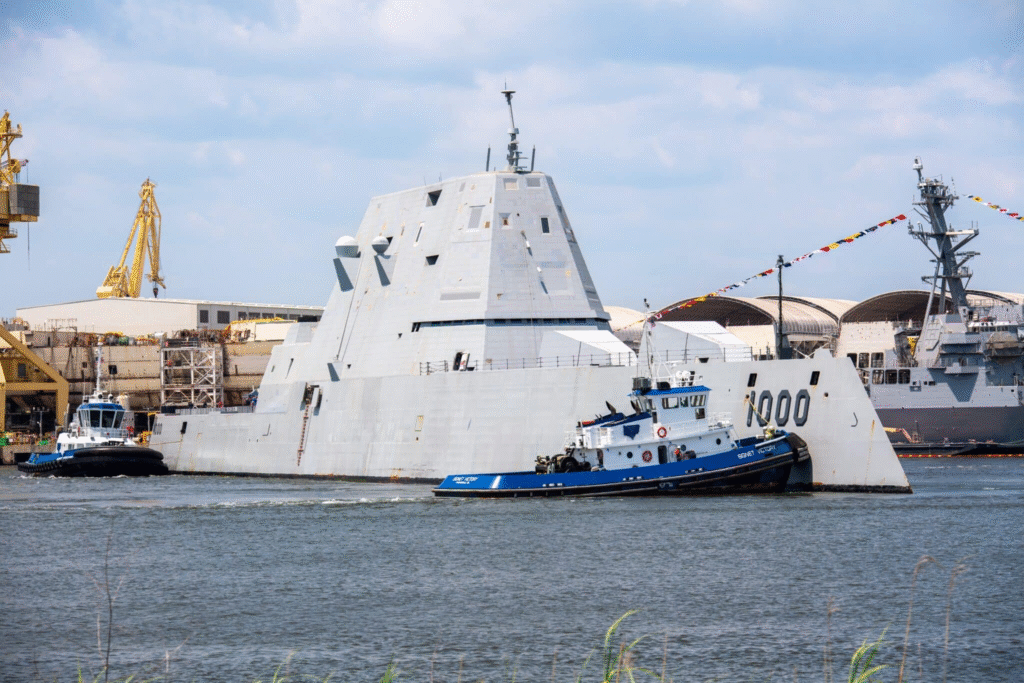
However, struggles still. The ship does have a different underground, designed to be stealthy, but it is not doing that well in bad weather, er and besides that, it also has no CIWS. So, certain vulnerabilities exist. The cost necessary to maintain and keep up to date these three vessels that are technologically advanced is very high, and the process is not always straightforward.
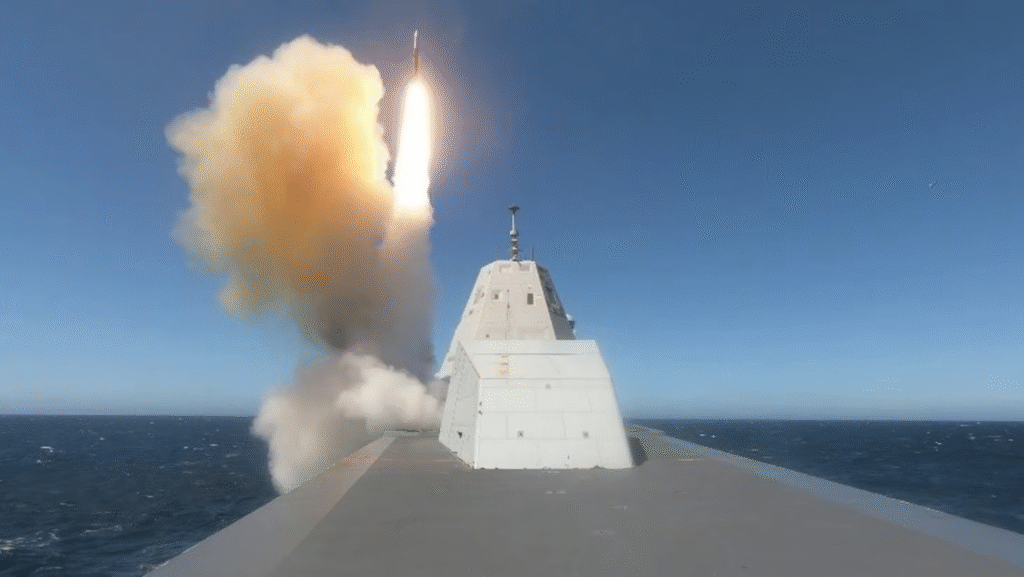
In order to reduce costs, there are some proposals to change Zumwalt’s special radar and warfare systems for more common ones, such as the Enterprise Air Surveillance Radar (EASR) and Aegis Combat System, thus making it easier to carry out maintenance and logistics. On the other hand, the rest of the fleet also has problems of its own. The old Ticonderoga-class cruisers and Arleigh Burke-class destroyers are still in service while next-generation DDG(X) plans are being worked on.
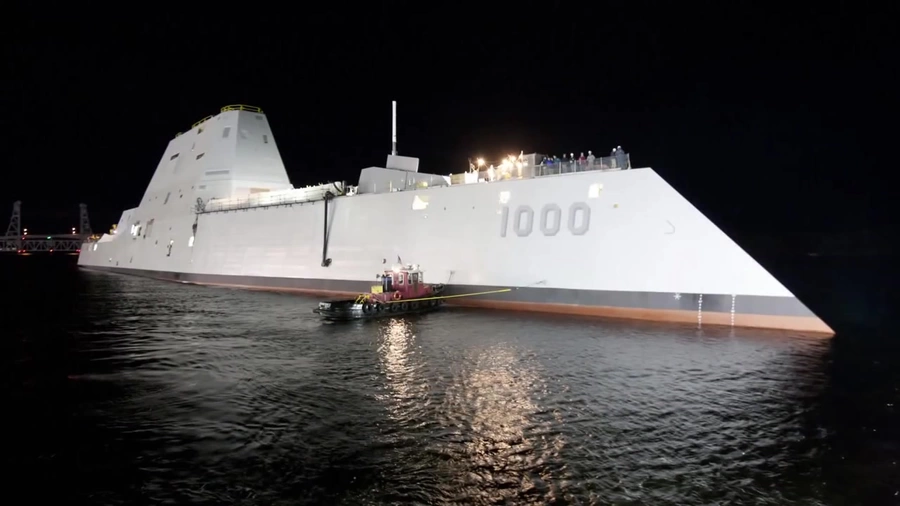
No matter how much shipbuilding is spreading all over the world, the big question is still raised: in future naval wars, will it be possible for high technology to outbalance the vast numbers? Notwithstanding the story of Zumwalt, innovation can provide us with unmatched weapons, numbers, and sustainability are still the main factors in any maritime strategy.