


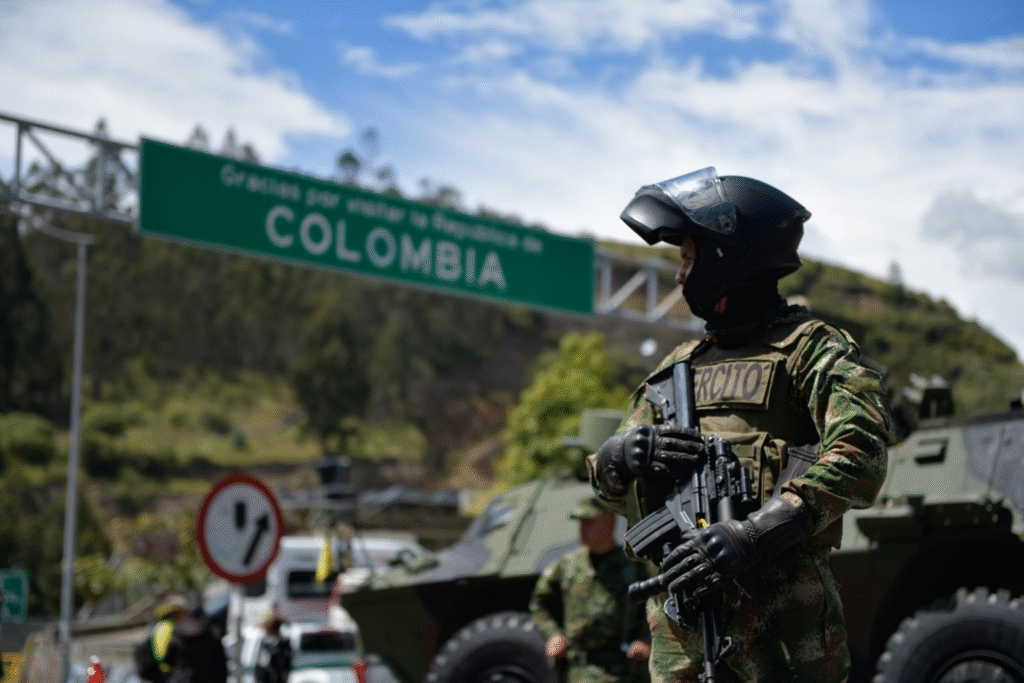
The U.S. war against drug cartels has reached a more acute and sophisticated phase—a phase in which Navy vessels, drones, and special forces soldiers are taking center stage, and the limits of U.S. capability are being pushed in new and innovative ways.

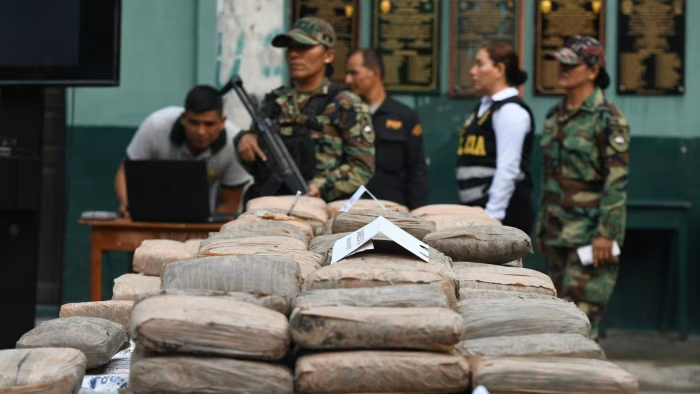
For decades, the war on the transnational crime syndicates of Latin America and the Caribbean was left to law enforcement with military backing. Operations such as Operation Martillo, with over a dozen participating countries, have attempted to sever trafficking routes by traversing main sea routes and patrolling airspace.

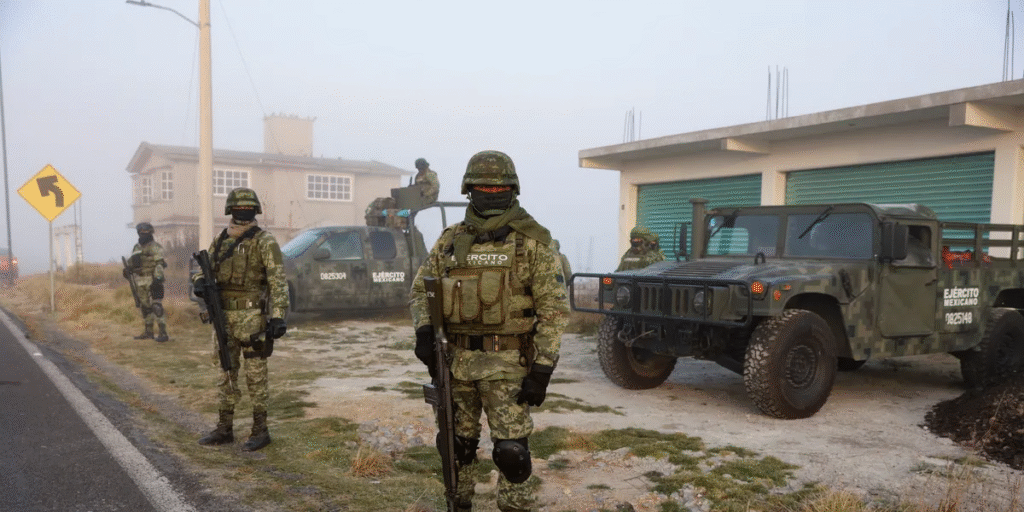
At the forefront has been Joint Interagency Task Force South, integrating intelligence and surveillance and assisting law enforcement in making interdictions. The traditional method was to have the Defense Department track and monitor, or reserve boarding and arrest for the U.S. Coast Guard or foreign allies. It was a great multinational coordination, but it had the advantage of not having the military in direct contact.

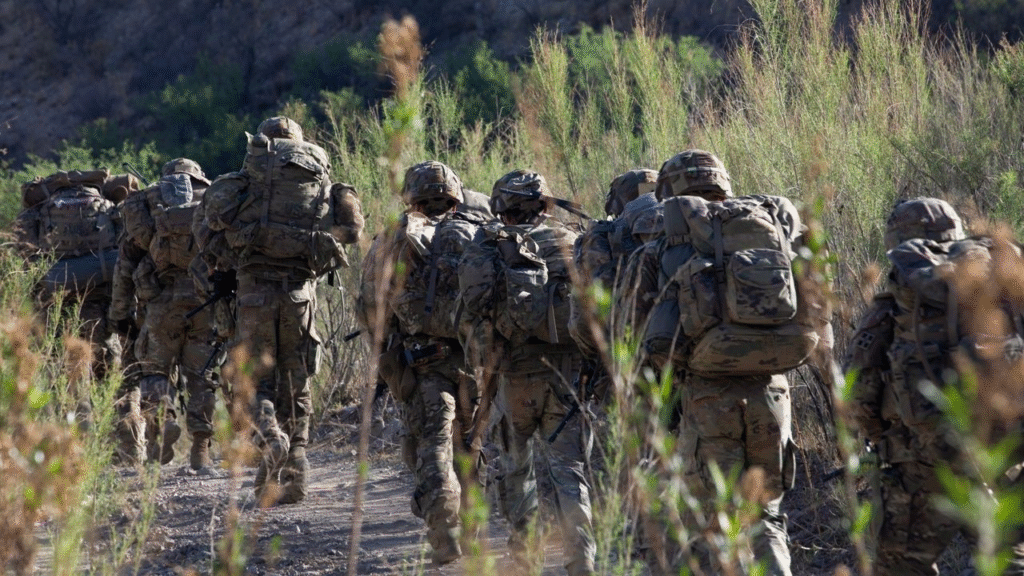
That is changing. Over the past few years, the White House has quietly increased the authority of the Pentagon, under which force can be used against some cartels that have been declared terrorist organizations. The change establishes a legal rationale for more aggressive action at sea and possibly on foreign territory.

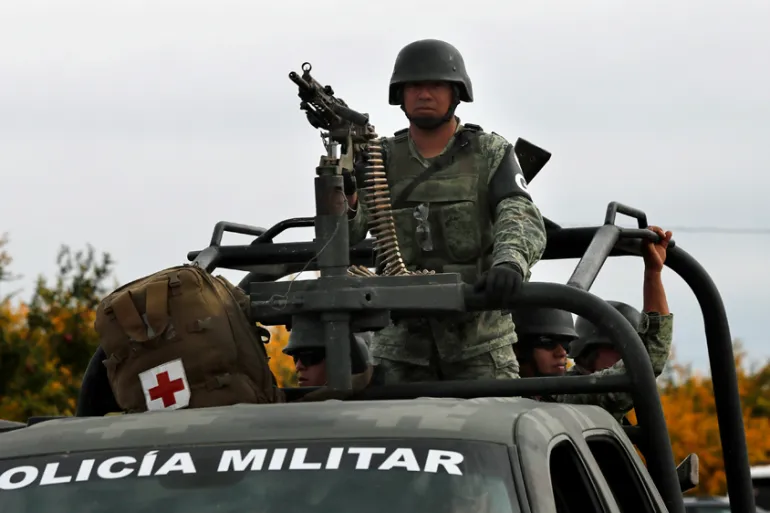
The authorities have also stepped in to classify violent cartels such as Tren de Aragua, MS-13, and Venezuela’s Cartel de los Soles as terror groups, citing the fact that their activities tread a thin line between organized crime and dangers to national security. This actually applies more e the armed insurgency model than classifying cartels as criminals.
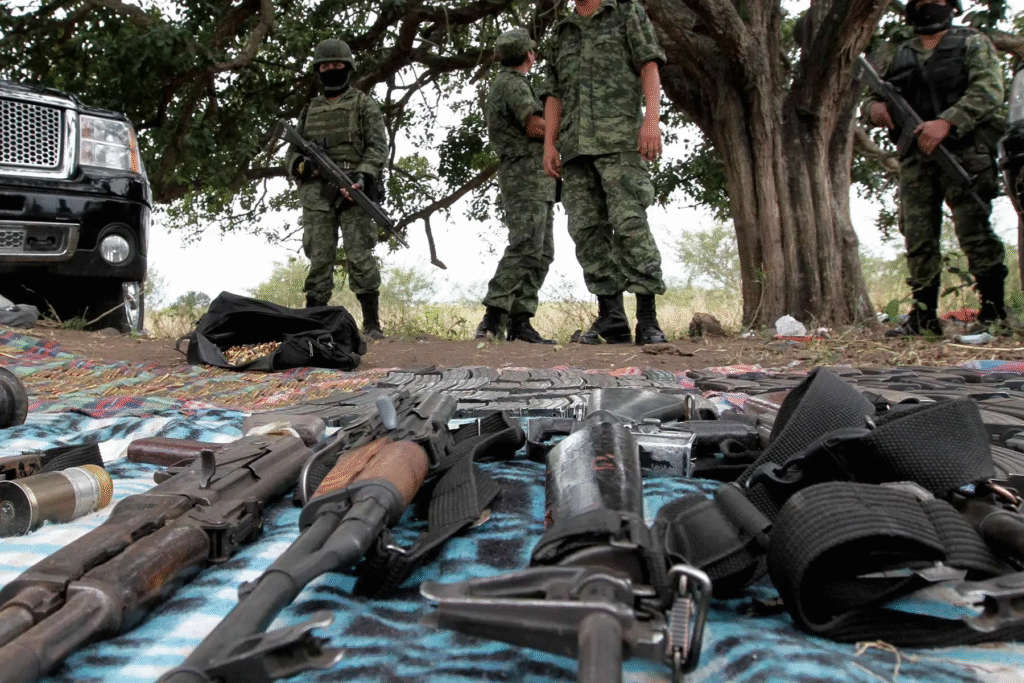
The policy, however, has some very serious issues with the law. Although designating an organization a terrorist group permits asset freezes and sanctions, it does not in itself authorize combat actions. United States law in general prohibits the military from participating in domestic law enforcement, and applying the laws of war to cartel members poses difficult issues of targeting, detention, and rules of engagement. Fatal attacks or capture missions conducted under these new powers may be inconsistent with both U.S. and foreign law, especially due process and human rights.

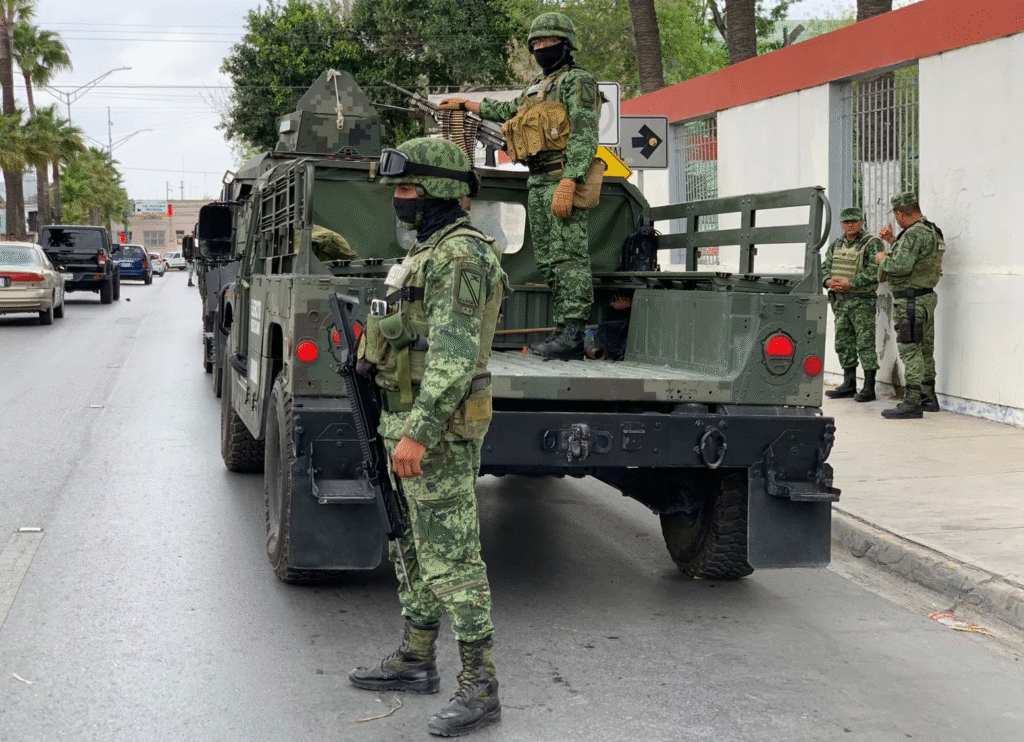
These are not merely theoretical concerns. The dangers of interdiction have been theatrically enacted at sea. In one such case, a U.S. Coast Guard personnel sailed on a Navy ship in the Caribbean, deployed d force from the air to intercept a smuggling boat, fatally shooting a Dominican national during a botched rescue. Months later, an American-Dutch crew on board opened fire on a go-fast boat that attempted to ram their vessel; it caught fire and sank, and suspected smugglers were pushed overboard. These events illustrate how police action can escalate into nearly combat circumstances very rapidly.

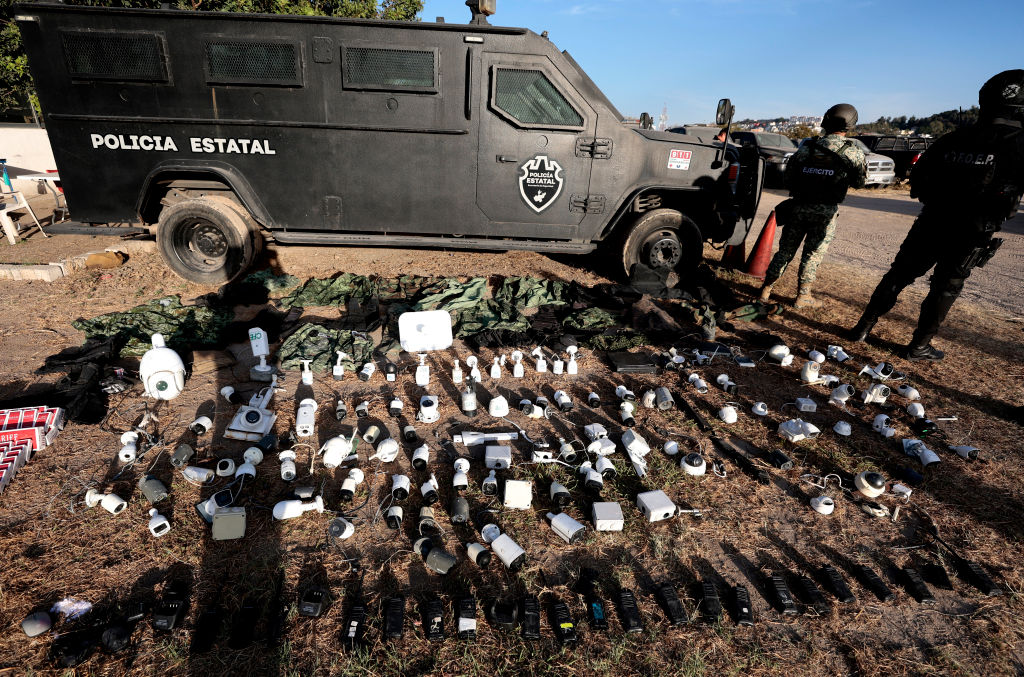
The tough-on-crime policy has also placed Venezuela in the spotlight. American officials have charged that President Nicolás Maduro is operating his own cartel and placed a $50 million reward on his arrest. The Navy has also sent destroyers and warships that are amphibious to the Caribbean in an exhibition of military might that Maduro described as the worst threat the region has ever seen in a hundred years.
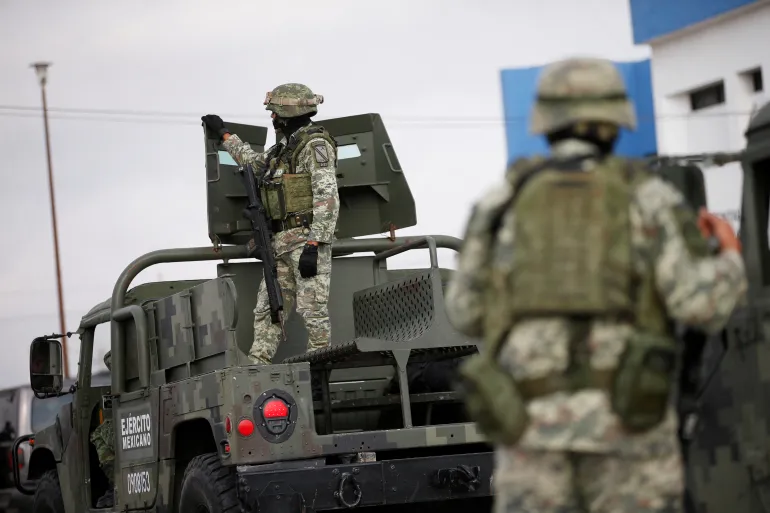
Venezuela has, in turn, sent troops along its border and coast and called upon civilians to take up seats in militias in preparation for what it sees as imminent hostilities. Maduro has promised that any U.S. action must be answered by a “republic in arms,” but opposition leaders see the American deployments as a preventive move against what they refer to as a criminal regime.

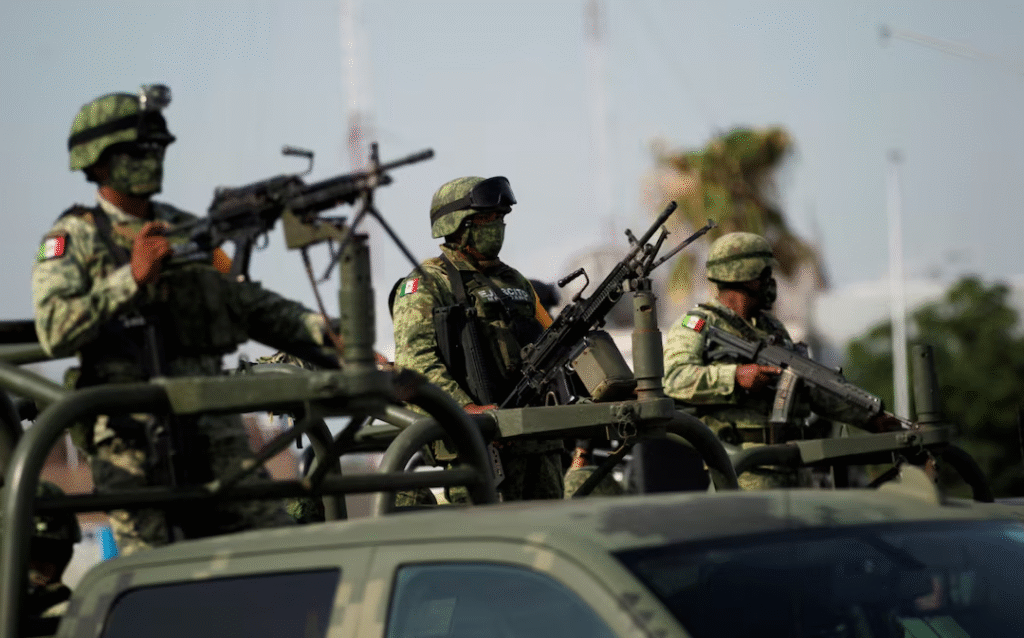
Concurrently, traffickers have adapted. Sanctions have revealed networks in Colombia and Guyana using semi-submersibles, hidden airstrips, and corrupted officials to ensure cocaine flows northward. Mexican groups, including the Sinaloa Cartel, have expanded operations in South America, using weak borders and thin enforcement capacities. Despite large seizures and arrests, the cartels’ sheer numbers and flexibility continue to vex U.S. and regional authorities.
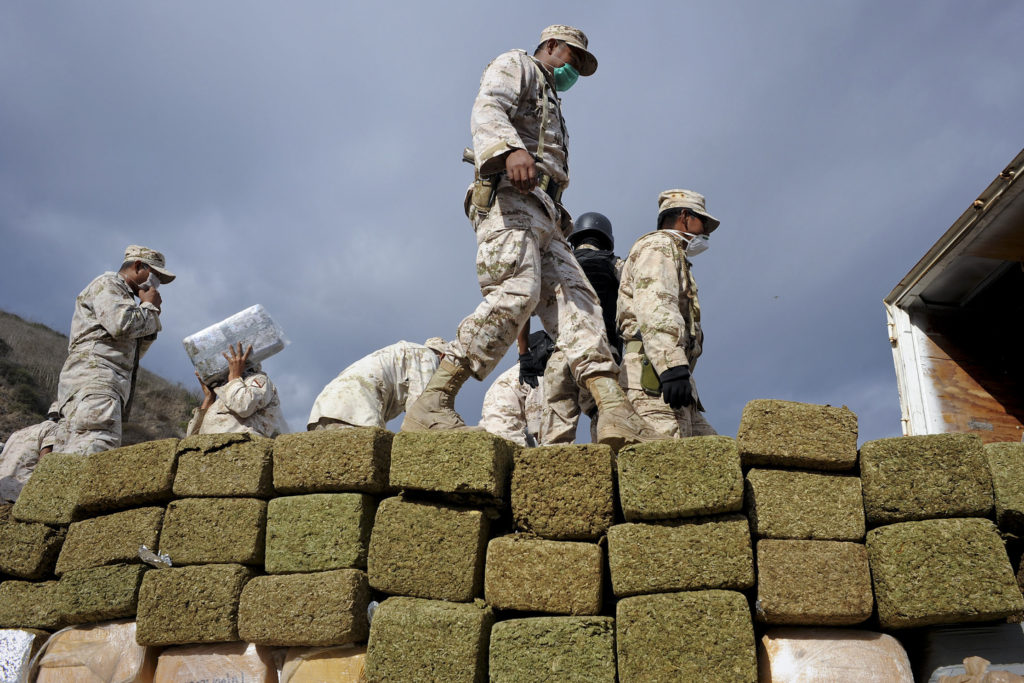
All of this against the background of changing energy and political trends. Venezuela’s massive oil reserves have come with additional international attention in the context of broader turmoil in energy markets, as an added complicating factor for Washington policy. For Washington, the issue is how much to project military power in a conflict that has consistently walked the narr, ow tightrope between policing and war.

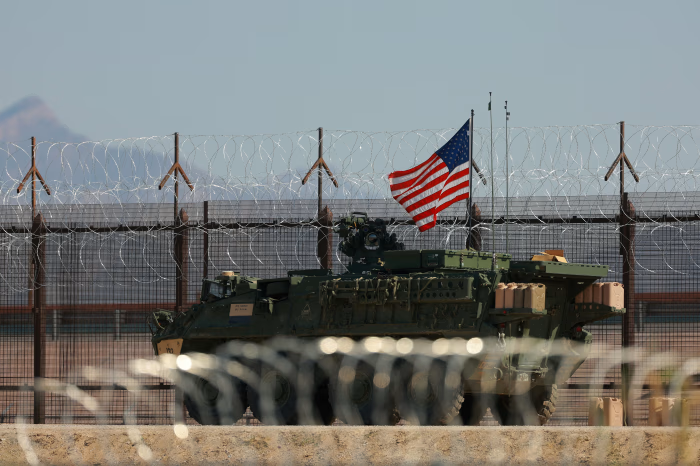
The increased U.S. military involvement in the war against cartels is remaking the security dynamics of Latin America and testing American law and diplomacy to the breaking point. With the lines between combat and law enforcement both blurring and regional politics becoming more volatile, the stakes for both Latin America and the United States are higher than ever.