

The post–World War II years were a time of reckoning for the U.S. Navy. The nuclear era had dawned, redefining conceptions of power projection across the globe, and the newly independent Air Force was quickly establishing itself as the country’s premier strategic force. Aircraft carriers had already been shown to be instrumental in the Pacific, but the very first nuclear weapons were too heavy to be delivered by carrier-based aircraft. When the Navy’s supercarrier program, the USS United States, was canceled out of the blue after the creation of the B-36 bomber, the Navy was compelled to reassess its role in a world of nuclear strategy.

In reaction, naval strategists conceived an ambitious vision: jet-propelled seaplanes without airstrips or carriers, taking off and landing on the ocean itself. They would constitute a free-flying, self-supporting striking force with long-range attack capability, mine-laying capability, reconnaissance missions, and logistics support. Submarines, air tankers, and seaplane tenders would resupply them, building a flexible fleet that could strike nearly anywhere in the world. The idea came to be called the Seaplane Striking Force.

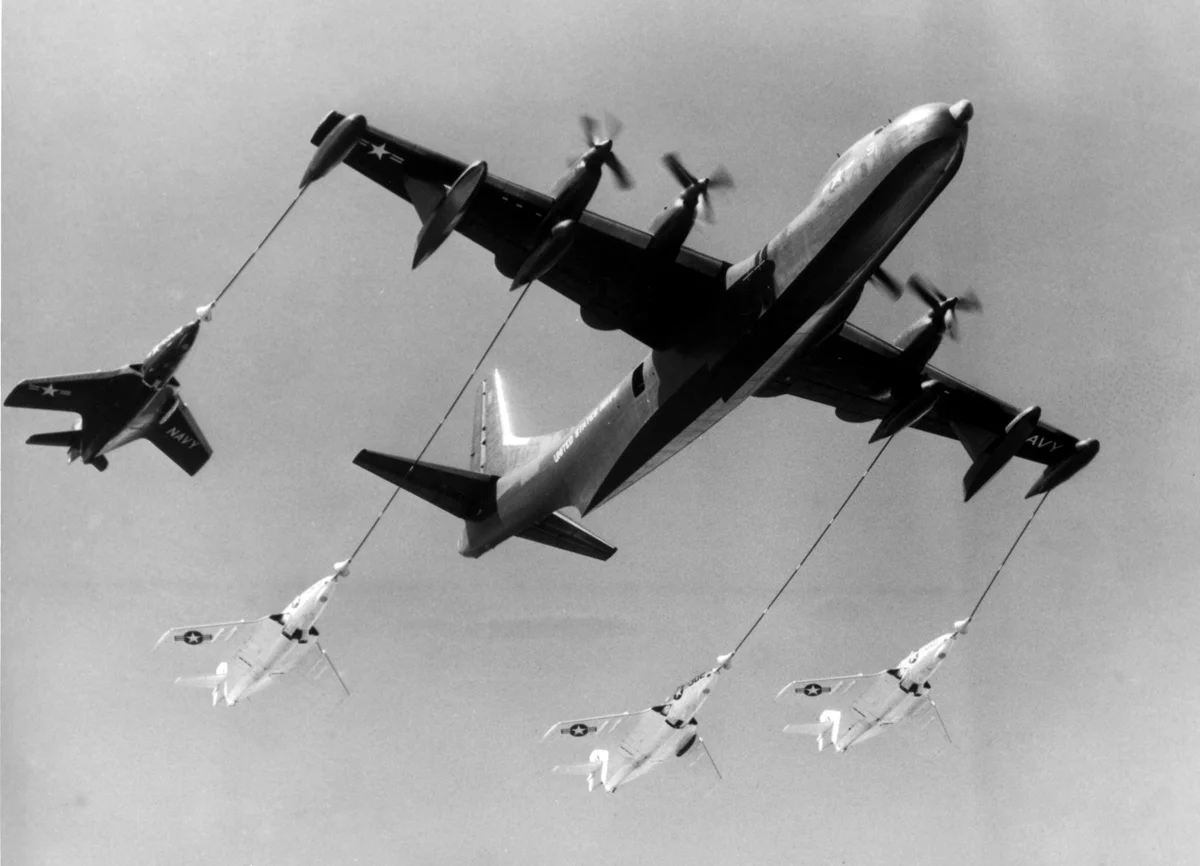
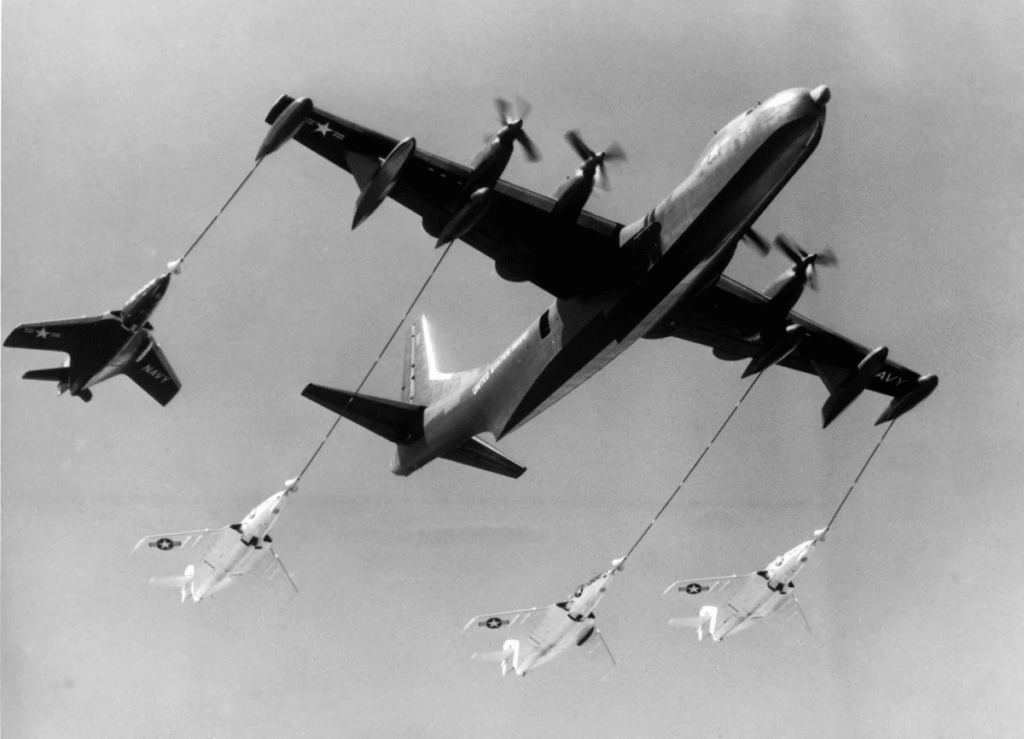
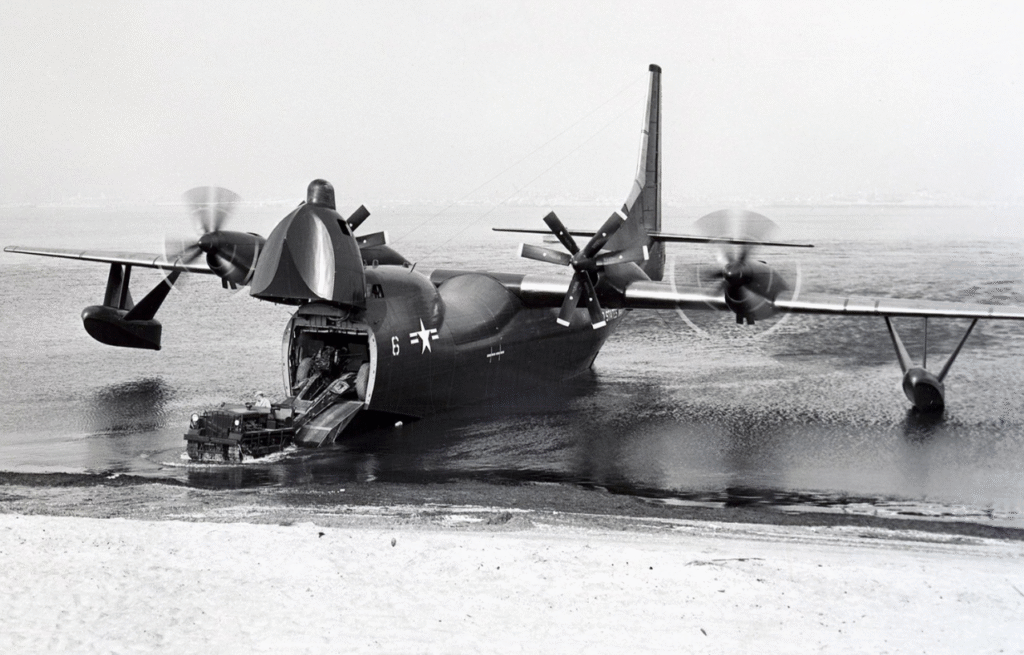
An early embodiment was the Convair Tradewind, named after the mythic PBY Catalina but significantly larger and faster. Its XP5Y-1 prototype took to the air in 1950, driven by four turboprop engines with contra-rotating propellers. The aircraft was intended for a variety of missions, from reconnaissance and transport to in-flight refueling and troop delivery. The R3Y variant continued to advance further, able to refuel four jet fighters simultaneously and establish seaplane speed records.

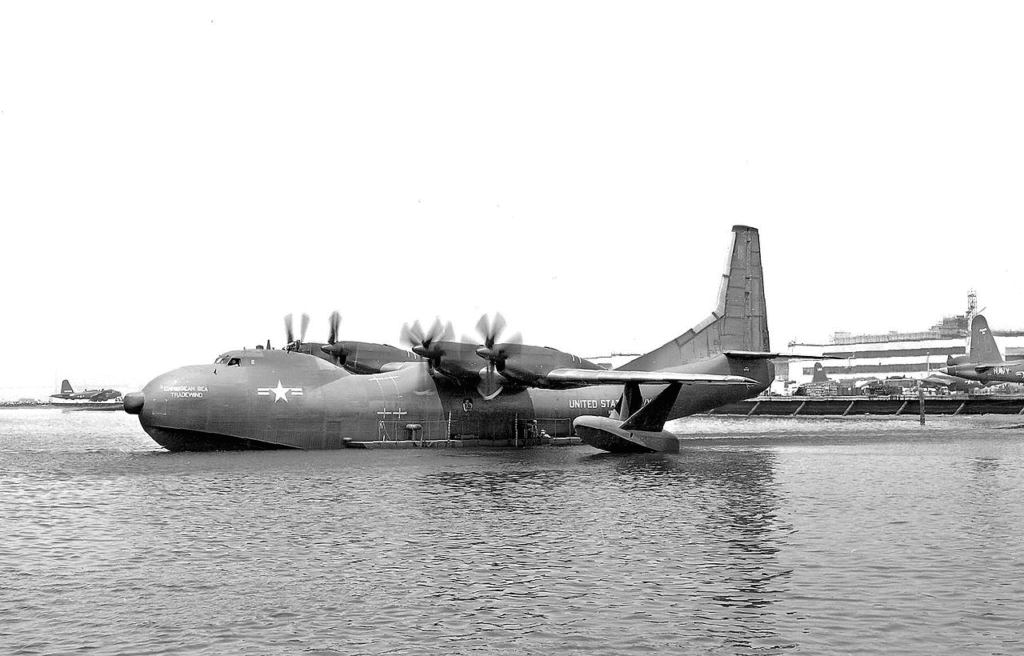
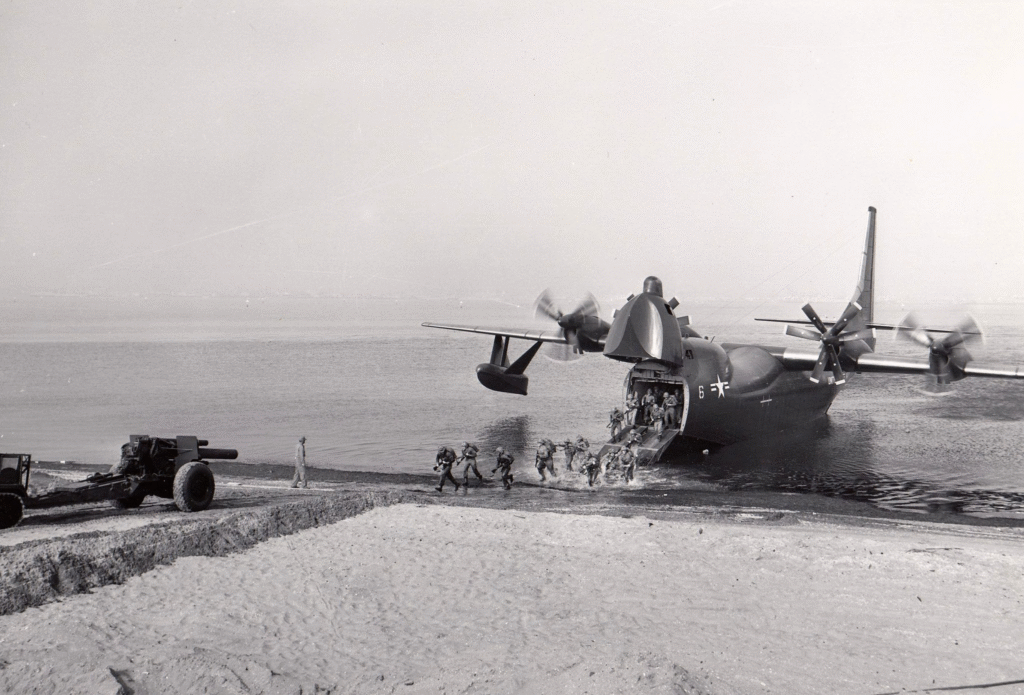
It even engaged in beach landing exercises, delivering equipment and Marines directly onto the beach. But behind the spectacular achievements were fatal weaknesses. The Tradewind performed poorly over land, making it vulnerable in battle, while temperamental engines often broke down or ignited. By 1958, the program was dropped, and the fleet was scrapped.
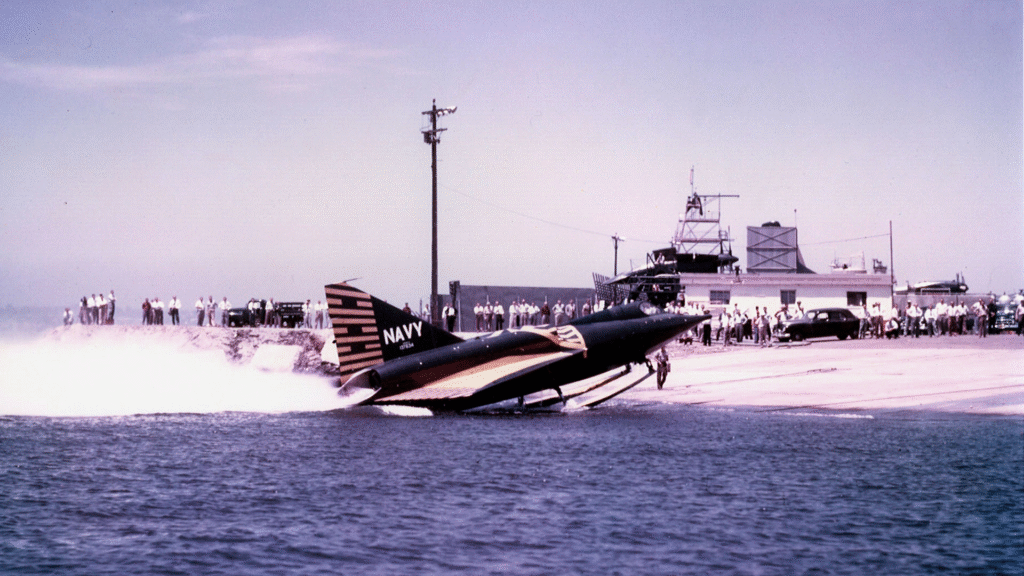
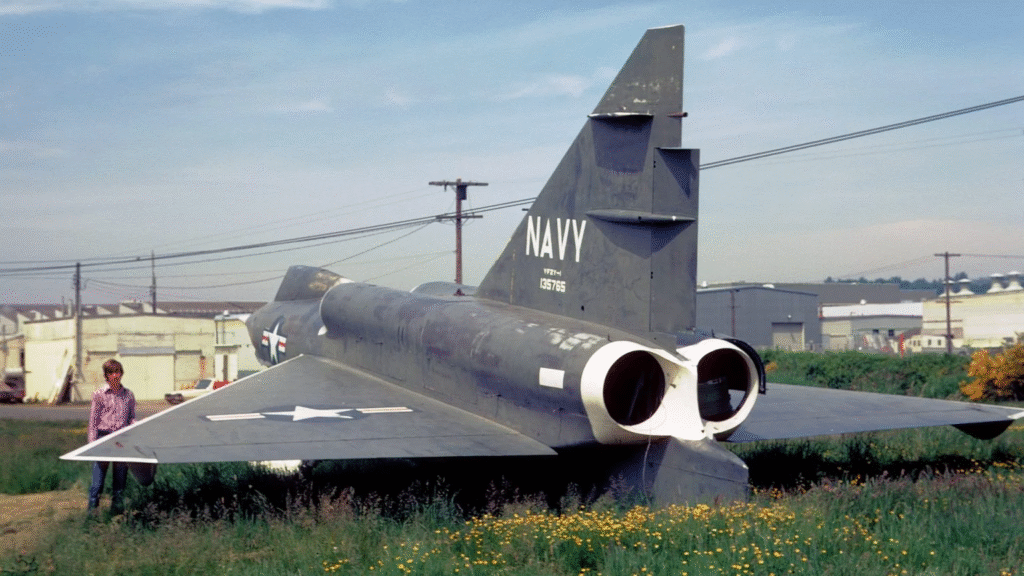
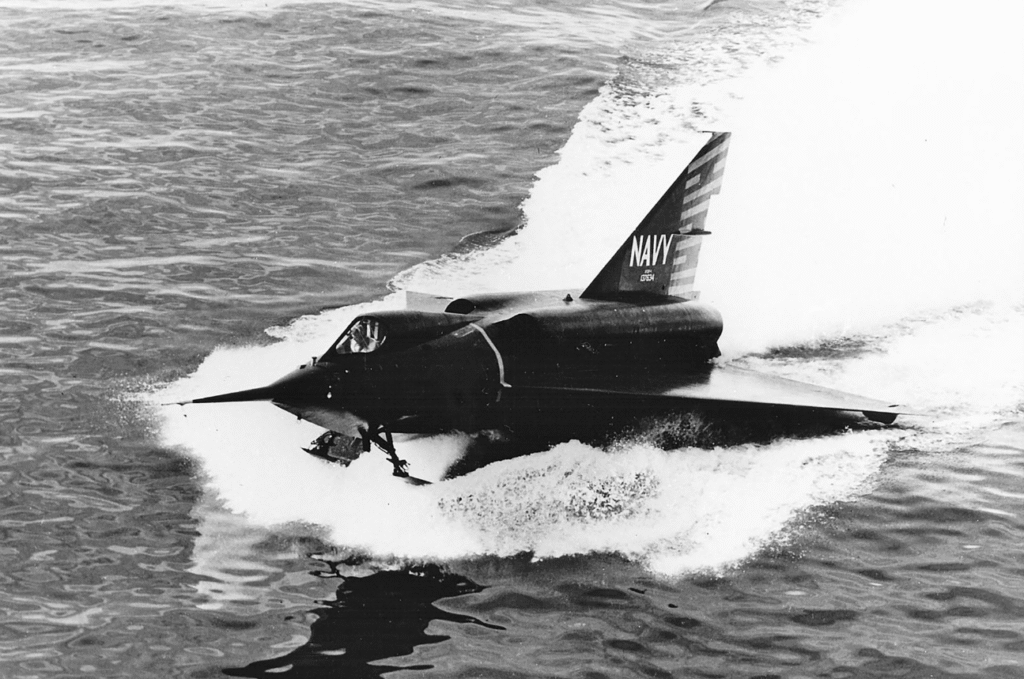
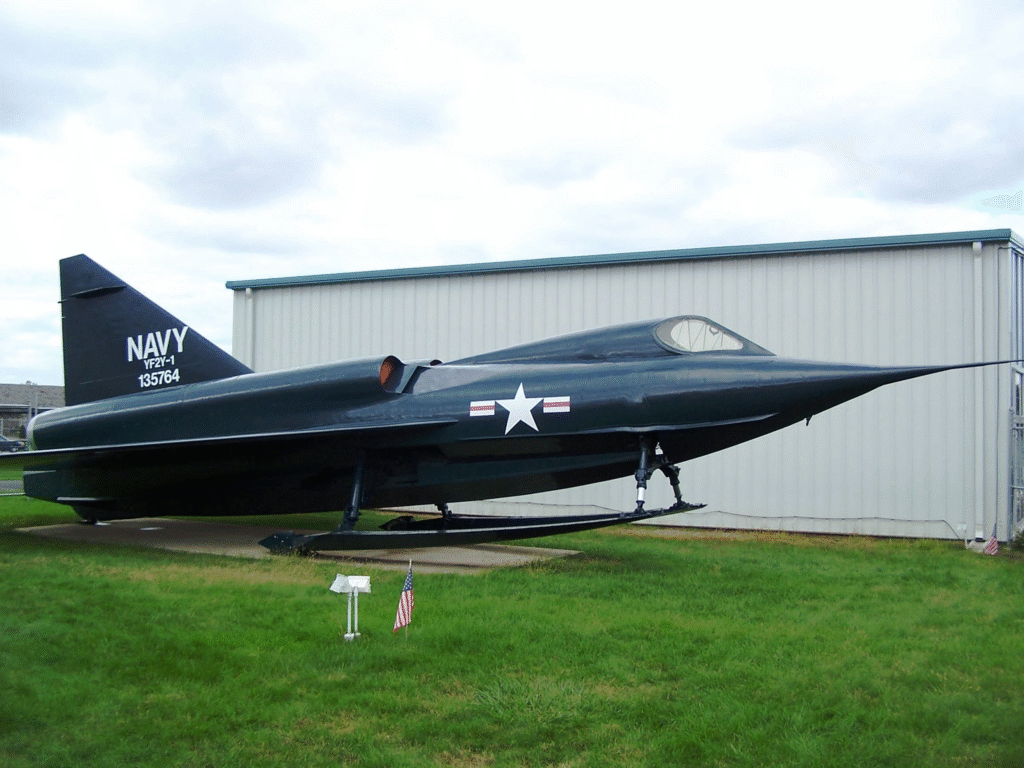
Meanwhile, Convair developed a jet-propelled seaplane fighter, the F2Y Sea Dart. Having a delta wing and retractable hydro-skis, it made headlines in 1953 as the first seaplane to fly at supersonic speeds. The Sea Dart was intended to guard the floating Tradewind bases and intercept enemy planes. But its hydro-skis produced violent oscillations on takeoff and landing, and after a fatal 1954 crash, redesign attempts were repeatedly unsuccessful. The program was terminated in 1957, obviated by carrier-based jet aircraft advancements.

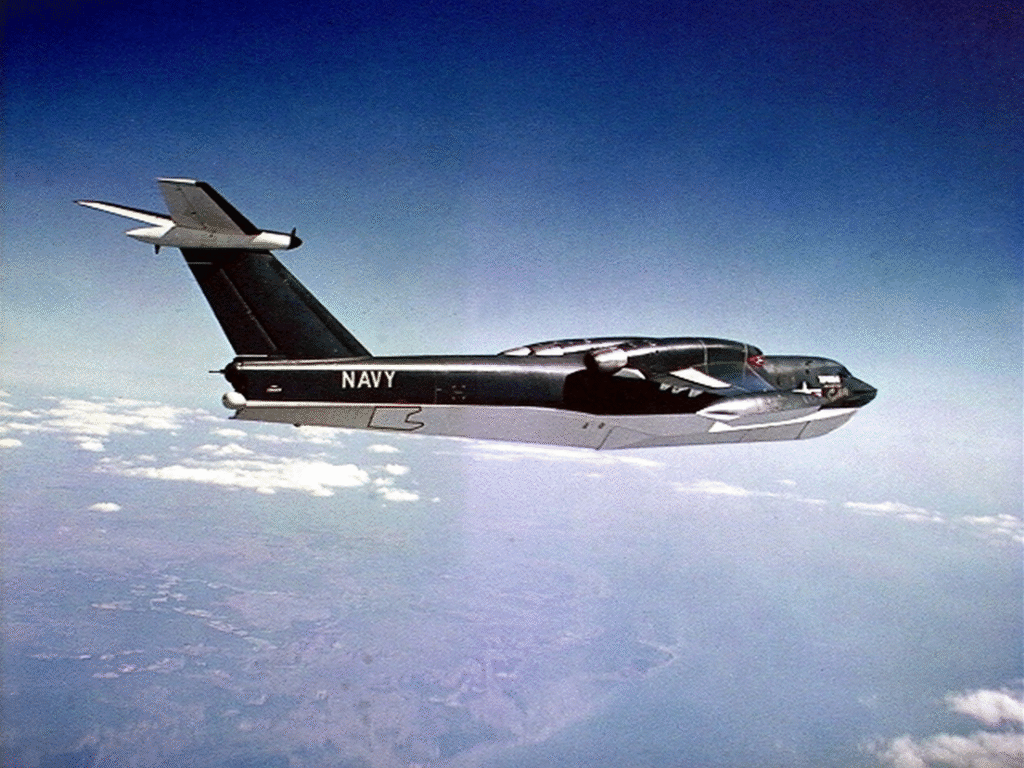
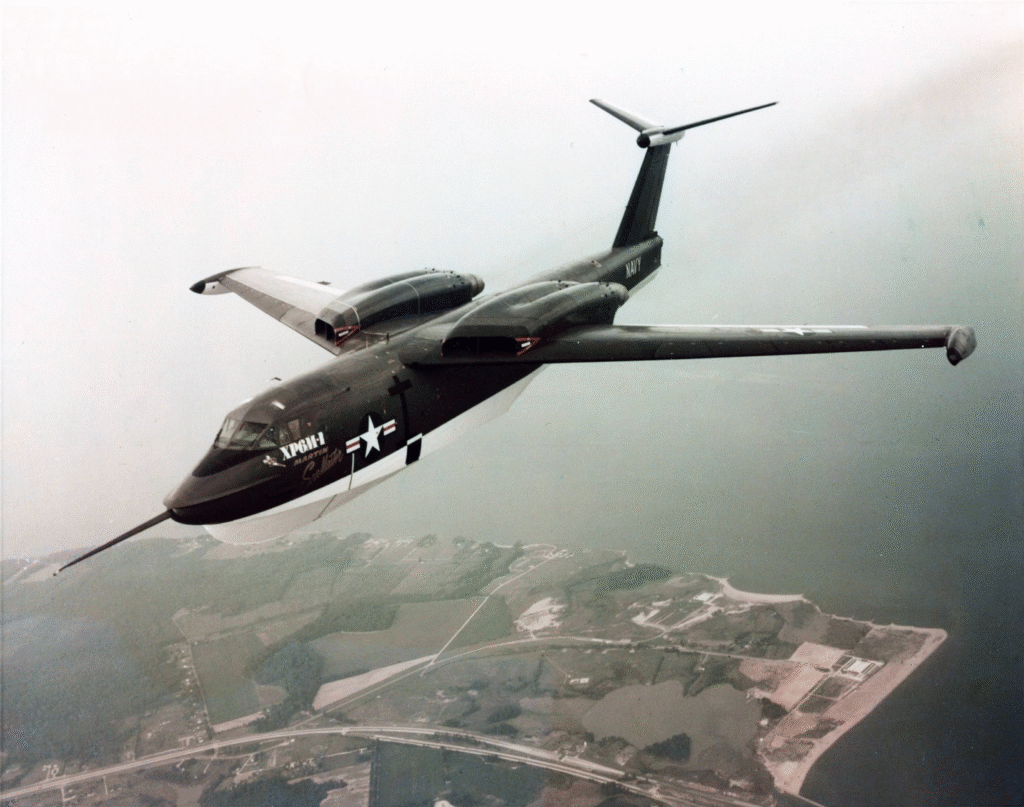
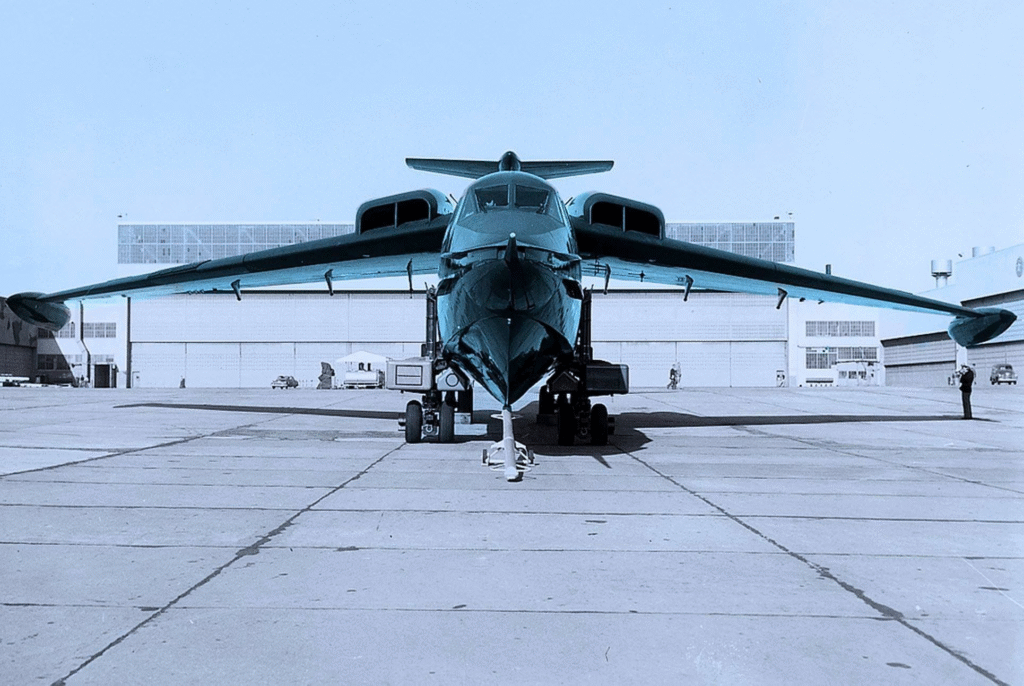
The Martin P6M SeaMaster was the Navy’s final conception for the Seaplane Striking Force. A four-engine strategic seaplane, it would be able to travel at high speed on water with nuclear bombs or heavy mines. Its revolving bomb bay enabled it to deliver ordnance without flooding the hull.

The SeaMaster was redesigned several times, with the P6M-2 having improved engines, advanced electronics, and in-flight refueling. However, early production was hampered by problems, including prototypes lost due to loss of control and continuing engine and handling issues. Fewer than a dozen were ever finished.

By the time the SeaMaster was almost built, strategic thinking had changed again. Submarines could launch ballistic missiles to provide a more stealthy, survivable nuclear weapon. Along with better carrier-based planes, seaplanes now appeared costly, risky, and redundant. The SeaMaster program was canceled in 1959, and almost all of the aircraft were destroyed, leaving only a few to be preserved in museums.

The United States was not the only country to try jet-powered seaplanes. Britain’s Saunders-Roe SR.A/1 was a high-wing, twin-jet fighter intended to take off and land from water. Similar to its American equivalents, it suffered from engine and weight problems and was surpassed by land-based jets, and the project was cancelled in the early 1950s.

So why did jet seaplanes not work? The idea was too far ahead of its time. Creating an aircraft that would work well out of stormy seas with speed, maneuverability, and reliability was too challenging using the available technology. Engines were damaged by water spray, weight was added by reinforced hulls, and maneuverability was affected. For all the glimpses of triumph, the Seaplane Striking Force never achieved what it promised.
Today, these projects are remembered more in terms of daring vision and less as failures. The Seaplane Striking Force is an example of a time the Navy envisioned big, attempting to find its way in an ever-changing strategic landscape. Though submarines and carrier-based aircraft eventually became the flying boats’ replacement, the legacy of these jet seaplanes continues to stand as a testament to military imagination, creativity, and the wanton willingness to experiment—even when the seas turned unyielding.