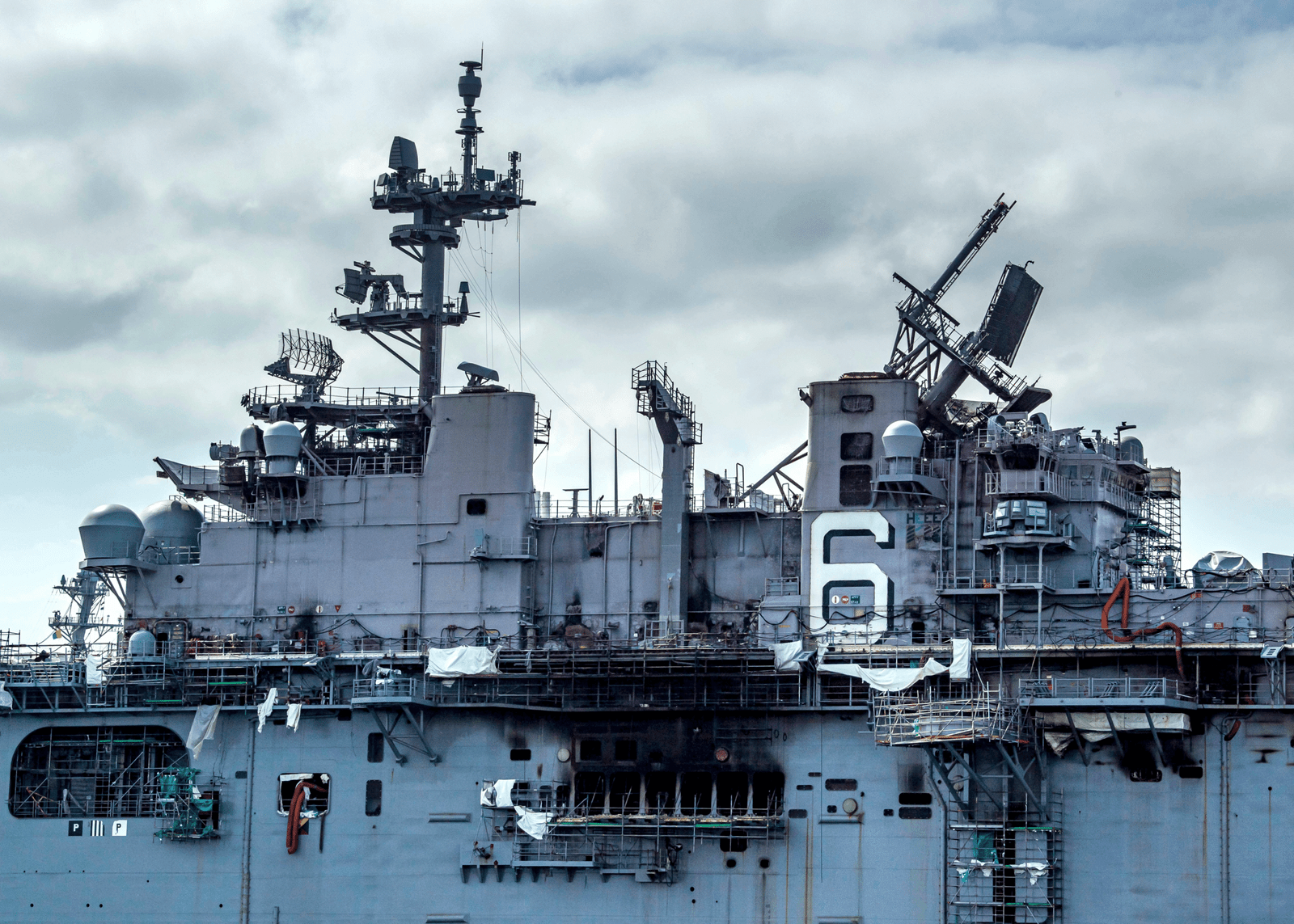
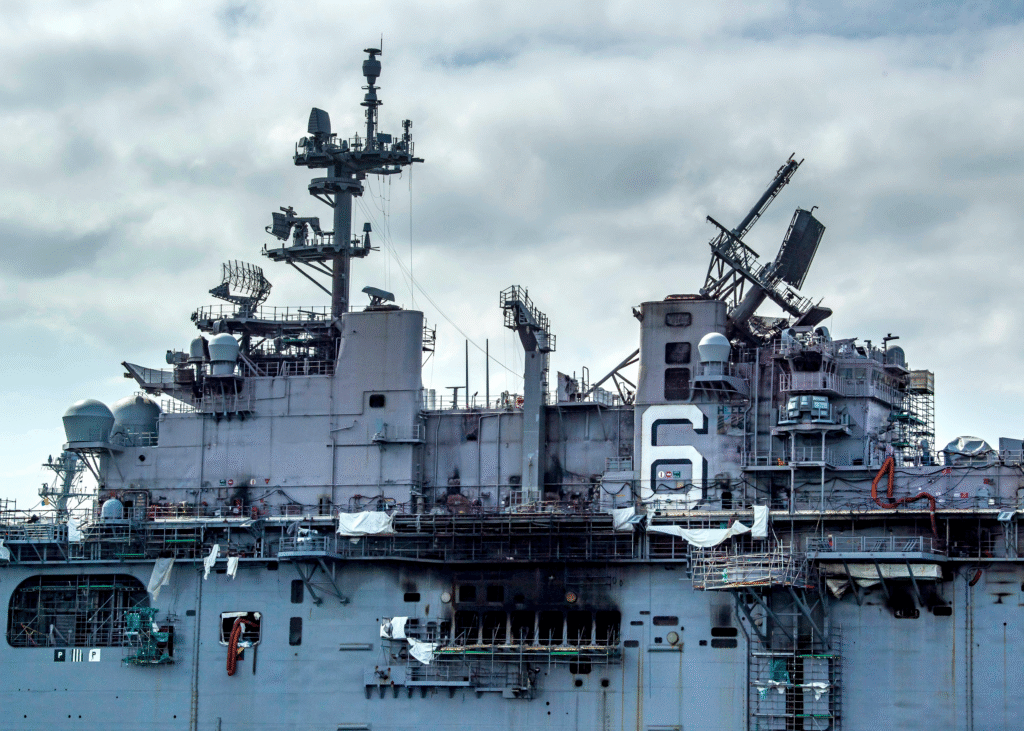
In July 2020, the 22-year-old USS Bonhomme Richard, an amphibious assault ship, caught an unfortunate fire when it was docked at the Naval Base in San Diego. And it took firefighters and rescuers to Nearly five days of dealing with this fire disaster and became as one of the most expensive disasters in the US Navy’s history. and this catastrophic event made this valuable navy asset into no longer repairable condition and ended in decommissioning and scrapping this valuable ship.
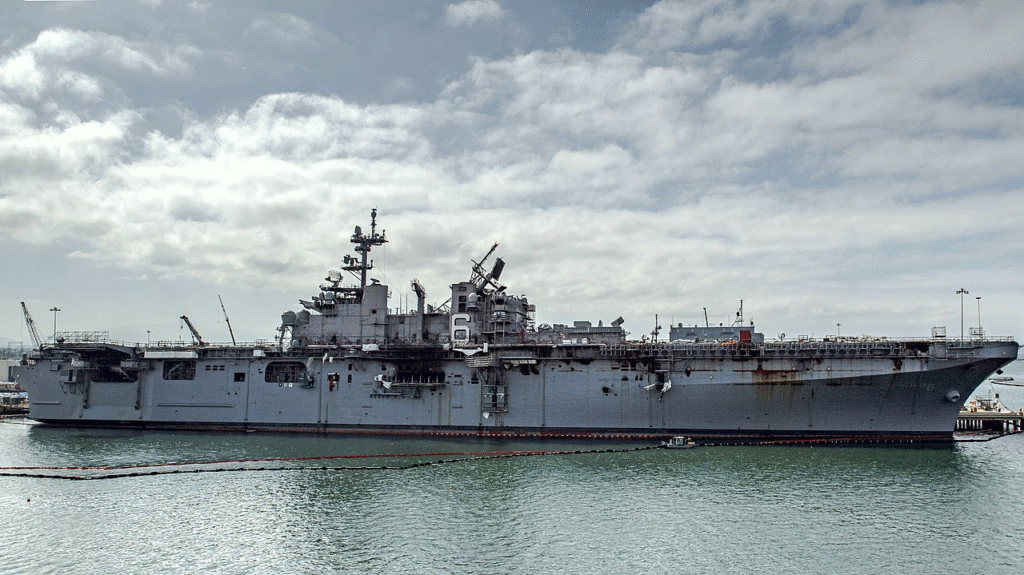
However, this disaster was not only about the Navy that lost its one of the best vessels, but it was also exposed the lacking of the Navy’s deep-rooted attitude of safety and inefficient maintenance, and weak leadership that were at high, which revealed the issues with navy about readiness and responsibility to such unplanned critical incident.
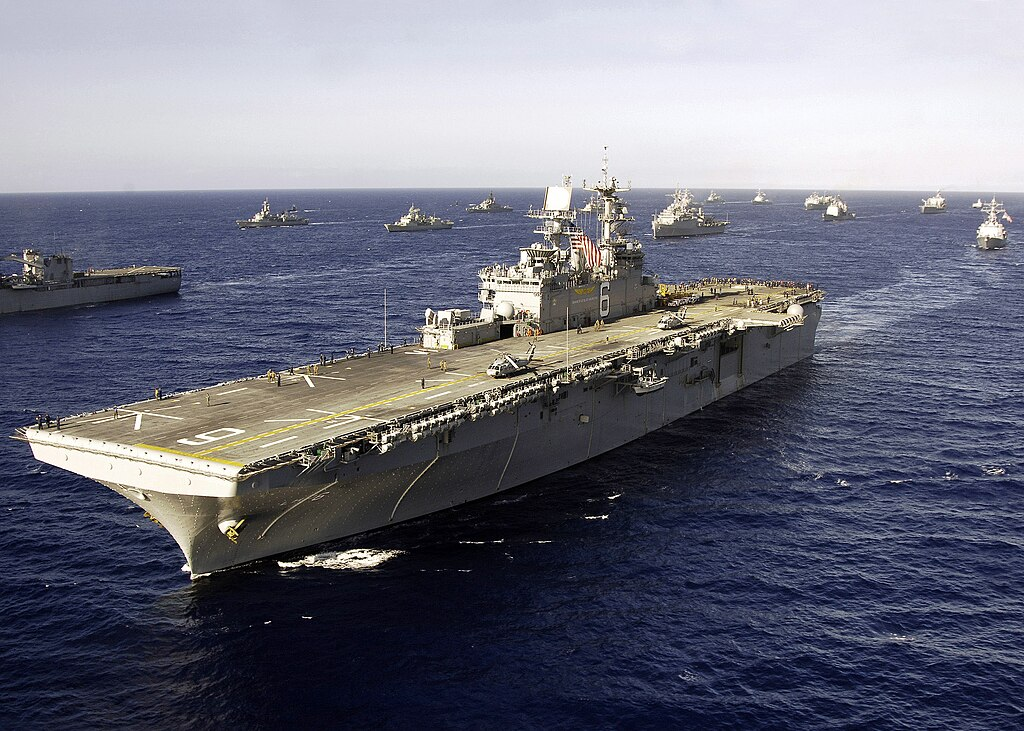
On the morning of July 12, the fire started in the Lower V space of the ship. The USS Bonhomme Richard was being repaired to the tune of $249 million to enable the support of F-35 fighter jets landings. The ship’s condition made it even more dangerous, as nearly 90% of the firefighting stations were inactive, during this fire event and even its decks were filled with materials that could easily catch fire. It was an unfortunate accident that waited for its occurrence and given hard lesson of Naval safety.
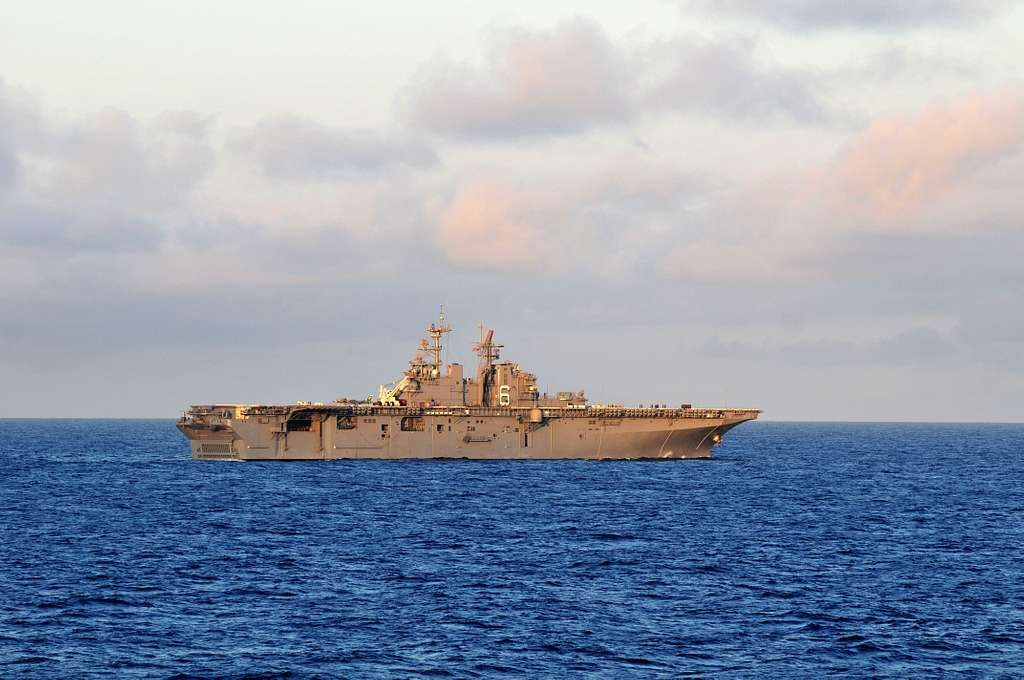
To make things worse at USS Bonhomme Richard, the communication was almost impossible due to the malfunctioning of radios and communication system on the incident day. The sailors had to depend on their personal phones to exchange the incident related information. The officer on deck, who was extremely cautious, did not give a general alarm as he primarily misunderstood the smoke as a non-serious issue. The very critical early minutes of safety, the time to control any ship fire, were wasted due to this negligence. When the fire-fighting teams got to work, they found that there were many missing fire hoses and inoperative fire control equipment of the ship which was failed during the rescue operations, which early fire safety checks should have prevented.
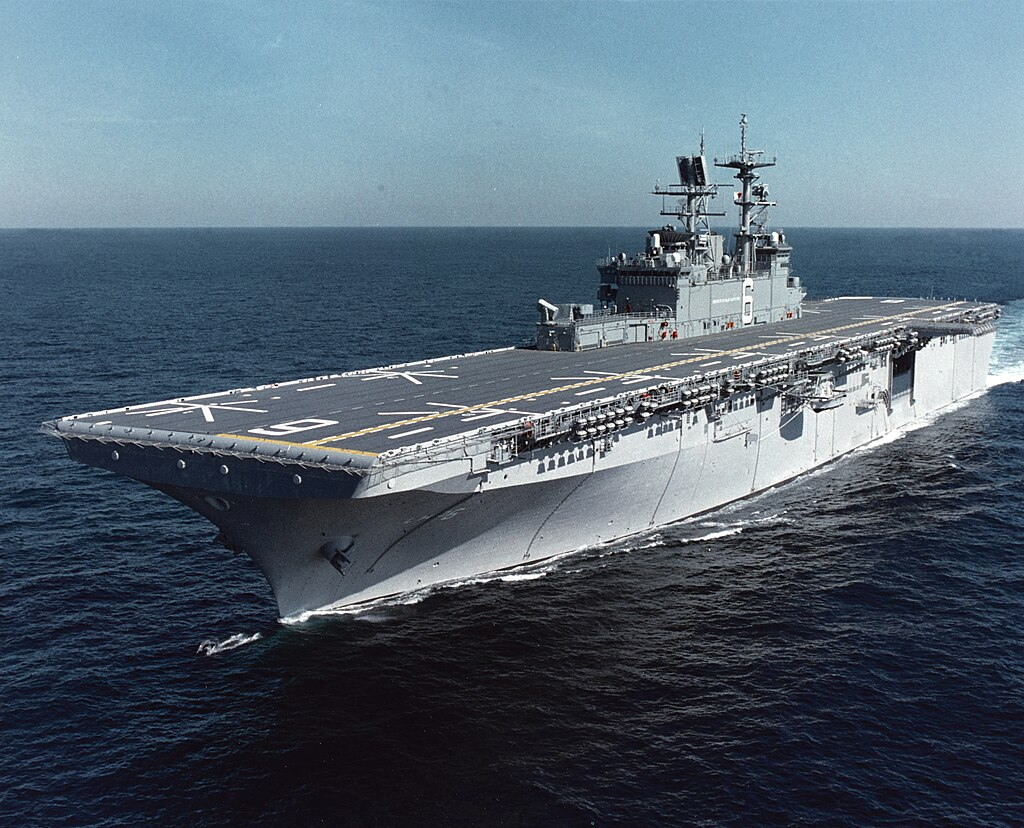
As the fire reached at the very critical level, civilian firefighters from the base and the San Diego Fire Department came to the rescue, but their help was lacking co-ordination from the Ship command and control. Crew members and civilian teams worked side by side, but they were not working together, and even the scent of clueless chaotic communication worsen the situation.
The situation was made worse by the absence of leadership. According to investigators, there was a command-and-control vacuum, that resulted in personnel having no clear direction to act on this catastrophic event properly. Only when Rear Adm. Philip Sobeck of Expeditionary Strike Group 3 took over did the response become somewhat organized, but by then, the fire had expanded too much and damaged the majority of ship area.
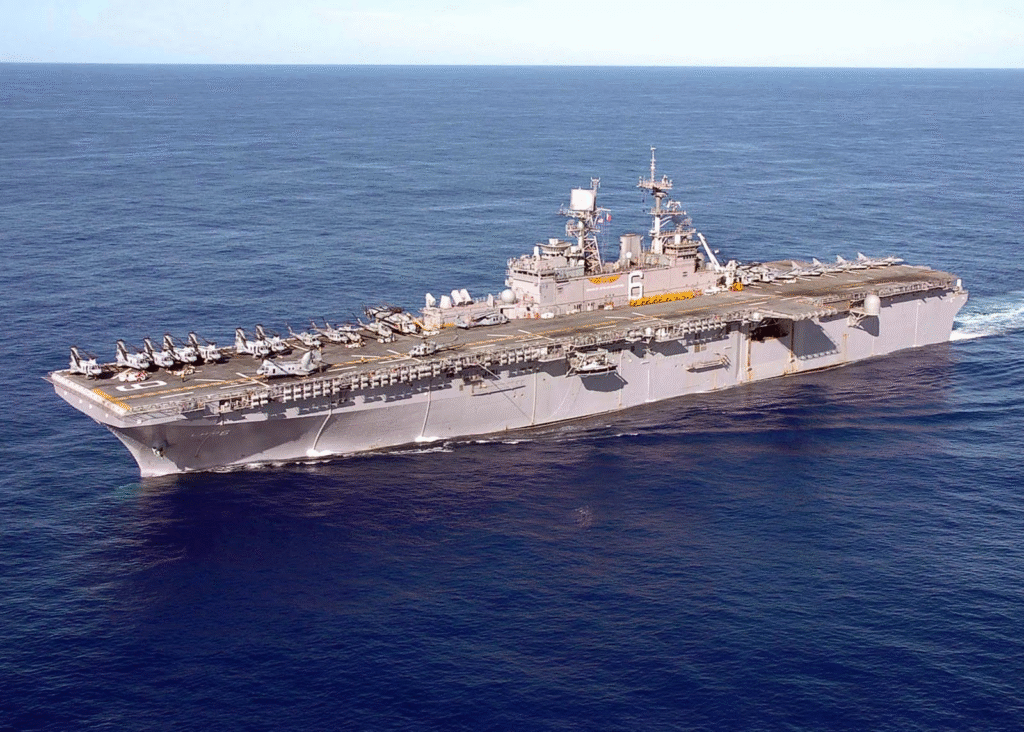
An official report showed an unfavourable measures was adopted rather than, kept continuity in training, maintenance, and leadership. Fire Drills were not frequent and poorly attended, and many sailors did not have enough skills to fight fires in shipyards or able to co-ordinate with civilian firefighting teams. Maintenance neglects some safety systems even though they were less reliable were completely inoperative. Regional maintenance centers, among others, did not do enough to enforce the high level of safety standards and point out risks during routine audits. They even ignored the lesson from the USS Miami’s fire incident which was occurred in 2012 and was also a major.
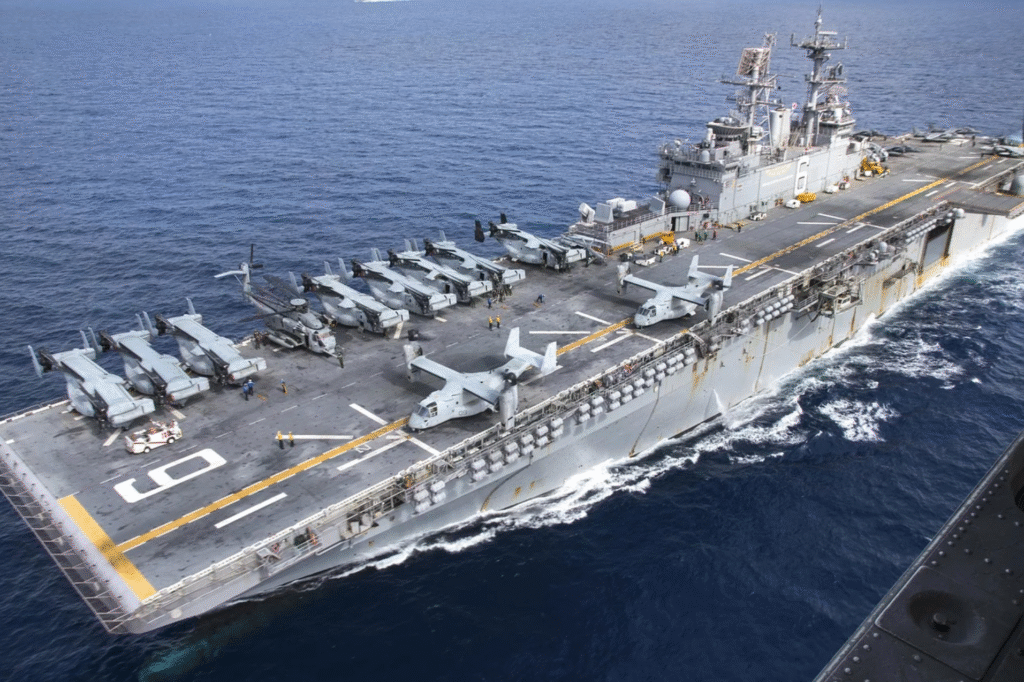
The report suggested that around 36 Senior Navy officers including ship commander and senior flag officers were imposed of disciplinary actions for missing the safety and maintenance which resulted this catastrophic accident. The mishap was not just a result of a bad decision but a sequence of failures at various levels of naval command and control. The Navy has not indicated what responses were eventually implemented, but at the end unfortunately navy has to go with this huge financial and technological loss.
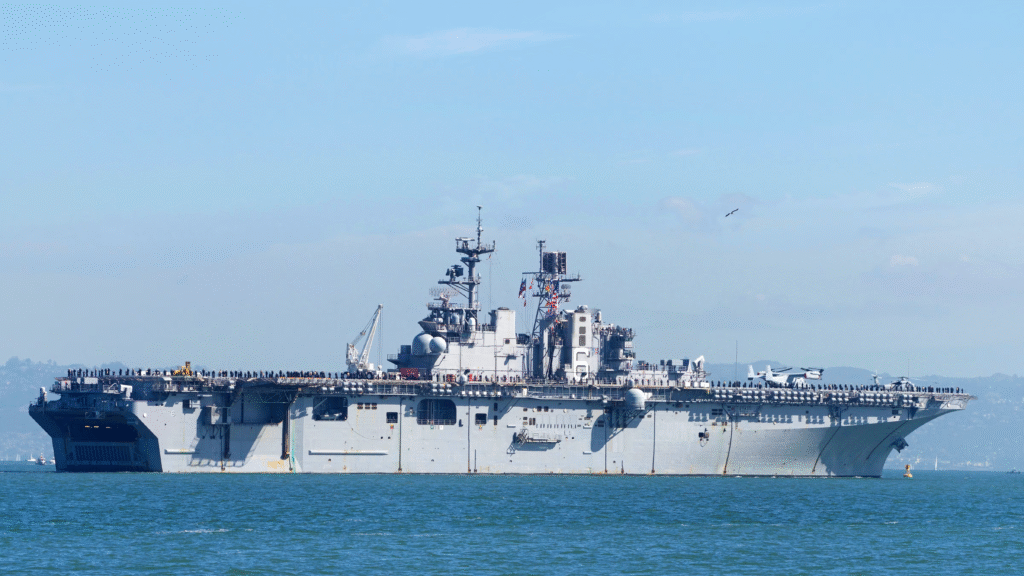
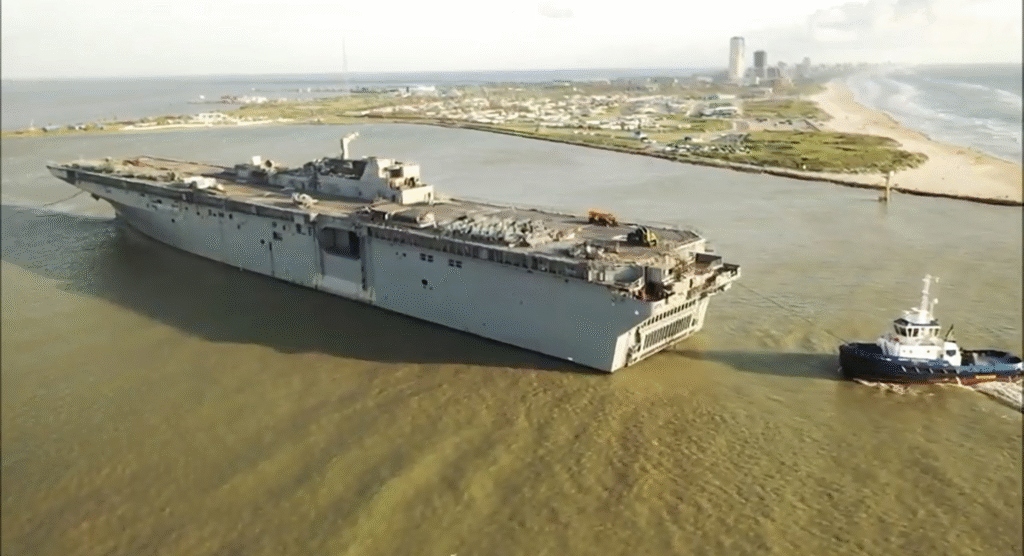
Repairing the ship would have cost over $3 billion and seven years. Even though it was repaired, as a hospital ship, for further use which costed over $1 billion. But, In the end, the ship was sold for less than $4 million and taken to Texas shipping yard for dismantling.
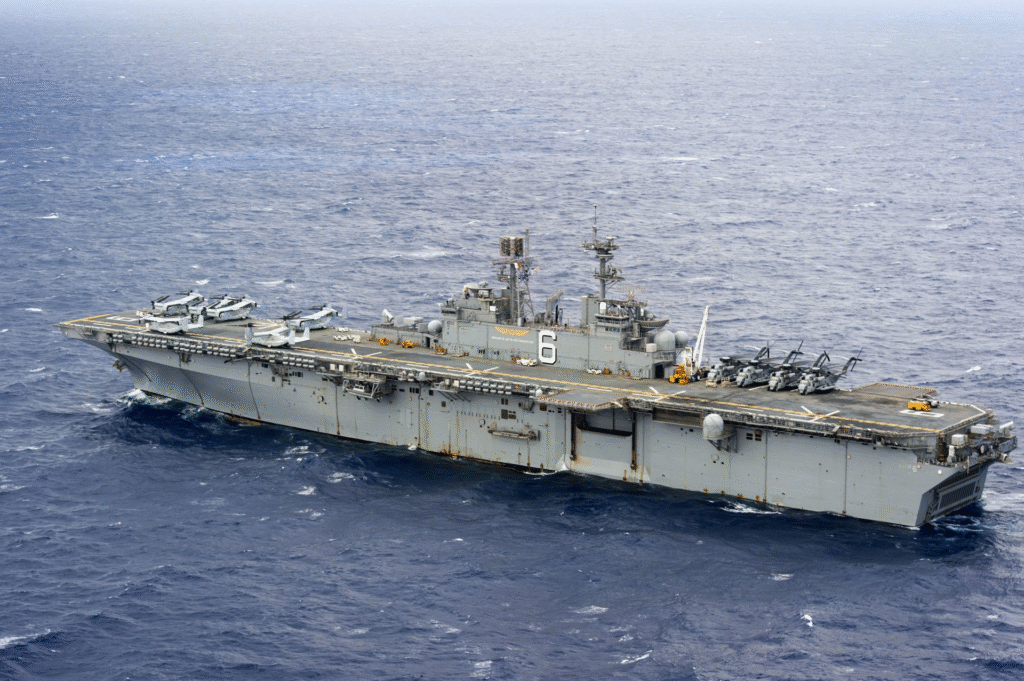
This huge loss brought the Navy’s amphibious assault fleet gone down to nine ships and delayed the deployment schedule of F-35Bs. Apart from the immediate operational issues, the fire also exposed the maintenance and safety flaw, that the Navy is not very capable of repairing it easily, which eventually made this important ship in non-combat state, which turned to be a very heavy safety loss for the navy command.
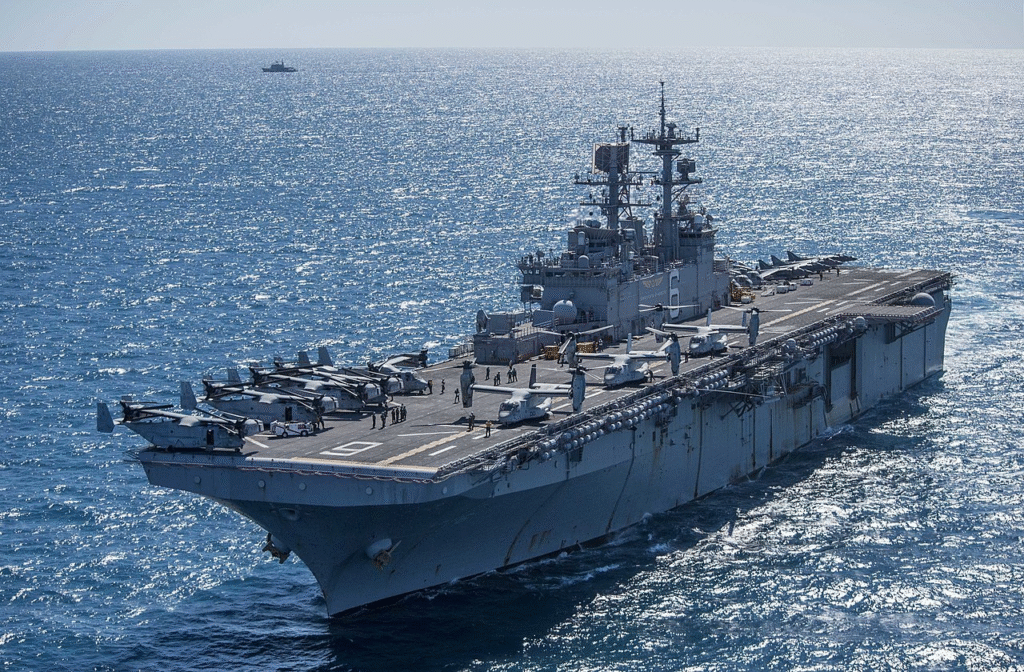
Retired Capt. Jerry Hendrix mentioned that the highest risk is of not only that of ships getting damaged or destroyed but also that of industrial and logistical systems that are very difficult to recover. The fire on Bonhomme Richard is a case that even the biggest, most technically advanced, and heavily armed ships are vulnerable if inadequate safety, low quality maintenance, and a lack of leadership supervision. The Navy hereafter has the challenge of implementing the strict safety rules and procedures that came out from the lessons which were learned with such incidents, and are today following a dedicated safety procedural and technical changes which has capability to prevent such mishap in future.