
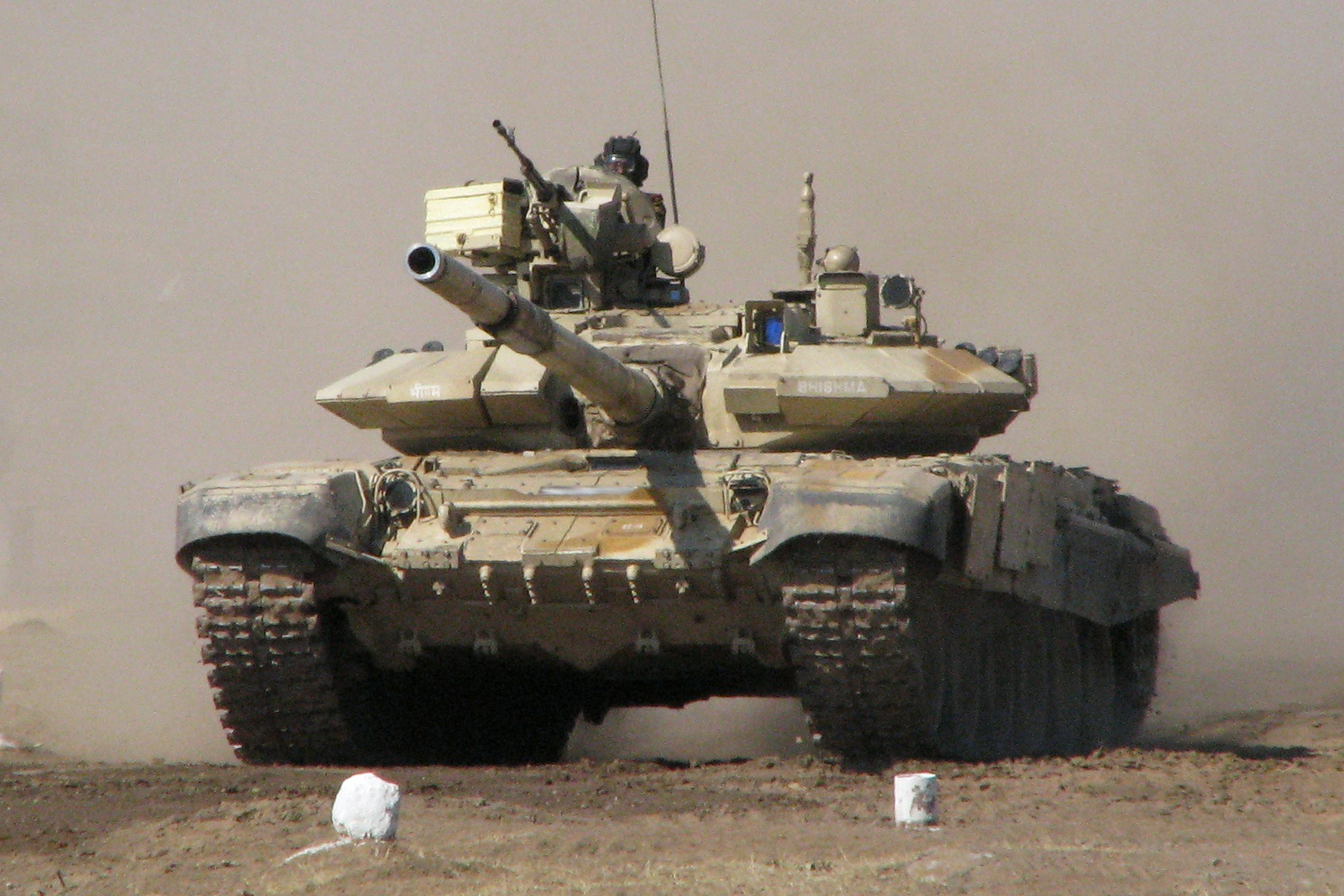

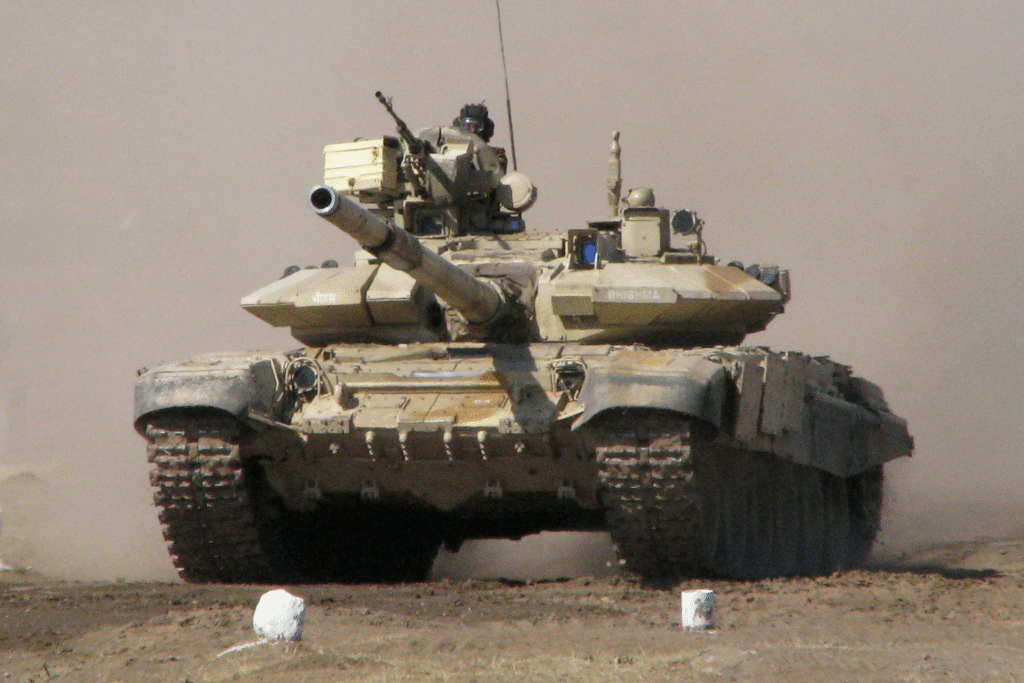
In the realm of current armored combat, there are perhaps few arguments more passionate than that pitting Russia’s T-90 against America’s M1 Abrams. They are not simply vehicles lumbering over the battlefield—these are embodiments of two distinct tank design philosophies and ways of combat. Their statistics may wow in theory, but history has taught that actual performance in combat is another story altogether.

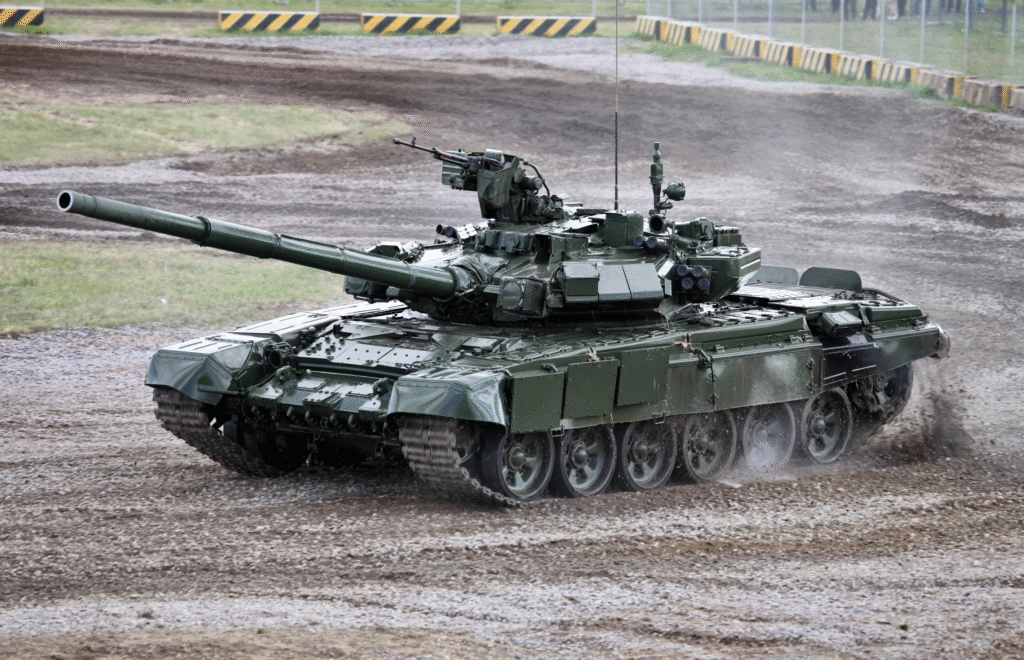
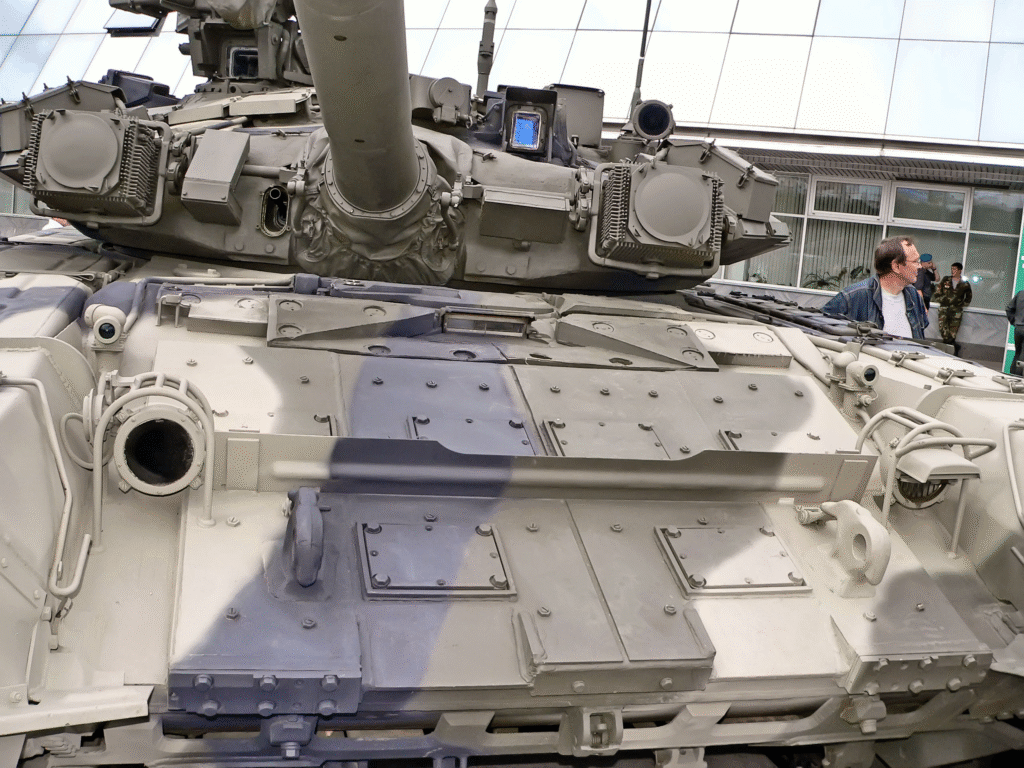
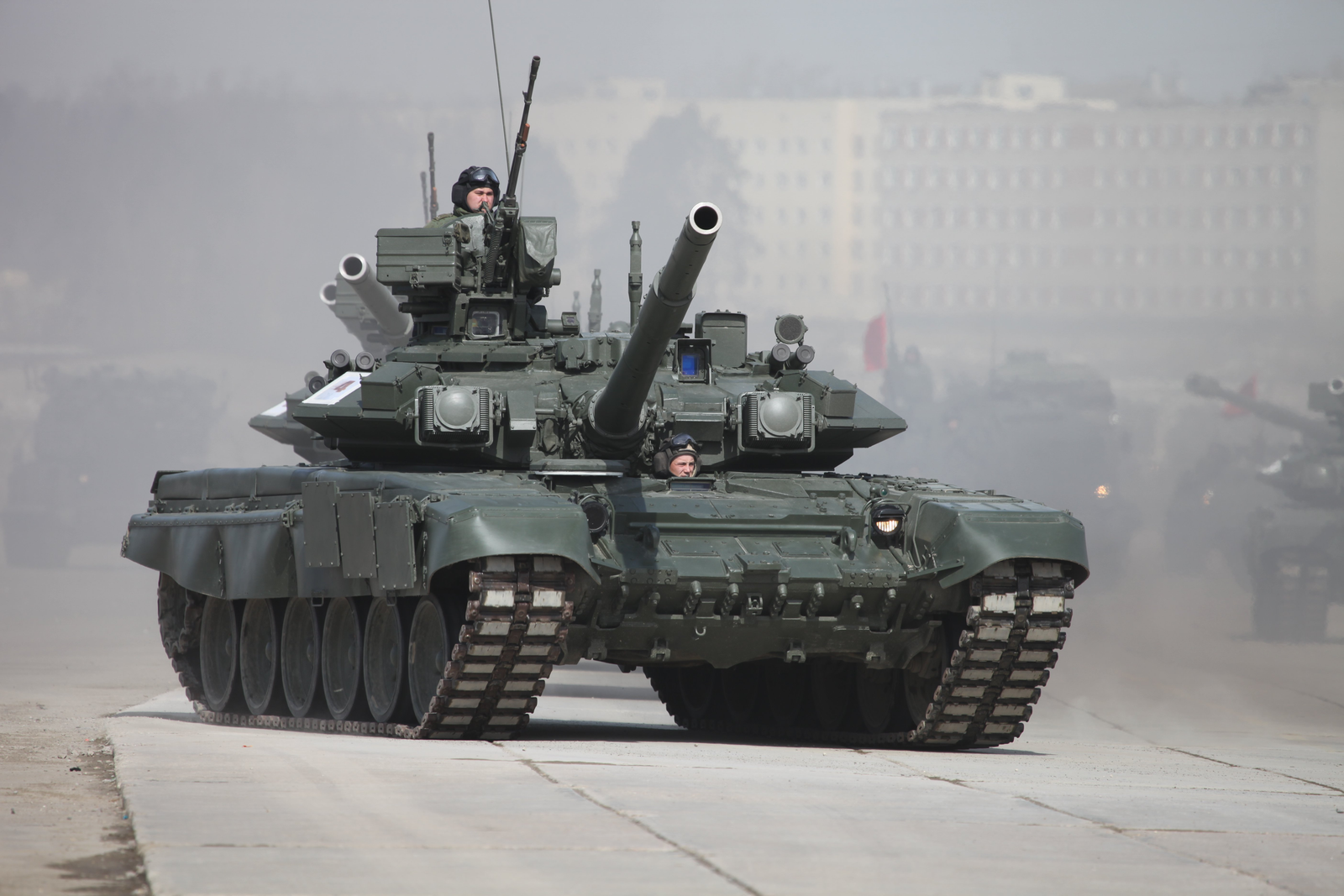
The T-90 is an expression of Russian emphasis on maneuverability, efficiency, and the capacity for deploying many tanks. It is a developmental offspring of the earlier T-72 and features a 125mm smoothbore gun, and a three-man crew enjoys an autoloader unit. Countermeasures such as the Shtora-1 are intended to interfere with incoming missiles, and Kontakt-5 reactive armor provides defense against older anti-tank projectiles. Its comparative lightness and low profile make it more difficult to see and able to cross country that heavier machines may find impossible. But with those design features go compromises: protection is sacrificed, and crew safety is uncertain in the face of intense fire.

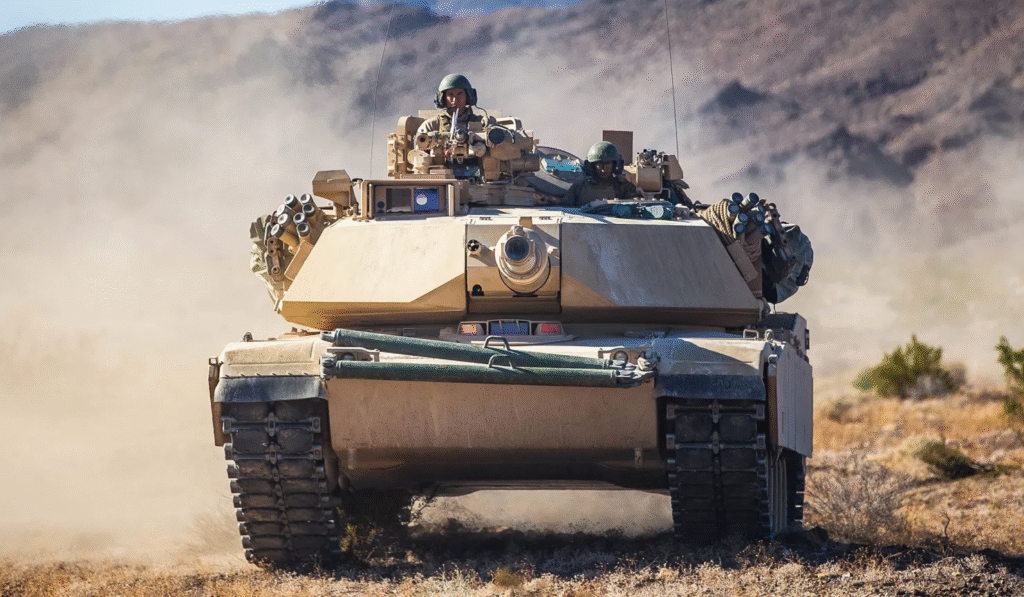
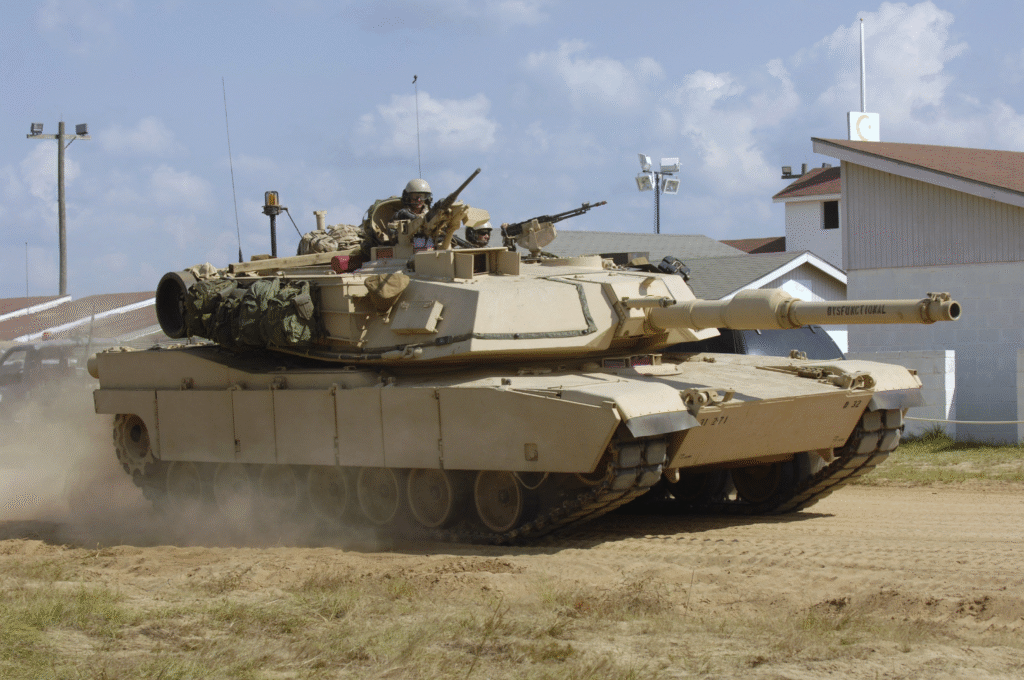
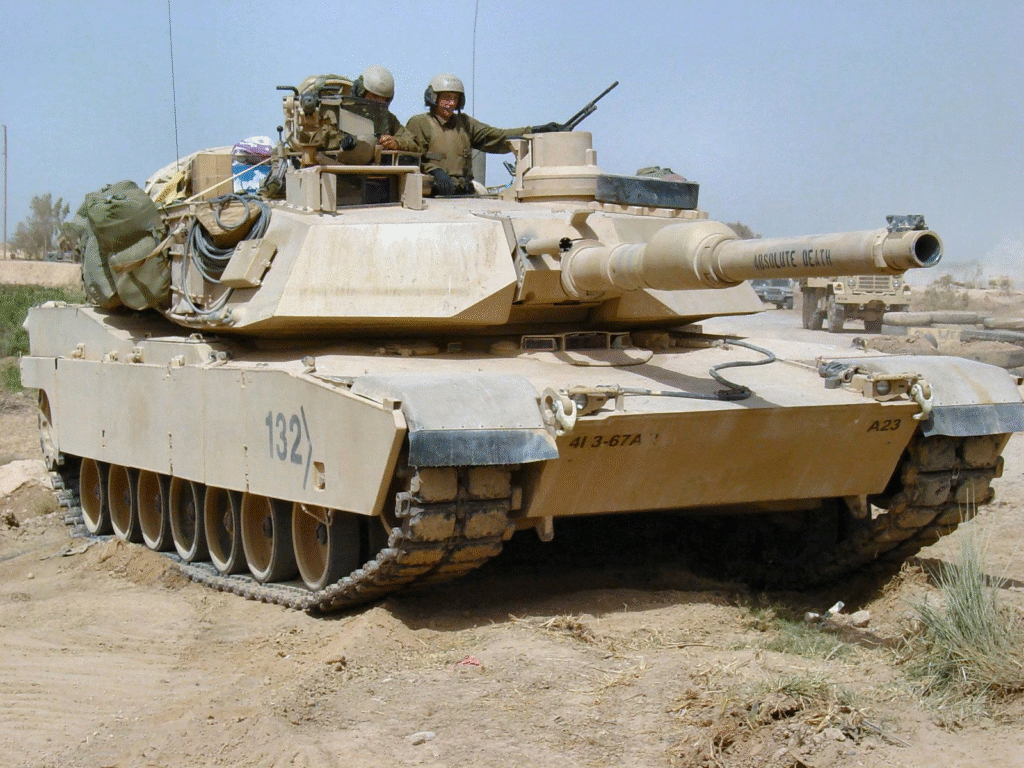
In contrast, Western main battle tanks like the M1 Abrams—and the European Leopard 2—emphasize survivability and firepower. The Abrams has composite armor backed by depleted uranium, a 120mm smoothbore gun, and advanced fire-control systems that continue to provide accuracy under adverse conditions. Its gas turbine power plant gives it mobility and speed, although at high fuel consumption. Its four-man crew, including a human loader, provides flexibility in maintenance and situational awareness beyond the capabilities of an autoloader.

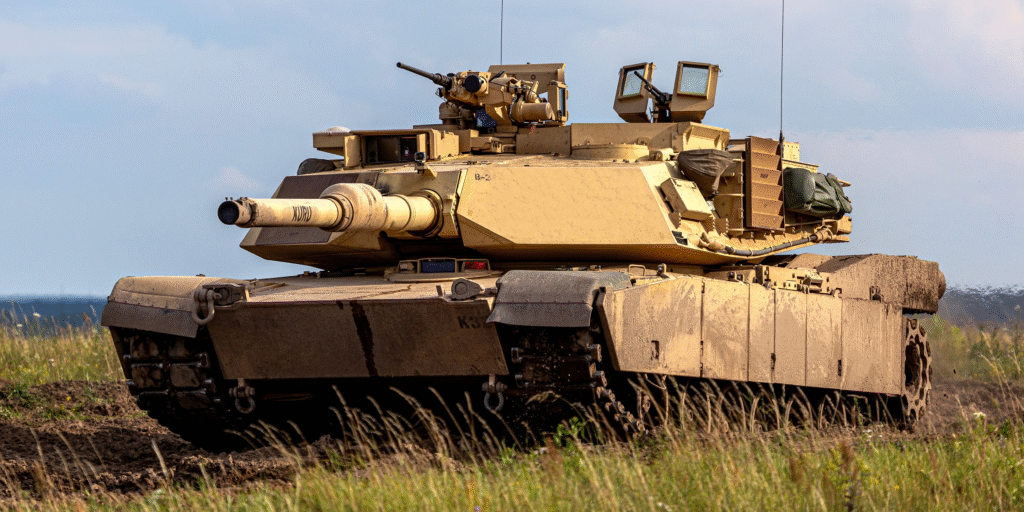
Crew protection is probably the most dramatic difference between the two designs. Both Abrams and Leopard 2 are designed to protect their crews even if the tank takes a hit, employing armored ammo compartments and blowout panels that allow explosions to pass out of the vehicle. The T-90, consistent with Soviet design practice, stores ammunition in a carousel within the turret. If that carousel is hit, the consequences can be disastrous, sometimes projecting the turret into the air in the notorious “jack-in-the-box” effect, giving little opportunity for survival to the crew.

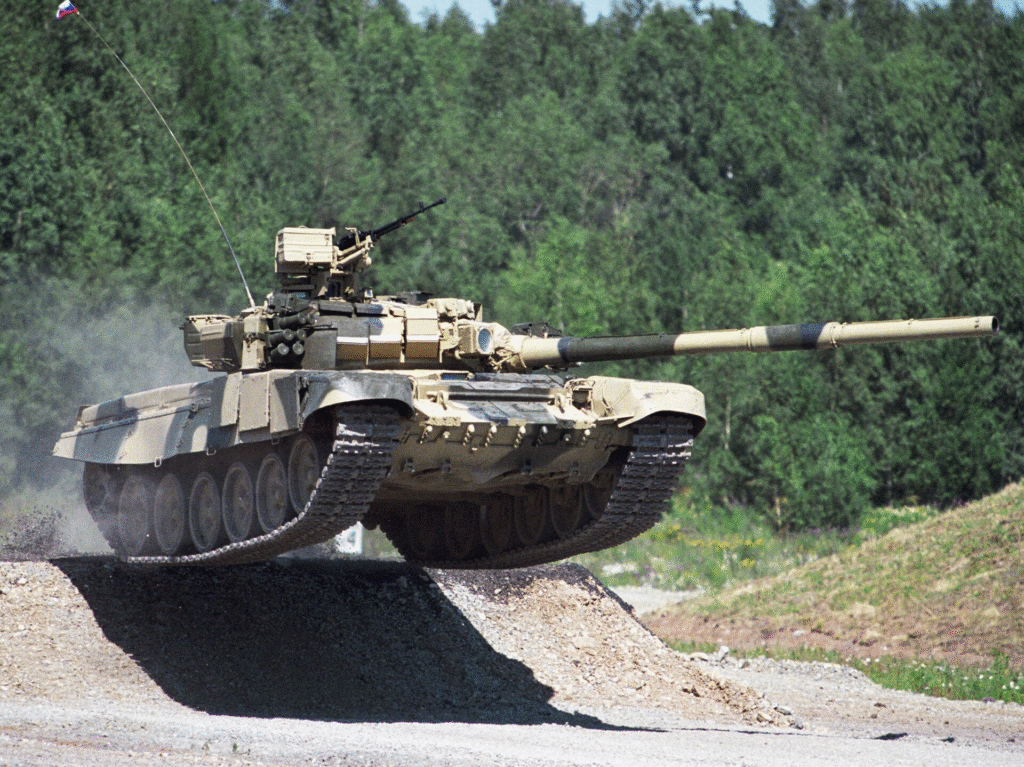
Firepower and technology are decisive factors in contemporary battles. The T-90 can fire guided missiles up to five kilometers, a valuable asset under certain circumstances. Nevertheless, the Abrams, with its 120mm gun, new armor-piercing ammunition, thermal imaging optics, and sophisticated targeting systems, typically has the edge in terms of precision, quickness, and dependability in heavy combat.

Real-world conflicts have reaffirmed these distinctions. T-90s initially held up against older missile threats in Syria, but the conflict in Ukraine has revealed vulnerabilities. Ukrainian troops took advantage of weaknesses in the thin turret roof of the T-90 and exposed ammunition to disable or capture multiple units with top-attack missiles and drones. Improvised armor provided limited protection, and the slower reverse speed for the tank often prevented crews from escaping ambushes.

The Abrams, on the other hand, has a lengthy and established combat theater pedigree in the Gulf War, Iraq, and Afghanistan. In 1991, it famously diced Iraqi T-72s in quick succession, showing both firepower and survivability. It has lost vehicles primarily to mines or improvised explosives, and not enemy tanks. Every battle has provoked successive improvements, from added armor to active protection systems able to engage incoming threats.
Russian armored units also have challenges beyond the T-90. The still widely used older T-72 is plagued by the same weaknesses: exposed rounds, old optics, and comparatively thin armor. It is one of history’s most built tanks and, tragically, one of its most destroyed.

Western tanks are being made more with modular armor and active defenses, but Russian tanks still heavily depend on reactive armor, which is good against some threats but not as effective against tandem warheads or top-attack munitions. The T-14 Armata is a new tank that has at least partially addressed these issues with an unmanned turret and greater crew protection, but it’s only in limited production and hasn’t been used yet.

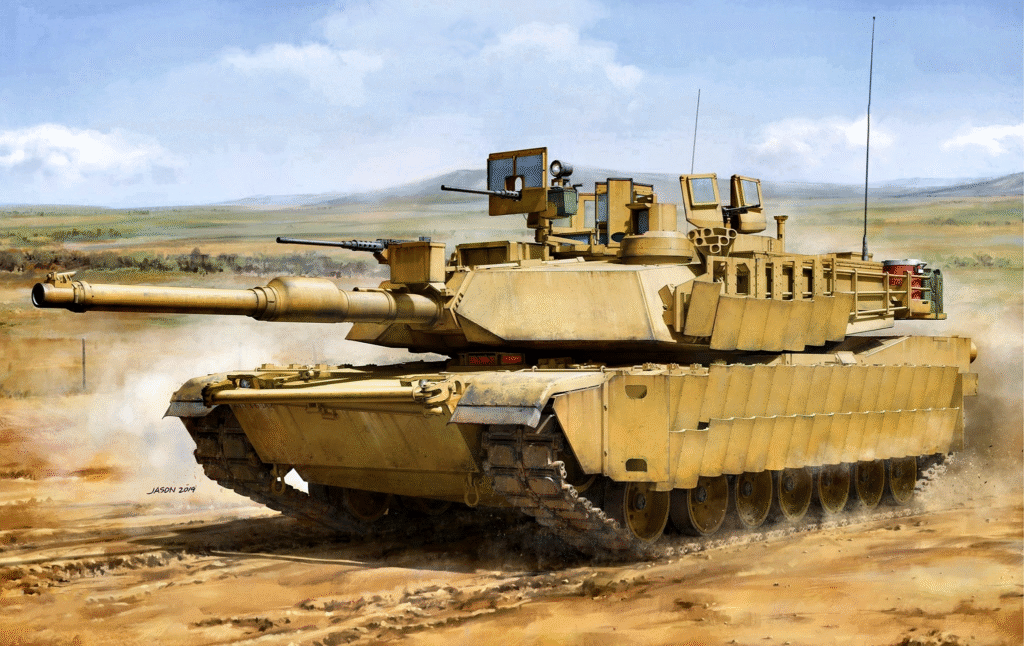
In the future, tank development will keep growing. The next generation of M1A3 Abrams will be lighter, more efficient, and even include an autoloader or unmanned turret. The MGCS and British Challenger 3 are among European projects that are targeting advanced armor, sensors, and networking capabilities.

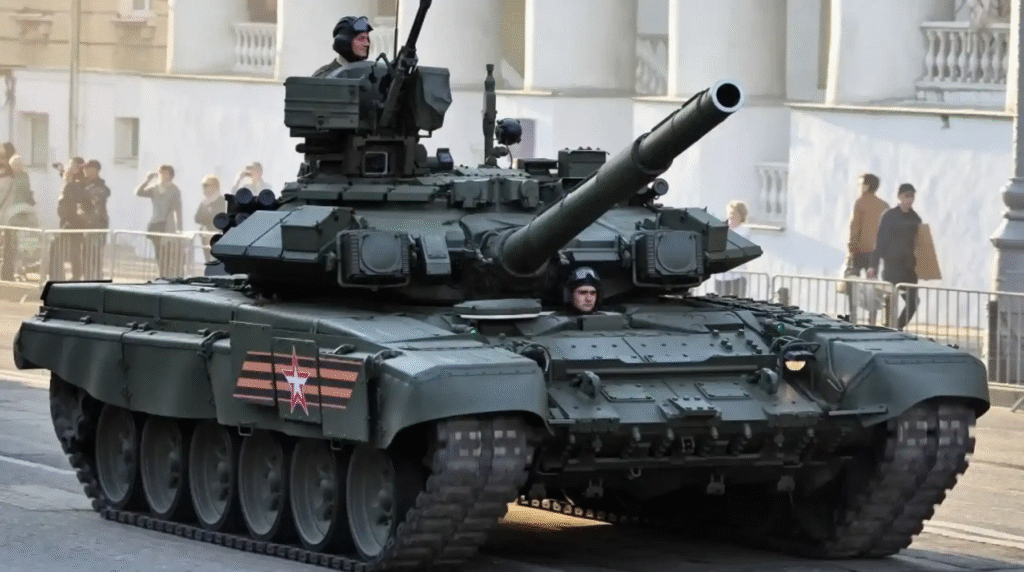
One lesson is clear: no tank is indestructible. Contemporary battlefields are awash with precision-guided missiles, loitering munition drones, and cheap but lethal anti-tank weapons. In such a world, decisions made in the distant past—such as how to store ammunition or shield the crew—can mean life or death for a vehicle. The T-90’s experience in Ukraine is a salutary lesson that in warfare between tanks, crew survival and technological superiority are not choices—the difference is victory or disaster.