
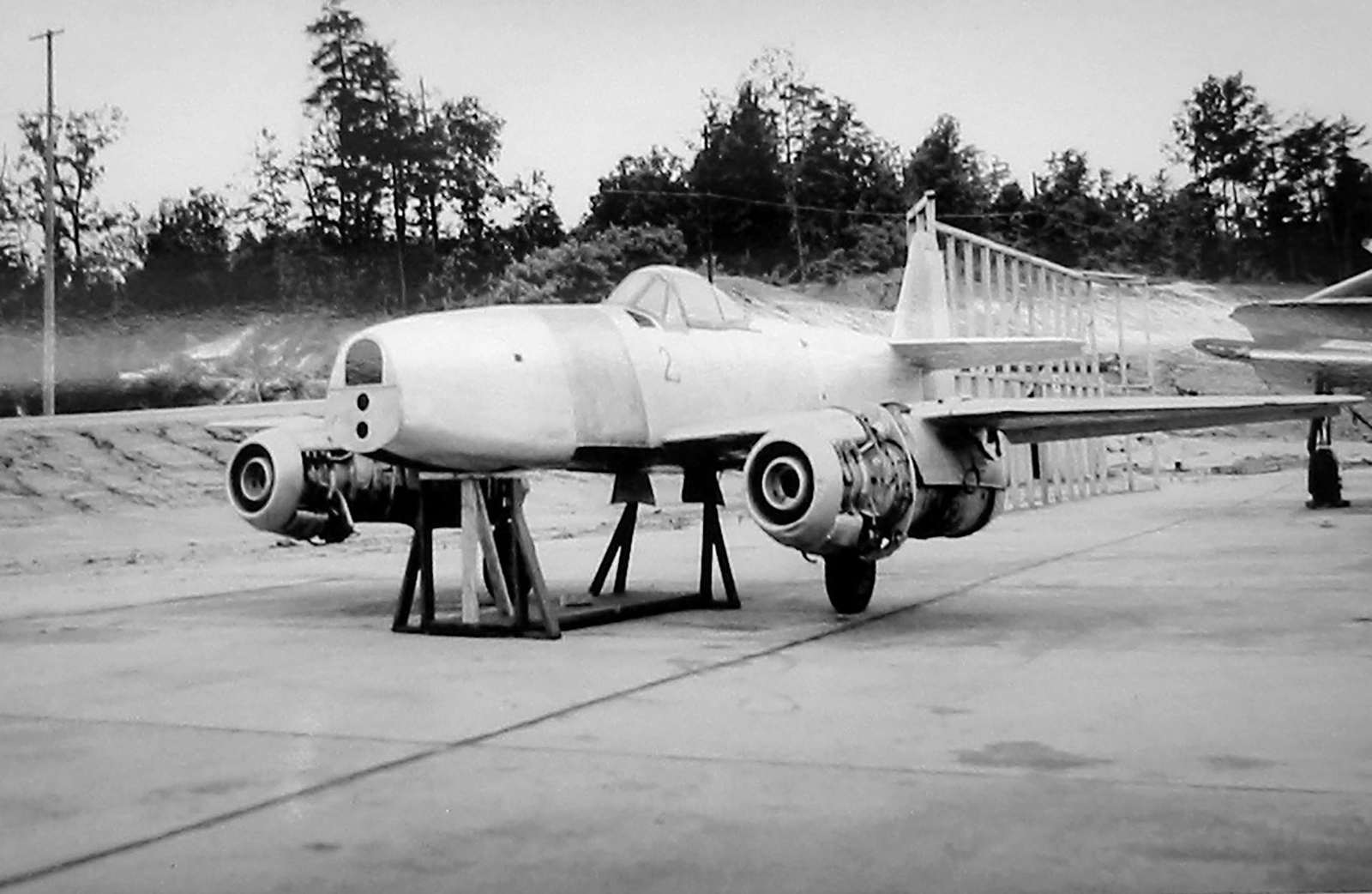

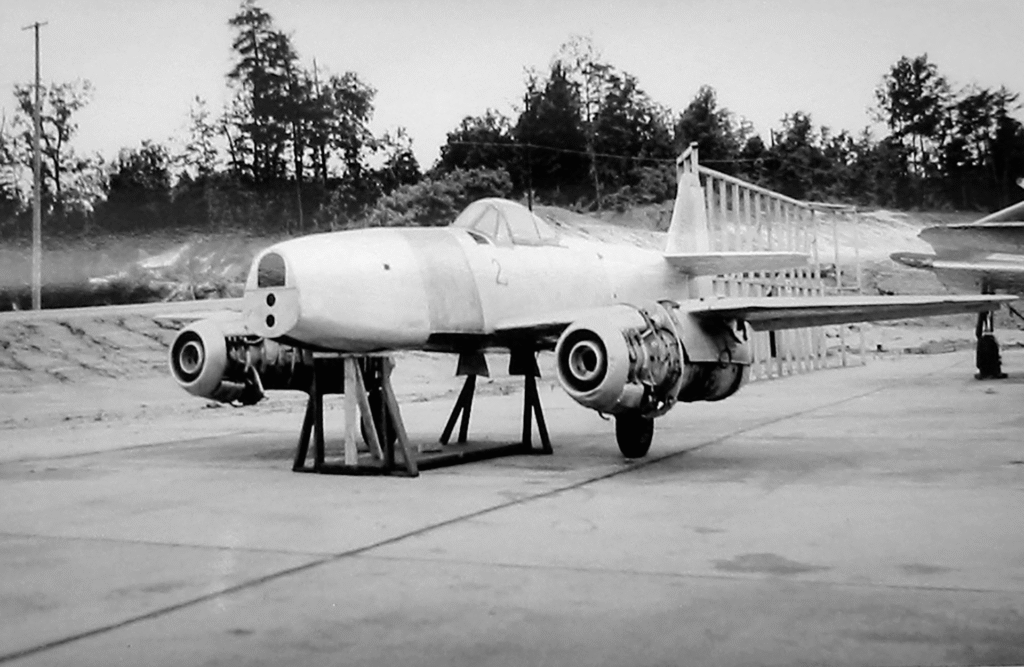
In the final years of World War II, aviation stepped into a new age. The competition for faster, more sophisticated planes drove countries to test jet propulsion—a technology that held out the prospect of quicker climbs, more speed, and an entirely new means of combat in the air. Some of these planes went down in history as legends, some simply lost to time, but all left their stamp on the history of air-to-air combat.

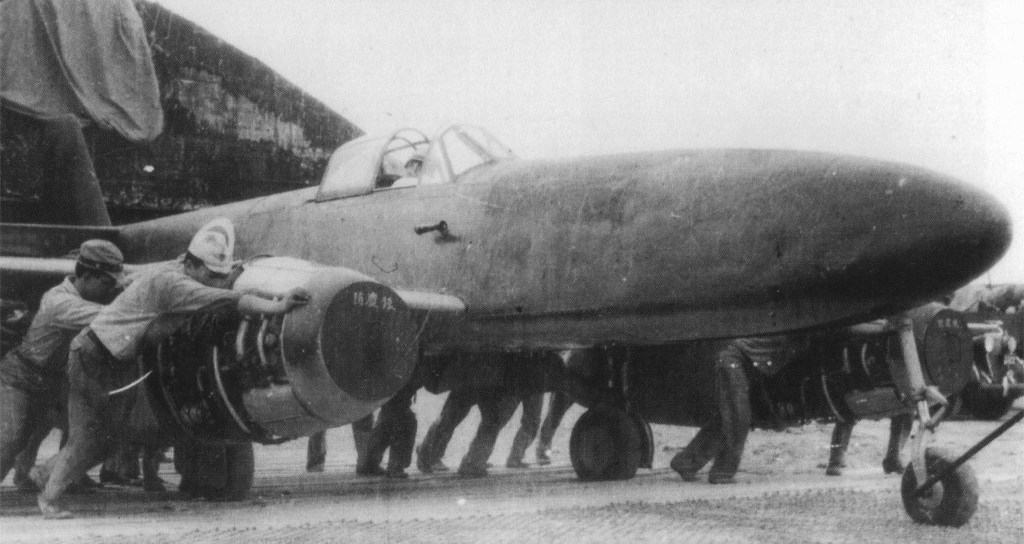
5. Nakajima Kikka – Japan’s Daring Leap Into Jet Power
As World War II ended, Japan presented the Nakajima Kikka, its maiden venture into jet-fueled flight. Although it had parallels with Germany’s Me 262, the Kikka was made keeping its own vision in mind—two engines, folding wings for carrier space, and easy construction so that even inexperienced laborers could assemble it. Engineers Kazuo Ohno and Kenichi Matsumura led the project, giving the jet twin Ishikawajima Ne-20 turbojets producing about 1,000 pounds of thrust each.

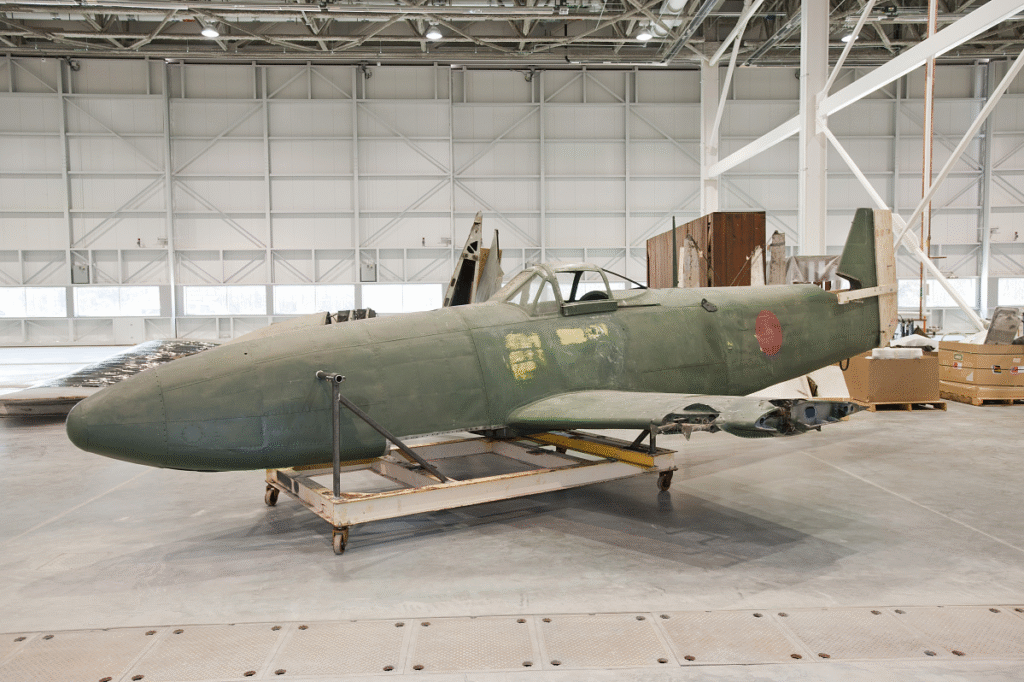
The engines themselves were reverse-engineered from German BMW 003 pictures, a feat, considering the strained wartime production of Japan. The aircraft were supposed to have planned versions, with either a single heavy bomb or dual 30 mm cannons.

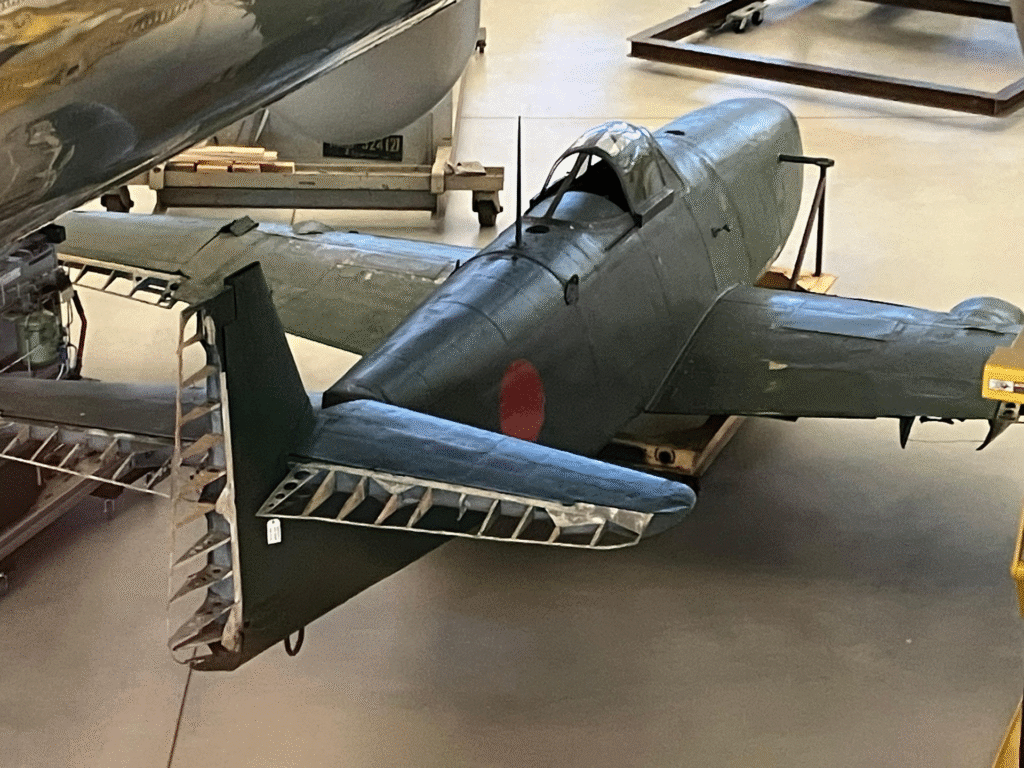
The Kikka first took to the skies on August 7, 1945—just a few days before Japan’s surrender. Only one prototype flew, with others not yet completed. Resource shortages, issues with engine reliability, and the breakdown of Japan’s production system sealed the project’s fate. Nonetheless, the Kikka demonstrated that Japanese engineers were capable of innovation in the face of tremendous pressure, not mere imitation.

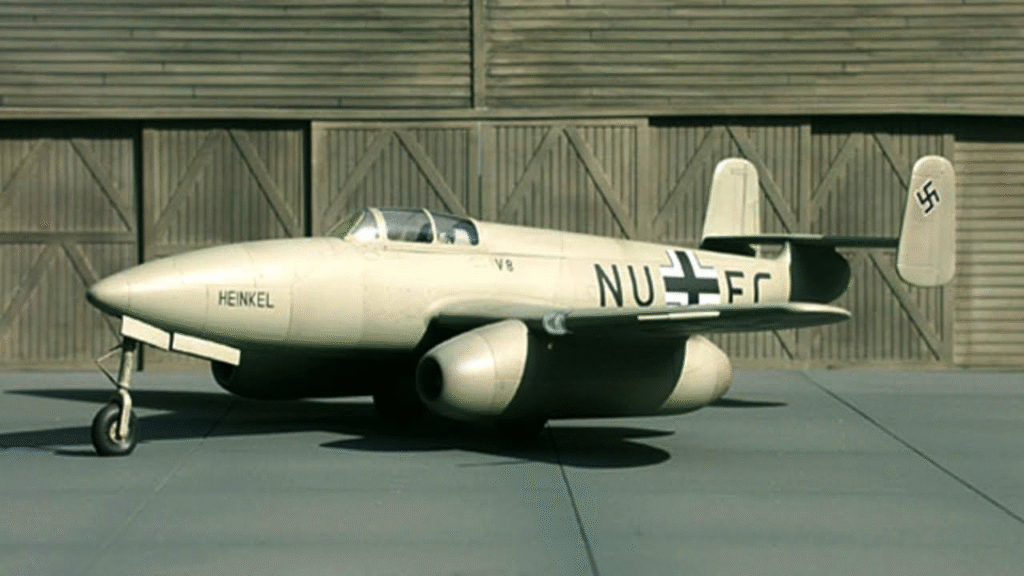
4. Heinkel He 280 – The First True Jet Fighter
Years before the Me 262 entered into service, the Heinkel He 280 was the world’s first jet fighter to take to the skies, premiering in September 1940. A twin-engine jet that could travel nearly 500 mph, it brought with it a life-saving innovation—the ejector seat, which would later save scores of pilots in subsequent decades. Though it had promise, the He 280 was replaced by the Me 262, which won the production competition. The He 280 never entered combat, but it showed that the idea of jet-powered fighters was sound and competitive with piston-powered planes.

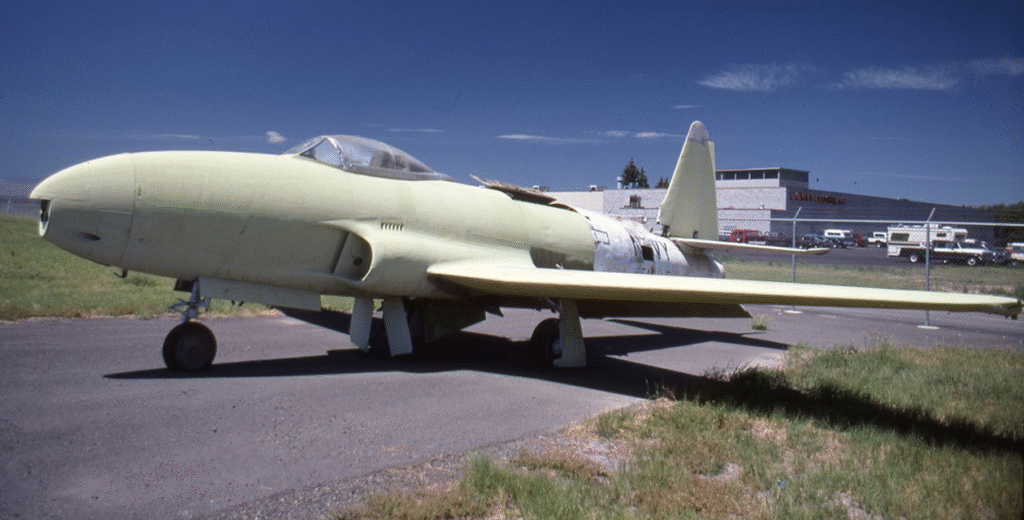
3. Lockheed P-80 Shooting Star – America’s First Jet Fighter
America’s entry into the jet age came with the Lockheed P-80 Shooting Star in 1944. Employing British-designed turbojet engines in initial testbeds, the P-80 marked a radical advance for US aviation. In the war’s final weeks, two service-ready P-80s were shipped to Italy for testing, but both were destroyed in crashes before they could ever fight. Although it was too late for WWII, the Shooting Star proved itself in the Korean War, where it was rapidly outmoded by the Soviet-designed MiG-15. Its performance inadequacies led to the development of the F-86 Sabre. Despite this, the P-80 was America’s first serious entry into the jet age.

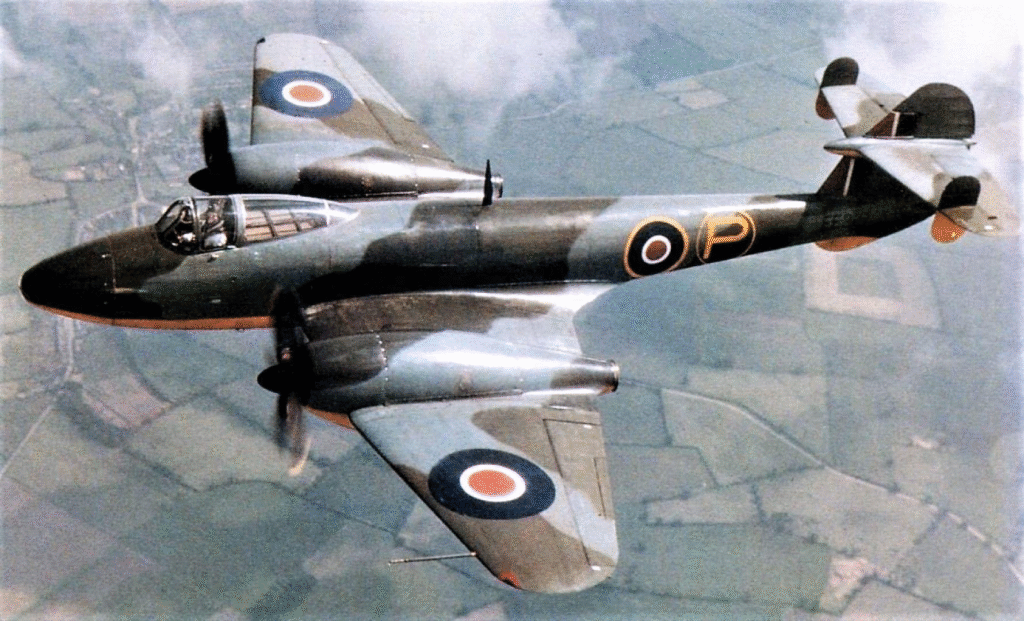
2. Gloster Meteor – The Allied Jet That Took the Fight
Britain’s Gloster Meteor was the sole Allied jet to see combat action in WWII, entering service in July 1944. Although it never went up against German jets directly, it played a key role in shooting down and destroying the feared V1 flying bombs. The faster and more advanced V2 rockets were too fast, but the Meteor still provided a strong advantage for the Allies.
Almost 4,000 Meteors were produced, and although it wasn’t the fastest airplane of its era, it earned a reputation for toughness and dependability. Its legacy outlasted the war, and two Meteors are still employed today as test vehicles for ejection seats, a testament to its long-lasting design.
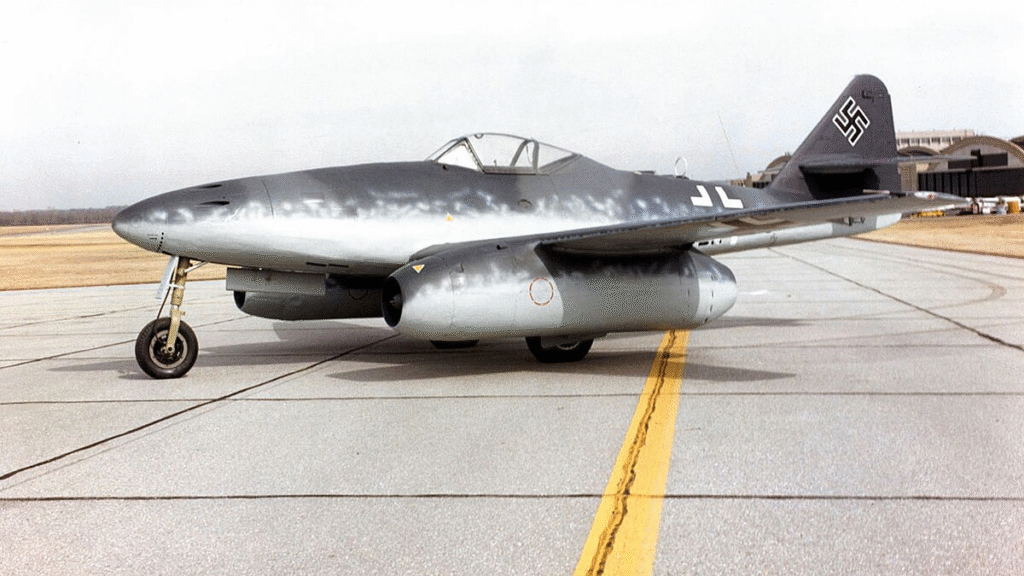
1. Messerschmitt Me 262 – The Jet That Came Too Late
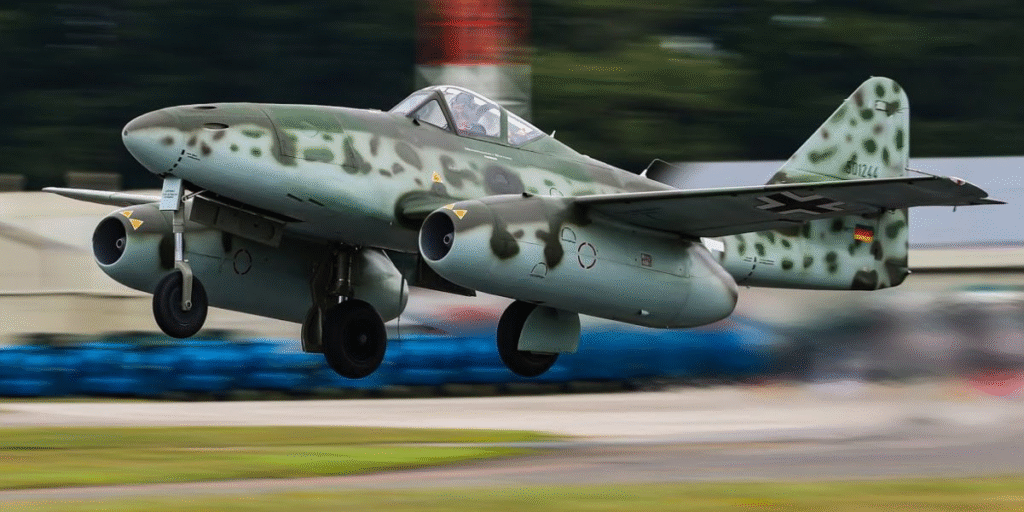
Leading the list is the Messerschmitt Me 262, the first operational jet fighter in the world. When it finally appeared in April 1944, it outclassed every Allied fighter in the air. With speeds over 540 mph and heavy cannons, it could outrun even the legendary P-51 Mustang under the right circumstances.

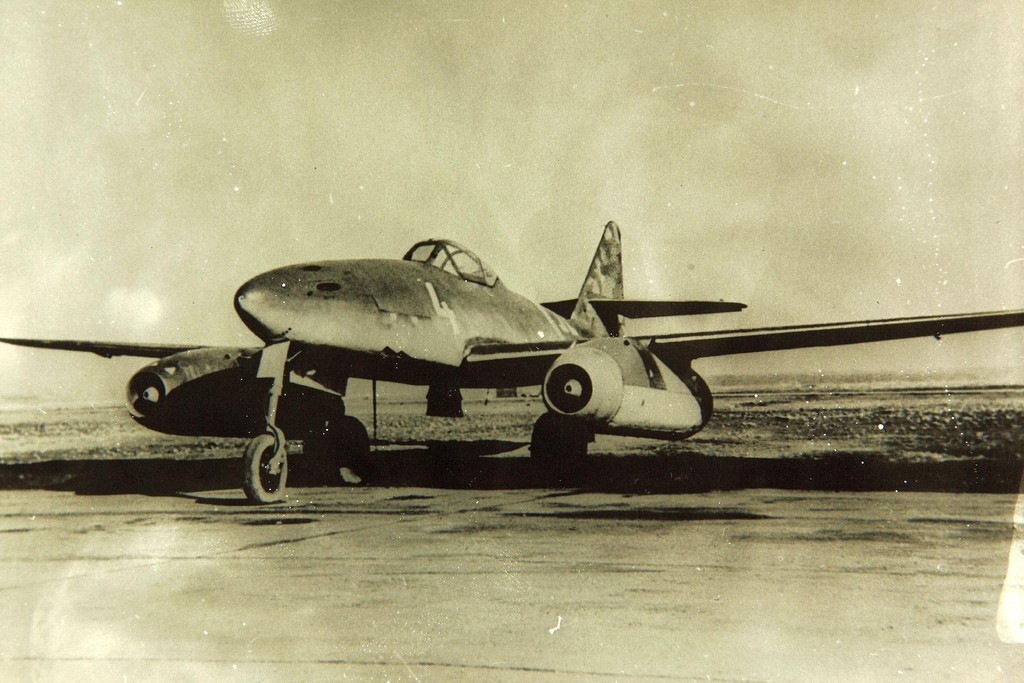
Over 1,400 Me 262s were produced, but their effect was short-lived. Fuel shortages, inexperience, and constant Allied bombing campaigns kept many on the ground. Those that did fly illustrated catastrophic potential, but Germany’s war effort was by then failing. The jet came too late to change the course of the war.

A Legacy of Urgency
From Japan’s brief-lived Kikka to Germany’s epochal Me 262, these jets demonstrate how need spurred innovation at the very end of World War II. Some never achieved their ultimate potential, while others left an indelible mark on aviation history. Both of them laid the groundwork for the jet age that would reign supreme in the skies for decades to come.