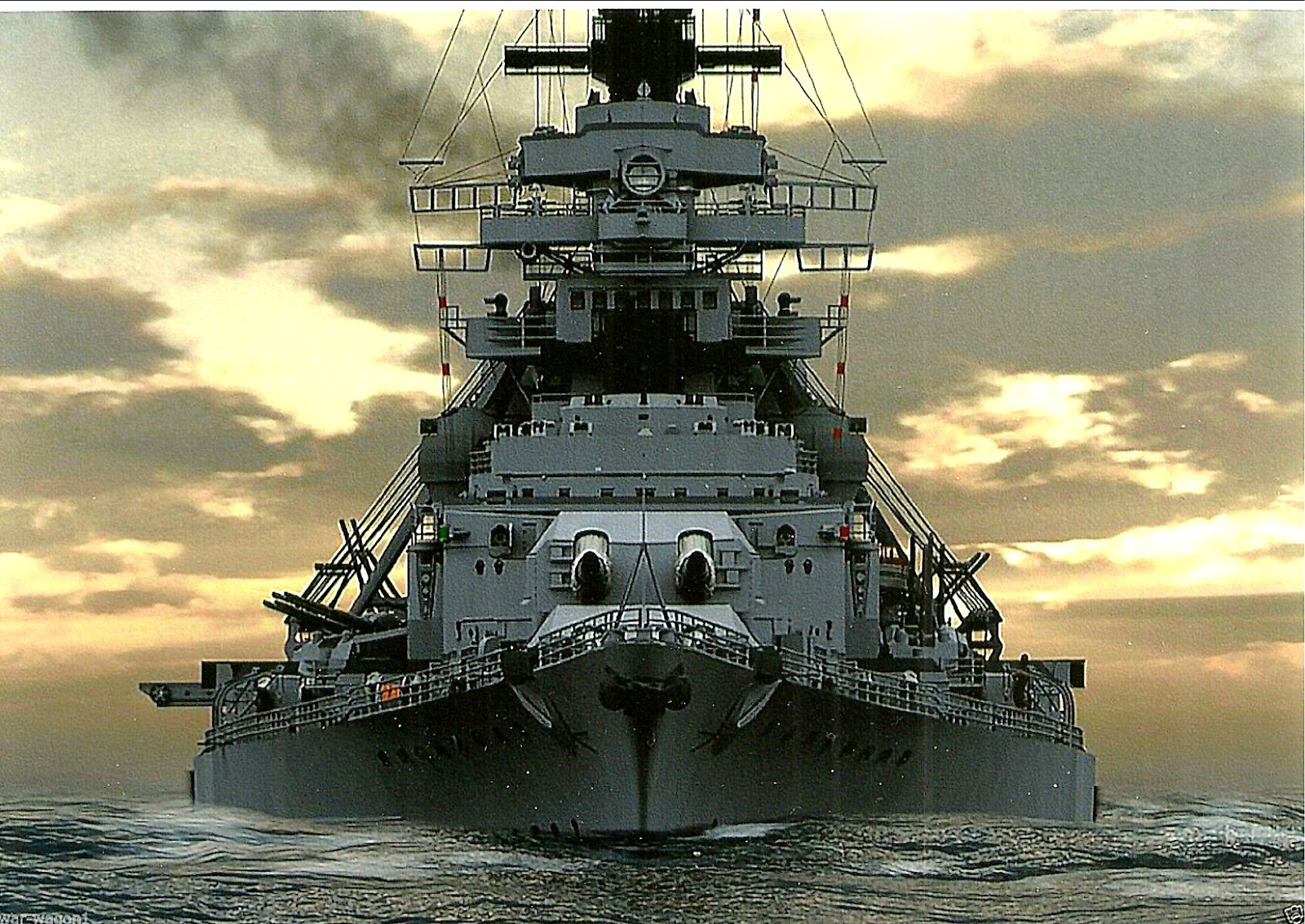
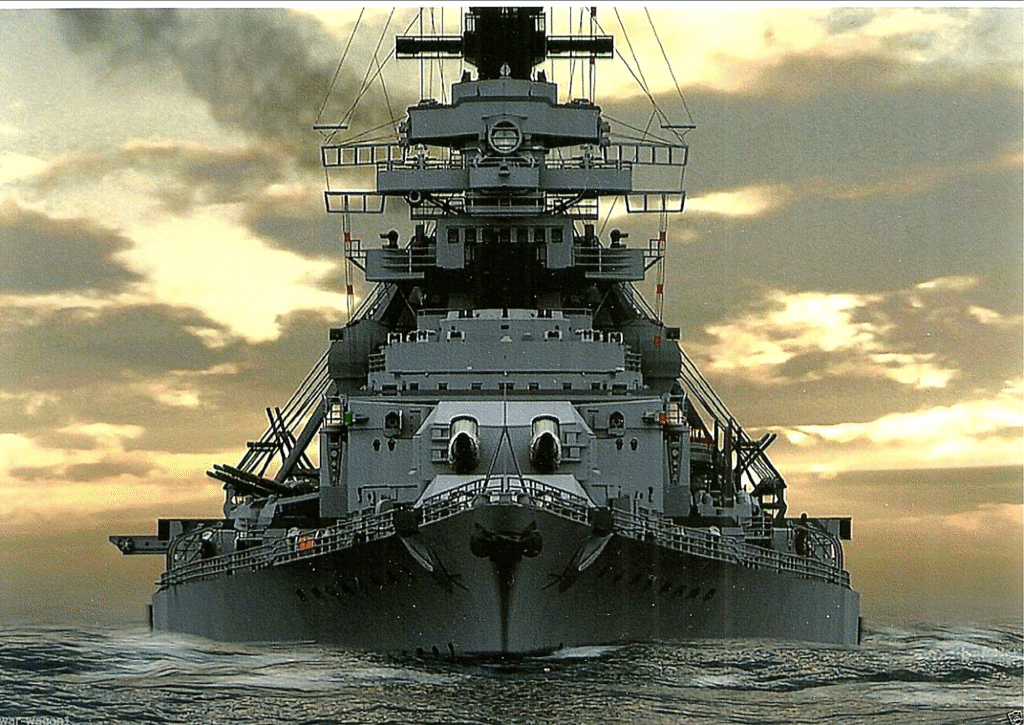
The German battleship Bismarck has a history of power, speed, and deadly battles at sea. Within its comparatively short but fiery existence, it was capable of striking fear into the hearts of its opponents and creating a lasting legacy in naval history. These are the nine moments that forged its legend—and sealed its fate.
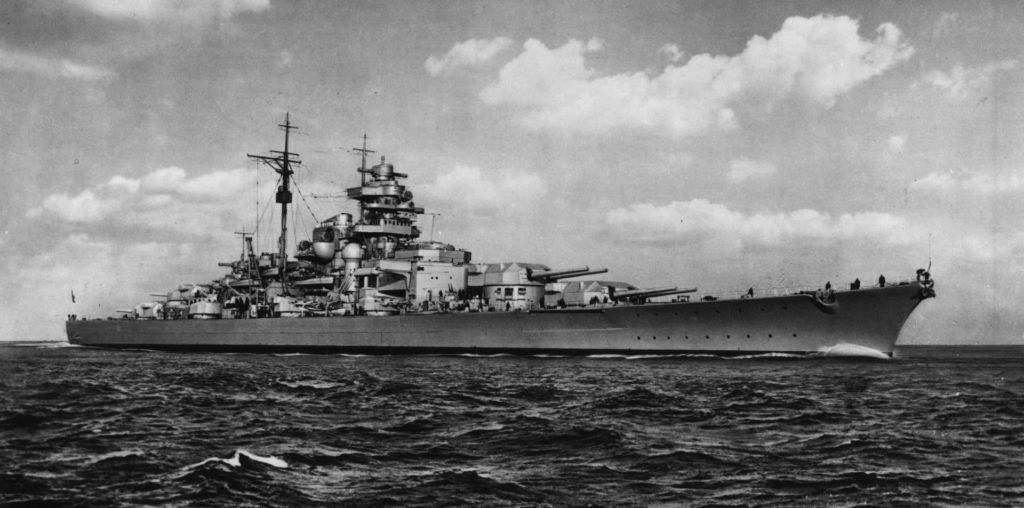
9. The Launch of the Bismarck: A Sea Colossus
As the Bismarck entered the water in 1939, it was the crowning jewel of the German fleet and Europe’s largest battleship. It was more than 250 meters long and more than 50,000 tons when carrying full loads of ammunition. It mounted eight colossal 15-inch guns and some of the thickest armor ever applied to a warship—13 inches of steel. Its sleek bow improved maneuverability in rough seas, and its system of watertight compartments gave it exceptional ruggedness. During sea trials, it had a record 30 knots. Naval strategists of the time believed that it was able to withstand the fire from the largest guns of the enemy.
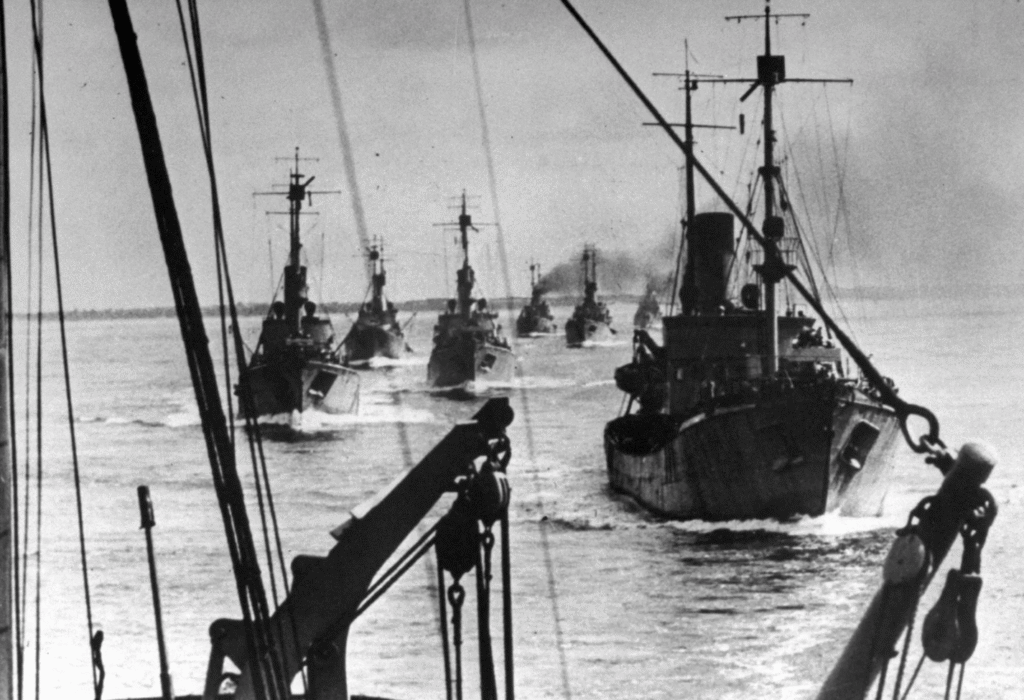
8. The Strategic Threat: A Nightmare for Allied Shipping
The Bismarck was built for more than exhibitionary purposes—it was built to be a weapon of strategy. It was designed to hunt out and sink Allied convoys carrying vital supplies across the Atlantic. Just the fact that the ship had been sent out into the open sea forced the Royal Navy to send a vast number of ships to oppose it, over-stretching resources and putting pressure elsewhere on the battlefield. It wasn’t just a battleship—it was a weapon of the mind.
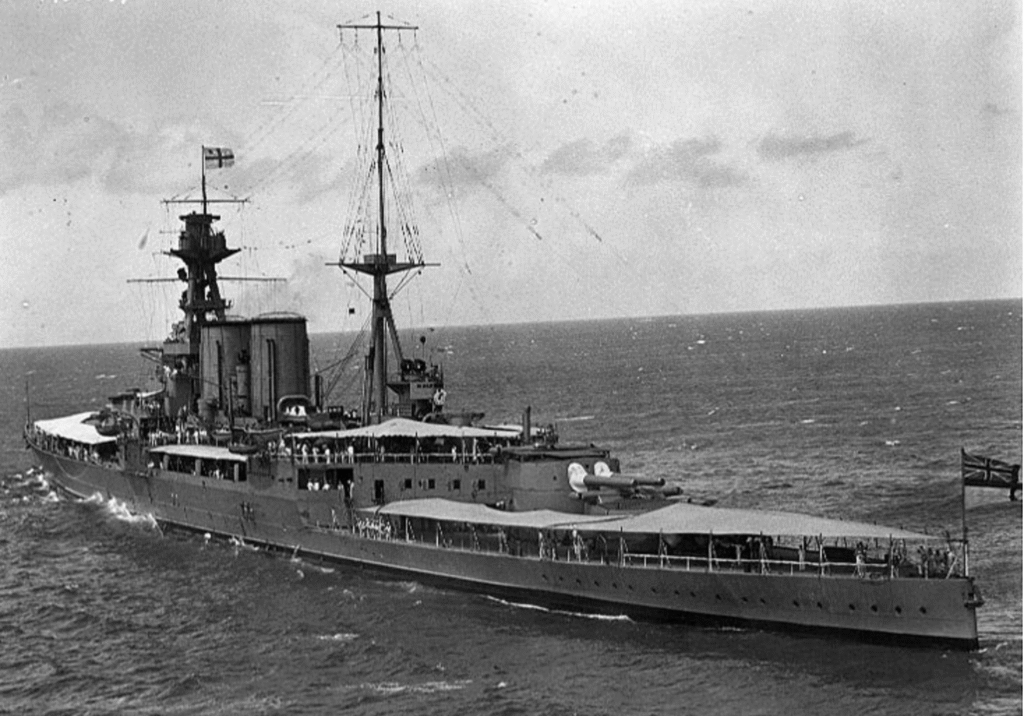
7. The Breakout: Sinking HMS Hood
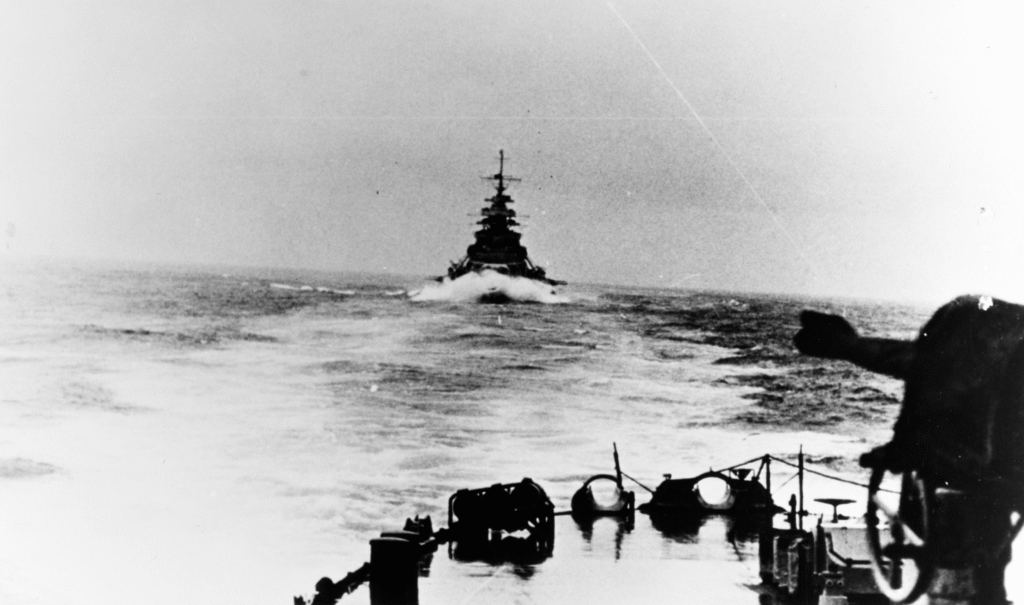
The Bismarck and its escort, the heavy cruiser Prinz Eugen, met British warships in the Denmark Strait on May 24, 1941. During a brief but devastating exchange of gunfire, the Bismarck made a direct hit on HMS Hood, Britain’s most famous battlecruiser. The explosion was ghastly—Hood’s magazine burst into flames, the ship collapsed, and sank within a few minutes. Just three men were left alive among a crew of more than 1,400. The news of the disaster shocked Britain, lowering public morale and confidence in the military.
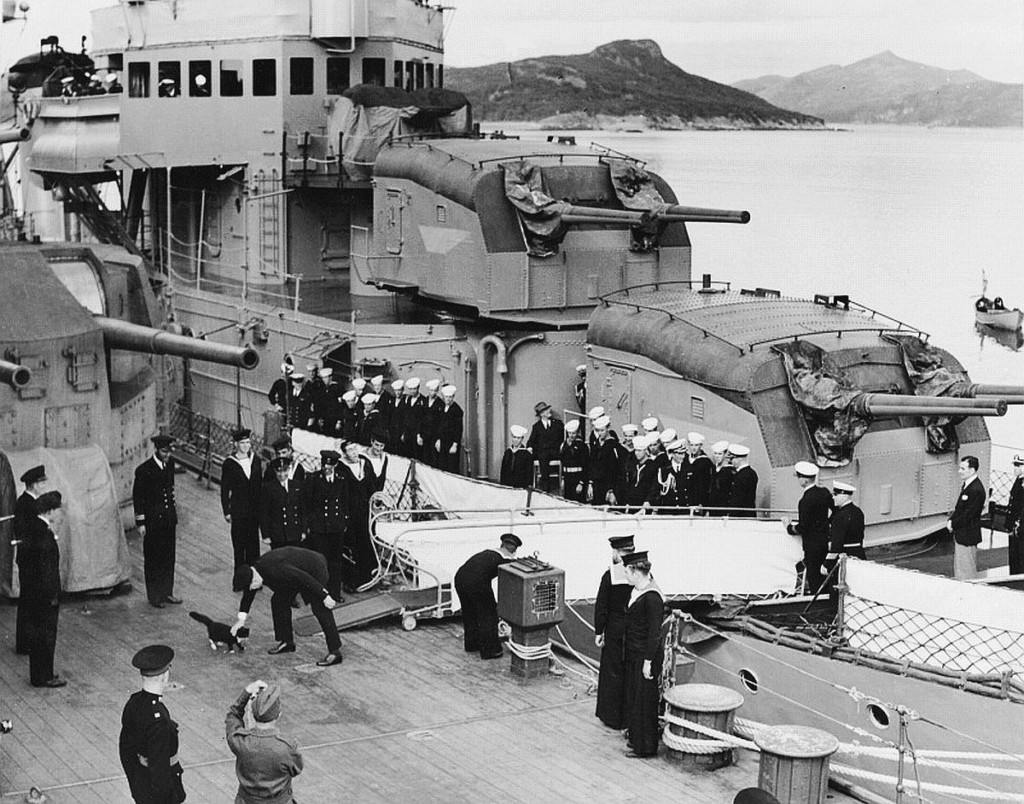
6. The Relentless Pursuit: A Navy on the Hunt
Hood’s sinking triggered an all-out pursuit of the Bismarck. Every British ship and aircraft at their disposal joined in the pursuit—over 40 vessels in all. Intelligence agents intercepted German communications, further identifying the position of the battleship. The synchronization of the Royal Navy in this pursuit demonstrated how hazardous the Bismarck was considered and how desperate they were to sink it.
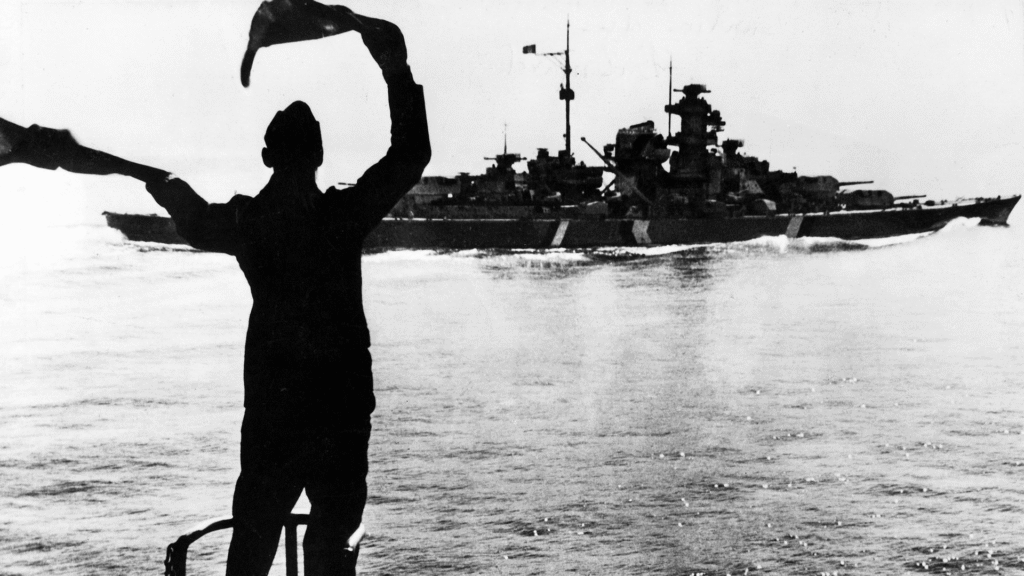
5. Weaknesses Exposed: Damage and Fuel Loss
The Bismarck was mighty, but not infallible. While being attacked by HMS Prince of Wales, it was dealt a series of crippling blows. One shell ruptured a tank of gasoline, spreading oil over the area. This forced the ship to have to abandon its mission and head towards the coast of France for repairs. The leak slowed it down and made it easier for British ships to trace its course—a turning point which would soon become crucial.
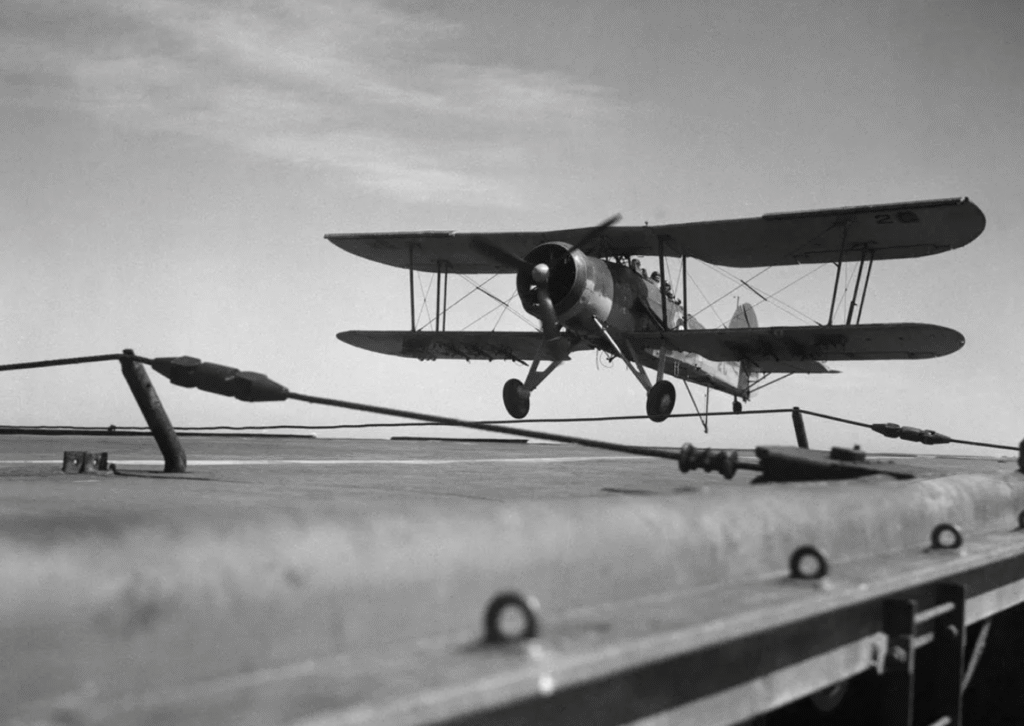
4. Airpower Ascendant: The Swordfish Torpedo Strikes
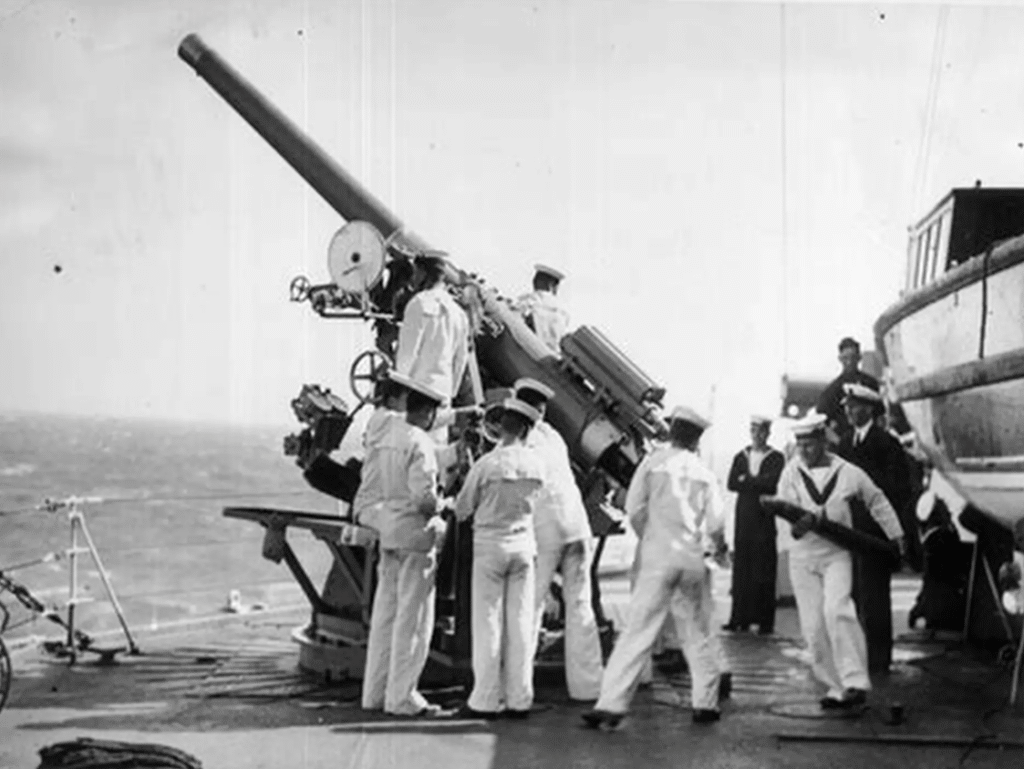
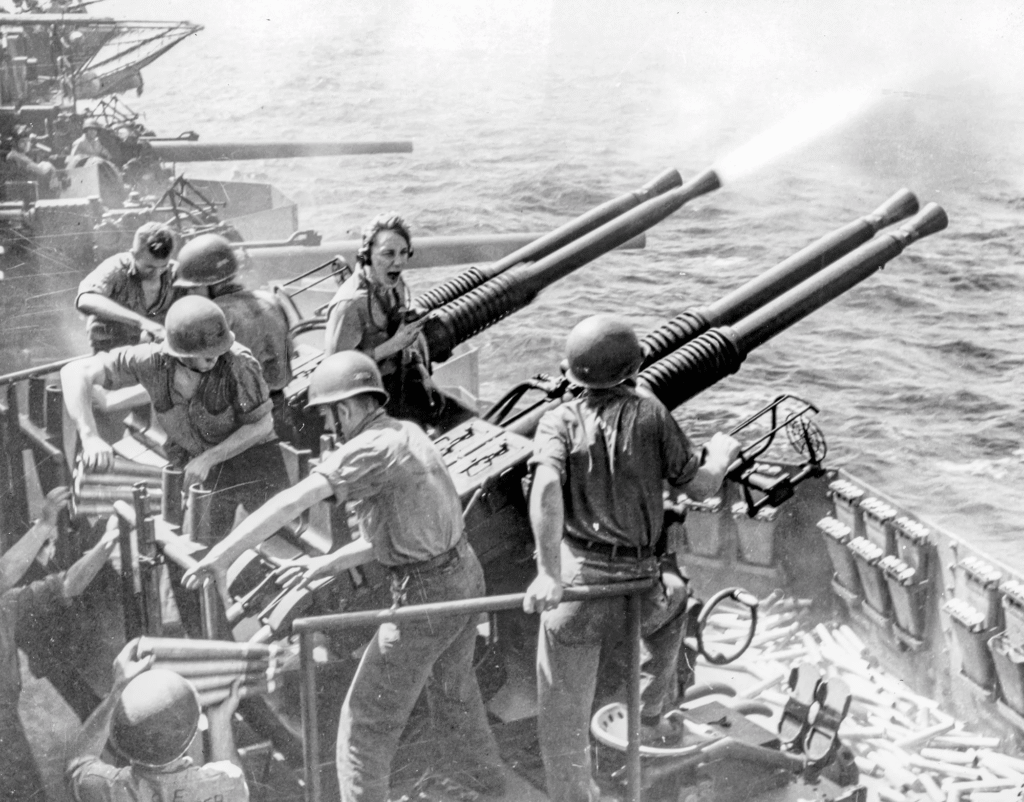
The tide turned when British carrier-borne Swordfish biplanes entered the fray. Living up to their antiquated appearance, the slow-moving planes braved intense anti-aircraft fire and turbulent weather to bomb the Bismarck. One of the torpedoes jammed the ship’s rudder, rendering it immobile. Lacking steering control, the Bismarck was forced to turn in circles, a sitting target for the Royal Navy.
3. The Final Battle: Hammered into Submission
The Royal Navy finally caught up with the damaged Bismarck at dawn on May 27, 1941. Battleships King George V and Rodney rained broadsides, assisted by cruisers Norfolk and Dorsetshire. Shell followed shell on the German ship. Its heavy guns ceased firing, fires broke out, and dead weight mounted.
Some members of the crew tried to signal that they were surrendering, but British shelling continued. Fully aware that the end had come, the crew laid scuttling charges to sink their vessel instead of having it fall into enemy hands.
2. The Human Cost: Loss and Rescue
Of the more than 2,200 men on board, only 110 were picked up by British ships before the operation was abandoned due to a fear of submarines and enemy aircraft. The sub-zero Atlantic claimed the rest. It was revenge for Hood on the part of the British, and for the survivors, the beginning of the years in captivity. Both sides, amid war’s savagery, still had moments of humanity—rescuing enemies from the sea at their own risk.
1. Strategic and Legacy Lessons
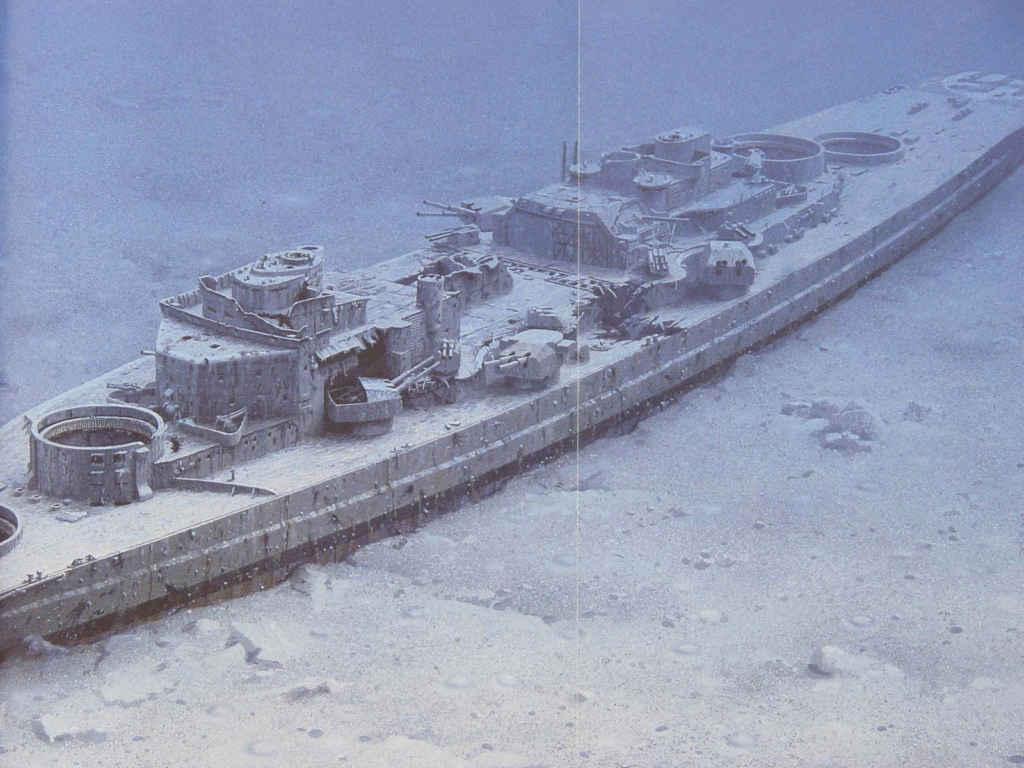
Bismarck’s destruction was not just the loss of a ship but a turning point in warfare at sea. It showed that even the most powerful battleship could be overcome by air power and concerted attacks. The event forced navies around the world to redefine strategy, enabling aircraft carriers to become the stars of the sea. Now, the wreckage rests deep beneath the waves, a silent testament to when steel giants held sway over the oceans—before the skies assumed superiority.