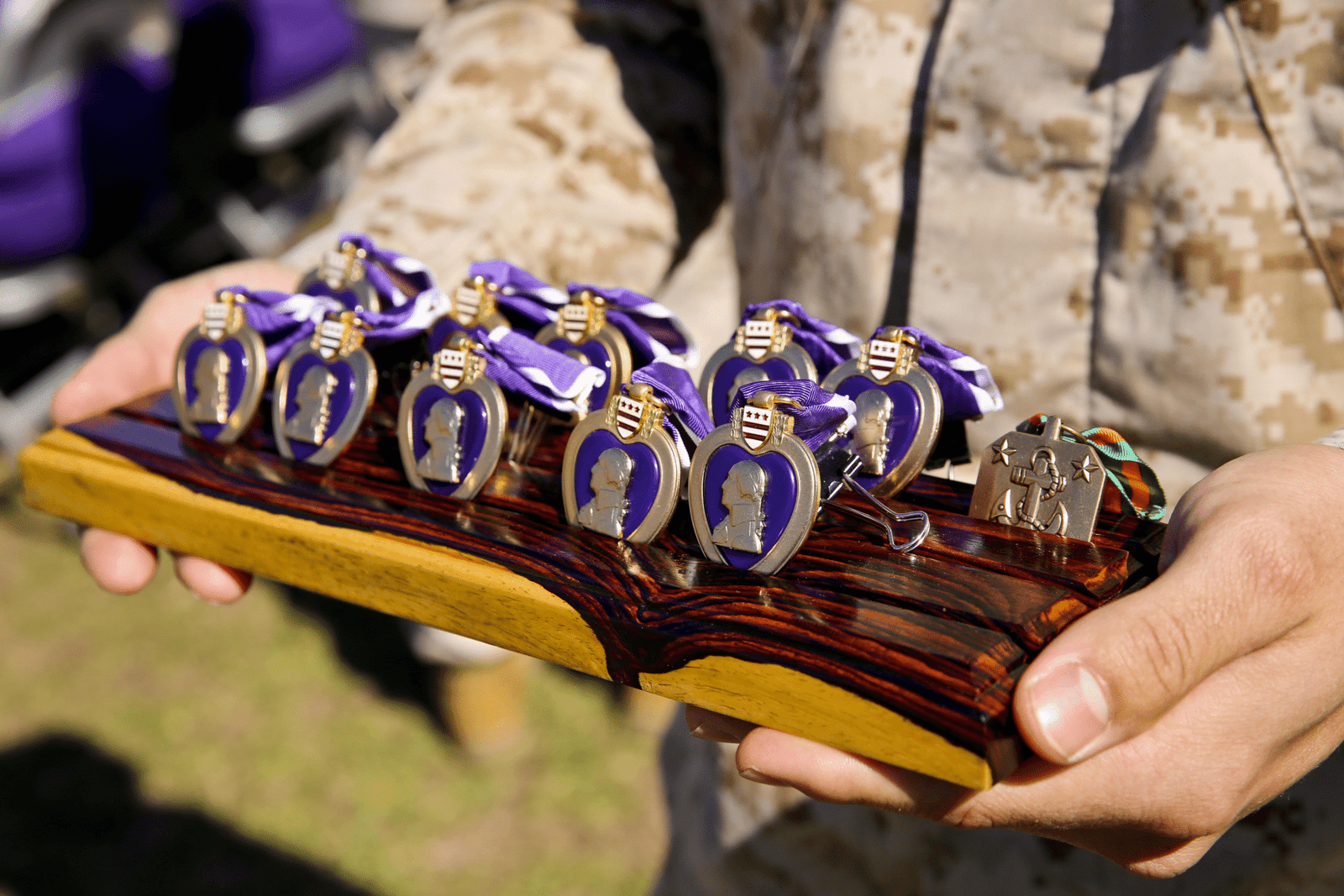

The Purple Heart is not only a medal—it’s an emblem of service, sacrifice, and valor. Given to wounded or fallen soldiers, it is a legacy that dates back to the earliest days of America. Here are nine interesting things you may not know about this legendary honor.
9. Excess Purple Hearts from World War II continue to reach soldiers
It might come as a shock, but some of today’s Purple Hearts were produced years ago. Back during World War II, the United States produced more than 1.5 million Purple Hearts in anticipation of invading Japan on a huge scale that never materialized.
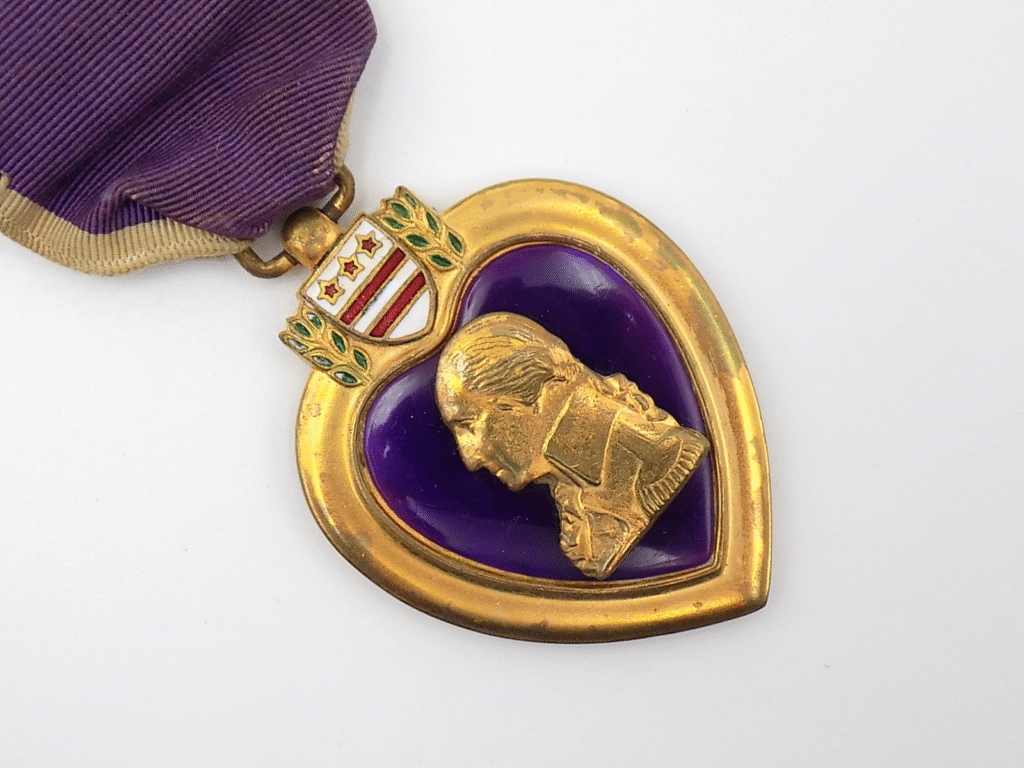
Many of these medals remained in storage for years, and they have been refurbished and awarded to soldiers in later conflicts, including Korea, Vietnam, the Gulf War, and the wars in Iraq and Afghanistan. Some of these original medals are still quietly waiting to honor new generations of heroes.
8. Who can earn a Purple Heart has changed over time
The eligibility criteria for being awarded a Purple Heart have widened significantly from when it was initially reinstated. Initially, it was meant for enlisted men and women demonstrating uncommon courage or loyalty, but it now encompasses all the military branches, posthumous awards, and even civilians working under military command. President John F. Kennedy, a recipient himself, further extended eligibility to widen the scope to include civilians who were injured while serving in support of the armed forces.
7. Each aspect of the medal has meaning
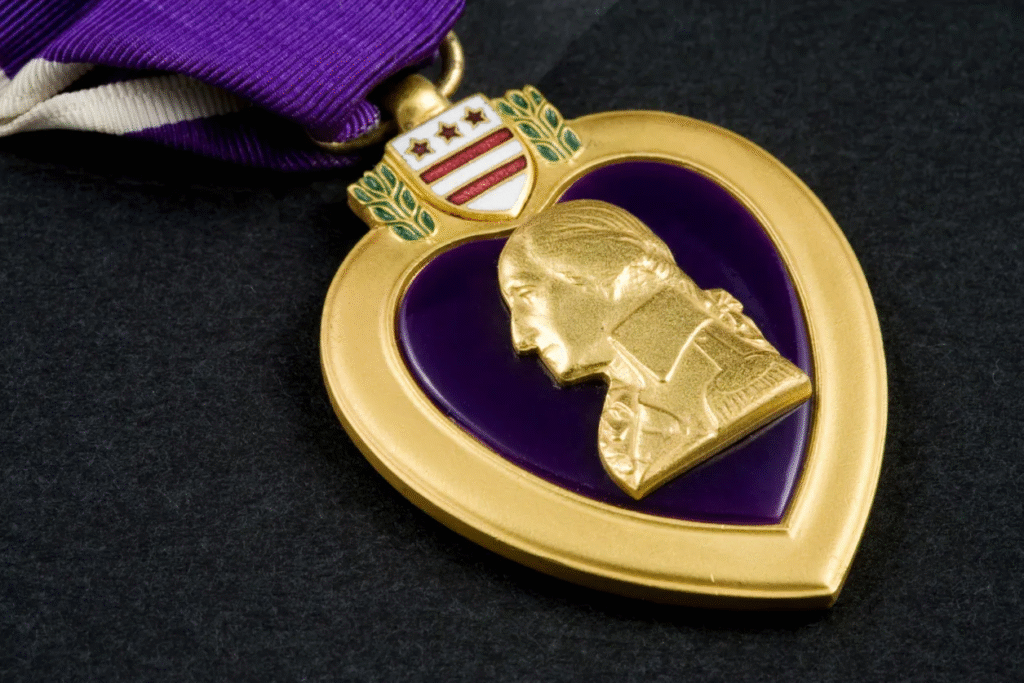
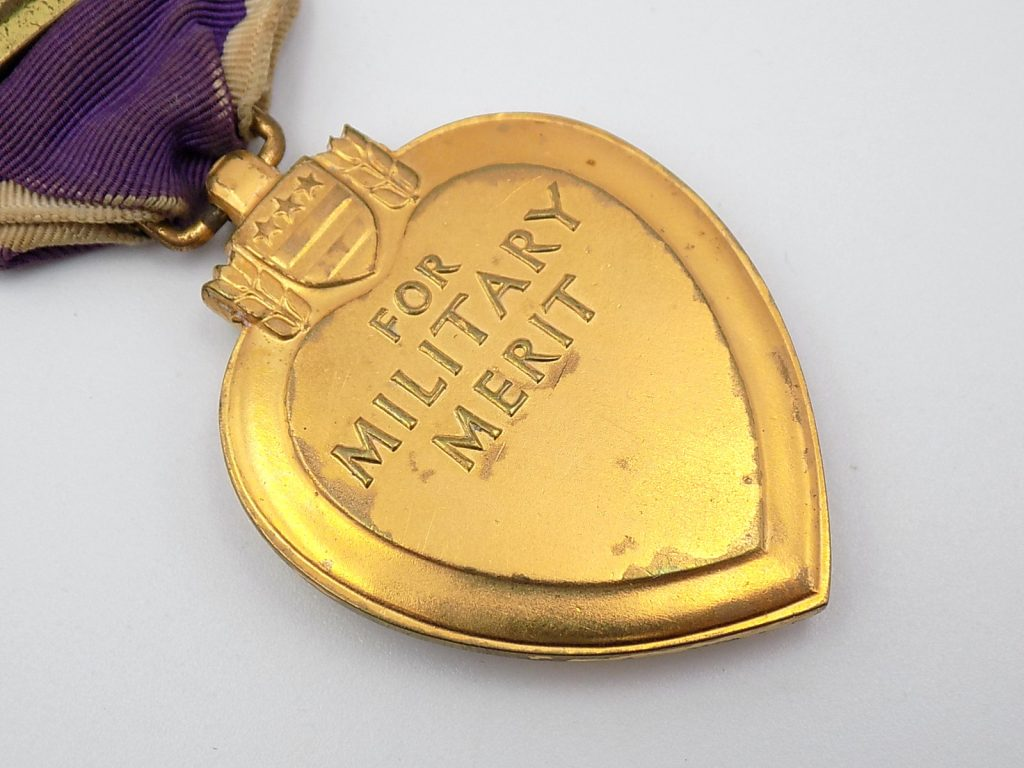
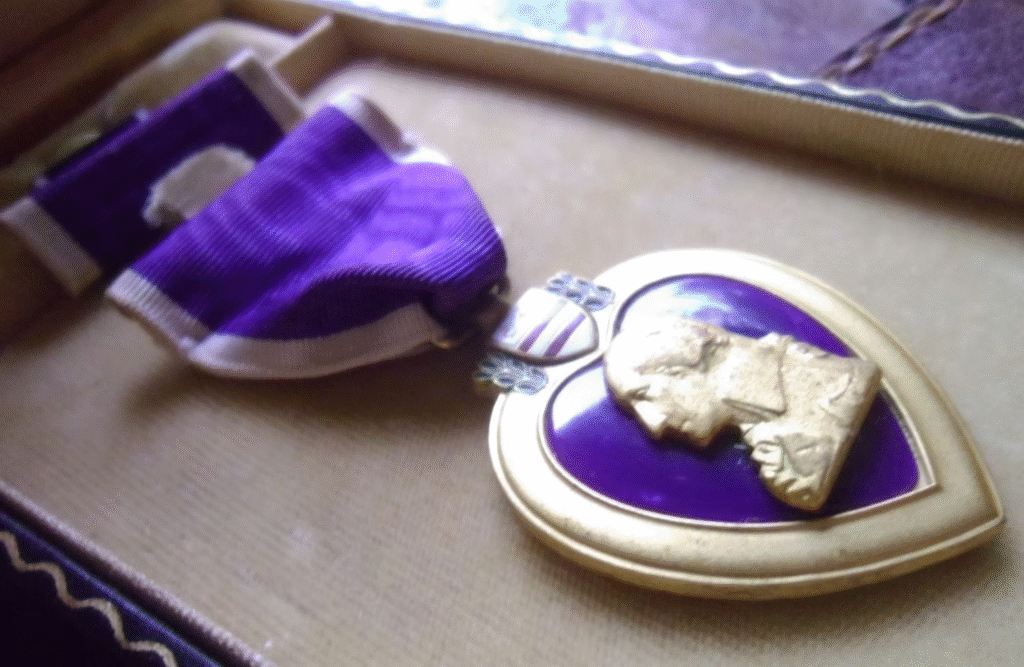
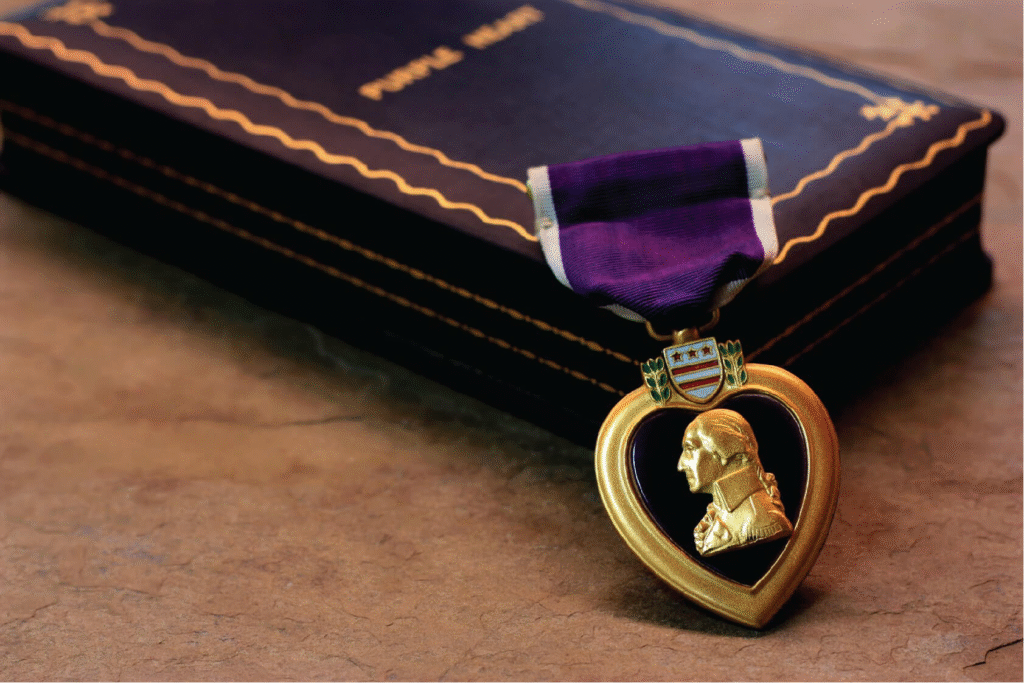
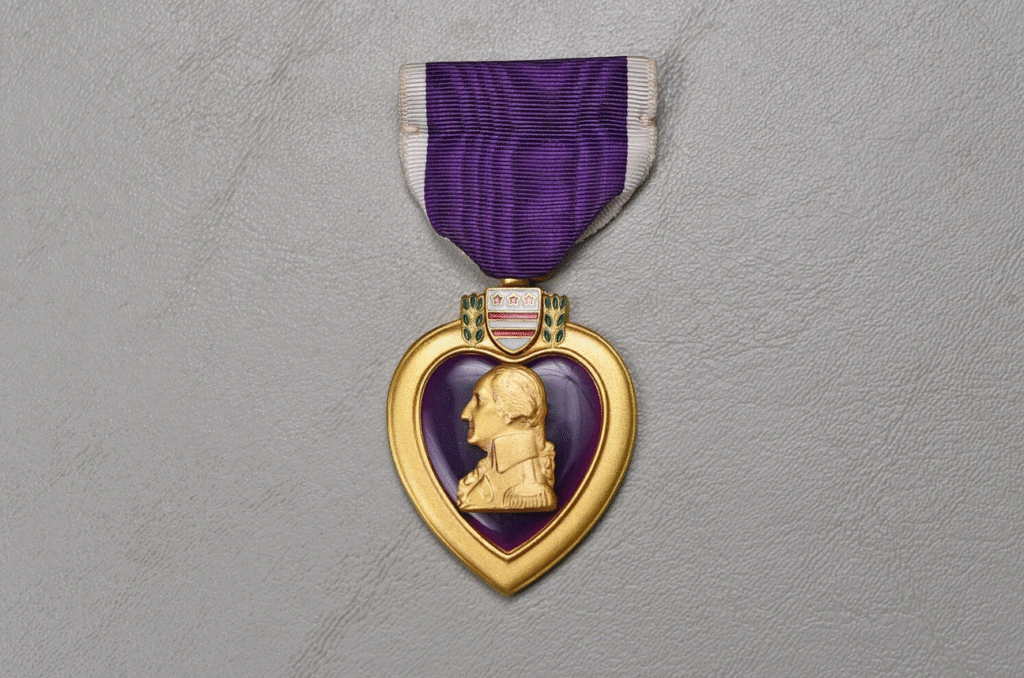
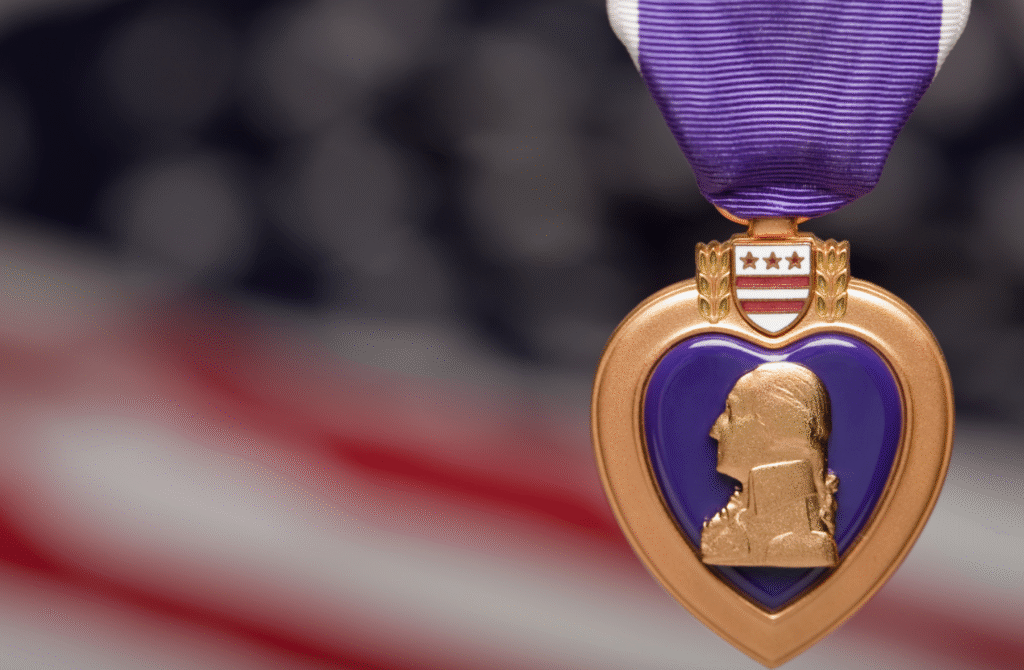
The design of the Purple Heart is narrative. The heart shape, purple ribbon, George Washington profile, and laurel wreath all symbolize honor, courage, and sacrifice. Washington is shown on the front in Continental uniform under his family coat of arms, and on the back is “For Military Merit,” with room for the recipient’s name. The medal is normally worn near the heart, a symbolic reminder of the pain felt and the pride gained.
6. Its history dates back to George Washington
The Purple Heart is rich in American history. George Washington established the Badge of Military Merit in 1782, a purple cloth heart awarded to soldiers for exceptional valor or loyal service. The medal was only awarded to three soldiers, and it lay dormant for 150 years until General Douglas MacArthur reinstated it in 1932. That resurrection paved the way for our current medal.
5. Well-known and surprising recipients
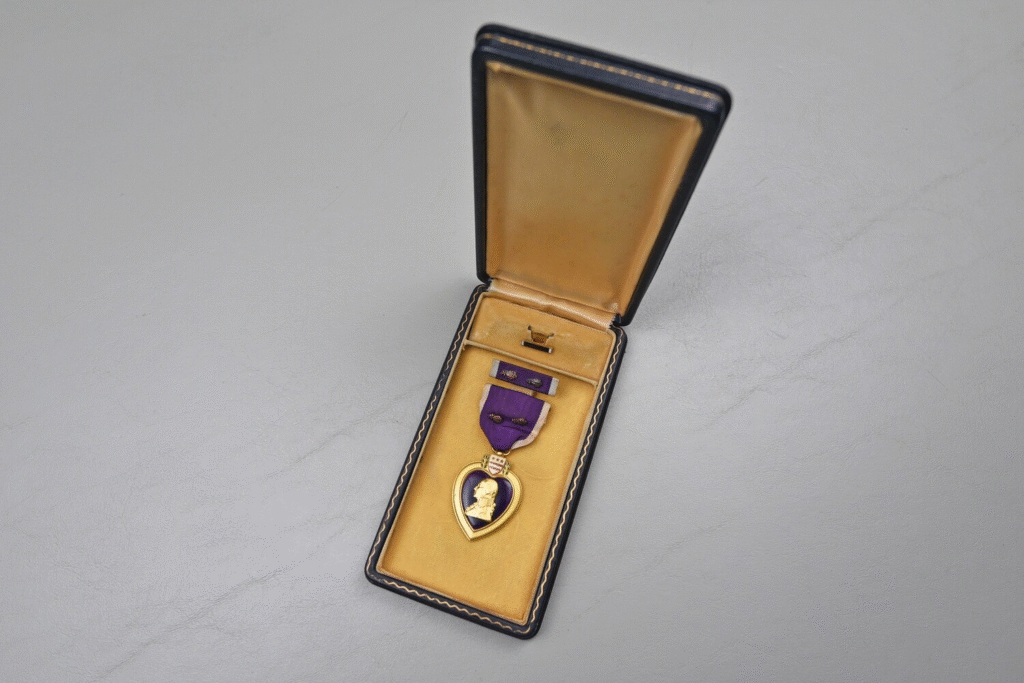
Over 1.8 million Purple Hearts have been issued, including to famous people such as Marine legend Lewis “Chesty” Puller and President John F. Kennedy. Even animals have received the award, including Sgt. Stubby the dog and Sgt. Reckless the horse. The first female to receive a Purple Heart was Army Lt. Annie G. Fox for her conduct during the attack on Pearl Harbor. Others, such as Curry T. Haynes, have earned several awards, with Haynes receiving ten for wounds he received in Vietnam.
4. A medal manufactured in huge numbers over wars
The mass production of the Purple Heart is a sign of the brutal realities of war. By the final years of World War II, 1.5 million medals were produced, with almost half a million remaining unused as the war came to an end sooner than expected. Since then, the medals have been presented through generations from World War II until the present time, and the Purple Heart has become one of the longest-standing symbols of military sacrifice.
3. A place of esteem in military tradition
The Purple Heart holds a higher place in military tradition than mere decorum—it’s a beacon of memory. It is second in precedence only to the Bronze Star and stands alone in that it’s awarded automatically upon qualifying, with no review. It appears at ceremonies, monuments, and in stories, reminding people consistently of what service members sacrifice.
2. Purple Heart recipients are recognized by communities and groups
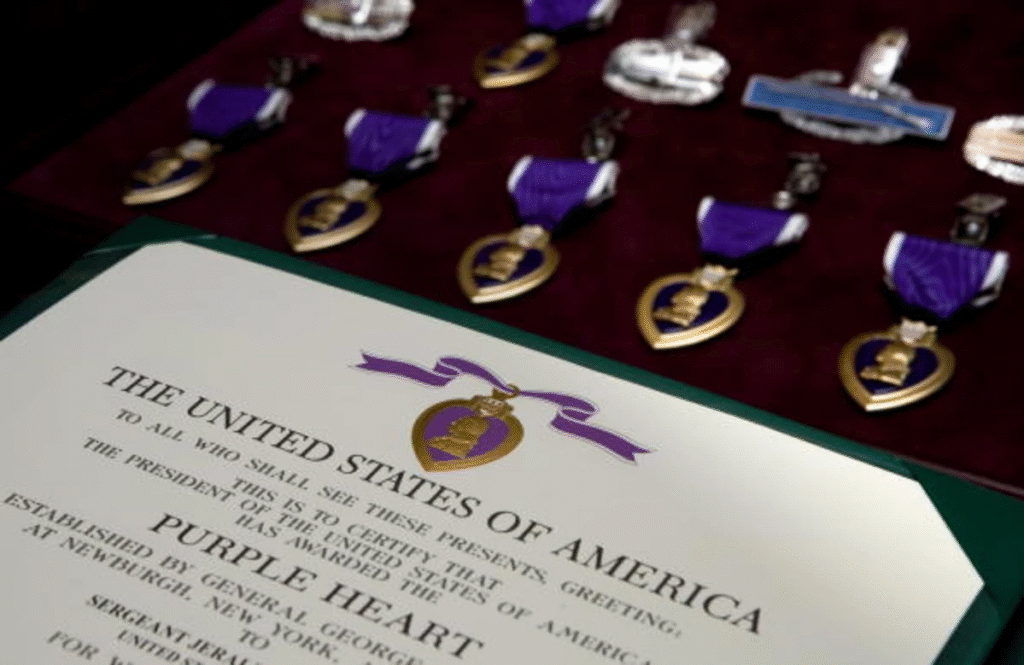
Throughout the nation, individuals and organizations honor recipients of the Purple Heart. In organizations such as Tobyhanna Army Depot, their names are posted on walls, encouraging existing employees to maintain the same standard of excellence and commitment. Groups like the Purple Heart Foundation provide vital assistance, ranging from job training and medical treatment to counseling for families and veterans.
1. Purple Heart Day
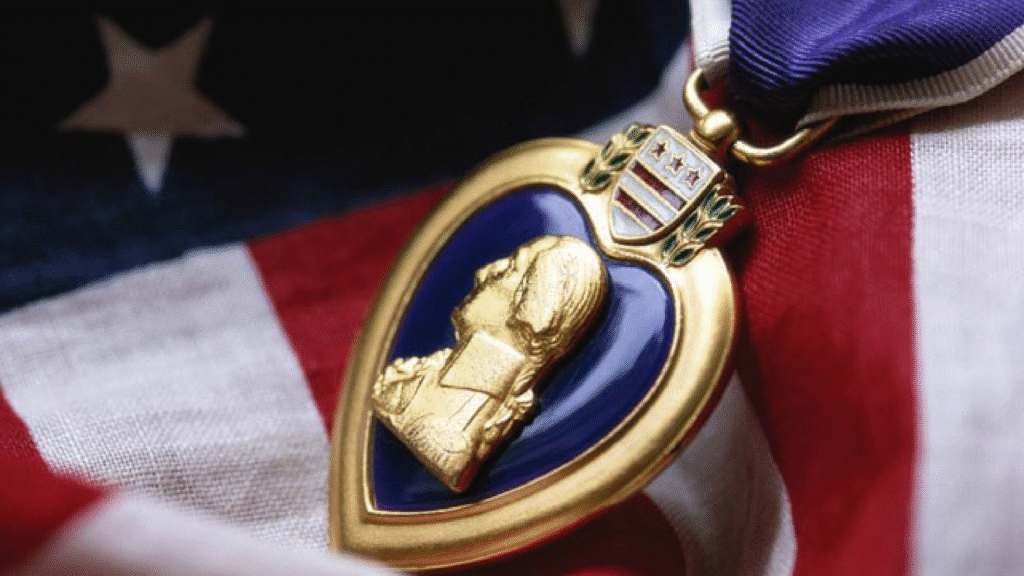
Each August 7th, the country takes a moment to remember those injured or lost while fighting. Purple Heart Day is a time for reflection, appreciation, and remembrance, commemorating the bravery of veterans and encouraging support for initiatives that benefit them. It’s a testament that, though the debt can never be repaid, the sacrifice and service of those men and women will never be forgotten.