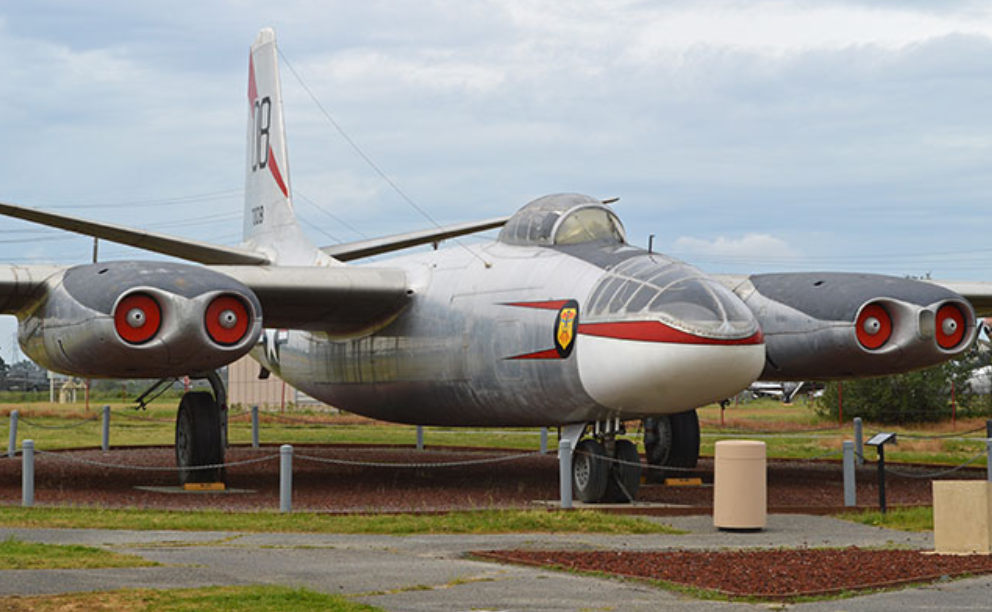
The North American B-45 Tornado is significant in the history of American aviation as it was the time when the U.S. Air Force finally entered the era of jet bombers. Its origins date back to the last year of World War II, when U.S. planners were alarmed by German advances in jet aircraft such as the Arado Ar 234 Blitz, and in 1944 demanded a new bomber not only to match but to outdo enemy design.
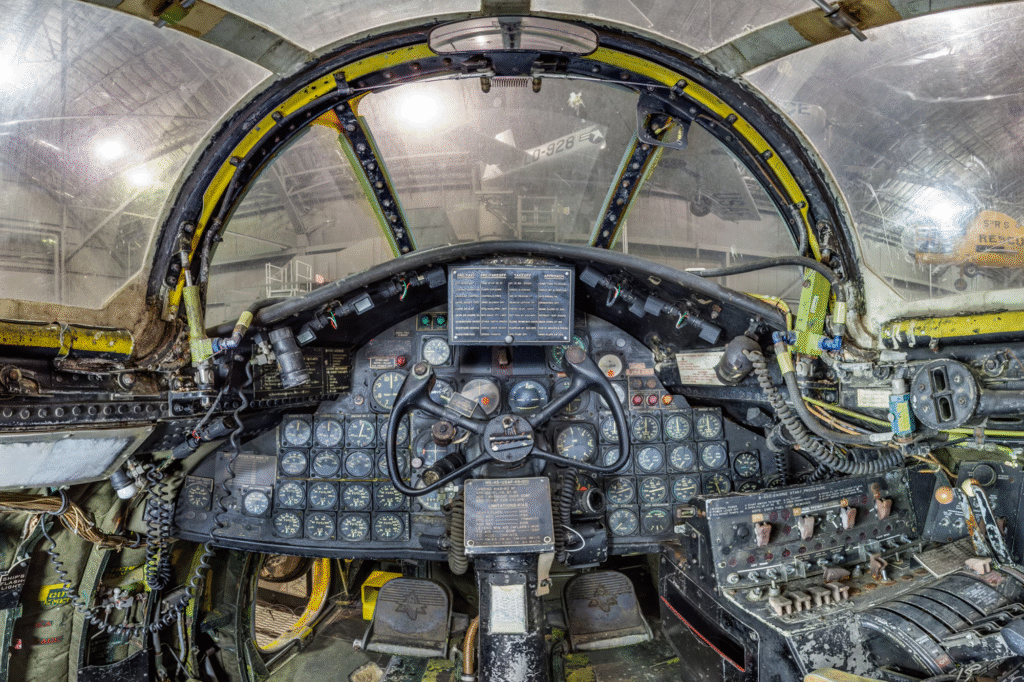
North American Aviation took up the challenge with the NA-130 project, and three aircraft were underway by the end of 1944. The objective was beyond pride—this was about seeing to it that the country possessed the means to confront new dangers in a rapidly evolving world. But from design schematics to a trusty jet bomber wasn’t easy.
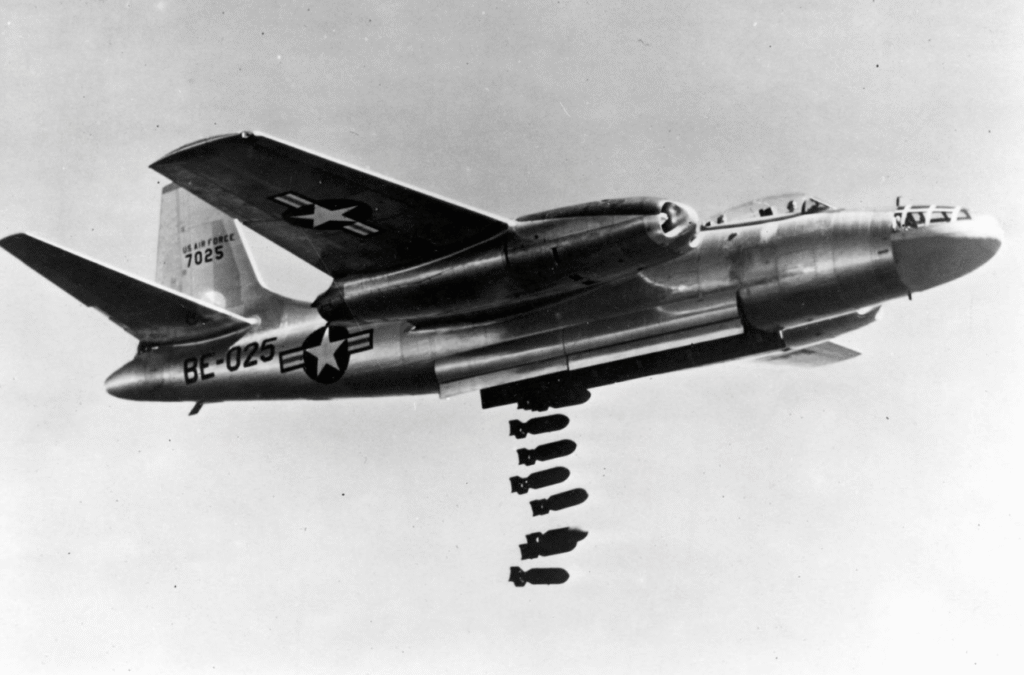
Postwar budget retrenchments stalled development, and the prototype that took flight on February 24, 1947, showed a machine both ambitious and vexing. With four General Electric J47 turbojets, a crew of four, and the capacity to carry over 20,000 pounds of bombs, the Tornado seemed unstoppable.

Reality, however, was hard to swallow: defective engines, structural weaknesses, and malfunctioning cockpit instruments prevented the plane from realizing its potential, with many of the early models reassigned to training and test missions.
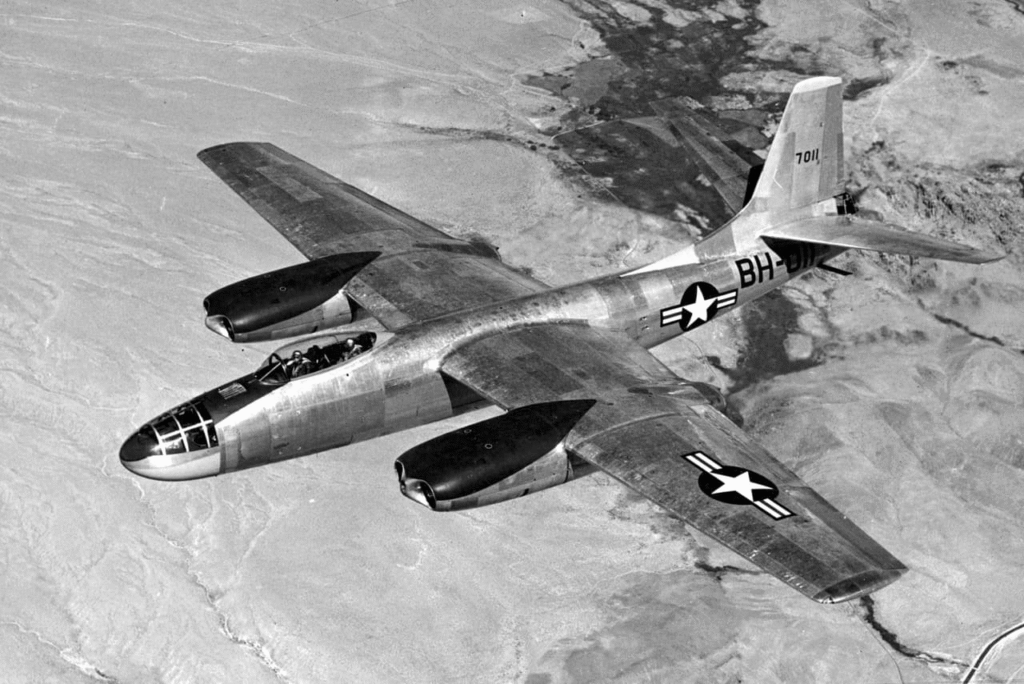
The situation changed radically with the 1950 Korean War, when the Air Force needed a jet-powered bomber in a hurry for conventional use as well as the potential for nuclear use. The B-45 was pressed into service, flying primarily at night to minimize MiG-15 fighter threats. Reconnaissance versions, particularly the RB-45C, quickly proved invaluable, supplanting the slower RB-29s that were fair targets for enemy jets.
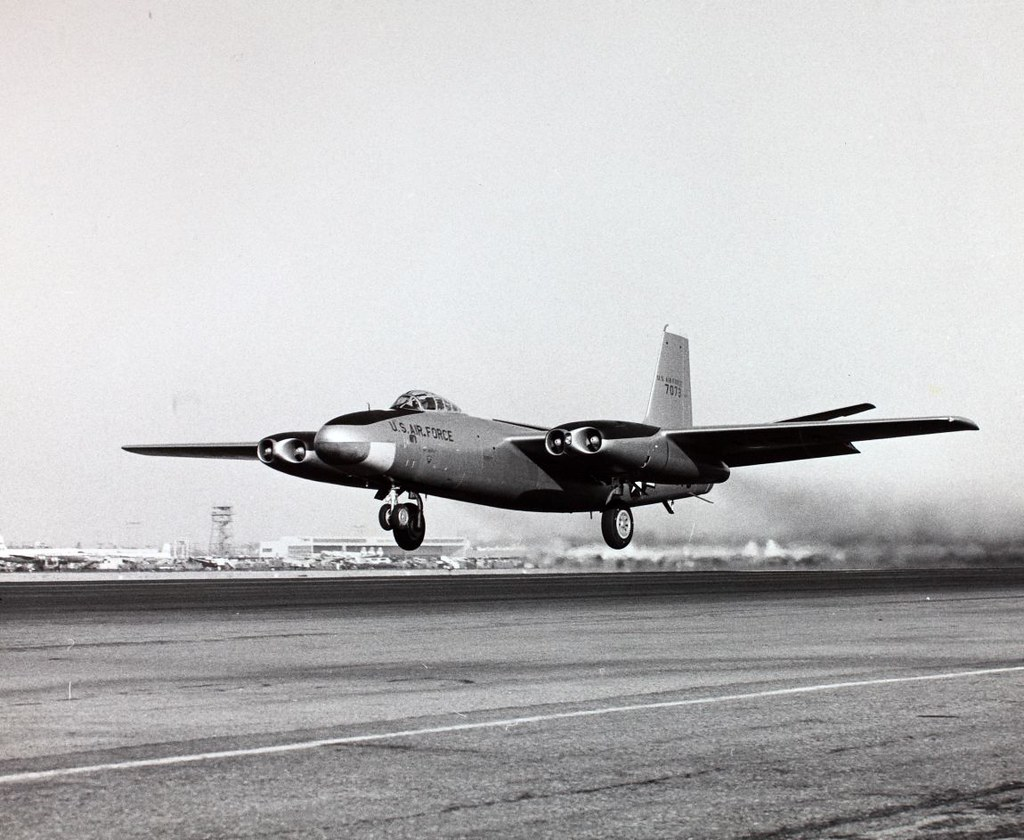
Despite this, converting the Tornado to carry nuclear weapons involved fundamental changes. Its bomb bay was not compatible with the initial atomic bombs, so engineers reinforced the airframe, increased its fuel range, and introduced new protection. Through the “Backbreaker” program, 40 B-45s were modified for nuclear missions, and by 195,2 they were deployed forward to United Kingdom bases as NATO’s initial nuclear umbrella in Europe.
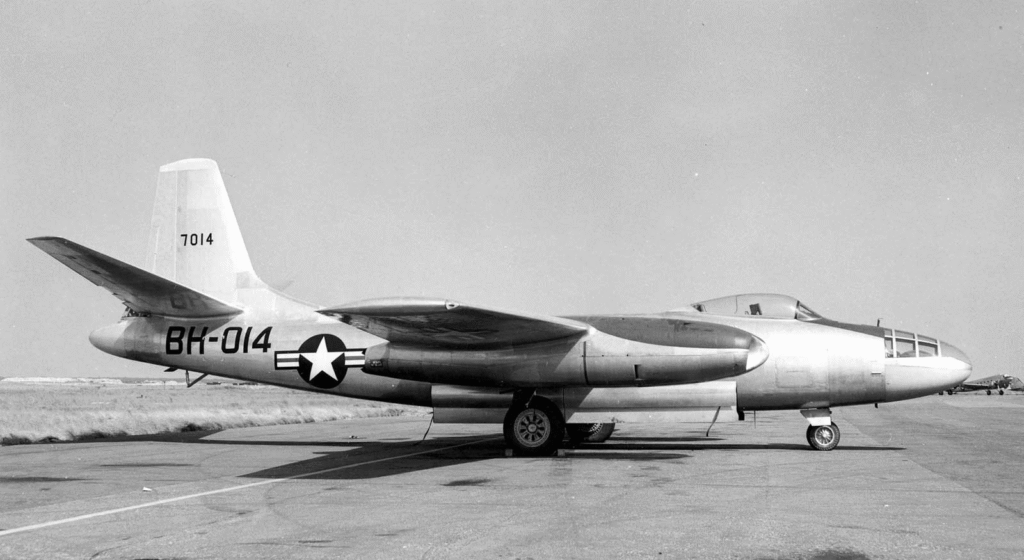
Less obvious but no less significant were the intelligence flights. The RB-45C, with cameras replacing its bomb bay, made some of the Cold War’s most dangerous flights. To keep things politically unproblematic, some were painted up in Royal Air Force markings and operated by British pilots in Operation Ju-jitsu.
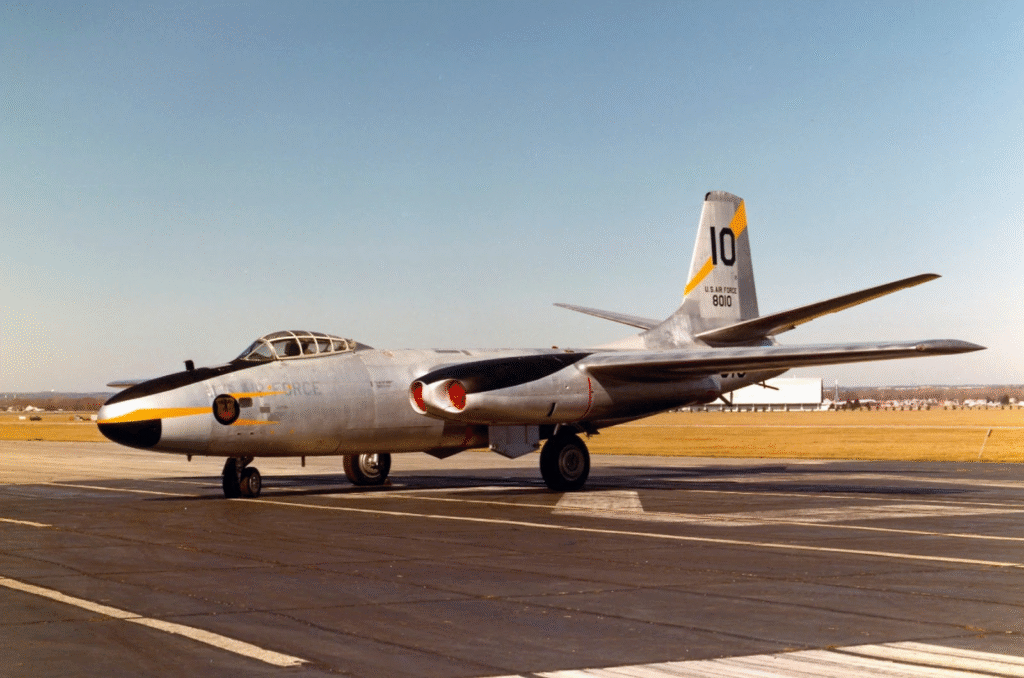
From Sculthorpe Base, Lincolnshire, Squadron Leader John Crampton took brave missions into Soviet skies, gathering vital information while avoiding radar and fighter patrols. All these missions were concealed for decades before being declassified in 1994.
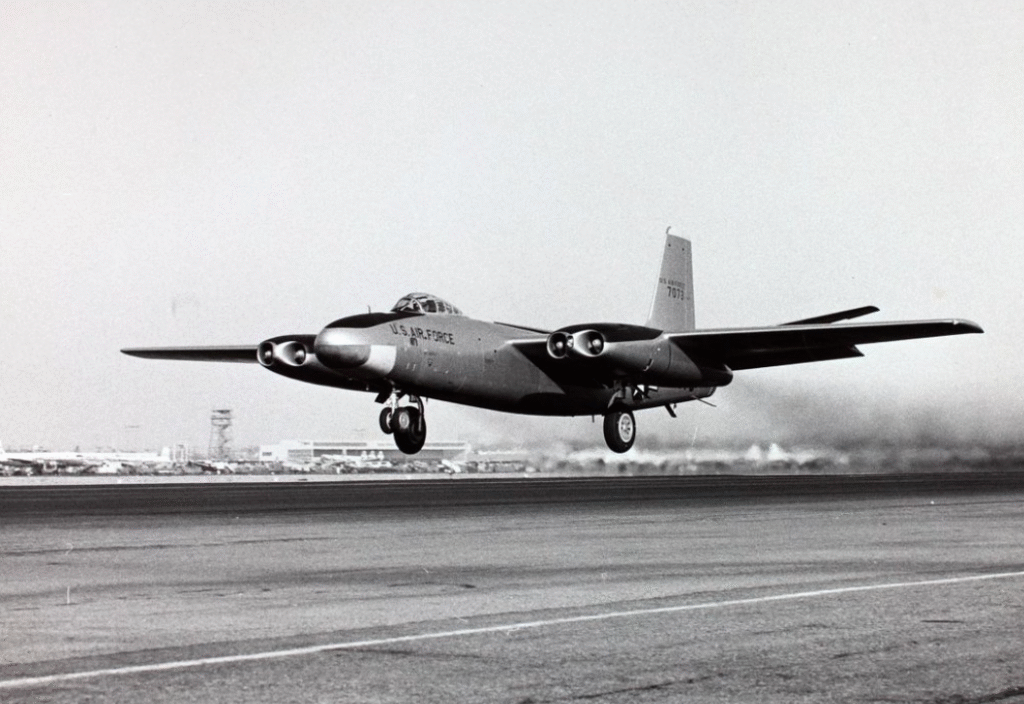
By the mid-1950s, the Tornado was aging. Sleek and speedy bombers like the B-47 Stratojet and the supersonic B-58 Hustler made it obsolete. Short-range, persistent engine problems and growing susceptibility to modern interceptors led the B-45 to retirement in 1959, though some were still used for testing well into the 1970s.
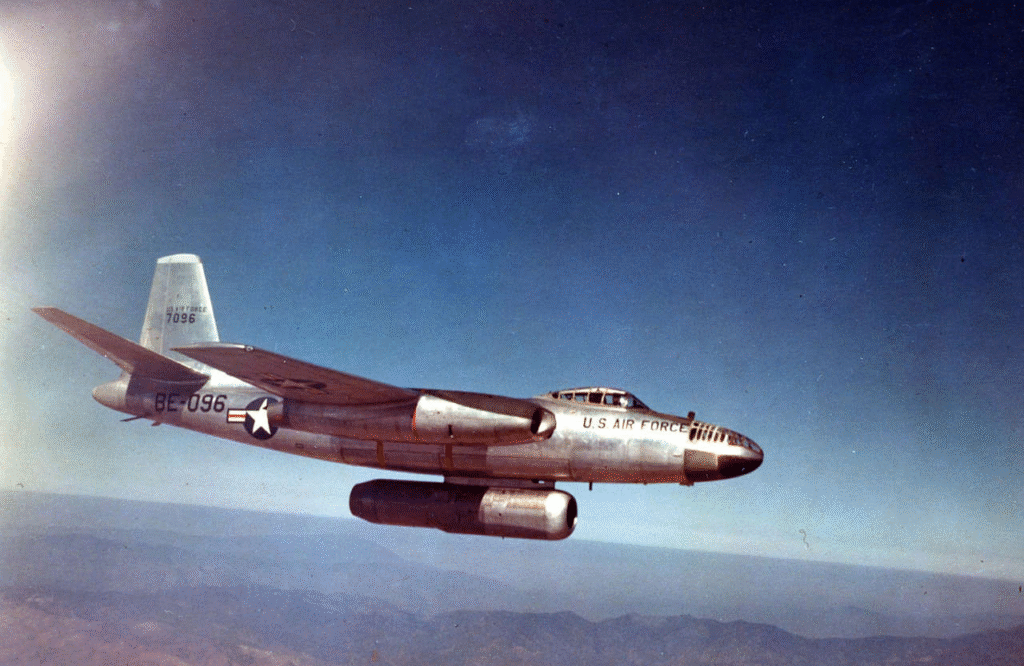
Now, only three of its kind remain in museums throughout the United States: California, Ohio, and Nebraska. Although its frontline service was brief, the B-45 Tornado was anything but minor.
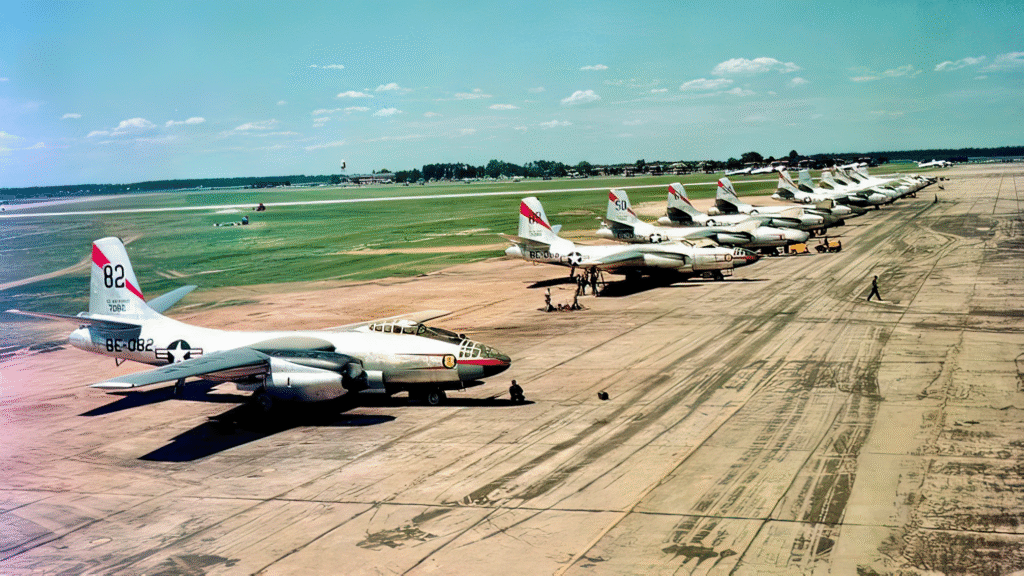
It was the first operational jet bomber in the U.S. Air Force, a symbol of the jump into the age of jets, and an indicator of how innovation, pressure, and resolve laid out the course of military aviation during one of the most pivotal times in history.

Editor of Segment – Men’s Health & Active Lifestyle
B.A. in Sports Science, University of Michigan | Certified Wellness Specialist (NWI)
David Brooks joined Gymbag4u.com in 2019, bringing a strong focus on men’s health, motivation, and active aging. With a background in sports science and years of coaching men in fitness, lifestyle change, and injury recovery, David’s content speaks directly to readers navigating modern work-life stress.