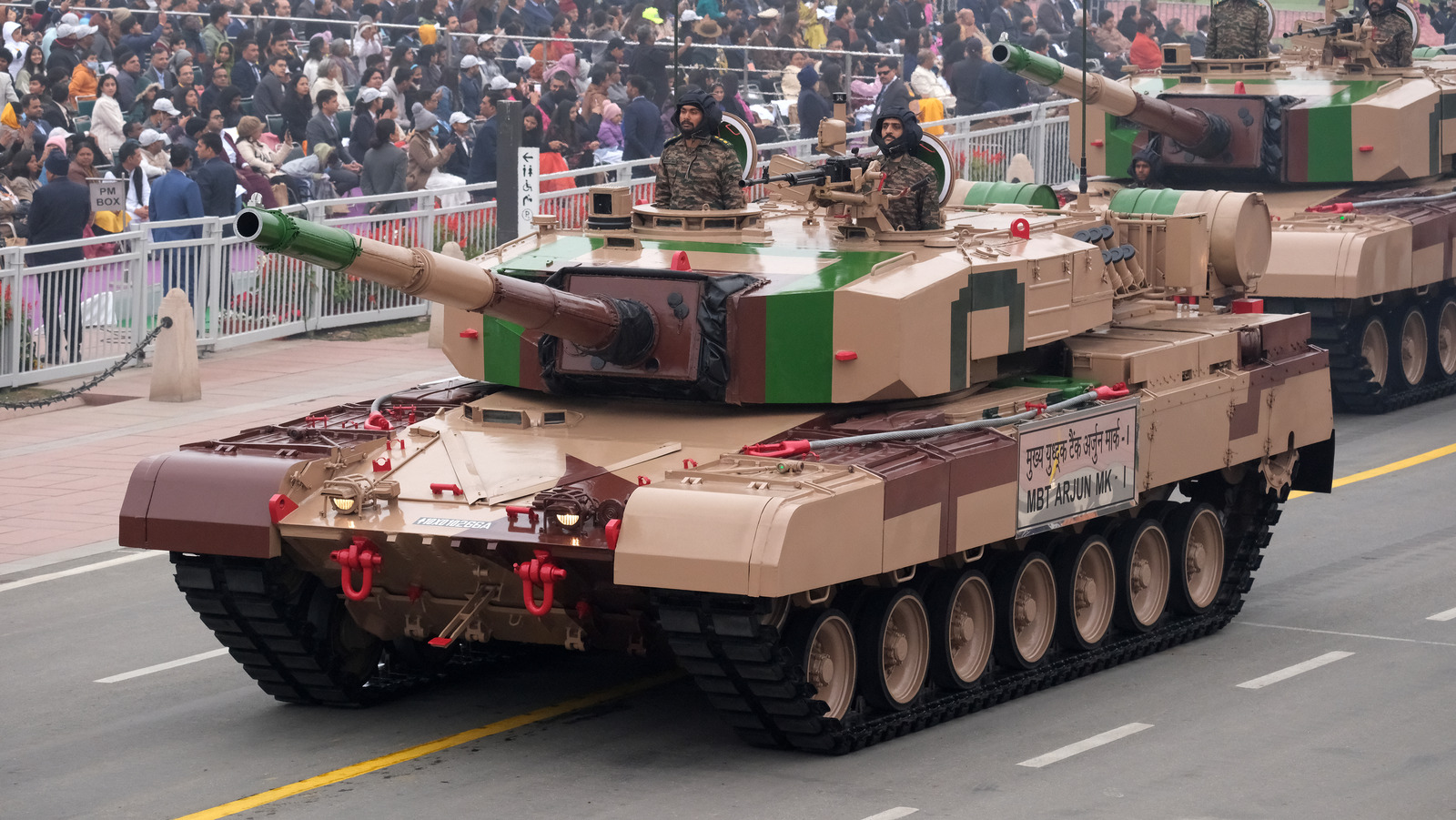
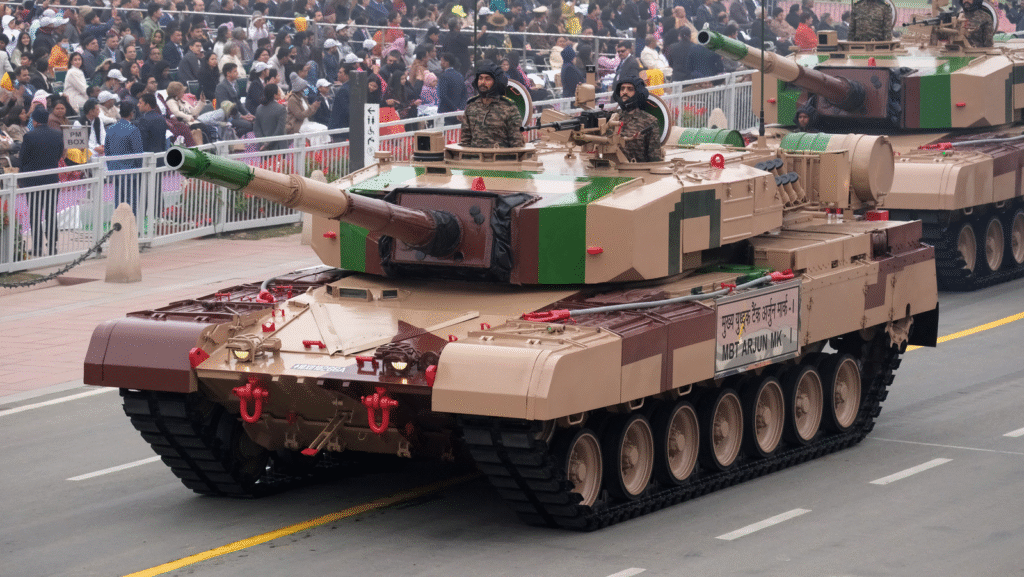
India’s is aspired in the field of locally manufactured defence equipment, including its main battle tank Arjun MBT which has been a longer run and very difficult project, filled with many technological learning which turned into improved military capabilities and by achieving invincible tank with many war victories. For most of its post-independence period, the Indian Army was dependant majorly on the imported war equipment’s including tanks, such as Soviet-made T-72s and T-90s, and the British-designed Vijayanta.
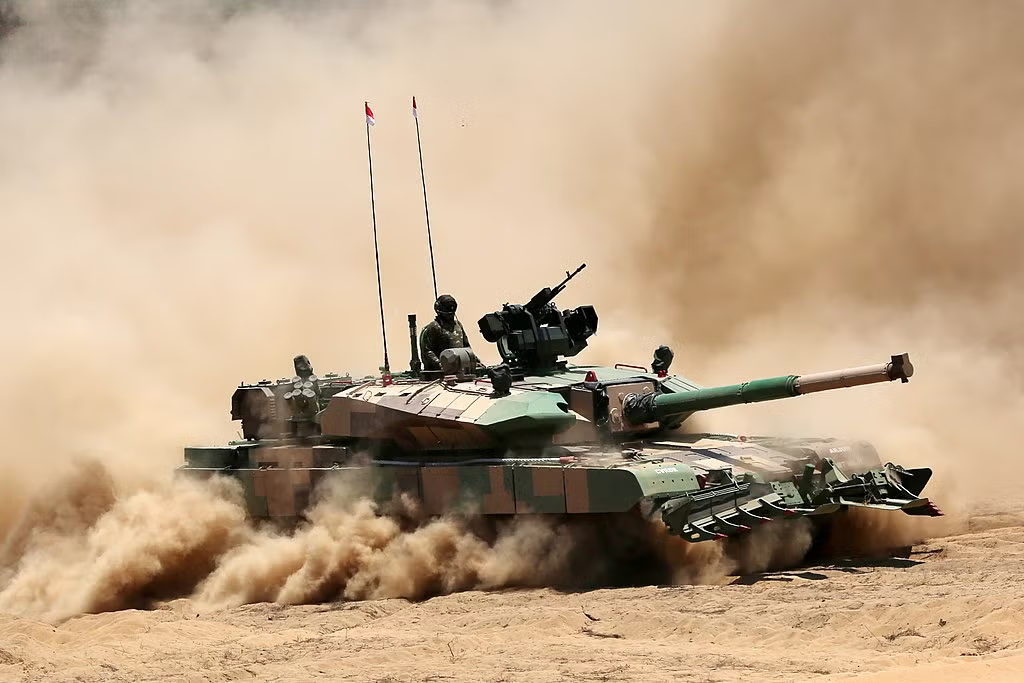
The learning from the 1971 war, created a desire for defence equipment independence to Indian Military, which led Indian governments to develop its own defence equipment including battle tanks, which resulted to develop in Arjun MBT. It’s development began in the late 1970s when the Combat Vehicles Research and Development Establishment (CVRDE) was given a project of designing a tank right from start. In 1983, in collaboration with a German company Krauss-Maffei, which manufactures the Leopard 2 Tank, which gave the much needed primary technical expertise in Battle Tank development. There was a prototype built by 1989 that was alike the Leopard 2A4, but more development was done ahead to make Arjun MBT more capable.
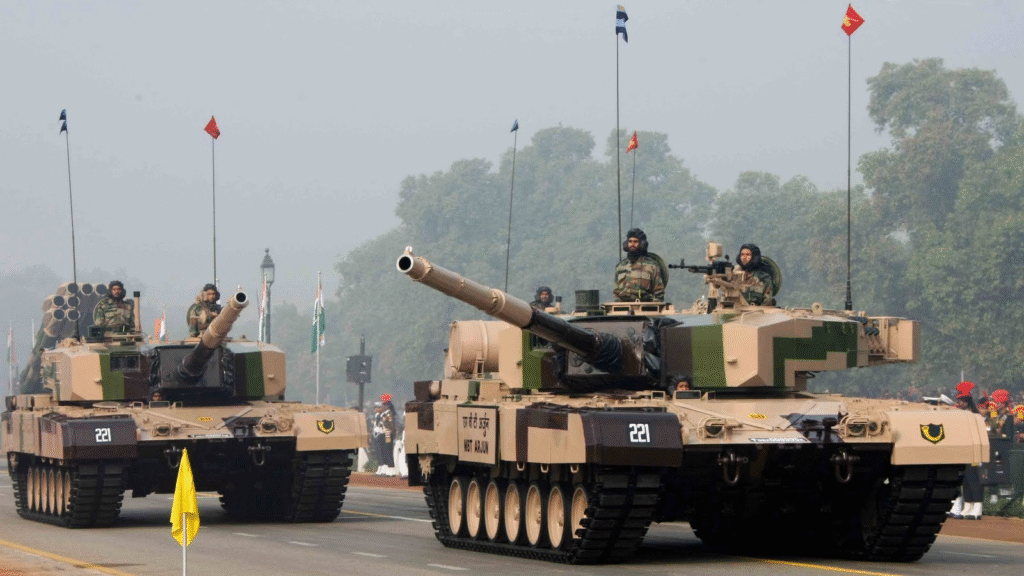
Initial tests showed several issues such as engines overheated, transmissions damages, and metallurgical issues which impacted its durability during war situations. India’s own made 120 mm gun, developed by the Armament Research and Development Establishment (ARDE), which was unable to fire NATO-standard ammunition and better logistics capabilities.
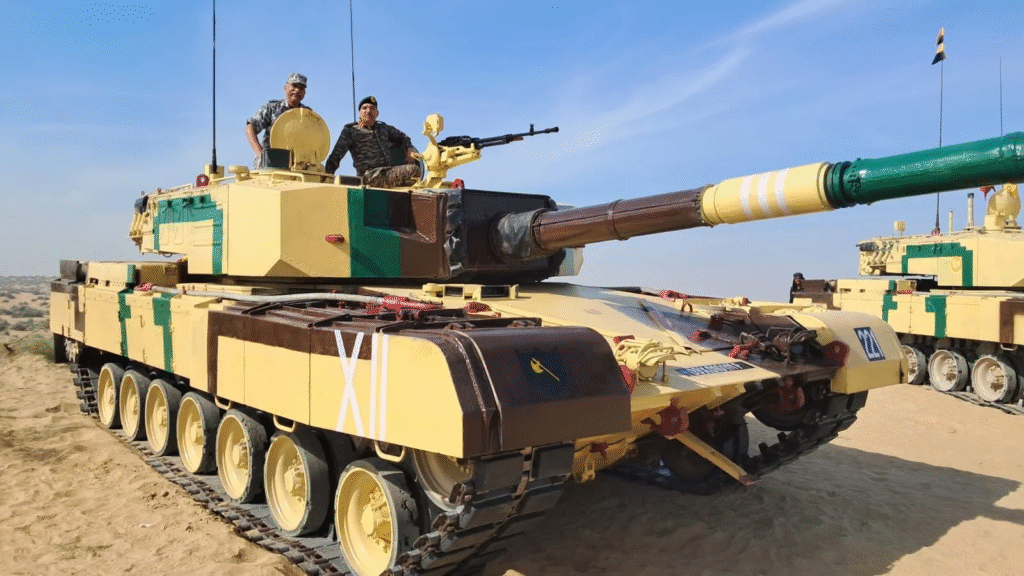
The German MTU 1,400 HP diesel engine, though its high-power, was not common in other tanks, and spares and maintenance became harder to manage. Crew sitting arrangements was compact and operating was slower, which later on solved with indigenous inventions.
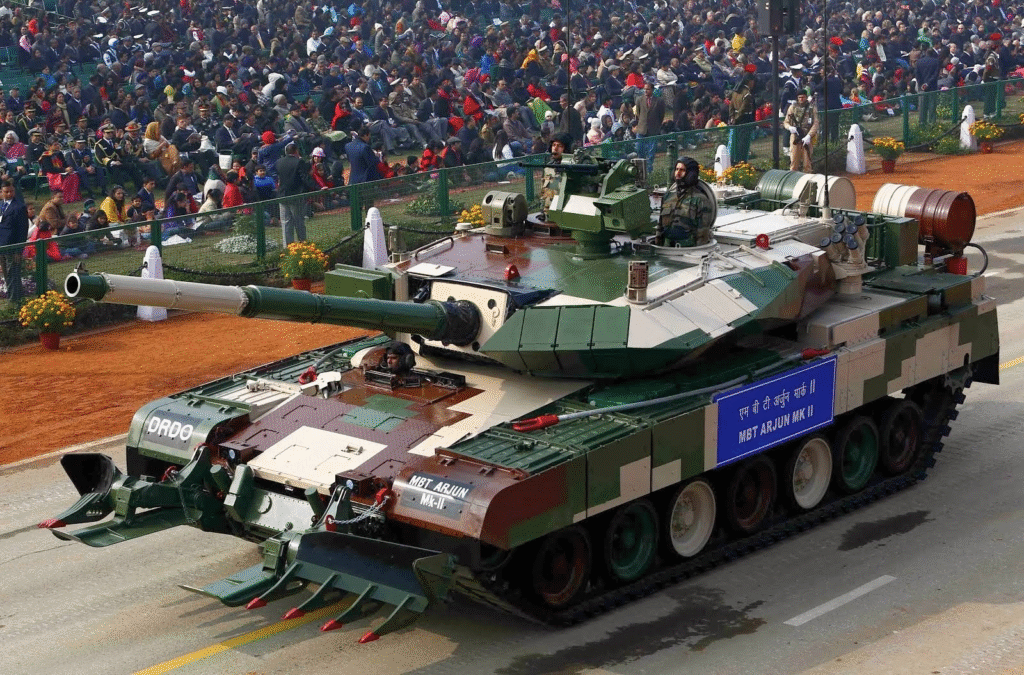
Despite all these issues, the Arjun Mk1 entered for production in the year 2003 in 124 units. The largest component was the Kanchan composite armour, produced by the Defence Metallurgical Research Laboratory (DMRL) to counter modern anti-tank ammunition. NBC protection, fire suppression, and active and passive defence systems added to its strength.
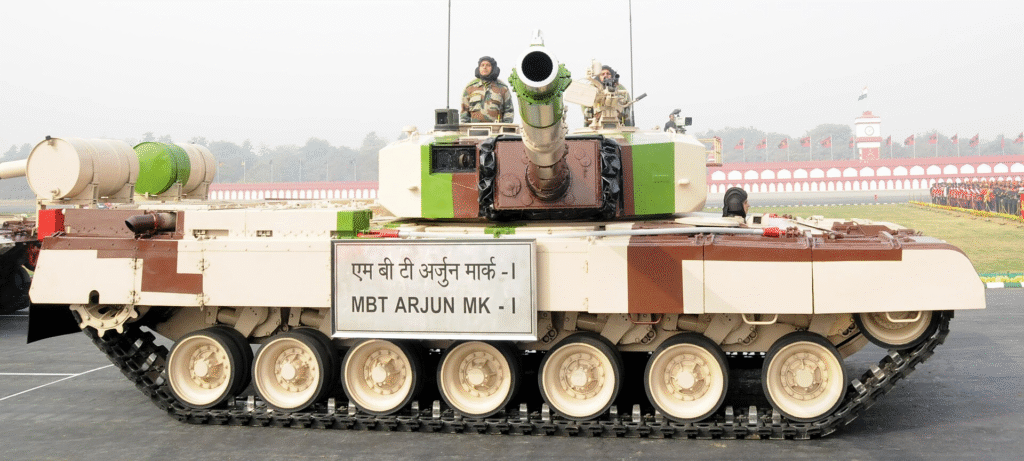
The Arjun MBT Mk1A was the second major upgrade. Israeli engineers helped to eliminate the persistent issues in 2007, and within two years, the tank was made approximately 100 upgrades. Some of these comprised hardened armour with ERA/NERA plates, improved suspension, a redesigned turret, upgraded fire control, safer storage for ammunition, and a remotely controlled gun. An active protection system with a soft-kill was also added to increase its capabilities.
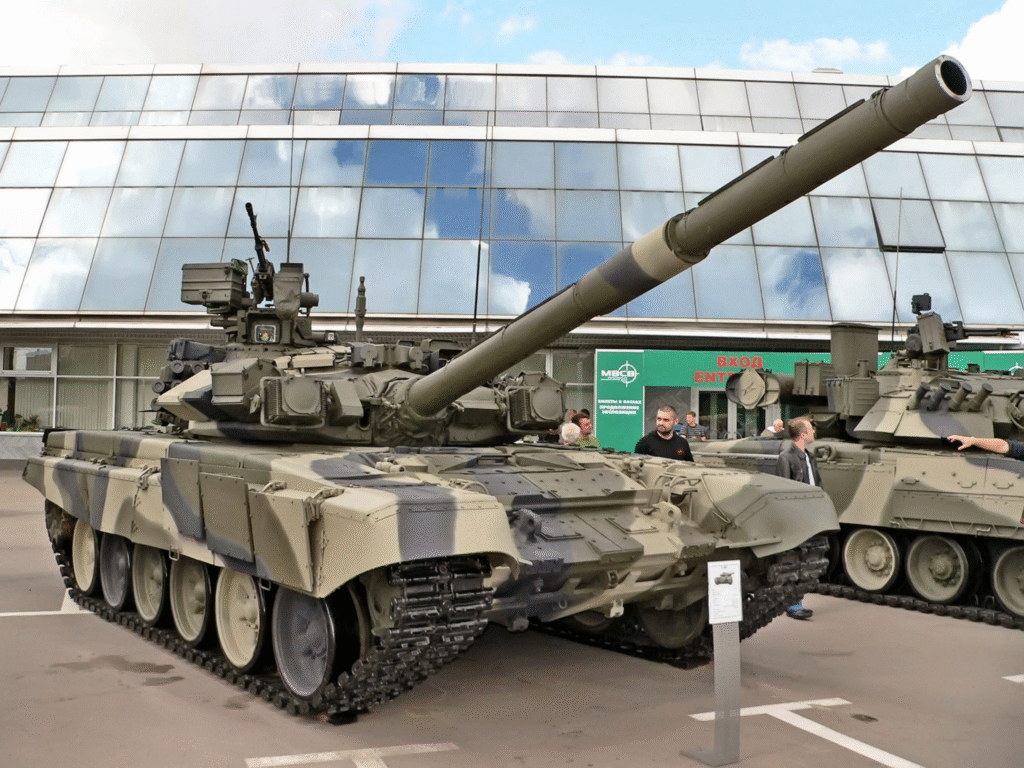
These developments came at a cost, however. The Mk1A gained weight to 67 tons, reducing its maximum speed to around 55 to 58 km/h. Its firepower remained unaffected, however, with its 120mm cannon is being capable of firing locally produced APFSDS rounds, HESH, and gun-fired ATGMs such as the local SAMHO missile, which was a advance replacement of earlier Israeli LAHAT.
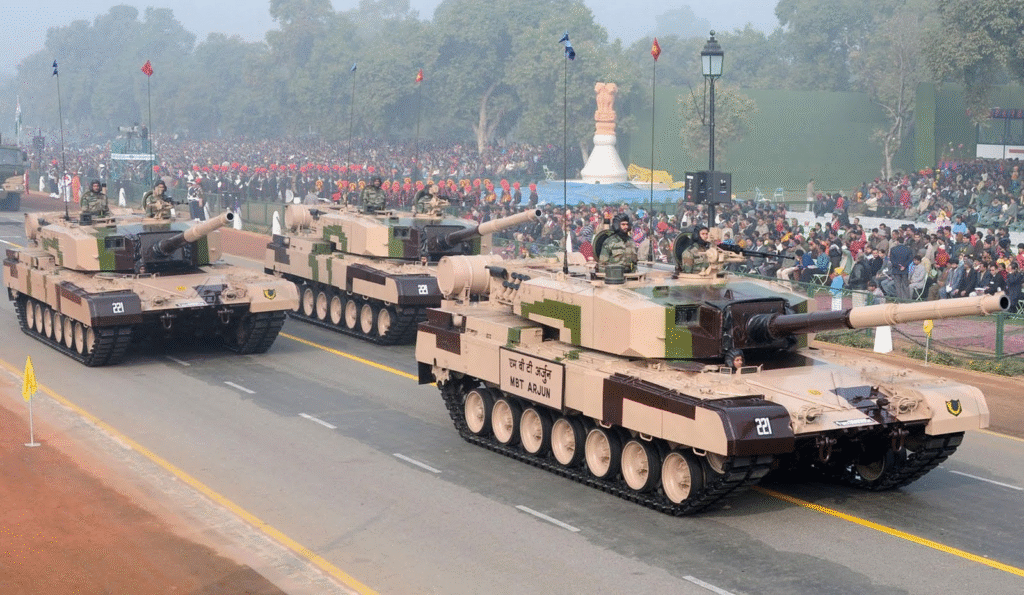
A new milestone was reached in reducing foreign engine dependence by localising it as the later suspension of MTU engine revealed the risks of depending on foreign producers. To offset this, DRDO and BEML developed the DATRAN 1500 HP turbocharged diesel engine, capable of running under harsh regions as well as up to 5,000 meters. CRDi fuel systems, self-cleaning filter, and durable components make up the DATRAN engine, which will require a change in the engine bay of the Arjun as well as rigorous testing before being operational. It is also to be applied in future platforms, including the Future Ready Combat Vehicle (FRCV).
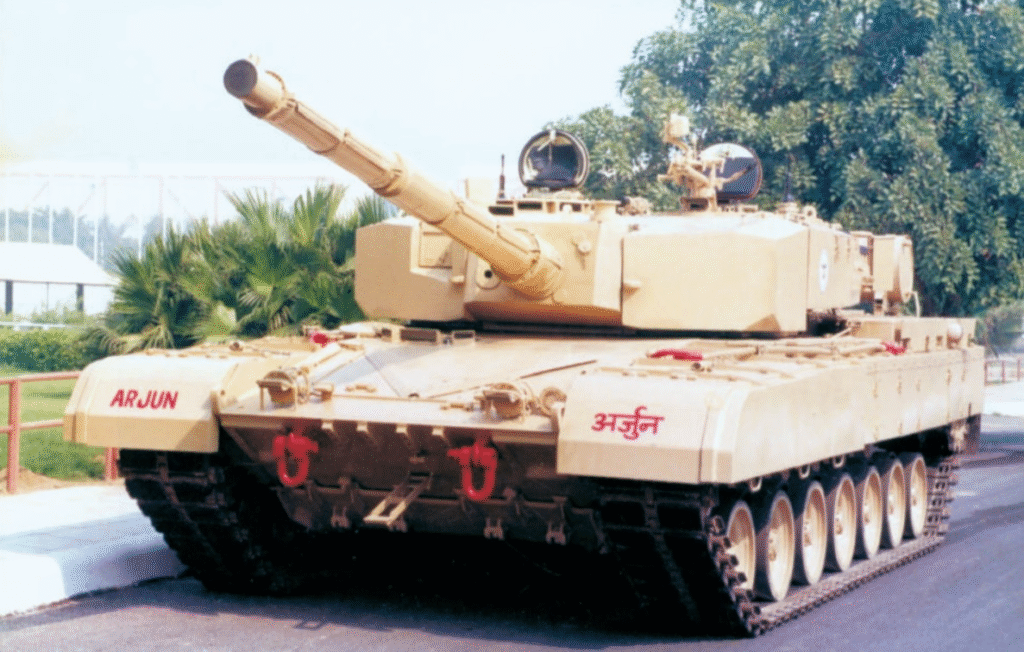
It has been showing excellent results in its primary performance testing. Compared with the T-90 in tests, the Arjun Mk1 is said to have performed better in precision, system integrity, and better operational performance. Bharat Electronics Limited (BEL )’s fire control system is also to be fitted into India’s licensed T-90s. The Arjun is now being used on the western front, with the 43rd Armoured Regiment in friendly countries exercises and ceremonial parades. The Mk1A, helped by AI-guided targeting and improved mobility, is the miracle of India’s indigenous armoured capability.
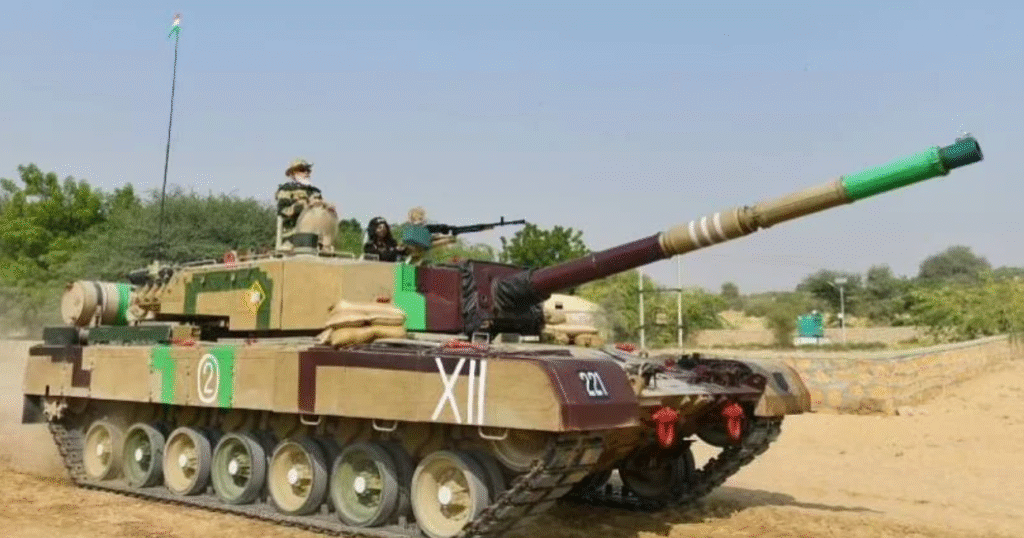
Indian armoured ambitions stretched farther into the future home made FRCV made to swap over 1,500 vintage T-72s with an AI-driven, modular platform that can shoot NATO-standard ammo. DRDO also works on a fresh 120 mm smooth bore cannon to ease the logistical capabilities of the tanks. Foreign collaboration of a partnership with Russia on the T-14 Armata, remains in the mix, yet technical and geopolitical issues continue to motivate Indian Military to further development of India’s Own Homemade Tank.
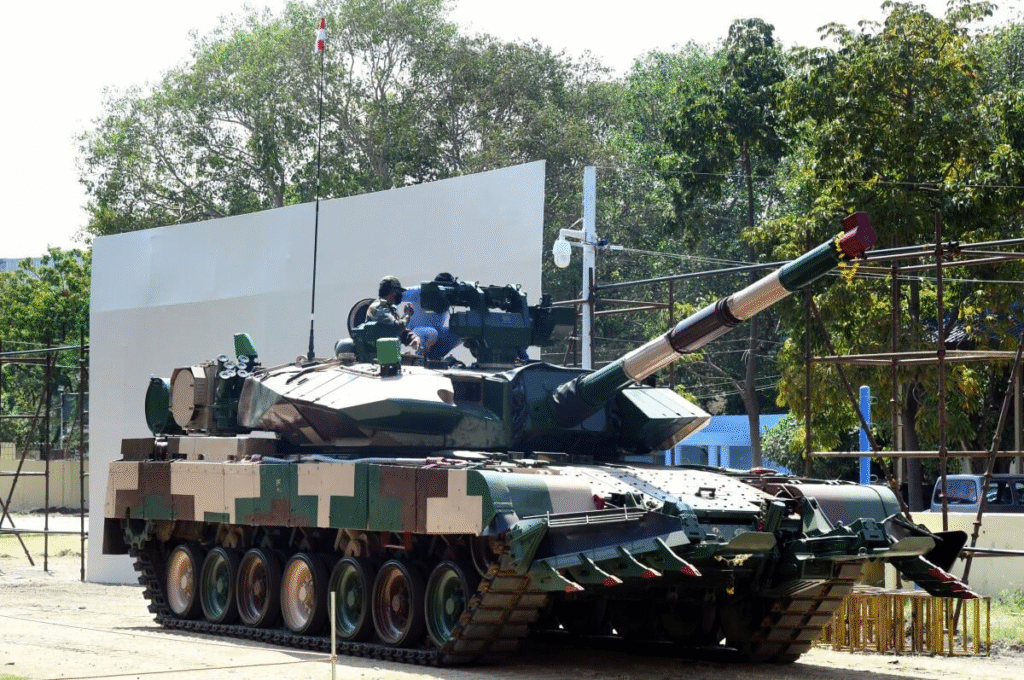
The Arjun MBT’s initial time has been time taking, complicated, and continuities, but every milestone of its development, whether Kanchan armour or the development of the DATRAN engine, is one towards increasing home defence equipment producing capabilities. Whether the Mk1A takes its place as a standard on the battlefield or is a stepping stone to the development of future armoured vehicles, its legacy is an example of India’s commitment to be self-sufficient Indigenous armoured warfare.

Senior Editor, Functional Fitness & Everyday Strength
Qualified B.S. in Exercise Physiology, University of Colorado Boulder | Certified Personal Trainer (ACE)
Jake has been a founding editor at Gymbag since 2018. With over 12 years of coaching experience and a degree in physiology, he specializes in fitness that fits into real life.