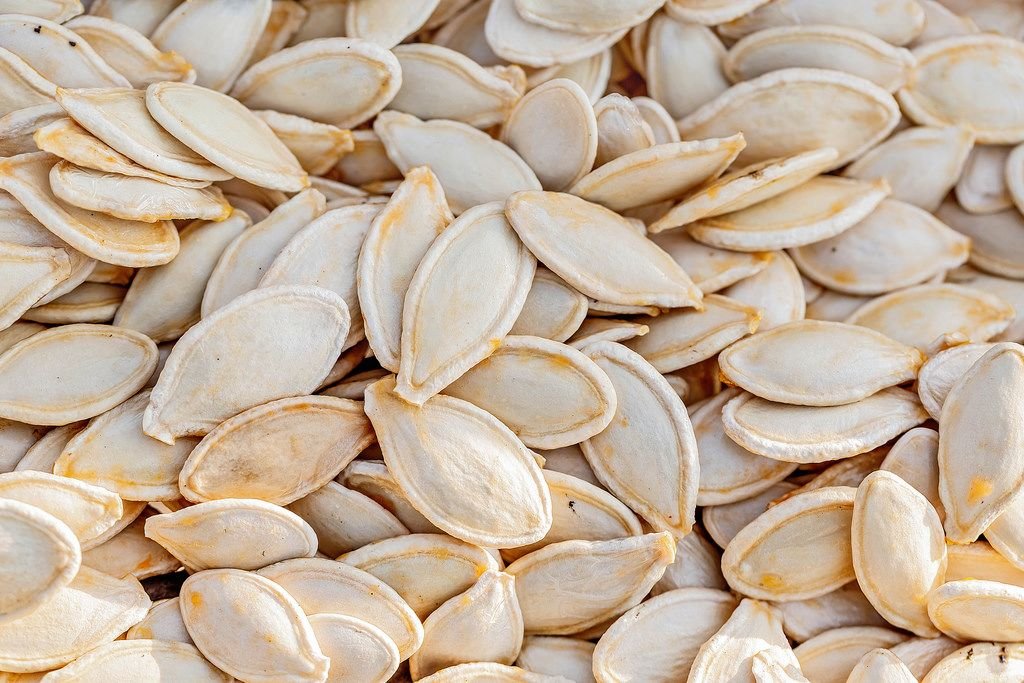
Pumpkin Seeds
If you want a true magnesium dose, then pumpkin seeds are one of the best Magnesium-Rich Foods. One ounce of roasted, dried pumpkin seeds contains a good 150 mg of magnesium, more than a third of what many adults require daily. Also, they are high in protein, good fats, and fiber, which makes them an excellent snack or crunchy topping for salads.
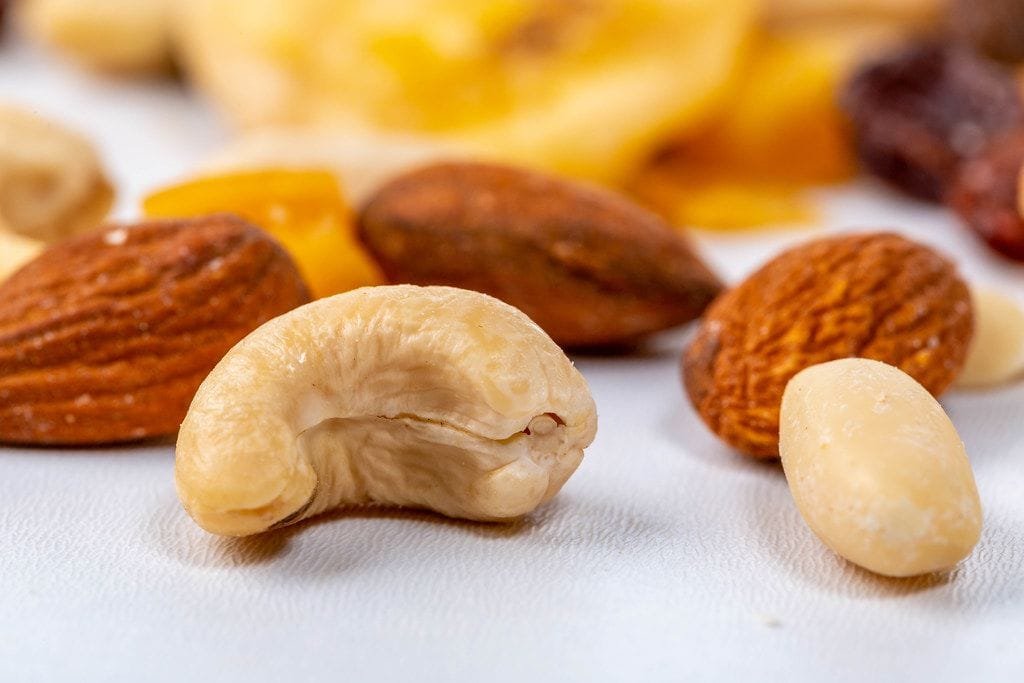
Almonds and Cashews
Nuts are an old-fashioned way to satisfy your magnesium intake, and almonds and cashews are among the best. A one-ounce serving of roasted almonds provides about 80 mg of magnesium, and cashews give you roughly 72 mg. They’re also full of good fats and protein, so you’ll be full and energized between your daily meals.
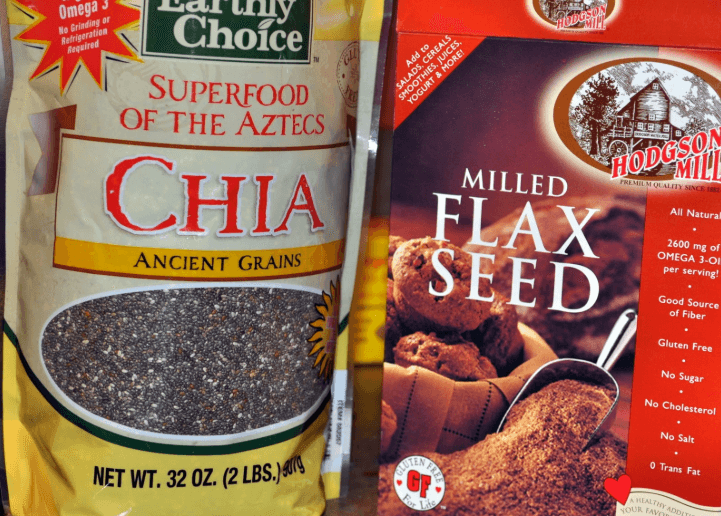
Chia and Flaxseeds
Chia seeds and flaxseeds are tiny but nutritious. One ounce of chia seeds contains approximately 111 mg of magnesium, and one tablespoon of ground flaxseed contains about 40 mg. They are easy to add in your daily diet, just mix a handful of them in yogurt, smoothies, or oatmeal for a fast and nutritious snack.
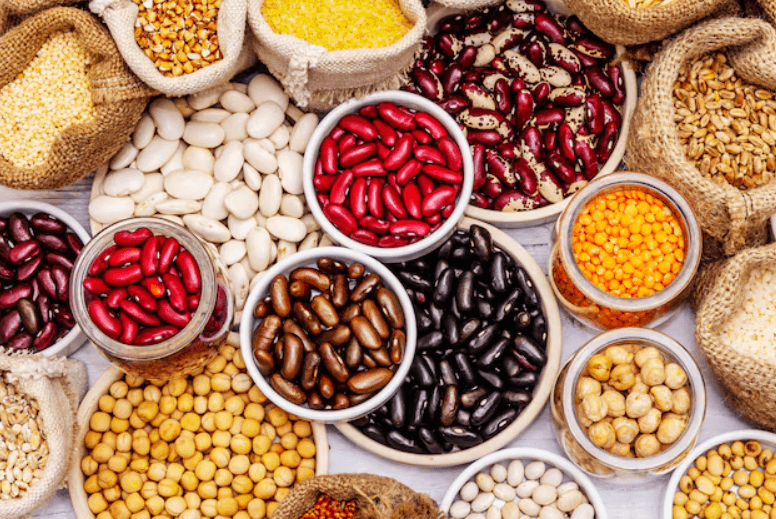
Black Beans and Other Legumes
Legumes are magnesium dynamos, and black beans fit the bill. A half-cup cooked serving of black beans will give you 60 mg of magnesium. Edamame and lima beans are also great choices at 50 mg and 40 mg per half-cup, respectively. And the bonus is that these foods are packed with fiber and plant protein.
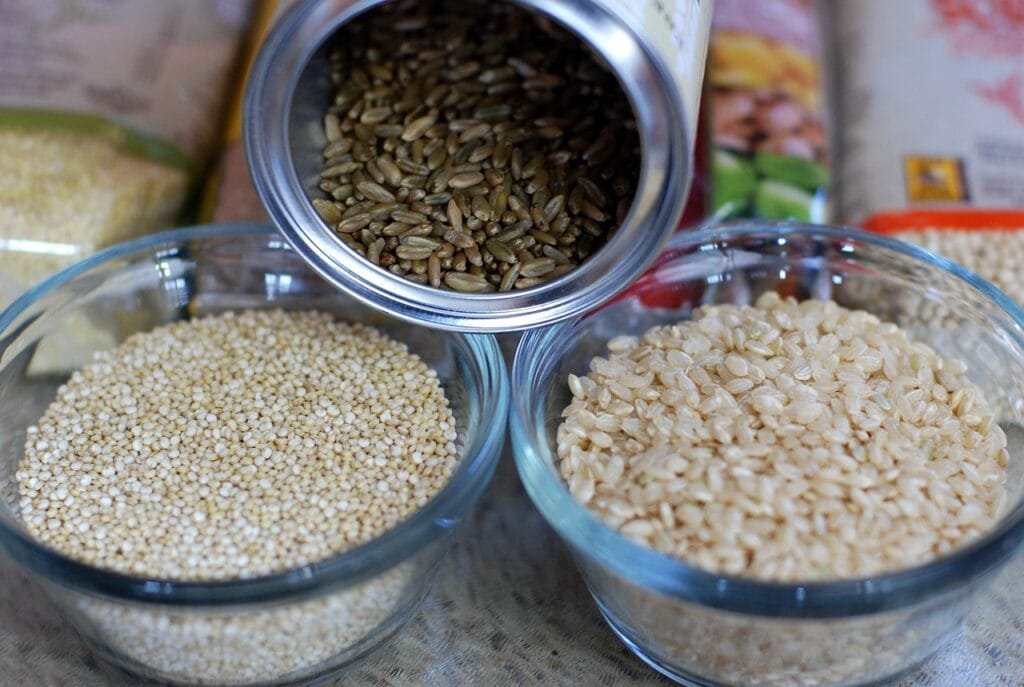
Quinoa and Whole Grains
Whole grains such as quinoa, buckwheat, brown rice, oats etc are a good source of magnesium. One-half cup of cooked quinoa provides about 60 mg. If breakfast cereals are your choices, plain shredded wheat (not the frozen) has 56 mg per cup. Replacing whole grains with the refined type is an easy way to boost magnesium without drastically altering your diet.
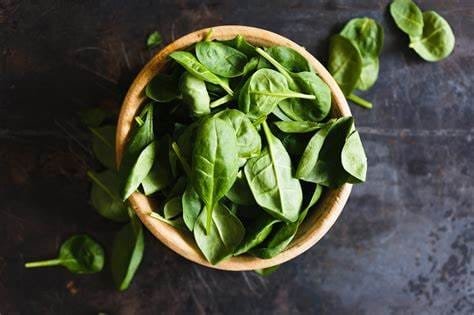
Spinach and Leafy Greens
Leafy greens are widely known as super-foods because of their positive impact to our health. A half-cup serving of cooked spinach contains 78 mg of magnesium, and Swiss chard is not far behind with 75 mg. Collard greens contain a bit less, but they are worth adding. These greens are super easy, serve them up in salads, stir-fries, soups, or smoothies.
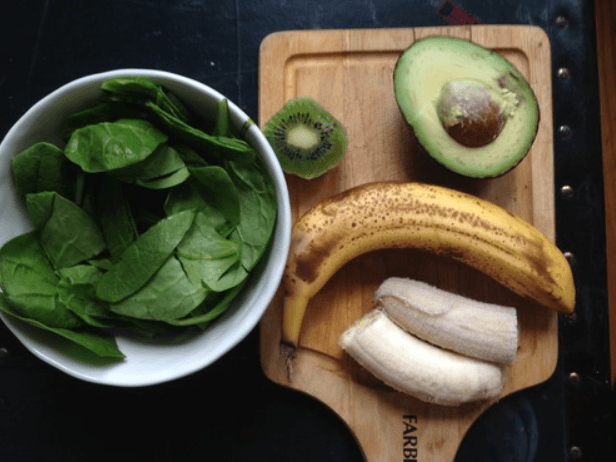
Avocado and Bananas
Fruit is also nutritious in terms of meeting your magnesium needs. A single whole avocado contains around 58 mg of magnesium, and a medium-sized banana of medium size contains about 32 mg. Avocados are full of healthy fats, and bananas have high levels of potassium, so both of these are excellent additions to your overall health.

Dark Chocolate
Yes, dark chocolate is one of the things you can include as a source of magnesium! One ounce (70% to 85% cocoa) contains about 64 to 65 mg. It’s also loaded with antioxidants and minerals such as iron and copper. Just be sure to enjoy it in moderation, and you’ve got a tasty way to slip in some extra magnesium.
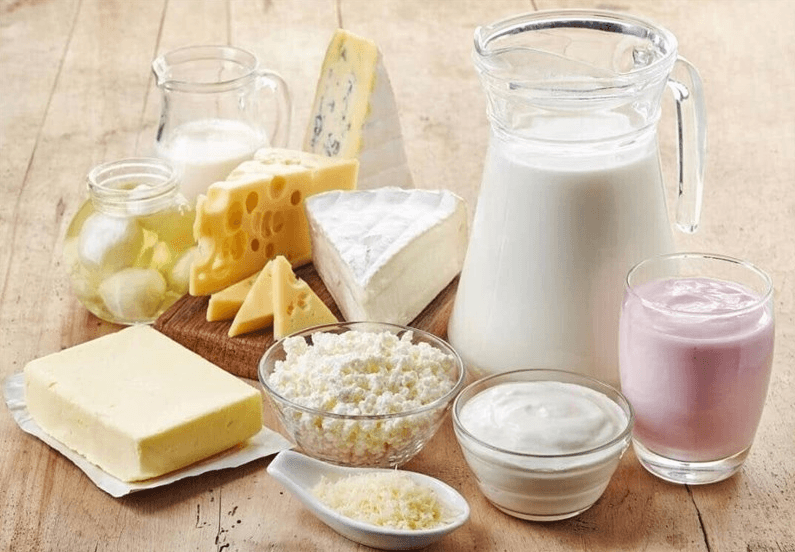
Dairy Products
Low-fat dairy foods such as milk and yogurt provide a magnesium bonus in addition to calcium. One cup of nonfat milk provides you with approximately 24 to 27 mg, and 8 ounces of low-fat plain yogurt provides approximately 42 mg. If you already consume dairy as part of your everyday diet, this is a convenient method to assist in meeting your magnesium requirements.

Potatoes and Other Veggies
Don’t overlook daily vegetables such as potatoes, peas, and corn. A medium potato with skin provides approximately 48 mg of magnesium. Green peas provide 31 mg per half-cup, and sweet corn provides approximately 27 mg per half-cup. These veggies are easy to incorporate into meals and also pack in some other nutrients as well.
Easy Ways to Maintain Adequate Magnesium Daily
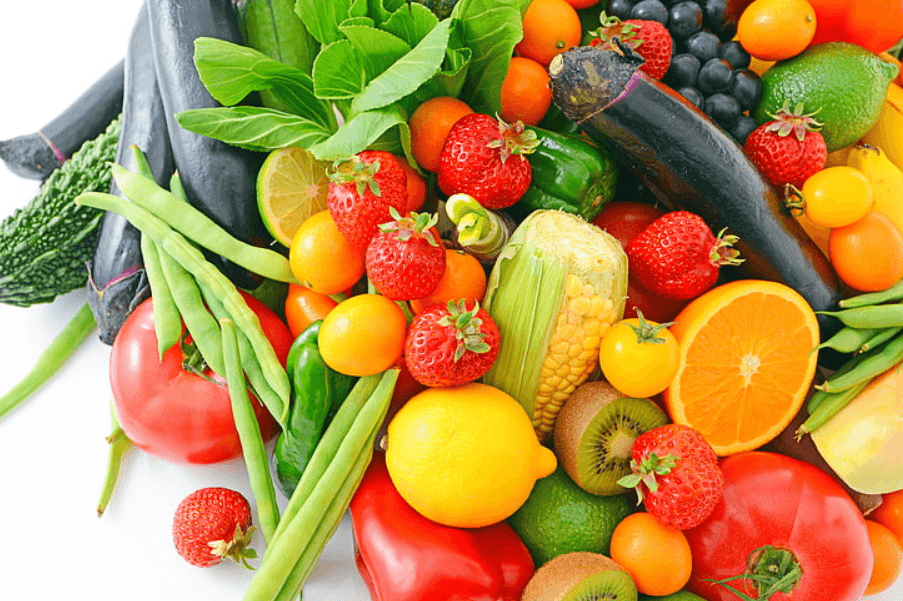
You don’t have to totally revamp your entire diet in order to get sufficient magnesium. Registered dietitian Anna Taylor suggests shooting for five servings of vegetables and fruits a day, at least three servings of whole grains, and one daily handful of nuts or seeds. Attempt to incorporate a serving of legumes on most days of the week as well.
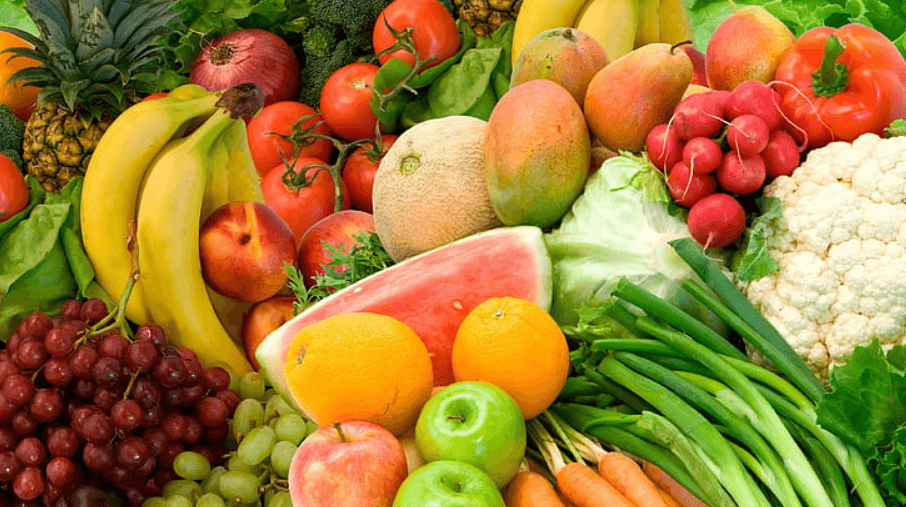
Magnesium is involved in everything from maintaining your heart health to assisting your body to make daily needed energy. And the best part is, it’s easier to get enough of it than you would think. With a couple of simple food choices of eating Magnesium-Rich Foods, you can provide your body with the magnesium necessary to keep you healthy and strong.

Senior Editor, Holistic Wellness & Preventive Health
M.Sc. in Public Health Nutrition, Delhi University
Pooja Mehta joined Gymbag in 2018 with a background in public health and community-based wellness education. With over a decade of experience in nutrition strategy and preventive care, she specializes in practical, culturally-aware health tips that empower people to make long-term changes.