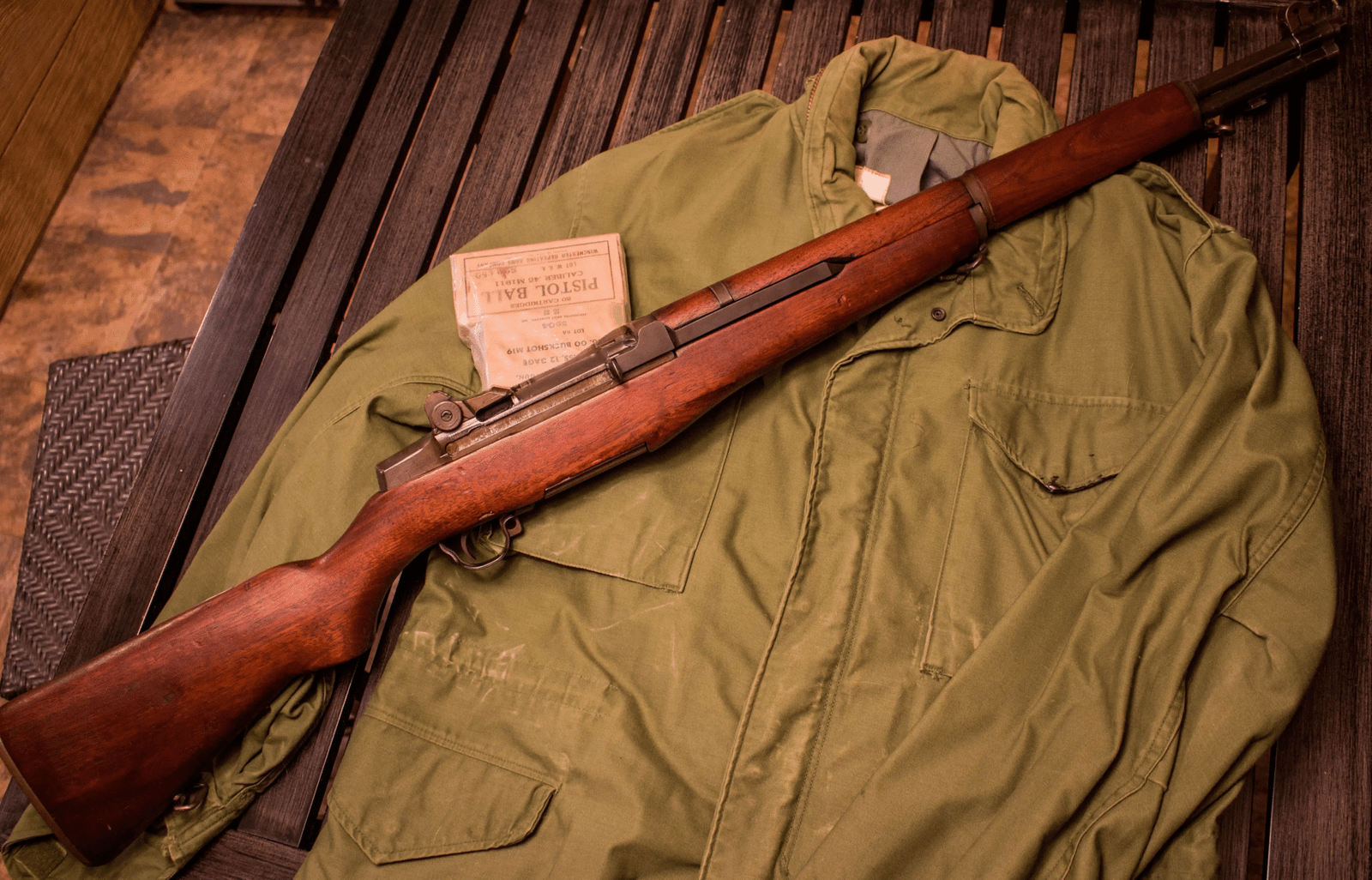

The M1 Garand is not just a rifle—it’s a lesson in how one technology can transform war. When America adopted it in 1936 as its military rifle, it wasn’t an improvement, but a revolution. Its troops now had a rifle that combined reliability, firepower, and speed to bring something new to combat that transformed what was possible. That leap gave American troops a real edge in many of the deciding battles of the 20th century.

It was not an easy task to accomplish. From the period between the two World Wars, designers worked day and night to substitute the sluggish bolt-action rifles with something quicker, more efficient, and less tiring. The goal was straightforward: each soldier must be equipped with a self-loading rifle that can shoot quickly and reliably without frequent interruptions of manually operating a bolt.

The initial prototypes were awkward. Garand’s initial “gas trap” idea was finicky, difficult to keep in good working order, and not designed for the unpredictability of actual combat. However, the Springfield Armory group, led by John Garand, did not abandon the dream. They talked with soldiers, developed their ideas, and eventually produced a gas port system that was rugged, dependable, and trench-worthy. It was because of this resolve that General George S. Patton called the Garand “the greatest battle implement ever devised.”.

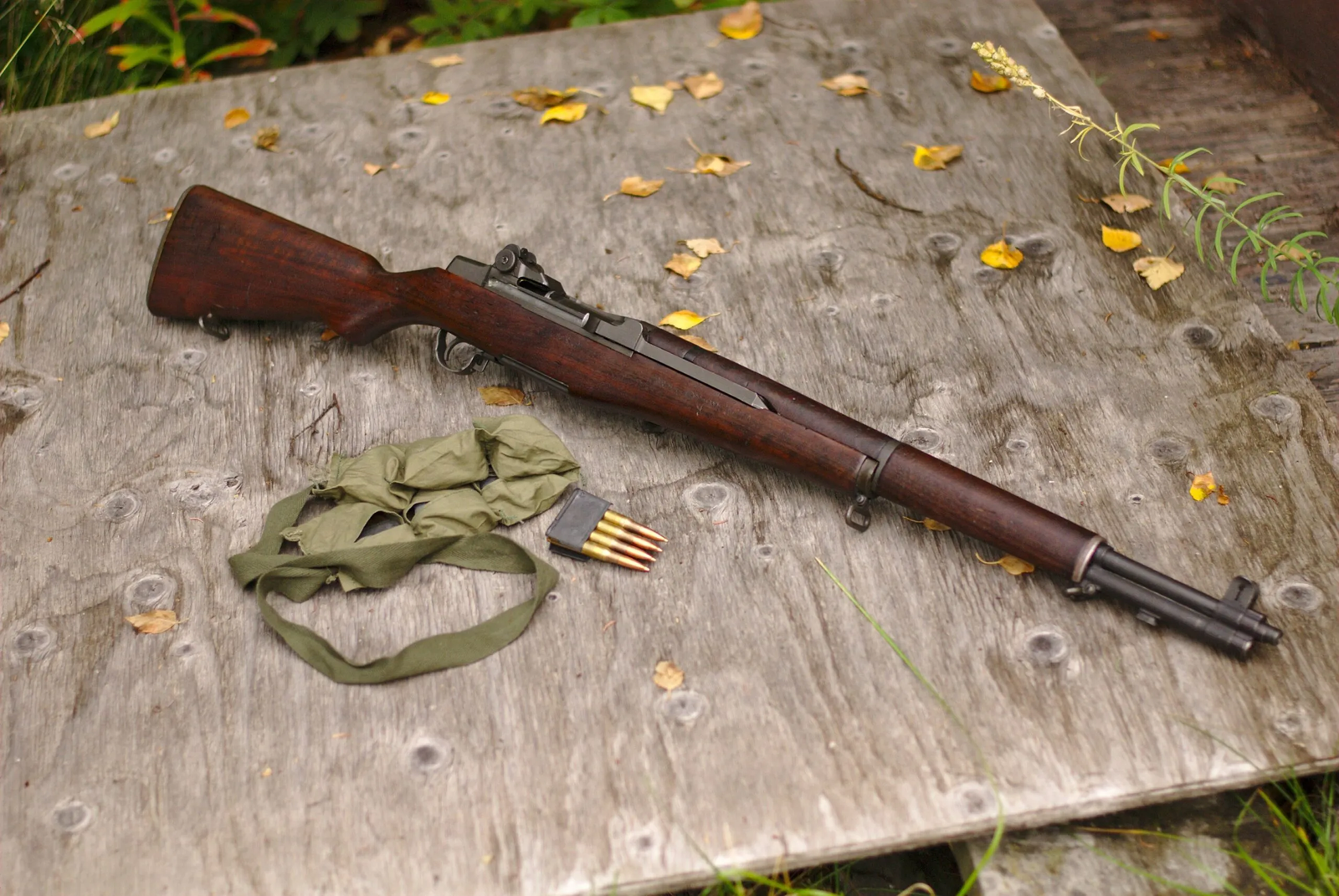
It wasn’t one particular characteristic that made the Garand so wonderful—it was how all the innovations served the others. Its semi-automatic design enabled soldiers to keep shooting without ever taking their target out of view.

Fed by the potent .30-06 Springfield cartridge, it provided range and stopping power. Its eight-round en-bloc clip provided rapid and convenient reloading, while the gas system loaded the next round automatically with each firing.

In battle, that equated to allowing troops to lay down relentless, precise fire that rifles with bolt actions could not. Mechanically robust and adjustable sights made it dependable in poor weather, and the rifle could be disassembled and field-stripped without tools—something precious trudging through mud, rain, or snow.

These attributes translated into apparent battlefield superiority. Throughout Europe and the Pacific, the Garand-armed American forces were able to return fire more rapidly, deposit more suppressive fire, and maintain the wild tempo of modern combat that their enemies were less capable of maintaining.

Marines who began the war with World War I-era M1903 Springfields grew to appreciate the functional looks of the Garand when they saw Army troops equipped with it. They went to extremes to discover one, being well aware of what they could do in close quarters. Being able to shoot round after round without having to relinquish one’s line of sight was revolutionary.

The statistics speak for themselves. From 1937 through 1957, more than 5.4 million M1 Garands came off production lines, led by Springfield Armory. This monumental effort ensured that American soldiers were not only numerated but armed with one of the finest weapons of its day—a quality that set a new standard for guns within the military.

Even during the post-war period, the Garand didn’t fade. Its shape—semi-automatic, reliable, and straightforward—infused itself into the next hundreds of rifles. The “ping” noise with which the clip ejected became a part of popular culture, recalled by vets, used in the soundtracks of movies, and on contemporary firing ranges today. The rifle is coveted by collectors and shooters alike today and forms ceremonial honor guards and vintage shooting competitions.

The history of the M1 Garand is one of determination, vision, and creativity. It is a testament to how innovations are never sudden but always need failures and relentless fine-tuning. More than a rifle, the Garand altered the way wars were fought and reshaped the soldier’s image of his own worth. More than a rifle, it was more—it was a product of creativity, determination, and the power of the human mind to alter the history of mankind.