
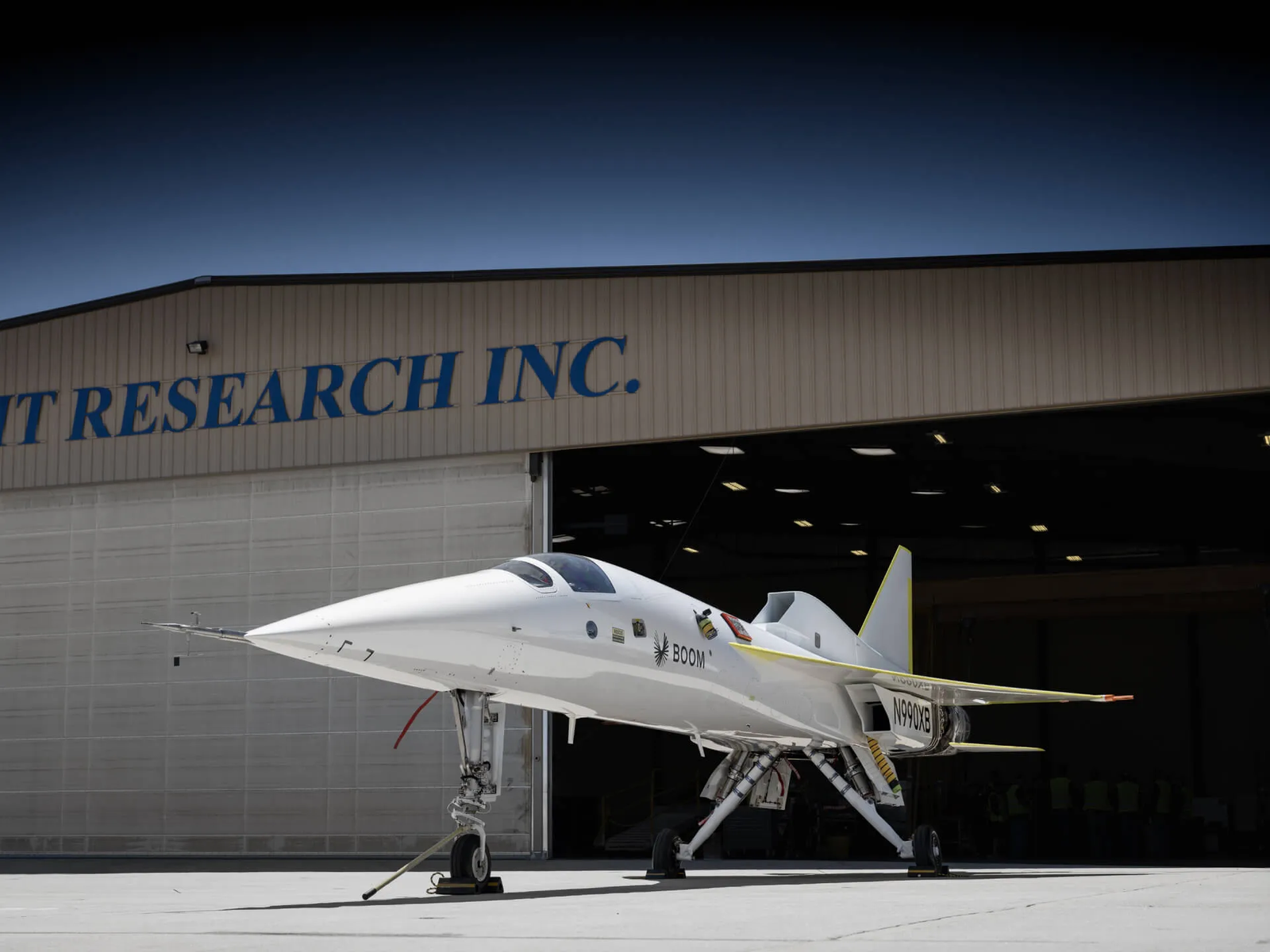

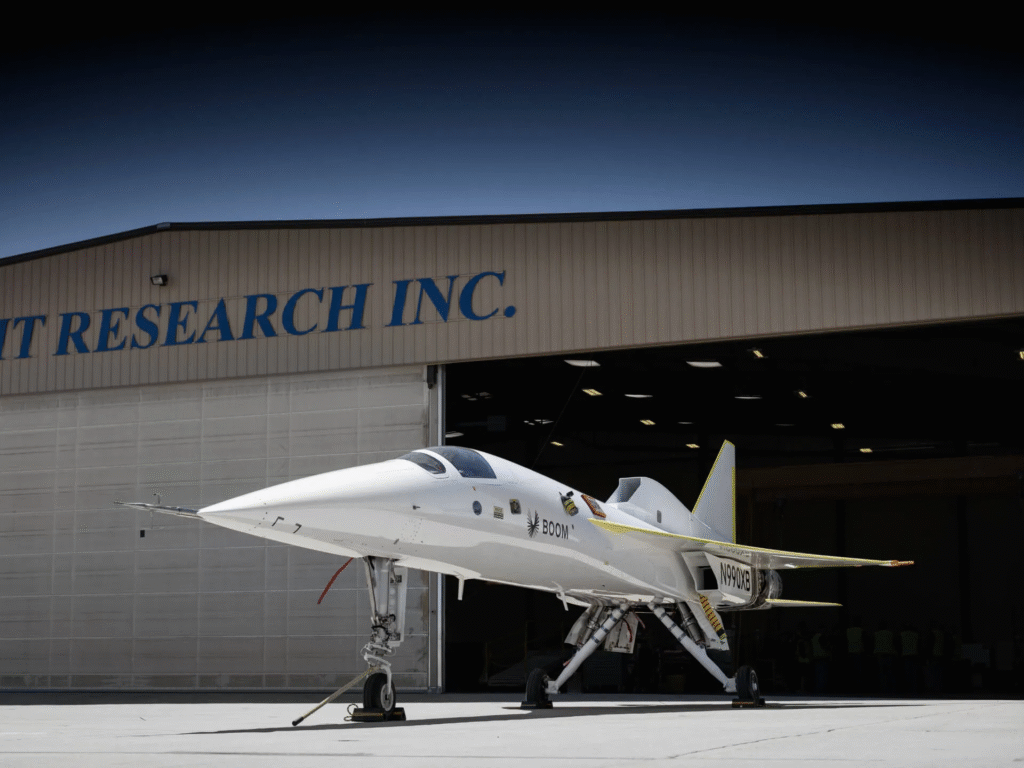
It’s been over two decades since the Concorde took its last flight, but the vision of supersonic commercial travel is flying back into the headlines—this time with the leadership of a risk-taking American startup. The Boom Supersonic XB-1 demonstrator not only has crossed the sound barrier; it has demonstrated that private innovation can drive aviation to speeds long considered the purview of governments. From design drawings to a supersonic flight that had the world looking on, the XB-1 is a landmark in modern aerospace, uniting smart engineering, regulatory commitment, and visionary vision.

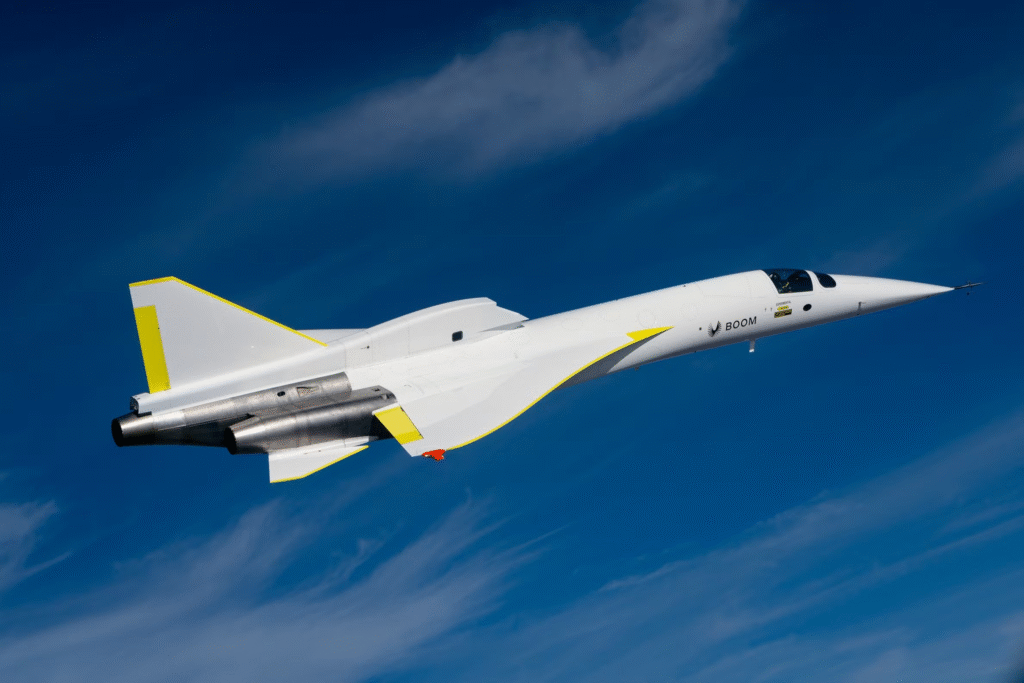
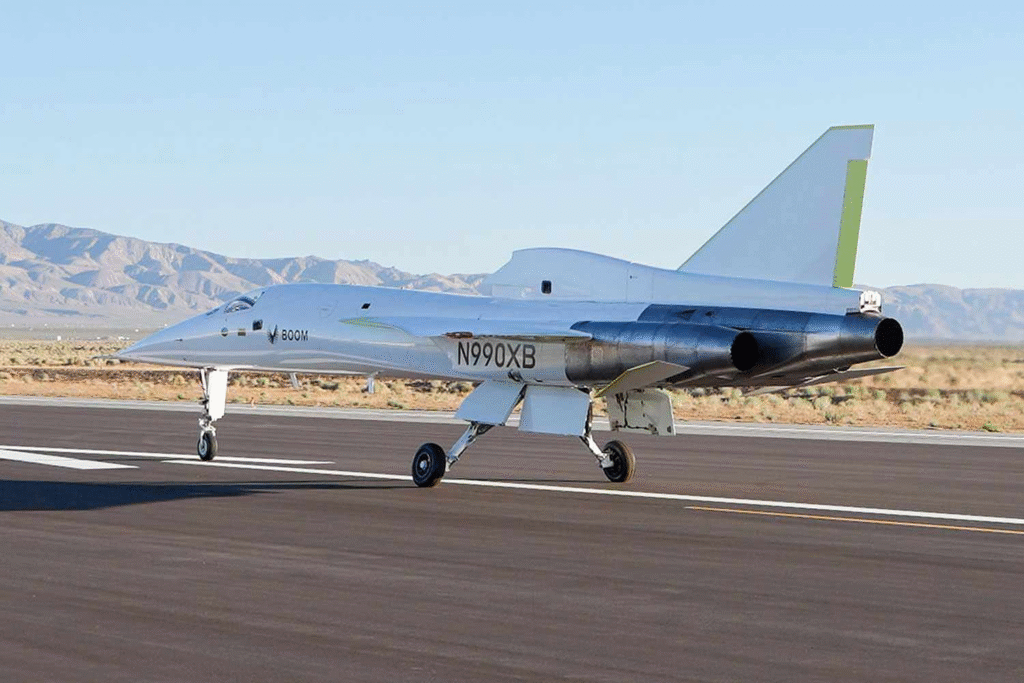
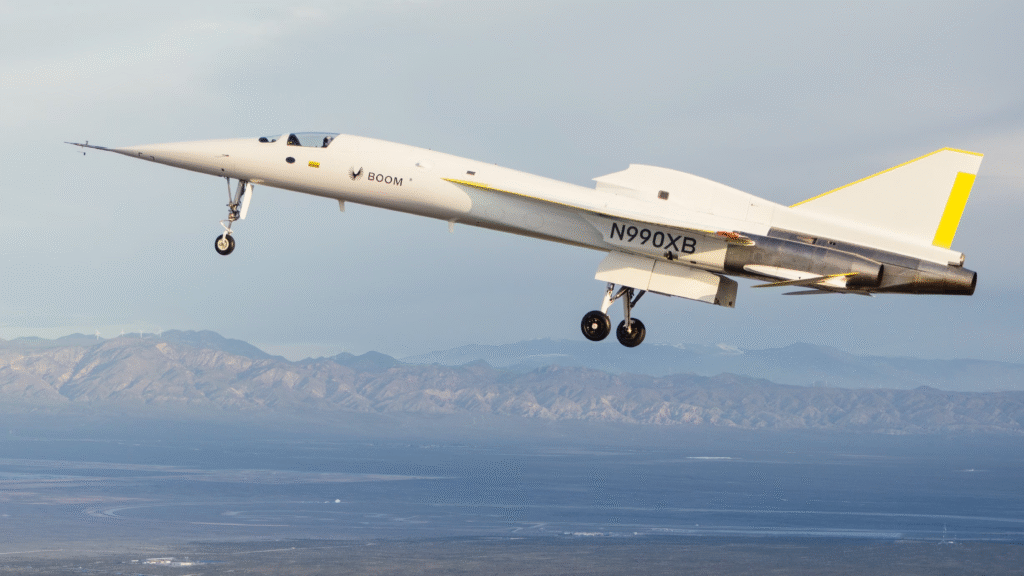
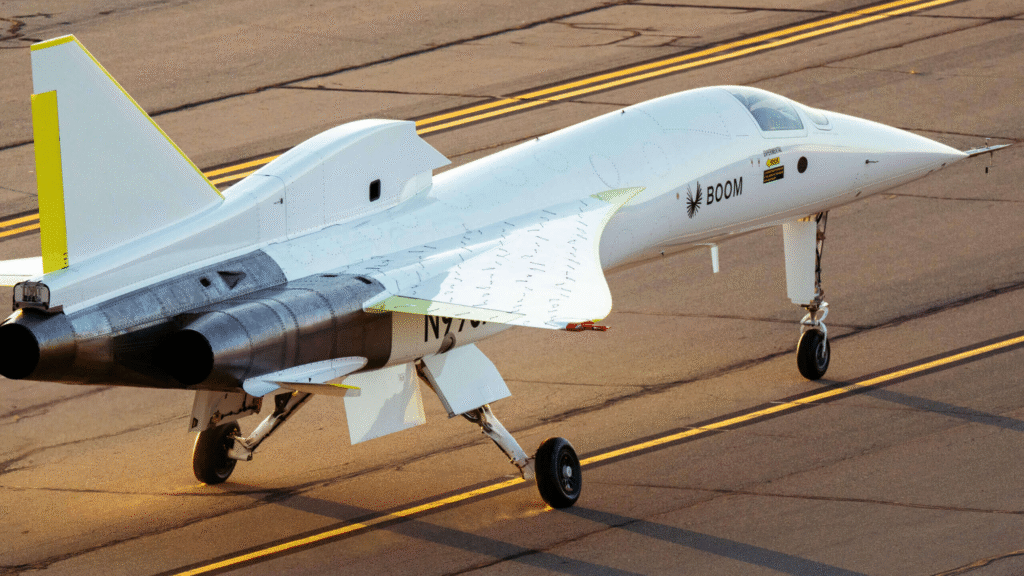
Nicknamed the “Baby Boom,” the XB-1 is a one-third-scale technology demonstrator for Boom’s planned Overture airliner. Its 62.6-foot fuselage, built with light carbon fiber composite materials, holds advanced avionics and aerodynamics developed using computer modeling. Three General Electric J85-15 turbojets produce more than 12,000 pounds of thrust, enough to power the aircraft into the supersonic region. It is the first time a civilian supersonic plane has been designed solely by a private enterprise, and it is a new trend towards entrepreneurial success instead of government projects.
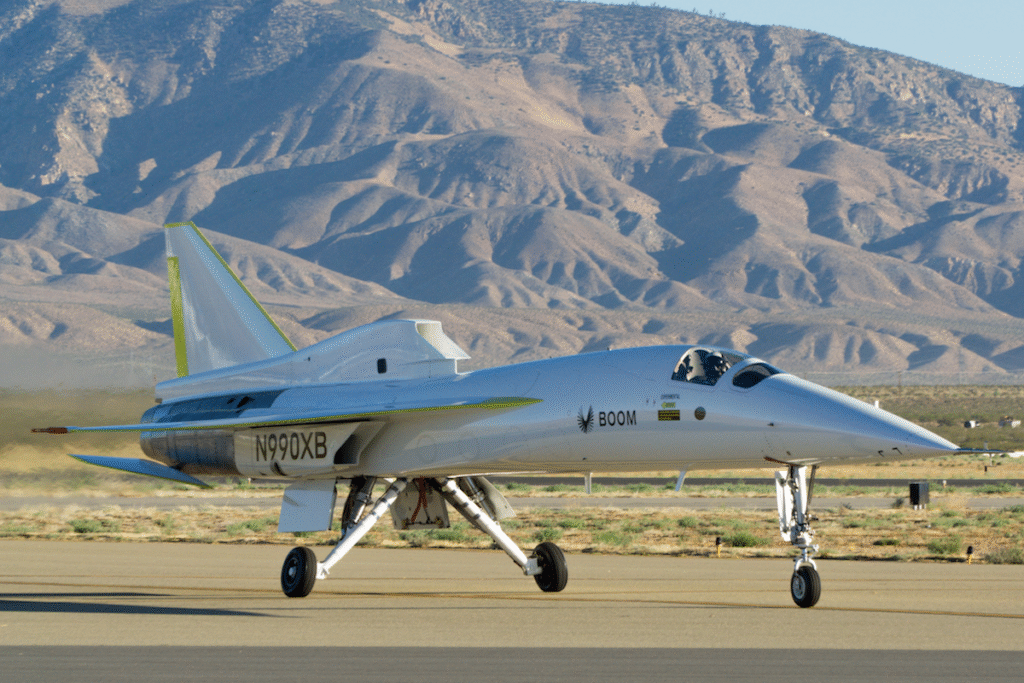
Flight testing began at Mojave Air & Space Port, a location steeped in aviation history and the same skies in which Chuck Yeager first broke the sound barrier in 1947. Early flights tested fundamental flight handling, stability, and airspeed checks at various altitudes. With every flight, the XB-1 was tested further—first at Mach 0.82 at 23,000 feet for pressure and flutter testing, and rising speeds as the build-up continued toward its first real supersonic flight.
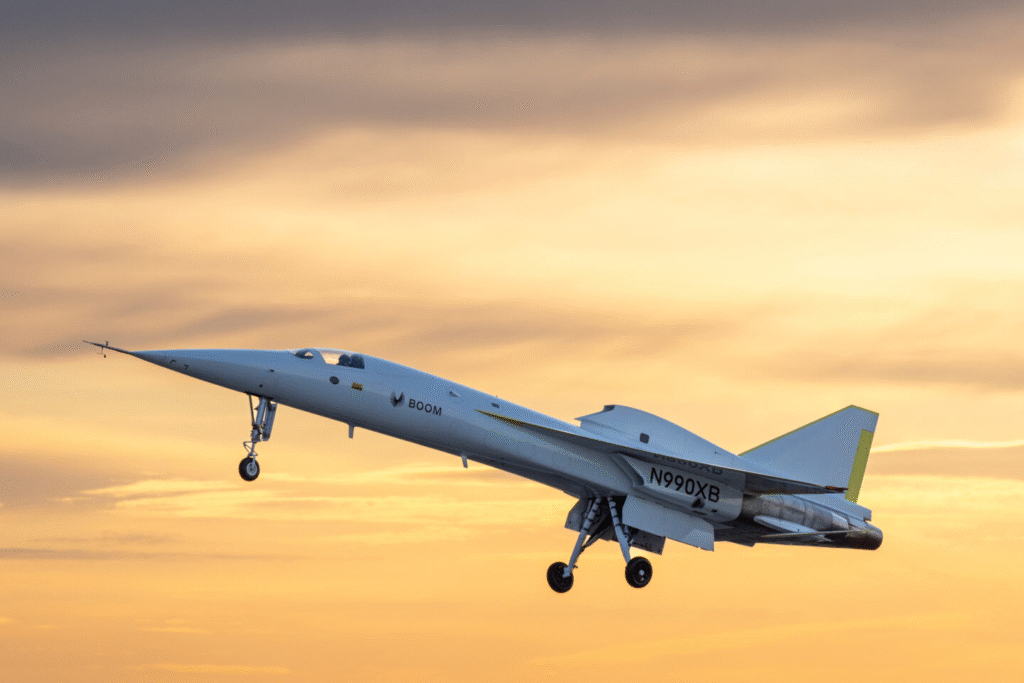
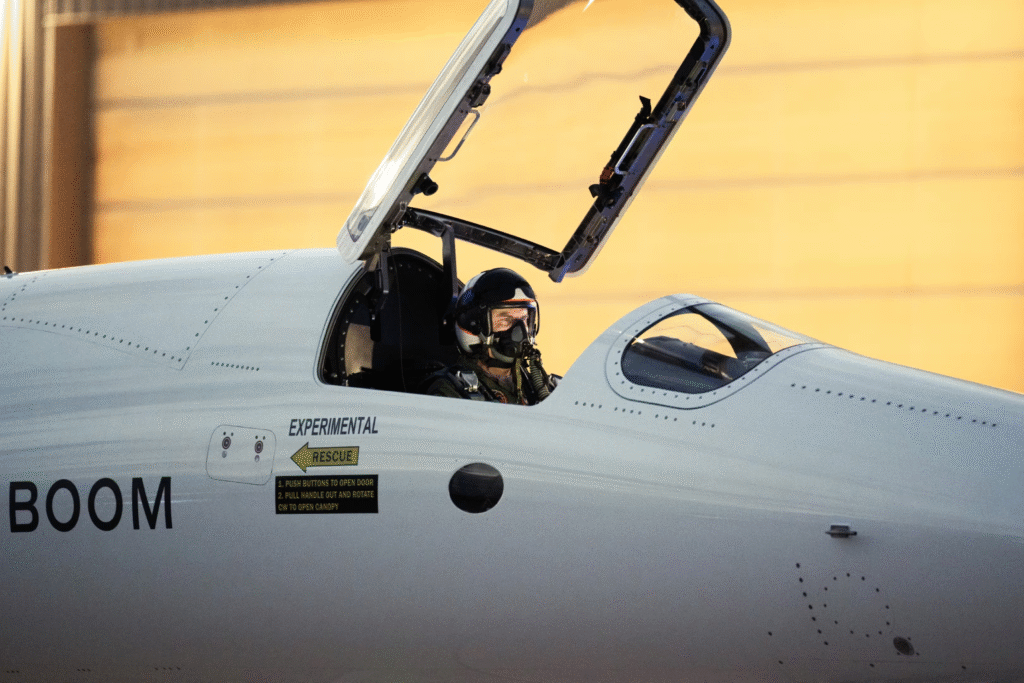
That milestone came when lead flight test pilot Tristan “Geppetto” Brandenburg piloted the XB-1 past Mach 1.1 at more than 35,000 feet. Support chase planes—a Mirage F1 and T-38 Talon—trailed the flight and monitored systems. Aviation industry professionals hailed the accomplishment as a breakthrough, with retired Concorde skipper Mike Bannister deeming it “a major step toward making sustainable supersonic flight a reality.”

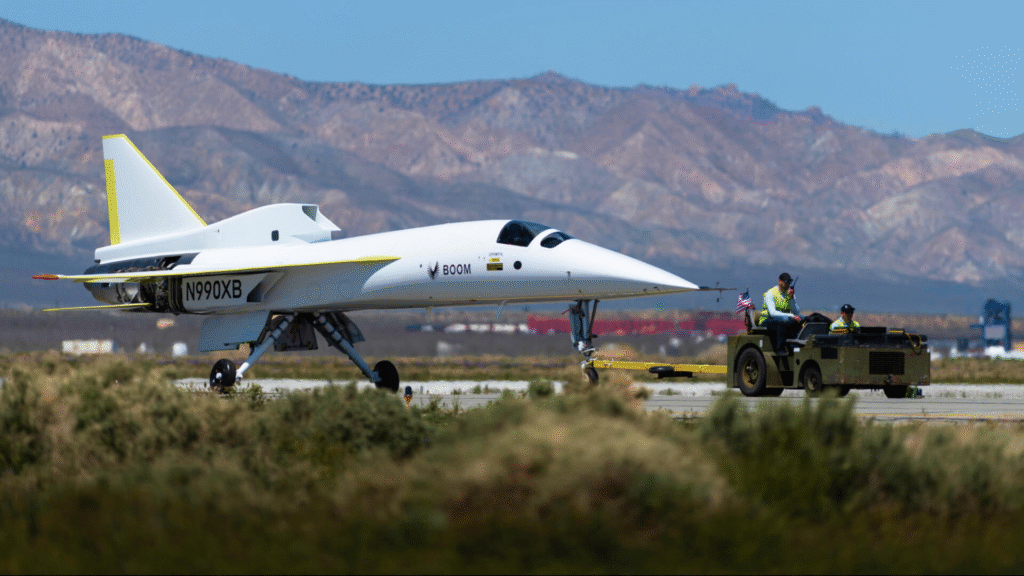
The most sensational part of the flight, perhaps, was what people on the ground did not hear. Because of the XB-1’s sleek aerodynamics and the Mach cutoff effect, microphones along the flight line recorded no sonic boom. This feat threatens to upset decades of FAA policy, which since 1973 has prohibited supersonic flight over land due to noise. The XB-1’s silent flight gives a glimpse into a future when high-speed travel won’t include jarring shockwaves.

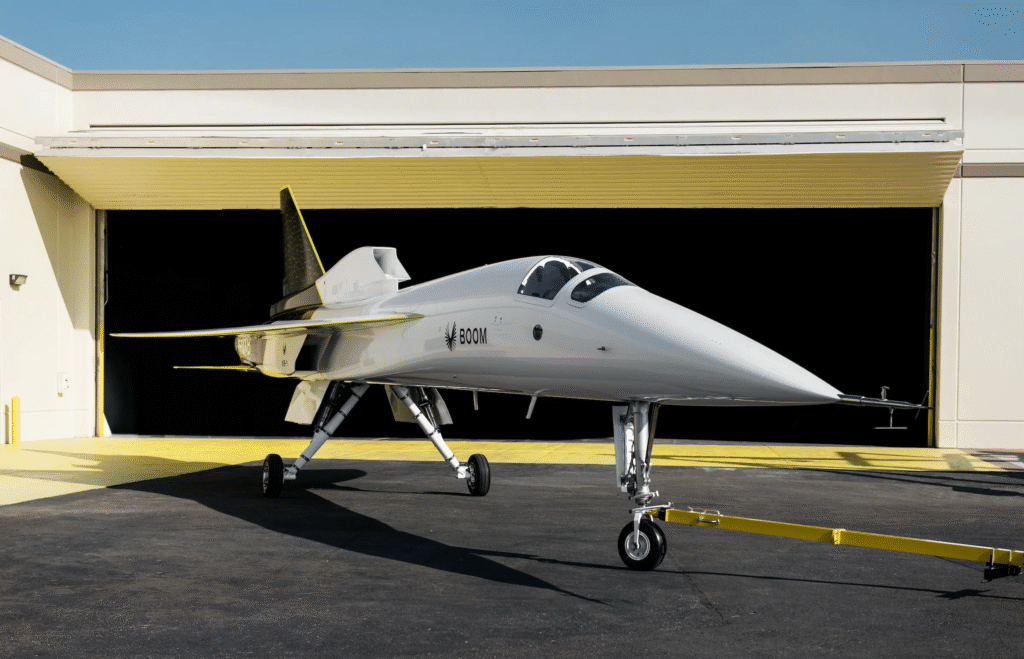
But the XB-1 is more than a demonstrator—it’s a testbed for the Overture airliner, designed to carry 64 to 80 passengers at Mach 1.7. The Overture will rely entirely on sustainable aviation fuel, addressing one of Concorde’s major drawbacks: high fuel consumption and excessive emissions.
Boom’s new Greensboro, N.C., Superfactory can build up to 66 aircraft a year. Already, 130 Overtures have been preordered or reserved by big carriers including United Airlines, American Airlines, and Japan Airlines.
Regulatory hurdles still exist. FAA rules still ban civilian supersonic flight over land, though Congress has pushed the agency to revisit its policy and create new certification standards. The stealthy flight of the XB-1 could lead the way for commercial supersonic flight to one day become business as usual.
Outside of commercial airlift, Boom is also exploring defense applications with Northrop Grumman. Overture variants could be used for rapid-response transport, medevac, and surveillance missions. The U.S. Air Force has already booked $60 million with Boom to accelerate development, showing considerable interest in supersonic capability for strategic mission operations.
The impact does not end at flight. Faster international travel can trigger economic growth, enhance cultural exchange, and accelerate scientific and commercial partnerships. Achievements like the XB-1 inspire dreams, showing what can be done when determination meets daring engineering.
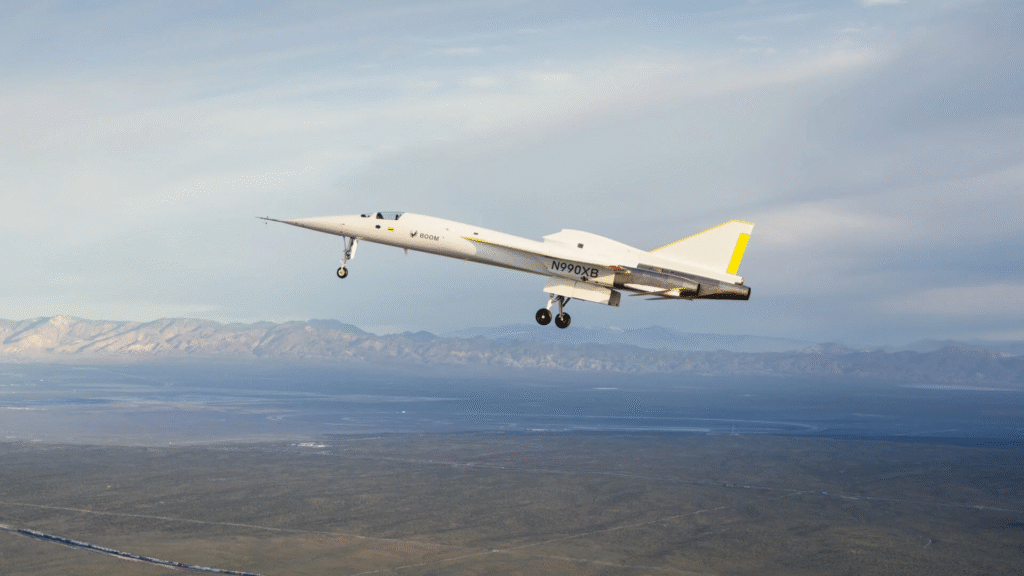
From its earliest stages on a drafting table to its moment when it pierced the sound barrier, the XB-1 shows us that supersonic flight is no longer a dream of the past. With each test successfully flown, high-speed transportation of passengers brings us closer and closer to making this an everyday reality.