
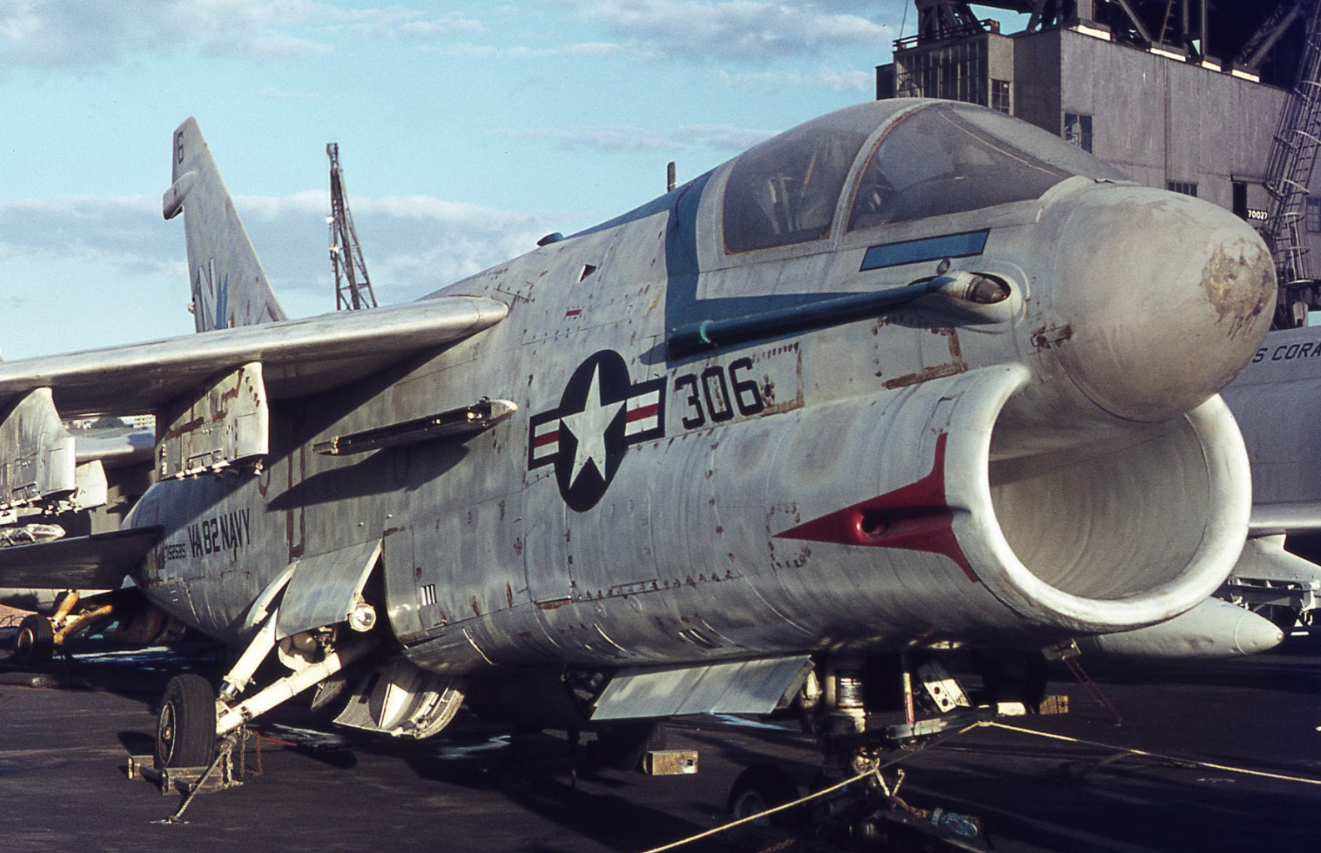

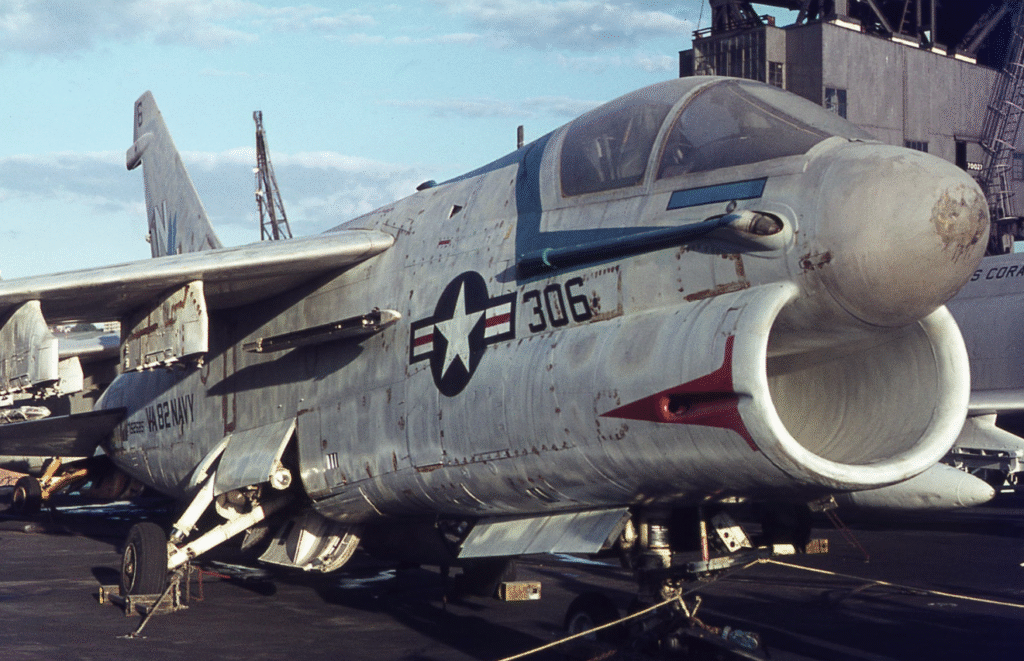
No military aircraft had ever been quite so unassuming and so successful as the Vought A-7 Corsair II in the annals of military aviation. It wasn’t glamorous. It wasn’t fast. And it sure wasn’t the kind of airplane likely to be glorified in the headlines. But the “Short Little Ugly Fella,” as the crews who adored it called it, went on to become one of America’s most dependable strike planes. How did a short, subsonic jet develop such popularity during an age when speed and streamlined shape dominated the day?

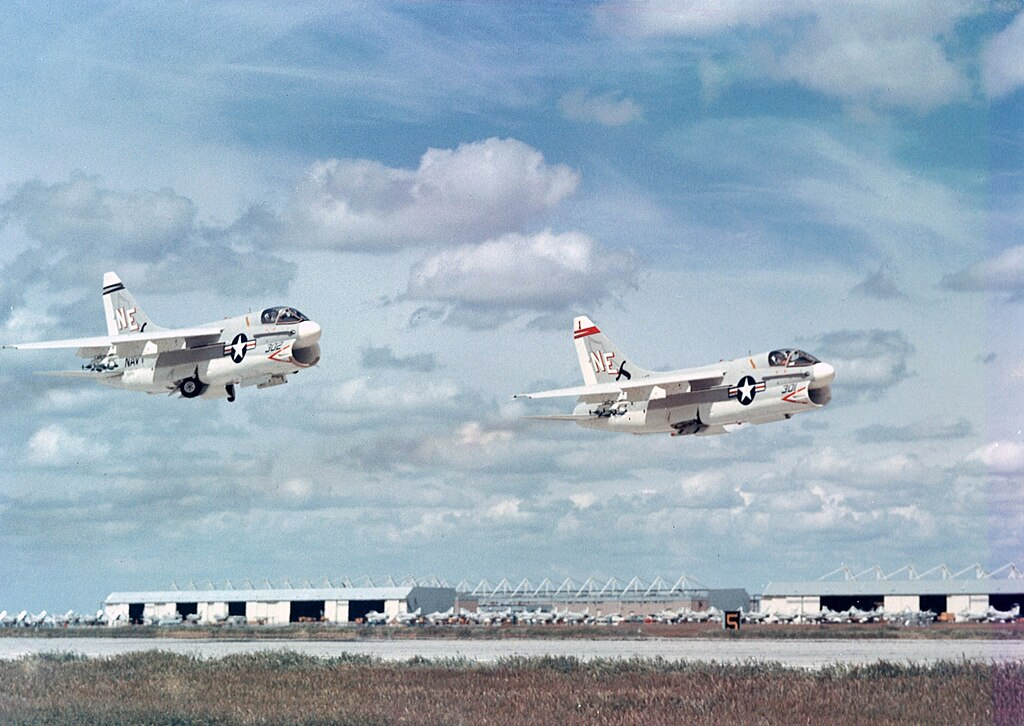
The A-7 heritage takes us back to the early 1960s, when the technological Cold War was in overdrive. While there was a push to produce faster, more advanced fighters, the war in Vietnam demanded otherwise. The Navy needed an attack plane that would be able to carry heavy loads, travel long distances, absorb enemy fire, and be inexpensive enough to field in great numbers. It was a call for function, not flash.

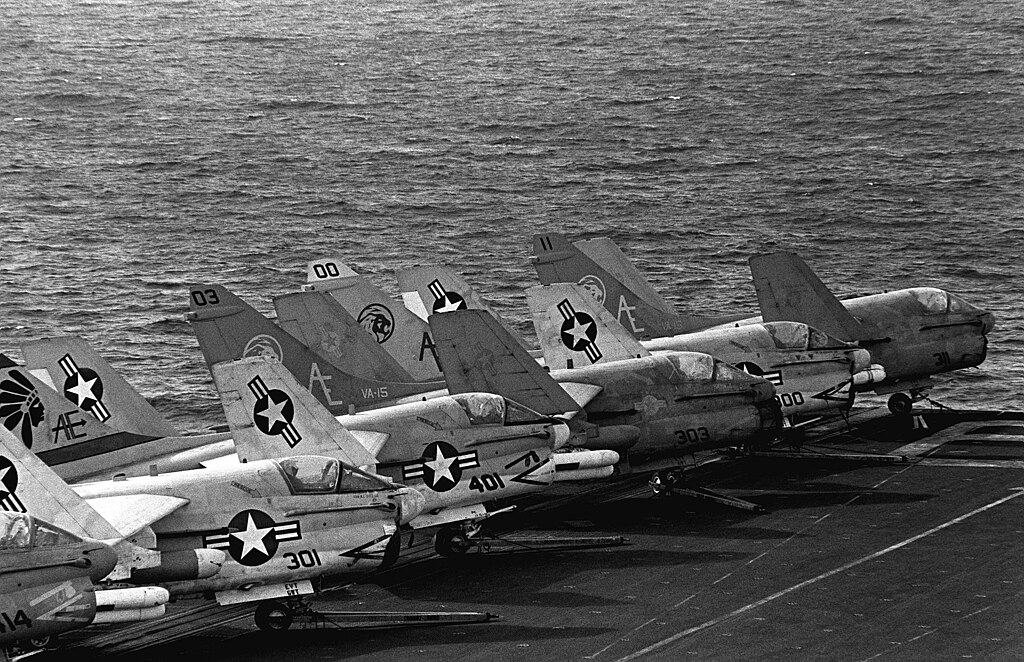
That call was answered in 1963 by a surprise Request for Proposals. Instead of demanding a supersonic marvel with cutting-edge technology, the Navy asked for a subsonic attack aircraft with tried-and-true design heritage, twice the A-4 Skyhawk’s payload and range, and a whole lot less complexity. It was an unimaginably minimalist approach, acknowledging that survivability and firepower were better than flashy specs in real combat.

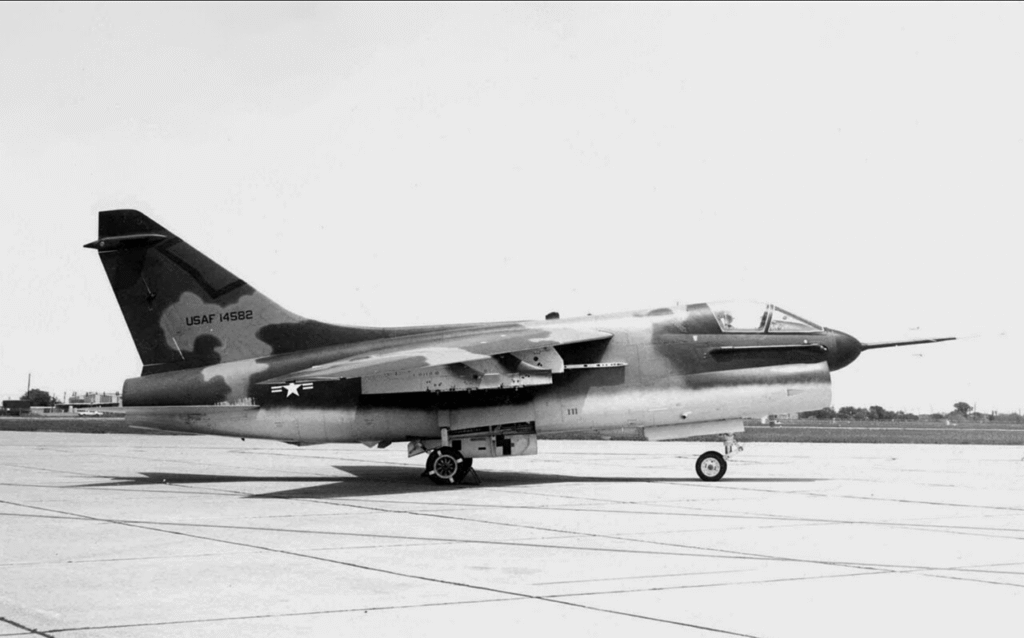
Vought rose to the challenge by transforming its F-8 Crusader success into something else. The designers reduced the design ten feet, removed the variable-incidence wing, and equipped it with a fuel-saving, non-afterburning turbofan. It gave birth to the A-7 Corsair II—a more rugged, simpler, and cheaper jet. Tested for the first time in September 1965, it was in the air in record time.

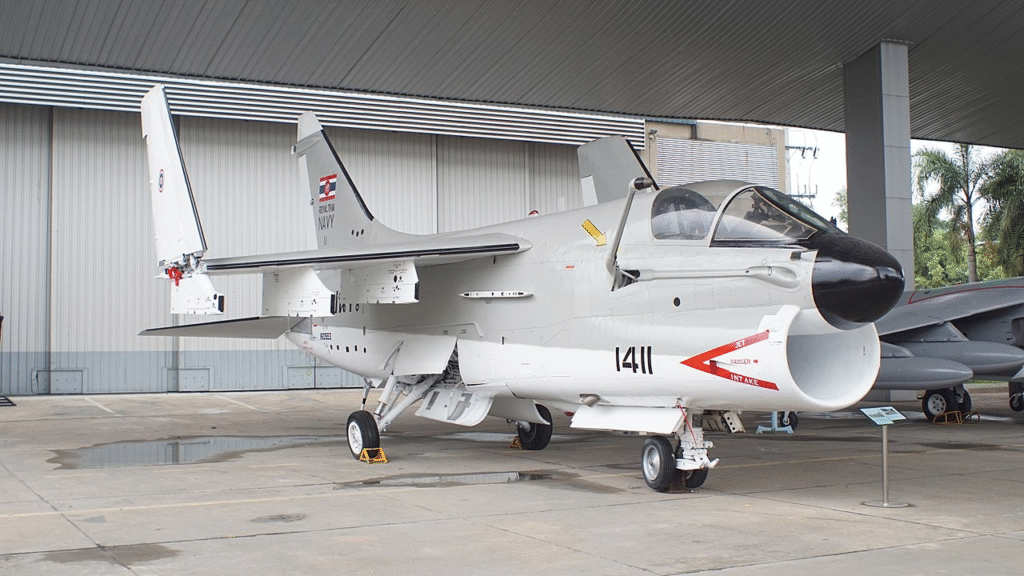
The entire philosophy behind the A-7 was form following function. It was not built to chase MiGs in supersonic battles. It was built for low-level strike operations where range, dependability, and payload were paramount. With more than 1,200 miles of unreulled range and the ability to carry up to 15,000 pounds of ordnance, it left the A-4 in the dust.

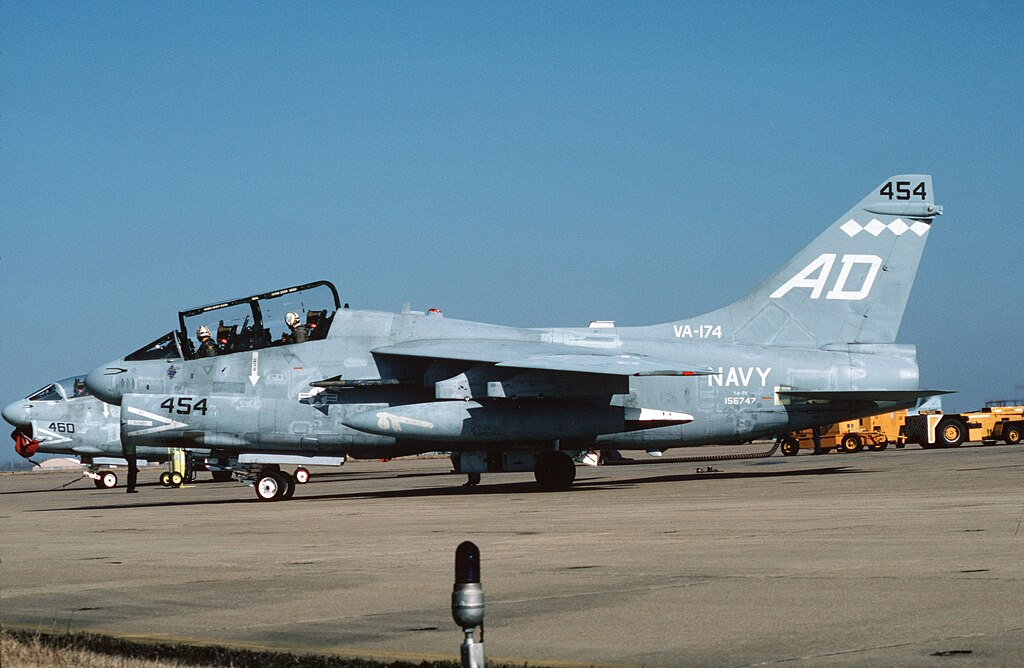
The Corsair II was more than just a workhorse for delivering ordnance. It was an avionics innovator. It was the first American combat fighter to boast a heads-up display, projecting significant information directly into the pilot’s line of sight. Coupled with advanced navigation and weapons systems, it could deliver pinpoint strikes unimaginable at the time. The A-7 could release conventional ordnance as well as early guided munitions like the TV-guided AGM-62 Walleye, with accuracy unmatched.

One of its characteristics was durability. It boasted an armored cockpit, duplicated control systems, and sturdy construction, and it was built to withstand a beating and still return pilots home. Aircrews grew to trust the A-7 as a non-fail machine.

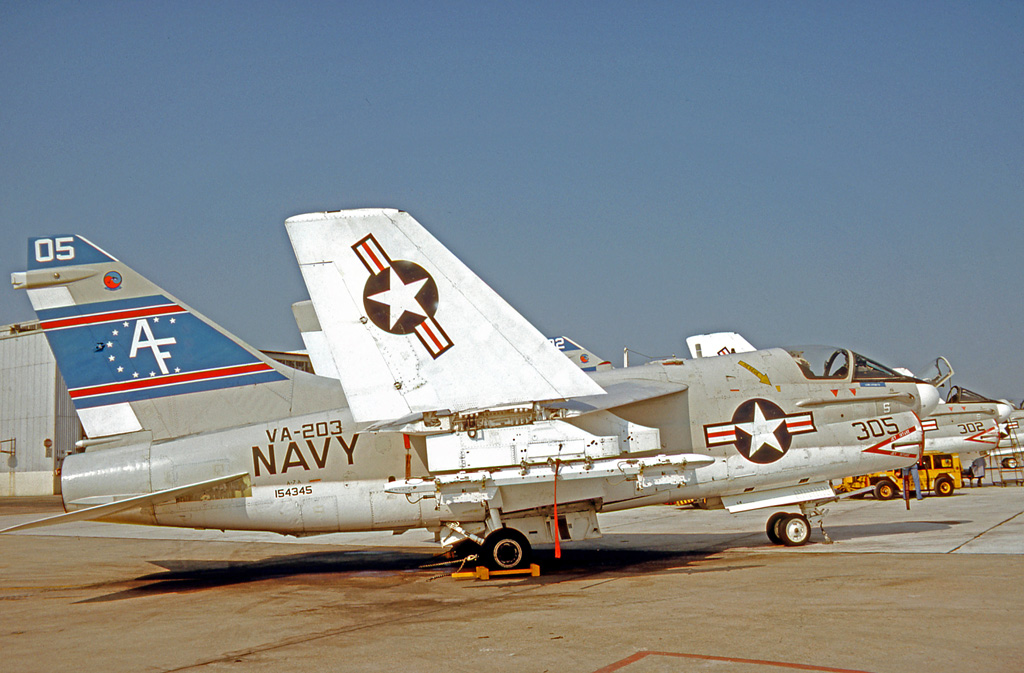
That faith was tried in Vietnam, where the Corsair II established its reputation. Navy and Marine squadrons flew over 97,000 missions with only 54 lost. The Air Force’s A-7D, which had a higher-powered engine and superior electronics, added nearly 13,000 sorties with only six lost—the best survival rate among any American attack aircraft during the war. Day or night, good weather or bad, the A-7 was a reliable and accurate strike airplane.

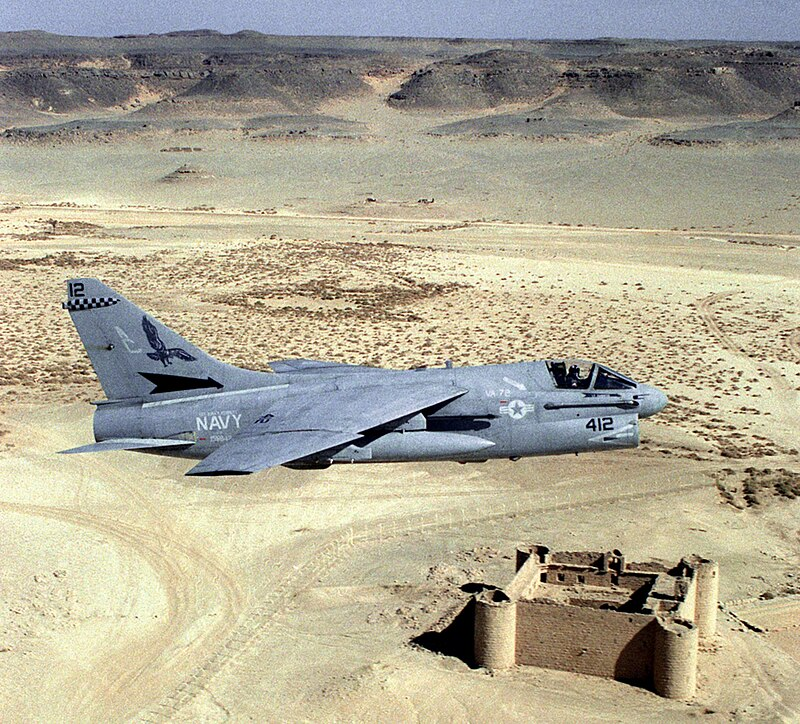
The history of the plane did not end in Southeast Asia. It was subsequently utilized in operations in Lebanon, Grenada, Libya, Panama, and the Gulf War. A-7Ds of the Air Force were upgraded with M61 Vulcan guns and more advanced missiles like the AGM-65 Maverick, keeping the jet current up to the mid-1980s.

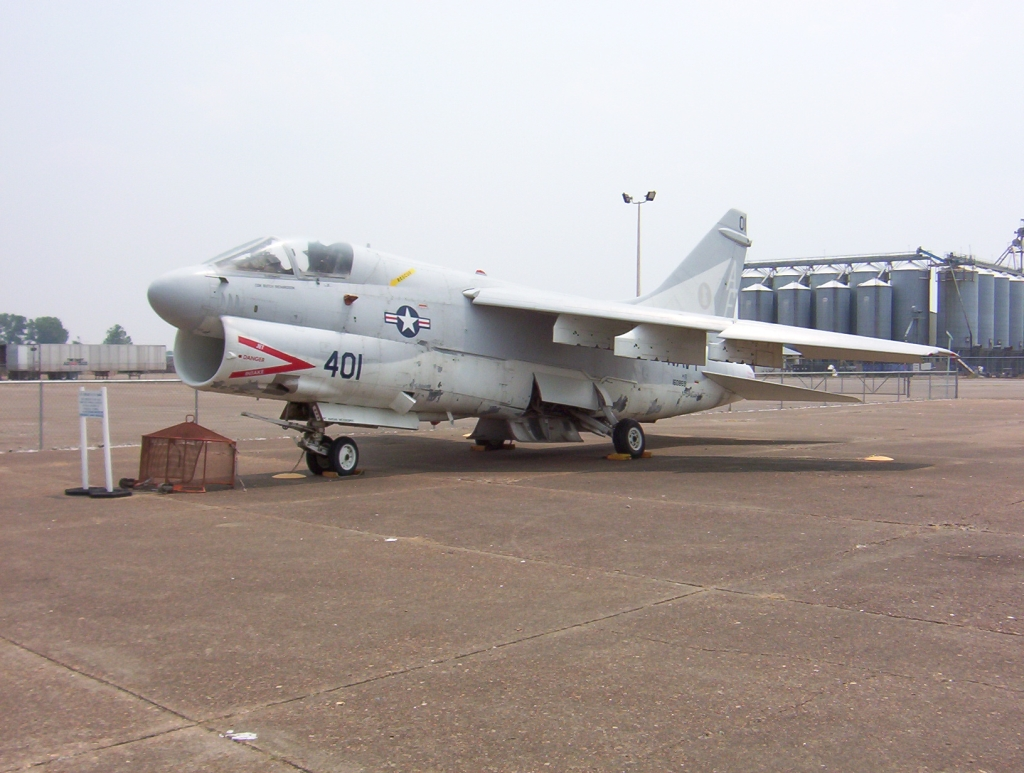
Vought took a still further step into development with the YA-7F prototype, which combined a high-performance F-16 engine with cutting-edge avionics to grant the Corsair supersonic flight. While promising, the concept ultimately fell by the wayside as the military started shifting focus towards multi-role jets like the F-16, following the changes in priorities after the Cold War.

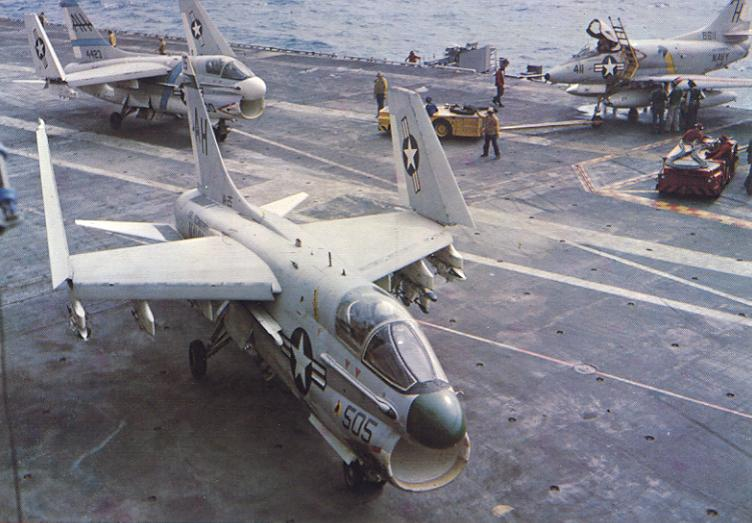
By the early 1990s, the A-7 had been replaced by more modern jets like the F-16 and A-10. Yet its legacy continues. The Corsair II proved that combat ability wasn’t always a matter of speed or flash. It was an aircraft built to do the job—conventional, rugged, and deadly when needed.

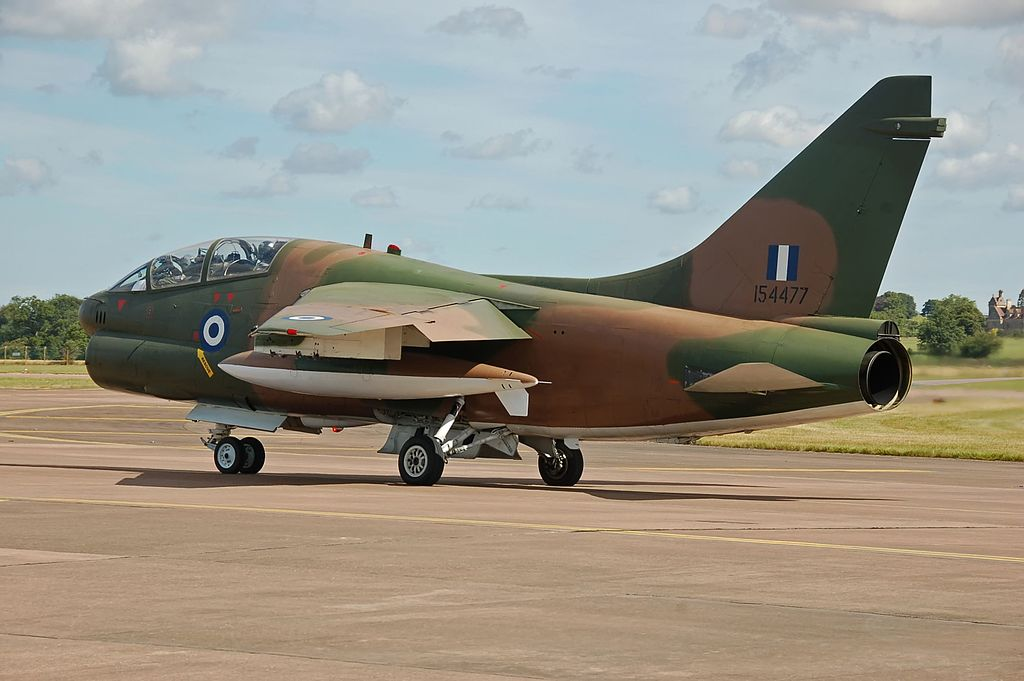
In a world too readily awed by high-tech gimcracks, the A-7 reminded us that sometimes the best weapon is one that simply gets the job done, every time.