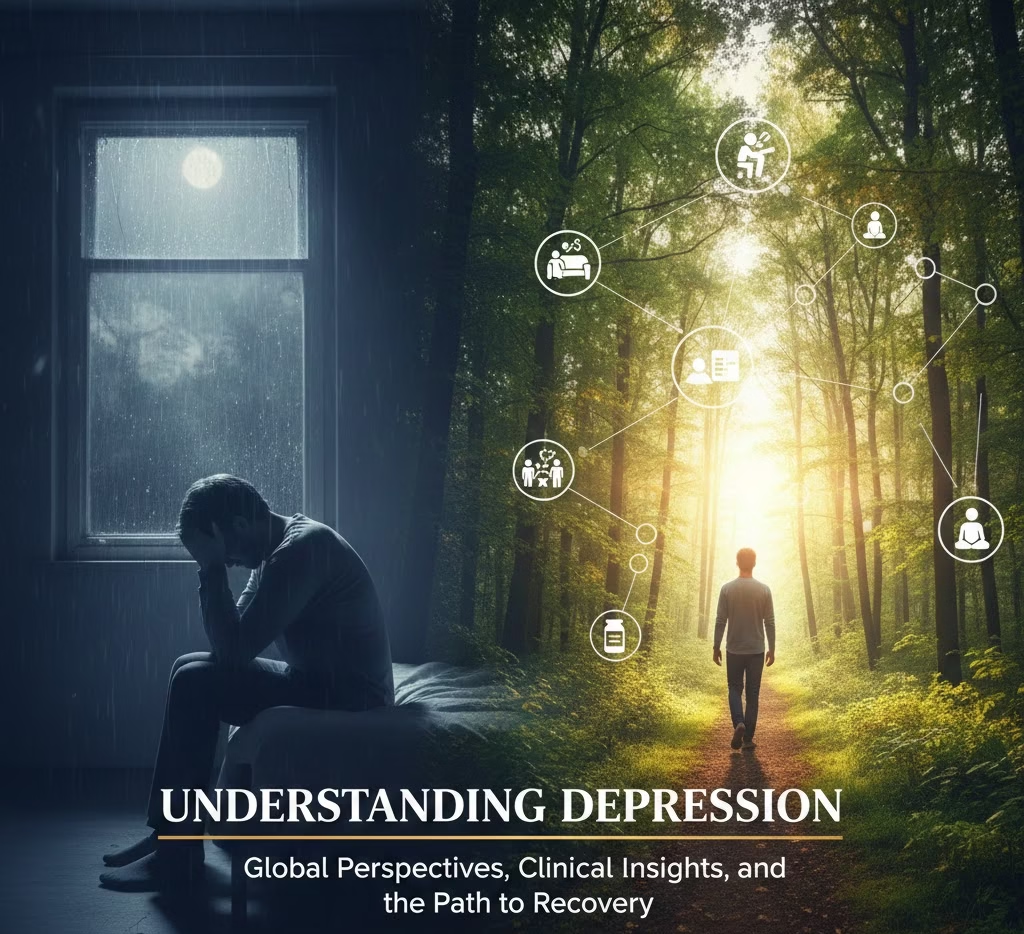
Depression a Global Perspectives, Clinical Insights and the Path to Recovery
Depression is more than just a feeling of extreme sadness or a temporary emotional reaction during life’s negative setbacks. It is a complex medical condition that basically alters how a person thinks, feels, and functions during negative life situations. According to the World Health Organization (WHO), depression is a leading health issue worldwide today, by affecting an estimated 280 million people worldwide. Despite its widespread nature, it remains one of the most neglected health conditions in the world.
By combining the clinical diagnostic expertise of the with the global public health data of the WHO, we can form an understanding of what depression is, why it happens, and how it can be managed effectively.
1. Defining Depression: The Difference Between Sadness and Disorder
Depression is usually linked with a sad psychological issues caused by internal as well as external factors. The clinical definition of depression (Major Depressive Disorder) is as a mood disorder with symptoms such as a extreme feeling of sadness and a loss of interest in activities that were once enjoyable.
The Two-Week Rule
While everyone experiences the negative vibes after a breakup or a stressful work week, clinical depression is marked by its duration and severity. For a formal diagnosis, symptoms must stay for at least two consecutive weeks and represent a significant change from a person’s previous level of daily routine functioning.
A Global Crisis
The WHO emphasizes that depression is a global phenomenon, not limited to any single culture or socioeconomic class. It affects approximately 5% of adults worldwide. However, it disproportionately impacts women, who are about 1.5 times more vulnerable to it than men, and individuals living in poverty or high-stress environments.
2. Recognizing the Signs: Symptoms of extreme Sadness
Depression is a critical illness. It affects not just on our mind, but also to our physical, mental and social health.
Emotional and Mental Symptoms:
Persistent Low Mood: A feeling of emptiness, hopelessness, or numbness that doesn’t lift with positive events.
Anhedonia: The technical term for the loss of interest in hobbies, social interactions, or physical intimacy.
Mental disability: Difficulty in concentrating, making simple decisions, or remembering details. The WHO notes that the lack of mental clarity is a major contributor to lost productivity at work and school.
Feelings of Worthlessness: Excessive guilty feeling, often over small mistakes or past negative life events.
Physical and Behavioural Symptoms:
Sleep Disturbances: This can range from insomnia (sleeplessness or staying awake) to hypersomnia (sleeping too much).
Energy Loss: A sense of extreme fatigue where even small tasks, like taking bath or dressing require more efforts than usual.
Appetite and Weight Changes: Some individuals lose their appetite entirely, while others turn to food for comfort, leading to major weight fluctuations which can be a health issue further.
Psychomotor Agitation or Retardation: Moving or speaking slowly that is noticeable to others, or conversely, being unable to sit still.
3. The Biological and Environmental Causes
There is no single cause of depression. Instead, the expert doctors and the WHO describe it as a result of a complex interaction between social, psychological, and biological factors.
Biological Factors
The brain’s chemistry plays a central role. Imbalances in neurotransmitters, specifically serotonin, dopamine, and norepinephrine affect the brain’s ability to regulate mood. Furthermore, genetics play an important role in individuals with a first-degree relative (parent or sibling) with depression are three times more likely to develop the condition themselves.
Life Events and Trauma
Adverse life events are powerful triggers. The loss of a loved one, a traumatic childhood, unemployment, or chronic stress can damage an individual’s mental mechanisms. The WHO highlights that people who have lived through conflict, abuse, or severe loss are more vulnerable.
The Link to Physical Health
Depression and physical health are interconnected. People with chronic medical conditions like diabetes, heart disease, or chronic pain are more likely to experience depression. In a vicious cycle, the physiological stress of depression can also worsen the physical health.
4. Types of Depressive Disorders
Not all depression looks the same. Depending on the context and timing, healthcare providers may diagnose specific subtypes:
Major Depressive Disorder (MDD): The classic form characterized by distinct episodes of intense symptoms.
Persistent Depressive Disorder (Dysthymia): A chronic form of depression that lasts for at least two years. The symptoms may be less severe than MDD but are more enduring.
Perinatal/Postpartum Depression: Depression that occurs during pregnancy or after childbirth. The WHO estimates that more than 10% of pregnant women and new mothers experience this.
Seasonal Affective Disorder (SAD): A type of depression that follows a seasonal pattern, typically beginning in the fall and resolving in the spring as sunlight increases.
5. Treatment and the Global Gap in treatment
The most tragic part of depression is that although it is treatable, but millions of people avoid taking treatments due to lack of understanding. The WHO reports that in low- and middle-income countries, more than 75% of people with mental disorders receive no treatment at all.
Proven Treatment Avenues:
1. Psychotherapy: Talk therapies like Cognitive Behavioural Therapy (CBT) and Interpersonal Psychotherapy (IPT) are highly effective. They help patients identify negative thought patterns and improve social support networks.
2. Pharmacotherapy: Antidepressants, such as SSRIs, can help to correct the harmonal imbalances. The expert doctors notes that these often take 4 to 8 weeks to show full effectiveness.
3. Lifestyle Modifications: Regular physical activity, best sleep routines, and a balanced diet are powerful ways to treat depression effectively.
4. Community-Based Care: The WHO advocates for adopting mental health services into primary care, allowing non-specialists to provide psychological support in areas where psychiatrists are scarce.
6. The Ultimate Risk: Suicide Prevention
Untreated depression can be a leading cause of suicide. The WHO reports that over 700,000 people die by suicide every year, making it a critical public health priority. It is the fourth leading cause of death among 15–29-year-olds globally.
Recognizing the warning signs of depression and anxiety, talking about a life burden, giving away possessions, or expressing hopelessness, are the main reasons. Depression is a medical emergency when it involves thoughts of self-harm.
7. Conclusion: Breaking the Stigma
Depression is not a choice, a character flaw, or a sign of weakness. It is a biological and psychological reality that requires professional care. Through the combined advice of the expert doctors and the WHO’s guidelines, we can see a clear path forward by increased awareness, better access to health care, and reducing the feelings that prevents people from seeking help during depression.
If you or someone you know is struggling with anxiety or depression, then always remember that recovery is possible with the right treatment. Reach out to your nearest doctor to avoid the further health threat.
depression, Depression symptoms and treatment, Major depressive disorder, WHO mental health statistics, Cleveland Clinic depression guide, types of depression, postpartum depression, depression causes.