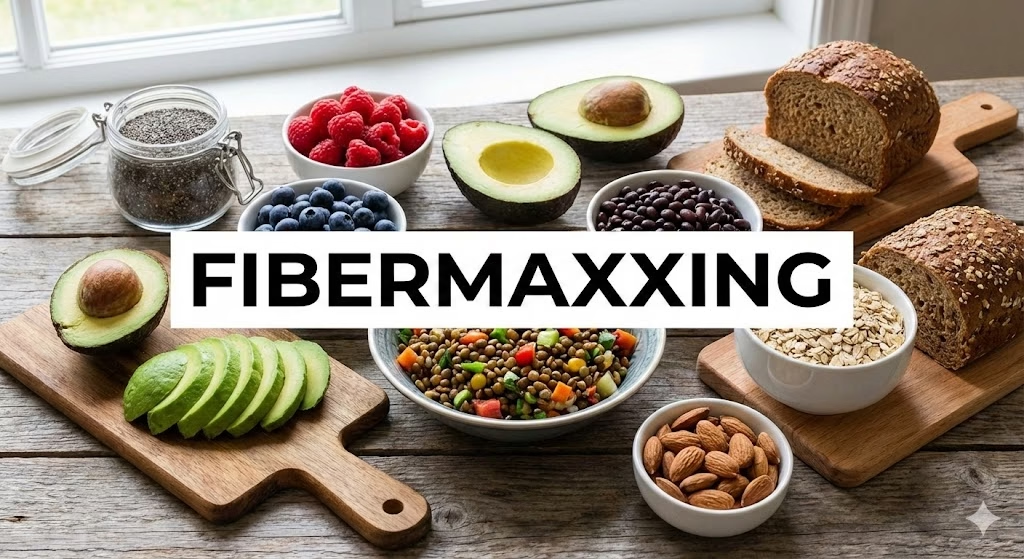
We are observing many health related trends on social media now a days, And you may have also seen the plates filled high with colourful fresh vegetables, legumes, and seeds with the hashtag Fibermaxxing. As, it is one of the trending diet now a days in 2026.
Overtaking the protein obsession trend of previous years, fibermaxxing is the latest nutrition trend of 2026 popular on social media. But unlike detox lowers, this movement has caught the attention of gastroenterologists and dietitians alike.
Here is a complete breakdown of what fibermaxxing is, the science behind why it works, and how to implement it without wrecking your digestion.
What Exactly is Fibermaxxing?
Fibermaxxing is the practice of purposefully maximizing your daily dietary fiber intake to meet the recommended guidelines, and usually aiming for 25 to 35+ grams per day.
Currently, an estimated 90% of women and 97% of men fail to hit their daily fiber intake targets, often averaging just 10 to 15 grams a day. The fibermaxxing movement encourages a strategic shift toward plant-based, whole foods to close this gap. Instead of restricting calories or tracking macros, the goal is additive, by focusing on what you can add to your plate to feed your gut microbiome.
The Science-Backed Benefits of Fibermaxxing
Why has fiber become the ultimate superfood today? The benefits go far beyond basic digestion.
- Gut Microbiome Growth
Your gut is a home to trillions of bacteria, and dietary fiber which is their primary food source. When your gut bacteria ferment fiber, they produce short-chain fatty acids (SCFAs). These SCFAs help to reduce inflammation, strengthen the gut barrier, and support immune function.
- Natural Blood Sugar Controlling
Soluble fiber (found in oats, apples, and beans) dissolves in water to form a gel like substance in your digestive tract. This slows down the absorption of carbohydrates, preventing the sharp blood sugar spikes and crashes that lead to mid-afternoon fatigue and cravings.
- Satiety and Weight Management
High-fiber foods are incredibly filling to hunger. By expanding in the stomach and slowing digestion, fiber helps you to feel full for much longer. Many wellness promoters have compared fibermaxxing as the natural GLP-1, because of its powerful ability to better regulate appetite and stops overeating.
- Cardiovascular and Long-Term Health
A sustained, high-fiber diet acts like a sponge in your digestive system, binding to cholesterol particles and pulling them out of the body. Studies consistently link high fiber intake to a lowered risk of heart disease, type 2 diabetes, and certain types of cancer, particularly colorectal cancer.
The Dark Side: Can You Have Too Much Fiber?
While the benefits are huge, the maxxing is a part of the trend, which also comes with a severe warning label from health professionals. Ramping up your fiber intake from 10 grams to 40 grams overnight is a recipe for disaster.
If you increase fiber too aggressively, you may also experience a risk associated with it:
- Severe Bloating and Gas: Your gut bacteria need time to adjust to the increased workload.
- Constipation or Diarrhea: Without adequate water, a sudden influx of fiber can essentially create a traffic jam in your intestines.
- Nutrient Malabsorption: Excess fiber intake (especially from artificial supplements) can bind to essential minerals like iron, zinc, and calcium, preventing your body from absorbing them.
Medical Disclaimer: Individuals with gastrointestinal conditions such as Irritable Bowel Syndrome (IBS), Crohn’s disease, or a history of bowel blockages should consult a physician before significantly altering their fiber intake.
How to Start Fibermaxxing Safely
If you are ready to upgrade your gut health, strategy is everything. Follow these rules to build a sustainable fibermaxxing habit:
- The Start Slow Rule
Do not try to hit 35 grams on day one. Aim to add just 3 to 5 extra grams of fiber every couple of days. Give your digestive system a week to acclimate before adding more.
- Hydrate, Hydrate, Hydrate
Fiber acts like a sponge. If you consume a lot of fiber without enough water, it will dry out in your digestive tract and cause severe constipation. As your fiber intake goes up, your water intake must increase alongside it.
- Diversify Your Sources
Relying on a single fiber supplement powder is a missed opportunity. Your gut needs diversity of food and nutrition for better digestion. Aim for a mix of both soluble fiber (oats, berries, citrus fruits) and insoluble fiber (whole wheat, nuts, seeds, cauliflower).
- Focus on Whole Foods First
While high-fiber protein bars and processed snacks are convenient, whole foods deliver fiber packaged with essential vitamins, minerals, and antioxidants.
Top High-Fiber Foods to Add to Your Grocery List:
- Legumes: Lentils, chickpeas (chole), kidney beans (rajma), and black beans. (A single cup of cooked lentils packs nearly 16 grams of fiber).
- Seeds: Chia seeds, flaxseeds, and pumpkin seeds.
- Fruits: Avocados, raspberries, pears, and apples (keep the skin on!).
- Whole Grains: Quinoa, oats, barley, and millets.
Fibermaxxing is one of the latest health trends that is actually backed by decades of nutritional science. By shifting the focus away from regular food restricted diet, specifically, a diversified food items inclusion, plant-based foods, as this trending diet offers a highly effective habit for achieving better digestion, stable energy, and long-term health.