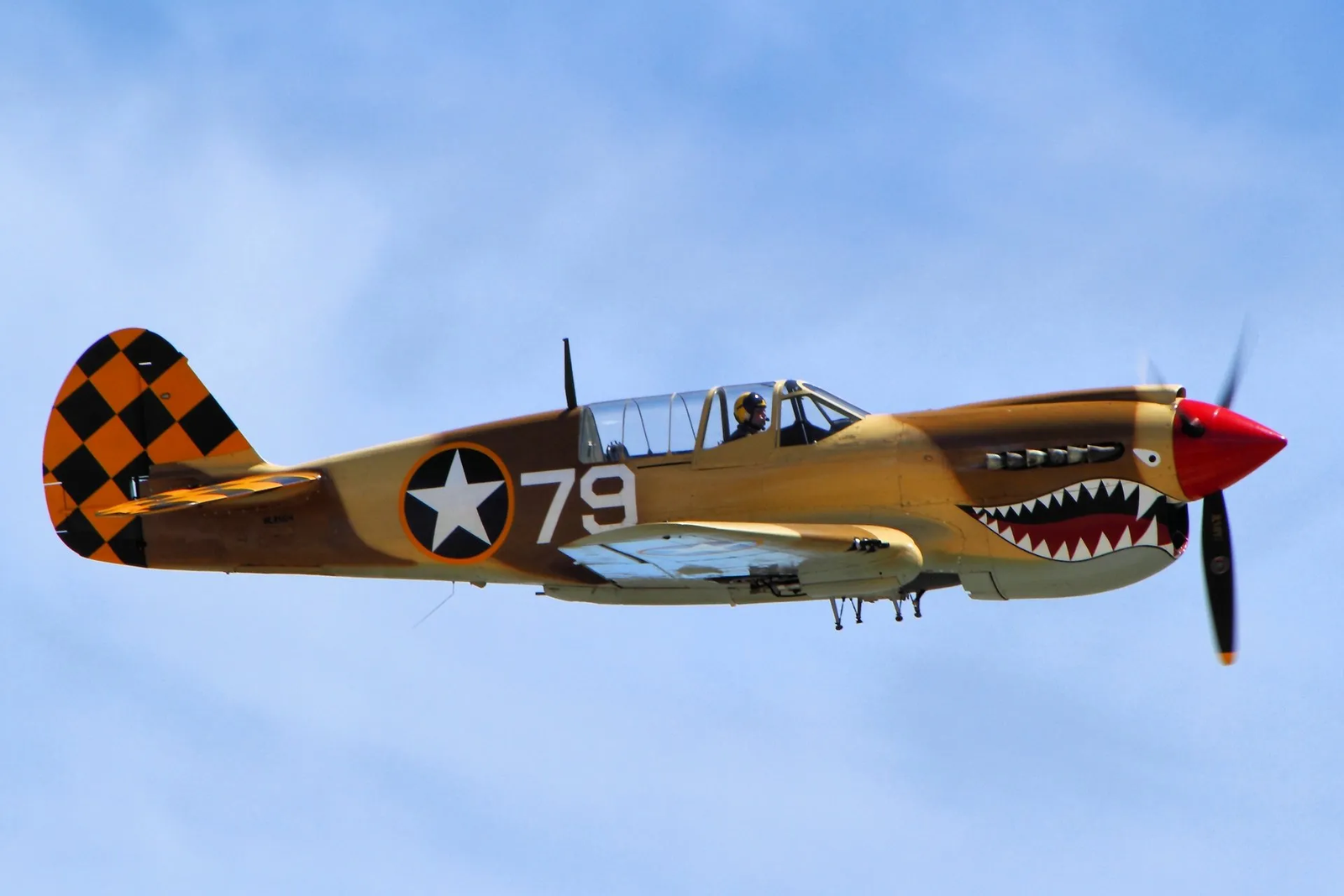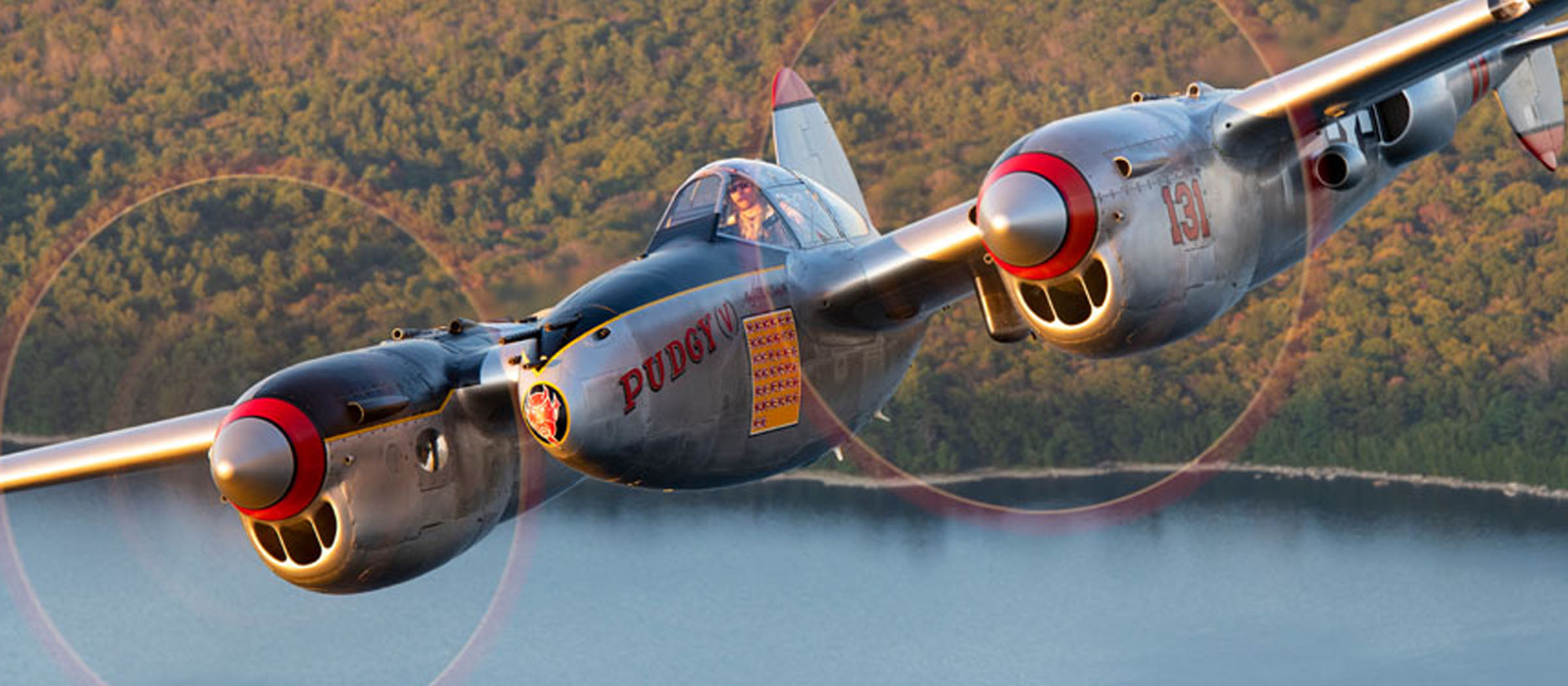

Few World War II aircraft evoke the imagination—or controversy—of the Lockheed P-38 Lightning. Its unique twin-boom appearance and fearsome reputation qualified it as both a technological wonder and a psychological tool in the skies. Axis pilots feared it, nicknaming it something that would ring out in history: der Gabelschwanz Teufel—the “fork-tailed devil.” Legend has it that a German pilot captured in Tunisia first spoke the word, capturing the air of awe and fear the Lightning engendered.

From its initial design phase, the P-38 pushed boundaries. In the late 1930s, Lockheed designers Hall Hibbard and Clarence “Kelly” Johnson wanted to design a fighter capable of outrunning any competitor. Their solution was a dramatic twin-boom configuration, driven by two turbo-supercharged engines, with a cockpit in the middle equipped with four .50 caliber machine guns and a 20mm cannon.

Mounting all the guns in the nose did away with propeller timing for fire, allowing pilots to let loose intense, murderous bursts of fire. Its performance numbers were just as impressive, including a 3,300 feet-per-minute climb rate, a 400 mph top speed—roughly 100 mph quicker than most contemporaries—and a 1,150-mile range. Early P-38s could even carry heavier payloads than some B-17 bombers of the day.

The P-38 was a very versatile plane, with the capability to perform several different tasks. It could fly dogfights, escort bombers, strafe ground targets, sink ships, or do high-altitude photo-reconnaissance. Specialized photo-reconnaissance versions of the plane captured about 90 percent of aerial photography over Europe, making them extremely valuable assets for gathering intelligence. The twin engines also represented a vital safety buffer; if one engine lost power, the other could generally fly the aircraft home in safety, a requirement for long flights over sea or enemy territory.

Its combat performance varied by theater. In the Pacific, the P-38 excelled. Its high speed, great range, and heavy firepower enabled American pilots to overwhelm Japanese planes; more enemy aircraft were destroyed in P-38s than in any other American fighter. The great distances and high altitude battles of the Pacific favored the Lightning.

In Europe, though, the situation was less beneficial. Cold weather, rugged terrain, and dedicated German resistance cut into its efficiency. Although still a good attack and escort aircraft, there were some pilots who favored the P-51 Mustang because of its agility and maintenance ease. Its unmistakable shape might make it easy to be seen by enemies from a distance—sometimes a blessing, sometimes a curse.

Operation Vengeance in April 1943 was one of the most notable P-38 missions. American intelligence knew that Admiral Isoroku Yamamoto, mastermind of the Pearl Harbor raid, would be traveling by air between islands in the Solomons. To intercept him was a 1,000-mile round trip, too far for most fighters to go. The P-38 was specifically designed for the job.

Eighteen Lightnings, commanded by Major John W. Mitchell, made a bold low-level strafing run, arriving on time to destroy Yamamoto’s transport and kill the admiral in flight. There would be debate for decades to come as to who fired the coup de grâce shot—Rex Barber or Tom Lanphier—but the mission itself proved the P-38’s outstanding range, accuracy, and combat worth.

During the war, Lockheed perfected the Lightning, enhancing speed, firepower, and survivability. The XP-49 program was intended to create an even more powerful follow-on, but future leaps in aircraft technology and the advent of the jet age meant the P-38’s time would come to an end. Comparisons to the P-51 Mustang and P-47 Thunderbolt are unavoidable. Where the Mustang emerged as the preferred long-range escort in Europe, the P-38’s specialized abilities, particularly in the Pacific theater, led it to remain in key assignments until war’s conclusion.

The P-38’s legacy endures. The F-35 Lightning II intentionally bears its name, a nod to the original fighter’s marriage of speed, flexibility, and combat performance. The pilots who used the Lightning tended to treat it as more than an automobile.

Test pilot Col. Ben Kelsey famously characterized it as a “comfortable old cluck” that could “fly like hell, fight like a wasp upstairs, and land like a butterfly.” Its singular combination of speed, firepower, and dependability made the P-38 not only make a contribution to the war effort, but leave a record in aviation history that can’t be equaled, as unique as its twin tails.