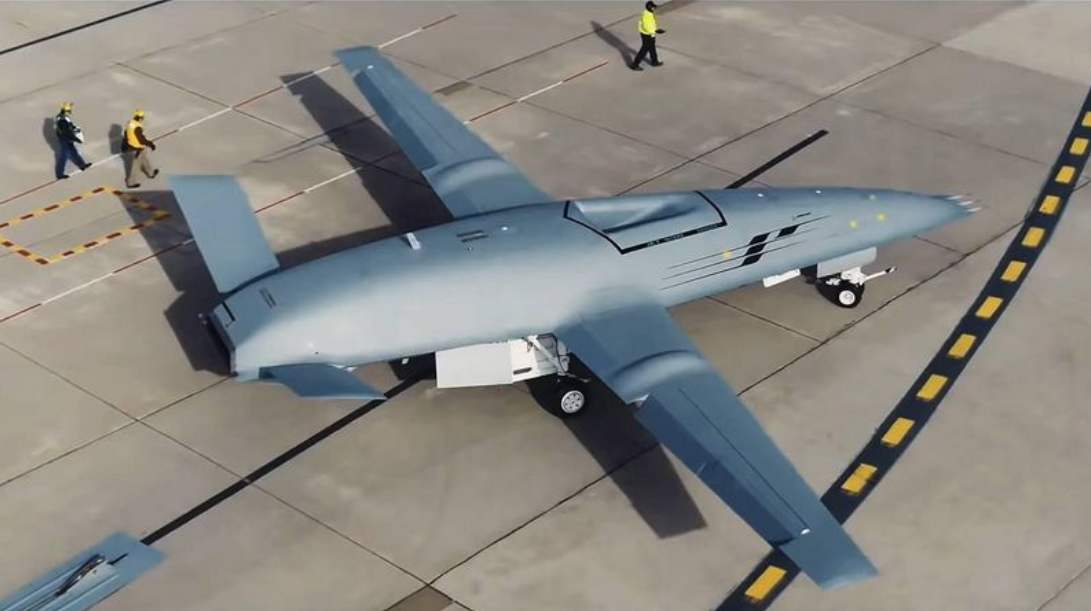

The U.S. Navy’s newest plane isn’t a sexy stealth bomber or a showstopping missile—it’s a fuel-carrying drone. On the surface, the MQ-25 Stingray may look like nothing more than an aerial gas pump, but its mission is changing the way carriers extend their reach at sea. What appears mundane on paper is, in real life, a step ahead in expanding the reach and power of naval air.

Demonstrating the idea wasn’t easy. In the first major demonstration, the Stingray quietly transferred hundreds of pounds of fuel over several hookups, a tricky business that involved trust, precision, and pure reliability.

Each test was never just about the box to be checked—it provided engineers with crucial information about airflow, control configurations, and the tiny but critical moves that enable carrier operations to be safe.

With each success, the Navy edged closer to demonstrating that an unmanned tanker could function in one of the most challenging aviation environments.

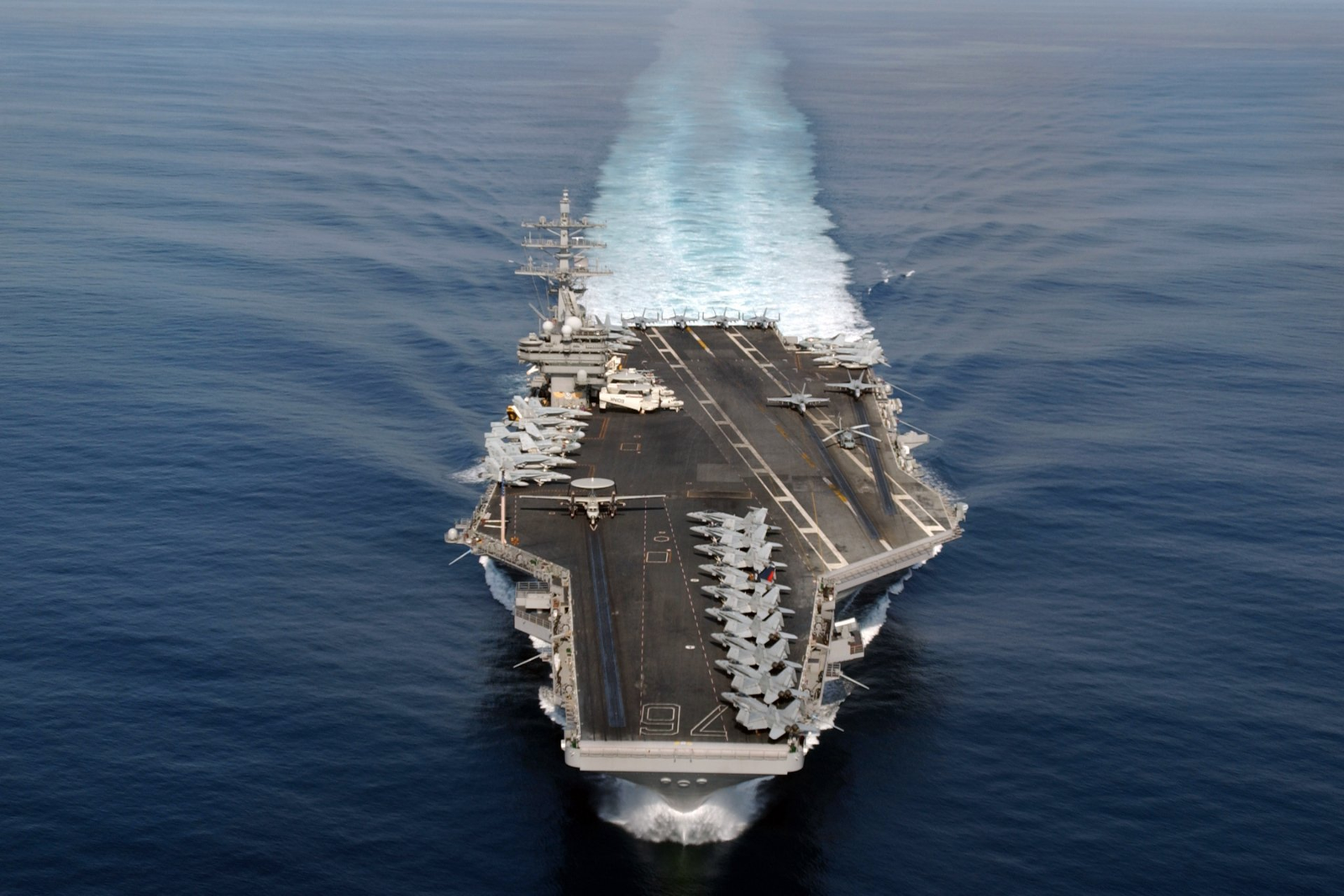
The problem extends beyond flight. An unmanned aircraft that becomes part of the carrier fleet must also fit into one of the busiest workspaces on the planet: the flight deck of an aircraft carrier.

Before it ever touches saltwater, the MQ-25 has been practicing on a mock carrier deck in Norfolk, where crews train to taxi and maneuver.

Sailors and engineers have even applied deck lines to mimic actual carrier operations, ensuring that the Stingray can be launched, recovered, and parked without interfering with the choreographed ballet of manned aircraft.

As with any ambitious project, the path has not been entirely smooth. Reports from the Navy’s Inspector General pointed out challenges with production readiness and test delays that prompted tough choices to keep the program on schedule. As Vice Adm. Carl Chebi succinctly stated, “There’s a lot of work to make MQ-25 by ’25.” Boeing still has faith, as company officials portrayed the Stingray as the most advanced and safest unmanned aircraft that they have ever built.

The reward, if it works, is considerable. Currently, many F/A-18 Super Hornet jets are occupied refueling other aircraft rather than flying bombing missions. The MQ-25, which can carry as much as 15,000 pounds of fuel for more than 1,500 nautical miles, will shoulder that workload, freeing up fighters to fight and pushing the range of the carrier air wing. Rear Adm. Stephen Tedford encapsulated it in a concise phrase by explaining the Stingray is “the F-18 length with E-2 wingspan,” designed from the ground up to endure and succeed in the carrier environment.

But the real significance of the MQ-25 is more than fuel. It is the Navy’s initial step toward the integration of manned and unmanned aircraft into a cohesive, undivided force. As Vice Adm. Daniel Cheever explained, combining both will determine the carrier air wing’s future, making it more adaptable, more networked, and better equipped to address challenges of tomorrow.

The Stingray is not merely another aircraft—it’s the Navy’s proving ground for a new generation, one in which manned pilots and unmanned systems operate in tandem to maintain carrier aviation at the forefront.